2027 Most Valuable Business Degree Programs Ranking in West Virginia

Co-Founder and Chief Data Scientist
Choosing the right business degree program in West Virginia can feel overwhelming. To make this easier, the Research.com team of data scientists created the 2027 Most Valuable Business Degree Programs Ranking in West Virginia. This ranking helps you identify programs that offer strong returns on your educational investment.
Reading this article will give you clear insights into which programs offer great career opportunities and skills that employers value. A business degree can open doors to growth and success, and this guide supports your journey toward a rewarding future.
Key benefits of getting business degree in West Virginia
- Business degree graduates in West Virginia can expect competitive salaries, with roles like Business Development Executive earning a mean annual wage of $83,190 and Business Analyst positions paying around $112,950 on average.
- Graduates from popular West Virginia colleges enjoy diverse career paths in sectors such as marketing, finance, and management, offering exciting growth opportunities and job stability.
- Online business degrees from reputable West Virginia universities offer flexible learning schedules, letting students balance work and study while gaining skills that employers highly value.
- 2027 Most Valuable Business Degree Programs Ranking in West Virginia
- What can I expect from business degree in West Virginia?
- Where can I work with business degree in West Virginia?
What can I expect from business degree in West Virginia?
Studying business in West Virginia offers affordable access to quality education, with costs often well below national averages. Many graduates from West Virginia University's John Chambers College of Business and Economics celebrate their ability to pursue strong programs in finance and supply chain management without overwhelming debt. In-state tuition rates at public universities like WVU and Marshall University make the dream of a business degree not only achievable but practical.
Students quickly find that their investment includes hands-on learning through internships connected to industries vital to the state-energy, healthcare, and manufacturing. Graduates often speak about how these experiences boosted their confidence and prepared them for rewarding careers locally.
The focus on small business management and entrepreneurship sparks enthusiasm in those eager to launch startups or support West Virginia's growing economic hubs. Tuition affordability combined with real-world training creates a vibrant, motivating environment that empowers students to thrive while keeping costs manageable.
Where can I work with business degree in West Virginia?
Graduates with a business degree from institutions like West Virginia University and Marshall University find themselves stepping into vibrant career opportunities across the state. Many begin their journeys in healthcare administration, joining organizations such as WVU Medicine, where they manage hospital operations or improve efficiency in rural healthcare settings. These experiences prove rewarding, knowing their work supports the well-being of their communities.
Others thrive in West Virginia's robust manufacturing sector, taking on roles in supply chain management or human resources at local industrial companies. Here, graduates apply their skills to optimize logistics or enhance workforce dynamics, feeling proud to contribute to nearly 15% of the state's job market.
Financial services also welcome business alumni, with banks and credit unions in Charleston and Morgantown offering positions that nurture growth in finance and marketing. Additionally, many embrace entrepreneurship, energized by the strong startup support from the West Virginia College of Business and Economics, turning their innovative ideas into thriving local businesses.
Graduates with a business degree in West Virginia, especially those from respected institutions like West Virginia University or Marshall University, can anticipate rewarding salary prospects. For example, a Business Development Executive in the state earns a mean annual wage of around $83,190, demonstrating strong earning potential early in a career.
One inspiring story comes from a graduate who leveraged their West Virginia education to secure a business development role, enjoying an energized work-life balance with an $83,000+ salary. Meanwhile, business analysts-often viewed as career accelerators-can command a striking mean annual wage of about $112,950, reflecting the value of expertise and critical thinking nurtured during their studies.
This data highlights how studying business locally offers competitive financial rewards, matching regional demands and industry growth. Whether working in Charleston's dynamic market or a growing manufacturing sector, the knowledge gained at local colleges equips graduates to aim high and thrive financially in West Virginia's welcoming business environment.
- Tuition for business programs in West Virginia public universities ranges from about $7,000 to $10,000 per year for in-state students.
- Entry-level business graduates earn an average annual salary between $48,000 and $55,000, with experienced professionals making $70,000 to $90,000.
- Key industries hiring business graduates include finance, healthcare management, retail, and energy companies.
- West Virginia offers accredited business degrees with strong internship and cooperative education programs to build job readiness.
- The state's job market supports opportunities in urban centers like Charleston and Morgantown as well as smaller communities.
Completing a business degree in West Virginia is an achievable and rewarding journey that typically takes two to four years, depending on the path you choose. Many students at popular institutions like West Virginia University or Marshall University find that a bachelor's degree usually spans four years, giving them the perfect balance to dive deep into business knowledge while exploring campus life and networking opportunities.
Graduates often share how the structured eight-semester program helped them build confidence and skills that opened doors to exciting careers. For those eager to start faster, community colleges across the state offer associate degrees that can be completed in just two years, providing a strong foundation and flexibility for future advancement.
Some students take pride in finishing in three years through accelerated programs offered by these universities, while others appreciate part-time study options that fit alongside work and family commitments. The supportive environment in West Virginia's business schools fuels motivation, inspiring students to turn their ambitions into success stories within a reasonable timeframe.
Choosing between online and on-campus business degrees in West Virginia means embracing the unique benefits of each path. Graduates from West Virginia University cherish the close connections built through in-person classes, where lively discussions, group projects, and on-campus resources like career centers create a vibrant, supportive learning environment. This hands-on experience helps students feel energized and connected, fueling their passion for business.
Meanwhile, those who pursue their degree online from institutions like Marshall University enjoy the freedom to balance education with work and family life. Online programs offer flexible schedules and digital tools that empower students to learn at their own pace, fostering independence and self-motivation. Many graduates feel proud knowing they can achieve their goals without sacrificing personal responsibilities.
Both paths reflect West Virginia's commitment to accessible, high-quality business education. Whether walking the campus halls or logging in from home, students find strong support and opportunities for growth tailored to their lifestyle and ambitions.
Many West Virginia students prioritize program flexibility and speed when pursuing a business degree. Accelerated online pathways enable learners to complete core requirements in as little as 12–18 months by leveraging:
- Year-round course scheduling with fall, spring and summer terms to eliminate traditional summer breaks.
- Credit-for-prior-learning policies that accept AP, IB, CLEP or community college credits, reducing overall credit requirements.
- Competency-based assessments that allow mastery of subjects at an individualized pace rather than fixed semester schedules. By combining these elements, students can fast-track graduation without sacrificing the rigor of core business disciplines-accounting, finance, marketing and management. Cohort models and virtual collaboration tools ensure ongoing peer interaction, while online advising and career services support academic planning and job placement. For those aiming for the fastest way to get a business degree, researching accredited programs that offer accelerated tracks is essential. Key considerations include: 1. Accreditation status (AACSB, ACBSP or IACBE) to guarantee transferability and employer recognition. 2. Technology infrastructure-robust learning management systems and mobile access improve engagement. 3. Internship and virtual practicum options to build real-world experience alongside accelerated coursework. Ultimately, accelerated online options empower working professionals, military personnel and non-traditional learners in West Virginia to achieve their business credentials efficiently, maintain career momentum and enter the workforce-or advance within it-sooner than through traditional four-year formats.
The average cost of a business degree in West Virginia offers an encouraging opportunity for students aiming to launch a successful career. With a median in-state total cost around $10,376, many find it both achievable and rewarding to pursue business studies at well-regarded institutions like West Virginia University or Marshall University. Graduates often reflect on their time at these schools with pride, highlighting not just the solid education but also the financial feasibility that made their degree possible. For out-of-state students, the median cost rises to approximately $33,108, which still remains competitive when considering the quality of education and the promising career prospects post-graduation.
Students studying business in West Virginia benefit from tuition rates and fees that reflect the state's commitment to accessible education without compromising on quality. This accessibility allows many to focus on gaining practical skills and networking opportunities rather than being overwhelmed by financial strain. For anyone considering this path, researching scholarships and financial aid options can make a significant difference, making the cost even more manageable.
Many business students in West Virginia share how their education felt like a positive investment into their future, empowered by both academic support and encouraging campus environments. Prospective students seeking an affordable business degree should consider exploring options like the affordable business school in West Virginia to find programs that best fit their goals and budgets. The average cost of business degree in West Virginia, paired with these advantages, opens doors to exciting possibilities and success.

Calculating the return on investment (ROI) of a business degree in West Virginia involves comparing total program costs-tuition, fees, and living expenses-against post‐graduation earnings and career progression. On average, bachelor’s graduates in West Virginia invest between $12,600 and $13,100 in tuition, with additional fees averaging $65 per semester. When you factor in living costs, the total out‐of‐pocket can reach $20,000 over four years. However, with mean starting salaries around $60,000 and mid‐career wages exceeding $90,000 for roles like Business Analyst or Project Manager, many students recoup their investment within five to six years. To optimize ROI, consider leveraging financial aid and scholarships, or enrolling in lower‐cost accredited online programs. For example, prospective students may compare cost structures and value by reviewing the Most Affordable Online Business Degree Programs Ranking in Waltham, MA. This benchmark can help illustrate how flexible online formats accelerate payback periods, especially for working professionals. Key factors influencing ROI include:
- Net Cost: Total tuition minus grants, scholarships, and credits transferred.
- Salary Growth: Average annual salary increase of 5–7% over the first decade.
- Career Services: Internship partnerships and alumni networks that fast-track job placement. By examining these metrics and choosing programs with strong career outcomes and moderate tuition, students can achieve a positive ROI sooner, ensuring that their business degree fuels long‐term financial stability and professional advancement.
Business students in West Virginia have amazing financial aid opportunities designed to lighten their journey. Graduates from West Virginia University often share how Pell Grants, which can cover up to $7,395, have made a huge difference by reducing what they owe without the pressure of repayment. These grants, combined with low-interest federal student loans, create manageable paths to financing their dreams in business.
State programs like the West Virginia Higher Education Grant and the PROMISE Scholarship boost support by offering up to $3,000 or covering a percentage of tuition for hardworking in-state students. Students at Marshall University have benefited greatly from these programs, feeling encouraged as they pursued their ambitions without overwhelming debt.
Many colleges also offer scholarships based on merit or leadership, with awards between $1,000 and $5,000, which past business graduates often credit for helping them engage fully in campus life. Local businesses and organizations further support students through scholarships rewarding commitment to business fields, reminding you that West Virginia's community truly rallies to help you succeed.
When considering a business degree in West Virginia, one of the crucial factors for many students is the affordability of the program. With the increasing costs of higher education, finding an affordable business school in West Virginia can be a challenge. However, several institutions in the state offer high-quality business education at a lower cost, making it more accessible to a wider range of students. These schools not only provide a comprehensive curriculum but also often have strong industry connections, which can lead to valuable internship opportunities and job placements post-graduation. By exploring these affordable options, prospective students can make an informed decision that aligns with their financial situation and career aspirations, ultimately enhancing their return on investment.
To embark on your journey toward a business degree in West Virginia, meeting key prerequisites opens the door to exciting opportunities. Most successful applicants come prepared with a high school diploma or GED, ready to build on a solid academic foundation. Graduates from West Virginia University often highlight how maintaining a competitive GPA-typically around 3.0 or higher-helped them stand out and feel confident when applying to their business programs.
Standardized tests, like the SAT or ACT, may be required by some schools, but many have embraced more flexible approaches, focusing instead on coursework quality and GPA. Picture yourself mastering Algebra II and English Composition, skills valued by institutions like Marshall University, where strong academic preparation ensures you're ready to tackle courses in statistics and finance.
Some colleges ask for personal essays or letters of recommendation, offering you a chance to showcase your passion and unique perspective. These elements helped past students express their business aspirations and connect authentically with admissions committees, inspiring confidence in their future success.
- High school diploma or equivalent (GED)
- Competitive high school GPA, often around 3.0 or higher
- SAT or ACT scores if required (varies by institution)
- Completion of preparatory courses in math and English
- Personal statements or essays at some schools
- Letters of recommendation in select programs

As the business landscape rapidly evolves, understanding emerging trends is crucial for students who wish to future-proof their careers. This section explores how digital transformation, globalization, and shifting market demands are redefining business education and the professional world. With businesses increasingly relying on data analytics, artificial intelligence, and sustainable practices, contemporary curricula are beginning to integrate these elements into core courses. Students can expect enhanced emphasis on digital literacy, cross-cultural communication, and ethical decision-making, all of which are vital in a globally connected economy. Furthermore, partnerships between academia and industry are growing stronger, providing students with real-world projects and internships that offer a competitive edge in the marketplace. For instance, progressive programs are now incorporating simulated business environments and virtual collaborations to bridge the gap between theoretical knowledge and practical application. This hands-on approach not only supports skill development but also fosters innovation and adaptability in an ever-changing business climate. Aspiring professionals keen on exploring expansive opportunities can learn more about the practical implications of these trends by reviewing career options with business management degree, which highlights the diverse paths emerging in today’s market. Embracing these forward-thinking strategies can empower students to stay ahead of industry shifts and align their education with future career success.
Business degree programs in West Virginia offer a vibrant mix of courses that energize students with practical skills and real-world knowledge. At institutions like West Virginia University and West Virginia State University, students dive into foundational courses such as Principles of Management, where they explore leadership strategies by imagining themselves guiding local businesses to success. Financial Accounting courses empower learners to decode the stories behind numbers, helping future entrepreneurs and managers make confident decisions.
Marketing Principles open doors to understanding customer behaviors and crafting campaigns that resonate with regional markets, while Business Law grounds students in the legal frameworks essential for protecting ventures. Courses in Microeconomics and Macroeconomics reveal how broader economic forces shape opportunities right here in West Virginia's diverse economy.
Graduates often recall how Business Statistics sharpened their ability to analyze data-a skill vital when working with regional companies in healthcare or energy sectors. The blend of these courses creates a dynamic learning journey that equips students to thrive in both small businesses and large corporations across the Appalachian region.
West Virginia offers a vibrant array of business degree specializations, perfectly tailored to energize your career ambitions. Students at leading universities across the state immerse themselves in fields like Accounting, where they master financial reporting and auditing, opening doors to stable, rewarding careers. Those passionate about numbers find the Finance track engaging, learning investment management and corporate finance-skills highly sought after in cities like Charleston and Morgantown.
Graduates often recall how the Management specialization gave them real-world leadership confidence, tackling organizational challenges and strategic planning, which are invaluable in West Virginia's small and medium enterprises. Marketing students thrive by exploring consumer behavior and digital marketing, empowering local businesses to grow in today's dynamic economy. Supply Chain and Logistics is another popular choice, reflecting the state's manufacturing strength and transportation focus.
Exploring career options with business management degree further highlights diverse paths, including Entrepreneurship and Health Care Management, making West Virginia's programs uniquely adaptable to the state's evolving economy and your personal goals. Whether you dream of leading a startup or excelling in corporate finance, these West Virginia business degree concentration options offer a solid foundation to launch your future.
Choosing the best business degree in West Virginia starts with focusing on accredited programs that open doors to exciting career paths. Graduates from West Virginia University and Marshall University often share how their AACSB-accredited business programs gave them confidence and practical skills that seamlessly connected to the local job market. These programs frequently offer specializations in thriving sectors like finance and healthcare administration, helping students align their goals with the dynamic opportunities in the state.
Affordability is another inspiring factor. Many affordable business colleges in West Virginia provide quality education without overwhelming debt, balancing tuition with living expenses to create a manageable path to success. Students often highlight how internship opportunities and cooperative education add real-world experience that makes learning vibrant and deeply rewarding.
For those balancing work and studies, schools offering online or part-time courses bring added flexibility. Exploring the fastest way to get a business degree can transform dreams into achievements more quickly, supporting diverse lifestyles and ambitions.
Graduates with a business degree in West Virginia unlock a world of promising career paths perfectly tailored to the state's dynamic economy. Many find rewarding roles in financial analysis and planning, fueling the growth of the local small business community, especially those who studied at popular schools like West Virginia University. Others thrive in marketing and sales, helping regional companies boost their digital presence and reach new customers. The human resources sector also offers abundant opportunities, particularly in healthcare and education, where graduates contribute to meaningful workforce development.
Exploring the statewide landscape reveals inspiring stories of graduates actively shaping operations and supply chain management in manufacturing and mining industries vital to West Virginia's growth. For students eager to pursue business degree career opportunities in West Virginia, entrepreneurship programs encourage creating startups or consulting for emerging firms, sparking innovation throughout the region.
Business degree holders also enjoy strong West Virginia business degree job prospects in public administration roles, supporting community development through budgeting and project management. For those seeking accessible paths to success, exploring the Most Affordable Online Business Degree Programs Ranking in Waltham, MA offers additional flexible options to achieve their dreams.
The business degree job outlook West Virginia offers an encouraging landscape for aspiring professionals ready to make their mark. Graduates from renowned institutions like West Virginia University and Marshall University often find themselves stepping confidently into roles within financial services, healthcare administration, and energy sectors. These opportunities are particularly attractive thanks to the state's expanding emphasis on management, marketing, and data analysis skills.
Many business graduates share inspiring stories of how internships and local networking opened doors to rewarding careers in bustling cities such as Charleston and Morgantown. The growing demand for digital business expertise means that students equipped with data analytics and digital marketing skills are highly sought after. Investing in a business degree here also provides a great return on investment, with tuition costs below the national average and a cost of living that makes salary offers more appealing.
For those considering their academic path, researching colleges with open admissions in West Virginia can help you find programs that match your ambitions and support your career journey. The state's mix of traditional industries and emerging sectors ensures diverse, promising employment opportunities for business degree holders eager to grow and thrive.
2027 Most Valuable Business Degree Programs Ranking in West Virginia
Investing in your education is a significant decision that can shape your future, and the Research.com team understands the importance of making informed choices. To assist prospective students in West Virginia, we have meticulously crafted the "2027 Most Valuable Business Degree Programs Ranking in West Virginia." Our commitment to quality, credibility, and accuracy is reflected in the extensive research and analysis conducted to compile this ranking.
We utilized the following reputable data sources to ensure a comprehensive evaluation of business degree programs:
By exploring this ranking, readers will gain valuable insights into the most valuable business degree programs in West Virginia, enabling them to make well-informed decisions about their educational investments. For more details on our methodology, please visit our Research.com methodology page.


# 12 position
Salem University
Master of Business Administration

# 13 position
Salem University
Bachelor of Science in Business Administration


# 18 position
Glenville State University
Bachelor of Science in Business Administration


Frequently Asked Questions About business
Business degree students in West Virginia can maximize their learning by engaging with local industries that contribute over $16 billion annually to the state economy, including manufacturing, healthcare, and energy sectors. Participating in internships with companies in Charleston or Morgantown provides practical experience and networking opportunities. Students should also leverage resources at West Virginia's accredited institutions, such as West Virginia University, which offer specialized business programs and student organizations focused on entrepreneurship and finance. Joining local chapters of national business groups can foster professional connections. Utilizing state labor market data helps students align their studies with in-demand skills in West Virginia's evolving business landscape.
Emerging niches within the business field in West Virginia reflect broader national trends alongside local economic shifts. Areas like data analytics and supply chain management are growing rapidly due to the state's expanding logistics sector, which supports industries such as manufacturing and energy.
Another promising niche is sustainable business practices, driven by increased focus on Appalachian environmental concerns and renewable energy projects. According to the West Virginia Department of Commerce, green energy jobs are expected to rise by 10% annually through 2030.
Entrepreneurship and small business management also remain popular, supported by state initiatives encouraging innovation and local startups. Business graduates with expertise in digital marketing and e-commerce are especially in demand as West Virginia's online retail sector grows.
After earning a business degree in West Virginia, graduates should focus on developing key skills to stand out in the competitive job market. West Virginia's economy includes strong sectors such as healthcare, manufacturing, and energy, so gaining experience relevant to these fields can be valuable. Internships and cooperative education programs offered by local universities provide practical skills and networking opportunities.
Additionally, building soft skills like communication, problem-solving, and adaptability is important. According to the West Virginia Department of Commerce, the state's business services sector is expected to grow by 4.5% between 2022 and 2032, creating opportunities for well-prepared graduates.
Joining professional organizations and attending regional job fairs can also enhance employment prospects. Utilizing university career centers to craft resumes and practice interviews is another effective step toward securing a job in West Virginia's business landscape.
Employers in West Virginia highly value business degree graduates who demonstrate strong communication and problem-solving skills. According to the West Virginia Department of Commerce, effective teamwork and adaptability rank among the critical soft skills sought in the state's growing sectors such as healthcare, manufacturing, and finance.
Analytical abilities, particularly in data interpretation and financial management, are increasingly important. Graduates proficient in using business analytics tools often have an edge, as local businesses shift towards data-driven decision-making.
Additionally, leadership and project management skills are prized, especially for positions at mid-size companies where multitasking is common.
Technical skills related to digital marketing and supply chain management also enhance employability in West Virginia's evolving economy.
Finding internships in West Virginia relevant to a business degree involves a combination of university resources, local business networks, and online platforms. Many West Virginia universities, including West Virginia University and Marshall University, offer dedicated career services that connect students to internships with regional companies. According to the West Virginia Department of Commerce, the state's business sectors like finance, healthcare administration, and energy provide growing internship opportunities.
Students should also explore statewide programs such as FACE WV, which supports workforce development by linking students to internships and apprenticeships. Additionally, major cities like Charleston and Morgantown have active chambers of commerce that promote internships in local businesses. Leveraging LinkedIn and Handshake can further help locate positions tailored to business students in West Virginia.
A business degree in West Virginia can significantly enhance career mobility and opportunities for advancement. According to the U.S. Bureau of Labor Statistics, occupations in management and business fields in West Virginia are expected to grow by about 5% through 2031, reflecting steady demand.
Graduates with a business degree often qualify for roles in management, marketing, finance, and entrepreneurship, fields where upward mobility is common. Companies such as Mylan Pharmaceuticals and Appalachian Power, headquartered in West Virginia, frequently seek employees with formal business education to fill leadership positions.
Moreover, West Virginia's educational institutions, including West Virginia University, offer specialized programs that emphasize practical skills and networking, increasing graduates' chances to advance locally. The state's modest cost of living also grants professionals the ability to reinvest earnings into further education or certifications, which can propel career growth.
Studying for a business degree in West Virginia equips students with versatile skills essential for interdisciplinary roles. Many universities, including West Virginia University and Marshall University, offer curricula blending management, finance, marketing, and information technology. This multidisciplinary approach reflects the state's diverse economy, which includes energy, healthcare, and manufacturing sectors.
According to the West Virginia Higher Education Policy Commission, business graduates often collaborate across departmental and industry lines, making strong analytical and communication skills vital. Programs emphasize problem-solving and adaptability, preparing students to thrive in roles that connect business practices with technology, policy, and community development.
Choosing between a thesis and a non-thesis business degree program in West Virginia depends largely on your career goals and learning preferences. A thesis option usually suits students interested in research or pursuing a doctorate later. It involves conducting original research and writing a detailed paper, enhancing critical thinking and analytical skills.
The non-thesis option often appeals to those focused on practical skills and immediate workforce entry. It typically requires additional coursework or a capstone project instead of extensive research.
In West Virginia, schools like West Virginia University offer both options, reflecting trends noted by the National Center for Education Statistics, with about 40% of business master's students nationwide choosing the non-thesis path. This flexibility helps students align their education with state economic sectors like energy, healthcare, or manufacturing.
Students based in West Virginia seeking to study business abroad have several pathways through partnerships and exchange programs offered by the state's universities. Institutions such as West Virginia University and Marshall University provide their business students opportunities to spend a semester or a year at international partner schools, often in Europe or Asia. These programs enable students to gain global business perspectives while earning credits toward their degree.
Additionally, business students can explore short-term study tours, internships, or online joint degrees with international universities. According to the Institute of International Education, West Virginia hosted over 2,000 outbound study abroad participants in 2022, with business being one of the popular fields. These options help build cross-cultural skills critical in today's global economy.
Part-time job opportunities in West Virginia that complement business degree education focus primarily on roles that develop practical skills in finance, marketing, and management. Students often find work as administrative assistants, retail supervisors, or customer service representatives, allowing them to gain firsthand experience in business operations. According to the West Virginia Department of Commerce, the state's key industries such as healthcare, manufacturing, and retail offer numerous entry-level positions ideal for business students.
Internships with local small businesses can also provide valuable exposure to entrepreneurship and financial planning. Many universities in West Virginia facilitate connections between students and businesses, enhancing job readiness.
Business students in West Virginia benefit from various networking opportunities through university-affiliated events and local professional organizations. Schools like West Virginia University and Marshall University frequently host career fairs and speaker series, connecting students with regional employers in sectors such as energy, manufacturing, and healthcare.
The state's Chamber of Commerce chapters provide platforms where students can engage with business leaders. Additionally, clubs and honor societies like the WVU Business Network and Beta Gamma Sigma offer access to mentorship and internship openings.
According to the West Virginia Department of Commerce, nearly 70% of businesses cite networking as key to career growth in the state, emphasizing its importance for business students.
Alumni networks in West Virginia play a crucial role in supporting business degree students. These networks provide valuable connections to professionals working across various industries in the state, especially in sectors like energy, healthcare, and finance, which are prominent employers in West Virginia according to the Bureau of Labor Statistics.
Engaging with alumni allows students to access mentorship opportunities, internships, and job referrals. Research from the National Association of Colleges and Employers shows that 70% of jobs are found through networking, highlighting the importance of these connections. Universities in West Virginia often host networking events and career fairs that link students to successful graduates in their fields.
Additionally, alumni can offer insights into local market trends and business practices unique to West Virginia, which can enhance student learning beyond traditional coursework. This localized knowledge supports career readiness and practical understanding of the regional economy.
In West Virginia, students can customize their business degree by selecting concentrations that align with their specific career goals. Many universities offer specialized tracks such as finance, marketing, management, or entrepreneurship. This flexibility enables students to gain targeted skills relevant to industries prominent in the state, including energy, healthcare, and manufacturing.
West Virginia schools also provide opportunities for internships and cooperative education programs, often connecting students with local businesses and organizations. According to the West Virginia Department of Commerce, sectors like advanced manufacturing and information technology have seen growth, making related business specializations valuable.
Choosing electives that emphasize data analysis, digital marketing, or supply chain management can further tailor a degree for emerging job markets in West Virginia. Additionally, some programs incorporate online or evening classes to suit working professionals' schedules.
Business students in West Virginia often encounter financial challenges, as the state's median household income is below the national average, making tuition affordability a key concern. According to the U.S. Census Bureau, West Virginia's median household income was approximately $48,850 in 2022, which impacts students' ability to fund their education without substantial loans.
Additionally, access to internships and networking opportunities can be limited due to the state's smaller economy and fewer large corporations compared to more urbanized areas. This constraint may affect practical experience and job placement after graduation. The West Virginia Department of Commerce notes that many business sectors are concentrated in small to mid-sized companies, creating competition for limited internship roles.
Finally, students may face challenges related to adapting to evolving business technologies and remote learning models, which became widespread during recent years. Institutions are working to update curricula, but some students report uneven access to necessary resources and support.
A business degree from a West Virginia institution can open doors to several valuable professional certifications. Many graduates pursue the Certified Public Accountant (CPA) credential, especially those focusing on accounting. West Virginia requires 150 credit hours and passing the Uniform CPA Exam, regulated by the West Virginia Board of Accountancy.
Another common certification is the Project Management Professional (PMP), which is widely recognized across industries. This credential can significantly boost employability in West Virginia's growing construction and energy sectors.
The Certified Management Accountant (CMA) is also popular for those interested in financial management roles. According to the U.S. Bureau of Labor Statistics, finance-related jobs in West Virginia are projected to grow by 5% through 2030.
Other options include Certified Financial Planner (CFP) and SHRM Certified Professional for those interested in financial advising and human resources, respectively.
To write a winning application for a business program in West Virginia, start by researching the specific schools and their admission requirements. Highlight your academic achievements, especially in math and economics, which are valued in business programs. West Virginia universities, such as West Virginia University and Marshall University, often look for strong GPA and standardized test scores.
Personal statements should clearly explain your career goals and why studying business in West Virginia fits your plans. Include any relevant work or volunteer experience that shows leadership or teamwork skills. According to the West Virginia Higher Education Policy Commission, demonstrating community involvement can strengthen your application.
Letters of recommendation should come from teachers or employers who can attest to your abilities and commitment. Lastly, ensure your application is complete and error-free by following each school's instructions precisely.
Global perspectives on a business career emphasize adaptability, cultural awareness, and cross-border collaboration. In the context of U.S. higher education, business degrees increasingly integrate international case studies and emphasize global supply chains and markets.
For students in West Virginia, understanding global business trends is crucial. The state's economy, historically rooted in manufacturing and energy, is expanding to include services and technology sectors that connect to worldwide markets (West Virginia Department of Commerce, 2023).
According to the U.S. Bureau of Labor Statistics, business occupations are expected to grow by 8% nationally by 2030, with increasing demand for skills in global trade and digital communication. Business programs in West Virginia are adapting curricula to prepare graduates for this interconnected environment.
Overall, a business degree from West Virginia offers opportunities to engage with global economic dynamics while supporting local industries transitioning toward international integration.
Gaining practical experience while studying for a business degree in West Virginia can significantly enhance your career readiness. Many universities in the state, such as West Virginia University and Marshall University, offer internship programs that connect students with local businesses and industries. These internships provide hands-on experience in areas like marketing, finance, and management.
Additionally, cooperative education (co-op) programs may be available, allowing students to alternate between academic study and full-time work related to their field. Participating in campus business organizations or competitions also helps develop real-world skills and a professional network.
According to the West Virginia Department of Commerce, internships within growing sectors such as energy and healthcare are increasingly common and valuable for business students.
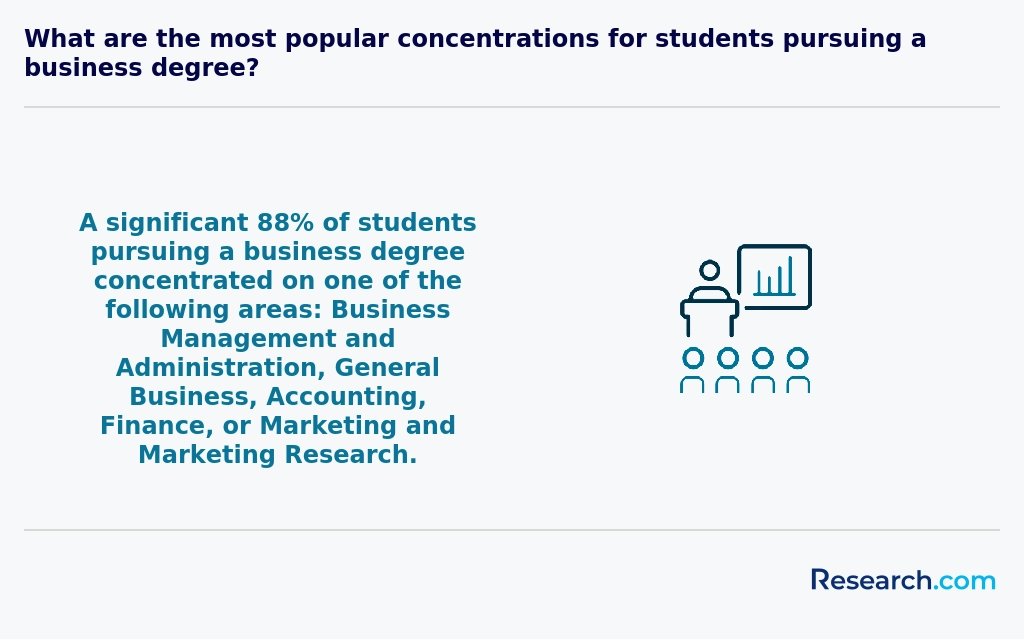
Choosing the right concentration within a business degree program in West Virginia depends on your career goals and local job market trends. Popular concentrations include finance, marketing, management, and entrepreneurship. According to the West Virginia Department of Commerce, industries like energy, healthcare, and manufacturing offer numerous business roles, making concentrations aligned with these sectors valuable.
Reflect on your skills and interests. For example, if you enjoy working with numbers and data, finance or accounting could be suitable. If you prefer creative problem-solving, marketing might be a better fit.
Research schools' program offerings and internship opportunities in West Virginia. Strong industry connections can enhance job prospects after graduation.
- 2027 Most Valuable Online Business Degree Programs Ranking in Virginia
- 2027 Most Valuable Online Business Degree Programs Ranking in Ohio
- 2027 Most Valuable Online Business Degree Programs Ranking in Pennsylvania
- 2027 Most Valuable Online Business Degree Programs Ranking in Maryland
- 2027 Most Valuable Online Business Degree Programs Ranking in North Carolina
- 2027 Most Valuable Online Business Degree Programs Ranking in Tennessee
- 2027 Most Valuable Online Business Degree Programs Ranking in South Carolina
- 2027 Most Valuable Online Business Degree Programs Ranking in New Jersey
- 2027 Most Valuable Online Business Degree Programs Ranking in Michigan
- 2027 Most Valuable Online Business Degree Programs Ranking in Missouri
See What Experts Have To Say About Studying Business
Read our interview with Business experts

David W. Stewart
Business Expert
Emeritus President's Professor of Marketing
Loyola Marymount University

David Souder
Business Expert
Senior Associate Dean for Faculty and Research
Michigan State University


- Business Administration https://charleston.catalog.wvjc.edu/business-administration/specialized-associate-degree/business-administration
- What is the future of bachelor’s degrees in business? https://www.amba-bga.com/insights/what-is-the-future-of-bachelors-degrees-in-business
- 5+1: Five challenges facing business schools and one solution https://charteredabs.org/insights/opinion/51-five-challenges-facing-business-schools-and-one-solution
- Is a thesis always mandatory in a master's degree program? - EFMU: The Euler-Franeker Memorial University and Institute https://euler.euclid.int/is-a-thesis-always-mandatory-in-masters-degree-program/
- Business Study Abroad Programs | Go Overseas https://www.gooverseas.com/study-abroad/business
- Compact Summaries: Impact - West Virginia Higher Education Policy Commission https://www.wvhepc.edu/master-plan-leading-the-way/institutional-compacts/compact-summaries-impact/
- Business Schools in West Virginia https://www.discoverbusiness.us/education/schools/us/west-virginia/
- The Importance of Networking in Business Education https://sheatcollege.com/the-importance-of-networking-in-business-education/
- Know more about thesis vs non- thesis: what is the difference? https://studyfans.com/en/blogs/816
- 2024 Best Business Schools | How Alumni Rate Their Undergraduate Business Degrees https://poetsandquantsforundergrads.com/news/best-business-schools-alumni-rate-undergraduate-business-degrees/5/