2027 Most Valuable Business Degree Programs Ranking in Chestnut Hill

Co-Founder and Chief Data Scientist
Choosing the right business degree program in Chestnut Hill can shape your future success and open doors to exciting career opportunities. This article presents the 2027 Most Valuable Business Degree Programs Ranking in Chestnut Hill, carefully developed by the Research.com team of data scientists to guide your decision-making.
By exploring this ranking, you'll gain clear insights into which programs offer the best value and potential return on investment. Whether you're starting or advancing your education, understanding your options will empower you to pursue a rewarding path with confidence.
Key benefits of getting business degree in Chestnut Hill
- Salary for business degree graduates: Graduates can expect strong earning potential, with roles like Business Development Executive earning a mean annual wage of $83,190 and Business Analyst positions averaging $112,950 per year.
- Potential career paths: A graduate from a well-known Chestnut Hill college might pursue careers in business analysis, sales, or management, offering diverse options tailored to their strengths and interests.
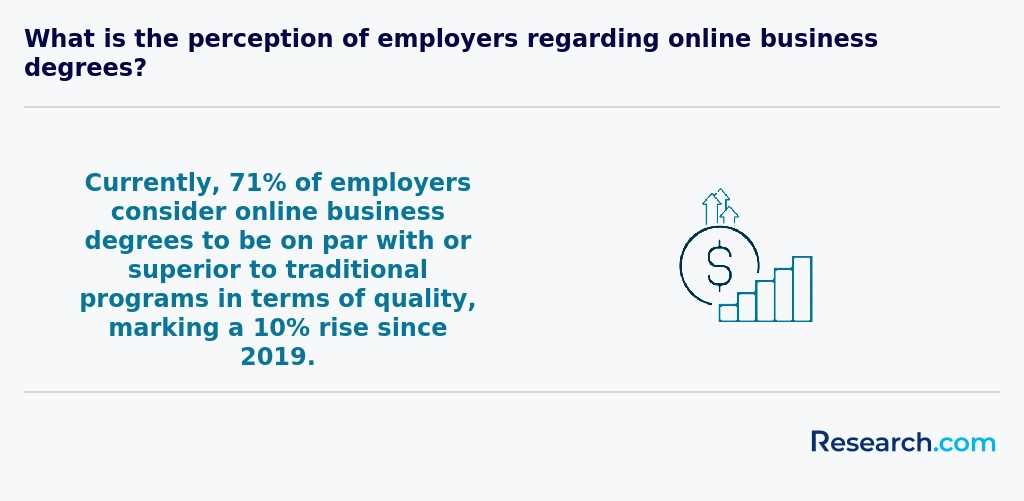
- Benefits of an online business degree: Online programs provide flexibility and accessibility, enabling graduates to balance studies with work or family while gaining skills recognized by employers in the Chestnut Hill area.
- 2027 Most Valuable Business Degree Programs Ranking in Chestnut Hill
- What can I expect from business degree in Chestnut Hill?
- Where can I work with business degree in Chestnut Hill?
What can I expect from business degree in Chestnut Hill?
The average cost of earning a business degree in Chestnut Hill, particularly at Boston College's Carroll School of Management, typically ranges from $60,000 to $70,000 per year in tuition and fees. Graduates often recall the initial financial planning as a challenge, but many emphasize how scholarships, financial aid, and part-time work opportunities helped make it manageable.
For example, several graduates benefited from internships offered through the school's strong industry connections, which provided not only experience but also stipends that offset living expenses. This practical route helped soften the upfront cost while adding real-world value.
Students usually budget for additional costs such as textbooks, commuting, and housing, which can add $15,000 to $20,000 annually. However, the investment often pays off quickly; graduates report average starting salaries between $70,000 and $75,000, making it easier to handle any student loans.
Planning early and exploring the financial resources available through Chestnut Hill institutions can significantly ease the process of affording this valuable degree.
Where can I work with business degree in Chestnut Hill?
Graduates with a business degree in Chestnut Hill often find themselves stepping into diverse employment sectors right after completing their studies at institutions like Boston College. Many quickly secure roles in retail management at local hubs such as the Chestnut Hill Shopping Center, where hands-on experience managing teams and coordinating marketing campaigns becomes an immediate advantage.
Others leverage connections developed during internships to enter healthcare administration at nearby Boston Children's Hospital. Business graduates in these roles manage budgets and streamline operations, gaining invaluable skills that enhance their career trajectory. This practical involvement brings a rewarding sense of contributing to community well-being.
For those drawn to finance, the Greater Boston area's financial services firms offer opportunities ranging from investment advising to financial planning. Recent grads often mention how applying classroom knowledge to real client portfolios builds confidence daily.
Entrepreneurship also thrives in Chestnut Hill. Graduates frequently launch local small businesses-be it consulting or hospitality-enjoying the support of a community eager to foster economic growth. These pathways demonstrate how a business degree can transform ambitions into tangible success stories.
Graduates with business degrees in Chestnut Hill can expect solid starting salaries, especially when considering roles with available data. For instance, business development executives in the area earn a mean annual wage of about $83,190, reflecting entry to mid-level opportunities that recent graduates often secure. Those who become business analysts-common among alumni from local institutions like Boston College-typically see substantially higher earnings, with an average annual salary near $112,950.
Imagine a business student from Chestnut Hill landing an analyst position shortly after graduation, enjoying a salary that supports a comfortable lifestyle close to home. With experience, many increase their income by targeting roles such as managerial positions or specialties in finance, areas that Chestnut Hill's proximity to Boston firms makes more accessible.
Focusing on these specific salaries helps set realistic expectations. Graduates who build relevant skills and leverage the strong local network often find themselves improving earnings steadily, benefiting from Chestnut Hill's blend of suburban calm and metropolitan job opportunities.
- Annual tuition for business degrees in Chestnut Hill ranges from $40,000 to $50,000 at private colleges and $15,000 to $30,000 at public colleges.
- Entry-level salaries for business graduates typically start between $55,000 and $65,000 per year.
- Mid-career salaries can increase to between $90,000 and $110,000 annually with experience and additional qualifications.
- Chestnut Hill's business graduates have access to diverse job markets, including financial services, consulting, and healthcare management.
- The unemployment rate for business degree holders in this area is below the national average, showing steady demand for business skills.
- Local colleges provide internships and networking events that help students gain practical experience and improve job prospects.
Completing a business degree in Chestnut Hill typically takes about four years for full-time undergraduate students, matching the standard pace at schools like Boston College. Graduates often share how spreading coursework evenly each semester made balancing classes and social life manageable. If you're tackling your degree part-time, expect around five to six years, especially if you're working or managing family duties simultaneously.
Some local colleges offer accelerated programs where students finish in roughly three years by taking summer classes and a heavier semester course load. Graduates from these programs often describe a rewarding yet intense experience that helped them start their careers sooner and save on tuition. For graduate business degrees like an MBA, plan on one to two years full-time. Some students at Chestnut Hill institutions choose part-time or executive MBA tracks that extend to three or four years, fitting study around demanding jobs.
Credit transfers or taking summer courses can shorten your path, a practical option many students use to graduate ahead of schedule. Keep these strategies in mind as you plan your business education in Chestnut Hill.
As the business world rapidly evolves, understanding emerging trends becomes crucial for students and professionals alike. In today’s dynamic market, technological advancements, data-driven strategies, and innovative business models are reshaping career opportunities and educational priorities. This section delves into trends such as digital transformation, the rise of remote work, and the importance of agility in business strategy, offering insights that help prospective students navigate the changing industry landscape. For example, many are now evaluating how specialized programs, like those in marketing, can provide a competitive edge; if you’re curious about modern career paths, you might consider exploring whether is marketing a good major in today’s context. Additionally, staying informed about sustainable business practices and ethical innovations further enhances career readiness, ensuring graduates can adapt to future challenges and opportunities in a global economy.
Choosing between an online and on-campus business degree in Chestnut Hill comes down to how you want to learn and manage your time. On-campus students at popular institutions often share stories of walking through campus after class, grabbing coffee with professors, and quickly connecting with local businesses for internships. This face-to-face interaction builds strong networks that translate directly into job offers. Moreover, on-campus programs follow a structured schedule, which works well for those who thrive with routine and in-person group work.
Conversely, graduates who chose online programs highlight the freedom to study anywhere-from home to their favorite café-fitting coursework around jobs or family life. Online learning demands self-discipline, but asynchronous classes let students review materials whenever it suits them. While virtual networking requires effort, many find online alumni groups valuable for career support. The cost difference can be substantial: Chestnut Hill private schools on campus may cost $5,000 to $15,000 more annually compared to online options, making flexibility and savings a compelling advantage.
The average cost of a business degree in Chestnut Hill typically totals around $87,610, which reflects both tuition and living expenses. Graduates from Boston College and other well-known local institutions often describe balancing this investment alongside financial aid to manage the cost effectively. For many students, this means planning for a total expense that includes tuition, housing, fees, and books, which together shape their budget considerations.
Understanding the Chestnut Hill business degree total expenses is essential when mapping out your educational path. Private colleges in the area tend to have tuition fees that push this total cost higher than state universities. Many students find that securing scholarships or participating in work-study programs can significantly ease the financial burden, making the learning experience more rewarding rather than stressful.
It's worth noting that community colleges and state universities in nearby areas often offer lower tuition options, sometimes in the $15,000 to $25,000 range annually, but these options may require commuting or online study. For those exploring flexible options, online health administration MBA programs represent a valuable alternative, blending affordability with convenience.
Planning ahead, considering both the tangible and hidden costs, and exploring financial aid channels are crucial for anyone aiming to pursue a business degree in Chestnut Hill and make the most of this worthwhile endeavor.
When pursuing a business degree in Chestnut Hill, students often rely first on federal financial aid. Graduates from well-known local colleges share how Pell Grants, with awards up to $7,395, provided vital upfront support without the stress of repayment. Federal Direct Loans also eased their budgeting, offering low-interest options and manageable payback plans that made balancing costs realistic.
Many students highlight institutional scholarships as game-changers. For example, those studying business at nearby universities regularly receive merit-based scholarships ranging from $5,000 to full tuition, rewarding academic excellence and leadership. Checking each institution's financial aid office early can uncover these valuable opportunities tailored for business majors.
State programs like the Massachusetts MassGrant added another layer of support for residents, cutting direct expenses significantly. Meanwhile, work-study roles on or near campus offer hands-on business experience and income, helping students afford daily living costs while boosting their resumes.
Private scholarships from local firms and community groups further supplement aid, making business education more accessible. Graduates often recommend combining these resources to build a strong financial plan that reduces worry and helps focus on career growth.
To enroll in a business degree program in Chestnut Hill, you first need a high school diploma or its equivalent, such as a GED. Graduates from local colleges often mention how a solid background in math, economics, and English provided a smooth transition into business coursework.
Most schools require SAT or ACT scores, though some now offer test-optional admission. For those submitting scores, aiming for ranges between 1100 and 1300 SAT can strengthen your application. Business students here often recall how these scores gave them confidence during admissions and even in scholarship competitions.
Writing a thoughtful application essay or personal statement is essential. This is your chance to express your passion for business, your career goals, and relevant experience like internships or club participation. Chestnut Hill students frequently share that a well-crafted essay made their applications stand out.
International applicants must prove English proficiency with TOEFL or IELTS scores, ensuring they can engage fully with coursework and group projects.
Finally, plan financially. Tuition in Chestnut Hill aligns with national averages: roughly $20,000 yearly at public institutions and upward of $40,000 at private ones. Taking advantage of available financial aid is a practical step many students take before starting their journey.

When deciding on a business school in Massachusetts, it's crucial to consider factors such as accreditation, curriculum, and faculty expertise. Prospective students can explore the valuable business school in Massachusetts to find programs that align with their career goals and aspirations. By researching and evaluating different schools, students can make informed decisions about their education and set themselves up for success in the competitive business landscape. This involves looking into the school's reputation, alumni network, and available resources, as well as considering factors such as location, cost, and program format. Ultimately, choosing the right business school in Massachusetts can have a significant impact on a student's future career prospects and overall satisfaction with their educational experience.
Business degree programs in Chestnut Hill typically include foundational courses such as Financial Accounting and Managerial Accounting, Principles of Marketing, and Business Law and Ethics. Graduates from local colleges often recall how mastering these basics gave them confidence to analyze real company financials or draft marketing strategies during internships.
Most students also take Organizational Behavior and Strategic Management, which provide insight into team dynamics and long-term business planning-skills that graduates found essential when stepping into leadership roles at small businesses or startups common in Chestnut Hill's community.
Courses like Introduction to Finance and Operations Management frequently appear, helping students understand budgeting and daily business activities. Many graduates emphasize that learning these helped them manage projects more effectively in fast-paced environments.
Chestnut Hill colleges often add entrepreneurship and small business management classes that focus on realistic scenarios like creating business plans or innovating within family-owned companies, reflecting local economic needs. Electives such as data analytics and digital marketing prepare students for today's tech-driven market, a benefit graduates appreciate working regionally or beyond.

Students pursuing a business degree in Chestnut Hill typically choose from practical specializations designed to meet diverse career goals. Common concentration options include finance, marketing, management, accounting, and entrepreneurship, each emphasizing real-world skills. Graduates from well-known Chestnut Hill colleges often share how finance courses helped them confidently analyze investments or how marketing classes equipped them to design effective branding campaigns for local startups. This variety in business degree specializations in Chestnut Hill means you can tailor your education toward industries that match your strengths and ambitions.
Many students also explore emerging areas such as international business or business analytics, which prepare them for global markets or data-driven decision-making roles. For those debating which path to take, resources on which is better: online or traditional accounting degrees can offer valuable guidance. Choosing a specialization that matches local economic trends and business needs is a smart step for boosting career prospects within the region.
Start by identifying which business degree aligns with your career goals-Chestnut Hill offers diverse options like BBA, MBA, and specialized degrees in finance or marketing. Graduates from local colleges often reflect on how choosing an AACSB-accredited program boosted their job prospects, as employers highly value this recognition. Considering cost is practical; many affordable business colleges Chestnut Hill offer competitive tuition compared to national averages, helping you manage financial investment wisely.
Flexibility is key, especially if you balance work and study. Several Chestnut Hill schools provide part-time, evening, or online formats, letting students gain valuable experience without pausing their careers. One graduate praised how program flexibility allowed them to intern at a Philadelphia firm, enhancing their résumé and professional network.
Lastly, leverage the strong local business connections in Chestnut Hill to access internships and career services. Schools with robust ties to the Philadelphia market often open doors in finance and consulting. If you want to specialize in marketing, also explore the best online digital marketing degree programs to supplement your studies and sharpen your skills.
Graduates with a business degree in Chestnut Hill often find career paths in finance and accounting, leveraging the area's strong ties to Boston's financial district. Many alumni have started as financial analysts or accountants, gaining practical experience from internships at local firms. For those interested in management, Chestnut Hill's colleges prepare students to take roles such as project manager or human resources specialist, with median salaries above $90,000 reflecting solid employment prospects.
Marketing and sales remain popular directions, especially with the rise of e-commerce. Graduates skilled in digital marketing and social media analytics often join local companies or startups, enjoying fast-paced environments fueled by Boston's tech boom. Some business graduates from Chestnut Hill institutions choose entrepreneurship, supported by access to innovation hubs and mentorship opportunities, turning ideas into viable ventures.
To explore these options, students can research entry-level business jobs closely tied to the region's economy. Understanding job opportunities for Chestnut Hill business graduates allows a strategic approach to career planning, maximizing both local demand and individual strengths.

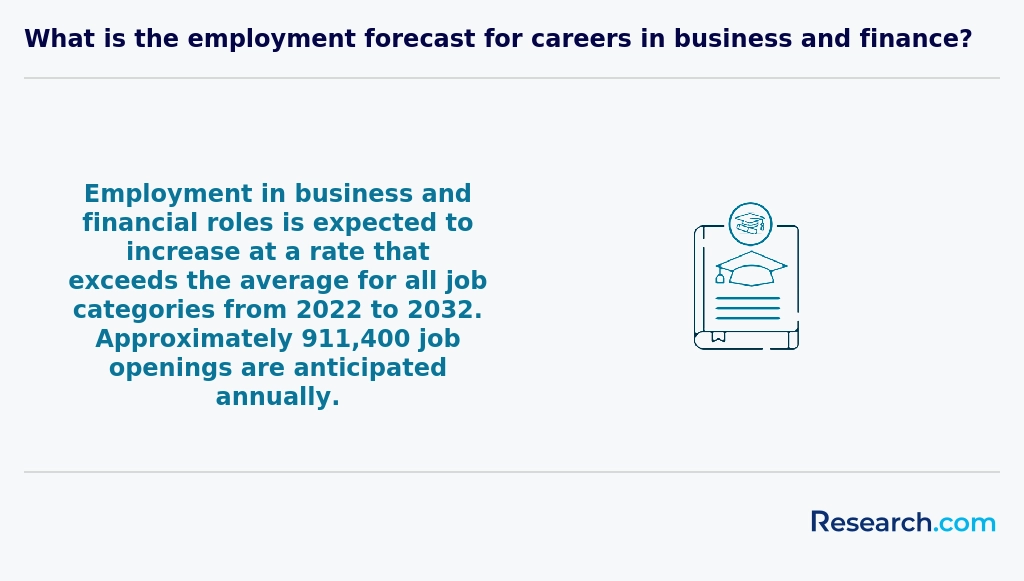
The business degree job outlook in Chestnut Hill is promising for graduates who strategically engage with the local economy. With the region's strong base in finance, healthcare, education, and professional services, students from popular colleges in Chestnut Hill often find internships leading directly to full-time roles. Graduates report that skills in management and marketing open doors at local institutions and companies, while proximity to Boston increases access to larger corporations and startups. One graduate described leveraging an internship at a healthcare provider nearby to secure an entry-level position in management, reflecting practical outcomes of local networking.
Employment opportunities for Chestnut Hill business graduates also benefit from a competitive salary environment. Entry-level roles typically start around $50,000, rising significantly with specialization. Graduates from private colleges note that their investment aligns with potential earnings, especially given that business and financial operations roles in the area exceed the national wage median. To maximize return, students should focus on internships, local networking, and exploring programs at a valuable business school in Massachusetts.
2027 Most Valuable Business Degree Programs Ranking in Chestnut Hill
Investing in your education is a significant decision that can shape your future, and the Research.com team recognizes the importance of making well-informed choices. To aid prospective students in Chestnut Hill, we have carefully developed the "2027 Most Valuable Business Degree Programs Ranking." Our dedication to quality, credibility, and accuracy is demonstrated through thorough research and analysis undertaken to create this ranking.
We utilized the following reputable data sources to ensure a comprehensive evaluation of business degree programs:
By reviewing this ranking, readers will gain valuable insights into the most valuable business degree programs in Chestnut Hill, helping them make informed decisions about their educational and professional futures. For more details on our methodology, please visit our Research.com methodology page.

Frequently Asked Questions About business
Business degree students in Chestnut Hill can maximize their learning experience by actively engaging with local resources and opportunities. Chestnut Hill is home to renowned institutions like Boston College, which offers strong connections to the Greater Boston business community. Networking events, internships, and career fairs provide invaluable real-world experience. According to the National Association of Colleges and Employers (NACE), internships increase the likelihood of job offers by 60%, making them essential.
Students should also take advantage of collaborative projects and case competitions to develop practical skills. Joining business-related student organizations fosters leadership and teamwork abilities. Utilizing campus career services and alumni networks can help students navigate the competitive job market effectively.
The business field is rapidly evolving, with several emerging niches gaining traction in recent years. In Chestnut Hill, there is growing interest in sustainable business practices as companies prioritize environmental responsibility. According to the U.S. Bureau of Labor Statistics, roles in sustainability management are expected to grow by 10% through 2030. Another expanding area is data analytics, enabling businesses to make data-driven decisions. Chestnut Hill's proximity to Boston supports this trend due to access to tech startups and research centers. Additionally, digital marketing and e-commerce specialization are in high demand, reflecting a shift towards online consumer engagement.
Graduates with a business degree in Chestnut Hill can enhance their job market readiness by engaging in internships at local companies, which often lead to valuable connections and real-world experience. Chestnut Hill's proximity to Boston's robust economy allows access to industries like finance, healthcare, and marketing, which frequently seek entry-level business professionals. According to the U.S. Bureau of Labor Statistics, business-related roles in Massachusetts are projected to grow by 7% between 2022 and 2032.
Networking through university career centers and professional associations in the area can uncover hidden job opportunities. Additionally, acquiring certifications in areas like data analytics or project management adds a competitive edge. Staying updated on local job trends and tailoring resumes to reflect in-demand skills is crucial for success.
Employers in Chestnut Hill increasingly seek business degree graduates who combine strong technical knowledge with practical skills. Key competencies include analytical thinking, effective communication, and problem-solving abilities. According to the U.S. Bureau of Labor Statistics, employers emphasize proficiency in data analysis tools and digital literacy, reflecting growing demand for tech-savvy candidates. Leadership and teamwork skills remain essential, particularly in the collaborative business environments common to Chestnut Hill's diverse industries. Additionally, adaptability and a solid understanding of ethical business practices top the list, preparing graduates for dynamic market conditions. Local surveys highlight that graduates with internships or real-world experience tend to stand out more to employers.
Finding internships in Chestnut Hill relevant to a business degree requires a strategic approach. Start by exploring internship programs offered through local colleges such as Boston College, which has strong ties with regional companies and provides career services to connect students with business internships. Employers in Chestnut Hill and the greater Boston area frequently seek interns in finance, marketing, and management roles.
Utilize online platforms like Handshake and LinkedIn, which showcase internship listings tailored for business students in this region. Networking events hosted by local business organizations, like the Chestnut Hill Business Association, can also be valuable.
According to the U.S. Bureau of Labor Statistics, internships significantly improve job prospects post-graduation, highlighting their importance for business students aiming to enter competitive markets like Boston's financial sector.
A business degree in Chestnut Hill significantly enhances career mobility and advancement opportunities. According to data from the U.S. Bureau of Labor Statistics, professionals with business-related degrees often experience faster promotion rates compared to those without such qualifications. In Chestnut Hill, a town with a growing concentration of financial services and entrepreneurial ventures, degree holders benefit from strong local networks and internship possibilities that accelerate career growth.
Employers in the region prioritize candidates with formal business education for roles in management, marketing, and finance. The degree also equips graduates with critical skills in leadership, data analysis, and strategic planning, which are highly valued in competitive industries. The combination of academic credentials and practical experience in Chestnut Hill expands job prospects both locally and nationally.
Studying for a business degree in Chestnut Hill prepares students for interdisciplinary roles by offering a curriculum that integrates principles from economics, technology, and communication. Many local institutions embed experiential learning opportunities, such as internships with nearby businesses and nonprofit organizations, enabling students to apply business theories across diverse sectors.
Chestnut Hill's proximity to Boston's prominent industries allows business students to engage in projects that require collaboration with professionals in healthcare, finance, and education. According to the Massachusetts Executive Office of Labor and Workforce Development, the region expects a 12% growth in business-related roles demanding interdisciplinary skills through 2028.
This environment encourages the development of adaptability, critical thinking, and leadership, key competencies for roles blending multiple disciplines.
Choosing between a thesis and a non-thesis business degree program in Chestnut Hill depends largely on your career goals and academic interests. Thesis programs typically require original research and are suited for students aiming at doctoral studies or research-intensive roles. Non-thesis options focus more on practical skills and coursework, appealing to those targeting immediate employment in local businesses or managerial positions.
Chestnut Hill's business community, including sectors like finance and healthcare, values both research and hands-on experience. According to the U.S. Department of Education, approximately 40% of local business graduates choose non-thesis paths to accelerate workforce entry. Your decision should consider whether you prefer deep academic investigation or applied learning.
Students based in Chestnut Hill seeking to study business abroad have several pathways through partnerships and study abroad programs offered by nearby universities. Institutions like Boston College provide curated study abroad opportunities, often partnering with European and Asian business schools. These programs typically last one semester to a full academic year, allowing students to earn credit toward their degree while gaining international exposure.
According to Boston College's Center for International Higher Education, about 30% of business students participate in study abroad experiences, emphasizing the value placed on global business skills. Many programs focus on finance, marketing, and international business, which align with emerging global market trends.
Additionally, local students can access exchange programs through consortiums involving reputable U.S. institutions with strong abroad offerings, such as the National Student Exchange. These options enhance cultural competency and professional networks, key assets in today's business world.
Part-time job opportunities in Chestnut Hill that complement business degree education are varied and practical. Many students find positions in retail management or customer service within local businesses, providing valuable experience in sales, communication, and inventory management. According to the U.S. Bureau of Labor Statistics, part-time retail jobs often offer flexible hours ideal for students.
Internships or assistant roles in finance, marketing, or administration with local firms also help develop relevant skills. Chestnut Hill, known for a growing small business sector, offers chances to engage in real-world financial analysis or project coordination.
Additionally, campus-related jobs in business offices or research assistance provide on-site experience tailored to academic knowledge, enhancing resumes for future careers.
Business students in Chestnut Hill benefit from numerous networking opportunities through local colleges and community organizations. Institutions like Boston College offer active student organizations and alumni networks focused on business fields, connecting students with professionals in finance, marketing, and management.
Chestnut Hill's proximity to Boston's financial district provides access to internships and career fairs hosted by regional business groups, such as the Greater Boston Chamber of Commerce. Networking events often include guest speakers from prominent Boston firms, giving students valuable industry insights and contacts.
According to the U.S. Bureau of Labor Statistics, strong networking can improve employment outcomes, which students in Chestnut Hill leverage through structured programs and real-world connections available in this area.
Alumni networks play a crucial role in supporting business degree students in Chestnut Hill. Graduates from local institutions often access mentorship opportunities, connecting current students with experienced professionals who understand the regional market. According to the Chestnut Hill Business Association, these networks increase job placement rates by over 20% for business graduates.
Additionally, alumni often provide internships and career advice, giving students practical insights and increasing their competitiveness.
Networking events and workshops are commonly organized by alumni groups, helping students build relationships that can lead to future partnerships or employment.
This interconnected community fosters a valuable professional ecosystem specifically beneficial for business students.
Customizing a business degree program in Chestnut Hill allows students to align their education with specific career goals. Local institutions typically offer concentrations such as finance, marketing, entrepreneurship, and international business, enabling students to tailor coursework accordingly. Many programs provide internship opportunities within Chestnut Hill's growing economy, which includes strong sectors like financial services and healthcare management.
Students can also select electives to develop skills in data analytics or sustainable business, fields gaining importance nationwide. Academic advisors help design personalized study plans, and some schools offer flexible schedules or part-time options for working professionals. According to the U.S. Bureau of Labor Statistics, targeted specialization can increase employability and salary potential in the region.
Business students in Chestnut Hill often face the challenge of balancing rigorous coursework with practical experience. Many local institutions emphasize internships and networking, which can be competitive to secure given the area's concentration of established businesses.
Another common issue is managing financial pressures. Tuition for business programs in this region tends to be higher than the national average, increasing student debt concerns.
Students also navigate evolving industry demands; staying current with technology and sustainable business practices is crucial. Additionally, adapting to the hybrid learning models introduced recently adds to the complexity of their studies.
Graduates with a business degree in Chestnut Hill can enhance their careers by pursuing various professional certifications recognized across the United States. Popular options include the Certified Public Accountant (CPA) for accounting professionals, and the Project Management Professional (PMP) certification for those interested in leadership and project oversight. Additionally, the Certified Management Accountant (CMA) credential is valued for expertise in financial management and strategy.
Locally, many Chestnut Hill employers value certifications aligned with finance, marketing, and supply chain management. Organizations such as the Philadelphia CPA Society provide resources and networking for CPA candidates, which benefits nearby students. Earning these certifications may increase earning potential and job opportunities within the competitive regional job market.
Writing a winning application for a business program in Chestnut Hill requires careful preparation and clear communication. Start by researching programs thoroughly to understand their unique offerings and values. Chestnut Hill schools often look for applicants with strong academic records - aim for a GPA of 3.5 or above, according to data from the National Center for Education Statistics.
Highlight relevant experiences, such as internships or leadership roles, to demonstrate your practical skills. Effective personal statements should explain your career goals and why Chestnut Hill's business environment suits you. Additionally, obtaining strong recommendation letters from academic or professional sources adds credibility. Finally, meet all deadlines and tailor your application materials to each school's requirements for the best chances of acceptance.
Business careers today are increasingly shaped by global trends, requiring professionals to understand diverse markets and cultures. In Chestnut Hill, Massachusetts, business students benefit from the region's connection to major metropolitan hubs like Boston, known for its international business environment.
Global perspectives highlight the importance of cross-border communication and adaptability. According to the U.S. Bureau of Labor Statistics, worldwide business services are expected to grow by 8% through 2031, reflecting global demand. For Chestnut Hill students, this signals strong opportunities in multinational companies and local firms engaging in international trade.
Moreover, prominent local institutions emphasize sustainability and ethical leadership as vital components of modern business education. This global focus prepares graduates to compete effectively in the dynamic international marketplace while contributing responsibly to their communities.
Gaining practical experience while studying for a business degree in Chestnut Hill is vital for career readiness. Many local colleges offer internship programs connecting students with businesses in the Boston metropolitan area, one of the nation's largest economic hubs. According to the U.S. Bureau of Labor Statistics, internships significantly increase employment prospects after graduation.
Students can also join student-run consulting groups or business clubs, providing hands-on projects that simulate real-world business challenges. Additionally, cooperative education programs, or co-ops, allow students to alternate between classroom study and paid work terms.
Chestnut Hill's proximity to major corporations and startups supports abundant networking events and career fairs, enhancing practical learning opportunities.
Choosing the right concentration within a business degree in Chestnut Hill requires understanding both your interests and local market demands. Popular concentrations include finance, marketing, management, and entrepreneurship. According to the U.S. Bureau of Labor Statistics, Chestnut Hill's proximity to Boston provides strong opportunities in finance and healthcare management sectors. Reviewing local job trends can help narrow choices.
Consider how each concentration aligns with your skills and career goals. Many Chestnut Hill institutions offer internships and networking tailored to specific business fields. Utilizing resources like the National Center for Education Statistics can provide data on graduate outcomes for various concentrations.
Additionally, speaking with academic advisors and local professionals offers insight into which fields are growing in the area.
- 2027 Most Valuable Business Degree Programs Ranking in Cambridge
- 2027 Most Valuable Business Degree Programs Ranking in Boston
- 2027 Most Valuable Business Degree Programs Ranking in Worcester
- 2027 Most Valuable Business Degree Programs Ranking in Springfield
- 2027 Most Valuable Business Degree Programs Ranking in New Haven
- 2027 Most Valuable Business Degree Programs Ranking in Albany
- 2027 Most Valuable Business Degree Programs Ranking in Bronx
- 2027 Most Valuable Business Degree Programs Ranking in New York
- 2027 Most Valuable Business Degree Programs Ranking in Brooklyn
- 2027 Most Valuable Business Degree Programs Ranking in Newark
See What Experts Have To Say About Studying Business
Read our interview with Business experts

Ingrid S. Greene
Business Expert
Clinical Assistant Professor of Management
Loyola Marymount University

David Souder
Business Expert
Senior Associate Dean for Faculty and Research
Michigan State University


- Professional Business Certifications to Boost Your Career in 2025 https://www.business.com/articles/best-business-certifications/
- Enterprise project challenge https://barclayslifeskills.com/help-others/lessons/enterprise-project-challenge/
- A 2016 Global Perspective on Business and Career Planning https://careerproinc.com/blogging/a-2016-global-perspective-on-business-and-career
- Jobs after studying business administration: opportunities at a glance | JobTeaser https://www.jobteaser.com/en/advices/jobs-after-studying-business-administration-opportunities-at-a-glance
- Global careers, real impact: building your career with an international business degree | University of East London https://www.uel.ac.uk/blog/global-careers-real-impact-building-your-career-international-business-degree
- Online Degree vs. Traditional: Choosing the Right Path https://beal.edu/online-degree-vs-traditional/
- 2024 Best Business Schools | How Alumni Rate Their Undergraduate Business Degrees https://poetsandquantsforundergrads.com/news/best-business-schools-alumni-rate-undergraduate-business-degrees/5/
- How to Choose a Business Major | StudyNext Australia https://studynext.com/au/resources/how-to-choose-a-business-major
- Top 10 Skills Employers Seek in Business Graduates in 2026 https://www.ibat.ie/blogs/top-10-skills-employers-seek-in-business-graduates-in-2026
- A guide to finding an internship https://www.ipag.edu/en/blog/guide-finding-internship