2027 Most Affordable Business Degree Programs Ranking in Madison

Co-Founder and Chief Data Scientist
Choosing the right business degree program in Madison can feel overwhelming. That's why we've created the 2027 Most Affordable Business Degree Programs Ranking in Madison, developed by the Research.com team of data scientists.
This article guides you through affordable and valuable options, making it easier to find the program that fits your goals and budget.
Investing in a business degree can open doors, boost your confidence, and provide skills for lasting success. Exploring this ranking helps you take an informed step toward a brighter future.
Key benefits of getting business degree in Madison
- Salary for business degree graduates: Business degree holders in Madison can expect competitive earnings, such as Business Analysts earning a mean annual wage of $112,950 and Business Development Executives averaging $83,190 per year.
- Career paths: Graduates from popular Madison institutions often pursue diverse roles in consulting, project management, and business analysis, benefiting from strong local business networks and growth opportunities.
- Online degree benefits: Earning a business degree online from a Madison university offers flexibility for busy students and professionals, enabling them to balance work and study while gaining the same valuable skills as traditional students.
- 2027 Most Affordable Business Degree Programs Ranking in Madison
- What can I expect from business degree in Madison?
- Where can I work with business degree in Madison?
What can I expect from business degree in Madison?
The average cost of pursuing a business degree in Madison varies depending on the institution and residency status, but for local students, affordability is a key advantage. For instance, graduates from the University of Wisconsin-Madison report in-state undergraduate tuition costs of approximately $10,700 per year for the 2023-2024 academic year. This price point is considered reasonable given the university's strong national reputation and extensive research resources.
Many business students appreciate that these tuition fees translate into comprehensive programs with access to valuable internship opportunities offered by Madison's thriving biotechnology, IT, and financial services sectors. Graduates frequently describe their education as well worth the investment, highlighting hands-on experiences through partnerships with local companies and business incubators that strengthen their practical skills and employability.
Moreover, public institutions in Madison often offer financial aid and scholarships, helping to reduce the financial burden for students. This combination of quality education and manageable costs attracts ambitious individuals eager to launch successful business careers within the city's robust economic environment.
Where can I work with business degree in Madison?
Business graduates in Madison find themselves welcomed across multiple thriving industries due to the city's dynamic economy and diverse sectors. Graduates from the University of Wisconsin-Madison's business programs frequently secure roles in financial services with institutions like Associated Bank and Summit Credit Union, assuming positions such as financial analysts or loan officers. These roles offer a fulfilling blend of analytical challenge and direct community impact, prompting many alumni to speak positively about their career growth in Madison's supportive environment.
Healthcare administration positions at UW Health and UnityPoint Health also attract business graduates eager to influence operational efficiency and patient service quality. The expanding healthcare sector creates exciting opportunities for those combining business acumen with a passion for impactful work.
Entrepreneurial graduates often thrive within Madison's robust startup scene, especially involving companies like Epic Systems, where innovation and business strategy intersect. Many recall the rewarding challenge of contributing to rapidly growing businesses that value fresh ideas and agility, reinforcing their enthusiasm for the local market.
Finally, the city's education institutions provide avenues in research management and university administration, perfect for those who enjoy combining business expertise with academia's collaborative spirit.
Graduates with a business degree in Madison can anticipate starting salaries ranging from approximately $45,000 to $55,000 in entry-level roles, such as financial analysts or marketing coordinators. Those who advance into positions like Business Development Executives earn a mean annual wage near $83,190, illustrating the financial growth potential in the local market.
Business analysts with a few years of experience, often from prestigious programs at the University of Wisconsin-Madison, report mean annual salaries around $112,950. This reflects how combining a solid educational background with Madison's vibrant economy enhances earning capacity significantly.
Many business graduates in Madison appreciate how the city's slightly below-average cost of living complements these competitive salaries, helping them achieve a comfortable lifestyle. Networking opportunities and internships available through local institutions often accelerate career progression, enabling graduates to reach senior roles where salaries can surpass six figures.
These earnings demonstrate that a business degree in Madison not only opens doors to rewarding careers but also supports financial stability and growth in a dynamic regional economy.
- In-state tuition for business degrees at public universities in Madison averages between $10,000 and $15,000 per year.
- Private institutions in Madison charge higher tuition, ranging from $30,000 to $45,000 annually.
- Additional costs like textbooks and living expenses can bring the total yearly cost to $20,000-$25,000 for public university students living near campus.
- Business graduates in Madison typically earn starting salaries between $50,000 and $60,000 within one year of graduation.
- With experience, average salaries for business professionals in fields like finance, marketing, and management can rise to $80,000 or more.
- Madison has a low unemployment rate and growing industries such as technology, manufacturing, and healthcare that provide strong job prospects for business graduates.
A business degree in Madison generally requires about four years of full-time study to complete at the bachelor's level, which is consistent with most undergraduate programs in the United States. Graduates from the University of Wisconsin-Madison, the region's premier public institution, often cite a well-structured curriculum and accessible academic support as key factors that helped them stay on track for graduation within this timeframe. The standard program typically includes around 120 credit hours, combining general education, core business courses, and electives.
For those seeking a quicker path, community colleges and technical schools in Madison offer two-year associate degrees in business that provide foundational skills or serve as a springboard to a bachelor's degree. Graduate programs like the MBA at UW-Madison usually take one to two years full-time, with flexible part-time or online options extending the timeline for working professionals.
Students appreciate the balance between manageable duration and the quality education Madison institutions provide, often feeling motivated by the city's supportive academic environment and practical course offerings tailored to real-world business challenges.
In today’s rapidly evolving business landscape, staying ahead means understanding not only the current market but also the future shifts that will shape industry demands. Business degree programs in Madison, NJ, are increasingly incorporating subjects like digital transformation, sustainability, and artificial intelligence to equip graduates for tomorrow’s challenges. These emerging trends are driving curriculum updates that emphasize flexible problem-solving, technological innovation, and ethical leadership. Students benefit from programs that include real-world projects, collaborative innovation labs, and partnerships with local businesses to gain firsthand experience with digital tools and trends. This forward-thinking approach not only enhances academic learning but also prepares graduates for diverse global opportunities, such as roles highlighted on our business administration jobs list. Embracing these trends ensures that business graduates are not only market-ready at the time of graduation but also well-prepared to evolve alongside industry advancements over the course of their careers.
Online and on-campus business degrees in Madison differ primarily in learning environments and student experiences. On-campus students at institutions like the University of Wisconsin-Madison's Wisconsin School of Business benefit from direct, face-to-face interactions with professors and peers, fostering strong networking opportunities through group discussions and campus events. Graduates often recall how engaging physically on campus enriched their understanding and offered valuable connections within Madison's vibrant business community.
In contrast, online programs cater to students requiring flexibility, such as working professionals or those managing family responsibilities. These students complete coursework remotely and often appreciate the self-paced structure. While online learners may miss some spontaneous social interactions, virtual networking events and video conferences create alternative avenues for collaboration.
Both pathways yield accredited degrees, but on-campus options also provide access to resources like libraries and student organizations, enhancing student life. Recent Madison graduates from both formats express satisfaction, attributing their success to choosing the approach aligned with their lifestyle and career goals.
The average cost of obtaining a business degree in Madison reflects both in-state and out-of-state tuition combined with typical living expenses, resulting in a median total cost of approximately $38,004 for residents and $56,226 for out-of-state students. Graduates from the University of Wisconsin-Madison, a well-known institution for business studies, frequently recount navigating these expenses by balancing tuition fees with scholarships and part-time work, which makes the degree more affordable. Such students appreciate the value and quality of education they receive despite the financial commitment.
Costs beyond tuition also shape the overall expense. Students often budget for books and course materials, which typically cost around $1,200 per year, in addition to campus fees of about $1,000. Room and board expenses fluctuate between $10,000 and $12,000 annually, depending on personal living arrangements in Madison's urban environment. This realistic understanding of costs supports prospective students aiming for affordable business degree programs Madison offers without compromising on educational quality.
For those seeking comprehensive comparisons or detailed rankings of business schools in the area, exploring resources like https://research.com/rankings/business/best-business-madison-nj can provide valuable guidance. Many students find reassurance in the transparency of average costs and potential financial aids, empowering them to pursue their business aspirations in Madison confidently.

. To find the most affordable business school in New Jersey, prospective students should research and compare tuition rates, financial aid options, and scholarship opportunities. For instance, visiting cheapest business school in new jersey can provide insights into cost-effective options. Understanding the total cost of attendance, including additional fees and living expenses, is crucial for making an informed decision. Additionally, considering factors such as program accreditation, curriculum, and faculty expertise can help students choose a business school that offers a high-quality education at an affordable price.
Students pursuing a business degree in Madison benefit from a variety of financial aid options that help manage education costs effectively. Federal aid through FAFSA enables access to Pell Grants, which provide up to approximately $7,500 annually for those with demonstrated financial need. Many graduates from the University of Wisconsin-Madison report how these grants played a crucial role in reducing their tuition burden, allowing them to focus on academic and leadership growth within the business program.
The state's Wisconsin Grant Program further supports resident undergraduates attending UW System schools, offering significant tuition assistance based on need and enrollment status. Merit-based scholarships are another key resource; business students often receive awards for academic excellence and leadership, which alumni frequently credit for easing financial pressures and fostering confidence during their studies.
Private scholarships from Madison-area foundations and business groups target business majors committed to commerce careers. Additionally, work-study and campus employment opportunities provide hands-on experience while supplementing income, creating a balanced and practical approach to funding a business education in Madison.
Enrolling in a business degree program in Madison requires meeting defined academic prerequisites that reflect the city's strong educational standards. For undergraduate applicants to institutions like UW-Madison or Edgewood College, a high school diploma with a solid GPA-usually between 2.5 and 3.0-is essential. Successful applicants typically demonstrate strength in core subjects such as algebra, geometry, and English, reflecting the analytical and communication skills demanded by business curricula.
Graduates often recall how completing recommended coursework and submitting well-prepared application materials, including transcripts and personal statements, gave them a competitive edge. Some Madison schools remain selective about standardized tests like the ACT or SAT, while others have embraced test-optional policies, accommodating diverse academic backgrounds.
For MBA or specialized master's programs in Madison, candidates generally hold a bachelor's degree with a GPA around 3.0 or above. Many graduates emphasize that professional experience, ranging from two to five years, enhanced their classroom engagement and understanding of real-world business challenges.
Applicants frequently submit GMAT or GRE scores, though some universities waive these based on work experience. Letters of recommendation and a clear, genuine personal statement are vital components reflecting candidates' goals and suitability for the rigorous programs available in Madison.

Business degree programs in Madison typically include foundational courses such as principles of management, marketing, accounting, finance, and economics. Graduates from universities like the University of Wisconsin-Madison often recall how these core subjects provided them with a clear understanding of how businesses operate both internally and in wider markets. Many students highlight the value of business law and ethics classes, which prepare them to navigate real-world regulatory and moral challenges in corporate settings.
Students also engage in quantitative courses like statistics and business analytics, reflecting the increasing demand for data-driven decision-making skills. At Madison College, learners frequently mention how practical analytics projects helped them apply theory to tangible business problems.
Moreover, specialized electives such as entrepreneurship, international business, and supply chain management allow Madison students to customize their education. Many graduates express enthusiasm about entrepreneurship courses, citing firsthand experiences with local startup incubators like Gener8tor, which integrate classroom learning with direct community engagement.

Business degree specializations in Madison cover a wide spectrum of fields tailored to the city's dynamic economic environment. Students at institutions like the University of Wisconsin-Madison can focus on finance, marketing, management, accounting, entrepreneurship, and supply chain management. Graduates often share how these focused programs equipped them with practical skills directly applicable to Madison's key industries such as healthcare, agriculture, and technology.
For example, those pursuing marketing enjoy hands-on learning that integrates market research and digital strategies, preparing them for the city's expanding startup scene. Finance students benefit from rigorous training in investment and corporate finance, often securing internships that connect them to Madison's vibrant financial sector. Many appreciate how affordable business degree programs here offer a competitive advantage without sacrificing quality, fostering confidence and strong career outcomes.
Moreover, students interested in the latest trends turn to best digital marketing degree programs, which combine theory with real-world applications. These specializations enable learners to thrive in Madison's evolving job market and embrace opportunities unique to the region.
Choosing the best business degree in Madison involves prioritizing accreditation, cost, and program offerings that reflect the city's dynamic economy. Graduates from the University of Wisconsin-Madison often highlight the value of attending an AACSB-accredited institution, which enhances their credibility with employers across healthcare, manufacturing, and technology sectors thriving locally. Many students appreciate the affordability of public universities here, noting that Madison's moderate living expenses complement the reasonable tuition fees, making it one of the more attractive affordable business degree programs in Madison.
Practical experience is equally vital; successful graduates frequently mention how internship opportunities with local startups and established firms enhanced their real-world skills and expanded their professional networks. Schools with strong career services and alumni connections consistently yield higher job placement rates. Additionally, Madison offers a variety of specializations, allowing students to tailor their studies to areas like finance or marketing.
Working professionals find flexible schedules beneficial, and Madison's universities provide part-time and online formats, supporting steady career advancement. For those curious about economic returns from related fields, reviewing data on economics degree salary can provide useful insight.
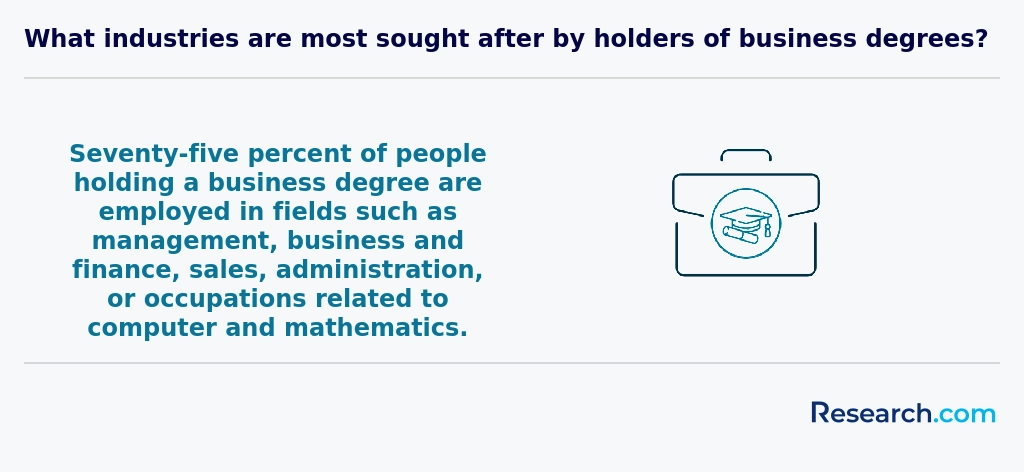
Graduates pursuing a business degree career options in Madison benefit from access to roles across management, marketing, finance, and entrepreneurship. Many find positions at prominent local employers like Epic Systems, where they apply business acumen in healthcare software project management and operational leadership. Madison's strong connection between business and technology appeals to graduates eager to work at the intersection of these fields.
Those seeking Madison business degree job opportunities in finance often secure roles in banks or investment firms focusing on financial analysis, accounting, and risk management. Graduates from universities such as the University of Wisconsin-Madison report how practical experience, combined with coursework, facilitated their seamless transition into these industries. Marketing and sales careers also attract many, allowing graduates to excel in digital marketing or brand management within the city's vibrant business environment.
Entrepreneurial graduates often leverage local accelerators like gener8tor and community resources, including programs similar to those supported by the Wisconsin Economic Development Corporation, to launch startups or consult for emerging companies. Students studying locally appreciate that competitive tuition costs-much lower than national averages-make their education a worthwhile investment, often comparing their expenses with those seen in areas like accounting tuition Florida.

The job market for business degree graduates in Madison is robust and steadily expanding, driven by a diverse economy that spans technology, health care, finance, and public administration. Graduates from institutions like the University of Wisconsin-Madison often find promising employment opportunities for business graduates Madison-wide, benefiting from the city's steady 1.4% annual job growth rate. Many report early career success in fields such as health care administration at Madison's renowned medical centers or in financial services with local banks and credit unions.
Business graduates describe the strong university-business connections as vital for securing internships and entry-level positions, which frequently evolve into long-term roles. For students weighing educational investments, Madison's moderate tuition rates and competitive salaries starting near $50,000 underscore its appeal. Exploring options such as the best Ohio online MBA programs can also complement local opportunities, expanding career pathways in this dynamic market.
2027 Most Affordable Business Degree Programs Ranking in Madison
Investing in your education is a significant decision that can shape your future, and the Research.com team understands the importance of making informed choices. To assist prospective students in Madison, we have meticulously created the "2027 Most Affordable Business Degree Programs Ranking in Madison." Our commitment to quality, credibility, and accuracy is reflected in the extensive research and analysis conducted to compile this ranking.
We utilized the following reputable data sources to ensure a comprehensive evaluation of business degree programs:
By exploring this ranking, readers will gain valuable insights into the most affordable business degree options in Madison, enabling them to make well-informed decisions about their educational investments. For more details on our methodology, please visit our Research.com methodology page.

# 2 position
Fairleigh Dickinson University-Florham Campus
Bachelor of Science in Business Administration

# 3 position
Fairleigh Dickinson University-Florham Campus
Master of Business Administration
Frequently Asked Questions About business
Business degree students in Madison can maximize their learning experience by engaging with the city's vibrant economic environment. Madison is home to a growing number of startups and established companies, especially in the tech and health sectors, providing ample internship opportunities that complement academic studies. According to the Wisconsin Economic Development Corporation, Madison's unemployment rate is consistently below the national average, reflecting a strong job market for business graduates.
Joining student organizations like the Wisconsin School of Business' Badger Consulting and participating in case competitions can enhance practical skills.
Additionally, leveraging resources at local institutions such as the University of Wisconsin-Madison, which ranks highly among public business schools, gives students access to expert faculty and research tailored to regional business trends.
Emerging niches within the business field reflect the evolving demands of today's economy, especially in Madison. One key area is sustainable business practices, driven by increasing environmental awareness and local government initiatives promoting green industries. Another growing niche is data analytics and business intelligence, which is vital as companies harness large datasets to improve decision-making.
Additionally, healthcare management is expanding due to Madison's strong healthcare sector, supported by organizations like UW Health. Entrepreneurship focused on tech startups also continues to grow, reflecting Madison's vibrant innovation ecosystem. According to the Madison Region Economic Partnership, these fields offer promising career prospects for business graduates.
Preparing for the job market after earning a business degree in Madison involves strategic planning and active engagement with local opportunities. Graduates should leverage resources at the University of Wisconsin-Madison's Wisconsin School of Business, which offers career services including resume workshops, networking events, and on-campus recruiting.
Madison's strong economy, with key industries such as finance, healthcare, and technology, provides a diverse range of job openings. According to the Madison Region Economic Partnership, the area's unemployment rate was around 3.2% in early 2024, reflecting a competitive yet promising market for business graduates.
Internships and local internships or cooperative education programs can provide crucial experience and professional contacts. Additionally, joining professional organizations like the Madison Chamber of Commerce can expand networking possibilities and expose graduates to job fairs and industry insights.
Developing strong digital skills and familiarity with data analytics tools is also important, as these are highly valued by Madison employers across sectors.
Employers in Madison highly value a combination of technical and interpersonal skills in business degree graduates. According to the Wisconsin Department of Workforce Development, strong analytical abilities and proficiency in data interpretation remain critical due to the region's growing emphasis on finance and technology sectors.
Communication skills are equally important, as many Madison businesses prefer graduates who can collaborate across diverse teams. Leadership and problem-solving capabilities are frequently cited in job postings within the Madison metropolitan area by the Madison Chamber of Commerce.
Additionally, familiarity with digital tools like Excel, CRM software, and basic coding can provide a competitive edge. These skills reflect local employers' demand for adaptability in a rapidly evolving business environment.
Finding business-related internships in Madison involves leveraging local resources and university connections. Many students start by exploring opportunities through the University of Wisconsin-Madison's career services, which reports that over 60% of its business undergraduates secure internships before graduation. Networking events, job fairs, and on-campus workshops offered there are valuable for connecting with Madison's corporate sector.
Madison's economy includes prominent industries such as finance, healthcare, and technology, with companies like American Family Insurance and Epic Systems frequently offering internships suitable for business students. Websites like Handshake and the Wisconsin Department of Workforce Development also list local internship openings regularly.
Additionally, joining professional organizations such as the Madison Chamber of Commerce or local business clubs can enhance access to internships through networking and mentorship opportunities.
In Madison, earning a business degree significantly enhances career mobility and advancement opportunities. The city's diverse economy, including sectors like technology, healthcare, and finance, values candidates with formal business education. According to the Wisconsin Department of Workforce Development, business graduates in Madison typically experience a 10-15% higher employment rate compared to those without degrees.
Business programs in Madison often emphasize practical skills such as leadership, analytics, and strategic planning, which employers actively seek. Graduates report faster promotions and higher starting salaries, with data from the U.S. Bureau of Labor Statistics showing a median annual wage for business professionals in Madison above the state average.
Networking through Madison's university business schools and local professional organizations also supports career advancement. These connections help graduates gain mentorship and access to exclusive job openings. Overall, obtaining a business degree in Madison offers a strong foundation for climbing the corporate ladder within the city's growing market.
Studying for a business degree in Madison equips students with a versatile skill set applicable across many fields. Programs emphasize critical thinking, communication, and analytical skills, which are essential for interdisciplinary work. Many Madison institutions encourage collaboration with departments such as computer science, economics, and environmental studies, reflecting the city's diverse economy.
According to the Wisconsin Department of Workforce Development, Madison's business sector increasingly demands professionals who can bridge gaps between technology, finance, and healthcare industries. Business schools often integrate real-world projects and internships with local companies, fostering practical experience.
This approach helps graduates adapt to complex roles that require knowledge beyond traditional business functions, preparing them for leadership in varied interdisciplinary environments.
Choosing between a thesis and a non-thesis business degree program in Madison depends on your career goals and learning preferences. A thesis program typically involves conducting original research and writing a substantial paper, which suits students aiming for academic careers or research roles. Non-thesis programs focus more on coursework and practical skills, ideal for those pursuing professional advancement or immediate entry into the business workforce.
In Madison, the University of Wisconsin offers both formats, with thesis options often taking longer to complete-up to two years compared to roughly 18 months for non-thesis tracks, according to UW academic advisors.
Consider also the lower cost and flexibility of non-thesis paths, which may appeal to working professionals in Madison's diverse business sectors, including finance and tech, per local labor market reports.
Students based in Madison looking to study business abroad have several pathways through local universities' international programs. The University of Wisconsin-Madison, for example, offers exchange programs and study-abroad opportunities in partnership with institutions worldwide. These programs allow business students to earn credits while gaining global experience in areas such as international finance, marketing, and management.
Many Madison-based business programs also support short-term faculty-led trips, which provide immersive cultural and business exposure without a full semester commitment. Additionally, students can explore internships abroad through university-affiliated organizations, enhancing practical skills in international markets.
According to the UW-Madison School of Business, approximately 15% of business students participate in study abroad programs each year, reflecting growing interest in global business education.
Madison offers diverse part-time job opportunities that complement business degree studies. Students often find roles in retail management, customer service, or administrative assistance within local companies. These positions develop skills in communication, leadership, and problem-solving, which are essential for business careers.
Internships with Madison-based firms, including startups and established corporations, provide hands-on experience in marketing, finance, and operations. According to the Madison Economic Development Corporation, the city's growing tech and healthcare sectors create ample opportunities for business students seeking relevant roles.
Positions in campus organizations or nonprofit groups are also valuable, enabling students to manage budgets and organize events, enhancing practical business acumen. Overall, Madison's job market supports business students in gaining applicable work experience alongside their studies.
Business students in Madison benefit from a variety of networking opportunities that connect them with local professionals and industries. The city hosts numerous events such as seminars, workshops, and career fairs organized by universities and local business groups. For example, the University of Wisconsin-Madison's Wisconsin School of Business offers strong ties with over 50 corporate partners, providing students internships and mentoring programs.
Madison's thriving economy, driven by sectors like technology, healthcare, and manufacturing, supports active business networking communities. Organizations like the Madison Business Journal and the Chamber of Commerce regularly hold networking mixers and panel discussions.
Additionally, student-run clubs and professional associations in Madison facilitate peer networking and skill-building, crucial for career growth in business fields.
Alumni networks provide valuable benefits to business degree students in Madison by offering access to a wide range of professional connections. Graduates from local institutions, such as the University of Wisconsin-Madison, often have strong ties to the city's growing business community, including sectors like finance, biotechnology, and manufacturing.
These networks facilitate mentorship opportunities, helping students gain industry insights and career guidance from experienced professionals. According to the Wisconsin Alumni Association, nearly 300,000 alumni are actively engaged, increasing prospects for internships and job placements in Madison's competitive market.
Furthermore, alumni events and online platforms create spaces for networking, allowing current students to build relationships that can lead to collaboration and entrepreneurship. The personal connections forged in alumni communities can significantly boost career advancement in Madison's diverse economy.
Customizing a business degree program in Madison allows students to align their education with specific career goals. Many local institutions offer flexible curricula, enabling the selection of electives in areas like finance, marketing, or entrepreneurship. For instance, the University of Wisconsin-Madison provides options to tailor courses through specialized tracks and certificates, helping students focus on niches within the business field.
Students can also pursue internships and cooperative education programs with Madison's growing business community, which includes industries like biotechnology and finance. This practical experience supports career readiness and networking.
Additionally, part-time and online courses accommodate working professionals looking to advance their skills without interrupting employment.
Business students in Madison often face challenges balancing rigorous coursework with practical experience. Many programs require internships or cooperative education, which can be competitive due to the city's growing business scene.
Additionally, the rising cost of tuition and living expenses in Madison can be a significant burden. According to the University of Wisconsin-Madison, average annual tuition for in-state undergraduates was about $10,700 in 2023, not including housing.
Another struggle is staying current with rapidly changing business technologies and trends. Madison's business community is increasingly focused on tech and sustainability, requiring students to adapt quickly.
A business degree from institutions in Madison opens pathways to valuable professional certifications that enhance career prospects. Common certifications include the Certified Public Accountant (CPA) for those focused on accounting, and the Project Management Professional (PMP), which is widely recognized in business management roles. Additionally, the Certified Management Accountant (CMA) is popular among finance professionals. Madison, home to various corporate headquarters and startups, often values these credentials.
According to the University of Wisconsin-Madison and local workforce reports, professionals with certifications enjoy higher salary potentials and leadership opportunities. Certifications such as the Certified Business Analysis Professional (CBAP) are growing in demand due to the region's focus on tech and consulting industries.
Applying to a business program in Madison requires careful preparation. Start by researching local schools, such as the University of Wisconsin-Madison, known for its reputable business offerings. Strong academic performance is essential, particularly in quantitative courses like economics and statistics. Many programs value applicants with relevant experience, including internships or part-time roles in business settings.
Craft a clear and compelling personal statement that highlights your goals and passion for business. Madison's growing economy, with a significant focus on tech startups and finance, favors applicants demonstrating awareness of regional trends.
Letters of recommendation from academic or professional contacts provide valuable insights into your abilities and work ethic.
Business careers today increasingly demand a global perspective, reflecting the interconnected nature of markets and economies. For students in Madison pursuing business degrees, understanding international business trends is vital. According to the Wisconsin Department of Workforce Development, companies in Madison are expanding their operations abroad, emphasizing skills like cross-cultural communication and global supply chain management.
Data from the University of Wisconsin-Madison's School of Business highlights that graduates with international business knowledge earn 15% higher starting salaries on average. This trend aligns with U.S. market demands, where global competence is becoming essential for leadership roles. Awareness of global economic policies and digital trade practices is a growing advantage in Madison's competitive business environment.
Students pursuing a business degree in Madison can gain valuable practical experience through internships offered by a variety of local businesses. Madison's strong economy includes sectors like healthcare, technology, and finance, providing diverse internship options. According to the Madison Area Economic Development Corporation, over 1,000 businesses are headquartered or have offices in the region, increasing internship availability.
Many universities in Madison encourage cooperative education programs, allowing students to alternate between classroom study and full-time work related to their field. Additionally, participating in student organizations like business clubs or entrepreneurial groups helps develop leadership and teamwork skills.
Networking events hosted in Madison connect students with professionals, often leading to job shadowing or mentorship opportunities. Lastly, some institutions collaborate with local startups, allowing students to work on real-world projects directly impacting the business community.
Choosing the right concentration within a business degree program in Madison starts with understanding your career goals and local market trends. Madison's economy is strong in healthcare, finance, technology, and education, so concentrations like healthcare management, finance, or information systems may offer more job opportunities.
Consider programs accredited by the AACSB, as they ensure quality education recognized by employers nationwide. Research from the Wisconsin Department of Workforce Development shows growth in finance and tech sectors, suggesting these areas have promising outlooks.
Also, evaluate the curriculum and internship options offered by Madison institutions. Hands-on experience through local companies can be crucial for building skills and professional networks.
Finally, reflect on your personal interests and strengths to select a concentration that aligns with your motivation and long-term satisfaction.
- 2027 Most Affordable Business Degree Programs Ranking in Newark
- 2027 Most Affordable Business Degree Programs Ranking in Staten Island
- 2027 Most Affordable Business Degree Programs Ranking in Jersey City
- 2027 Most Affordable Business Degree Programs Ranking in New York
- 2027 Most Affordable Business Degree Programs Ranking in Brooklyn
- 2027 Most Affordable Business Degree Programs Ranking in Bronx
- 2027 Most Affordable Business Degree Programs Ranking in Queens
- 2027 Most Affordable Business Degree Programs Ranking in Purchase
- 2027 Most Affordable Business Degree Programs Ranking in Old Westbury
- 2027 Most Affordable Business Degree Programs Ranking in Bethlehem
See What Experts Have To Say About Studying Business
Read our interview with Business experts

Ingrid S. Greene
Business Expert
Clinical Assistant Professor of Management
Loyola Marymount University


David W. Stewart
Business Expert
Emeritus President's Professor of Marketing
Loyola Marymount University

- The Biggest Challenges for Business School Students | EU Business School https://www.euruni.edu/blog/the-biggest-challenges-for-business-school-students/
- Financial Aid Eligible Programs | Madison College https://madisoncollege.edu/paying-for-college/financial-aid/eligible-programs
- Enterprise project challenge https://barclayslifeskills.com/help-others/lessons/enterprise-project-challenge/
- Online Degree vs. Traditional: Choosing the Right Path https://beal.edu/online-degree-vs-traditional/
- 8 Best Places to Study Abroad for Business [+ How to Choose] https://www.semesteratsea.org/study-abroad-for-business/
- Networking Tips for Business Students and MBA Candidates - Cyprus West University https://www.cwu.edu.tr/networking-tips-for-business-students-and-mba-candidates/
- 55 Trending Business Ideas for 2025 and Beyond https://www.uschamber.com/co/start/business-ideas/top-trending-business-ideas
- Guide to Business Internships | Higherin https://higherin.com/career-guides/business/business-internships
- Online and Traditional Business Degrees Comparison | Free Essay Example https://studycorgi.com/online-and-traditional-business-degrees-comparison/
- BUSINESS MANAGEMENT ENGLISH (THESIS / NON-THESIS) - Lisansüstü Eğitim Enstitüsü https://lee.nisantasi.edu.tr/en/business-management-english-thesis-non-thesis/