
2027 Best Business Degree Programs Ranking in Nevada

Co-Founder and Chief Data Scientist
Choosing the right business degree program in Nevada can be overwhelming. To help you navigate this important decision, this article features the 2027 Best Business Degree Programs Ranking in Nevada, developed by the Research.com team of data scientists.
By exploring this ranking, you'll gain valuable insights into which programs offer quality education and career opportunities. Earning a business degree can open doors to exciting professions and personal growth. Taking the time to find the best fit will set you on a successful path toward your goals.
Key benefits of getting business degree in Nevada
- Business degree graduates in Nevada can earn competitive salaries, such as a Business Analyst making around $112,950 annually and a Business Development Executive earning about $83,190 per year, offering strong financial rewards.
- Graduates from University of Nevada, Reno often pursue diverse careers in management, consulting, marketing, or finance, providing broad opportunities to find a fulfilling and growth-oriented path.
- Completing a business degree online from Nevada's institutions like the University of Nevada, Las Vegas offers flexibility and convenience, allowing students to balance work and study while gaining the same valuable skills as traditional programs.
- 2027 Best Business Degree Programs Ranking in Nevada
- What can I expect from business degree in Nevada?
- Where can I work with business degree in Nevada?
What can I expect from business degree in Nevada?
The average cost of pursuing a business degree in Nevada varies depending on the institution and degree level, but many students find it to be an accessible investment in their future. For example, graduates from the University of Nevada, Las Vegas (UNLV) often highlight how affordable tuition combined with practical learning experiences made their education both valuable and manageable. Associate's degrees can start around $6,000 per year at community colleges, while bachelor's programs at UNLV or the University of Nevada, Reno (UNR) typically range from $8,000 to $12,000 annually for in-state students.
Many business students appreciate Nevada's competitive tuition costs coupled with opportunities like internships and regional industry connections that accelerate career growth. These experiences help students feel confident and equipped as they venture into thriving sectors such as hospitality, real estate, or digital marketing.
When budgeting, it's encouraging to remember that the combination of affordable tuition and immersive programs prepares graduates to step into promising roles with optimism and enthusiasm.
Where can I work with business degree in Nevada?
Business graduates from universities like the University of Nevada, Las Vegas and Nevada State College discover a wide range of career paths that match their ambitions and talents. Many find themselves thriving in Nevada's dynamic hospitality and gaming industries, taking on roles in casino operations or marketing for leading companies. Imagine starting your career managing projects for a top hotel on the Las Vegas Strip or helping a Reno tech startup expand its reach-these are typical success stories for local graduates.
Others pursue opportunities in finance, becoming financial analysts or sales managers within large corporations or fast-growing small businesses. Graduates often share how their business degree equips them to solve real-world challenges in budgeting, strategic planning, or human resources. Public sector roles in city and state government offer meaningful careers overseeing budgets and programs, providing a chance to contribute directly to Nevada's growth.
With Nevada's supportive environment for entrepreneurs, many business degree holders feel inspired to launch innovative startups or consult for expanding companies. These paths highlight the exciting and diverse futures awaiting you with a business degree in Nevada.
Graduates from business programs at institutions like the University of Nevada, Las Vegas, often find themselves stepping into roles with rewarding salaries that reflect their hard work and dedication. For example, a business analyst in Nevada commands a mean annual wage of about $112,950, offering a strong financial foundation for early-career professionals eager to make their mark.
Those pursuing a position as a business development executive usually see a mean annual salary near $83,190, proving that various paths within the business field come with promising compensation. These figures encourage graduates to envision themselves thriving in Nevada's dynamic business landscape, whether in vibrant Las Vegas or growing Reno.
Many graduates share stories of securing roles soon after graduation where their education translated directly into substantial earnings and exciting career opportunities. The blend of local industry strength and competitive salaries creates an inspiring environment for business students ready to launch successful careers.
- The cost of a bachelor's business degree at public universities in Nevada ranges from $20,000 to $35,000 for in-state students over four years.
- Private universities in Nevada often charge tuition exceeding $40,000 annually for business degrees.
- Starting salaries for business graduates in Nevada average around $50,000 per year, with experienced professionals earning $70,000 to $90,000 annually.
- Key industries driving business jobs in Nevada include tourism, hospitality, gaming, technology, and finance.
- Most business job opportunities are concentrated in Las Vegas and Reno, focusing on management, accounting, and business development roles.
- Combining a business degree with internships or certifications can improve job prospects in Nevada's competitive market.
Completing a business degree in Nevada is an achievable and rewarding journey that typically fits well within your personal and professional goals. At institutions like the University of Nevada, Reno, and Nevada State College, graduates often share how dedicating around four years of full-time study to a bachelor's degree opened doors to exciting careers in marketing, finance, and management.
Many students find that starting with an associate degree, usually a two-year path, provides a solid foundation and boosts confidence before advancing to a bachelor's program. For those balancing work or family, part-time or online options available at popular Nevada colleges offer flexibility, allowing progress at your own pace-even if it takes a little longer.
Graduate business degrees like an MBA often require about two years of full-time study, but accelerated and online programs mean you can tailor your experience to fit your lifestyle, just like many Nevada graduates have successfully done. With options to take summer courses or earn credit for prior learning, completing your business education in Nevada is truly within reach and full of promise.
Nevada’s business landscape continues evolving as technology, sustainability, and global markets reshape industry demands. As programs refine their curricula to include data analytics, digital marketing, and emerging technologies, students are encouraged to stay ahead with adaptive skills that meet future challenges. Business schools in Nevada are increasingly integrating experiential learning opportunities such as innovation labs, collaborative projects, and strategic partnerships with local enterprises, ensuring graduates are well-prepared for a dynamic market. In line with these trends, prospective students can enhance their decision-making process by exploring resources that highlight emerging pathways in business education, such as the opportunities presented by the easiest business degrees program. This forward-looking approach not only prepares them to excel in traditional roles like management and finance, but also to confidently tackle challenges in disruptive industries that demand agility and forward-thinking leadership. By staying informed and embracing a curriculum that evolves with industry trends, students and graduates alike can secure rewarding positions and competitive salaries in Nevada’s thriving business ecosystem, paving the way for long-term career success.
Choosing between an online or on-campus business degree in Nevada opens exciting paths tailored to your lifestyle and goals. On-campus programs at institutions like the University of Nevada, Reno offer vibrant campus experiences where graduates recall joining business clubs, attending lively networking events, and collaborating in dynamic classrooms. This face-to-face interaction sharpens communication skills and builds lasting relationships essential for future careers.
Meanwhile, online degrees from universities such as Nevada State College provide remarkable flexibility that working adults or busy parents truly appreciate. Graduates share how accessing coursework anytime allowed them to balance family life and even maintain jobs, all while progressing steadily toward their goals. The convenience of studying from home in Nevada's diverse communities brings education right to your fingertips without sacrificing quality.
Both options embrace the strength of Nevada's accredited business education, with competitive tuition rates around $8,000 to $9,000 annually for residents. Whether you thrive in a bustling classroom or learn best in a self-paced environment, your business degree journey can be empowering and deeply fulfilling.
Investing in a business degree in Nevada goes beyond tuition-it’s about the return on investment (ROI) you achieve through higher earnings and career advancement. By comparing the total cost of your program to your expected salary increase, you can estimate how quickly you’ll recoup your educational expenses and start generating real value. On average, completing a bachelor’s in business management in Nevada costs between $12,600 and $13,100 in tuition. With entry-level roles like Project Manager offering a mean annual wage of $80,220 and Business Analyst roles paying around $108,790, most graduates break even within two to four years of full-time employment. Factoring in living expenses and potential student debt, a business degree still delivers an ROI exceeding 100% over a ten-year span, thanks to steady salary growth and leadership opportunities. For students seeking more affordable options without compromising quality, consider exploring our Low Cost Online Business Degree Programs Ranking in Saint Charles, MO. Comparing tuition savings and post-graduation earnings can help you choose a program that maximizes your ROI and sets you on a fast track to financial and professional success.
The average cost of a business degree in Nevada reflects a balance between quality education and affordability, making it an exciting opportunity for many students. The median total cost typically runs around $36,720, with in-state students enjoying notably lower expenses at approximately $6,765. This affordability encourages ambitious learners attending institutions like the University of Nevada, Las Vegas (UNLV) or the College of Southern Nevada to confidently pursue their dreams without overwhelming financial burdens.
Many graduates share how starting at a community college provided an economical pathway before transferring to a university to complete their business degree, making the journey manageable and rewarding. The range of tuition and fees available creates a landscape where prospective students can find options matching their budget, goals, and preferred learning environments. This thoughtful variety helps students see their business aspirations as achievable milestones rather than distant dreams.
For those researching further, it's empowering to explore state-specific funding or scholarships that can open doors even wider. Additionally, students captivated by the synergy of smaller class sizes and specialized programs in private colleges can find compelling value despite higher costs. To discover the cheapest business school in nevada and other options, students are encouraged to explore all opportunities accessible to them.
Understanding the business degree tuition and fees Nevada offers today highlights a promising future where cost need not limit ambition, inspiring new generations to grow, innovate, and lead right within their home state.

Evaluating the return on investment (ROI) of a business degree in Nevada involves balancing tuition costs against projected earnings and career advancement. On average, students invest between $12,600 and $13,100 in tuition over a four-year bachelor’s program, not including living expenses or fees. With entry-level salaries for business graduates starting around $55,000 and median wages rising to approximately $80,000 within five years, the typical payback period for tuition and related costs ranges from three to five years. Key factors influencing ROI include specialization choice, internship participation, and graduate-level credentials. For example, graduates who pair a bachelor’s degree with a specialized certification in finance or marketing often report salary premiums of 10–20%. Those aiming to accelerate their career advancement may consider pursuing a fast track mba, which can significantly boost earning potential and shorten the path to leadership roles. Moreover, leveraging financial aid and scholarships can reduce the net investment. With grants like the Federal Pell Grant and state-funded Silver State Opportunity Grant, many students lower their out-of-pocket expenses by up to 40%. Coupled with on-campus internships or work-study programs that offer real-world experience, graduates minimize debt while maximizing practical skills. By strategically selecting specializations, capitalizing on financial aid, and considering accelerated graduate pathways, Nevada’s business degree holders can achieve a robust ROI, recouping their educational investment and positioning themselves for long-term financial success.
Business students in Nevada are empowered by a variety of financial aid options that open doors to their educational dreams. Graduates from the University of Nevada, Reno often share how the Nevada Governor Guinn Millennium Scholarship dramatically eased their tuition burden, making quality education more accessible for in-state learners passionate about business. Federal aid plays a vital role too; by completing the FAFSA, students gain access to the Pell Grant, which can provide up to $7,395 without the pressure of repayment-relief many students from UNLV treasure as they pursue their degrees.
Beyond grants, scholarships from the universities themselves and local organizations like the Nevada Society of CPAs create personalized support channels. Many students find joy in securing awards that reward their dedication and merit, turning financial challenges into triumphs. Work-study opportunities tied to business departments not only help cover costs but also provide invaluable experience, empowering learners to build impressive resumes as they study.
For those needing extra assistance, federal loans with flexible repayment plans offer a manageable path forward. Business students throughout Nevada embrace these diverse aids, fueling their ambitions with confidence and hope.
To pursue a business degree in Nevada without accumulating significant debt, it's essential to consider the affordability of programs. One crucial factor is the cost of tuition, which can vary widely between institutions. By exploring options like the cheapest business school in nevada, prospective students can make informed decisions about their educational investments. Many universities and colleges in Nevada offer competitive pricing for their business programs, ensuring that students can access quality education without breaking the bank. For instance, institutions may provide scholarships, grants, or flexible payment plans to help students manage their expenses. Additionally, online and part-time programs can offer further savings on commuting and housing costs, making education more accessible to a broader audience. By prioritizing affordability, students can focus on their academic and professional aspirations, ultimately achieving their goals in the business world.
Envision stepping onto the vibrant campuses of Nevada's top business schools, where the journey begins with fulfilling clear yet achievable prerequisites. Prospective undergraduates often present their high school diploma or GED, combined with a GPA typically around 2.5, reflecting their dedication and readiness for growth. Many graduates from these programs recall how strong skills in math and English, honed through high school, provided a solid foundation for their success in dynamic business courses.
Test scores like the SAT or ACT may gently guide admissions, though Nevada's growing test-optional trend opens doors wider, allowing applicants to highlight their unique strengths and experiences instead. Personal statements and letters of recommendation often tell inspiring stories of ambition and resilience, showcasing the motivation that business programs at Nevada's universities truly value.
For those aiming higher with graduate degrees such as MBAs, a bachelor's degree and a GPA of 3.0 or above open new opportunities. Many found that sharing relevant work experience made their applications shine. Nevada's supportive academic environment helps students turn prerequisites into stepping stones toward fulfilling careers.

Business degree programs in Nevada offer a vibrant mix of courses designed to empower students with practical skills and deep knowledge. Graduates from universities across the state often recall how foundational classes like financial and managerial accounting gave them confidence to analyze real business challenges and make smart decisions in internships or entry-level roles. Marketing courses bring creativity to life, helping students craft strategies that resonate in Nevada's booming tourism and gaming industries.
Many students find management, economics, and business law classes invaluable for developing leadership abilities and understanding the unique economic landscape of Nevada. These courses prepare them to thrive in diverse environments, from startups in Las Vegas to established companies in Reno.
Courses in business analytics and information systems stand out as essential for those passionate about harnessing data to drive innovation. Entrepreneurship classes inspire students to turn ideas into thriving ventures, reflecting Nevada's supportive startup community.
Additional studies in finance, supply chain, and human resources round out a comprehensive education that graduates describe as both challenging and deeply rewarding.
The range of Nevada business degree concentration options extends to Management and Human Resource Management, preparing students to lead dynamic teams and navigate the fast-paced hospitality and gaming industries with confidence. Students discover how their studies translate directly to real-world challenges, sparking ambition and a sense of purpose.
For those seeking something more tailored, niche areas such as Entrepreneurship and Supply Chain Management offer exciting paths linked to Nevada's expanding small business scene and logistics hub. Many aspiring professionals also explore international markets, taking advantage of Nevada's global trade connections.
Choosing a business degree in Nevada means joining a community energized by innovation and opportunity, with programs designed to inspire future leaders. For a practical look at complementary options, check out some of the easiest business degrees to begin your journey.
Choosing the best business degree in Nevada means focusing on what truly matters to your future. Many graduates from popular universities like the University of Nevada, Reno, praise how AACSB accreditation shaped their confidence and opened doors in competitive industries. Imagine yourself studying in an environment recognized nationwide for excellence, knowing your degree holds weight with employers. Many students find success by aligning their specialization with Nevada's booming sectors such as tourism and logistics, making their education feel relevant and exciting. Exploring fast track mba options has also helped driven learners accelerate their careers without delaying life goals.
When it comes to affordable business schools in Nevada, graduates often highlight the balance found in public universities where tuition is manageable but quality remains high. Visualize the relief of pursuing your passion without overwhelming debt while preparing for a prosperous future. These choices help turn aspirations into achievements, providing a strong foundation for thriving in Nevada's vibrant business landscape.
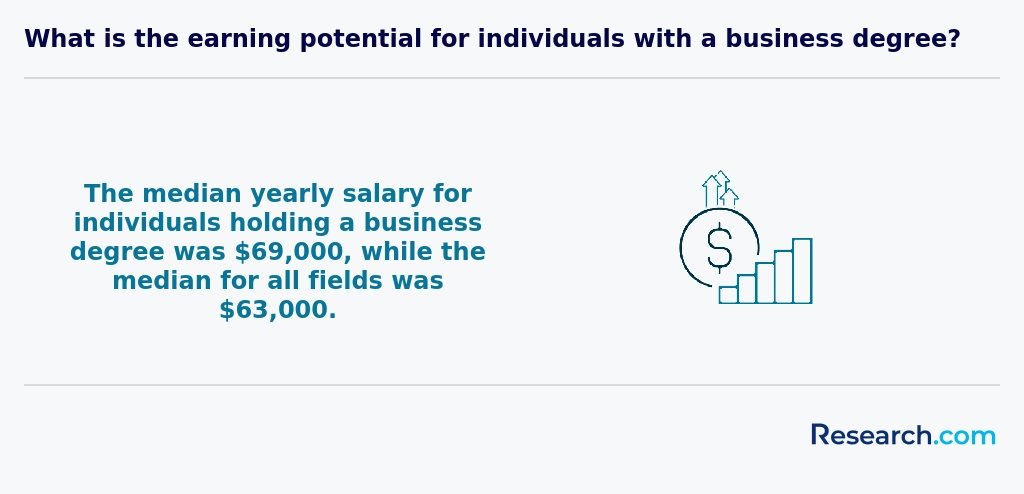
Graduates with a business degree in Nevada find themselves at the heart of dynamic career opportunities shaped by the state's thriving economy. Whether studying business at the University of Nevada, Las Vegas, or Nevada State College, many find rewarding roles in management, marketing, finance, and entrepreneurship that tap into Nevada's expanding hospitality and gaming sectors. Imagine stepping into leadership roles at top resorts or pioneering marketing strategies that drive business success in Las Vegas's competitive landscape-these paths are real possibilities for graduates.
Business degree career opportunities in Nevada also include exciting prospects in financial services, with booming banks and investment firms in cities like Reno and Henderson. Graduates often share inspiring stories of launching startups, energized by Nevada's supportive environment and resources such as the Small Business Development Center network. For those balancing education costs and career ambitions, exploring the Low Cost Online Business Degree Programs Ranking in Saint Charles, MO can provide smart options to make dreams achievable.
The job market for business degree holders in Nevada is vibrant and full of opportunity, reflecting the state's dynamic economy. Graduates from popular Nevada universities often find themselves drawn to growing metropolitan areas like Las Vegas and Reno, where industries such as hospitality, retail, and technology thrive. These sectors provide diverse roles in operations, finance, and sales, turning the education they received into rewarding careers. Many graduates feel encouraged by the competitive salary potential, with median wages around $70,000 and even higher earnings possible in specialized financial management roles.
Experiencing the business degree job opportunities in Nevada firsthand, graduates appreciate the state's supportive environment for entrepreneurial ventures, fueled by favorable tax policies and pro-business regulations. For those seeking flexibility, many discover the benefits of accelerated online bachelor degree programs for working adults, which help balance education with career ambitions. This blend of education affordability and promising career paths inspires many to pursue business degrees confidently in Nevada.
2027 Best Business Degree Programs Ranking in Nevada
Investing in your education is a significant decision that can shape your future, and the Research.com team understands the importance of making informed choices. To assist prospective students in Nevada, we have meticulously crafted the "2027 Best Business Degree Programs Ranking in Nevada." Our commitment to quality, credibility, and accuracy is reflected in the extensive research and analysis conducted to compile this ranking.
We utilized the following reputable data sources to ensure a comprehensive evaluation of business degree programs:
By exploring this ranking, readers will gain valuable insights into the best business degree programs available in Nevada, helping them make informed decisions about their educational paths. For more details on our methodology, please visit our Research.com methodology page.


Frequently Asked Questions About business
Business degree students in Nevada can maximize their learning by engaging with the state's diverse economic sectors, including tourism, gaming, and logistics. Nevada's workforce reports notable job growth in business and financial occupations, suggesting ample internship and networking opportunities. Students should seek partnerships with local businesses in Las Vegas and Reno to gain practical experience.
Leveraging resources offered by Nevada universities, such as the University of Nevada, Las Vegas (UNLV), which ranks among top business schools in the region, can enhance skills in entrepreneurship and management. Participating in student organizations and business competitions also sharpens leadership and critical thinking.
Accessing Nevada's Small Business Development Centers provides additional mentorship and training opportunities specific to regional market trends.
The business landscape in Nevada is evolving rapidly, with several emerging niches gaining traction. One prominent area is e-commerce management, driven by Nevada's strategic position as a logistics hub with major distribution centers. According to the Nevada Department of Employment, the demand for professionals skilled in digital sales and supply chain optimization is growing by over 8% annually.
Another expanding niche is sustainable business practices. Nevada companies increasingly focus on environmental responsibility, creating opportunities in green finance and sustainable marketing. The state's renewable energy initiatives have boosted related business roles.
Additionally, data analytics and cybersecurity are critical as businesses strive to protect information and utilize big data for decision-making. Nevada's tech sector growth supports these fields, with a reported 10% rise in tech-related business jobs since 2020.
Preparing for the job market after earning a business degree in Nevada involves strategic steps to enhance employability. Graduates should engage in internships, which Nevada companies value highly for practical experience. According to the Nevada Department of Employment, Business and Industry, sectors like hospitality, finance, and technology are prime employers for business graduates.
Networking plays a crucial role; joining local business associations and attending events in cities like Las Vegas can open valuable connections. Additionally, acquiring relevant certifications in areas such as project management or data analysis can boost employability. Finally, leveraging university career services and job fairs tailored to Nevada's economy helps graduates align skills with market demands.
Employers in Nevada increasingly value a combination of technical and soft skills in business degree graduates. According to the Nevada Department of Employment, Business and Industry, critical skills include data analysis, financial literacy, and proficiency in digital tools like Excel and CRM software. Communication and teamwork remain essential, as nearly 70% of Nevada businesses report collaboration as a key driver of success.
Problem-solving and adaptability are also in high demand given the state's growing sectors such as tourism, gaming, and technology. The Nevada System of Higher Education emphasizes these skills to prepare graduates effectively for local market needs.
Understanding regulatory environments and ethical business practices is important too, given Nevada's unique legal landscape.
Finding internships in Nevada relevant to a business degree involves several strategic approaches. Start with university career centers, as many Nevada institutions, like the University of Nevada, Reno, and Nevada State College, offer databases and employer connections tailored to business students.
Networking plays a crucial role. Engage with local business organizations such as the Nevada Manufacturers Association or the Las Vegas Chamber of Commerce, which often post internship opportunities.
Additionally, online job platforms like Handshake and LinkedIn include internships specifically in Nevada's growing business sectors, including hospitality, finance, and technology. According to the Nevada Department of Employment, these sectors are among the fastest expanding in the state.
Internship programs may also be available through Nevada's Economic Development Authority, which supports companies that frequently seek business interns. Proactively contacting companies directly can uncover hidden opportunities as well.
Obtaining a business degree in Nevada significantly enhances career mobility and advancement opportunities. The state's diverse economy, which includes sectors like tourism, gaming, finance, and technology, often requires managerial and analytical skills developed through business education. According to the Nevada Department of Employment, Training and Rehabilitation, individuals with a bachelor's degree in business are 25% more likely to secure managerial positions compared to those without such qualifications.
Business graduates gain critical skills in leadership, communication, and financial analysis, making them attractive candidates for promotions. Employers in Nevada's competitive job market often prefer candidates with formal business training for roles involving decision-making and strategy.
Additionally, business degrees provide networking opportunities through local alumni groups and internship programs, crucial for career growth in cities like Las Vegas and Reno. These connections can open doors to higher-paying executive roles as well as entrepreneurial ventures within Nevada's growing small business sector.
Studying for a business degree in Nevada equips students with skills that extend beyond traditional business knowledge, preparing them for interdisciplinary roles across various industries. Nevada universities emphasize integrating courses like economics, information technology, and communication into their business curricula. This approach reflects the state's diverse economy, which includes tourism, technology, and mining sectors.
Many programs encourage collaboration between business and STEM fields, promoting problem-solving and analytical abilities. According to the Nevada System of Higher Education, this prepares graduates to adapt in roles requiring cross-functional expertise, such as project management or data analytics.
Thus, Nevada's business degrees are designed to develop versatile professionals capable of thriving in complex, interdisciplinary environments.
Choosing between a thesis and a non-thesis business degree program in Nevada depends on your career goals and learning preferences. Thesis programs emphasize research skills and are ideal if you plan to pursue a PhD or a career in academia or consultancy. They require original research and a written thesis, which can take additional time to complete.
Non-thesis options focus more on practical skills and coursework, preparing students for immediate entry into Nevada's business sectors such as tourism, gaming, and finance. These typically require internships or projects instead of lengthy research.
According to the Nevada System of Higher Education, over 60% of business students opt for non-thesis tracks given the state's growing industry demands.
Consider your long-term plans carefully; research-based careers benefit from a thesis, while direct industry roles may suit non-thesis programs better.
Students based in Nevada interested in studying business abroad have several pathways to consider. Many Nevada universities, such as the University of Nevada, Reno, and UNLV, offer study abroad programs that allow business students to attend partner institutions worldwide for a semester or year. These programs provide exposure to international business practices and cultures, enhancing a student's global perspective. According to the Institute of International Education, around 10% of U.S. business students participate in study abroad programs, reflecting a growing trend of globalized education. Nevada students can also explore internships or exchange programs in countries with strong economic ties to the U.S., including Canada, Mexico, and European nations.
Students pursuing business degrees in Nevada have access to various part-time job opportunities that enhance their academic knowledge and practical skills. Positions such as retail management assistants, marketing interns, and financial clerks are common roles found in cities like Las Vegas and Reno, where industries like tourism and finance thrive. According to the Nevada Department of Employment, Retail Trade and Finance sectors together employ over 30% of the state's workforce, providing numerous openings to gain relevant experience.
Internships with local businesses or startups also allow students to build professional networks while applying business concepts in real-world settings. Additionally, roles in customer service and administrative support help improve communication and organizational abilities, crucial for business success.
Business students in Nevada benefit from a variety of networking opportunities essential for career growth. Universities like the University of Nevada, Las Vegas (UNLV) and the University of Nevada, Reno host numerous events, such as career fairs and industry panels, connecting students with local employers.
The Nevada Business Climate, ranked among the top states for economic growth by the U.S. Chamber of Commerce, supports strong ties between academia and industry. Organizations like the Nevada Small Business Development Center provide workshops and mentorship programs tailored for students.
Additionally, the state's focus on tourism and gaming industries creates specialized networking groups, helping students build contacts in key sectors.
Alumni networks offer valuable support to business degree students in Nevada by providing access to professional connections and mentorship opportunities. Graduates often share job leads and industry insights that can help current students navigate Nevada's dynamic economy, particularly in sectors like tourism, gaming, and technology.
According to the Nevada System of Higher Education, strong alumni engagement increases employment rates for business graduates by as much as 15%. Networking events hosted by universities in cities such as Las Vegas and Reno allow students to meet successful alumni working locally.
These networks also facilitate internships and cooperative education placements, which are critical for gaining real-world experience before graduation. In business fields where relationships drive career progression, Nevada alumni communities are a key resource for aspiring professionals.
In Nevada, customizing a business degree to align with your career goals involves selecting specific concentrations, electives, and experiential learning opportunities. Many Nevada universities offer concentrations like finance, marketing, or entrepreneurship, allowing you to focus on areas most relevant to your interests. According to the Nevada System of Higher Education, institutions also provide internships and cooperative education programs connecting students with local industries such as tourism, gaming, and technology, which are major sectors in the state.
Electives can include courses in data analytics, international business, or sustainability, enabling you to develop specialized skills. Additionally, some programs support personalized academic advising, helping tailor course selections to your professional ambitions.
Business students in Nevada often face challenges related to cost and access. According to the National Center for Education Statistics, Nevada's average annual tuition for public institutions is above the national average, which can deter many prospective students.
Additionally, Nevada's rapidly changing economy requires business students to stay current with emerging industries like tourism, technology, and renewable energy. This demands adaptability and lifelong learning skills.
Networking opportunities can also be limited outside major urban centers like Las Vegas, impacting internships and job placements for students in rural areas.
Finally, balancing work and study remains a significant hurdle, as many Nevada students work part-time to afford their education.
A business degree earned in Nevada opens the door to several professional certifications that can enhance career prospects in various industries. Popular certifications include the Certified Public Accountant (CPA), which is essential for accountants and auditors and requires passing the Uniform CPA Exam and meeting state-specific experience criteria.
Another common certification is the Project Management Professional (PMP), recognized nationwide for project management expertise and offered by the Project Management Institute (PMI). This credential is valuable across Nevada's growing industries such as hospitality and logistics.
Additionally, the Certified Management Accountant (CMA) is ideal for those focusing on financial management and strategy. The CMA is awarded by the Institute of Management Accountants and emphasizes budgeting, analysis, and decision support.
Many Nevada professionals also pursue the Six Sigma certifications to improve process efficiency, especially within manufacturing and service sectors. The availability of local training programs supports these certifications, aligning with Nevada's expanding business environment.
To write a winning application for a business program in Nevada, start by clearly articulating your career goals and how the program aligns with them. Nevada's economy, led by industries like tourism, gaming, and logistics, values practical business skills, so emphasize relevant experience.
Highlight academic achievements, especially in quantitative subjects. Many Nevada schools look for a strong GPA-usually above 3.0-and competitive GRE or GMAT scores, if required. Include letters of recommendation that attest to your leadership and teamwork abilities.
Additionally, personalize your personal statement to reflect knowledge of Nevada's evolving business landscape, citing sources like the Nevada Department of Employment, Training & Rehabilitation for recent economic trends.
Business careers today are viewed through a global lens, emphasizing cross-cultural communication and international markets. For students in Nevada, understanding global business trends is crucial, as the state's economy is linked closely to tourism, technology, and trade sectors that operate internationally.
According to the U.S. Bureau of Labor Statistics, globalization increases demand for business graduates skilled in international finance, marketing, and supply chain management. Nevada's proximity to California and its growing tech hubs enhances opportunities for global business exposure.
Higher education institutions in Nevada are adapting curricula to include global business perspectives, preparing students for competitive roles worldwide. This strengthens a business degree's value locally and abroad.
Gaining practical experience while studying for a business degree in Nevada is essential to preparing for the competitive job market. Many Nevada colleges and universities encourage internships, which offer hands-on work in local industries such as gaming, tourism, and finance. For example, institutions like the University of Nevada, Las Vegas have established partnerships with businesses to provide placement opportunities for students.
Additionally, cooperative education programs (co-ops) combine classroom learning with paid work experience. Students can also join campus business clubs and competitions, gaining skills like leadership and teamwork.
According to Nevada's Department of Employment, internships in business fields have grown by 12% over recent years, reflecting increased industry demand for practical training.
Choosing the right concentration within a business degree program in Nevada depends on your career goals and the local job market. Nevada's economy is heavily influenced by tourism, gaming, and technology sectors, so concentrations like hospitality management, marketing, or information systems can offer strong opportunities.
Consider your strengths and interests alongside labor projections. For example, the Nevada Department of Employment, Training and Rehabilitation notes steady growth in administrative and financial management roles statewide. Exploring programs with practical internships in Las Vegas or Reno may provide valuable experience.
Also, evaluate whether the concentration offers certifications or skills relevant to Nevada businesses, such as compliance or project management. Choosing a program aligned with industry demand enhances employability after graduation.
- 2027 Best Online Business Degree Programs Ranking in New Mexico
- 2027 Best Online Business Degree Programs Ranking in Texas
- 2027 Best Online Business Degree Programs Ranking in Nebraska
- 2027 Best Online Business Degree Programs Ranking in South Dakota
- 2027 Best Online Business Degree Programs Ranking in North Dakota
- 2027 Best Online Business Degree Programs Ranking in Oklahoma
- 2027 Best Online Business Degree Programs Ranking in Minnesota
- 2027 Best Online Business Degree Programs Ranking in Missouri
- 2027 Best Online Business Degree Programs Ranking in Wisconsin
- 2027 Best Online Business Degree Programs Ranking in Mississippi
See What Experts Have To Say About Studying Business
Read our interview with Business experts


David Souder
Business Expert
Senior Associate Dean for Faculty and Research
Michigan State University

David W. Stewart
Business Expert
Emeritus President's Professor of Marketing
Loyola Marymount University

- Online and Traditional Business Degrees Comparison | Free Essay Example https://studycorgi.com/online-and-traditional-business-degrees-comparison/
- Niche Business Ideas: A Guide to Profitable Niche Business Selection - Inar Learn https://inarlearn.com/niche-business-ideas-a-guide-to-profitable-niche-business-selection/
- Tuition & Financial Aid | College of Southern Nevada https://www.csn.edu/financial-aid
- Business Administration Degree Salary | UE Amsterdam https://www.ue-amsterdam.com/blog/business-administration-degree-salary-how-much-can-you-earn
- 5+1: Five challenges facing business schools and one solution https://charteredabs.org/insights/opinion/51-five-challenges-facing-business-schools-and-one-solution
- The Seven Biggest Challenges Faced by Student Entrepreneurs https://venturewell.org/blog/five-biggest-challenges/
- How to Find a Job with an International Business Degree - Hunter Recruiting https://www.hirecruiting.com/newsroom/how-to-find-a-job-with-an-international-business-degree/
- Global careers, real impact: building your career with an international business degree | University of East London https://www.uel.ac.uk/blog/global-careers-real-impact-building-your-career-international-business-degree
- Networking Tips for Business Students: Building a Foundation for Success https://londonsba.org.uk/blog/networking-tips-for-business-students-building-a-foundation-for-success/
- Online Degree vs. Traditional: Choosing the Right Path https://beal.edu/online-degree-vs-traditional/





