2027 Best Business Degree Programs Ranking in Fargo

Co-Founder and Chief Data Scientist
Choosing the right business degree program in Fargo can shape your future success. This article presents the 2027 Best Business Degree Programs Ranking in Fargo, carefully crafted by the Research.com team of data scientists.
Designed to guide you through the many options, this ranking helps you focus on programs that offer true value and quality education. Whether you're starting your academic journey or looking to advance your career, a business degree opens doors to exciting opportunities.
Explore this article to make an informed choice and take a confident step toward your goals.
Key benefits of getting business degree in Fargo
- Business degree graduates in Fargo can expect competitive salaries, such as a Business Analyst earning a mean annual wage of $112,950 and a Business Development Executive making around $83,190 per year, providing strong financial motivation.
- Graduates from local colleges often explore diverse career paths, including roles in business analysis, development, and management, reflecting the broad opportunities available with a business degree.
- Completing a business degree online in Fargo offers flexibility and convenience, allowing students to balance work and life commitments while gaining skills comparable to traditional programs.
- 2027 Best Business Degree Programs Ranking in Fargo
- What can I expect from business degree in Fargo?
- Where can I work with business degree in Fargo?
What can I expect from business degree in Fargo?
The average cost of earning a business degree in Fargo is generally quite reasonable compared to national averages, making it an attractive option for many students. For example, graduates from North Dakota State University (NDSU) often share that the combination of affordable tuition and a relatively low cost of living allows them to focus fully on their studies without overwhelming financial stress. Undergraduate tuition at NDSU is typically in the range of $7,000 to $10,000 per year for in-state students, with slightly higher fees for out-of-state students. Graduate programs like the MBA can cost more, usually around $12,000 to $15,000 per year, but many find the ROI favorable given the strong job prospects in Fargo's expanding business sectors.
As many business students experience internships throughout their studies, they report not only gaining crucial practical skills but also offsetting living expenses. The city's steady growth in industries such as technology and finance means that paid internships and part-time roles are increasingly common, which helps reduce the overall financial burden of obtaining a degree.
Where can I work with business degree in Fargo?
Graduates from business programs at institutions like North Dakota State University in Fargo often find themselves stepping into diverse career paths within the city's vibrant economy. Many envision starting in the financial sector, joining local banks such as Bell Bank, where analytical skills translate into roles in loan management or investment advising. The anticipation of contributing to Fargo's growing tech scene excites others, as startups and IT firms welcome business-savvy leaders to drive innovation and manage projects.
A common post-grad experience involves securing roles in healthcare administration at organizations like Sanford Health. Here, business graduates apply strategic planning to enhance patient care delivery, finding rewarding challenges that directly impact communities. Retail companies like Hornbacher's offer dynamic opportunities, where graduates use marketing know-how to shape consumer experiences, creating a sense of accomplishment through visible results.
Many graduates also explore agriculture-related businesses, feeling a strong connection to North Dakota's roots while leading supply chain operations. This hands-on involvement in local industries reinforces motivation and a proud sense of contribution to Fargo's evolving economic landscape.
Graduates with a business degree in Fargo often find promising salary prospects, particularly in roles backed by solid data. For instance, business development executives can expect to earn around $83,190 annually, a figure that offers a sustainable living in Fargo's growing economy. Business analysts, a popular career choice among local graduates from Fargo's universities, report even higher mean annual wages near $112,950, reflecting the increasing demand for data-driven decision-making skills in the region.
Many alumni from Fargo-based colleges share stories of entering the workforce with confidence, securing roles in business analysis or development that quickly exceed $80,000 annually. These earnings enable graduates to enjoy Fargo's moderate cost of living without financial strain.
Looking forward, graduates anticipate rising salaries as the city's business landscape expands into tech and finance sectors. Pursuing advanced certifications or an MBA from local institutions often accelerates their journey toward senior roles, unlocking even greater financial rewards aligned with Fargo's dynamic market needs.
- North Dakota State University (NDSU) offers accredited undergraduate and graduate business programs aligned with industry needs.
- The total cost for a bachelor's degree in business in Fargo ranges from $20,000 to $30,000 for in-state students, with out-of-state costs about 50% higher.
- Starting salaries for business graduates in Fargo average around $50,000 per year, with mid-career professionals earning about $75,000 annually.
- Key job opportunities in Fargo include management, finance, marketing, and supply chain positions, supported by steady regional economic growth.
- Fargo's cost of living is below the U.S. average, increasing the value of local salaries for business professionals.
- The city's location near the U.S.-Canada border provides unique internships and career options in international business and trade.
Completing a business degree in Fargo usually takes about four years for full-time undergraduate students, especially those attending North Dakota State University (NDSU). Imagine a dedicated student juggling eight semesters loaded with 120 to 130 credits-balancing core business courses and general education requirements. Graduates often reflect on the rewarding challenge of keeping pace with this standard timeline while building strong foundations for their careers.
However, the path isn't always linear. Some students extend their studies by enrolling part-time while managing jobs or family commitments, which may stretch completion to five years or more. On the flip side, motivated students who take accelerated or summer courses often celebrate graduating in as little as three years, feeling a powerful sense of accomplishment and momentum.
Graduate business degrees like the MBA at NDSU typically require two years full-time, but with flexible, online, or part-time options, busy professionals sometimes take three to four years, appreciating the balance between learning and life. These experiences showcase how Fargo's business students shape their journeys according to personal goals and circumstances.
Students pursuing business degrees in Fargo often find the choice between online and on-campus formats hinges on lifestyle and learning preferences. Graduates from North Dakota State University highlight the energizing environment of in-person classes, where lively discussions and direct networking with local industry professionals create a strong sense of community. This face-to-face dynamic fosters motivation through hands-on projects and internships embedded in Fargo's business scene.
Meanwhile, those completing their business studies online at the University of Mary appreciate the flexibility to juggle work and family commitments without sacrificing academic rigor. They often describe the convenience of asynchronous courses, allowing them to engage with materials and peers on their schedules while still benefiting from interactive video sessions and virtual collaboration tools. This adaptability reflects a growing trend toward personalized education.
Looking ahead, Fargo's business students might experience hybrid models combining the rich engagement of campus life with the accessibility of online learning, offering even more tailored paths to success. Financial considerations and scholarship opportunities remain important, but the evolving landscape promises a blend of community and convenience that meets diverse needs.
One crucial aspect often overlooked when choosing a business degree program is the quality of the faculty and the campus resources available to students. Prospective students benefit greatly from learning under experienced professors who bring real-world insights and up-to-date industry knowledge into the classroom. Many top programs in Fargo, ND, pride themselves on their faculty’s advanced degrees, extensive industry experience, and active research contributions, which play a pivotal role in shaping a comprehensive and contemporary curriculum. Equally important are the campus resources that support academic and professional growth. State-of-the-art research centers, modern classrooms, and dedicated career counseling services help bridge the gap between theoretical learning and practical application. These facilities often serve as incubators for innovation, where students collaborate on projects, gain hands-on experience, and build strong networks with peers and industry professionals. For students evaluating their educational options, it’s essential to explore how these elements contribute to a robust learning environment. Institutions that integrate rich academic expertise with impressive campus amenities tend to offer a higher return on investment, effectively preparing graduates for successful careers in business. To further understand the benefits of a well-rounded educational experience, you might consider reading more about the overall offerings of a Business Administration Degree.
The average cost of a business degree in Fargo is relatively accessible compared to many other regions, with median total tuition and fees around $26,792. For students who manage to qualify as in-state residents, expenses can drop significantly, at approximately $11,110, allowing them to focus more on their studies and less on financial stress. Graduates from local institutions, such as those who have pursued business degrees at North Dakota State University, often share stories of balancing part-time jobs with coursework, finding satisfaction in personal growth that comes alongside these manageable expenses.
Students often appreciate the lower living costs in Fargo compared to larger cities, which helps ease the overall financial burden during their studies. While the business degree tuition and fees Fargo may vary depending on the type of institution and residency status, many students find the investment reasonable, especially when paired with scholarships, financial aid, and work-study programs. This balance allows aspiring business professionals to pursue their dreams without overwhelming debt.
Looking ahead, the cost landscape might shift with emerging trends in online education and community partnerships, potentially expanding affordable options for business majors. Some graduates mention the value of exploring easiest MBA programs to get into as a next step, underscoring a hopeful and pragmatic approach to advancing their careers while keeping costs in check.
Business students in Fargo often find financial aid through federal programs such as Pell Grants and subsidized loans, which many graduates recall as game-changers during their studies at North Dakota State University. These grants can significantly ease the burden of tuition and living costs, making the pursuit of a business degree feel more achievable and less stressful.
State-funded scholarships, like the North Dakota Opportunity Scholarship, are another cornerstone of financial support, offering up to $5,000 annually to eligible in-state business students. Several Fargo graduates share how this helped them focus more on internships and networking rather than juggling multiple jobs.
Merit-based scholarships from local institutions add an encouraging dimension, rewarding academic and leadership efforts that many business students pursue avidly. Students at universities such as Concordia College have leveraged these scholarships, finding them not only financial help but also motivation to excel and lead.
Looking ahead, the growing emphasis on work-study programs and private scholarships from Fargo's business organizations is creating new avenues for hands-on experience alongside financial aid, fostering a vibrant, supportive community for future business leaders.
For students seeking to enroll in a business program in Fargo, ND, one crucial factor to consider is the affordability of the education. Many institutions in the area offer competitive tuition rates and financial aid packages, making it essential for prospective students to research and compare these options. Those interested in exploring affordable pathways can look into affordable business programs in north dakota, which provide a comprehensive overview of the most budget-friendly options available. By understanding the cost implications and available financial assistance, students can make informed decisions that align with their financial capabilities and career aspirations, ultimately paving the way for a successful and affordable educational journey in Fargo, ND.
In Fargo, enrolling in a business degree program typically means demonstrating a strong academic foundation. Graduates from colleges like North Dakota State University often reflect on how completing a high school diploma with a GPA around 2.5 to 3.0 helped them gain admission. Many recall preparing for standardized tests like the SAT or ACT, though some schools have shifted to test-optional policies, easing this requirement for recent applicants.
Prospective students often find that completing prerequisite courses in math, English, and social studies proves invaluable. These classes build the analytical and communication skills essential for business coursework. Personal statements and recommendation letters also play a key role, creating opportunities for applicants to share their genuine enthusiasm and real-world experiences, such as internships or local business projects.
For graduate business programs in Fargo, securing a bachelor's degree and relevant work experience is crucial. Many MBA candidates feel empowered showing their hands-on knowledge and competitive GRE or GMAT scores to stand out. This blend of academic and practical readiness sets the stage for success in the city's supportive educational environment.
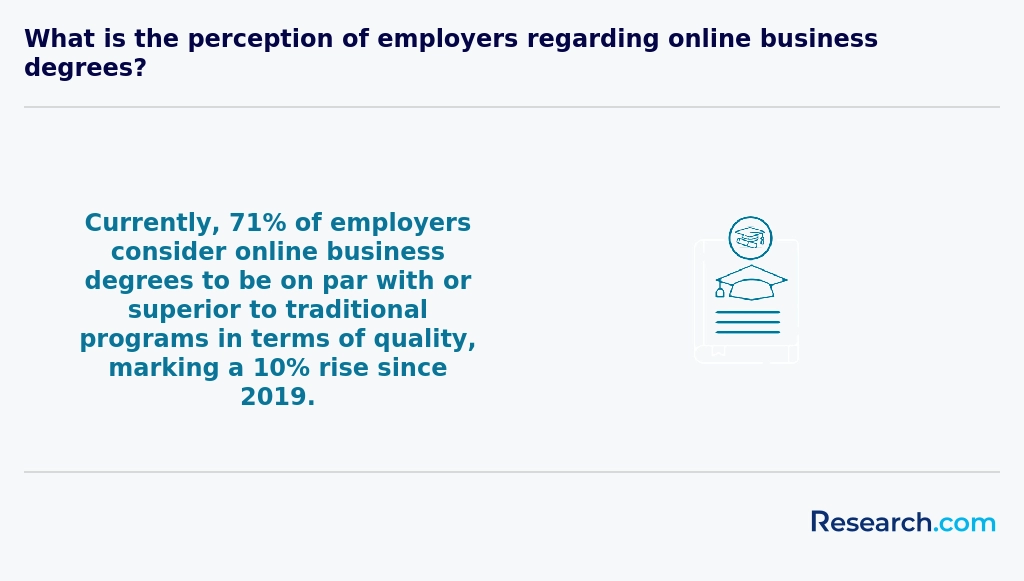
Business degree programs in Fargo typically include a mix of foundational courses such as Principles of Management, Financial Accounting, and Marketing Fundamentals. Graduates from universities like North Dakota State University often share how these courses provided practical skills-like interpreting real financial reports or crafting marketing plans for local businesses-that felt immediately relevant to the Fargo job market.
Students appreciate classes in Business Law and Organizational Behavior, which help them navigate legal frameworks and workplace dynamics, skills they encounter daily during internships with Fargo-based companies. Electives tailored to regional industries, such as supply chain management linked to agriculture or technology sectors, let students customize their studies to future career needs.
Courses like Business Statistics and Operations Management are frequently highlighted for their use in hands-on projects, where students analyze local economic data or improve processes for Fargo retailers. This approach fosters a sense of excitement and confidence as learners see how their knowledge directly impacts their communities and prepares them for evolving business challenges.
Business degree specializations in Fargo are evolving to match the city's dynamic economy and emerging industries, making them highly relevant for forward-looking students. Graduates from popular colleges often highlight concentrations like Accounting and Finance, which continue to benefit from Fargo's expanding banking and insurance sectors. They recall real internships where mastering financial reporting or investment analysis directly led to promising job offers.
Emerging trends spotlight Marketing and Entrepreneurship, reflecting Fargo's vibrant startup scene and growth in digital industries. Students with ambitions in these fields find their coursework directly applicable to launching ventures or managing campaigns in local businesses. Supply Chain Management also gains traction, given Fargo's role as a transportation hub, putting graduates at the forefront of logistics innovation.
Choosing from Fargo business degree concentration options allows students to tailor their experience, unlocking practical skills and strong employer connections. Those exploring advanced paths often seek insight into how long to finish an MBA online to deepen leadership and strategic planning skills while working locally.
Choosing the best business degree in Fargo means looking ahead at how local industries like agriculture, manufacturing, and technology will shape your career. Graduates from popular Fargo colleges often highlight the value of programs that integrate internships and cooperative education with local businesses, allowing hands-on experience that builds confidence and real-world skills. Accessibility and flexibility are also key; many students appreciate evening and online options that fit busy schedules, especially when balancing work and study.
Accreditation stands out as a critical filter-graduates report feeling more prepared and employable when their degrees come from programs recognized by the Higher Learning Commission and business-specific bodies like AACSB. Considering affordable business degrees in Fargo is practical too; public institutions offer competitive tuition, which eases financial stress for many. Exploring scholarship opportunities or employer tuition assistance can further open doors.
One forward-looking approach is to explore specific concentrations aligned with Fargo's evolving business needs, such as supply chain management or entrepreneurship. Alumni often suggest using local resources and networking to stay connected with Fargo's job market trends. For those interested in blended learning options, looking into accredited online trades programs may also broaden possibilities.

Graduates from Fargo's business programs often find themselves stepping into dynamic roles that align with the city's evolving economy. With institutions like North Dakota State University fostering practical skills through internships and real-world projects, many alumni thrive as financial analysts, marketing managers, or human resource specialists. These career paths reflect the broad scope of business degree career opportunities in Fargo, adapting as sectors such as technology and health care expand.
Business students often share how their education prepares them for leadership roles in growing companies or startups, where entrepreneurial spirit and strategic thinking are highly valued. For example, some graduates have embraced roles in healthcare management at Sanford Health, propelling innovations in hospital administration. Others have found rewarding careers in retail management, supported by major distribution centers around Fargo.
Emerging trends suggest even more opportunities ahead, especially for those who engage in specialized fields like supply chain logistics or pursue advanced skills through marketing degree courses tailored to digital commerce and analytics. Such pathways highlight the promising Fargo business degree job prospects for students who aim to blend local industry growth with global business strategies.
The business degree job outlook Fargo shows a steady and promising trajectory supported by a diverse local economy. Graduates from institutions such as North Dakota State University often find themselves stepping into roles like financial analyst or marketing coordinator with growing confidence, knowing the city's sectors of finance, healthcare, and technology are increasingly seeking business-savvy professionals. Many graduates recount their smooth transition from classroom projects into real-world management or operations supervisor positions within Fargo's expanding markets.
Those pursuing business programs in Fargo benefit from a cost-effective education combined with a supportive job market. Examples from recent alumni highlight how local banks and startup companies welcome eager business graduates ready to innovate and lead. The city's emerging tech sector particularly values graduates capable of bridging business acumen with technical projects, offering dynamic career opportunities that match evolving industry trends.
For students considering where to study, the availability of affordable business programs in north dakota makes Fargo an attractive option, encouraging more individuals to enter the business field with optimism about their employment prospects. This environment fosters both traditional career paths and entrepreneurial ambitions alike, creating a vibrant community for business graduates ready to make an impact.
Fargo business degree employment opportunities appear well-aligned with steady regional economic growth, inviting graduates to envision long-term success across multiple industries in this bustling city.
2027 Best Business Degree Programs Ranking in Fargo
Investing in your education is a significant decision that can shape your future, and the Research.com team understands the importance of making informed choices. To assist prospective students in Fargo, we have meticulously crafted the "2027 Best Business Degree Programs Ranking in Fargo." Our commitment to quality, credibility, and accuracy is reflected in the extensive research and analysis conducted to compile this ranking.
We utilized the following reputable data sources to ensure a comprehensive evaluation of business degree programs:
By exploring this ranking, readers will gain valuable insights into the best business degree programs available in Fargo, empowering them to make well-informed decisions about their educational and professional futures. For more details on our methodology, please visit our Research.com methodology page.

Frequently Asked Questions About business
Business degree students in Fargo can enhance their learning by engaging with local industries. Fargo hosts a growing business community, with sectors like technology and agriculture expanding rapidly, according to the Fargo Moorhead Economic Development Corporation. Internships and cooperative education with these companies offer practical experience that supplements classroom learning. Joining student organizations related to business provides networking opportunities and leadership skill development.
Utilizing resources at institutions such as North Dakota State University, which offers comprehensive business programs, helps deepen understanding of core concepts. Students should attend workshops, seminars, and career fairs to connect with professionals and stay updated on industry trends. Regular involvement in these activities builds skills valuable in the competitive job market.
The business field in Fargo is evolving with several emerging niches that reflect broader economic trends. One growing area is data analytics and business intelligence, where companies use data to improve decision-making. According to the North Dakota Department of Commerce, demand for professionals skilled in data-driven strategies has increased by over 15% in the last five years.
Another niche gaining traction is sustainable business practices. Fargo businesses, especially in agriculture and manufacturing, are adopting eco-friendly operations, creating new roles focused on sustainability management.
Additionally, e-commerce and digital marketing continue to expand as local companies seek to reach wider markets online. The Greater Fargo Moorhead Economic Development Corporation highlights that digital sales have grown annually by about 10% in this region.
These niches offer promising opportunities for students pursuing business degrees in Fargo, aligned with local economic needs and national workforce trends.
Graduates with a business degree in Fargo should begin preparing for the job market by gaining practical experience through internships or cooperative education programs. Local businesses, including finance and agriculture sectors, often offer opportunities that provide valuable insights and networking connections. According to the Fargo-Moorhead Economic Development Corporation, the region's unemployment rate was around 1.9% in early 2024, indicating a competitive but promising job market.
Developing strong soft skills, such as communication and teamwork, is essential. Employers in Fargo value candidates who can adapt to the evolving business landscape, especially in industries like technology and manufacturing. Additionally, joining professional organizations related to business can increase access to job fairs and mentorship.
Employers in Fargo seek business degree graduates who combine strong analytical skills with practical experience. According to the Bureau of Labor Statistics, problem-solving and critical thinking abilities rank highly in the region's job market. Communication skills, both written and verbal, are essential for collaborating across Fargo's diverse industries, including agriculture, manufacturing, and technology.
Data from the Fargo Moorhead West Fargo Chamber highlights a growing demand for digital literacy, especially proficiency in data analysis software and financial modeling. Leadership and teamwork skills are also valued as companies in Fargo emphasize collaborative project management.
Understanding local economic trends and regulations further enhances employability, allowing graduates to navigate Fargo's unique business environment effectively.
Finding internships in Fargo relevant to a business degree involves a strategic approach. Start by exploring local companies in key industries such as finance, retail, and healthcare, which dominate the Fargo economy. According to the Fargo Moorhead West Fargo Chamber of Commerce, businesses in this area frequently seek interns with business skills in marketing, finance, and management. Utilizing career services at institutions like North Dakota State University can be invaluable; they offer job boards and networking events specific to the region. Additionally, websites like Handshake and LinkedIn list internships in Fargo tailored for business students. Building relationships with local business groups also enhances opportunities.
In Fargo, earning a business degree significantly enhances career mobility and advancement opportunities. The city's growing economy, particularly in sectors like manufacturing, healthcare, and technology, values candidates with formal business education. According to the Fargo Economic Development Corp., local employers increasingly prefer applicants with at least a bachelor's degree in business for managerial and administrative roles.
Business degree holders often benefit from higher starting salaries and faster promotion tracks compared to those without degrees. The average salary for business professionals in Fargo rose by 5% from 2021 to 2023, outperforming many other fields in the region, per data from the U.S. Bureau of Labor Statistics.
Additionally, networking opportunities through Fargo's business schools and local chambers of commerce can open doors, helping graduates to connect with influential professionals and secure leadership positions.
Studying for a business degree in Fargo equips students with skills applicable across multiple disciplines, vital in today's interconnected work environment. Local institutions emphasize analytical thinking, communication, and problem-solving, which are essential in roles that blend business with technology, healthcare, or public administration.
Fargo's economy, driven by sectors like healthcare, agriculture, and finance, offers a real-world context where interdisciplinary knowledge is highly valued. Programs often incorporate case studies and internships reflecting these industries, helping students adapt their business expertise to varied professional settings.
According to the North Dakota Department of Commerce, nearly 60% of Fargo's jobs require cross-functional skills, highlighting the relevance of interdisciplinary preparation in business education.
Courses combining data analysis, management, and economics enable graduates to work seamlessly with specialists in IT, marketing, or operations, fostering versatile career options.
Choosing between a thesis and a non-thesis business degree program in Fargo depends largely on your career goals and learning preferences. A thesis program typically involves original research and is ideal for students interested in pursuing a PhD or research-oriented roles. Non-thesis programs often focus on practical skills and coursework, appealing to those aiming for direct entry into the business workforce.
Fargo's growing economy, with strong sectors in finance and technology, offers diverse opportunities both for research and professional practice. According to the Fargo Economic Development Corporation, the business sector has expanded by 4.5% over the last two years, emphasizing applied skills.
Consider the time commitment as well; thesis programs generally require a longer duration due to research demands. Non-thesis tracks may be completed faster, benefiting professionals balancing education with work. Understanding your learning style, career path, and time availability will guide your choice effectively.
Students based in Fargo who wish to study business abroad have several pathways available through local universities' partnerships and exchange programs. North Dakota State University (NDSU), one of Fargo's leading institutions, offers faculty-led study abroad trips and semester exchanges with business schools around the world, including Europe and Asia.
Approximately 15% of NDSU business students participate in these programs, gaining global exposure while earning credits. Such programs often focus on international business practices, enhancing cultural competence and language skills.
Additionally, students can explore options through national organizations like the Institute for International Education, which reports a steady increase in U.S. students pursuing business studies abroad.
Students pursuing a business degree in Fargo have several part-time job opportunities that directly enhance their education. Positions in local banks such as Bell Bank or Gate City Bank provide practical experience in finance and customer relations, crucial for understanding real-world business operations.
The Fargo-Moorhead metro area reported a 3.2% job growth in business and financial occupations between 2020 and 2023, indicating a strong market for internships and part-time roles. Retail management jobs in prominent stores like Scheels or Hornbacher's also offer valuable insights into supply chain and team leadership.
Additionally, administrative assistant roles within Fargo's numerous small businesses help develop organizational and communication skills. Students benefit from flexible schedules aligning with academic commitments.
Business students in Fargo benefit from strong networking opportunities through local universities and community organizations. North Dakota State University (NDSU), the city's largest institution, hosts regular events such as career fairs, alumni mixers, and business club meetings that connect students with over 100 local companies, including agriculture, technology, and manufacturing sectors.
The Fargo Moorhead West Fargo Chamber of Commerce offers members access to networking events and professional development workshops, fostering relationships between students and regional business leaders. According to the 2023 Fargo Economic Development report, small and mid-sized enterprises in the area actively engage with higher education, providing internships and mentorship programs specifically aimed at business students.
Additionally, Fargo's expanding startup ecosystem invites students to pitch competitions and entrepreneurial forums, helping them build valuable contacts early in their careers. These varied opportunities enhance students' practical knowledge and increase job placement success in the competitive Midwest market.
Alumni networks provide vital resources for business degree students in Fargo, offering connections that can lead to internships and job opportunities after graduation. Many Fargo institutions, including North Dakota State University, report alumni engagement as a key factor in career placement success, with nearly 70% of graduates finding employment through such networks.
These networks also offer mentorship programs where experienced business professionals guide current students, helping them navigate local industries such as agriculture, manufacturing, and retail. This personalized advice improves students' professional skills and local market understanding.
Furthermore, alumni events and workshops held in Fargo foster community relationships that support entrepreneurship and innovation, expanding students' practical knowledge and business contacts in the region's growing economy.
Customizing a business degree program in Fargo involves selecting electives and concentrations that align with your career goals. Many institutions, such as North Dakota State University, offer specializations in areas like finance, marketing, supply chain management, and entrepreneurship. Choosing internships or co-op opportunities with Fargo-based companies can provide practical experience relevant to the regional economy, which is known for its strong agriculture and energy sectors.
Additionally, students can enhance their degrees by participating in leadership workshops and networking events facilitated by local business organizations like the Fargo Moorhead West Fargo Chamber of Commerce.
Carefully planning your course load to include both core business fundamentals and industry-specific skills can make your education more effective for future employers in the Fargo job market.
Business students in Fargo often encounter several typical challenges during their studies. One significant challenge is balancing rigorous coursework with part-time jobs, as the cost of living in Fargo remains moderate but students still need supplemental income. According to the North Dakota University System, about 40% of students work while enrolled, which can affect study time and academic performance.
Another issue is limited access to extensive business internships compared to larger metropolitan areas, making practical experience harder to obtain locally. However, Fargo's growing economy is expanding opportunities, especially in technology and agriculture sectors.
Students also face adapting to a rapidly changing business environment, requiring strong digital skills. Colleges in Fargo strive to update curricula, but students must actively keep pace with evolving trends.
A business degree from a Fargo institution opens many opportunities for professional certifications. Common credentials include the Certified Public Accountant (CPA) for those focused on accounting careers. The Project Management Professional (PMP) certification is valued across industries for effective leadership in projects.
Other popular options include the Certified Management Accountant (CMA) and the Chartered Financial Analyst (CFA), both offering specialized knowledge in finance and management. According to the Fargo-Moorhead Economic Development Corporation, local employers highly value these credentials when hiring for business roles.
In addition, credentials like Six Sigma and Certified Professional in Supply Management (CPSM) can boost careers, especially in Fargo's growing logistics and manufacturing sectors.
To write a winning application for a business program in Fargo, start by clearly demonstrating your passion for business and your career goals. Highlight any relevant experience, including internships or work in local industries such as agriculture, manufacturing, or technology, which are significant to Fargo's economy.
Strong academic records are crucial; many Fargo programs expect a minimum GPA of 3.0. Be sure to submit competitive GRE or GMAT scores if required, as schools like North Dakota State University use them to assess applicants.
Personal statements should emphasize leadership skills and community involvement. Fargo's business programs often value candidates who contribute locally, reflecting the city's focus on practical, regionally relevant education (ND Department of Commerce, 2023).
Lastly, secure letters of recommendation from professionals familiar with your work ethic or academic ability. These strengthen your profile and align with the expectations of Fargo's business schools.
The global perspective on a business career emphasizes the increasing importance of cross-cultural skills and international market understanding. For students in Fargo, earning a business degree offers access to a curriculum aligned with widespread U.S. standards that prepare graduates for global challenges. According to the U.S. Bureau of Labor Statistics, business occupations in the U.S. are expected to grow 8% from 2022 to 2032, highlighting steady demand both domestically and internationally.
Fargo's growing business community, supported by industries like technology and manufacturing, creates opportunities for students focused on global trade and management. Business programs often include courses on international economics, global supply chains, and multicultural leadership.
Many Fargo colleges encourage study abroad and internships with multinational companies to boost global readiness. This international exposure equips students with competitive advantages in a globalized economy.
Students pursuing business degrees in Fargo can gain practical experience through internships offered by local companies and organizations. Fargo's growing economy, which includes strong sectors like agriculture, technology, and finance, provides diverse opportunities for real-world learning. Institutions often have partnerships with well-known businesses such as Microsoft and JPMorgan Chase, allowing students to apply classroom knowledge in professional settings.
Additionally, many Fargo universities encourage participation in student-run businesses and consulting projects, enabling hands-on experience in management and marketing. Career services frequently organize networking events, giving students access to local professionals. According to the Fargo-Moorhead West Fargo Chamber of Commerce, internships increase job placement rates by nearly 30% for business graduates in the area.
Choosing the right concentration within a business degree program in Fargo depends on your career goals and the local job market. Fargo's economy features strong sectors like finance, healthcare, and technology, which may influence your decision. The North Dakota Department of Commerce reports continuous growth in these areas, offering opportunities for graduates.
Consider concentrations such as finance, accounting, marketing, or management that align with Fargo's commercial industries. Research each school's program strengths and internship connections in the region to enhance practical experience. Additionally, review course flexibility to adapt to evolving business trends.
Consulting local employment data and industry forecasts can help identify concentrations with high demand. For example, finance roles in Fargo have grown by 6% annually, according to the U.S. Bureau of Labor Statistics.
- 2027 Best Business Degree Programs Ranking in Minneapolis
- 2027 Best Business Degree Programs Ranking in Dubuque
- 2027 Best Business Degree Programs Ranking in Madison
- 2027 Best Business Degree Programs Ranking in Milwaukee
- 2027 Best Business Degree Programs Ranking in Kenosha
- 2027 Best Business Degree Programs Ranking in Kansas City
- 2027 Best Business Degree Programs Ranking in River Forest
- 2027 Best Business Degree Programs Ranking in Chicago
- 2027 Best Business Degree Programs Ranking in Wichita
- 2027 Best Business Degree Programs Ranking in Denver
See What Experts Have To Say About Studying Business
Read our interview with Business experts


Ingrid S. Greene
Business Expert
Clinical Assistant Professor of Management
Loyola Marymount University

David W. Stewart
Business Expert
Emeritus President's Professor of Marketing
Loyola Marymount University

- Networking Tips for Business Students and MBA Candidates - Cyprus West University https://www.cwu.edu.tr/networking-tips-for-business-students-and-mba-candidates/
- The Value of a Business Degree: Is It Worth the Investment? https://www.amitysingapore.sg/the-value-of-a-business-degree-is-it-worth-the-investment/
- Business Administration Degree Salary | UE Amsterdam https://www.ue-amsterdam.com/blog/business-administration-degree-salary-how-much-can-you-earn
- Enterprise project challenge https://barclayslifeskills.com/help-others/lessons/enterprise-project-challenge/
- The Smart Student’s Guide to Choosing a Business Degree – EU... https://www.euruni.edu/blog/the-smart-students-guide-to-choosing-a-business-degree/
- Bringing global perspectives to leadership in business https://www.eaie.org/resource/global-perspectives-leadership-business.html
- How to maximize your education benefits and supercharge your career - Colorado State University Global https://csuglobal.edu/blog/how-maximize-your-education-benefits-and-supercharge-your-career
- Business Study Abroad Programs | Go Overseas https://www.gooverseas.com/study-abroad/business
- Online and Traditional Business Degrees Comparison | Free Essay Example https://studycorgi.com/online-and-traditional-business-degrees-comparison/
- Global careers, real impact: building your career with an international business degree | University of East London https://www.uel.ac.uk/blog/global-careers-real-impact-building-your-career-international-business-degree