2027 Best Online Master's in Accounting Degree Programs Ranking in Connecticut

Co-Founder and Chief Data Scientist
Choosing the right online Master's in Accounting program can be overwhelming, especially if you're in Connecticut and looking for quality and flexibility. This article presents the 2027 Best Online Master's in Accounting Degree Programs Ranking in Connecticut, developed by the Research.com team of data scientists. It's designed to guide you through top programs that align with your goals.
Exploring these ranked programs helps you make an informed decision about your education, career growth, and future opportunities. Earning a Master's in Accounting can open doors to rewarding professions and greater financial stability.
Key benefits of getting online accounting degree in Connecticut
- Accounting degree graduates in Connecticut can expect attractive salaries, with roles like Certified Public Accountant, Tax Manager, and Auditing Manager earning a mean annual wage of $90,780 and an hourly wage of $43.65.
- Graduates from popular Connecticut universities often explore diverse career paths, including corporate accounting, forensic accounting, and tax management, offering strong job security and professional growth.
- Online accounting degrees from recognized Connecticut schools provide flexibility and convenience, allowing students to balance work and study while earning the same respected credentials as traditional programs.
- 2027 Best Online Master's in Accounting Degree Programs Ranking in Connecticut
- What can I expect from online accounting degree in Connecticut?
- Where can I work with online accounting degree in Connecticut?
What can I expect from online accounting degree in Connecticut?
The average cost of an online accounting degree in Connecticut typically ranges between $20,000 and $40,000 for a full master's program, depending on the institution and whether the student is attending full-time or part-time. Graduates from universities like the University of Connecticut often share how the investment feels worthwhile, reflecting on the practical skills and professional connections gained, which helped them confidently enter the workforce.
Some students describe balancing family and work while benefiting from flexible scheduling, making the cost manageable when spread over 18 to 24 months. Those attending Central Connecticut State University praise the access to state-of-the-art simulation software, feeling that the tuition covers much more than just coursework-it's an immersive experience that prepares them directly for CPA exam readiness.
Many also find the value amplified by online networking events and virtual internships offered within these programs, which turn monetary investment into tangible career opportunities, often leading to higher salaries in Connecticut's competitive accounting market.
Where can I work with online accounting degree in Connecticut?
Graduates from online accounting programs at well-known Connecticut institutions often find themselves welcomed by a variety of workplaces, each offering unique career paths that align with their skills and ambitions. Many step into roles at established public accounting firms like Deloitte or PwC, where their understanding of audit, tax, and consulting services is highly valued, especially after meeting Connecticut's rigorous CPA requirements. The sense of achievement these graduates feel as they contribute to large, respected firms is a common shared experience.
Others thrive in corporate accounting positions within local giants such as The Hartford or Cigna, handling financial reporting and budgeting. These environments offer the satisfaction of seeing how precise financial work supports broader business goals and community impact. For many, working in government agencies like the Connecticut Department of Revenue Services provides a chance to engage in meaningful public service with stable career growth, a path often appreciated for its security and societal value.
Non-profit financial roles also attract graduates who appreciate mission-driven work, managing grants and payroll at educational or charitable organizations. Reflecting on these varied opportunities, students from University of Connecticut or Fairfield University often express pride and optimism, knowing their online degrees prepare them to contribute confidently across Connecticut's diverse economy.
Graduates of online accounting programs in Connecticut often find themselves entering a robust job market with competitive salaries. For example, those stepping into roles such as Certified Public Accountant, Corporate Accountant, Tax Manager, Auditing Manager, or Forensic Accountant can typically expect mean annual wages around $90,780, according to the latest Bureau of Labor Statistics data.
Many graduates from well-regarded institutions like the University of Connecticut or Sacred Heart University discover that their flexible online education equips them to compete confidently for these positions. One graduate shared how balancing studies while working part-time enhanced their practical skills, making it easier to negotiate higher starting salaries within metropolitan areas like Hartford and Stamford.
Such professionals often report gaining a sense of accomplishment as they advance, seeing income grow from entry-level figures of about $55,000 to $65,000 to well over $100,000 annually with experience and certifications like the CPA. For those committed to continuous learning, this path delivers both financial stability and rewarding career progression within Connecticut's dynamic economy.
- Connecticut offers accredited online accounting programs ranging from associate to master's degrees with courses covering accounting principles, tax, auditing, and financial reporting.
- Annual tuition costs vary from $15,000 to $25,000 at public universities and $30,000 to $45,000 at private schools for undergraduate programs, while graduate programs cost between $20,000 and $40,000 per year.
- The state employs over 20,000 accounting professionals, with a job growth projection of about 6% over the next decade, especially in finance, insurance, government, and healthcare sectors.
- Starting salaries for entry-level accountants average around $55,000, rising to about $80,000 in mid-career, and can exceed $100,000 for CPAs and those with advanced degrees.
- Many online programs prepare students for the CPA exam and meet Connecticut Board of Accountancy standards for credit hours and coursework required for licensure.
Completing an online accounting degree in Connecticut typically spans around four years for a bachelor's degree when students study full-time, reflecting the classic timeline at institutions like the University of Connecticut and Central Connecticut State University. Many graduates appreciate the flexibility online programs provide, allowing them to balance coursework with jobs or family responsibilities. Some take advantage of accelerated tracks, finishing in three years by enrolling in summer sessions or carrying heavier course loads during regular terms.
Master's degree seekers often find their online programs shorter, commonly requiring one to two years, with part-time options stretching up to three years. Graduates frequently share that balancing work and study remotely can feel challenging but rewarding, granting them control over pacing. Transfer credits and prior academic experience also often help reduce completion time, making the journey feel more personalized and achievable for many students committed to advancing their accounting careers in Connecticut.
Pursuing a CPA license after completing your online master’s in accounting can significantly boost your career prospects and compensation, often exceeding the average salary of accountant in the field. In Connecticut, the certification process involves several key steps: 1. Education Requirements - Complete 150 semester hours of college credit, including a master’s in accounting from an accredited institution. - Ensure coursework covers specific areas such as auditing, taxation, and business law as mandated by the Connecticut State Board of Accountancy. 2. CPA Exam Preparation - Register with the National Association of State Boards of Accountancy (NASBA) to apply for the Uniform CPA Examination. - Use review courses offered by your university or third-party providers, focusing on all four exam sections: Auditing and Attestation (AUD), Financial Accounting and Reporting (FAR), Regulation (REG), and Business Environment and Concepts (BEC). 3. Ethics Exam Requirement - Pass the AICPA’s Professional Ethics Exam, which demonstrates your understanding of ethical standards in accounting practice. 4. Practical Experience - Acquire at least one year (2,000 hours) of supervised work experience under a licensed CPA in public accounting, government, industry, or academia. - Document and submit Experience Verification Forms to the Connecticut State Board. 5. Application and Maintenance - Submit your CPA license application to the Connecticut State Board of Accountancy, including transcripts, exam scores, ethics certificate, and experience verification. - Maintain licensure through 40 hours of continuing professional education (CPE) every two years, with at least two hours in ethics. By understanding and following these steps, graduates of Connecticut’s online accounting programs can streamline their path to CPA licensure, positioning themselves for leadership roles and enhanced earning potential in both public and private sectors.
Choosing between an online and an on-campus accounting degree in Connecticut often comes down to how you envision balancing education with life's demands. Graduates from the University of Connecticut's on-campus program recall the value of face-to-face interactions-discussions with professors and peers during lively group projects that deepened their understanding and built strong professional networks. In contrast, alumni of fully online programs appreciate the ability to study from home or work, fitting coursework around jobs and family without sacrificing quality.
Cost-wise, students note that online degrees offered by institutions like Fairfield University are comparable in tuition to their on-campus counterparts but save money on commuting and housing. Coursework covers the same core topics-financial accounting, auditing, taxation-and prepares you for the CPA exam, vital in Connecticut's growing job market.
For those comfortable with technology, Connecticut's online offerings provide intuitive platforms allowing consistent access to materials, unlike on-campus students who rely on scheduled lab hours and campus resources. Each path presents unique advantages tailored to individual lifestyles and learning preferences.
Success in an online accounting program requires not only academic diligence but also strong self-management and effective use of digital resources. One key tip is to establish a structured daily routine, dedicating specific time blocks for studying, attending virtual lectures, and completing assignments. Creating a distraction-free study environment and setting realistic weekly goals can dramatically improve retention and understanding of complex accounting principles. In addition, actively participating in discussion forums, virtual study groups, and networking events is essential. Engage with peers and instructors to clarify doubts, exchange study tips, and gain diverse perspectives on real-world accounting challenges. Leveraging virtual office hours and tutoring sessions can further enhance comprehension and provide personalized support. Another important factor is familiarizing yourself with the latest accounting software and technology tools that many programs incorporate into their curriculum. Staying updated with industry trends and technological advancements will not only prepare you for the classroom but also make you a competitive candidate in the job market. For prospective students weighing educational options, consider comparing learning formats to determine which suits your personal and professional needs best. For instance, if you’re evaluating the differences between delivery formats, you might explore is it harder to get online or traditional accounting degrees to understand the advantages and challenges inherent in each pathway. Lastly, prioritize self-care by maintaining a balanced lifestyle that includes regular exercise, adequate sleep, and time for relaxation. This balance helps alleviate the pressures of rigorous coursework and fosters a sustainable, long-term commitment to your studies. Following these strategies can empower you to navigate your online accounting journey successfully and set the stage for a rewarding career in the field.
The average cost of an online accounting degree in Connecticut reflects both the quality and reputation of the institutions offering these programs. Graduates from popular universities like the University of Connecticut often recall that while the tuition for in-state students hovers around $26,250 total, the value they received was well worth the investment. This figure aligns with broader trends in the state, where programs balance affordability with comprehensive coursework designed to prepare students for real-world challenges in finance and accounting. For many, paying this median total cost is a meaningful decision that supports a strong career foundation without overwhelming financial strain.
When considering online master's in accounting tuition and fees Connecticut residents should also take into account the additional expenses that come with technology and course materials. Students at prominent public universities sometimes report a few hundred dollars in yearly fees, which, although supplemental, contribute to a seamless online learning experience. Private institutions often command higher tuition, occasionally exceeding $40,000, but they may provide specialized resources or networking opportunities which some find invaluable.
Many prospective students find it helpful to examine programs priced per credit hour, ranging from $500 to $1,200, especially when flexibility is a priority. For example, some graduates appreciated how breaking tuition into credit costs allowed them to pace their studies according to personal and professional commitments. For students uncertain about cost versus benefit, comparing options with an accredited hospitality and tourism degree program helped some explore parallel educational pathways while keeping budgetary factors in mind.
In essence, the average cost of online accounting degrees in Connecticut is a thoughtful blend of achievable tuition expectations and strategic program choices. Students who weigh these aspects wisely tend to feel confident and positive about their educational journey and future career prospects.

Many students pursuing online accounting degrees at institutions like the University of Connecticut or Central Connecticut State University find that federal financial aid is a lifeline. By filling out the FAFSA, they unlock eligibility for Pell Grants if they're undergraduates, or loans like the Direct Unsubsidized Loan and Grad PLUS Loan when pursuing graduate programs. These options often bridge the gap between tuition costs and personal budgets, easing financial stress.
State-specific scholarships such as the Roberta B. Willis Scholarship and the PACT program offer vital support, especially for those demonstrating strong academic merit or financial need. Graduates frequently reflect on how these funds made a tangible difference in affording quality education without overwhelming debt.
Institutional awards and assistantships at Connecticut colleges frequently reward dedication to accounting studies. Many students report feeling especially motivated by scholarship programs offered through the Connecticut Society of Certified Public Accountants, which create a sense of community and professional belonging early on.
For working professionals, employer tuition reimbursement can transform what seemed like a distant goal into a reachable milestone, providing both financial relief and encouragement to advance their careers while studying.
One of the most critical measures of an online master’s in accounting program’s quality is its ability to prepare students for the CPA exam and other professional certifications. Top Connecticut programs integrate dedicated review courses, exam-style practice questions, and personalized mentorship to ensure students meet the 150-credit hour requirement and excel on each section of the Uniform CPA Examination. Many universities partner with leading review providers-offering discounted or complimentary access to platforms like Becker or Wiley-to reinforce course concepts in auditing, regulation, financial accounting, and reporting. In addition to formal review courses, successful programs establish study groups, virtual workshops, and alumni-led coaching sessions. These peer-driven initiatives foster accountability and deepen understanding of complex topics such as tax planning, ethics, and advanced financial analysis. Prospective students should inquire about each program’s published CPA pass rates; institutions boasting pass rates above the national average demonstrate a proven track record of certification success. Beyond the CPA, leading online accounting degrees in Connecticut support additional credentials like the CMA (Certified Management Accountant) and CIA (Certified Internal Auditor). Coursework often includes specialized modules on cost management, strategic decision-making, and internal controls, aligning with the exam content outlines for these certifications. Graduates frequently report that this targeted preparation gave them a competitive edge in both public accounting firms and corporate finance roles. For those balancing budget constraints, it’s worth exploring affordability without sacrificing exam support. Connecticut students seeking cost-effective options may also consider programs highlighted in our Affordable Accounting Degree Programs Ranking in Memphis, TN, where many institutions offer robust certification resources alongside lower tuition rates.
Enrollment in online accounting programs in Connecticut typically starts with a bachelor's degree from an accredited institution, a foundational step shared by graduates from popular schools like the University of Connecticut and Quinnipiac University. Many recall feeling both challenged and encouraged when realizing their backgrounds in business or finance eased their path, while others with unrelated degrees invested extra effort in completing prerequisite courses in financial or managerial accounting before fully diving in.
One common thread among these students is maintaining a minimum cumulative GPA, often around 3.0, which can be a motivating benchmark rather than a mere hurdle. Official transcripts verifying this academic standing become essential, reflecting readiness to engage deeply with the program's rigor.
While some programs might request standardized tests like the GMAT or GRE, many graduates appreciated that relevant professional experience, especially from mid-career candidates, sometimes provided flexibility, boosting their confidence during application.
Alongside academic requirements, reliable internet access and familiarity with online platforms proved vital for success, ensuring seamless participation in coursework from anywhere in Connecticut.

When considering an online accounting program in Connecticut, one of the key factors to think about is the financial aspect. The cost of tuition, additional fees, and living expenses can add up quickly, making it essential for prospective students to explore all available options. For those looking to minimize their expenses, researching affordable accounting programs in Connecticut can be a practical first step. Understanding the total cost of attendance and comparing it across different institutions can help students make informed decisions that align with their budget and career goals. Moreover, many online programs offer financial aid, scholarships, and payment plans that can help mitigate the financial burden, making higher education more accessible to a wider range of students. By carefully evaluating these financial considerations, prospective accounting students in Connecticut can set themselves up for success, both academically and professionally.
Online accounting degrees in Connecticut commonly include foundational courses like Financial Accounting, Managerial Accounting, Auditing, and Taxation, which together build a well-rounded skill set essential for today's business challenges. Graduates from prominent Connecticut institutions often reflect on how Financial Accounting helped them confidently interpret corporate financial statements, a daily necessity in their careers.
Managerial Accounting classes immerse students in decision-making roles, allowing them to understand cost behaviors and project budgeting, which many find directly applicable when working in dynamic business environments. Auditing courses stand out as particularly impactful, teaching students about compliance and risk assessment-skills that connect theory to actual corporate practices experienced during internships within Connecticut-based firms.
Taxation courses, tailored to state and federal codes, often inspire students who have later navigated complex filing procedures for small businesses or nonprofits. Practical exposure to Accounting Information Systems also enables learners to grasp the technology driving modern accounting, a crucial advantage highlighted by graduates working with Connecticut's diverse companies.
Many programs further emphasize business law and ethics, reinforcing the integrity that Connecticut employers deeply value. This blend of rigorous coursework echoes the real-world demands discovered through student experiences at local colleges, making these degrees profoundly relevant and fulfilling.
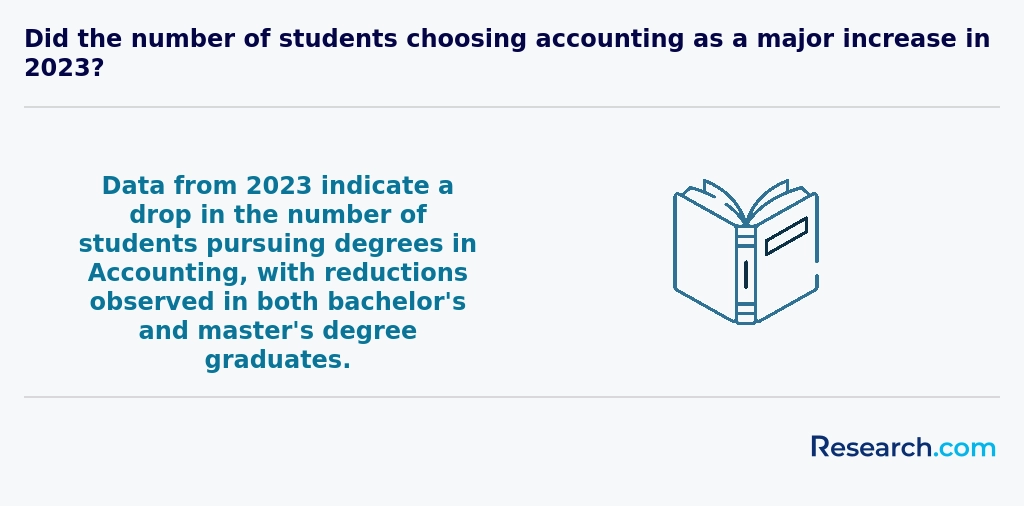
Online accounting degree specializations in Connecticut reflect the state's diverse economic landscape and professional demands. Popular concentrations include Taxation, which is particularly relevant due to Connecticut's notable state income tax rates. Graduates from well-known universities often share how mastering tax laws boosted their confidence in advising local businesses and individuals. Auditing and Assurance Services is another in-demand track, especially given the concentration of financial institutions in the region; students appreciate how this specialization sharpens skills essential for ensuring regulatory compliance.
Financial Accounting and Reporting remains a core option, trusted by graduates for building expertise in GAAP that's crucial across public and private sectors. Those pursuing forensic accounting find the intersection of accounting and investigative work exciting, catering to Connecticut's broad business environment. Other paths like Management Accounting shape careers focused on internal business strategy. Many students at Connecticut colleges commend these areas for aligning well with their aspirations while considering the best accounting concentrations in Connecticut online programs.
Prospective students should also explore how choosing a specialization might affect costs and certification paths. These decisions often come up when they ask how long does it take to get an MBA, reflecting on the time investment required alongside career goals.
Choosing the best online accounting degree in Connecticut means focusing closely on accreditation and curriculum. Graduates from well-known public universities in the state often emphasize how regional accreditation, like from NECHE, was crucial in ensuring their degree qualified them to take the CPA exam. This assurance gave them confidence during their studies and as they entered accounting roles.
Affordability also shapes the experience. Many students find that enrolling in public institutions here offers significant savings compared to nationwide averages. Those balancing work and study appreciate programs that offer flexible schedules-whether synchronous or asynchronous-allowing them to manage their time effectively without losing momentum.
Graduates often mention how schools with strong ties to Connecticut's business community provided real internship opportunities and networking that made job hunting feel less daunting. This practical connection is a key reason the best online accounting degree programs Connecticut residents seek focus not only on theory but career readiness.
For students interested in related fields, exploring an online master's in project management can complement their accounting expertise and expand career options.

Graduates who pursue an online accounting degree in Connecticut find themselves welcomed by a wealth of promising career paths, shaped by the state's vibrant financial sector. Many graduates from prestigious local institutions enter the field as Certified Public Accountants (CPA), a respected credential that unlocks roles in public firms, corporate finance departments, and consultancy. Achieving the CPA license in Connecticut involves rigorous exams and practical experience, but graduates often describe the journey as rewarding and a catalyst for professional growth.
Others explore diverse accounting job opportunities in Connecticut for graduates, such as financial analysts, budget analysts, internal auditors, and management accountants-positions highly sought after in insurance companies and banks, especially around Hartford. Reflecting on stories from peers, graduates appreciate how their analytical skills were sharpened in real-world scenarios, making these roles both challenging and fulfilling.
Specialized fields like forensic or tax accounting also attract those wanting to make impactful contributions, whether uncovering fraud or guiding complex tax strategies. For those balancing work and study, understanding the logistics degree cost helps in planning finances, as many find online degrees offer needed flexibility while preparing for growth in Connecticut's dynamic business ecosystem.
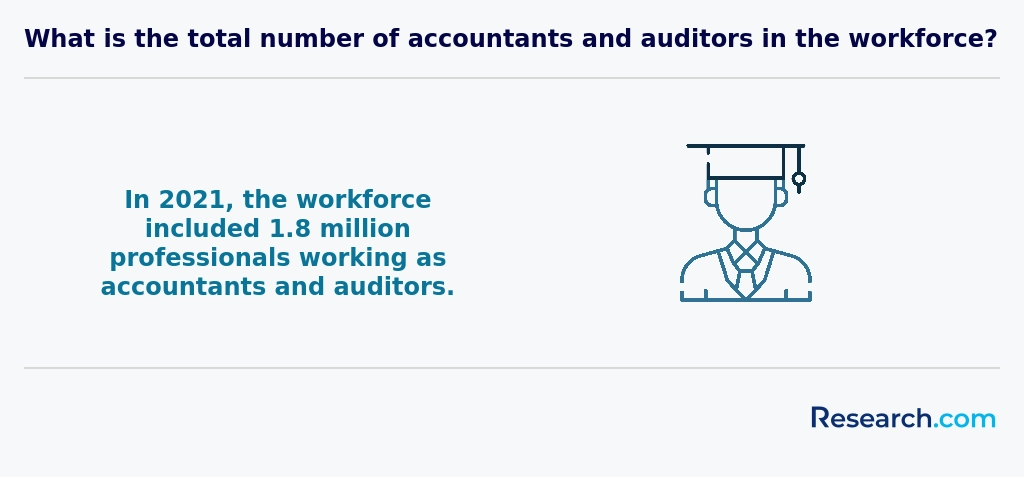
The job market for graduates holding an online accounting degree in Connecticut remains robust and encouraging. Many graduates from state institutions report smooth transitions into roles within insurance firms, healthcare providers, and government agencies, where their expertise in managing financial records and audits is highly valued. This strength in accounting employment is bolstered by Connecticut's strong ties to major insurance companies and a tax framework that sustains corporate demand for accounting services.
Graduates find that the technological skills acquired through online programs help them stand out. Familiarity with digital tools and cloud-based software often opens doors to flexible positions, which appeal to professionals balancing work and study. For those exploring online accounting jobs in Connecticut, these skills prove indispensable and enhance job security in an evolving market.
Costs are important to consider, and many students weigh options carefully before committing. Those seeking affordable accounting programs in Connecticut can find competitive tuition rates, particularly at public universities where in-state prices range from $400 to $600 per credit hour. Graduates often speak positively about the value gained through this balance of quality and affordability, making the degree a wise investment.
2027 Best Online Master's in Accounting Degree Programs Ranking in Connecticut
Investing in your education is a significant decision that can shape your professional future, and the Research.com team recognizes the importance of making well-informed choices. To guide prospective students seeking advanced accounting education in Connecticut, we have carefully developed the "2027 Best Online Master's in Accounting Degree Programs Ranking in Connecticut." Our dedication to quality, credibility, and accuracy is demonstrated through rigorous research and thorough analysis conducted to ensure reliable results.
We utilized the following reputable data sources to provide a comprehensive evaluation of online accounting master's programs:
By reviewing this ranking, readers will obtain valuable insights into high-quality programs tailored to their needs, helping them choose the best educational path with confidence. For an in-depth explanation of how this ranking was created, please visit our Research.com methodology page.


Frequently Asked Questions About accounting
Online accounting degree students in Connecticut can maximize their learning by actively engaging with their coursework and peers. Utilizing resources like virtual study groups and instructor office hours helps clarify complex topics and fosters a collaborative learning environment.
Connecticut's proximity to financial hubs such as Hartford provides networking opportunities through local accounting associations, which often host webinars and workshops accessible online. According to the Connecticut Society of Certified Public Accountants, students who participate in professional events gain valuable insights into industry trends.
Additionally, students should leverage software tools and simulations commonly used in accounting firms to gain practical experience. Staying updated on state-specific accounting regulations and tax laws is crucial, as Connecticut requires 40 hours of continuing professional education annually for CPAs.
Finally, setting a disciplined schedule and creating a dedicated study space can improve focus and retention, essential for balancing work and study commitments effectively.
The accounting field in Connecticut is evolving, with several emerging niches offering new opportunities for professionals. One significant area is forensic accounting, which involves investigating financial fraud and disputes. Demand for this expertise is growing as companies aim to strengthen compliance and combat white-collar crime.
Another important niche is environmental accounting. As Connecticut emphasizes sustainability, accountants proficient in tracking environmental costs and reporting on corporate responsibility are increasingly valued.
Additionally, technology-driven roles like data analytics and blockchain accounting are expanding. According to the Connecticut Department of Labor, jobs requiring advanced accounting technology skills are projected to grow faster than average through 2030.
Exploring these specialized fields can benefit students pursuing online accounting degrees in Connecticut by aligning skills with market trends.
After completing an online accounting degree in Connecticut, preparing for the job market involves several key steps. First, obtaining relevant certifications like the Certified Public Accountant (CPA) license enhances credibility; Connecticut requires 150 credit hours for CPA eligibility, often met by master's programs.
Networking within local professional communities, such as the Connecticut Society of Certified Public Accountants, can open job opportunities and mentorship.
Gaining practical experience through internships or part-time roles, even during studies, strengthens resumes. According to the U.S. Bureau of Labor Statistics, Connecticut's accounting job growth aligns with the national average, highlighting steady demand.
Finally, mastering accounting software such as QuickBooks or SAP improves competitiveness in Connecticut's evolving financial services sector.
Employers in Connecticut highly value accounting graduates with strong analytical skills and proficiency in financial reporting. According to the Connecticut Department of Labor, demand is growing for professionals who can interpret complex financial data and ensure regulatory compliance. Expertise in software like QuickBooks and Excel is essential, reflecting the shift toward digital accounting tools.
Communication skills are also important, as accountants must explain financial information clearly to clients and management. Attention to detail is critical to avoid errors in tax filings and audits. Familiarity with U.S. Generally Accepted Accounting Principles (GAAP) is a baseline requirement for most employers in the state.
Finding internships in Connecticut relevant to an accounting degree involves several strategic steps. Students should begin by exploring career services offered by their online accounting programs, as many colleges in Connecticut maintain partnerships with local employers including accounting firms. The Connecticut Society of Certified Public Accountants is a valuable resource for networking and internship opportunities.
Additionally, using platforms like Handshake and LinkedIn can connect students with Connecticut-based internships in public accounting, corporate finance, and government agencies. According to the U.S. Bureau of Labor Statistics, Connecticut employs over 10,000 accountants, indicating a competitive but robust market for internships.
Targeting firms in major cities such as Hartford and Stamford may increase chances, as these areas host numerous financial institutions.
In Connecticut, obtaining an online accounting degree can significantly enhance career mobility by providing flexibility for working professionals. Many employers in the state recognize accredited online degrees, especially those that prepare students for CPA licensure, a critical credential for advancement in accounting roles.
According to the Connecticut Department of Labor, accounting and auditing jobs are projected to grow about 6% through 2030, aligning with national trends. This growth encourages upward mobility within firms and the possibility to shift between industries such as finance, government, and healthcare.
Furthermore, an online accounting degree often incorporates updated software skills and knowledge of regulatory frameworks, which are highly valued in Connecticut's competitive job market.
Studying for an accounting degree in Connecticut through online programs often emphasizes interdisciplinary skills essential for diverse career paths. Many degree curricula integrate courses in finance, management, information systems, and business law, equipping students to understand broader organizational functions. This approach aligns with trends reported by the Connecticut Department of Labor, highlighting growing demand for accountants with cross-functional expertise.
Connecticut's business environment, including finance and insurance sectors, benefits from accountants skilled in analytics and communication, fostering collaboration across departments. Additionally, accredited online programs typically encourage practical applications of technology, such as accounting software and data analysis tools, further enhancing interdisciplinary capabilities.
Such training prepares graduates not only for traditional accounting roles but also for positions in financial planning, auditing, and compliance, where comprehensive understanding of various business areas is vital.
When choosing between a thesis and a non-thesis online accounting degree program in Connecticut, consider your career goals and learning preferences. Thesis programs typically involve original research and are suited for students aiming for academic roles or advanced study. Non-thesis options focus more on practical skills useful in accounting positions such as CPA preparation or corporate accounting.
Connecticut's accounting job market grows steadily, with the Connecticut Department of Labor projecting a 6% increase in accountant roles by 2030. This trend emphasizes the value of practical expertise. Schools like the University of Connecticut offer both options online, reflecting varied student needs.
Financial and time commitments also differ: thesis programs often require more research hours, while non-thesis formats may offer a quicker path to graduation. Accreditation and faculty expertise are key factors to verify, ensuring your degree meets industry standards in Connecticut's regulatory environment.
Students based in Connecticut interested in earning an online accounting degree with an international focus have limited direct options for studying abroad through US institutions. Most accredited accounting programs emphasize domestic accounting standards, such as GAAP, which are essential for licensure and employment in Connecticut and the broader US.
However, some universities offer exchange or dual-degree programs in partnership with foreign institutions, allowing students to gain exposure to International Financial Reporting Standards (IFRS) alongside their US curriculum. These options are more common at the graduate level.
Connecticut students should also consider online programs that incorporate international accounting topics or provide virtual global modules to enhance cross-border financial knowledge without relocating.
Students pursuing online accounting degrees in Connecticut can benefit from various part-time job opportunities that enhance their education and provide practical experience. Common roles include tax preparers, bookkeeping assistants, and payroll clerks. These positions offer valuable insights into financial documentation and regulatory compliance, which are critical skills for accountants.
Connecticut's economy supports numerous small and medium-sized enterprises, creating demand for part-time accounting support. According to the Connecticut Department of Labor, the bookkeeping, accounting, and auditing clerk employment sector is projected to grow by 4.7% through 2030, indicating stable opportunities.
Internships with local accounting firms or roles in university finance departments can also provide relevant hands-on experience while accommodating flexible schedules.
Online accounting students in Connecticut have several networking opportunities despite the virtual nature of their programs. Many universities offer access to local business groups and alumni events, which can be attended in person or online. These connections help students engage with professionals in Hartford, Stamford, and other business hubs.
Professional organizations like the Connecticut Society of CPAs provide valuable networking events and workshops tailored to accounting students and professionals. Participation in these groups can significantly enhance job prospects in the state's growing accounting sector, which employs over 15,000 professionals as of 2023 (Bureau of Labor Statistics).
Additionally, virtual career fairs organized by Connecticut universities often connect remote students with regional employers. These platforms facilitate introductions and internships, vital for building experience and professional relationships in accounting.
Alumni networks play a crucial role for online accounting degree students in Connecticut by offering strong professional connections. Graduates gain access to local industry contacts, which can be essential in a state where accounting jobs grew by 8% between 2018 and 2023, according to the U.S. Bureau of Labor Statistics.
These networks often provide mentorship, job leads, and advice on CPA exam preparation, a key step for many accounting careers. Since Connecticut hosts many accounting firms and financial institutions, alumni connections help students navigate the job market more effectively.
Furthermore, alumni events and online communities foster peer support, encouraging continuous learning and professional growth within the state's accounting sector.
Customizing an online accounting degree program in Connecticut allows students to align their studies with specific career goals. Many universities offer elective courses in areas such as forensic accounting, taxation, or auditing, enabling specialization.
Students can also pursue certifications like CPA (Certified Public Accountant), which requires completing 150 credit hours-typical master's programs help fulfill this.
Internships and partnerships with Connecticut-based accounting firms provide practical experience and networking opportunities, crucial in this competitive field.
Accredited programs with flexibility in scheduling and course choices enable working professionals to balance education with career advancement. According to the Connecticut Department of Labor, accounting jobs are expected to grow by 8% through 2030, highlighting demand for tailored education.
Online accounting students in Connecticut often face challenges such as balancing coursework with professional and personal responsibilities. Many learners are working adults who must manage time effectively to meet deadlines and participate in virtual classes.
Another common difficulty is gaining hands-on experience. Accounting relies heavily on practical skills, and students may find it harder to engage in internships or collaborative projects remotely. According to the Connecticut Board of Accountancy, practical experience is critical for CPA exam eligibility, increasing pressure on online learners to find suitable opportunities.
Technical issues like unreliable internet access or unfamiliarity with learning platforms can also hinder progress. Additionally, networking with peers and faculty often proves limited, potentially affecting mentorship and career connections.
With an online accounting degree in Connecticut, you can pursue several professional certifications that enhance career prospects and earning potential. The most prominent certification is the Certified Public Accountant (CPA), which requires meeting education, examination, and experience criteria established by the Connecticut State Board of Accountancy.
Other valuable certifications include the Certified Management Accountant (CMA), focused on financial management and strategy, and the Certified Internal Auditor (CIA), centered on auditing skills.
Connecticut professionals benefit from the state's alignment with national standards, enabling graduates to sit for these exams with the appropriate coursework and credit hours completed online or in person.
According to the National Association of State Boards of Accountancy, CPA licensure candidates need 150 semester hours of education, which many online programs help fulfill for Connecticut students.
To write a winning application for an online accounting program in Connecticut, start by carefully reviewing each school's admissions requirements. Connecticut universities often seek candidates with a strong foundation in mathematics and business-related coursework. Highlight your academic achievements, relevant work experience, and any certifications, such as a CPA license or progress toward it.
Many programs value a well-crafted personal statement that explains your career goals and why you chose online study in Connecticut. Be specific about how the program matches your aspirations and the state's accounting job market, which is growing steadily according to the Connecticut Department of Labor.
Finally, tailor your resume to showcase skills like financial analysis or tax preparation, emphasizing abilities applicable to Connecticut's diverse industries. Strong letters of recommendation from accounting professionals or professors can also strengthen your application.
Accounting is a profession recognized worldwide for its critical role in business transparency and economic stability. In the United States, including Connecticut, accounting careers often emphasize compliance with standards set by the Financial Accounting Standards Board (FASB), aligning with U.S. Generally Accepted Accounting Principles (GAAP).
Globally, accountants must adapt to varying regulations like the International Financial Reporting Standards (IFRS), used in over 140 countries. This requires U.S.-based professionals to have a strong understanding of international practices, especially as Connecticut hosts numerous multinational firms.
According to the U.S. Bureau of Labor Statistics, employment for accountants and auditors in Connecticut is projected to grow by 8% from 2022 to 2032, reflecting steady demand influenced by global economic integration.
The rise of remote work and global finance has increased the importance of cross-border accounting skills, making an online accounting degree from Connecticut an attractive option for students seeking a career with international relevance.
While pursuing an online accounting degree in Connecticut, gaining practical experience is crucial. Many universities encourage students to seek internships with local accounting firms or businesses. Connecticut's accounting sector includes a growing number of small and mid-sized firms that often offer internship opportunities.
Additionally, virtual internships are becoming common, allowing students to work remotely on real-world projects. According to the Connecticut Department of Labor, accounting jobs in the state are projected to grow by 7% through 2030, highlighting the value of practical skills.
Students can also join professional organizations like the Connecticut Society of CPAs for networking and mentorship opportunities.
Choosing the right concentration within an online accounting degree program in Connecticut depends on your career goals and the state's job market. Popular specializations include taxation, auditing, and forensic accounting, each aligning with distinct roles. According to the Connecticut Department of Labor, demand for tax professionals and auditors is expected to grow by 8% over the next decade.
Consider concentrations that prepare you for certifications valued in Connecticut, like the CPA or CMA. Also, review the curriculum to ensure it covers Connecticut's specific tax laws and regulations, which are crucial for local practice. Aligning your focus with Connecticut's business sectors can enhance career prospects and earning potential.
- 2027 Best Online Master's in Accounting Degree Programs Ranking in New York
- 2027 Best Online Master's in Accounting Degree Programs Ranking in Massachusetts
- 2027 Best Online Master's in Accounting Degree Programs Ranking in New Jersey
- 2027 Best Online Master's in Accounting Degree Programs Ranking in Pennsylvania
- 2027 Best Online Master's in Accounting Degree Programs Ranking in Michigan
- 2027 Best Online Master's in Accounting Degree Programs Ranking in Illinois
- 2027 Best Online Master's in Accounting Degree Programs Ranking in Florida
- 2027 Best Online Master's in Accounting Degree Programs Ranking in Missouri
- 2027 Best Online Master's in Accounting Degree Programs Ranking in Kansas
- 2027 Best Online Master's in Accounting Degree Programs Ranking in Texas
See What Experts Have To Say About Studying Accounting
Read our interview with Accounting experts

Yaw M. Mensah
Accounting Expert
Professor and Interim Vice Dean for Strategic Partnerships
Rutgers Business School

John Wermert, Ph.D., CPA
Accounting Expert
Associate Professor of Accounting
Middle Tennessee State University

- Accounting Certificate https://ctstate.edu/component/zoo/advanced-search/244
- What Can You Do With a Master's in Accounting? https://www.easternct.edu/graduate-division/online/articles/what-can-you-do-with-masters-accounting/
- Choosing the Right Degree Program in Accounting https://www.accounting.com/resources/choosing-a-program/
- Majoring in Accounting in Connecticut https://www.ctcpas.org/my-career-path/ct-accounting
- Best Online Accounting Degrees in Connecticut https://www.onlineu.com/degrees/accounting/connecticut
- Accounting Degree: Associate or Bachelor's https://www.monroeu.edu/news/accounting-degree-associate-or-bachelors
- Accounting, BS | Central https://www.ccsu.edu/programs/accounting-bs
- Earn an Online Accounting Degree https://www.oedb.org/rankings/online-accounting-programs/
- Bachelor's in Accounting Online https://www.nec.edu/programs/bachelors-in-accounting-online
- Job Opening: Accounting Careers Trainee https://www.jobapscloud.com/CT/sup/bulpreview.asp