2027 Online MBA Concentration in Operations Management: Career Outlook

Co-Founder and Chief Data Scientist
Professionals seeking to pivot into operations management often face uncertainty about career prospects and the relevance of an online MBA concentration. Many worry whether investing time and resources in further education will translate to tangible job opportunities in this competitive field. The challenge lies in understanding current industry demands and aligning education with market needs.
This article explores job outlooks, salary trends, and emerging roles for graduates with an online MBA concentration in operations management. It aims to guide prospective students in making informed decisions about their education and career advancement strategies.
Key Things You Should Know
- Online MBA concentrations in operations management focus on supply chain optimization, process improvement, and leadership, addressing growing global demands in manufacturing and services.
- The U.S. Bureau of Labor Statistics projects a 5% growth in management occupations through 2031, with operations managers earning a median salary of $100,000 annually in 2024.
- Employers increasingly value MBA graduates with technical skills in data analytics and sustainability integrated into operations management curricula for competitive advantage.
What is an MBA concentration in operations management and what does it teach?
An operations management concentration in MBA programs centers on improving business processes that deliver goods and services efficiently. It covers core skills taught in MBA operations management such as process analysis, project management, operations strategy, logistics, and data-driven decision-making. Students learn to optimize resources, enhance supply chains, and manage quality control in both manufacturing and service sectors.
This concentration trains students in methodologies like Lean management and Six Sigma to reduce waste and defects while boosting productivity. Proficiency in software for demand forecasting and inventory management is emphasized, preparing students to thrive in industries such as retail, healthcare, and technology. Graduates develop the ability to manage cross-functional teams, collaborate with suppliers, and align operations with company goals through capacity planning and risk mitigation.
Practical learning often involves real-world simulations and case studies addressing challenges like production bottlenecks and supplier delays. Career outcomes are strong, as shown in the NC State Jenkins MBA Career Outcomes report, where 72.1% of online MBA graduates changed jobs within four months, showcasing enhanced career mobility and opportunity.
For those exploring affordable options, the cheapest MBA programs online offer targeted curriculums that support skill-building in operations management while balancing budget considerations.
What are the job prospects and employment demand for operations management MBA graduates?
The job outlook for operations management MBA graduates in the United States shows steady growth, with management roles expected to expand faster than average through 2034. The U.S. Bureau of Labor Statistics projects about 1.1 million annual job openings in management occupations, reflecting strong employment demand for online MBA in operations management careers. This growth stems from businesses' need to improve production efficiency, supply chain management, and organizational workflows.
Graduates can pursue diverse positions such as operations manager, supply chain analyst, logistics manager, procurement manager, and process improvement consultant. These roles require expertise in resource allocation, strategic planning, and business process optimization, applicable across sectors like manufacturing, retail, healthcare, and technology.
Employers look for candidates skilled in data-driven decision-making, Lean Six Sigma, and technology tools like ERP software and advanced analytics. Knowledge of sustainability practices and supply chain resilience is increasingly important post-pandemic. Networking through professional bodies like the Council of Supply Chain Management Professionals (CSCMP) and maintaining certifications can enhance career prospects.
Prospective students should consider programs offering relevant experience and skills, as demonstrated by graduates finding rewarding roles that emphasize leadership and cross-department collaboration. For those seeking affordable options, exploring the cheapest AACSB accredited online MBA programs can be a practical pathway into this growing field.
What salary can MBA graduates with an operations management concentration expect?
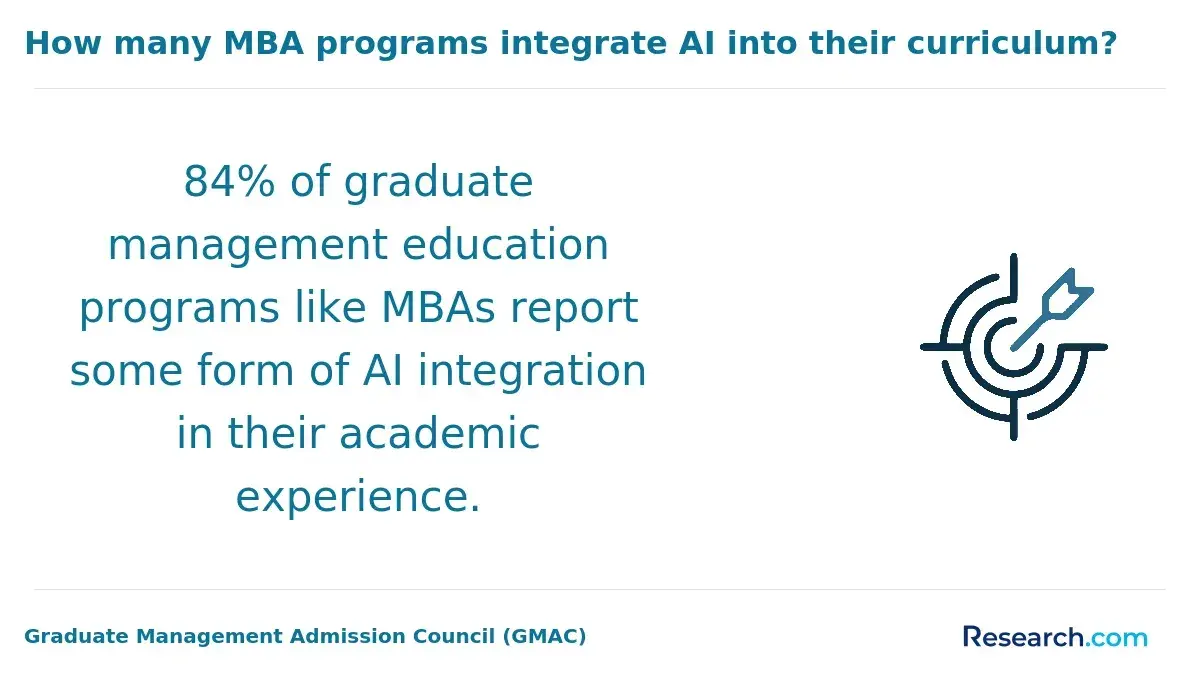
Operations management MBA graduate salary expectations in the United States reflect the premium employers place on specialized skills in process optimization, supply chain management, and strategic operations leadership. The GMAC 2024 Corporate Recruiters Survey highlights a median salary offer of $120,000 for MBA graduates, notably higher than the $80,000 median for those with master's degrees in management.
Salary ranges depend on industry, location, and experience. For instance, MBAs working in manufacturing or logistics hubs like New York or Chicago typically command salaries above $130,000, while positions in smaller markets or nonprofit sectors often start around $90,000-$100,000. Performance bonuses and profit sharing add to compensation, with mid-career professionals often earning over $150,000 in director or VP roles.
Average earnings for online MBA graduates specializing in operations management careers tend to be competitive, especially for those who hone quantitative, analytical, and leadership capabilities during their programs. Students seeking flexible study options may consider an executive online MBA, which can provide strong career advancement opportunities.
Evaluating salary benchmarks helps prospective students assess the return on investment for their operations-focused MBA and set realistic professional goals.
Online MBA operations management programs vs campus programs offer distinct advantages depending on a student's needs. Online programs provide significant flexibility and accessibility, which appeals to working professionals and non-traditional students. They typically follow the same curriculum as traditional programs, ensuring comparable academic standards while eliminating geographic constraints. However, students should assess differences in real-time interaction, networking chances, and experiential learning opportunities, which are often stronger in campus environments.
Campus programs emphasize face-to-face collaboration with peers and professors and offer direct access to resources like labs and workshops, enriching hands-on experience. Many quality online MBAs compensate with virtual simulations, case studies, and interactive projects, and some feature hybrid formats with optional residencies to blend convenience with in-person engagement. This flexibility supports a variety of learning styles and schedules.
Employers recognize the value of degrees from accredited online programs, especially in high-demand sectors such as procurement, logistics, and supply chain management. According to industry analysis, these areas remain among the fastest-growing nationwide, highlighting strong career outcomes for graduates. Those balancing the flexibility and outcomes of online versus traditional MBA in operations management can weigh factors like accreditation, faculty, alumni success, and career services to guide their choice.
For prospective students seeking programs that ease admissions hurdles, some offer an online MBA program no GMAT, which may improve accessibility without compromising quality.
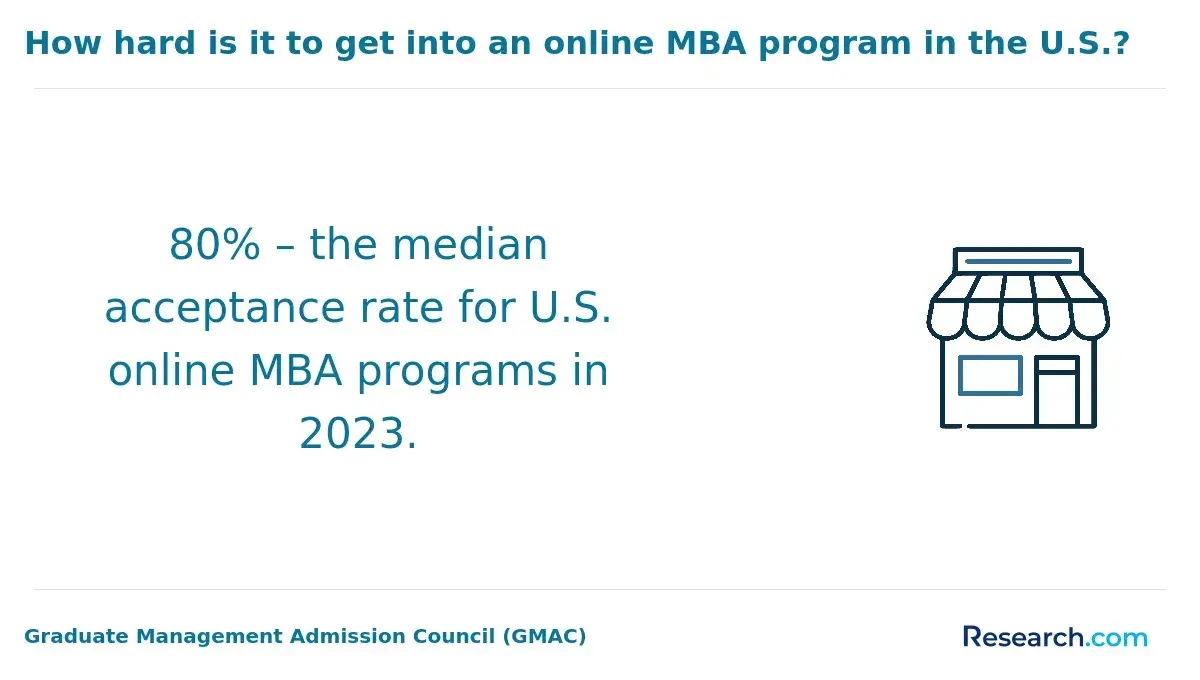
Admission to an accredited online operations management MBA generally requires a bachelor's degree from a regionally accredited institution, with many programs expecting a minimum undergraduate GPA around 3.0. Some schools may accept lower GPAs if paired with strong professional experience. Typically, applicants need two to five years of experience in management, supply chain, or related fields, demonstrating readiness for advanced leadership and operations challenges.
Standardized tests like the GMAT or GRE are often required but are increasingly waived for candidates with significant work experience or prior graduate degrees. Strong applications include two to three professional recommendations highlighting leadership and business skills.
Applicants also submit a statement of purpose or personal essay detailing career ambitions and how the degree fits their goals, along with an updated resume showcasing relevant experience and skills. International students must provide English proficiency scores such as TOEFL or IELTS and complete necessary visa documentation.
The value of an accredited online operations management MBA is reflected in career outcomes. 68.6% of online MBA graduates from the class of 2025 earned promotions within four months, according to NC State Jenkins MBA Career Outcomes. Meeting robust admissions criteria aligns closely with successful career advancement in operations management.
An online MBA in operations management generally requires 18 to 24 months to complete, influenced by program design and student pacing. Full-time students often finish close to 18 months, while part-time learners balancing jobs or family commitments might take 24 months or more. Accelerated programs with intensive coursework may shorten completion to as little as 12 months.
Credit requirements vary, typically between 30 and 45 credits. Programs sometimes accept transfer credits or grant credit for relevant professional experience, potentially reducing time to graduation. Additional semesters may be needed for dual concentrations, certificates, or capstone projects.
Many online MBA programs offer asynchronous classes, providing flexibility to fit studies around busy schedules. While this is vital for working professionals, it can extend the overall duration. Prospective students should assess their availability, credit load, and career objectives to find the right balance between speed and comprehensive skill development.
The need for strong quantitative skills continues in operations management careers. Operations research analysts, ranked #4 among Best Business Jobs for 2020 by U.S. News & World Report, illustrate persistent demand for expertise in analytics, supply chain optimization, and decision modeling. Graduates gaining these skills justify investing time in a robust curriculum.
The cost of an online operations management MBA varies widely, typically between $20,000 and $60,000 for the full program. Public universities and state schools generally offer more affordable tuition, ranging from $20,000 to $35,000, while private institutions and specialized programs can exceed $50,000. Prices depend on factors such as program length, accreditation, and whether the school is public or private.
Financial aid options are plentiful but differ by institution. Accredited online MBA programs often qualify for federal student loans, which provide manageable repayment plans. Additionally, many schools award merit-based scholarships and need-based grants targeting business students who specialize in operations management. Employer tuition reimbursement programs also help, especially for professionals in industries like healthcare, manufacturing, and supply chain management.
Operations managers in healthcare can benefit particularly from advancing their education, as roles like healthcare program managers reported an average salary of $144,259, according to the Winthrop University MBA Career Outlook. These figures underscore incentives for upskilling in operations.
Students should start researching financial aid deadlines early and work closely with school advisors. Some programs integrate financial aid with career services to help reduce debt while boosting employment outcomes.
An operations management MBA curriculum focuses on developing analytical, strategic, and leadership skills critical for managing complex business operations. Key subjects include supply chain management, which helps students improve the flow of goods and services, and project management, emphasizing efficient project execution within budget and deadlines. Operations strategy courses teach aligning day-to-day activities with broader business goals to enhance competitiveness.
Quantitative methods and data analysis are integral, offering training in statistical modeling, forecasting, and decision-making tools such as Six Sigma and Lean management. Courses in financial and cost accounting enable students to evaluate project feasibility and control costs effectively. Quality management topics center on maintaining and improving product and service standards amid changing market demands.
Leadership and organizational behavior classes equip students to lead teams and foster cross-departmental communication, addressing challenges like resistance to change and coordination issues. Technology management introduces innovations in automation, enterprise resource planning (ERP), and information systems that support operational efficiency.
With approximately 1.2 million job openings projected for management roles from 2023 to 2033 and a median salary of $122,090, according to Winthrop University MBA Career Outlook citing Bureau of Labor Statistics data, mastering these skills significantly boosts employability and leadership prospects in manufacturing, logistics, healthcare, and service sectors.
Accreditation significantly influences the quality and recognition of an operations management MBA program. Look for programs accredited by established organizations like the Association to Advance Collegiate Schools of Business (AACSB), Accreditation Council for Business Schools and Programs (ACBSP), or International Accreditation Council for Business Education (IACBE). These bodies vet curriculum rigor, faculty expertise, and assessment standards essential for career growth.
An AACSB-accredited program is often considered the gold standard, known for strong faculty qualifications and comprehensive coursework. ACBSP and IACBE accreditations emphasize teaching quality and continuous program enhancement. Additionally, some MBA programs offer specialized accreditation geared toward supply chain and operations management, signaling tailored curricula designed for industry demands and improved job market readiness.
Employers and transfer credits tend to favor accredited programs, which can support graduates seeking competitive roles. Business operations managers ranked #9 in Best Business Jobs and #20 in Best Paying Jobs by U.S. News & World Report, with promising outlooks to 2025, underscoring the value of attending a well-accredited program.
Prospective students should also verify state authorization for online MBA programs, assess faculty expertise, alumni outcomes, and employer partnerships, all vital for validating program credibility and ensuring a solid return on investment.
What professional certifications complement an MBA in operations management?
Professional certifications greatly enhance the value of an online MBA concentration in operations management by validating specialized skills and boosting employability. Notable certifications include the Certified Supply Chain Professional (CSCP) from APICS, recognized widely for mastery in supply chain principles. The Project Management Professional (PMP) credential highlights expertise in managing complex projects, a crucial skill in operations management.
Lean Six Sigma certifications, such as Green Belt and Black Belt, focus on process improvement and quality management, appealing to employers pursuing operational excellence. The Certified in Production and Inventory Management (CPIM) complements an MBA by emphasizing production planning and inventory control.
Obtaining these certifications addresses challenges MBA graduates often face in demonstrating practical competencies within a competitive job market. They bridge the gap between academic theory and real-world application, increasing professional mobility. For example, according to NC State Jenkins MBA Career Outcomes, 48.8% of online MBA class of 2025 graduates switched companies within four months, reflecting how skill validation accelerates career advancement.
Choosing the right certification depends on career goals:
- CSCP and CPIM benefit those targeting supply chain roles
- PMP is essential for aspiring operations leaders
- Lean Six Sigma suits careers focused on process improvement
Integrating these credentials with an online MBA builds a robust professional profile that aligns with employer expectations and enhances job prospects.
Other Things You Should Know About MBA
Yes, an online MBA in operations management from an accredited institution is generally respected by employers. Many employers recognize that online programs can offer the same rigorous curriculum as campus-based programs, especially when the school holds regional or specialized accreditation. Graduates should verify the program's accreditation for maximum acceptance in the job market.
Many online MBA programs in operations management are designed with working professionals in mind, allowing students to balance studies and employment. These programs often offer flexible scheduling, asynchronous coursework, and part-time options to accommodate busy schedules. However, effective time management is crucial to successfully complete the degree while working full time.
Graduates with an MBA in operations management can pursue roles such as operations manager, supply chain analyst, project manager, or logistics coordinator. The degree equips professionals with leadership and analytical skills applicable across industries like manufacturing, healthcare, retail, and technology. Career growth often involves moving into senior management or consulting positions as experience accumulates.
- Online MBA Operations: Jobs, Salary and Career Growth 2026 https://www.onlineuniversitiess.com/blogs/online-mba-operations-jobs-salary-and-career-growth
- Online MBA vs On-Campus MBA https://www.princetonreview.com/business-school-advice/online-mba-vs-on-campus-mba
- Online MBA in Operations Management – Eligibility Criteria https://edugrad.in/online-mba-operations/
- Top 10 Operations Certifications - MentorCruise https://mentorcruise.com/certifications/operations/
- WhatsApp Web https://web.whatsapp.com/
- Career Growth After an MBA in Production & Operations Management https://www.iibs.edu.in/news/-career-growth-after-an-mba-in-production-operations-management-1460
- MBA duration: How long does an MBA really take? https://www.obseducation.org/en/blog/mba-duration-how-long-does-an-mba-really-take
- What w języku angielskim https://www.ang.pl/blog/slowo-what-w-angielskim
- Global Scope of MBA in Operations Management https://mitsde.com/knowledge-center/global-scope-of-mba-in-operations-management
- Cost of an Online MBA | OnlineMBA.com https://www.onlinemba.com/resources/online-mba-cost/