2027 Community Support Specialist Roles You Can Target With a Psychology - Mental Health Degree

Co-Founder and Chief Data Scientist
Professionals with a psychology - mental health degree often confront the challenge of translating academic qualifications into tangible career opportunities within community support roles that demand nuanced interpersonal skills and practical experience. The Bureau of Labor Statistics projects a 14% employment growth in mental health-related support positions through 2032, signaling robust demand but also a competitive landscape shaped by employers seeking multifaceted competencies beyond traditional counseling.
Meanwhile, over 60% of adult learners enroll part-time or through hybrid programs, reflecting the necessity for flexible education pathways that accommodate work and family commitments without compromising career momentum. This dynamic forces many candidates to strategically select credentials aligned with evolving employer expectations and accessible program formats.
This article identifies community support specialist roles well-suited for those holding psychology - mental health degrees and offers detailed insight into optimizing educational pathways and career decisions to overcome common barriers and maximize employment potential.
Key Things You Should Know
- The U.S. Bureau of Labor Statistics projects a 15% growth in community support specialist roles through 2032, yet most require certifications extending beyond a basic psychology - mental health degree, imposing additional time and financial investment.
- Employers now prioritize candidates with public health or social work cross-training alongside psychology - mental health degrees, reflecting interdisciplinary demand that narrows direct psychology-only entry and pressures ongoing skill diversification.
- Programs averaging 18-24 months to complete create opportunity costs, as median entry-level salaries for community support specialists remain near $37,000 annually, challenging early-career return on investment amid rising living expenses.
What jobs can you get with a psychology mental health degree?
The practical value of a psychology mental health degree lies in strategic role placement and credentialing trajectories, rather than immediate licensure. Community support specialist jobs with psychology degree credentials often serve as crucial stepping stones, especially in environments with scarce mental health resources.
For instance, a case manager working in a rural community health center facilitates client care coordination, gaining experience needed for advanced clinical credentials while addressing persistent service gaps.
Employment growth for mental health counselors is expected at 17% from 2024 to 2034, with about 48,300 openings annually, emphasizing sustained demand. However, roles offering direct mental health counseling typically require a master's degree and supervised clinical hours for licensure, whereas positions such as substance abuse counselor or peer support specialist may have lower entry barriers but limit clinical practice scope.
Employers prioritize proficiency in crisis intervention, navigating insurance systems, and regulation compliance. Candidates face demanding schedules, emotional intensity, and extensive documentation requirements. Prospective students must weigh tuition costs against delayed earnings if opting for graduate education upfront or consider immediate workforce entry to build relevant experience.
For those exploring related interdisciplinary programs, reviewing the best online environmental health and safety programs can provide insight into complementary health fields offering alternative career avenues.
Which community support specialist roles hire psychology graduates?
Community support specialist jobs for psychology graduates often require a nuanced balance of applied knowledge and practical experience, particularly in roles such as substance abuse counselors, behavioral disorder specialists, mental health case managers, and peer support coordinators.
These positions demand proficiency in psychological assessment and therapeutic intervention but also hinge critically on demonstrated capability in service delivery. For instance, substance abuse counselors typically operate within rehabilitation centers or outpatient programs, applying relapse prevention techniques that require both clinical knowledge and hands-on skill.
Entry-level community support roles in psychology and mental health typically necessitate internships or practicum experience within community health settings. Graduates often face the challenge of obtaining certifications like Licensed Alcohol and Drug Counselor (LADC) or Certified Community Support Professional (CCSP), which require supervised hours beyond degree completion.
Workforce patterns favor candidates progressing through incremental responsibilities—such as starting in residential behavioral health before managing outpatient cases—to build requisite expertise and credibility with employers.
The May 2024 median annual wage of $59,190 for substance abuse and behavioral disorder counselors represents a realistic benchmark for graduates eyeing community-based employment. Navigating licensure and prioritizing agencies with structured training programs are practical steps to secure and sustain roles aligned with this compensation standard.
For individuals interested in specializing further, exploring child psychology master's programs may offer added pathways, albeit with distinct market dynamics and credentialing demands.
What education do employers require for community support specialist jobs?
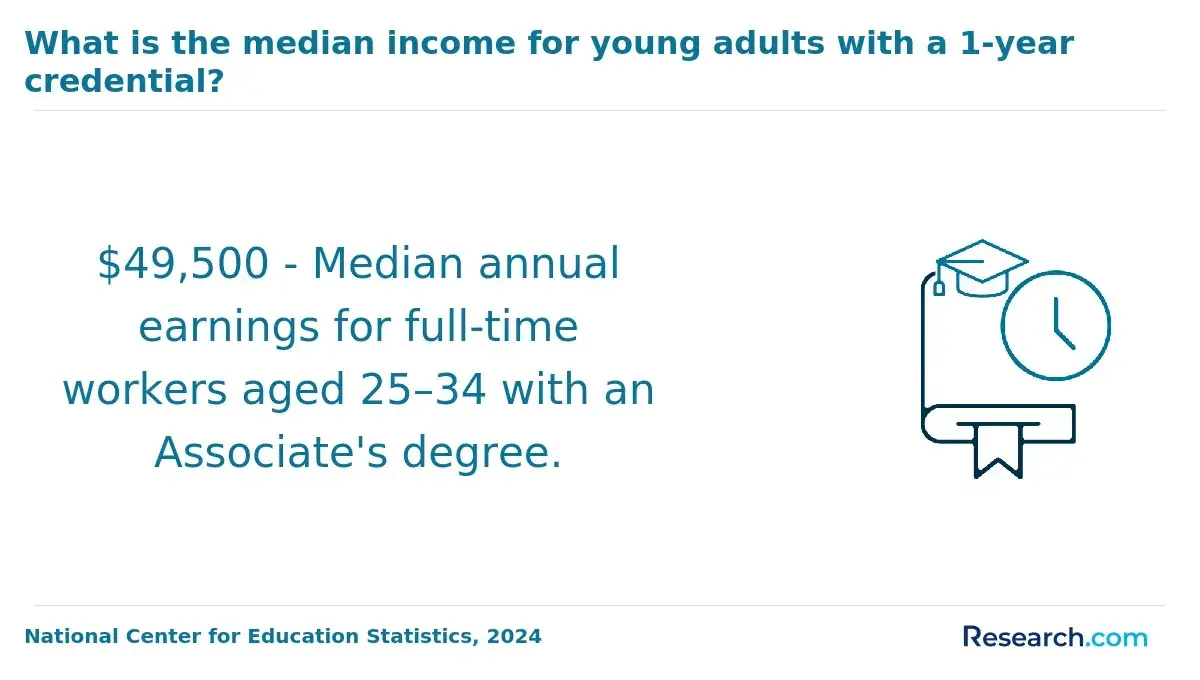
A bachelor's degree in psychology, mental health, social work, or a related human services field is typically the minimum requirement for community support specialist roles, but this baseline often dictates the scope of responsibilities and earning potential.
Positions involving direct client interaction, crisis management, and behavioral health support demand more than theoretical knowledge; they require an ability to apply evidence-based interventions while navigating confidentiality and ethical standards. For example, a community support specialist at a nonprofit serving mental health clients must balance practical skills with documentation and compliance, a task rooted in formal education.
Those focused on substance abuse or behavioral disorder counseling face additional credentialing hurdles, often needing supervised clinical hours or certifications to qualify for licensed roles.
The U.S. Bureau of Labor Statistics reports that entry-level salaries for mental health and related counselors start around $39,090 annually, reflecting these educational and licensure thresholds. Without state-specific certifications or advanced training, a bachelor's degree holder might be confined to support roles without clinical responsibilities, limiting professional advancement.
Given these practical constraints, anyone examining community support specialist education requirements in the United States should carefully assess how degree programs align with credentialing demands and local regulations. Employers prioritize candidates with demonstrable training beyond a degree, which influences both job eligibility and wage potential.
For those considering further advancement, especially into integrated healthcare teams, exploring advanced qualifications can be valuable. Resources on online marriage and family therapy programs offer insights into graduate pathways that extend beyond a bachelor's degree and enhance clinical competencies.
How do online and campus programs compare for this career path?
The choice between online versus campus community support specialist programs for psychology - mental health degrees significantly impacts the balance between practical skill acquisition and logistical convenience.
Campus programs traditionally dominate in delivering direct clinical practicum opportunities and supervised mentorship that align with employer expectations for licensure and advanced counseling roles. Graduates from these campus settings often benefit from structured internship networks crucial for urban or integrated healthcare markets.
In contrast, online programs offer critical flexibility for working adults or those unable to relocate, though the variability in access to in-person clinical hours presents challenges for students targeting specialized or leadership roles within mental health services. This is a practical consideration when selecting programs, especially since supervised fieldwork is a common licensure prerequisite.
Employers favor candidates with verified clinical experience paired with a solid theoretical foundation—a synergy more consistently achieved through traditional campus training, yet increasingly supported by hybrid formats integrating rigorous field components. Community agencies in rural or underserved areas may accept online-trained professionals provided they secure accredited practicum placements.
The 90th percentile wage of $98,210 for substance abuse, behavioral disorder, and mental health counselors demonstrates the market premium for clinical expertise, emphasizing the tradeoff between program convenience and the depth of experiential learning. Prospective students should carefully evaluate their capacity to commit to hands-on training and local network access, which critically shapes mid- to long-term career outcomes.
For those prioritizing affordability and flexible learning, especially relevant within the differences between online and traditional campus training in psychology - mental health support roles, exploring the cheapest master's in counseling online can offer a practical entry point.
What accreditation should a psychology mental health program have?
Accreditation holds tangible consequences for psychology - mental health programs, directly shaping licensure eligibility and employability. Employers in community mental health settings frequently require degrees from institutions with regional accreditation plus program-specific approval from the Council for Accreditation of Counseling and Related Educational Programs (CACREP) or, when relevant, the Commission on Accreditation of Rehabilitation Facilities (CARF).
The dual validation confirms that graduates have fulfilled rigorous clinical training and supervised fieldwork requirements necessary to meet job standards.
Graduates from non-accredited programs may face delays or outright ineligibility for certifications such as the Certified Rehabilitation Counselor (CRC), creating barriers to employment and limiting professional mobility. Accreditation also ensures curricula remain responsive to evolving models, including integrated behavioral health teams and telehealth, minimizing skill gaps that can reduce workforce retention or compromise patient care.
Practical hiring considerations underscore the importance of verifying both institutional and programmatic accreditation before enrollment. Geographic licensure requirements vary, and the absence of recognized accreditation can restrict job opportunities in targeted locations.
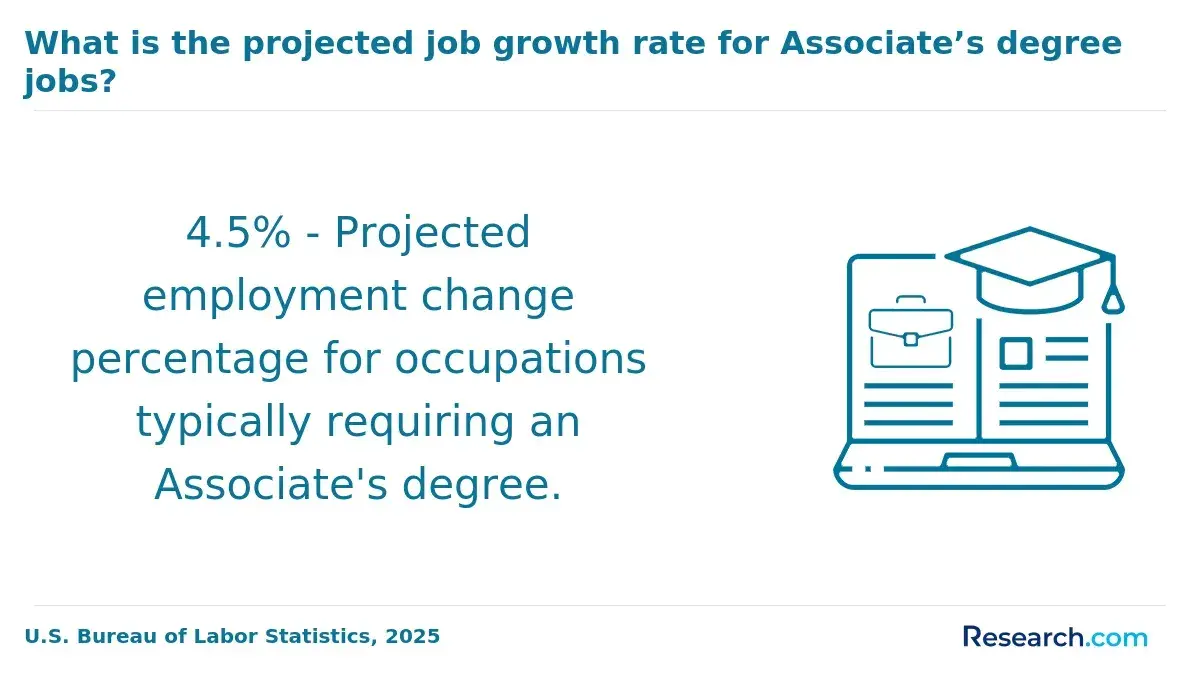
For roles like community support specialists, which often accept associate or bachelor's degrees in psychology, rehabilitation, or social work, confirming accreditation aligns educational pathways with real-world demands.
What courses prepare you for community support specialist work?
Programs tailored to community support specialist roles must bridge academic theory with clear workforce expectations, especially concerning client interaction under stress. For instance, a specialist managing a client's acute crisis must rely on applied skills in crisis intervention and conflict resolution—training that transcends textbook knowledge and directly impacts workplace safety and efficacy.
Key coursework includes abnormal psychology for behavioral symptom assessment and developmental psychology to contextualize client challenges across the lifespan, enabling customized support strategies. Practical competencies like communication and motivational interviewing are non-negotiable for building rapport with clients facing stigma or chronic conditions.
Substance abuse and addiction studies align training with the reality that many community support roles overlap with mental health and addiction counseling fields, as noted by the U.S. Bureau of Labor Statistics. This background informs engagement in recovery or harm reduction programs, reflecting operational demands rather than abstract theory.
Ethics and legal instruction ensure graduates understand HIPAA, confidentiality, and professional boundaries, foundational for compliance and employer trust. Additionally, documentation skills are frequently prioritized by hiring managers, recognizing that accurate record-keeping underpins case management and regulatory adherence.
Fieldwork or practicum experiences offer critical exposure, reducing transition friction from education to employment by demonstrating practical readiness. This hands-on component often differentiates candidates in competitive labor markets, evidencing the tangible outcomes of such coursework tailored for the psychology - mental health sector.
What admission requirements apply to these degree programs?
Admission into community support specialist roles within psychology - mental health often hinges on balancing academic benchmarks with experiential evidence. For bachelor's programs, a high school diploma coupled with a GPA around 2.5 to 3.0 generally suffices, though the rising prevalence of test-optional policies has shifted emphasis away from SAT/ACT scores, easing access for applicants without strong standardized results. Community colleges and online options grant increased flexibility, valuing prior coursework and placement outcomes over rigid credentials.
At the master's level, expecting completed undergraduate degrees in psychology, social work, or related behavioral health disciplines aligns with employer preferences for practical readiness. Work or volunteer experience in mental health settings frequently determines admission success, signaling hands-on familiarity essential for field demands.
Graduate applicants also face more layered requirements such as letters of recommendation and statements of purpose, with some programs still weighing GRE scores, though often waived given relevant professional history.
The forecasted addition of 48,300 annual behavioral health community support positions through 2034 intensifies enrollment urgency. Real-world hiring tends to prioritize candidates who graduate from accredited programs offering measurable intern or practicum achievements alongside credential eligibility. Program choices should reflect these outcomes rather than perceived convenience or cost alone.
Students must navigate tradeoffs between traditional on-campus routes, which enable practical exposure but impose stricter logistics like background checks and immunizations, versus online degrees that maximize flexibility but may lack clinical depth. Early transcript preparation and understanding regional employer requirements are vital strategies for successful application and employment in roles connected to mental illness, substance use, or disability services.
How long does the degree take, and what does it cost?
Completing a bachelor's degree in psychology - mental health usually requires four years of full-time study, but program length can vary significantly based on part-time enrollment or accelerated options. In Illinois, this degree is typically the minimum qualification for community support specialist roles, though related fields like social work or public health may be accepted, often necessitating extra training or certifications beyond graduation. This creates important practical tradeoffs for students weighing program choice and timeline against entry requirements and job readiness.
Cost remains a significant consideration: annual tuition at public universities for in-state students ranges from $9,000 to $12,000, while private institutions can exceed $30,000. Total education expenses—including tuition, fees, and living costs—often span between $36,000 and $120,000. Online or hybrid programs may reduce costs and offer flexibility but could limit access to internships or supervised clinical hours, which are essential in some community support roles.
Employers often prioritize degrees closely aligned with psychology, social work, nursing, or public health, reflecting a preference for candidates whose education minimizes transition time on the job. Individuals switching careers may face extended study duration and higher overall costs if enrolling part-time.
A strategic evaluation of program accreditation, local labor market demand, and licensure pass rates helps ensure educational investment aligns realistically with employment prospects and financial return.
What salary can community support specialists expect?
Community support specialist wages in 2026, ranging from $22.25 to $24.04 hourly or roughly $46,280 to $50,000 annually, reveal a balance between skill requirements and sector budget constraints, especially within urban nonprofit and healthcare settings.
Positions emphasizing intensive case management or crisis intervention generally achieve the upper pay scale due to added certifications and emotional demands. In contrast, roles centered on peer support or outreach tend to offer lower salaries but greater schedule flexibility.
The job demands strong communication and typically a psychology - mental health degree but often excludes advanced licenses, which keeps compensation modest relative to licensed clinicians. Career progression involves gaining experience and pursuing credentials like Certified Recovery Specialist to access supervisory roles or improved pay.
Practical considerations for candidates include evaluating the cost of living in metropolitan areas, where compensation might not fully offset expenses. Strategies to enhance income often involve seeking overtime, shift differentials, or unionized employers to provide more stable wages and benefits.
What job outlook and certifications matter most for this field?
State certification mandates, particularly supervised work experience capped near 500 hours, sharply influence access to community support specialist roles in psychology - mental health. Around half of U.S. states require this prerequisite, demanding candidates balance acquiring these hours with gaining relevant employment.
Employers in clinical and residential care settings prioritize certifications like Certified Peer Specialist or Certified Behavioral Health Technician that validate adherence to these state standards.
Trade-offs emerge when selecting credential paths. Programs integrated with practicum placements in community mental health clinics enable students to earn supervised hours while working, promoting quicker workforce entry. Without such placements, candidates often face delays that limit early job prospects and slow credential attainment.
Projected job growth of approximately 9% through 2030 signals sustained demand for credentialed professionals aligned with evolving state regulations and clinical benchmarks. Public health agencies and nonprofits value certifications confirming supervised practice, ethical competence, and crisis intervention skills.
Key considerations for prospective candidates include:
- Prioritizing programs accredited to state licensing requirements to avoid credential mismatches
- Evaluating the balance between supervision hour requirements and immediate job access
- Understanding that verified supervised experience enhances eligibility and wage leverage within integrated behavioral health agencies
Thus, navigating the intersection of state regulations, practical training, and workforce expectations is essential for strategic positioning in this sector.
Other Things You Should Know About Psychology - Mental Health
The job market for community support specialists with a psychology - mental health degree varies significantly by region and employer type. Entry-level roles in nonprofit and government agencies tend to be more accessible but often have limited advancement opportunities and lower pay. Candidates who combine their degree with relevant internship or volunteer experience, especially in high-need urban or rural areas, improve their hiring prospects considerably. Prioritizing employers that value applied skills over credentials alone can reduce competition and lead to better job retention.
In 2027, psychology - mental health degree holders can explore entry-level positions such as Behavioral Health Technicians, Case Management Assistants, Mental Health Workers, or Community Support Advocates. These roles typically focus on supporting mental health professionals and aiding clients in accessing community resources and services.
While certifications can enhance a resume, employers prioritize hands-on experience, especially in community settings. Entry-level positions typically require demonstrated ability to engage diverse populations effectively, which is best developed through internships or paid roles. Candidates should first focus on gaining practical experience before pursuing certifications, as many specialty credentials depend on documented work hours. Strategic career advancement involves sequencing experience and certification to match employer expectations in targeted roles.
Programs with integrated fieldwork and skill-based training produce graduates who adapt more quickly to community support environments. Traditional programs that emphasize theory with minimal practicums may leave students underprepared for real-world demands. Prospective students should prioritize programs offering supervised client interaction and interdisciplinary training, as these increase immediate employability. Evaluating program outcomes like graduate placement rates and employer feedback is essential when choosing a degree path.
References
- Best Professional Certifications for Career Growth https://www.bradsbygroup.com/2026/04/20/best-professional-certifications-jobs/
- Accreditation of Master’s Programs in Health Service Psychology: An Opportunity for Board Certification in Professional Psychology https://abpp.org/newsletter-post/accreditation-of-masters-programs-in-health-service-psychology-an-opportunity-for-board-certification-in-professional-psychology/
- What It Takes To Become A Community Support Worker https://medixcollege.ca/Home/NewsArticle/what-it-takes-to-become-a-community-support-worker/
- What is a Community Support Specialist? - Career Insights | Teal https://www.tealhq.com/career-paths/community-support-specialist
- Community Support Specialist: Jobs, Salary & Job Description https://www.appliedbehavioranalysisedu.org/jobs-related-to-applied-behavior-analysis/community-support-specialist/
- Psychology Programs Accreditation | Psychology.org https://www.psychology.org/resources/accreditation/
- What Are the Best Accrediting Bodies for Psychology Degrees? https://www.bestpsychologydegrees.com/faq/what-are-the-best-accrediting-bodies-for-psychology-degrees/
- CourseCareers https://coursecareers.com/blog-posts/college-vs-online-career-training
- 10 Certifications That Make You a Strong Candidate - United Staffing Solutions https://www.unitedstaffingsolutions.net/2025/12/11/10-certifications-that-make-you-a-strong-candidate/
- Top 10 Skills Employers Look for in Community Services Professionals https://www.dptraining.com.au/top-10-skills-employers-look-for-in-community-services-professionals/