2027 Online Psychology - Mental Health Degrees for Residential Treatment Careers

Co-Founder and Chief Data Scientist
Professionals aiming to work in residential treatment face a persistent obstacle: balancing rigorous academic requirements with demanding work schedules and often limited access to specialized programs in psychology - mental health. This bottleneck delays workforce entry despite the Bureau of Labor Statistics projecting a 23% increase in substance abuse, behavioral disorder, and mental health counselor roles between 2024 and 2034, signaling urgent employer demand. The surge in online education, with 44% of adult learners enrolled remotely as reported by the National Center for Education Statistics in 2024, illustrates a vital shift toward flexible, accessible pathways that accommodate working adults.
Effective decisions on online psychology - mental health degrees hinge on understanding how program structure, accreditation, and clinical training options align with credentialing and employment outcomes. This article analyzes these factors to help prospective students identify online degree formats best suited to launching or advancing a residential treatment career under current workforce and educational conditions.
Key Things You Should Know
- Graduate degree requirements disproportionately delay entry into residential treatment roles, with Bureau of Labor Statistics data showing median Psychology - Mental Health clinician age rising 2.5 years, reducing workforce renewal pace.
- Employers in residential treatment increasingly prioritize integrated clinical skills over general Psychology - Mental Health credentials, forcing candidates to balance specialized certifications and broad licensure for competitive advantage.
- Program cost variability-ranging from $20K to over $60K-combined with limited employer tuition reimbursement, creates significant financial tradeoffs impacting long-term debt burden versus starting salary in entry-level residential mental health roles.
What types of online psychology and mental health degrees prepare you for residential treatment careers?
Choosing online psychology degrees for residential treatment careers requires an assessment beyond degree titles. Bachelor's programs offer foundational knowledge but seldom qualify graduates for direct clinical roles in residential treatment, serving mainly as prerequisites for advanced degrees. Master's level mental health counseling programs for residential treatment, like those in clinical mental health counseling or social work, provide targeted training including practicum placements with residential populations-essential for acquiring state licensure and real-world clinical skills. Doctoral degrees (PhD or PsyD) in clinical or counseling psychology open paths to licensed psychologist roles, enabling graduates to lead assessments, deliver specialized therapies, and contribute to program development within residential settings.
Employers in residential treatment heavily weigh licensure status and supervised clinical hours when hiring. Candidates pursuing this field must verify internship placements align specifically with residential or inpatient care; community-based experiences may not meet these requirements and could delay licensure eligibility. For example, a mid-career professional aiming to switch into residential mental health work should prioritize programs with embedded residential internships to avoid gaps in employability.
Between 2012 and 2021, growth in psychology degrees, particularly master's and doctoral completions, reflects increased labor demand but also intensifies competition. This dynamic elevates the importance of accredited, clinically focused online degrees that integrate experiential learning matching state licensure standards. Prospective students evaluating pathways should weigh program accreditation, licensure support, and internship alignment carefully.
For those exploring allied environmental contexts linked to residential mental health settings, consider assessing accredited online environmental health and safety programs as complementary or alternative routes.
How do online psychology-mental health programs compare with campus-based programs for clinical training?
Online psychology and mental health clinical training differences significantly affect both licensure timing and workforce entry, especially when comparing online versus campus-based psychology mental health programs. Campus-based students typically complete on-site clinical placements within university-affiliated settings, streamlining supervised practicum hours required for licensure. Conversely, online students must independently locate approved local internships, which may delay program completion or cause extended supervised hours, particularly in states with strict clinical hour mandates.
Cost is a pivotal factor. Online degrees generally reduce expenses by 10-30%, with master's programs falling between $30,000 and $70,000, making these pathways attractive for working adults seeking flexibility. However, employer preferences often favor graduates from prestigious campus-based programs, impacting initial hiring prospects, notably in hospital and residential treatment environments.
Students pursuing careers in residential treatment find online formats allow simultaneous employment and local clinical experience, but this can compromise the depth of skill development without face-to-face supervision. Effective online programs mitigate this through structured practicum support and live simulation technology, elements crucial for clinical readiness and employer confidence.
Prospective students should carefully weigh these practical tradeoffs aligned with their career objectives. Those evaluating program affordability without sacrificing clinical mentorship may consider exploring affordable options such as an online master's degree in forensic psychology as a related path to balance cost and practical training demands.
What accreditation should online psychology and mental health programs have for residential treatment work?
Graduates aiming for residential treatment careers in psychology and mental health must prioritize selecting programs with recognized accreditation to avoid significant licensure and employment barriers. Regional accreditation paired with programmatic recognition-such as the American Psychological Association (APA) for clinical psychology and the Council for Accreditation of Counseling and Related Educational Programs (CACREP) for counseling-shapes eligibility for licensure and impacts job market competitiveness. For instance, states like California and New York strictly require APA or CACREP accreditation for licensure as clinical psychologists or marriage and family therapists, directly affecting graduates' ability to work in residential settings.
Employers in residential treatment roles favor candidates from accredited programs because such credentials reduce supervision needs and assure compliance with state standards on clinical rigor and patient care. The absence of these accreditations often leads to limited opportunities and wage penalties, despite projected growth in the mental health sector between 2023 and 2033. Median salaries highlight this divide, with clinical and counseling psychologists earning approximately $98,681 annually compared to $63,780 for marriage and family therapists.
Prospective students considering an addiction counseling online degree or other psychology and mental health programs should verify accreditation early. Transferring credits or meeting licensure requirements after graduation carries risks of delays and increased costs. Selecting the best accredited online psychology degrees for residential treatment careers ensures smoother transitions into employment and long-term professional mobility in residential care environments.
What are the typical admission requirements for online psychology-mental health degrees in the U.S.?
Admission criteria for U.S. online psychology - mental health degrees reveal practical tradeoffs that shape candidate readiness and career trajectory. At the bachelor's level, programs typically require a high school diploma with GPAs between 2.5 and 3.0, alongside prerequisite coursework such as biology, statistics, and introductory psychology to ensure foundational competence. Increasingly, some programs are test-optional, reflecting shifting admission landscapes rather than compromised academic rigor.
For master's programs, the baseline is a relevant bachelor's degree plus GRE scores and detailed letters of recommendation, often supplemented by personal statements that clarify targeted goals in residential treatment environments. Relevant mental health work or volunteer experience is frequently a deciding factor, underscoring employer preference for demonstrated practical engagement in clinical settings.
Doctoral online programs demand mastery including a completed master's degree, a research portfolio, documented clinical hours, and interviews that simulate real-world evaluation processes. These stringent standards align with workforce expectations for evidence-based practice and ready application in residential treatment facilities.
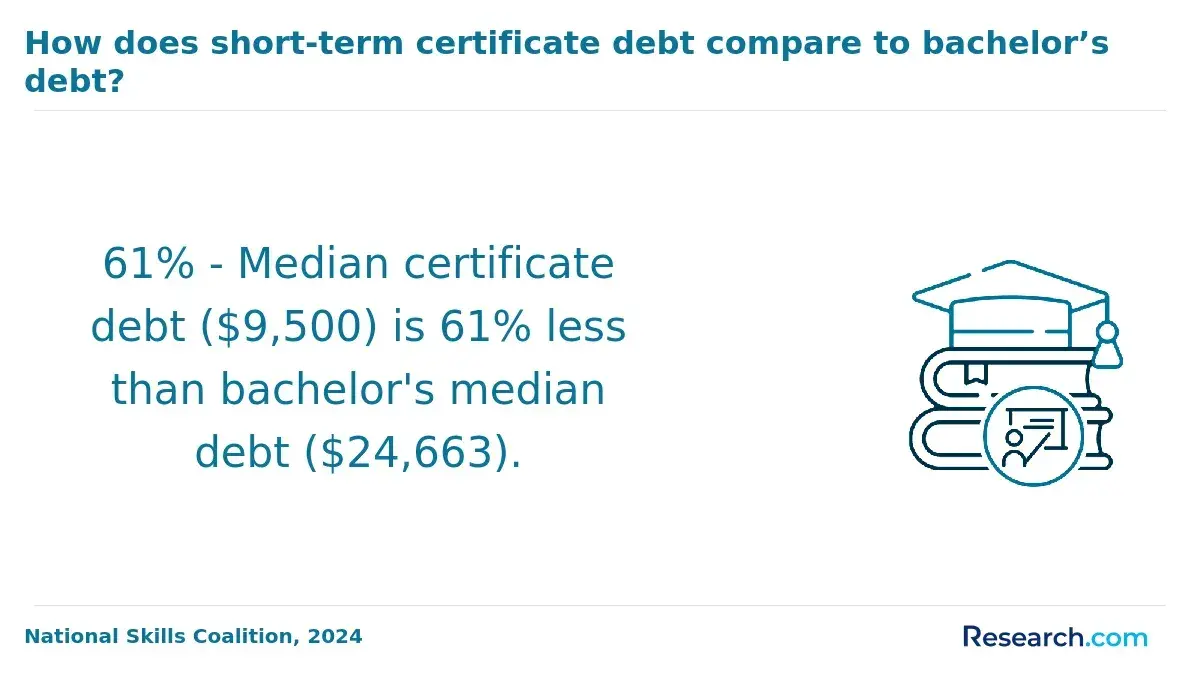
Financial context matters: an average online bachelor's tuition of $11,698 typically reduces costs by about 31% compared to $16,929 on-campus tuition, a critical consideration for working adults balancing education with other responsibilities.
Students weighing options will benefit from exploring the cheapest CACREP-accredited programs online, which can provide a financially prudent pathway without sacrificing accreditation quality or career prospects.
How long do online psychology and mental health degree programs take, and what do they cost?
Earning a degree in psychology - mental health demands weighing cost, time, and career outcomes carefully. Four-year bachelor's programs online run between $40,000 and $70,000 and may be accelerated to three years with increased workload, but faster pathways can heighten term costs and academic pressure. For those targeting residential treatment roles, a master's degree often spans two to three years at a price range of $20,000 to $45,000. Such graduate credentials support licensure and specialized clinical skills required in treatment settings.
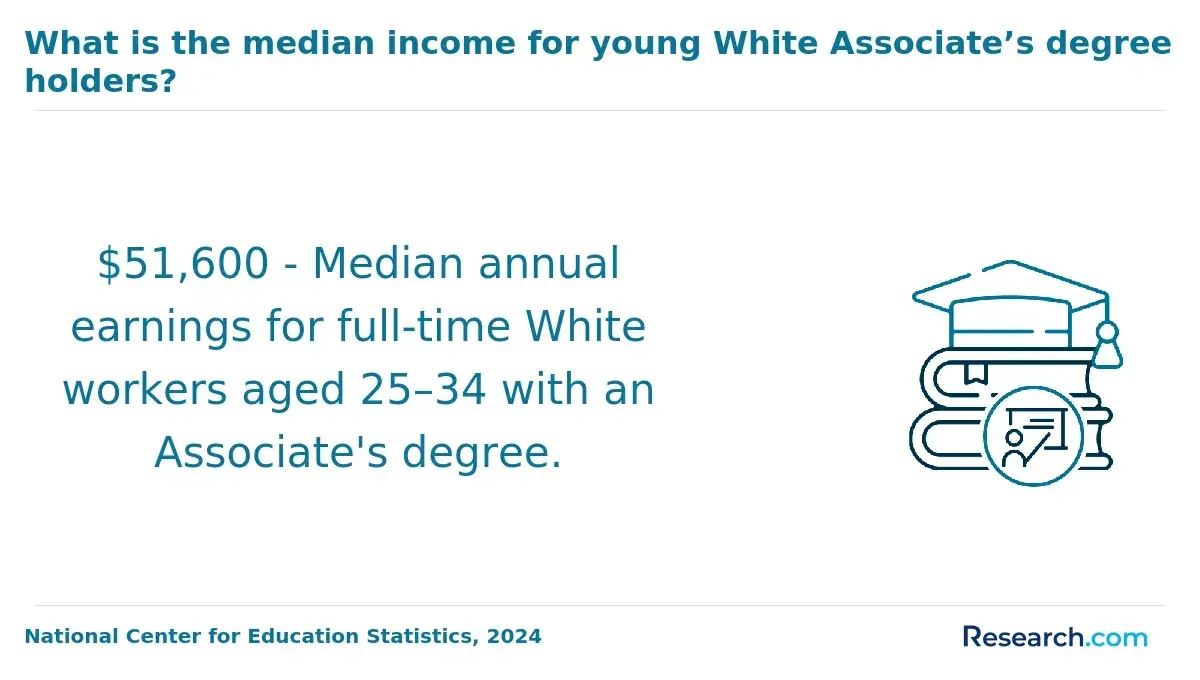
Doctoral programs typically extend five to seven years and can exceed $100,000, reflecting the depth of clinical training and research involved. Median salaries mirror these educational tiers: psychology graduates earn about $51,000 in psychology-related roles, while clinical psychologists earn nearly $94,310, emphasizing the financial upside of doctoral credentials. In fields unrelated to psychology, degree holders average around $60,000, underscoring the need for targeted education aligned with career objectives.
Prospective students must consider licensure nuances-several states require in-person clinical hours that online programs cannot provide, affecting licensure eligibility. A working professional aiming for rapid credentialing might choose a two-year master's costing approximately $30,000 to gain access to treatment positions quickly. Meanwhile, aspiring independent clinicians seeking higher salaries should anticipate longer doctoral commitments and associated costs.
What core courses and practicum experiences do online mental health programs include for residential settings?
Master's programs focused on psychology and mental health careers in residential treatment demand rigorous integration of advanced theory with hands-on clinical experience. Students undertake specialized coursework addressing trauma-informed care, group therapy skills, and complex co-occurring disorders typical of residential populations. These programs require between 600 and 1,000 supervised clinical hours in licensed residential settings, a commitment that introduces logistical challenges especially for working professionals.
For example, a practicum placement at a dual-diagnosis treatment center compels students to balance substance abuse and mental health interventions, reflecting the interdisciplinary competencies employers expect. State-specific licensure regulations often dictate clinical site placements, impacting student scheduling flexibility and time to graduation. Programs that offer hybrid or flexible practicum scheduling can mitigate these barriers but may extend completion timelines.
The tuition average of approximately $15,422 annually represents a financial advantage compared to in-person alternatives costing from $16,978 to $50,934. This cost differential allows candidates to allocate funds toward licensure preparation or targeted certifications, enhancing employability within residential mental health services.
- Core studies encompass evidence-based behavioral therapies, psychopathology, and ethical frameworks tailored to residential care
- Practicum hours ensure application of crisis intervention and behavioral management under licensed supervision
- State licensure requirements necessitate local clinical placements, affecting accessibility and program pacing
What entry-level and advanced roles can these degrees lead to in residential treatment facilities?
Entry-level positions in psychology - mental health, such as residential technician or case manager, offer frontline support roles typically earning under $40,000 annually. These jobs primarily involve implementing treatment plans and monitoring clients under supervision, with limited clinical decision-making authority. Advancement to licensed counselor or mental health therapist roles, requiring at least a master's degree with specialized focus, opens opportunities to independently manage treatment and deliver therapy, with salaries averaging between $65,000 and $72,000.
This shift from task execution to clinical autonomy entails significant requirements, including 2,000 to 4,000 supervised clinical hours mandated by state licensure regulations. Licensed professionals handle caseload management, crisis intervention, and trauma-informed care in residential settings, reflecting employer demand for advanced therapeutic skills such as cognitive-behavioral and dialectical behavior therapy.
Employers expect graduate-level specialization paired with eligibility for licensure, as bachelor's degree holders typically remain limited to documentation and supportive tasks without authority to perform assessments or therapy. Students considering this pathway must weigh logistical challenges like extended timelines and financial investment against increased earning potential and professional responsibility.
Those bypassing master's specialization often find their careers constrained to support roles with limited growth or clinical influence. This practical reality should guide decision-making for individuals strategizing long-term workforce engagement in psychology - mental health.
What licenses or certifications are required to provide mental health services in residential treatment?
Licensure is the gateway to independent practice in residential treatment settings, where states enforce stringent standards for mental health professionals. Clinicians pursuing roles in Psychology - Mental Health must balance educational investment with supervised clinical requirements, typically ranging from 2,000 to 4,000 post-degree hours before licensure exams such as the EPPP. For example, doctoral psychologists face year-long internships plus additional postdoctoral supervision, a significantly longer lead time than master's-level counselors or social workers.
Licensure types commonly include Licensed Professional Counselor (LPC), Licensed Clinical Social Worker (LCSW), Licensed Marriage and Family Therapist (LMFT), and Licensed Psychologist, each with distinct training and credentialing pathways. Realistically, pursuing a doctoral degree offers greater autonomy and salary-median earnings for licensed clinical psychologists exceed $99,000 annually with steady job growth projected through 2032-but comes with delayed workforce entry and higher upfront educational costs.
Additional certifications like Certified Clinical Trauma Professional (CCTP) or substance use disorder credentials augment licensure, often aligning with employer expectations for specialized residential populations. Without full licensure, clinicians must work under supervision, restricting both scope and compensation.
Online psychology degrees can be viable but require scrutiny to verify alignment with state licensing boards' practical training mandates. Misalignment may cause costly credential delays. Candidates should prioritize programs that integrate accredited curriculum with supervised practicum placements to reduce bottlenecks in licensure and employment.
What are the salary ranges and job outlook for psychology-mental health professionals in residential care?
Psychology-mental health roles in residential care typically offer salaries ranging from $40,000 for entry-level counselors to upwards of $75,000 for seasoned clinicians with specialized licensure. This wage spread largely reflects differences in facility type, credentials, and workforce demand. For instance, state-run centers often pay less but provide stronger benefits, while private facilities compensate more but expect heavier caseloads and longer hours. Understanding these tradeoffs is vital for candidates evaluating program expenses and career outcomes.
Job growth in this field is forecasted at 11% through 2032, exceeding average occupational expansion. This projection demands careful attention to licensure requirements and credentialing timelines, which can add cost and delay market entry. Selecting an affordable, accredited online psychology degree-costing approximately $4,000 to $7,000 annually rather than the $11,000 average-can reduce debt burden and accelerate readiness for state licensure.
Practical strategies include:
- Prioritizing programs aligned with state licensure to avoid delays
- Leveraging tuition reimbursement opportunities where available
- Targeting employment settings with clear pay structures and manageable caseloads
The financial and time investments in credentialing directly impact net earnings and career sustainability in residential psychology and mental health roles, particularly when balancing lower initial salaries at public programs against the costs of advanced certifications and licensure.
How can students evaluate and choose a reputable online psychology-mental health program for this career?
Selecting an online psychology - mental health program for residential treatment careers demands prioritizing accreditation and direct alignment with state licensure requirements. Without clear compliance to licensing rules-often varying significantly across states-graduates risk delayed eligibility for clinical roles. Employment outcomes, time to degree, and licensure exam pass rates should be transparent metrics to evaluate real program value beyond mere credentialing.
Working professionals balancing jobs and education will face tradeoffs when programs lack a hybrid approach combining asynchronous online classes with in-person clinical practicums. These practicums are essential for accruing supervised clinical hours required for certification. Insufficient practicum support can extend the time to qualification and hinder entry into residential treatment positions.
The current labor market, with a slowdown in psychology degree growth reported by the American Psychological Association, intensifies competition for clinical roles tied to residential care. Programs that fail to offer workforce integration strategies or employer-recognized specializations put graduates at a distinct disadvantage.
Prospective students should critically assess faculty expertise, curriculum relevance to current diagnostic and treatment protocols, and availability of specialized career services. Without these elements, graduates often confront hurdles in licensure readiness and professional networking, limiting advancement in residential treatment settings.
Other Things You Should Know About Psychology - Mental Health
Online programs often lack immersive experiential components that build resilience to the emotional stress common in residential treatment work. Students should prioritize programs that integrate robust practicum or internship requirements in live settings, as theoretical knowledge alone does not equip graduates for real-time crisis management or client trauma exposure. Without structured, supervised fieldwork, graduates may face challenges meeting employer expectations for emotional readiness.
Employers in residential treatment increasingly scrutinize the credibility of online degrees, especially regarding clinical competence and practical skills. Graduates from programs with limited clinical partnerships or low recognition by professional bodies risk reduced job prospects or longer job searches. Therefore, candidates should prioritize programs with demonstrated employer networks and clear pathways to licensure to maximize employability.
In 2027, many online psychology programs incorporate practical training, offering virtual simulations and remote internships to prepare students for residential treatment careers. These programs emphasize flexibility while ensuring comprehensive hands-on learning experiences to bridge the gap between theoretical knowledge and real-world application.
Yes, many residential treatment employers require candidates to have at least some in-person clinical or counseling experience regardless of degree delivery method. Online degrees lacking embedded, supervised face-to-face practicums may disadvantage applicants during hiring. Prospective students should verify that online programs offer or facilitate on-site placements to meet these practical expectations.
References
- Explore One Year Psychology Master's Programs Online https://www.onlinemastersdegrees.org/best-programs/psychology/1-year-accelerated/
- Psychiatric Residential Treatment Facility Providers https://www.cms.gov/medicare/health-safety-standards/certification-compliance/psychiatric-residential-treatment-facility-providers
- Building A Career In Behavioral Health: Navigating Entry-level Mental Health Jobs And Opportunities - Haven Health Management https://havenhealthmgmt.org/building-a-career-in-behavioral-health-navigating-entry-level-mental-health-jobs-and-opportunities/
- Master of Arts in Mental Health https://www.uoguelph.ca/programs/master-of-arts-in-mental-health/
- Behavioral Health Academy | Community Health Network https://www.ecommunity.com/careers/behavioral-health/behavioral-health-academy
- Mental Health Professional Average Salary Information - Psych Resources https://www.cmfgroup.com/knowledge-center/psychologist-mental-health-professional-malpractice/salary-information/
- 9 Mental Health Careers You Can Pursue with a BA https://www.nec.edu/news/9-mental-health-careers-you-can-pursue-with-a-ba
- Introduction To Mental Health - Online Training Course https://ideatraining.org/courses/mental-health-part-1-2/
- Earn an Online Psychology Degree | OEDb.org https://www.oedb.org/rankings/online-psychology-programs/