2027 Best Online Psychology - Mental Health Programs for Professionals Seeking Social Work Prep

Co-Founder and Chief Data Scientist
Balancing full-time work with rigorous social work prep presents a critical challenge for psychology - mental health professionals seeking credential advancement. The 19% growth in adult online learners over the past two years, reported by the National Center for Education Statistics, reflects a decisive shift toward flexible, asynchronous programs that accommodate working schedules and hasten entry into high-demand fields. This trend signals growing recognition that traditional, campus-bound formats often hinder career mobility and delay licensure.
Navigating the expanding and varied landscape of online psychology - mental health programs demands careful assessment of curriculum alignment, accreditation, and fieldwork integration. This article evaluates online options tailored to professionals focused on social work preparation, clarifying practical pathways to credential completion and workforce readiness.
Key Things You Should Know
- Demand for licensed social workers in psychology - mental health rose 14% from 2022 to 2024 per BLS data, pressuring candidates to prioritize accredited programs with state-specific clinical practicum hours despite longer time-to-degree tradeoffs.
- Employers increasingly require demonstration of trauma-informed care competencies aligned with NASW standards, complicating candidate selection and elevating programs integrating applied interdisciplinary curricula over purely theoretical models.
- Average tuition inflation of 6.2% annually for psychology - mental health training intensifies cost-access dilemmas, pushing working professionals toward hybrid or employer-subsidized options, which may limit exposure to diverse client populations.
What is an online psychology-mental health program designed for social work preparation?
Programs in online psychology mental health designed for social work preparation extend well beyond general coursework by embedding state-aligned licensure requirements and practical competencies. These programs typically cover essential skills such as assessment, intervention, and case management, integrating supervised fieldwork or virtual practicum experiences critical for employability in social work roles. For instance, a healthcare administrator shifting into mental health social work must absorb advocacy and cultural competency dimensions absent from standard psychology tracks.
The labor market strongly favors candidates whose education meets Council on Social Work Education (CSWE) accreditation and provides hands-on field placement, given the 30%+ wage growth and median social worker salary reaching $64,450 in 2024. Balancing fully online didactic flexibility against limited local practicum options can be a decisive factor; delays in licensure due to scarce placement availability remain a practical barrier for many.
Prospective students should scrutinize program structures for practicum support in their specific states to ensure credential progression, especially within mental health education for social workers in the USA. Those weighing purely remote learning against hybrid or in-person options must consider these trade-offs carefully.
Decision-makers can explore further program options and accreditation insights through resources on psychology online degrees, allowing a targeted approach to selecting education pathways that align with licensing and market realities.
How do online psychology-mental health programs compare to campus options for future social workers?
Choosing between online psychology and mental health programs versus campus programs for social work requires understanding critical tradeoffs in experiential learning and career preparedness. Online formats offer unmatched flexibility, making them advantageous for professionals balancing multiple obligations or pursuing a strategic career pivot, such as a school counselor transitioning to substance abuse counseling. However, online students must independently secure field placements, which can complicate access to hands-on training valued by many employers.
Campus programs provide structured, face-to-face internships, mentorship, and peer collaboration-all pivotal for those targeting traditional roles in hospitals or government agencies. The rigor of practicum requirements, regardless of format, remains the primary benchmark employers use to evaluate candidates' clinical competencies.
Demand for mental health-focused social workers is growing at 11% between 2022 and 2032, with about 6,600 annual openings, intensifying competition. Prospective students should prioritize programs with accredited field placements and employer engagement, as these directly affect employability outcomes. Weighing higher fixed costs and location constraints against the immersive networking of campus programs is crucial.
For those seeking tailored, cost-conscious education, exploring options like masters in child psychology offers a model of accessible yet practice-aligned online learning pathways in psychology - mental health education for future social workers.
Which accreditation and program approvals should these online mental health degrees have?
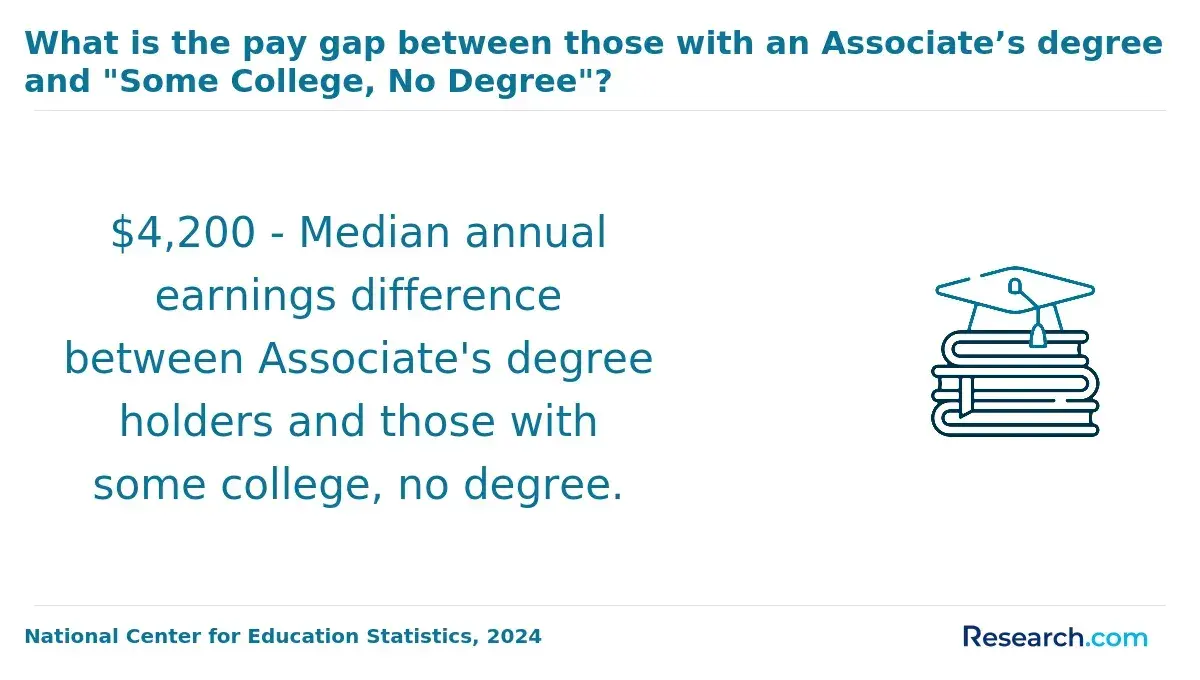
Accreditation shapes the practical value of any online mental health degree accreditation in the United States, particularly regarding social work licensure and recognized professional status. For example, without Council on Social Work Education (CSWE) accreditation, graduates encounter significant barriers to state licensing boards that require approved degrees to qualify for Licensed Clinical Social Worker (LCSW) credentials. This affects both career progression and earning potential.
Moreover, regional accreditation of the degree-granting institution is essential to ensure employer recognition and eligibility for licensure. Credentials from unaccredited or poorly accredited institutions often face limitations in transferability and acceptance by employers or graduate programs.
Programs integrating specialized psychology or counseling elements benefit from approvals such as those from the National Board for Certified Counselors (NBCC) or the Association of Psychology Postdoctoral and Internship Centers (APPIC), which broaden employability beyond social work into clinical and behavioral health settings. This aligns with workforce demands in diversified mental health environments.
Real-world wage data from the U.S. Bureau of Labor Statistics show that top-performing social workers earn over $98,300 annually, emphasizing the link between accreditation and access to advanced certifications and higher salary brackets. Individuals pursuing a mental health-related degree must weigh accreditation status carefully to avoid skills and credential gaps that constrain career mobility and compensation.
Exploring an online psychology degree affordable option can be strategic, but verifying program approvals for accredited psychology and social work degrees remains paramount.
What degree pathways best prepare psychology-mental health students for social work careers?
The most effective pathways for psychology and mental health degree programs for social work careers focus on CSWE-accredited MSW programs that balance clinical theory, practicums, and policy education. Direct-entry MSW tracks simplify licensure prospects, aligning with state board requirements while emphasizing evidence-based mental health interventions tailored for diverse populations. Students must weigh the considerable tuition variation-ranging from roughly $13,000 to over $60,000 for online programs-which significantly impacts return on investment.
Employers demand candidates with practicum experience in clinical or community settings directly related to social work. Programs integrating supervised internships in mental health agencies are critical for readiness and licensure eligibility. For professionals pivoting into specialized roles like substance abuse counseling or child welfare, dual-degree options involving psychology or counseling credentials offer advantages but also increase completion time and costs.
Prospective students with unrelated bachelor's degrees might benefit from accelerated advanced standing MSW tracks, reducing redundant coursework but requiring prior proof of social science fundamentals. Due diligence on state licensing requirements alongside program curricula is necessary to circumvent employment barriers post-graduation. Programs embedding preparation for Clinical Social Worker or Licensed Master Social Worker exams facilitate smoother licensure.
Cost-efficiency, program reputation, and graduate outcomes remain decisive factors. Working professionals often choose online formats for flexibility, but students are advised to consult resources such as the easiest degree in counseling for comparisons and pathway options.
What core courses and practicum experiences do online psychology-mental health programs include?
Programs in online psychology-mental health for social work licensure integrate coursework with supervised practicum to meet LCSW prerequisites, but the variability in practicum design can significantly affect eligibility and career timeline. Practicum components require 900 to 1,200 hours of supervised clinical work in settings like community mental health centers or hospitals, where applied therapeutic skills and documentation competencies are developed. The critical factor is alignment with state licensing boards' criteria, as post-master's licensure demands 2,000-4,000 hours of clinical experience starting 2025, according to CounselingDegreesOnline's LCSW licensure overview.
Students must verify if practicum placements and supervision comply with licensure requirements for their intended state-discrepancies can jeopardize hour acceptance and extend time to licensure. For example, gaining hours through telehealth or integrated behavioral health may not transfer across state lines, impacting workforce mobility.
A flexible practicum model that allows remote supervision or diverse clinical placements can ease balancing employment with education, a key consideration for working professionals. Without clear practicum pathways aligned to state statutes, candidates risk delayed licensure and diminished competitiveness in healthcare, schools, or private practice.
Essential coursework includes advanced clinical assessment, psychopathology, therapy techniques, ethics, and multicultural competence. These prepare candidates to diagnose and treat diverse populations but must be paired with rigorous supervised practicum to meet licensure and employer expectations effectively.
What are typical admission requirements for online psychology-mental health programs?
Meeting admission requirements for online psychology-mental health programs aimed at social work licensure demands more than just a degree; it requires strategic preparation that balances academic credentials and practical experience. A bachelor's degree from an accredited institution-ideally in psychology, social work, or a related discipline-is foundational, but programs typically expect a minimum undergraduate GPA around 3.0. Those with slightly lower GPAs must offset this with substantial professional experience to remain competitive.
Applicants face layered demands: official transcripts, two to three recommendation letters from professional or academic contacts, and a statement of purpose that clearly connects personal goals to social work practice. GRE scores are optional in many settings but may tip the balance in selective admissions or substitute for other criteria.
Fieldwork involvement is a critical differentiator. Demonstrating over 500 hours of relevant volunteer or paid work in mental health settings not only strengthens applications but directly impacts readiness for practicum requirements, some of which include background checks and liability insurance proof. Candidates must also verify they have technical capabilities to engage fully with virtual learning platforms throughout the program.
The accreditation status, specifically Council on Social Work Education (CSWE) approval, correlates closely with licensure exam success. A recent industry review showed pass rates for online MSW graduates run within 2-3 percentage points of their on-campus counterparts, indicating parity in outcomes when rigorous admissions hurdles are met.
For working professionals, negotiating these prerequisites alongside ongoing employment often means opting for part-time enrollment combined with employer support. This route mitigates career disruption but requires disciplined time management and clear prioritization to ensure momentum toward both licensure and meaningful employment outcomes.
How long do these online programs take, and what tuition and fees should you expect?
Completing an online psychology-mental health program demands strategic planning around time and cost, as full-time enrollment commonly spans about two years, while part-time students-often working professionals-may extend studies up to three years or more. This tradeoff influences financial outlay, with longer enrollment potentially increasing tuition due to extended fee accumulation, yet allowing continued employment to offset immediate income loss.
Tuition varies substantially by institution type and residency, with public universities offering median in-state rates between $15,000 and $25,000, while private institutions exceed $40,000. Beyond tuition, students should anticipate additional costs such as technology fees, required coursework materials, practicum expenses, and licensure exam preparation. Specialized tracks focusing on behavioral or clinical health often include supervised fieldwork that may trigger extra costs for background checks, liability insurance, or travel to accredited internship sites.
Employers prioritize candidates from accredited programs with mental health specializations, particularly in healthcare and community services, which often translates to stronger job prospects. For example, a working adult balancing a full schedule might favor part-time study despite higher cumulative costs because maintaining employment is crucial. Conversely, recent graduates might accelerate completion, accepting upfront financial strain to enter the workforce sooner.
Programs typically span 18 to 36 months, reflecting enrollment flexibility and specialization choice. Over 70% of prominent online MSW programs emphasize mental health subfields, reflecting labor market demand and clinical relevance.
What licensing steps do mental health and social work graduates face after these programs?
Licensure for mental health and social work professionals involves more than passing exams; it shapes employability and career trajectory through its layered requirements. Candidates seeking clinical licensure dedicate significant effort to mastering mental health competencies, as roughly half the ASWB Clinical exam's points focus on assessment, diagnosis, and psychotherapy/interventions. This emphasis demands a strong theoretical and practical foundation within mental health specialization.
Post-degree clinical experience presents a primary bottleneck: states require 2,000 to 4,000 supervised hours, typically over two to three years, verified by licensed supervisors. For graduates targeting clinical roles in hospitals or private practice, this timeline delays workforce entry and must be accounted for when planning. Administrative hurdles in tracking and verifying supervision further complicate timely licensure.
Financial and logistical variability among states-including exam fees from $230 to $400, differing renewal requirements, and exam formats-adds complexity that affects candidate preparation and budgeting. Employers increasingly treat licensure as a baseline credential; therefore, any delay in securing or renewing a license can restrict hiring opportunities or career advancement within mental health roles.
Graduates face a strategic choice between initial employability and long-term clinical autonomy. While clinical licenses confer direct client care privileges, some candidates may prefer nonclinical licenses to enter administrative or policy sectors sooner. Planning test preparation and supervised practice integration with degree timelines is critical to reduce workforce gaps.
What jobs, salaries, and career advancement options follow an online psychology-mental health degree?
Graduates with online psychology-mental health degrees face a complex licensing landscape that directly shapes their job options and earning potential. Most higher-paying roles, such as licensed clinical social workers (LCSWs), require state licensure contingent on completing supervised clinical hours, which online programs alone cannot fulfill. Employers seek candidates with combined traditional clinical training and telebehavioral competence, reflecting the rapid expansion of telehealth-used by 38% of U.S. adults by 2024. For example, social workers in rural regions rely heavily on telehealth platforms to meet increasing client demand without relocating, though they must navigate state-specific licensing hurdles to maintain practice portability.
Key workforce realities include:
- Salary ranges vary widely from $45,000 to over $85,000 depending on licensure, location, and employer, with LCSWs averaging around $63,000 nationally.
- Graduates without supervised experience or licensure are typically limited to assistant or nonclinical roles with salaries below $50,000.
- Hybrid programs that integrate telebehavioral skills and clinical practicums better position candidates for roles demanding remote service delivery.
- Those seeking leadership or advocacy positions often need additional certifications in program administration or public health.
Selecting programs emphasizing accreditation, field placement support, and telebehavioral readiness is therefore critical to avoiding employment bottlenecks and ensuring sustainable career progression in this evolving sector.
How can you evaluate and choose a reputable online psychology-mental health program?
Choosing an online psychology - mental health program hinges on navigating accreditation, curriculum relevance, faculty expertise, and transparent graduate outcomes to avoid costly credential delays and limited employability. Programs accredited by bodies such as the Council on Social Work Education (CSWE) or regionally recognized institutions ensure alignment with licensure requirements, a non-negotiable factor for those aiming at professional social work certification.
Curricula must be scrutinized for direct preparation toward licensure exams and practical skills applicable beyond academia. Without this focus, students risk extended certification timelines and restricted career mobility. For example, individuals targeting healthcare system roles benefit from practicum placements in clinical settings rather than primarily policy-focused internships.
Faculty with active clinical or research credentials often provide a sharper, current understanding of mental health landscapes, enhancing both learning quality and professional networking opportunities. Graduate employment data is equally telling-roughly 60% of social workers operate outside traditional government frameworks, embedded in nonprofits, healthcare, and private practice. Programs lacking ties to these sectors may limit cross-disciplinary career options.
Logistical considerations like program flexibility and transparent cost structures must be balanced with educational rigor. Hidden fees or insufficient financial aid options can derail timely completion and deepen student debt burdens. Demand clear documentation on licensure pass rates and employment outcomes to verify a program's practical value and real-world effectiveness.
Other Things You Should Know About Psychology - Mental Health
The workload in online psychology - mental health programs varies widely, but working professionals should expect rigorous reading, assignments, and practicum hours that demand disciplined time management. Programs offering asynchronous coursework provide better flexibility but still require consistent weekly engagement to meet clinical training benchmarks. Prioritizing programs with clearly defined pacing and built-in support for balancing employment responsibilities minimizes dropout risk and ensures steady progress toward licensure eligibility.
Employer valuation depends on the program's accreditation, faculty credentials, and clinical training components rather than delivery format alone. Many employers accept reputable online degrees, but graduates from less established or unaccredited online programs may face skepticism. Candidates from online programs should emphasize completed practicum hours, relevant certifications, and hands-on experience during job searches to offset any doubts about online learning. Selecting programs with established employer networks improves marketability.
Beyond tuition, costs such as practicum placement fees, state licensing exam fees, technology requirements, and travel for in-person clinical hours significantly increase total expenses. Prospective students must assess the feasibility of these additional financial burdens, especially since practicum sites may be outside their immediate area. Budgeting for these costs upfront avoids unexpected debt and ensures uninterrupted progress through licensing stages. Programs transparent about these expenses help with better financial planning.
References
- Are Online Counseling Degrees Respected? | University of Bridgeport https://www.bridgeport.edu/news/are-online-counseling-degrees-respected/
- Online Clinical Social Work Degree Programs (LCSW) https://www.onlinemswprograms.com/online-social-work-degrees/online-clinical-social-work-programs/
- The Cost of Online Education • Oxford Learning College https://www.oxfordcollege.ac/news/the-cost-of-online-education/
- Discover pathways to your new mental health job https://www.health.vic.gov.au/workforce-and-training/discover-pathways-to-your-new-mental-health-job
- Online Master's in Clinical Social Work Programs (Clinical MSW Programs) https://www.onlineeducation.com/social-work/clinical-msw-programs
- Psychology Grad School Guide & Requirements | Psychology.org https://www.psychology.org/resources/graduate-application-guide/
- Cost of Online Education vs. Traditional Education [2025]: Comparison https://educationdata.org/cost-of-online-education-vs-traditional-education
- 10 Careers for Social Work Majors https://www.umassglobal.edu/blog-news/careers-for-social-work-majors
- Social Work Career Pathways https://socialworklicensemap.com/social-work-careers/pathways/
- How to Become a Mental Health Social Worker https://www.saintmarys.edu/mental-health-social-work-careers