2027 Best Online Bachelor's in Psychology - Mental Health for Youth Support Career Paths

Co-Founder and Chief Data Scientist
Hiring managers in youth mental health services often report a persistent gap between the urgent need for qualified support professionals and candidates' readiness to manage complex adolescent challenges. This struggle intersects with educational barriers: 38% of mental health bachelor's students enrolled online in 2023, per the National Center for Education Statistics, demonstrating a clear shift toward remote learning due to adult learners' commitments and geographic constraints. These patterns force aspiring professionals to weigh program flexibility, accreditation, and clinical applicability while navigating a competitive job market demanding both credentials and practical experience.
This article examines top online bachelor's in psychology - mental health programs tailored for careers supporting youth, guiding selection toward paths aligned with real-world workforce demands and personal circumstances.
Key Things You Should Know
- In 2024, Psychology - Mental Health bachelor's graduates with youth support specialization face a 15% wage premium by integrating trauma-informed care skills, according to the U.S. Bureau of Labor Statistics, pressuring program selection toward clinically focused curricula.
- Employers increasingly require hybrid telehealth competencies; a 2024 National Council for Mental Wellbeing survey shows 62% of youth mental health organizations prefer candidates with digital counseling experience, shaping hiring filters beyond degree completion.
- Programs averaging 120 credit hours and 3.5 years create cost-time tradeoffs versus accelerated formats; retention challenges impact net ROI due to 18% dropout rates reported by NCES in related social service degree tracks.
What is an online bachelor's in psychology with a mental health youth focus?
An online bachelor's in psychology focused on youth mental health serves primarily as an entry-point degree rather than a standalone qualification for licensed clinical roles. While the curriculum equips students with essential theories in cognitive and developmental psychology alongside specialized training in trauma, addiction, and counseling techniques for younger populations, the practical realities of this degree demand further postgraduate certification to pursue counseling or therapy careers.
This mental health and youth support psychology degree online emphasizes evidence-based interventions, family and social dynamics, and ethical considerations specific to minors, preparing graduates for roles such as behavioral technicians, case managers, or assistants in educational and community settings. Employers often view the degree through the lens of employability measured by early-career median salaries near $40,000, rising to $65,000 mid-career as reported by the Federal Reserve Bank of New York.
Prospective students should weigh the importance of program accreditation and clinical practicum availability, since these influence eligibility for credentials like Certified Youth Mental Health Specialist or Licensed Psychological Associate. For career shifters, alignment with credential standards and experiential learning integration critically impacts workforce readiness.
Those comparing related online degrees may also explore an online environmental health and safety degree to understand different occupational frameworks and regulatory contexts influencing mental health work environments.
How does an online psychology degree compare to campus programs for mental health training?
The distinction between online psychology degrees and traditional campus programs centers on the depth of practical mental health training, especially for youth support roles. Campus pathways emphasize in-person clinical practica and lab work, providing supervised exposure to diverse client interactions critical for developing interpersonal skills. Meanwhile, online programs depend on virtual simulations, telehealth practicums, and local partnerships to fulfill experiential mandates, which may restrict the breadth of clinical settings encountered. This difference is decisive for those weighing an online psychology degree vs traditional campus programs for mental health training.
For working professionals already in social services, online degrees offer flexibility, enabling integration of academics with real-time practice. However, campus graduates often benefit from on-site internships and established employer networks that facilitate smoother transitions into roles like behavioral disorder or substance abuse counseling. Employers prioritize demonstrable competence, so well-structured online programs requiring supervised local internships can effectively close the gap.
Analyzing pathways for youth mental health careers must include scrutiny of practicum placement support, licensure alignment, and career networking. Challenges for online learners often involve confirming clinical site acceptance and local accreditation, which can delay licensure and employment. Campus options typically hold stronger regional ties and career services tailored to local labor markets. Given the projected 19% employment growth and roughly 48,900 annual openings through 2033 for mental health counselors, students should carefully consider these tradeoffs.
The comparative value of NASP accredited school psychology programs further informs these strategic decisions in selecting educational pathways that align with workforce realities.
Which accreditation and approvals should online psychology programs for youth mental health have?
Graduates of approved youth mental health degrees with regional accreditation gain a distinct advantage navigating the complexities of licensure and employment in clinical and supervisory roles. Regional accreditation, recognized by the U.S. Department of Education, is not simply a checkbox but essential for federal aid eligibility and foundational program credibility. Programs with additional validation from entities like the Psychological Clinical Science Accreditation System (PCSAS) or the American Psychological Association (APA) better position graduates for clinical roles requiring rigorous supervised practice, a critical consideration given fragmented state licensure laws affecting licensure portability.
Employers consistently seek candidates from programs with explicit state authorization, reflecting practical readiness to work within legal frameworks that regulate youth mental health intervention. This focus on operational compliance elevates graduates who can immediately meet internship and practice standards in youth mental health settings.
Key program features that enhance workforce outcomes include curriculum alignment with the National Alliance on Mental Illness (NAMI) standards emphasizing evidence-based interventions and a leadership track that addresses the roughly 15% of psychology bachelor's degree holders who move into management roles in school or community mental health services. Without such elements, graduates risk delayed entry into desired positions or limited career growth.
When assessing options, candidates should verify:
- The program's regional accreditation status and alignment with recognized mental health accrediting entities;
- State authorization for practice and internship placements in relevant youth mental health environments;
- Curriculum rigor in evidence-based youth mental health interventions and compliance with current licensure prerequisites;
- Career services support and employer network presence for leadership and management track placement.
For those weighing pathways, exploring different counseling degrees can clarify distinct credential impacts on employability and role scope.
What courses and specializations are common in online psychology programs focused on youth mental health?
Online psychology programs with youth mental health specializations center on essential coursework in developmental and abnormal psychology alongside counseling tailored for children and adolescents. The inclusion of family dynamics and systems theory reflects how family contexts critically influence youth outcomes. Candidates focused on environments like schools or juvenile justice must often select electives such as trauma-informed care, forensic psychology, or crisis intervention to align skills with workplace demands.
Given the median annual salary of $53,710 for substance abuse, behavioral disorder, and mental health counselors, with top earners reaching nearly $90,000, programs prioritize evidence-based methods like cognitive-behavioral therapy (CBT) and dialectical behavior therapy (DBT) to directly impact employability. Practical training-through telehealth simulations, case studies, and supervised placements-meets licensure requirements and employer expectations for readiness.
Prospective students should weigh program emphases carefully: those prioritizing clinical practicum differ substantially from more theoretical options, influencing preparation for mandatory supervised experience and state certification. Attention to mandated reporting laws and cultural competence is also critical to effectively serve diverse youth populations. This focus on courses in youth mental health counseling and support ensures graduates are prepared for real-world complexity.
Resource-constrained or career-shifting professionals may find benefit in researching accredited easiest counseling degree programs to identify pathways that balance accessibility with quality. Additional program comparisons and workforce implications can be found through accredited easiest counseling degree programs.
What admission requirements and prerequisites do online bachelor's psychology programs typically expect?
Admission to online bachelor's programs in psychology consistently demands a measurable baseline of academic preparedness, typically a high school diploma or GED with a GPA near 2.5 to 3.0. Standardized test scores, such as the ACT or SAT, remain common requirements, though exemptions may apply for candidates presenting prior college credits or relevant work experience. Transcripts must confirm completion of core academic areas-including English, math, and science-that support foundational competencies expected in psychology curricula.
Prerequisite courses often include introductory psychology and statistics, either completed before or early in the program, ensuring students acquire the essential skills for qualitative and quantitative analysis necessary in psychology research and practice. Specializations targeting youth mental health support frequently add requirements or recommendations for developmental psychology or child and adolescent studies to align training with sector-specific workforce demands.
Practical considerations shape admission and persistence prospects. Students pivoting careers must navigate synchronous or asynchronous attendance policies, balancing these with employment or caregiving responsibilities. Financially, the median tuition and fees around $15,224 annually create tangible tradeoffs related to debt and return on investment, particularly given competitive labor market conditions for mental health roles.
For applicants without direct psychology backgrounds, enrolling in bridge or community college courses to satisfy prerequisites is often necessary. Employers and credentialers increasingly emphasize statistical literacy and applied psychology knowledge, making rigorous prerequisite adherence critical for longer-term success in youth mental health support roles.
How long does an online psychology bachelor's take and what does it cost?
Completing an online psychology bachelor's degree involves balancing time, cost, and workforce entry realities that significantly shape career trajectories in adolescent mental health roles. A traditional full-time path spans four years, but accelerated formats can shorten this to 2.5-3 years at the risk of intense workload, potentially undermining the deep practical skills employers seek in sensitive youth-focused positions.
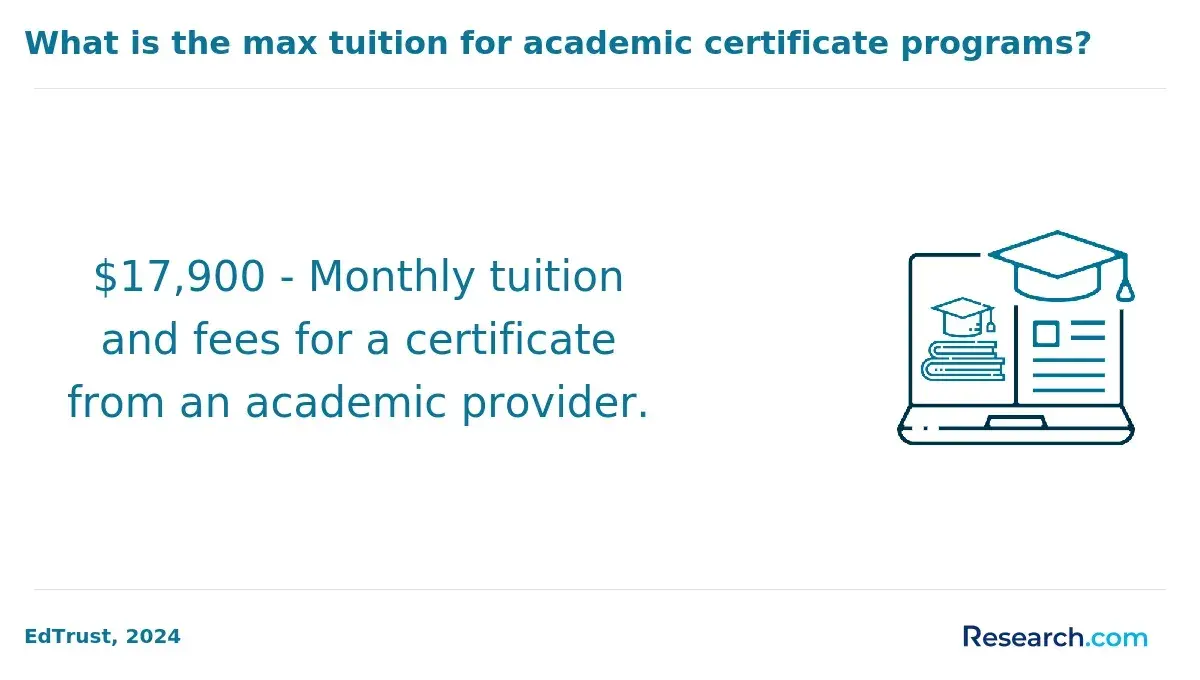
Cost disparities between in-state public programs ($6,000-$12,000 annually) versus private or out-of-state options ($15,000-$35,000 annually) affect long-term financial planning and debt burden. Those repaying loans face additional pressure given the median entry-level salaries of $50,000-$60,000 in related school- and adolescent-focused psychology careers.
Nearly half of teenagers experience mental health disorders, heightening demand for candidates who can combine timely degree completion with applied experience.
Key considerations for prospective students include:
- Prioritizing programs with integrated internships or practicum opportunities in school or juvenile mental health settings to build employer-valued experience
- Choosing flexible pacing options to sustain current employment without sacrificing program rigor
- Weighing accelerated completion against the risk of insufficient depth, which can hinder long-term employability in complex youth mental health environments
Part-time students balancing external commitments should expect timelines of 5 to 6 years before entering the workforce, emphasizing the operational tradeoff between immediate income and educational investment. Strategic program selection must center on realistic workloads and employer expectations within adolescent mental health fields.
What careers can a psychology bachelor's with youth mental health focus prepare you for?
A psychology bachelor's degree focused on youth mental health primarily funnels graduates into roles that combine social support and indirect clinical functions rather than direct therapy or diagnosis. Approximately 20% enter social services or public affairs, performing case management or crisis intervention; these positions require navigating community networks and coordinating with schools or healthcare systems. This contrasts with the 14% who join educational settings, often as paraprofessionals or counseling assistants, where direct intervention licenses are typically necessary for advancement.
Health profession roles, occupied by about 5% of graduates, demand familiarity with clinical environments but often require supplementary certifications to handle responsibilities like behavioral health support or psychiatric aide tasks. Meanwhile, nearly one-third find employment in administrative or business contexts related to program coordination, grant management, or advocacy-fields that emphasize organizational and communication competencies over clinical expertise.
Advancement past entry levels in youth mental health frequently hinges on graduate education or certification in specialized areas such as counseling or social work. Employers value measurable intervention skills over general knowledge, highlighting this undergraduate degree's status as a preparatory step rather than a terminal credential. Prospective students should weigh the practical need for additional qualifications when considering this path.
What are salary expectations and job outlook in youth mental health support roles?
Social and human services assistants working in youth mental health occupy roles with limited wage growth at the bachelor's level, typically positioned as support rather than lead clinicians. Their median salary was $41,410 in 2023, with employment projected to grow 8% over the next decade, adding approximately 48,400 new roles annually. This outpaces average job growth, driven primarily by increased public funding for youth mental health outreach and crisis intervention.
Students and professionals targeting these positions should anticipate a competitive hiring landscape. Practical experience-gained through internships or volunteer work-is often decisive for hiring, given employers' emphasis on trauma-informed care and cultural responsiveness. Entry-level salaries vary regionally; urban centers may offer higher pay balanced against cost-of-living challenges, while rural areas may present fewer openings but more stable demand.
Without advanced certifications or a master's degree, upward mobility remains constrained. Bachelor's-level roles rarely lead directly to clinical or supervisory positions, making licensure or graduate education essential for wage increases or expanded responsibilities.
Key considerations include:
- Initial salary median aligning with $41,410 but subject to geographic variance
- Necessity of specialized skills for improving employability in a crowded field
- Tradeoffs between local job availability and cost of living depending on placement
- Long-term career potential hinges on further credentialing beyond bachelor's degrees
For those evaluating Psychology - Mental Health as a pathway, balancing credentialing investments against realistic salary trajectories and workplace expectations is critical to informed decision-making.
What licenses or certifications might you need for youth-focused mental health careers?
Licensure in youth-focused psychology - mental health careers imposes substantial educational and procedural demands that markedly influence employability and long-term earnings. While a bachelor's degree suffices for entry-level roles like behavioral health technicians or case managers, these positions lack formal licensure and carry limited scope and income potential. Advancing to clinical roles-such as therapists or counselors-requires at minimum a master's degree and licensure credentials like LPC, LCSW, or LMFT, each mandating 2,000 to 4,000 supervised clinical hours and passing standardized state exams.
For instance, a school counselor serving adolescents must secure state-specific certification involving graduate coursework and supervised internships; similarly, clinical psychologists need doctoral qualifications (PhD or PsyD) alongside passing the Examination for Professional Practice in Psychology (EPPP). These licenses grant authority to diagnose, treat, and manage youth mental health conditions with evidence-based methods.
Employers prioritize candidates holding these credentials due to liability and regulatory safeguards. This credentialing yields a 63% average wage increase over bachelor's-only psychology majors, according to National Association of Colleges and Employers data. The pathway demands a time investment of roughly 2 to 7 years beyond undergraduate studies and ongoing continuing education to maintain licensure, factoring into candidates' strategic decision-making about immediate employment versus long-term clinical authority and earnings.
Key considerations include:
- Balancing geographic and state licensure variability
- Assessing readiness for extended training and supervision
- Anticipating maintenance costs and ethical compliance obligations
- Recognizing the tradeoff between quicker entry into paraprofessional roles and restricted career growth
How can you evaluate and choose a reputable online psychology program for youth mental health?
Choosing an online psychology - mental health program requires prioritizing accredited credentials recognized by employers and licensure boards, such as regional accreditation combined with American Psychological Association approval or equivalent. This verification is crucial for ensuring graduates meet industry standards and maintain eligibility for advanced credentials. Programs that embed youth-focused competencies-like trauma-informed care, adolescent development, and evidence-based interventions-better prepare candidates for practical roles.
Graduation and job placement rates reflect program efficacy and employer trust. For instance, a candidate targeting school counseling or youth advocacy positions benefits from programs emphasizing applied psychology and community engagement instead of purely theoretical instruction. Professionals moving into adjacent fields, such as human resources or market research analysis, should note that integrating data analysis and organizational behavior skills can boost employability and align with BLS-reported median wages around $73,000-$77,000 and steady growth projections.
Flexibility and robust tech support remain essential for working professionals balancing study and employment. Instructor expertise and peer cohort diversity act as quality signals and expand networking opportunities. Ultimately, weighing tuition costs and financial aid against these operational factors helps minimize risks of investing time and resources in programs lacking practical applicability or widely recognized accreditation.
Other Things You Should Know About Psychology - Mental Health
An online bachelor's degree serves primarily as a foundational credential and is rarely sufficient alone for clinical practice in youth mental health. Most employers and licensing boards require advanced degrees and supervised clinical hours for roles involving direct diagnosis or therapy. If your goal is to work clinically, prioritize programs that clearly articulate pathways to graduate-level licensure or offer affiliated practicum arrangements.
Employers favor candidates who demonstrate focused expertise through targeted courses or certificates in youth mental health, especially for support roles in schools or community organizations. Broad psychology degrees may be less competitive unless paired with relevant internships or volunteer experience. When deciding on programs, prioritize those offering specialized training directly tied to youth engagement and evidence-based intervention methods.
Yes, programs with embedded practicum or internship components substantially improve employment prospects by offering practical experience and professional networking opportunities. Such real-world exposure is essential to translate theoretical knowledge into effective youth mental health support skills. However, these requirements can lengthen program completion time or limit flexibility, so candidates must balance hands-on experience benefits with personal scheduling constraints.
References
- Become Certified - Formal accreditation from the Institute of Child Psychology https://instituteofchildpsychology.com/apa-approved-provider/
- 9 Mental Health Careers You Can Pursue with a BA https://www.nec.edu/news/9-mental-health-careers-you-can-pursue-with-a-ba
- Youth primary mental health | Online learning https://www.wharaurau.org.nz/all-resources/youth-primary-mental-health-online-learning
- Bachelor's Degrees In Psychology Overview | Psychology.org https://www.psychology.org/degrees/bachelors/
- Careers in and Related to Psychology - Canadian Psychological Association https://cpa.ca/students/career/careersinpsychology/
- Bachelor’s in Psychology Careers https://onlinecounselingprograms.com/mental-health-careers/bachelors-in-psychology-jobs/
- Psychology Online Degree Pathway https://www.learndirect.com/course/psychology-online-degree
- Online Psychology & Mental Health Bachelor's Degree https://www.georgefox.edu/adult-degree/psychology-mental-health.html
- Job Outlook and Salary Expectations for Mental Health Technicians in 2024 and Beyond - MedCertify https://medcertify.com/job-outlook-and-salary-expectations-for-mental-health-technicians-in-2024-and-beyond/
- CYMHS - Certified Youth Mental Health Specialist (US) https://www.evergreencertifications.com/certification/certified-youth-mental-health-specialist/