2027 Mental Health Specializations With the Strongest Salary Growth

Co-Founder and Chief Data Scientist
Choosing the right mental health specialization can determine both career trajectory and salary potential, yet many face a bottleneck navigating shifting workforce demands alongside evolving education models. The Council of Graduate Schools reports a 15% surge in online graduate enrollments since 2024, signaling rising demand for flexible paths amid adult learners juggling work, family, and studies.
This dynamic complicates timing and selection decisions-will the chosen specialization offer rapid salary growth to justify the extended commitment? This article identifies mental health specializations with the strongest salary growth and evaluates how emerging educational formats and labor trends influence practical career advancement strategies.
Key Things You Should Know
- Clinical neuropsychology roles grew 12% in median salary in 2025, yet require 7+ years post-graduate training, limiting rapid returns despite employer demand for specialized brain-behavior expertise.
- Behavioral health counseling positions showed 9% salary growth alongside a 17% workforce surge per BLS 2024, pressuring organizations to prioritize candidates with integrated telehealth and insurance billing skills.
- Child and adolescent psychiatry specialization offers a rare double-digit salary boost but entails higher educational debt burdens and stringent residency prerequisites, constraining access for mid-career professionals seeking lateral shifts.
Which mental health psychology specializations show the strongest recent salary growth?
Salary growth in mental health psychology specializations disproportionately favors roles that integrate advanced clinical skills with practical prescription authority, particularly psychiatric-mental health nurse practitioners (PMHNPs). These professionals command median annual salaries of $143,100, with top earners exceeding $200,000, reflecting strong employer demand driven by their dual competence in pharmacology and psychotherapy.
This specialization represents one of the top growing mental health psychology careers by salary. Neuropsychologists specializing in brain injury and dementia populations also see accelerated salary trajectories. Their doctoral-level training and postdoctoral fellowships lengthen educational timelines but enable access to higher compensation tied to demographic trends and expanded insurance coverage for neurological assessments.
Meanwhile, integrated care clinical psychologists typically face slower initial salary growth owing to longer credentialing processes despite expanding hospital roles. Students evaluating these mental health psychology specializations with the highest salary increases should consider the tradeoffs between educational length, credential complexity, and workforce entry speed.
Transitioning to a PMHNP pathway allows earlier clinical independence and higher immediate salary but demands nursing licensure and pharmacological expertise. Conversely, extended doctoral training in clinical psychology offers eventual salary growth linked to hospital system priorities in behavioral health.
For those exploring related health education options, foundational credentials such as an environmental health and safety bachelor degree online can provide relevant interdisciplinary skills supporting career agility within health-related sectors.
What are the current salary ranges for leading mental health specializations?
Salary ranges within mental health specializations in the US reveal strategic tradeoffs rooted in setting and expertise. Clinical and counseling psychologists employed primarily in offices of health practitioners, a critical environment for child and adolescent specialists, earn a median wage near $109,100 annually-roughly 15% higher than the overall psychologist median of $94,310.
This premium reflects employer preference for pediatric-focused skills and the increasing complexity of addressing younger populations alongside their families. However, general clinical psychologists working in places like educational or correctional facilities often face wages at or below the median, constrained by funding and institutional policies.
For those targeting the highest paying mental health careers and salary growth, pursuing advanced certifications and licensure aligned with health practitioner settings can provide a clearer pathway to increased compensation, especially within hospitals and integrated health systems prioritizing multidisciplinary teams. Given geographic variation and healthcare reimbursement trends, entering community mental health centers may demand deliberate navigation for salary progression.
Candidates should analyze workforce dynamics pragmatically, balancing early-career realities against longer-term gains. Prospective students assessing educational routes might also explore cheapest online school psychology programs as a practical entry point into child-focused psychology roles that offer competitive financial outlooks and robust employment prospects.
How does demand and job outlook differ across mental health psychology careers?
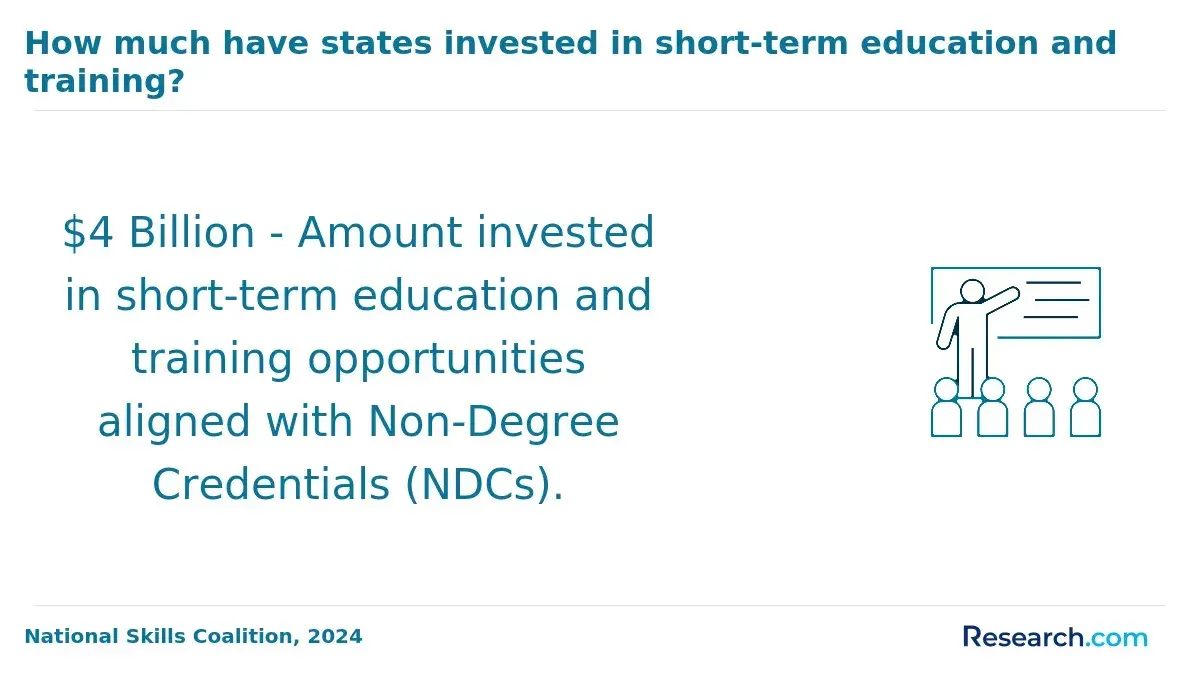
Salary growth and hiring trends in mental health psychology career job outlook in the United States reveal distinct disparities tied to specialization and service mode. Telehealth therapists have experienced pronounced wage inflation, with advertised salaries rising 22% in 2024 due to heightened demand for remote licensed therapists capable of autonomous practice. This shift benefits professionals who prioritize telehealth licensure and digital fluency but creates heightened entry barriers for those without these technical competencies.
Traditional in-person clinicians such as clinical psychologists and licensed counselors encounter steadier but more modest salary growth. Their employment opportunities fluctuate regionally and depend heavily on institutional budgets and reimbursement policies, making job security variable and often linked to public funding cycles. Regional demand trends for mental health psychology specialties further complicate these dynamics.
Behavioral health specialists working within integrated primary care settings face tradeoffs, including adapting to team-based workflows and accepting lower autonomy and compensation compared to telehealth peers. Graduates focusing on psychiatric specialties confront extended educational timelines and rigorous certification maintenance, offset by higher initial salaries and demand in inpatient and outpatient facilities.
Prospective students assessing options must weigh these realities against the costs of training and license acquisition. Those uncertain about specialization pathways may consult a counselling degree guide to better understand credential relevance in evolving job markets.
What degrees and training are required for high-paying mental health roles?
Achieving high-paying roles in mental health demands strategic investment in education and licensure tied closely to workforce realities. A master's degree in counseling, psychology, social work, or related fields combined with 2,000-4,000 supervised clinical hours is generally the baseline for roles such as licensed clinical social workers (LCSWs) and licensed professional counselors (LPCs). Without these credentials, professionals face limited access to independent practice and constrained salary ranges.
For instance, substance use and addiction counselors with only bachelor's degrees plus certification may enter the field, but advanced training for lucrative psychology and counseling jobs increasingly requires a master's and clinical licensure to secure supervisory positions and higher pay. The demand outlook is strong, with these counseling roles projected to grow 17% from 2024 to 2034, and median salaries near $59,190 underscore the value of advanced qualifications.
Employers give weight to specialized training in evidence-based interventions like cognitive behavioral therapy and trauma-informed care, typically found in accredited graduate programs. Certifications such as Certified Alcohol and Drug Counselor (CADC) can further accelerate career trajectories, especially within healthcare systems or hospitals aligned with multidisciplinary teams.
Prospective students must weigh the significant time and financial costs of graduate education and clinical hours against job stability and earning potency. Accelerated master's pathways linked to licensure eligibility and programs with strong practicum placements improve hiring outcomes and reduce downtime. Many explore options like the cheapest CACREP-accredited programs online to balance affordability and quality real-world preparation.
How do online mental health psychology programs compare to campus-based options?
Opting for an online mental health psychology program requires weighing flexibility against the critical need for supervised clinical experience. While online formats, especially hybrid models blending remote coursework with in-person practicums, offer scheduling advantages for working professionals and caregivers, purely online pathways often fall short in delivering the intensive, faculty-led clinical hours essential for certain licensure exams and roles.
For instance, professionals pursuing board certified behavior analyst (BCBA) certification rely heavily on practical supervised training; campus programs tend to integrate these experiences more systematically, enhancing readiness and employability in clinical settings. Employers in schools, hospitals, and regional agencies frequently favor candidates from traditional campus-based programs because of established practicum standards and stronger local networks.
This preference can influence job placement and salary trajectories, particularly in sectors experiencing rapid growth such as applied behavior analysis, where demand rose by over 500% for 13 years since 2010 and median salaries exceed $75,000 annually. Nonetheless, well-designed online programs with verified practicum arrangements can effectively support those balancing work and personal responsibilities without undermining credential validity.
- Campus programs provide structured, onsite supervised hours improving clinical competencies
- Online programs require proactive verification of practicum feasibility and accreditation
- Hybrid models often strike a balance between flexibility and hands-on training
Choosing the right pathway necessitates evaluating program quality beyond credentialing-considering direct faculty mentorship, practicum integration, and employer recognition-to ensure long-term career impact in psychology - mental health fields.
What accreditation and licensure requirements apply to mental health specializations?
Licensure in mental health specializations requires navigating variable state demands that combine advanced degrees with specific clinical experience. Most states insist on 2,000 to 4,000 supervised hours post-master's degree in psychology, counseling, or social work. Accreditation by bodies such as CACREP or APA is not just formal-it directly influences eligibility for licensing exams and acceptance by state boards, shaping career options.
For clinical psychologists, a doctoral degree is mandatory, along with passing the Examination for Professional Practice in Psychology (EPPP). In contrast, licensed clinical social workers (LCSWs) and licensed professional counselors (LPCs) can access licensure through a master's degree plus a state exam, though specialty certifications, such as geriatric mental health credentials, increasingly impact hiring in focused sectors.
The geriatric mental health field illustrates critical workforce dynamics: with a projected job growth exceeding 30% from 2025 to 2035, targeted clinical experience with older adults becomes essential. Candidates lacking such experience-even if fully licensed-may face constrained opportunities as employers prioritize demonstrated skills in elder care.
Prospective professionals should rigorously research their target state board's clinical hour requirements and exam specifics. Securing placements that provide exposure to the older adult population is a practical necessity for those pursuing geriatric specialties. This strategic approach ensures licensing efforts align with real-world employer expectations and emerging demographic demands.
Prioritizing accredited program completion, prompt exam attempts, and documented specialized supervised experience is vital to sustain employability and wage growth in mental health careers.
What coursework and clinical experiences prepare students for advanced mental health practice?
Programs preparing students for advanced trauma-informed mental health roles require more than general coursework; they demand targeted clinical experiences paired with specialized knowledge. Core subjects such as neurobiology of stress, trauma-informed care, and evidence-based therapies-CBT, EMDR, and DBT-build foundational competence.
Yet, the real differentiator lies in substantial supervised clinical hours within high-trauma environments, like in-patient psychiatric units or veteran centers. These placements not only deepen practical skills but align graduates with market demands where trauma-specific counselor jobs have surged and pay 10-15% above general counselor roles.
Balancing intensive practicums with coursework presents significant time and cost tradeoffs. Students pursuing certification in trauma-specific modalities often extend program length and expenses but gain a selable edge where trauma expertise is scarce. Conversely, skipping such specialization can create slower employment trajectories, especially in competitive healthcare or military-connected settings.
Choosing programs with embedded clinical partnerships that address complex trauma populations amplifies employability. This strategic alignment often translates into access to better-paying roles within specialized outpatient clinics or integrated healthcare systems. Prospective students must weigh these factors carefully to align their educational investments with expected workforce outcomes.
How long do mental health psychology programs take, and what do they cost?
Choosing between a master's and a doctoral degree in mental health psychology is fundamentally a question of career scope, time commitment, and financial investment. Doctoral programs, typically requiring 5 to 7 years beyond a bachelor's degree, equip graduates for licensure as clinical or school psychologists and access to higher salary brackets. However, the extended timeline and $150,000 to $300,000 tuition range-excluding living expenses-can be prohibitive.
By contrast, master's programs in counseling or therapy usually take 2 to 3 years, offering earlier entry into the workforce but often limiting licensure options and earning potential. For example, school psychologists with doctoral credentials earn a median salary of $87,550, which notably surpasses the $64,200 median for school counselors with master's degrees. This disparity reflects employers' preference for extensive training and supervised practice when entrusting clinical responsibilities.
Employment growth for school-based mental health professionals is projected at about 15% over a decade, indicating solid demand but also increasing qualification expectations. Prospective students must weigh whether investing in long-term doctoral training aligns with their career aspirations and financial situation, keeping in mind that some states require additional certification or supervised hours even after graduation.
- Doctoral programs span 5-7 years plus internships
- Tuition rates vary widely-public in-state is generally lower
- Master's programs offer faster but narrower licensure paths
- School psychologists earn significantly more than counselors
What certifications or post-licensure credentials can boost mental health salaries?
Specialized certifications significantly influence earning potential in mental health careers, particularly within forensic and correctional settings where expertise in legal standards and trauma-informed care is essential. Forensic mental health credentials, such as the Certified Forensic Mental Health Specialist (CFMHS), align with a projected 25% employment growth in justice-related behavioral health roles by 2033, confirming their practical value in securing higher salaries.
Additional credentials like Licensed Clinical Social Worker (LCSW) with trauma focus, Certified Addictions Counselor (CAC), and certifications in neuropsychology elevate compensation within niche service areas. For instance, addiction counselors with certification typically earn 15-20% more in substance abuse treatment environments, reflecting demand for opioid and multi-substance recovery expertise.
These certifications demand notable investment-often 6-12+ months of training and fees between $1,000 and $3,000-but tend to pay off within 12 to 18 months owing to salary differentials. Professionals who omit these credentials risk exclusion from specialized, higher-paying roles in veterans' services, juvenile justice, and inpatient psychiatry.
Key practical considerations include:
- Mandatory supervised clinical hours post-licensure paired with exam completion
- Credentials that meet state or federal mandates for specialty practice
- Enhanced geographic mobility and access to leadership positions facilitated by certification
Therefore, pursuing board certifications is a strategic decision contingent on balancing upfront costs and time with targeted workforce demands and long-term income trajectories in Psychology - Mental Health.
How can students choose a reputable mental health program aligned with salary goals?
Choosing a graduate program in psychology - mental health requires prioritizing accredited curricula that align with specific state licensure requirements. Credentials shape employability and salary potential more decisively than institutional reputation alone. For instance, programs integrating clinical internships or residencies tend to produce graduates with greater practical experience, translating into stronger starting positions and higher earnings.
Specializations in clinical mental health counseling or marriage and family therapy, supported by alumni employment data, often yield superior long-term financial outcomes. Consider the tradeoff between a program emphasizing only theoretical research versus one combining clinical practicum opportunities with business and telehealth training.
Graduates equipped to handle diverse service models-including telehealth, self-pay clients, and group sessions-report net annual earnings above $95,000, substantially exceeding the median therapist salary of $63,740 noted in the Therapist Salary in 2026 report by TherapyDen. This reflects the importance of programs that foster entrepreneurial competencies alongside clinical skills.
Program format affects access to diverse practicum sites, which influences licensure timelines and early employment rates. Those lacking adequate practical exposure risk delayed income growth and stagnation. When evaluating options, prospective students should assess alumni employment rates, regional demand variations, and private payer acceptance to gauge realistic income potential.
- Focus on programs with integrated clinical internships tied to targeted state licensure.
- Prioritize training in telehealth and business management for sustainable private practice income.
- Compare employment data rather than relying solely on program prestige.
Other Things You Should Know About Psychology - Mental Health
In 2027, the mental health specializations with the strongest salary growth include industrial-organizational psychology, neuropsychology, and psychiatric nursing. These areas are benefiting from increased demand and a focus on the integration of mental health in corporate and healthcare settings.
Employers in clinical settings emphasize diagnostic skills and managing complex mental disorders, requiring intensive clinical hours and familiarity with evidence-based treatments. Counseling psychology employers focus more on wellness, career, and adjustment issues, expecting strong interpersonal skills and diverse counseling techniques. School psychology positions demand proficiency in psychoeducational assessment, collaboration with educators, and legal compliance. Candidates should tailor training and practicum experiences to the specific employer sector to meet these distinct performance priorities effectively.
PhD programs typically prioritize research, offering more competitive access to academic and high-tier clinical roles, which often come with higher long-term salary potential. PsyD degrees focus on clinical practice and tend to have shorter times to licensure, accelerating workforce entry but sometimes limiting leadership research opportunities. Given current salary trends, students aiming for advanced clinical positions with growth potential should weigh the value of research credentials against faster practical training when selecting their doctoral path.
Programs with integrated practicum placements better prepare students for employer expectations by providing direct client contact under supervision, which is critical for licensure and practical skill development. While theoretical coursework builds essential knowledge, it cannot replace the experiential learning valued by hiring organizations. Prioritize programs offering substantial, supervised clinical hours embedded within the curriculum to optimize readiness for competitive positions and salary growth.
References
- Compare Online Masters in Psychology https://mastersinpsychologyguide.com/articles/online-psychology-masters-without-gre-requirement/
- Behavioral Health Treatment Plan Templates | Behave Health https://behavehealth.com/treatment-plans
- 17 Medical Certifications That Can Increase Your Salary https://www.oneeducation.org.uk/medical-certifications-that-can-increase-your-salary/
- Working In Mental Health Field | Hader Institute of Education https://www.haderinstitute.edu.au/news/why-students-are-pursuing-career-as-mental-health-worker
- Master's In Clinical Psychology Degree Guide | Psychology.org https://www.psychology.org/degrees/clinical-psychology/masters/
- Mental Health Professional Average Salary Information - Psych Resources https://www.cmfgroup.com/knowledge-center/psychologist-mental-health-professional-malpractice/salary-information/
- How Long Does It Take to Become a Mental Health Counselor? https://www.valant.io/resources/blog/how-long-does-it-take-to-become-a-mental-health-counselor/
- pioneer-healthcare.com: Verifying that you are not a robot... https://pioneer-healthcare.com/blog/psychologist-job-outlook-trends-and-opportunities-in-healthcare-2/
- Top 5 Highest-Paying Psychology Careers - Rivier Academics https://www.rivier.edu/academics/online/resources/program-resources/top-5-highest-paying-psychology-careers-rivier-university/
- The 6 most in-demand jobs in mental health https://www.vu.edu.au/about-vu/news-events/vu-blog/the-6-most-in-demand-jobs-in-mental-health