2027 Community and Behavioral Health Careers Growing Fastest in 2026

Co-Founder and Chief Data Scientist
Psychology - mental health professionals face urgent pressure navigating increasing workforce shortages while meeting rising demand for accessible, community-centered care. With government data revealing a 24% projected growth in behavioral health careers through 2030, driven by expanded insurance coverage and telehealth integration, prospective students must weigh not only program reputation but also timing, delivery format, and licensure pathways.
The surge in online enrollment-up 45% since 2022 according to the National Center for Education Statistics-signals shifting access but also raises questions about skill development and employer expectations. This article explores the fastest-growing community and behavioral health careers, offering actionable guidance on aligning educational choices with workforce realities and career mobility.
Key Things You Should Know
- Community and behavioral health roles are projected to grow 14% by 2026, exceeding general healthcare growth, yet require navigating extended clinical credentialing that delays workforce entry by up to 3 years, impacting career pivot timing.
- Employers increasingly seek candidates with integrated trauma-informed and social determinants-focused training, shifting hiring from generic psychology backgrounds to specialized certifications verified by workforce outcome studies.
- Public funding constraints hem program availability, making cost-effective, scalable certificate programs crucial but challenging for low-income candidates, influencing strategic tradeoffs between education investment and career advancement speed.
What are community and behavioral health careers, and why are they growing so quickly?
Community and behavioral health careers in the United States demand nuanced skill sets that bridge psychological insight with practical interventions, reflecting the complex realities of service delivery. These roles are expanding in response to a projected 3.1% employment increase in healthcare and social assistance sectors-equivalent to 5.2 million new jobs between 2024 and 2034-driven by aging populations, higher mental health diagnosis rates, and broader insurance coverage. However, this growth is unevenly distributed, with rural areas facing pronounced provider shortages that require professionals to develop cultural competence and flexible outreach strategies.
Graduates entering this field must weigh the substantial time commitment of licensure against accelerated certifications that often curtail practice scope. For instance, mental health counselors employed by school districts juggle regulatory demands alongside tailoring therapeutic approaches to developmental stages, emphasizing the value of programs that integrate hands-on clinical practicums with applied behavioral sciences. Selecting educational pathways that incorporate these elements is critical for meeting employer expectations and addressing community needs effectively.
Strategic pivots into Psychology - Mental Health fields should also consider the importance of real-world experience embedded in curricula. Programs offering robust practicum hours enhance practical counseling and case management skills, thereby improving employment prospects in a competitive job market. Prospective students evaluating online options may find value in accelerated routes, including an online masters in mental health counseling that balance flexibility with necessary clinical exposure.
Which community and behavioral health roles offer the strongest job outlook and demand?
The fastest growing community health jobs prominently include substance abuse, behavioral disorder, and mental health counselors, with employment expected to expand 17% from 2024 to 2034. This rate, well above average for all occupations, will generate approximately 48,300 annual openings, driven by broader public awareness and expanded access to behavioral health services.
Work settings vary widely-from outpatient clinics and correctional facilities to residential centers and schools. For instance, counselors working with opioid addiction in rural areas must navigate limited resources and transportation barriers, often requiring telehealth proficiency and flexible hours. School-based behavioral health roles demand additional skills integrating mental health with educational strategies and coordination with faculty.
Students considering these career paths should carefully evaluate the academic and licensure requirements, which typically include a master's degree plus passing state-specific exams and supervised clinical hours. While these barriers may delay initial employment, they significantly enhance job security and marketability. The median wage stands at $59,190, though pay fluctuates by geography and employer type. In contrast, other community roles like social workers grow more slowly and offer fewer openings.
Choosing a program that emphasizes practical fieldwork and licensure support is essential to navigate these tradeoffs and meet employer expectations in this competitive sector. Candidates may find reviewing affordable psychology masters programs beneficial for balancing cost and credential value in this high-demand field.
What education and degree pathways lead into community and behavioral health careers?
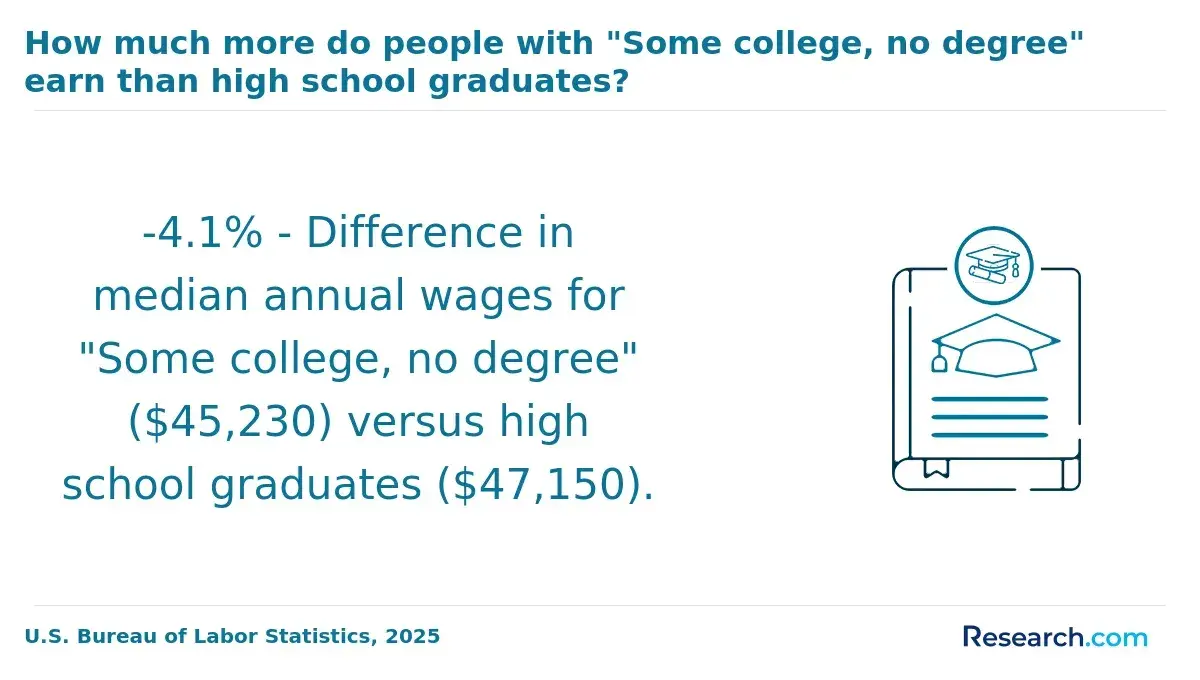
Employers targeting community health workers and navigators-roles expected to grow 7.8% from 2024 to 2034-frequently set a high school diploma plus focused certificates as baseline requirements. These certificate programs, lasting 6 to 12 months, target practical competencies like client engagement and cultural competence, presenting an accessible pathway for those prioritizing swift entry or cost-efficiency within community and behavioral health degree programs in the United States.
When responsibilities include case management or specialized behavioral interventions, employers prioritize at least associate or bachelor's degrees in psychology, social work, or public health. For example, agencies addressing chronic mental health issues prefer bachelor's graduates due to the intricate care coordination and regulatory demands. These bachelor's programs integrate internships or practicums, providing hands-on experience valued by employers and enabling application in diverse environments such as school-based or community clinics.
Advancement into clinical or supervisory roles requires graduate degrees, commonly a master's in social work or counseling, involving licensure preparation and supervised practice. Balancing program rigor with employment often drives students toward flexible options, such as a marriage and family counseling degree online. Choosing the right approach depends heavily on employer expectations, financial aid availability, and practical training opportunities, which are essential considerations for those exploring educational pathways for community and behavioral health careers aiming for sustainable roles within Psychology - Mental Health.
How do online community and behavioral health programs compare with campus-based options?
Choosing between online community and campus-based behavioral health programs requires evaluating tangible tradeoffs in clinical readiness and workforce integration. Programs targeting roles like psychiatric mental health nurse practitioners (PMHNPs) face mounting pressure due to an expected shortage of over 30,000 psychiatrists by 2030, emphasizing the premium employers place on verified supervised clinical experience. Online cohorts offer geographic flexibility but often lack immediate mentorship and institutional support for securing quality practicum placements, forcing students to navigate local licensing and clinical requirements independently. Conversely, campus-based models provide structured access to faculty and established healthcare partnerships, which streamline clinical hours and enhance chances for faster employment transitions in Psychology - Mental Health fields.
For working professionals balancing employment and training, online community and behavioral health degree comparisons reveal that rigorous accreditation standards still demand self-discipline and proactive engagement to meet clinical practicum benchmarks. Hybrid programs embedding supervised local practicums within virtual coursework can mitigate some challenges but require significant logistical planning.
Employers consistently value verified, hands-on clinical training, affecting early-career mobility and earning potential in behavioral health sectors. Prospective students assessing pathways should consider that campus programs often reduce uncertainty around experiential components, while online models prioritize flexibility at the expense of campus-based advantages.
Those assessing which counseling degree is easiest should also align choices with market demand and pragmatic factors to avoid extended time to credential completion and compromised clinical skill acquisition.
What should students look for in accredited psychology and mental health programs?
Accreditation from bodies like CACREP or COAMFTE directly influences licensure eligibility and employer credibility, making it a decisive factor for Psychology - Mental Health students targeting roles in high-demand settings such as hospitals or schools. Licensure as an LCSW or mental health counselor mandates completion of structured clinical hours, so programs lacking this component pose tangible barriers to timely workforce entry.
Employers prioritize candidates trained in evidence-based modalities including cognitive-behavioral therapy, trauma-informed care, and crisis intervention. Programs offering practicum opportunities across outpatient clinics, community organizations, and hospital units cultivate versatile skills essential for diverse clinical environments. Conversely, limited practicum exposure narrows job prospects and adaptability.
Key program differentiators include licensure exam pass rates, legal-ethical coursework specific to mental health, and robust employer networks that shorten job searches. Since supervised clinical experience post-graduation is often required, programs that facilitate these supervision arrangements can accelerate credentialing and career progression.
For working students, part-time or online options offer flexibility but must still require in-person supervised clinical hours to meet accreditation standards; failure to secure these hours risks prolonging licensure and employment delays. Choosing a curriculum without integrated clinical supervision can undermine both licensure timelines and practical readiness.
What core courses and skills are taught in community and behavioral health degrees?
Community and behavioral health programs emphasize applied competencies over theoretical breadth, requiring mastery of epidemiology and biostatistics for informed interpretation of population data that influences policy and program design. Students develop clinical skills in cognitive-behavioral therapy and motivational interviewing, enabling effective intervention across outpatient clinics, schools, and youth services.
The rising need for telehealth proficiency reshapes training priorities. With vacancy rates exceeding 20% among behavioral health therapists in virtual settings, students must navigate confidentiality, legal complexities, and digital platforms. This technical fluency has direct workforce implications, particularly as remote and digital-first care models proliferate.
Practical experience in case management and community resource coordination is essential, especially in contexts like rural school systems where infrastructure constraints coincide with high mental health demand. Professionals here rely heavily on adaptive interventions and culturally competent communication to address social determinants of health.
Students face a strategic choice: invest time in telehealth technologies and asynchronous communication or focus on crisis intervention and group facilitation. This decision aligns with employment markets-urban outpatient centers versus school-based roles-and influences both immediate employability and long-term career trajectories in psychology - mental health.
What admission requirements and prerequisites do these psychology-related programs typically have?
Entry into psychology - mental health roles varies significantly by occupation and credential level, with immediate workforce access often balanced against future advancement potential. For example, Behavioral Health Technicians typically enter via certificate programs lasting 6-12 months that emphasize practical training but limit upward mobility without further education. In contrast, licensed counselors require a master's degree combined with 2,000-4,000 supervised hours and successful completion of state licensure exams, aligning educational rigor with employer expectations for clinical competency.
Undergraduate admissions demand a minimum 2.5-3.0 GPA and prerequisite coursework such as introductory psychology, biology, and statistics-a foundational combination supporting advanced behavioral health applications. Prospective master's students must hold a bachelor's degree, often supplemented by research methods and human development courses, with GRE scores sometimes required, signaling the escalating academic threshold for leadership and specialized practice roles.
Employers consistently prioritize accredited programs integrating supervised clinical practicums, a necessity for licensure and competitive hiring. Workforce data indicate roles in counseling, nursing, and behavioral health support are expanding, but entry-level certifications versus degree pathways yield divergent salary and responsibility outcomes.
- Lower admission bars accelerate entry but may restrict career progression and earning capacity.
- Programs with stringent prerequisites and clinical experience better position candidates for growth in a tightening labor market.
How long do community and behavioral health programs take, and what do they cost?
Choosing a community or behavioral health program requires weighing program duration, licensure eligibility, and financial impact against realistic career outcomes. Typically, associate degrees take around two years, bachelor's degrees require four, and licenses often depend on completing master's programs adding two more years focused on clinical competencies.
The financial burden varies significantly: public in-state undergraduate tuition ranges from $7,000 to $10,000 annually, while private institutions may charge $20,000 to $40,000. Graduate degrees for licensed counseling or social work usually fall between $15,000 and $30,000 per year. Although online programs reduce ancillary costs, tuition largely remains stable.
Prospective students must consider workforce realities. The median wage for substance abuse and mental health counselors is roughly $59,190 yearly, which often correlates with high burnout and turnover. This wage-pressure makes short, inexpensive certificates less viable if they don't lead to licensure or sufficient clinical training.
For instance, a working adult pursuing a career change must navigate part-time study options, potential income reduction, and licensing exam preparation. Employers consistently require supervised clinical hours and certifications, extending time beyond coursework. Financial aid and employer tuition reimbursement can relieve some constraints, but mapping education timelines pragmatically against economic and licensing demands remains essential.
What licenses, certifications, and professional standards apply to behavioral health careers?
Licensing and certification requirements shape career trajectories in psychology - mental health, especially distinguishing clinical from non-clinical roles. For example, Licensed Professional Counselors (LPC), Licensed Clinical Social Workers (LCSW), and Licensed Marriage and Family Therapists (LMFT) require graduate degrees, substantial supervised clinical hours, and passing state exams. While national certifications such as those from the National Board for Certified Counselors (NBCC) improve marketability, they do not replace state licensure, which employers strictly enforce due to liability concerns.
Non-clinical positions like behavioral health technicians or case managers offer quicker entry with certifications such as Certified Alcohol and Drug Counselor (CADC) or Certified Behavioral Health Technician (CBHT), requiring less intensive education but also corresponding to lower wage ceilings and limited advancement.
Administrative and public health roles managing behavioral health programs demand advanced degrees in public health or health administration, often alongside certifications like Certified Professional in Healthcare Quality (CPHQ). These professionals balance clinical insight with operational skills to meet evolving healthcare standards, earning a median wage of about $118,000, driven by expanding integration of behavioral health services.
Key employer expectations emphasize meeting state licensing standards, especially for clinical roles in hospitals or integrated settings. Without these credentials, candidates face constrained job prospects and wage limits.
- Graduate degrees plus licensure are mandatory for clinical counseling roles.
- Faster but lower-paying non-clinical jobs require less education and specific certifications.
- Public health administration roles blend clinical knowledge with management credentials.
- Compliance with licensing affects eligibility and earning potential significantly.
What are typical salaries and career advancement opportunities in community and behavioral health?
Salary trajectories in community and behavioral health reflect a tension between educational investment and regional labor market dynamics. Entry-level community health workers often start around $45,000, contrasting with licensed counselors and behavioral health specialists who can exceed $85,000, particularly in untapped rural markets amplified by programs like the Rural Health Transformation Program. This initiative funnels $50 billion over five years to bolster rural health infrastructure, creating distinct opportunities as states such as Georgia receive substantial federal funding.
Advancing from frontline roles to licensed or supervisory positions typically involves a multi-year accumulation of certifications, clinical hours, and often graduate degrees. This progression demands weighing direct costs and time against potential salary growth and regional variability, especially since rural roles may offer slower salary escalation despite higher job availability.
Employers increasingly value candidates demonstrating both clinical competence and cultural knowledge capable of serving diverse populations. Programs blending practical, supervised experience align better with these expectations. Key practical challenges include navigating varied state licensure requirements and balancing employment with continued education, factors that materially affect career velocity and long-term earnings.
- Entry-level salaries near $45,000 with growth to $100,000+ for advanced clinicians
- Rural investments drive demand but may temper initial wages
- Licensing reciprocity and cultural competency are critical for mobility and employability
- Graduate credentials and supervised practice are essential for leadership roles
Other Things You Should Know About Psychology - Mental Health
Pursuing a master's degree in psychology can open more specialized roles, such as licensed professional counselor or marriage and family therapist, that a bachelor's alone will not qualify you for. However, these programs often require 2 to 3 years of full-time study with practicum hours, which presents a significant time and financial commitment. You should weigh this against the salary increase and job stability those roles provide, especially compared to bachelor's-level community health jobs, which may offer faster entry but limited advancement.
Clinical experience is critical since employers prioritize candidates who have completed supervised internships or practicums with diverse populations. Programs that integrate substantial, varied clinical hours better prepare students for employer expectations and licensing requirements. Without such experience, graduates often enter the job market with fewer practical skills and a longer path to independent practice, limiting early-career opportunities.
Students targeting mental health careers should prioritize programs with strong clinical or counseling psychology tracks rather than general psychology degrees. Specialized programs usually include training in therapeutic techniques, diagnosis, and mental health interventions favored by employers and licensure boards. In contrast, broader degrees may require additional certifications or training post-graduation, delaying professional entry and increasing cumulative costs.
References
- How School-Based Behavioral Roles Help You Grow Your Career and Transform Student Lives | GHR Education https://www.ghreducation.com/blog/impact-school-based-behavioral-roles
- Online Degree vs. Traditional: Choosing the Right Path https://beal.edu/online-degree-vs-traditional/
- Building A Career In Behavioral Health: Navigating Entry-level Mental Health Jobs And Opportunities - Haven Health Management https://havenhealthmgmt.org/building-a-career-in-behavioral-health-navigating-entry-level-mental-health-jobs-and-opportunities/
- Behavioral Health/Human Services https://www.ccp.edu/college-catalog/degree-programs/associate-applied-science-aas/behavioral-healthhuman-services
- How Much Does Mental Health Treatment Cost? | resiliencebehavioralhealthcenters https://www.resiliencebehavioralhealthcenters.com/how-much-does-mental-health-treatment-cost/
- Building a Future in Mental, Behavioral & Cognitive Healthcare https://www.lihealthcollab.org/healthy-resources/mental-health-career-guide
- Career Paths in Community Mental Health: What Are Your Options? | Herzing https://blog.herzing.ca/kompass-online-training/community-mental-health-job-options-career-paths
- What do you learn in a bachelor's in social work? | edX https://www.edx.org/resources/what-do-you-learn-in-a-bachelors-in-social-work
- The most in-demand jobs in the mental health industry https://www.torrens.edu.au/stories/blog/health/the-most-in-demand-jobs-in-the-mental-health-industry
- What to Look For with Accreditation https://mastersinpsychologyguide.com/articles/masters-in-psychology-accreditation-what-to-look-for/