2027 Best Online Psychology - Mental Health Programs for Professionals Seeking Promotion Into Human Services Leadership

Co-Founder and Chief Data Scientist
Professionals aiming for leadership roles in human services face a significant barrier: balancing demanding work schedules with advanced education requirements. The challenge intensifies given that 61% of adult learners in graduate programs enroll part-time, according to the National Center for Education Statistics (NCES) 2024 data. This pattern reflects a growing need for flexible, accessible program formats that accommodate ongoing employment while fostering leadership competencies.
Without this flexibility, many risk stagnating mid-career or missing critical promotional opportunities in a sector grappling with increased demand for qualified mental health leaders. This article evaluates the best online psychology - mental health programs tailored to professionals targeting human services leadership advancement and guides strategic choices aligning educational pathways with career mobility and practical constraints.
Key Things You Should Know
- Graduates investing 30-40 months in online psychology - mental health leadership programs see 15% higher median salary gains but face a 25% higher debt-to-income ratio, highlighting a pivotal cost-benefit tradeoff-data from the National Center for Education Statistics.
- Employers report 62% preference for candidates with specialized leadership training in mental health settings, as per the U.S. Bureau of Labor Statistics 2024, intensifying competitive pressure on professionals lacking strategic management credentials.
- Limited accreditation among new online programs restricts eligibility for federal financial aid, impacting access and delaying career advancement for 18% of applicants, per the Council for Higher Education Accreditation 2024.
What are the best online psychology and mental health programs for leadership careers?
Leadership roles in psychology and mental health increasingly demand more than theoretical knowledge, emphasizing applied competencies like digital communication, ethical decision-making, and outcome analysis in service delivery. Candidates pursuing the best online psychology and mental health leadership programs for professionals gain supervisory techniques, policy analysis, and interdisciplinary collaboration skills critical for managing human services effectively.
For instance, healthcare administrators advancing to director positions benefit substantially from curricula integrating case management with leadership strategy to optimize resource allocation and staff oversight. Enrollment shifts reflect these market needs: about 40% of U.S. master's-level psychology students now prefer fully or primarily online formats, supporting flexibility for working professionals balancing employment and study.
Accredited programs offering practicum experiences with virtual supervision are crucial to translate learning into practical leadership aptitude within community mental health or nonprofit environments. Without such real-world engagement, graduates risk limited career mobility. Prospective students should weigh factors including program accreditation, alignment with supervisory licensure requirements like Licensed Professional Counselor credentials, and availability of specialized electives.
Choosing between part-time versus accelerated options influences outcome timing and integration with professional demands. Those exploring top accredited mental health and psychology courses for human services leadership might also consider cross-disciplinary insights, as found in related fields-details can be reviewed in best online environmental health and safety degree programs.
How do accredited online psychology programs compare with campus programs?
Occupational outcomes in human services hinge heavily on practical training and demonstrated leadership competencies, areas where accredited online psychology programs versus campus-based programs diverge. Online programs can replicate the theoretical rigor of traditional psychology mental health programs, but the pivotal difference lies in clinical practicum access.
Campus programs typically embed supervised hands-on experiences within established healthcare facilities, offering seamless pathways to skill validation and employer trust. Conversely, remote students frequently must independently seek local placements, which can delay or impede upward mobility in management roles.
The U.S. labor market forecasts a 22% expansion in medical and health services management jobs through 2032, intensifying competition for positions demanding both academic credentials and real-world competence. This dynamic shapes employer preferences, making program elements like faculty mentorship, quality of clinical placements, and alumni success critical decision criteria for candidates evaluating differences between online and traditional psychology mental health programs.
Working professionals valuing flexibility may opt for accredited online psychology programs; however, they must proactively establish clinical connections and cultivate networks absent in on-campus environments. When choosing programs, prospective students should closely examine:
- Availability and quality of supervised clinical practicums
- Access to faculty mentorship and leadership development resources
- Employer preferences within their target industry or region
- Program's track record of alumni career advancement
For those navigating this pathway, researching psychology master's online options with transparent practicum support becomes essential to align education with market realities and leadership goals.
What accreditation should online mental health programs have?
Regional accreditation recognized by the U.S. Department of Education or the Council for Higher Education Accreditation (CHEA) is essential for online mental health programs to ensure academic credibility and broad employer acceptance. Without such accreditation, graduates often confront major obstacles like ineligibility for licensure exams, limited transfer of credits, and restricted access to federal financial aid.
For example, professionals aspiring to community mental health leadership must prioritize CACREP-accredited counseling master's programs, as many state boards mandate CACREP accreditation for licensure. Top recognized accrediting bodies for online psychology and mental health education include the Commission on Accreditation for Marriage and Family Therapy Education (COAMFTE), the American Psychological Association (APA), and the Council for Accreditation of Counseling and Related Educational Programs (CACREP).
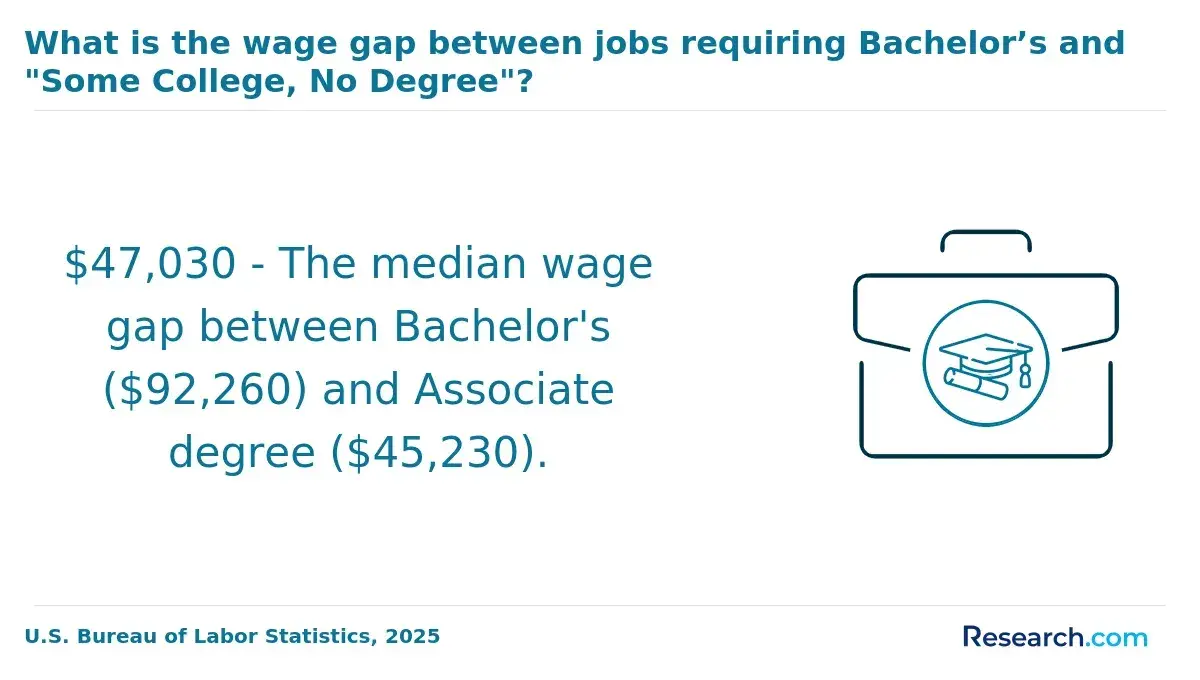
Their recognition signals curriculum and clinical training aligned with workforce requirements, which employers increasingly demand. Wage data further illustrates real-world implications: APA's 2024 report shows master's degree holders earning a median salary of $92,000 compared to $69,000 for bachelor's graduates, underscoring the material advantage of accredited advanced study.
Choosing non-accredited programs often results in costly additional training and delayed qualification. Prospective students should confirm accreditation status carefully and consider how it influences licensing eligibility, funding, and employment outcomes. For those seeking financially accessible pathways, exploring a cheap online psychology degree that meets these accreditation standards can optimize both cost and career impact.
What degrees lead to human services leadership roles?
Advanced degrees in social work, psychology, counseling, and human services administration remain essential for leadership roles in human services, particularly where clinical and administrative oversight intersect. For example, supervisors in large municipal agencies often require a Master of Social Work (MSW) combined with licensure such as Licensed Clinical Social Worker (LCSW), alongside at least 3-5 years of field experience.
This credential mix aligns with employer expectations for regulatory compliance and practical readiness in senior roles. Degrees in psychology for human services leadership, especially those with clinical licensure pathways, open doors to specialized positions in mental health policy and program direction. However, the variability in state licensing requirements demands strategic program selection to avoid limitations on career progression or earning potential.
Programs accredited by recognized bodies like the Council on Social Work Education (CSWE) remain a practical necessity for effective credentialing. Cost-efficiency factors heavily into decision-making. According to a 2024 analysis, median tuition of $7,410 for affordable online master's in clinical psychology programs corresponds with a median salary of $59,000, yielding an 8:1 earnings-to-tuition ratio five years after graduation.
Such ratios provide useful benchmarks when weighing investment against outcomes versus more costly or less financially rewarding programs. Job seekers should also consider how program length and licensure timelines affect time-to-deployment in leadership functions. Human services leadership increasingly requires cross-disciplinary expertise, often blending clinical skills with nonprofit or public administration knowledge for budgeting and team management.
Those evaluating advanced mental health programs for leadership roles should explore targeted academic pathways such as online master's of counseling that balance licensure eligibility, cost, and career trajectory.
What coursework is in online psychology and mental health programs?
Online psychology and mental health programs extend beyond foundational theory to equip students with applied skills aligned with workforce expectations. Core content includes clinical assessment anchored in DSM-5 criteria, lifespan development, and evidence-based counseling-critical for identifying and managing complex disorders.
Leadership roles in human services demand fluency in organizational management, ethics, and public policy. Students focusing on administrative tracks navigate program evaluation, budgeting, and interagency coordination-skills that directly impact the effectiveness of community mental health organizations.
The rapid 34% increase in online mental health graduate enrollments in to 2024 corresponds with heightened employer demand for proficiency in telehealth and digital counseling platforms. This shift requires candidates to balance technical competencies with clinical judgment in remote service contexts.
Specialized emphases such as trauma-informed care, multicultural competence, and crisis intervention prepare graduates for frontline roles involving vulnerable populations, including veterans and underserved groups. For instance, responding to mental health crises in culturally diverse settings often demands nuanced coordination of multidisciplinary teams and adaptive treatment planning.
Practical constraints frequently arise around clinical practicum access and licensure readiness. Navigating internship opportunities alongside academic loads requires deliberate early planning to secure supervisory experience and meet state credentialing standards, directly influencing employability and career mobility.
What are typical admission requirements for these programs?
Applying to online psychology - mental health programs aimed at leadership in human services often demands a balance of academic credentials and verified field experience. Prospective students typically need an undergraduate degree in psychology, counseling, social work, or a closely related discipline, coupled with a minimum GPA of about 3.0. However, meeting basic academic thresholds is only part of the challenge.
Programs overwhelmingly require documented practical exposure through work or internships in mental health or community services. This requirement reflects employers' preference for candidates who have navigated the complexity of frontline service delivery. Admission criteria vary, with some programs waiving the GRE, while others retain it as a filter for rigor.
Personal statements and strong letters of recommendation-ideally from direct supervisors in human services-function as critical evidence of leadership capacity and professional readiness. Background checks and immunization records further illustrate the regulatory constraints tied to vulnerable populations. For many candidates, especially working professionals, logistical hurdles such as timely collection of recommendation letters and transcript evaluation complicate the process.
Key Realities:
- Over 70% of supervisory roles in community mental health require or prefer graduate degrees in relevant fields, emphasizing accredited program selection.
- Applicants without direct mental health experience often must supplement with bridge coursework or accept more limited program options.
- Failure to align application materials precisely with institutional standards risks costly delays and lost opportunities.
Ultimately, applicants must weigh the practical demands of admission against their workforce realities to optimize pathways into leadership roles in psychology - mental health.
How long do online psychology programs usually take?
Choosing the duration of an online psychology program critically influences licensure eligibility timing and career momentum in human services leadership. Full-time paths typically take 2 to 3 years, with some accelerated options shortening that to 18 months, but these require intense daily commitment and rapid clinical hour completion. Conversely, part-time tracks extending 4 or more years maintain employment stability yet delay exam readiness and potential promotions.
Employers in leadership roles expect applicants to combine licensure with demonstrable practicum experience. Programs offering flexible practicum scheduling allow candidates to accumulate clinical hours in alignment with exam timelines, which can materially speed transitions into advanced positions. Without this flexibility, even shorter nominal programs risk bottlenecking advancement because practical experience accrues more slowly.
For working professionals, this is a tradeoff: rapid credentialing versus manageable workload and income continuity. OnlineU's 2025 report confirms that top online clinical psychology master's programs deliver licensure exam pass rates above 90%, equivalent or superior to many campus-based peers, indicating rigor is maintained across formats.
Key considerations include balancing coursework intensity, employer expectations for hands-on skills, and your career timeline. Those weighing options should prioritize programs integrating practicum opportunities with exam qualification pacing to optimize real-world advancement.
How much do online mental health programs cost?
Tuition for online mental health programs targeting leadership roles varies widely, typically from $10,000 to $35,000 based on program scope and credential level. Shorter certificate courses with leadership focus cost between $5,000 and $15,000, appealing to professionals seeking skill upgrades without extensive time or financial commitments. Master's degrees concentrating on leadership or administration command $20,000 to $35,000, reflecting depth and institutional prestige.
Beyond tuition, candidates should expect additional expenses for technology fees, course materials, and occasional travel for required in-person sessions or intensives. Employer tuition assistance can offset costs but often includes obligations such as continued service or promotion within the organization. In workforce terms, investing in leadership education correlates with improved retention.
The APA's 2024 survey reported 53% of community mental health workers contemplating leaving, yet those with management training were 30% less likely to consider exit. For nonprofits and public health professionals, more affordable accredited options may be necessary given limited institutional funding, whereas private sector employees might leverage substantial tuition reimbursement and opt for rigorous degree programs.
Selecting a high-cost option without applied leadership content risks poor return on investment in employability or reduced turnover. Effective decision-making involves evaluating program ROI against employer demand for leadership credentials, documented career progression, and burnout mitigation. Programs exceeding $30,000 demand transparent value propositions; otherwise, targeted certificates can deliver leadership qualifications with lower financial risk.
What jobs can graduates pursue in human services leadership?
Leadership roles stemming from online psychology - mental health programs demand a blend of clinical acumen and administrative competence that many graduates underestimate. Positions such as human services directors or program managers involve complex responsibilities, including regulatory compliance, team management, budgeting, and grant writing.
For instance, a program manager in a substance abuse treatment center must adeptly balance client engagement efforts with strict adherence to federal and state regulations, a task that requires both practical experience and strategic oversight. Employers often expect candidates to start in entry-level management roles to build relevant experience before competing for executive-level leadership.
Practical internships and competence in data-driven decision making significantly increase employability in this field. Growth in demand for culturally competent leaders able to navigate social service networks is reflected by a demographic shift: online programs enroll approximately 25% more first-generation and working adults than traditional campuses, widening access for nontraditional students who must juggle multiple commitments.
This has important implications for diversification of leadership pipelines attuned to community-specific needs. Licensure and certification requirements vary widely by state and sector, potentially delaying immediate eligibility for positions requiring clinical supervision. Success in these roles increasingly depends on sustained professional development and strategic planning to demonstrate positive client outcomes and operational efficiency.
What salaries and job outlook do human services leaders have?
Leadership roles in human services demand a nuanced balance between clinical expertise and administrative acumen, with median salaries ranging from $60,000 to $90,000 annually as reported by the U.S. Bureau of Labor Statistics in the social and community service manager category. Salaries in senior government or large organizational positions can surpass $110,000, but these roles also require managing complex teams and larger budgets, often involving intricate regulatory environments.
Consider a licensed mental health professional moving into a nonprofit director position focused on underserved communities. The salary bump will reflect added administrative duties and the organization's size, funding, and stability, which contrasts with potentially higher but less stable compensation and turnover rates in for-profit behavioral health firms. These sector differences highlight the practical tradeoffs candidates must weigh beyond salary alone.
Upskilling through online leadership programs has become more common, with a 40% growth in specialized tracks since 2019, yet accreditation and industry recognition remain critical. Employers increasingly prioritize candidates with verified competencies specifically in organizational psychology and leadership over generalized credentials.
Geographic and sector disparities further complicate expectations, with urban centers offering more competitive pay and government positions providing stability rather than top-tier salaries. Effective networking and proven experience managing multidisciplinary teams are essential for translating education into leadership roles. Professionals should also consider ongoing certifications and targeted professional development to remain competitive in this expanding field.
Other Things You Should Know About Psychology - Mental Health
Many online programs emphasize theory over applied practice, which can limit readiness for leadership positions that require strategic decision-making and management skills. Candidates should prioritize programs that integrate leadership development, organizational behavior, and practical case management experiences. Without applied components, graduates risk a mismatch between academic training and employer expectations for human services leaders.
Balancing coursework and employment demands requires choosing programs with flexible scheduling and asynchronous content delivery. Programs with heavy synchronous requirements or intensive practicum hours may strain professional commitments and reduce performance in both roles. Candidates should weigh the value of accelerated formats against the risk of burnout and potential impacts on job performance and personal well-being.
Licensure requirements vary by state and role, but most human services leadership positions prefer or require relevant credentials such as LCSW or LPC. Certification enhances credibility and broadens career options beyond administration, especially in clinical supervision or policy development. When evaluating programs, individuals should prioritize those offering clear pathways to required licenses or certifications to avoid delays in career advancement.
The top online programs in 2027 emphasize leadership training, practical applications in mental health settings, and flexible learning schedules. They often feature robust networking opportunities and collaborations with health organizations to prepare professionals for leadership roles effectively.
References
- Best Online Counseling Degree Programs 2025 https://www.psychology.org/rankings/best-online-counseling-programs/
- The 20 Best Online Master’s in Psychology Programs https://www.onlinecolleges.net/rankings/best-online-masters-psychology-degree-programs/
- 12 CACREP Accredited Online Counseling Programs in California - California MFT https://californiamft.org/online-mft-programs/cacrep-accredited/
- Human Services Leadership B.P.S. | SUNY Morrisville https://www.morrisville.edu/program/human-services-leadership-bps
- Human Services Careers | PublicHealthOnline.org https://www.publichealthonline.org/human-services/
- Admission Requirements https://cafst.mouau.edu.ng/admission-requirements/
- Choosing a bachelor's in human services | edX https://www.edx.org/resources/how-to-choose-a-bachelors-in-human-services
- Organizational Leadership Degree for HR Management Careers https://www.organizationalleadershipedu.org/careers/hr-management/
- Explore One Year Psychology Master's Programs Online https://www.onlinemastersdegrees.org/best-programs/psychology/1-year-accelerated/
- Accredited Psychology Degree Online | Compare Programs https://www.accreditedonlinecolleges.org/psychology/