2027 Online Psychology - Mental Health Degrees With Broad Helping-Profession Mobility

Co-Founder and Chief Data Scientist
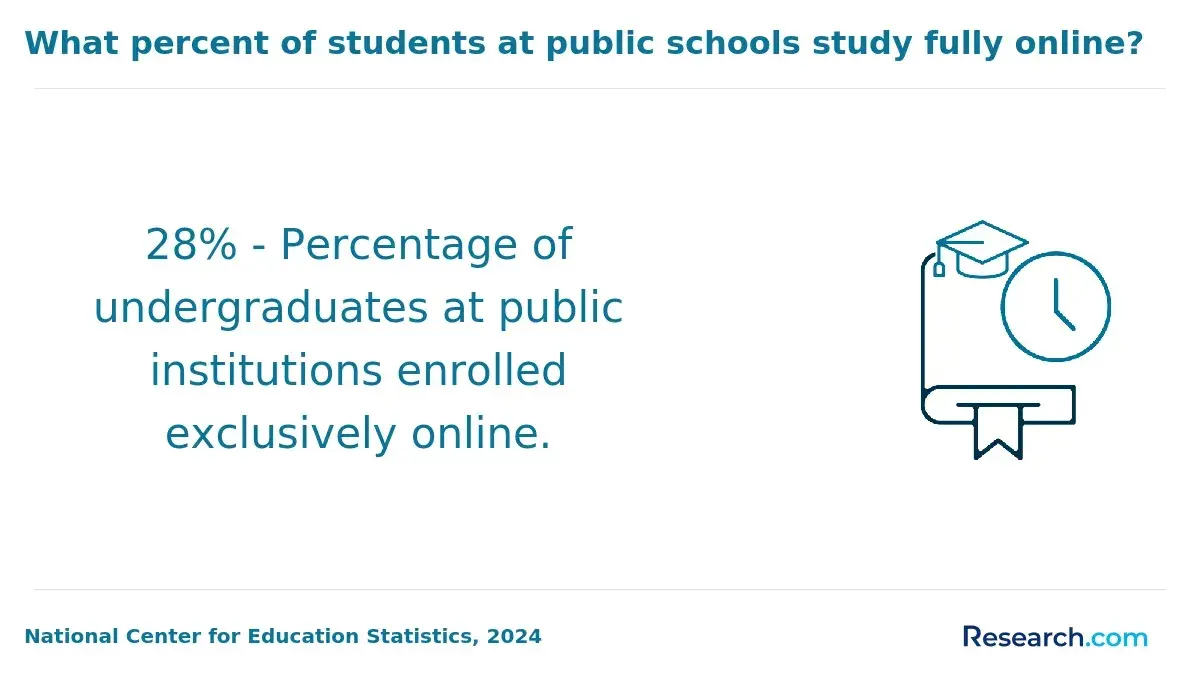
Mid-career professionals pursuing psychology - mental health degrees often face the challenge of balancing work, family, and education without derailing career momentum. With 64% of all college students now enrolled in at least some online courses, according to the National Center for Education Statistics, accessibility through online programs increasingly shapes enrollment choices.
However, not all online programs offer the same breadth of licensure eligibility or cross-disciplinary mobility, which complicates decisions for those seeking flexible yet comprehensive credentials. As credential requirements and workforce demands shift, discerning which online degree pathways align with broad helping-profession opportunities becomes essential.
This article evaluates key online psychology - mental health degrees to guide strategic, career-focused educational decisions.
Key Things You Should Know
- Graduate-level online psychology - mental health programs average $28,000 total cost, but federal labor data shows only 65% of graduates gain licensure-required credentials, highlighting costly credentialing tradeoffs.
- Healthcare employers report 42% growth in demand for broadly skilled mental health practitioners by 2030, requiring integrated training beyond therapy—curriculum gaps risk limiting graduate employability.
- Program duration varies from 18 to 48 months; accelerated tracks reduce income loss risk but may limit practicum depth, impacting readiness for complex clinical roles per a national education outcomes study.
What are online psychology mental health degrees?
Online psychology mental health degree programs offer flexible academic options but entail critical tradeoffs impacting professional outcomes. While these degrees enable work-study balance through remote learning, prospective students must scrutinize program accreditation and clinical practicum provisions to ensure eligibility for licensure in regulated roles.
For instance, many states require supervised in-person clinical hours that purely online programs cannot fully provide, complicating entry into licensed professional counselor positions or clinical psychologist careers.
Data from the National Center for Education Statistics shows U.S. institutions conferred over 173,000 psychology degrees across bachelor's, master's, and doctoral levels in 2021, reflecting robust supply. Yet employers increasingly evaluate the rigor of applied training, especially practicum experience critical for clinical roles.
Choosing the best online psychology and mental health degrees depends on student goals: those targeting clinical licensure must confirm hands-on requirements, whereas others pursuing organizational psychology, human services, or allied mental health careers without mandatory licensure can benefit from the flexibility of online study.
Key considerations include:
- Type of degree influencing qualification scope and license eligibility
- State-specific licensure board mandates for clinical supervision
- Workforce preference for demonstrable experiential components
Prospective students exploring accelerated routes should consider accelerated psychology degree online options that balance speed with practical readiness for evolving employment demands in psychology and mental health fields.
Why does accreditation matter for online psychology programs?
Accreditation is a decisive factor for online psychology program accreditation benefits, directly impacting licensure eligibility and workforce integration. Graduates from unaccredited programs risk facing licensure denial or restricted certification, which can bar them from providing counseling services, especially in states requiring degrees from regionally or programmatically accredited institutions.
For instance, a candidate pursuing substance abuse counseling without proper accreditation may find themselves ineligible for state licensure, effectively sidelining their professional practice.
Employers deliberately seek candidates with degrees from accredited mental health degree programs to ensure uniform training standards and minimize hiring risk. The projected 18% growth in behavioral health counseling jobs from 2022 to 2032, according to U.S. Bureau of Labor Statistics data signals heightened competition, where unaccredited credentials often translate to diminished job prospects or lower salaries.
Accreditation also governs credit transferability, as students moving between programs or aiming for advanced degrees frequently encounter obstacles transferring credits from non-accredited schools.
Financially, accreditation affects access to federal aid and grants, as eligibility typically depends on enrollment in recognized programs. Students considering switching programs or evaluating affordability should verify these credentials upfront. Prospective students are prudent to confirm accreditation status, licensing board criteria, and employer standards in their intended practice regions.
For those seeking a strategic pivot through a child psychology masters, such due diligence ensures academic investment leads to practical credential utility rather than becoming a costly dead-end.
Which psychology degrees lead to counseling and helping careers?
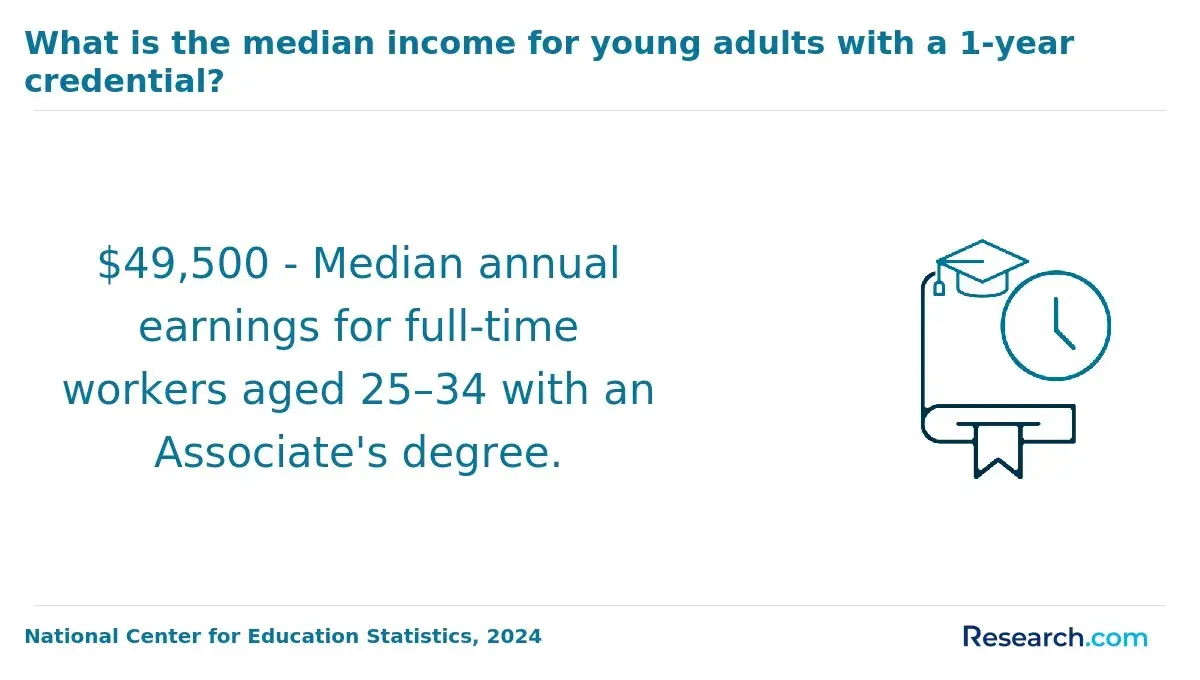
Securing a master's degree in clinical, counseling, or school psychology remains the most direct route to licensure and independent counseling roles across U.S. states, emphasizing supervised clinical practicum hours essential for Licensed Professional Counselor (LPC) credentials.
Graduates without this level typically find themselves limited to supportive positions, such as behavioral technicians or case managers, that lack autonomous clinical responsibilities.
Doctoral degrees (PhD or PsyD) offer significantly broader mobility within counseling, clinical practice, and research, enabling licensed psychologist status with authority to conduct independent assessment and treatment. This level commands a median annual wage of $94,310, nearly twice the occupational median, which underscores the earnings premium tied to advanced expertise and licensing. These degrees also better serve those targeting specialized mental health roles or academic careers.
Online mental health degrees with broad helping-profession mobility must be carefully vetted for state board-approved practicum placements and licensing-aligned curricula; programs omitting approved clinical fieldwork thwart licensure eligibility and restrict real-world employability.
Prospective students should weigh tradeoffs, including the longer timeline and higher costs of doctoral tracks, against accelerated or traditional master's programs that align closely with workforce demand for licensed counselors. Bachelor's degrees in psychology function more as stepping stones into community or rehabilitation support roles rather than standalone credentials for counseling careers in the US.
For financially conscious learners, identifying the cheapest online psychology degree options remains critical to balancing educational investment with long-term professional outcomes.
How do online and campus psychology programs compare?
Choosing between online versus campus psychology program differences requires a critical evaluation of clinical training modalities and their impact on licensure readiness. Campus programs grant direct access to supervised practicum in affiliated facilities, providing immersive clinical exposure highly regarded by employers, especially in hospital or community settings.
In contrast, online mental health degrees necessitate students independently secure offsite internships, which can introduce delays in licensure due to geographic or scheduling challenges.
The Bureau of Labor Statistics forecasts about 42,000 average annual openings for counselors in substance abuse and behavioral health through 2032, emphasizing the importance of strong practical competencies. Online students face the additional burden of proactive navigation of internship placements to meet these industry standards alongside rigorous time management to balance study with employment or career pivots.
Employers prioritize graduates' clinical skill readiness and professional presence, often bolstered by on-site networking and mentorship accessible in campus settings. Online cohorts must compensate through digital networking and self-directed outreach to attain comparable employer engagement.
Crucially, graduates must confirm their program's internship and supervision satisfy state licensure requirements to avoid costly additional training or delays.
Evaluating the comparative benefits of online and campus mental health degrees requires scrutiny beyond curriculum to include practicum logistics, employer perceptions, and licensure pathways. Those considering online programs should especially review CACREP programs known for aligning more closely with these professional standards.
What courses are in an online psychology curriculum?
Online psychology curricula in 2026 must be evaluated with a clear eye on licensure requirements and workforce expectations rather than course variety alone. Programs that exclude practicum or internship elements restrict graduates' eligibility for state-licensed clinical roles, limiting direct employability in mental health settings. For working professionals aiming to pivot, the availability of supervised field experiences affiliated with accredited sites is a non-negotiable factor.
Students seeking flexibility should weigh the tradeoffs between generalist bachelor's programs, which grew 16% from 2012 to 2021, and more specialized graduate training. Master's and doctoral programs expanded by 17% and 14%, respectively, reflecting employer demand for advanced competencies in clinical assessment, psychopharmacology, and therapeutic methods.
Technical literacy also increasingly shapes career trajectories. Proficiency in data analysis software and psychological testing aligns with roles in diagnostic labs, research institutions, and human resources, not just counseling. For example, school-based mental health professionals benefit from coursework in developmental psychopathology, while corporate wellness roles require applied social psychology and organizational behavior expertise.
Key considerations when choosing an online program include:
- Accreditation and supervised clinical fieldwork aligned with licensure states
- Specialized courses matching intended work sectors (e.g., education, corporate)
- Robust training in data analysis and testing tools prioritizing technical literacy
What admission requirements do online psychology programs usually ask for?
Acceptance into online psychology programs hinges on a bachelor's degree from an accredited institution, generally favoring psychology or related fields. Candidates must meet minimum GPA criteria-often 3.0 or higher for competitive programs-to handle the demanding graduate curriculum. Admissions panels scrutinize official transcripts for foundational coursework in research methods, statistics, and human development, essential for evidence-based Psychology - Mental Health practice.
Letters of recommendation, typically two or three, are evaluated for insights into an applicant's analytic capabilities and ethics, typically from professors or supervisors familiar with their work. A personal statement or essay is mandatory, addressing motivation, relevant experience, and career goals to reveal alignment with program expectations.
While some schools still require GRE scores, many now prefer holistic reviews that weigh academic history and practical experience. For professionals switching careers, clinical or volunteer work in mental health settings can substitute for test scores or courses, underscoring skill relevance over formal prerequisites.
Prospective students must navigate state licensure requirements, which often demand specific coursework or practicum hours. Online programs must clarify accreditation and transferability to avoid future credential invalidity across states.
Given the expanding digital therapy sector, admissions may also assess applicants' familiarity with telehealth technologies, integrating modern care competencies into curricula.
How long does an online psychology degree take and cost?
Choosing an online psychology - mental health degree requires weighing program length against career goals and real-world constraints. Bachelor's degrees usually span four years, but graduate options vary widely: master's programs run between 1.5 and 3 years, while doctoral paths extend 5 to 6 years, factoring in dissertation and practicum demands. These durations shift significantly based on enrollment status and delivery format.
For working professionals, accelerated or competency-based models may shorten timelines but often increase workload intensity, creating a balancing act with employment obligations.
Cost structures differ sharply across public and private institutions and educational levels:
- Bachelor's degrees at public universities commonly range from $10,000 to $30,000 at in-state rates.
- Master's programs typically cost between $15,000 and $45,000, sometimes higher for online formats due to added technology fees.
- Doctoral programs can exceed $100,000 depending on reputation and program length.
Licensure requirements heavily influence post-graduation employment prospects and training realities. While online formats offer flexibility, supervised face-to-face practicum placements remain essential and can add logistical complexity and expense. Employers and licensing bodies prioritize degrees with APA or equivalent accreditation.
Students must therefore consider accreditation status alongside program cost and length to avoid delays in entering the licensed workforce, which currently comprises roughly 81,000 psychologists and nearly 199,000 licensed therapists nationwide.
What jobs can you get with a psychology mental health degree?
The value of a psychology - mental health degree hinges on credential level and licensure status, which directly shape employability and professional scope. For instance, holders of a master's degree with clinical licensure can engage in counseling roles within hospitals or private practice, while doctoral graduates access advanced diagnostic and testing responsibilities that typically command higher compensation.
Conversely, graduates lacking licensure often find themselves confined to supportive or administrative functions rather than frontline clinical care.
Employment growth in outpatient mental health and substance abuse facilities has outpaced other sectors and is projected to continue robustly through 2032, reflecting a shift toward integrated care and telehealth services. Candidates with documented clinical experience—through practicum or internships—are prioritized, making accredited programs with strong clinical placement partnerships vital for timely workforce entry.
Practical challenges include navigating varied state licensure requirements and completing supervised hours, which can delay practice start dates and affect income continuity for career changers. Specialized tracks such as trauma or addiction can expedite job placement but may require flexibility in adapting to multidisciplinary teams and institutional limitations on clinical autonomy.
Professionals balancing ongoing credential maintenance must weigh workforce demand against these certification timelines and real-world constraints to avoid employment gaps or underutilization of skills.
How much do psychology and mental health careers pay?
Salary prospects in psychology - mental health vary significantly with education and work environment, influencing career decisions beyond simple credential accumulation. Master's-level roles such as licensed professional counselors or marriage and family therapists generally earn $50,000 to $70,000 annually, while doctoral-level clinical psychologists command $80,000 to $120,000 or more, particularly in private practice or specialized healthcare.
These figures must be weighed against the substantial upfront costs and time investments for advanced degrees. Master's programs cost roughly $30,000-$70,000 in tuition, whereas doctoral programs may exceed $100,000. Additionally, doctoral candidates face delayed earnings due to extended supervised clinical training necessary for licensure, impacting overall return on investment.
Employer preferences further complicate this landscape. Institutional settings often favor doctoral degrees for leadership or specialized roles, which can result in greater salary and mobility, while master's degree holders frequently face salary ceilings despite steady job availability.
For instance, a licensed clinical social worker in a community agency might earn approximately $60,000 annually, contrasted with a hospital-based doctoral clinical psychologist earning $100,000 or more.
Key considerations for prospective students include:
- Assessing opportunity costs of lengthy doctoral education versus immediate master's-level earnings
- Understanding that significant doctoral debt may not be offset early in one's career
- Aligning credential choices with realistic employer expectations and long-term financial goals
Deciding on an educational path in psychology - mental health requires balancing these practical tradeoffs to maximize career flexibility and financial stability.
What licensing or certification steps follow graduation?
Licensure requirements for graduates in psychology - mental health impose significant time and financial commitments that shape career pathways. Most clinical psychologists must complete a doctoral degree (PhD or PsyD) followed by 1,500 to 3,000 supervised postdoctoral hours—an often overlooked hurdle for career pivoters balancing income and graduate expenses.
Successful licensure hinges on passing the standardized Examination for Professional Practice in Psychology (EPPP), with state-specific variations adding complexity to licensure portability.
Alternate credentials such as Licensed Professional Counselor (LPC) or Licensed Clinical Social Worker (LCSW) typically require less time—usually a master's degree plus 2,000 to 4,000 supervised clinical hours—and provide narrower scopes focused on counseling or social work rather than full psychological diagnostics. These distinctions often dictate job roles and salary ceilings, making early licensing decisions critical.
Employers prioritize fully licensed psychologists for autonomous clinical positions, while supervision roles accommodate those still accruing hours. Navigating multi-state licensing boards and telehealth regulations further complicates practice mobility.
For example, a bachelor's-level career changer eyeing clinical psychology should realistically anticipate a 5-7 year timeline and substantial financial outlay, contrasting sharply with faster, more accessible master's-based licensure routes that limit practice scope.
Understanding these operational realities is essential for strategic workforce entry. Candidates must weigh licensing duration against market demand, recognizing a psychologist unemployment rate consistently below 1% reflects scarcity and credential barriers rather than an oversupply.
Other Things You Should Know About Psychology - Mental Health
Online programs often lack the same supervised clinical training intensity that on-campus programs provide. This creates a gap in hands-on experience employers and licensing boards expect, requiring graduates to seek supplemental in-person practicum or internships. When choosing an online degree, prioritize programs with built-in fieldwork partnerships or hybrid options to ensure real client interaction and direct supervision, which are critical for licensure and employability.
Employer perceptions vary significantly depending on the program's reputation and accreditation status rather than delivery mode alone. However, graduates from less recognized or purely online programs often face more scrutiny during hiring, especially for direct service roles. To maximize job prospects, select programs known for rigorous curricula and clinical training components; employers value demonstrated competence and relevant experience over mode of study.
Online psychology - mental health programs demand significant self-discipline as course loads often include extensive reading, research projects, and regular online participation. The lack of in-person structure leads many students to underestimate time management needs, causing delays or dropouts. To improve completion rates, choose programs with clear pacing guides, strong student support services, and options for live interaction to maintain engagement and accountability.
References
- Best Online Mental Health Counseling Psychology Programs https://mastersinpsychologyguide.com/articles/best-online-mental-health-counseling-psychology-programs/
- Best Online Bachelor's Degrees In Psychology Of 2025 https://www.psychology.org/rankings/best-online-bachelor-degree-programs/
- Careers In Psychology And Counseling With A Bachelor’s Degree | BetterHelp https://www.betterhelp.com/advice/careers/finding-careers-in-psychology-with-a-bachelors-degree/
- Licenses and qualifications that can be obtained at our university | Rissho University- Nurturing "moralists x experts". https://www.ris.ac.jp/en/employment_career_support/license_qualification_program/acquisition/index.html
- Mental Health Professional Average Salary Information - Psych Resources https://www.cmfgroup.com/knowledge-center/psychologist-mental-health-professional-malpractice/salary-information/
- Master of Arts in Mental Health https://www.uoguelph.ca/programs/master-of-arts-in-mental-health/
- Online Bachelor's Degree: Psychology https://www.umgc.edu/online-degrees/bachelors/psychology
- Online Psychology Degrees | University of Phoenix https://www.phoenix.edu/online-psychology-degrees.html
- Top 5 Highest-Paying Psychology Careers - Rivier Academics https://www.rivier.edu/academics/online/resources/program-resources/top-5-highest-paying-psychology-careers-rivier-university/