2027 Best Online Bachelor's in Psychology - Mental Health With Research-Ready Mental Health Curricula

Co-Founder and Chief Data Scientist
Professionals seeking advancement in psychology - mental health face a critical dilemma: how to secure a relevant degree without pausing their careers or sacrificing flexibility. The U.S. Department of Education reports a 15% annual increase in enrollment among adult learners in online programs, signaling a major shift toward education models that accommodate full-time work schedules and personal obligations.
This trend reflects a workforce increasingly pressed for time but eager to upskill, especially in mental health fields where demand outpaces supply by an estimated 25%. Navigating program quality, transfer policies, and real-world applicability becomes paramount. This article evaluates the best online bachelor's in psychology - mental health featuring research-ready curricula designed to meet these complex needs and enhance career prospects efficiently.
Key Things You Should Know
- Nearly 55% of psychology bachelor's graduates in 2024 enter mental health technician or support roles due to licensure barriers for clinical practice, making research-ready curricula essential for delayed clinical career milestones.
- Employers increasingly prioritize candidates with data literacy and applied research skills; integrating statistics and evidence-based practice in programs rises workforce competitiveness but narrows curricula breadth for foundational theory.
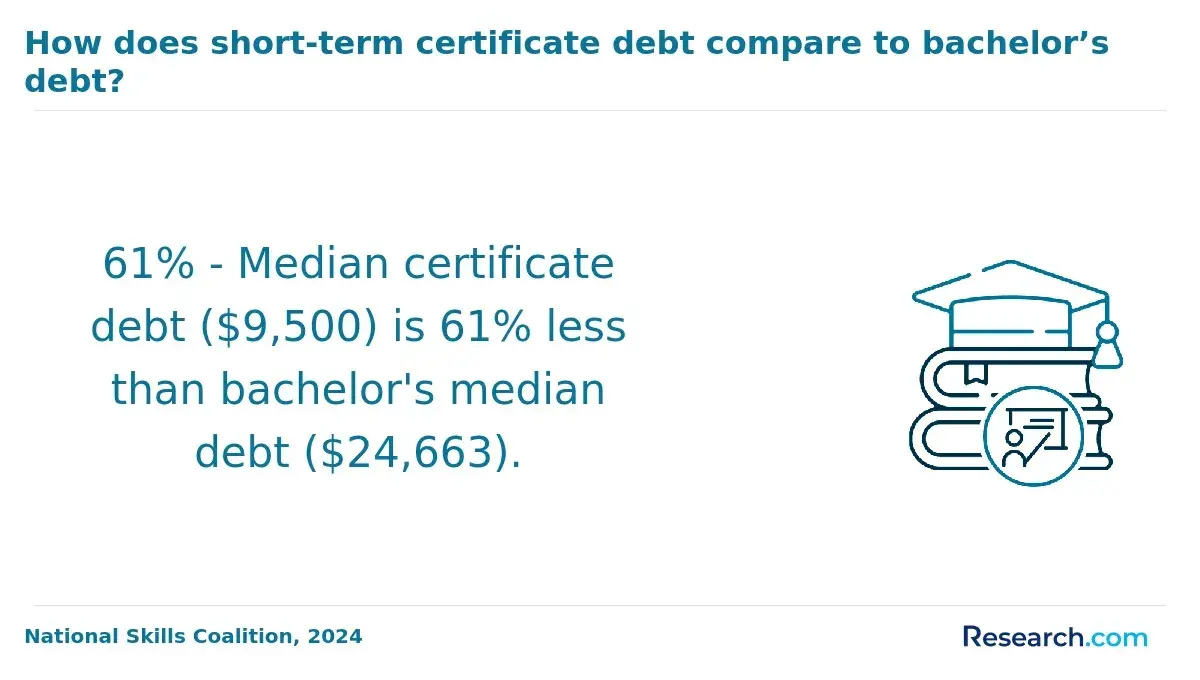
- Median debt for online mental health psychology degrees exceeds $30,000, with a 22-month median completion time-delays in credentialing amplify opportunity costs, especially affecting nontraditional students balancing work and family.
What is an online bachelor's in psychology focused on mental health, and who is it for?
Choosing an online bachelor's degree in psychology with mental health specialization involves weighing practical training against career applicability in mental health roles. Programs centered on mental wellness, developmental psychology, and counseling provide competencies aligned with employer expectations in community agencies, rehabilitation centers, and corporate wellness.
For working professionals, such as licensed practical nurses aiming to enter behavioral health coordination, online delivery offers critical schedule flexibility without sacrificing income continuity. Nevertheless, fulfilling local supervised clinical hours remains essential for accreditation and licensure prospects. Bachelor's in psychology programs focused on mental health careers distinctly emphasize intervention methodologies supported by neuroscience and psychopathology.
This focus better prepares graduates for positions requiring individualized care planning and evidence-informed practices recognized by licensure bodies and employers. However, prospective students must scrutinize program support services and practicum placement assistance due to the virtual format's limitations in hands-on exposure.
Financially, the average annual cost gap-$14,156 online versus $16,020 on campus-represents meaningful savings, particularly given modest entry-level salaries in behavioral health. These economic realities affect return on investment calculations, especially when considering future specialization, such as a PMHNP role. Interested candidates may explore the fastest PMHNP program to plan a strategic educational trajectory.
How does an online mental health psychology degree compare to a campus-based program?
Choosing between an online mental health psychology degree vs campus program involves significant tradeoffs in experiential learning and professional networking essential for clinical competency. While 57 online bachelor's degrees in mental healthcare will be available in 2025, these offerings often lack embedded clinical labs, supervised internships, and face-to-face mentorship critical for roles requiring nuanced patient engagement.
Employers in clinical or counseling settings commonly expect practicum experience acquired through campus programs, placing online graduates at a practical disadvantage without extra effort. Online mental health psychology courses serve working adults who must juggle employment or caregiving, yet students must proactively secure external internships or volunteer roles to fulfill state licensing clinical hour requirements.
For example, aspiring licensed counselors often find that online curricula do not provide direct supervised practice, necessitating additional coordination outside the program. The differences between online and traditional mental health psychology courses also impact collaborative opportunities. Campus students gain immediate access to faculty and peers for research and study groups, which enhances employability in competitive markets or graduate admissions.
In contrast, online students rely heavily on virtual communities and professional associations to build similar networks. Outcomes demonstrate slightly lower job placement for online graduates in direct care roles, though they perform comparably in entry-level administrative positions. When evaluating programs, carefully assess practicum integration and employer connections.
Those seeking advanced degrees can consider options like affordable online master's in clinical psychology to bridge gaps in clinical experience.
What accreditation and quality standards should online psychology-mental health programs meet?
Programs in online psychology-mental health that meet robust quality assurance criteria for online psychology mental health degrees prioritize accreditation from recognized regional bodies like the Higher Learning Commission or the Middle States Commission on Higher Education. This baseline is critical not only for credit transfer and employer recognition but also to ensure faculty expertise and institutional stability.
Beyond general accreditation, programs aligned with discipline-specific standards-such as those from the American Psychological Association or the Association for Psychological Science-offer curricula structured to cover core domains, including biological bases of behavior and evidence-based clinical practices. Employers increasingly expect candidates to complete a minimum of 120 credit hours to ensure sufficient exposure to essential content and skills.
Importantly, programs incorporating applied research, data analysis, or statistical training provide tangible advantages; for example, community mental health centers may value graduates proficient in behavioral research methods over those with solely theoretical knowledge. Conversely, lab-based research roles demand deeper emphasis on experimental design and software competencies.
Students must verify that programs comply with state licensing prerequisites, especially regarding supervised clinical hours, as failure to meet these requirements may cause costly licensure delays or additional training. Transparency in retention and employment outcomes remains an important evaluative measure.
Prospective students might also consult resources such as accredited online colleges for drug and alcohol counseling to understand parallels in accreditation standards and workforce alignment.
What courses and research training are included in a mental health-focused psychology curriculum?
Employers in mental health roles demand candidates who combine theoretical coursework with practical research competencies, especially in evidence-based methods. A mental health psychology course list typically integrates biopsychology, developmental psychology, abnormal psychology, and personality theories to ground students in cognitive and emotional dimensions of disorders. This foundation is critical for understanding and engaging with clinical populations effectively.
Research training in mental health psychology programs goes beyond theory, including experimental design, statistical analysis, and data software skills, which are essential for hypothesis-driven research and interpreting behavioral data. These competencies directly impact employability, as organizations seek professionals adept at quantitative reasoning and critical analysis of mental health literature.
Additional curriculum components such as ethics, multicultural competence, and applied practica or internships prepare students for diverse real-world environments. However, fully online bachelor's degrees in psychology present tradeoffs, requiring disciplined time management and reliable technology to handle remote research demands and fieldwork integration.
Students evaluating options should consider that while broad access to online psychological training increases flexibility, the practical element remains non-negotiable for workforce readiness. For those looking for accessible options, a reliable starting point is the online counseling degree listings documented by CounselingPsychology.org.
What are the typical admission requirements for online bachelor's in psychology mental health programs?
Admissions for online bachelor's in psychology mental health programs often hinge on more than just GPA or diplomas; they reflect an expectation that students are prepared to handle coursework with practical implications. A minimum GPA around 2.5 to 3.0 and official transcripts are standard, but competitive programs may also require ACT or SAT scores. For transfer students, proven competency in foundational psychology or general education courses is scrutinized.
Successful applicants usually articulate clear motivation and practical skill sets in personal statements, emphasizing research ability and interpersonal skills relevant to psychology's applied nature. Though letters of recommendation are less common, they can strengthen applications, especially where professional aptitude or academic potential must be validated.
Technical competence cannot be underestimated, as reliable internet access and familiarity with learning platforms often determine whether students can sustain coursework alongside employment. Additionally, prior exposure to statistics or behavioral science is typically expected to manage the data-driven, evidence-based focus prevalent in mental health curricula.
The financial burden is a real consideration: one flagship online program charges $129 per credit for in-state students, which can significantly affect the feasibility of continuous enrollment for working adults planning career shifts. Applicants navigating these multifaceted requirements benefit from building portfolios that demonstrate academic skill, digital literacy, and career intent-aligning closely with employer expectations in mental health roles and increasing chances of long-term professional growth.
How long do these online programs take, and what do they cost overall?
Completing a bachelor's degree in psychology - mental health typically requires 120 to 130 credit hours, equating to 4 to 5 years of full-time online study. Accelerated programs can shorten this to around three years for students transferring credits or committing to year-round coursework. However, many adult learners balance part-time enrollment with work or family obligations, extending the timeline and impacting cost efficiency.
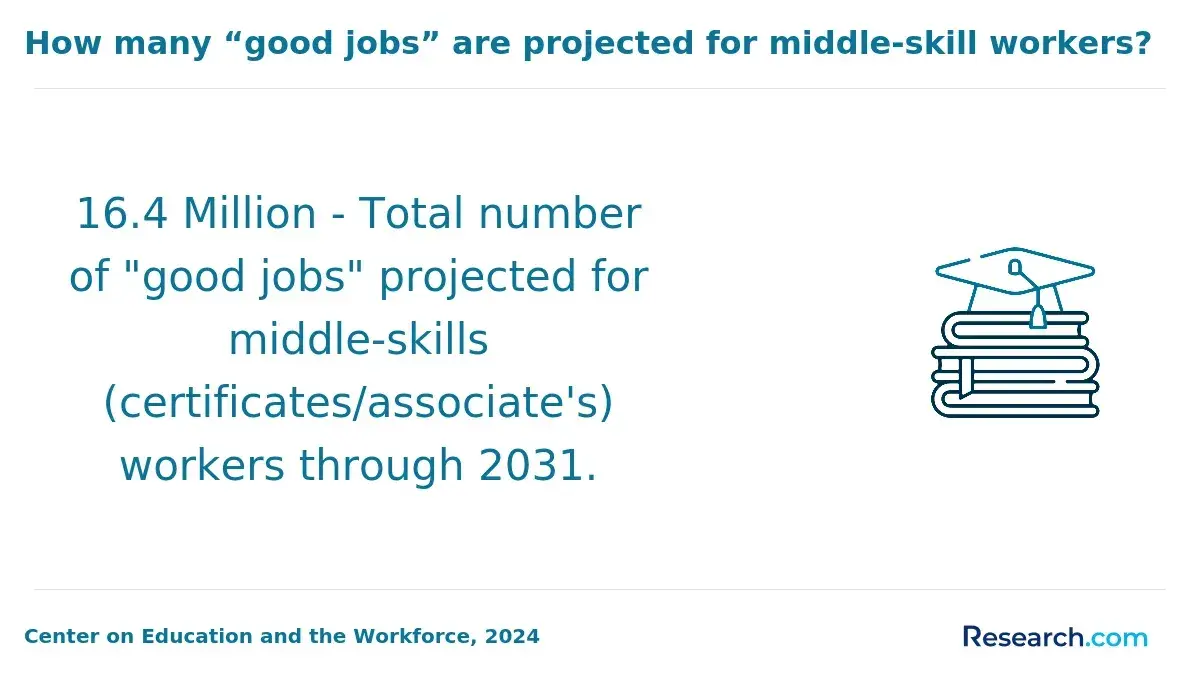
Tuition rates vary widely, significantly affecting overall financial commitment. Public universities usually charge between $100 and $400 per credit, with in-state tuition offering notable savings-for instance, the University of Florida Online charges $129 per credit for residents, bringing the degree cost near $15,480 before fees. In contrast, private schools can more than double or triple these prices, pushing costs above $40,000.
This investment must be weighed against local job market realities. Entry-level roles like mental health technicians often pay under $40,000 annually, making substantial debt a serious consideration without clear advancement or graduate education plans. Employer tuition reimbursement or military benefits may offset expenses but require upfront payment and bureaucratic navigation.
Key factors for prospective students include:
- Calculating true per-credit cost including fees and materials
- Anticipating realistic program length based on life circumstances
- Evaluating financial aid and employer support options
- Aligning educational choices with long-term career and income prospects
Careful scrutiny of these variables helps avoid costly misalignment between education duration, expenses, and workforce outcomes within the psychology - mental health field.
What mental health careers can you pursue with this online psychology bachelor's?
Holding an online bachelor's in psychology - mental health positions graduates primarily for support roles rather than independent clinical practice. Common entry-level jobs include psychiatric technician, case manager, behavioral health technician, and rehabilitation specialist. For instance, a case manager at a nonprofit might coordinate community resources for clients experiencing mental health emergencies, requiring strong organizational and interpersonal skills refined during the degree program.
Graduates cannot independently diagnose or treat conditions without further education; advanced degrees and supervised clinical hours are prerequisites for licensure in counseling or psychology. Instead, the bachelor's degree serves as a foundation for roles such as mental health social services, research assistants, or behavioral intervention staff, where applied knowledge of psychological principles supports day-to-day work.
Data from OnlineU reports that Southern New Hampshire University Online awarded nearly 3,000 BA psychology degrees recently, illustrating the competitive volume of job seekers holding this credential. Employers typically seek candidates who supplement their degree with certifications, internships, or practical experience that demonstrate competence in implementing evidence-based interventions under supervision.
- State-mandated background checks and continuing education requirements impact workforce entry and retention.
- Specializations like substance abuse counseling or geriatric mental health demand further training beyond the bachelor's.
- Networking and targeted skill development influence advancement prospects.
Within healthcare settings, these graduates generally provide adjunct support-educating patients or collecting data alongside licensed professionals-but remain limited from autonomous clinical responsibilities. The online bachelor's degree thus represents an important but initial credential in mental health careers, with practical implications shaped heavily by subsequent training and on-the-job experience.
What salary ranges and earnings potential are associated with mental health psychology roles?
Bachelor's graduates in mental health psychology confront a distinct salary plateau in entry-level roles, typically earning between $45,000 and $55,000 annually. These figures derive from U.S. Bureau of Labor Statistics data focused on adjacent fields like psychiatric technicians and social work assistants. Positions demanding more specialized skills or research involvement in clinical and academic environments commonly offer $55,000 to $70,000.
Advancement without graduate degrees or professional licensure remains limited, with master's-prepared clinicians commanding salaries from $65,000 to $90,000, per National Association of Social Workers insights. Bachelor's degree holders face restricted upward mobility-frequently capped below $60,000-in roles confined largely to support functions or case management.
Hiring preferences underscore the necessity for substantial upper-level coursework; for example, Indiana University Online requires 36 credit hours at the 300 level or above, signaling employers' expectations for foundational rigor. Candidates meeting this benchmark often benefit from improved earning potential due to increased productivity and reduced training needs.
Work environment significantly influences compensation outcomes: nonprofit agency workers typically earn less than peers employed in hospital settings or private research, where funding allows salaries near $70,000. Conversely, academic research assistants often receive stipends below $50,000 unless they possess advanced qualifications.
- Graduates must weigh the tradeoff of immediate workforce entry against slower wage growth without incremental credentialing.
- Aligning educational pathways with employer demands on upper-level coursework can be decisive for unlocking higher-pay tiers.
- Positions emphasizing research readiness or clinical competence command superior salaries compared to purely supportive roles.
How does a bachelor's in psychology support licensure or certification in mental health fields?
A bachelor's degree in psychology serves primarily as an educational foundation rather than a direct route to clinical licensure. Most U.S. boards require at least this level of academic preparation before candidates can enroll in accredited graduate programs needed for full licensure, such as Licensed Professional Counselor (LPC) or Licensed Clinical Social Worker (LCSW). Without meeting these prerequisites, pursuing those credentials is not feasible.
The degree equips students with essential knowledge in areas like developmental and abnormal psychology and research methods necessary for evidence-based practice. However, licensure demands supervised clinical experience post-graduation, which is typically unavailable at the bachelor's level. For example, becoming a Licensed Marriage and Family Therapist requires supervised hours after graduate licensure eligibility, not immediately after a bachelor's degree.
Prospective students should carefully evaluate how their chosen program aligns with state-specific licensure criteria, such as coursework in psychopathology and ethics, to avoid delays and costly credentialing gaps. Financial planning matters as well; Texas State's online BA in Psychology charges $405 per credit hour, illustrating the substantial investment before reaching licensure stages.
Understanding these multilayered requirements is critical for realistic career planning, especially for working professionals seeking a strategic pivot into mental health roles that demand advanced credentials.
How can you evaluate and choose a reputable online psychology-mental health program?
Choosing an online psychology-mental health program demands scrutiny beyond surface metrics; institutional and specialized accreditations are critical for ensuring degree legitimacy and professional recognition. Regional accreditation confirms transferability and employer acceptance, while accreditation from psychology-specific bodies, such as the American Psychological Association, reflects adherence to professional standards necessary for clinical credibility.
Curriculum rigor must emphasize evidence-based, research-ready content tailored to practical roles in counseling, clinical, or community settings. Programs lacking supervised practica risk leaving graduates underprepared for licensure requirements and workforce demands, particularly in jurisdictions requiring hands-on training.
Tuition evaluations should consider billing structures and total cost relative to part-time enrollment feasibility and expected debt burden. For example, Capella University's BS in Psychology FlexPath charges $2,575 per 12-week session, a useful data point when comparing programs with varied pricing models.
Graduation, licensure pass rates, and employer-verified placement data inform likely outcomes and career mobility. Target workplace differences matter: community mental health agencies prioritize trauma-informed, culturally competent care, while research institutions favor quantitative skills and faculty involvement in active projects.
Faculty expertise linked to ongoing research can enhance student access to contemporary datasets and networking opportunities, impacting relevance and employability. Neglecting such factors may lead to outdated curricula and limited professional growth.
Other Things You Should Know About Psychology - Mental Health
Employers in psychology and mental health typically evaluate degrees based on accreditation and demonstrated competencies rather than delivery mode. However, online degrees that integrate substantial research components and clinical skills training tend to carry more weight. When choosing a program, prioritize those offering hands-on practicum or internship opportunities, as these experiences are crucial for employer validation and practical readiness.
Online programs demand strong self-discipline because without fixed class times, students must manage complex material and research independently. Many students underestimate the time needed for research projects and clinical practicums integrated into mental health curricula. Prospective students should account for potentially heavier workloads than traditional degrees, especially when balancing jobs or family commitments, and select programs with flexible pacing and institutional support to mitigate burnout risks.
Students aiming for careers involving direct client interaction should prioritize programs offering clinical practicums or fieldwork modules, as these are often prerequisites for licensure and valued by employers. Purely academic degrees without hands-on experience limit eligibility for many mental health roles and graduate programs. For strategic career positioning, selecting a program that balances academic theory with applied practice is necessary.
References
- Compare Online Masters in Psychology https://mastersinpsychologyguide.com/articles/online-psychology-masters-without-gre-requirement/
- Raising the Bar: The Impact of Accreditation on Psychology Training | SoMAP - The Society of Modern Applied Psychology https://thesomap.org/raising-the-bar-the-impact-of-accreditation-on-psychology-training/
- Cost of Online Education vs. Traditional Education [2025]: Comparison https://educationdata.org/cost-of-online-education-vs-traditional-education
- Bachelor’s in Psychology Careers https://onlinecounselingprograms.com/mental-health-careers/bachelors-in-psychology-jobs/
- Why Get a Psychology Degree Online? | University of Bridgeport https://www.bridgeport.edu/news/reasons-to-get-your-psychology-degree-online/
- Bachelor’s in Psychology Programs Online https://www.onlinemswprograms.com/careers/social-work-vs-counseling-vs-psychology/ba-psychology/
- Become a Mental Health Counselor https://socialworklicensemap.com/social-work-resources/become-mental-health-counselor/
- CPD Mental Health Courses for Practitioners & Professionals https://maudsleylearning.com/courses/
- How to choose the best online Psychology degree? | ISEP Blog https://universidadisep.com/en/2026/06/como-elegir-la-mejor-licenciatura-en-psicologia-online-en/
- Mental Health Courses in Melbourne | Cairnmillar Institute https://www.cairnmillar.org.au/study-at-cmi/find-a-course/