2027 Online PharmD Programs for Students Who Want Doctoral-Level Healthcare Credentials

Co-Founder and Chief Data Scientist
Choosing an online PharmD is a high-stakes decision because the degree can lead to pharmacist licensure, but only if the program meets strict accreditation and state requirements. The U. S. Bureau of Labor Statistics reported a May 2024 median pharmacist wage of $137,480, making the credential financially meaningful for the right student. This guide is for career changers, pre-pharmacy students, and working healthcare professionals who want to compare formats, costs, clinical training, licensure rules, and career outcomes before applying.
Key Things You Should Know
- Online PharmD programs can satisfy the academic pathway to pharmacist licensure when they hold ACPE accreditation and include required in-person experiential training.
- Students should budget beyond tuition because federal graduate loan rates for 2024-2025 are 8.08% for Direct Unsubsidized Loans and 9.08% for Grad PLUS Loans.
- The BLS reported a May 2024 median pharmacist wage of $137,480, but employment outcomes vary by practice setting, geography, residency training, and licensure status.
What is an online PharmD program and how does it differ from campus-based study?
An online PharmD program is a Doctor of Pharmacy degree delivered partly through distance learning. It is not a short certificate or pharmacy technician program; it is a professional doctorate designed to prepare students for pharmacist licensure, medication therapy decision-making, patient counseling, interprofessional care, and clinical practice. Students researching online PharmD programs should understand that "online" usually refers to didactic coursework, not the full degree experience.
The biggest difference between online and campus-based study is delivery, not the professional standard. Online students typically complete lectures, discussions, exams, case simulations, and team projects through a learning platform, while labs, skills assessments, and clinical rotations still require in-person participation. This makes online PharmD study more flexible than relocating for a campus program, but it is rarely location-free.
The table below summarizes the practical differences that matter most when deciding whether an online format fits your life, learning style, and licensure plan.
| Feature | Online PharmD format | Campus-based PharmD format |
| Course delivery | Live or recorded online lectures, virtual discussions, exams, and case-based assignments | In-person lectures, seminars, exams, and classroom discussions |
| Labs and skills training | May require campus intensives, regional labs, or scheduled in-person skills sessions | Usually completed on campus throughout the term |
| Clinical rotations | Completed in approved healthcare sites, often near the student when placements are available | Completed through the school's affiliated practice sites, often in the campus region |
| Best fit | Self-directed students who need geographic flexibility and can travel for required in-person components | Students who prefer face-to-face structure, local peer support, and easier access to campus facilities |
| Main risk | Assuming the program can place rotations in any state or that online study eliminates travel | Underestimating relocation, commuting, or lost work time |
Online study can be a strong fit if you are disciplined, comfortable with technology, and able to schedule clinical training around family or work responsibilities. It may be a poor fit if you need daily in-person accountability, cannot travel for immersions, or live in a state where the school cannot support rotations or licensure preparation.
Are online PharmD programs accredited, and which approvals matter for licensure?
Accreditation is the first requirement to verify because it affects licensure eligibility, financial aid access, transferability, and employer trust. For U.S. pharmacist licensure, the key programmatic accreditor is the Accreditation Council for Pharmacy Education, commonly called ACPE. Institutional accreditation also matters because it supports federal financial aid eligibility and signals that the university meets broader academic standards.
ACPE accreditation is especially important because pharmacy boards generally expect applicants to graduate from an ACPE-accredited professional PharmD program. ACPE standards require pharmacy education to include didactic instruction, practice skills, patient care experiences, ethics, interprofessional collaboration, and supervised experiential education. The online label does not remove these requirements.
Students should distinguish between several approvals that sound similar but serve different purposes.
| Approval or credential | What it tells you | Why it matters |
| ACPE accreditation | The professional PharmD program has been reviewed against pharmacy education standards | Usually essential for pharmacist licensure eligibility in the U.S. |
| Institutional accreditation | The college or university meets broader academic and administrative standards | Often required for federal financial aid and academic credibility |
| State authorization | The school is allowed to offer distance education to students in certain states | Affects whether you can legally enroll from your location |
| State board recognition | The licensing board accepts the education path for pharmacist licensure | Determines whether the degree aligns with your intended license state |
| Experiential site approval | Clinical placements meet school and regulatory expectations | Protects your ability to complete required rotations on time |
A common mistake is checking only the university's accreditation and ignoring the PharmD program's ACPE status. Another is assuming that an ACPE-accredited program automatically clears every state-specific licensure hurdle. Accreditation is necessary, but students still need to confirm state exam, internship hour, background check, and application requirements.
Before applying, verify the program's ACPE status directly with the accreditor's public directory, ask the school which states it serves, and request written confirmation that the program is designed to meet educational requirements in the state where you plan to seek licensure.
Can graduates of online PharmD programs become licensed pharmacists in every state?
Graduates of accredited online PharmD programs can pursue pharmacist licensure, but they should not assume automatic eligibility in every state. Licensure is state-controlled, and each board of pharmacy can set rules for exams, intern hours, practical training, background checks, jurisprudence testing, age, moral character, and documentation.
Most U.S. licensure pathways include graduation from an approved PharmD program, successful completion of the North American Pharmacist Licensure Examination, and a state law examination such as the Multistate Pharmacy Jurisprudence Examination or a state-specific equivalent. Some states also require additional internship hours beyond what the program documents.
Because online programs may enroll students across state lines, state authorization and clinical placement capacity are critical. A school may be accredited and reputable but still unable to enroll students from certain states or arrange required rotations in a student's preferred region. This is a practical licensure risk, not just an administrative detail.
Use this sequence before committing to a program, especially if you plan to move or work in a state different from the school's home state.
- Identify the state where you want your first pharmacist license.
- Review that state board's education, exam, internship, background check, and application requirements.
- Ask the program for written state authorization and licensure disclosure information for your state.
- Confirm whether required rotations can be completed in your state or whether travel will be necessary.
- Ask how the school supports NAPLEX preparation, jurisprudence exam preparation, and board paperwork.
Students who may practice in multiple states should also learn about license transfer, reciprocity, and continuing education rules. These processes can be manageable, but they are not identical nationwide. The safest approach is to choose a program that is transparent about where it can enroll students and where recent graduates have successfully pursued licensure.
What are the typical admission requirements for online PharmD programs in the U.S.?
Admission requirements vary by school, but online PharmD programs usually expect applicants to show readiness for graduate-level science, patient care, and professional responsibility. Some programs accept students after completing prerequisite coursework, while others prefer or require a bachelor's degree. Career changers comparing healthcare routes may also look at nursing pathways, including accelerated BSN programs for non nurses California, but PharmD admissions focus more heavily on chemistry, biology, math, and pharmacy-related preparation.
The most common requirements are academic, professional, and compliance-based. Schools use them to judge whether an applicant can handle a demanding curriculum and safely enter clinical training later in the program.
- Prerequisite courses such as general chemistry, organic chemistry, biology, anatomy and physiology, microbiology, calculus or statistics, economics, and communication.
- College transcripts showing minimum GPA standards, with some schools reviewing science GPA separately from cumulative GPA.
- Letters of recommendation from faculty, pharmacists, supervisors, or healthcare professionals who can speak to readiness and professionalism.
- A personal statement or admissions essay explaining motivation for pharmacy, patient care interests, and fit with the program.
- Interview participation, often using behavioral, ethical, teamwork, or scenario-based questions.
- Healthcare, pharmacy technician, volunteer, research, or shadowing experience, which may be recommended even when not required.
- Background check, drug screening, immunization records, CPR certification, and technical standards documentation before experiential training.
The Pharmacy College Admission Test has become less central than it once was, and many schools no longer require it. That does not mean admissions are easy. Strong grades in prerequisite science courses, evidence of maturity, and a clear understanding of the pharmacist's role often carry more weight than a generic interest in healthcare.
Applicants should avoid three common mistakes: applying before prerequisites are mapped out, overlooking clinical compliance costs, and assuming online programs are less selective. A better approach is to create a course-by-course prerequisite checklist for each school, ask whether online labs are accepted, and confirm how long prerequisite credits remain valid.
How long do online PharmD programs take, and what does the curriculum include?
Online PharmD programs commonly take about three to four professional years after prerequisite coursework, though timelines vary by program design, transfer credit, academic load, and whether the school uses an accelerated calendar. Some students spend additional time completing prerequisites before entering the professional phase.
The curriculum is designed to build from biomedical science to therapeutic decision-making and then to supervised practice. The exact course names differ, but most accredited programs cover similar competency areas.
| Curriculum area | What students typically study | Why it matters in practice |
| Foundational sciences | Biochemistry, physiology, pathophysiology, pharmacology, medicinal chemistry, and pharmaceutics | Builds the scientific basis for understanding how drugs work and affect patients |
| Pharmacotherapy | Medication management for infectious disease, cardiology, oncology, endocrinology, psychiatry, and other areas | Prepares students to recommend, monitor, and adjust therapy in patient care settings |
| Patient care skills | Communication, counseling, medication reconciliation, immunization, health screening, and documentation | Develops direct-care skills used in community, hospital, and ambulatory settings |
| Healthcare systems | Pharmacy law, ethics, public health, pharmacoeconomics, managed care, and medication safety | Helps students understand regulation, cost, quality, access, and risk management |
| Experiential education | Introductory and advanced pharmacy practice experiences in real healthcare environments | Connects classroom knowledge with supervised patient care and professional judgment |
Many programs now incorporate technology-driven practice skills, including electronic health record use, clinical decision-support tools, pharmacogenomics, telehealth workflows, and medication safety analytics. These trends matter because pharmacists increasingly work with digital medication systems, population health data, and interprofessional teams rather than only dispensing prescriptions.
Accelerated programs can shorten calendar time, but they may reduce schedule flexibility. They often require year-round study, heavier course loads, and faster transitions into rotations. A traditional four-year sequence may be better for students who need time to work part time, strengthen study habits, or manage family responsibilities.
How do online PharmD programs handle labs, clinical rotations, and experiential training?
Online PharmD programs handle hands-on training through a combination of virtual preparation, in-person labs, skills assessments, and supervised pharmacy practice experiences. The ACPE model includes Introductory Pharmacy Practice Experiences and Advanced Pharmacy Practice Experiences, and those requirements cannot be replaced entirely by online coursework.
Students should expect clinical training to become more time-intensive as they progress. Early experiences may involve observation, community pharmacy exposure, health screenings, medication histories, or introductory institutional practice. Advanced rotations are more immersive and often resemble full-time professional placements.
The table below explains how the practical components usually fit together so students can anticipate travel, scheduling, and placement responsibilities.
| Training component | How it may work in an online program | Planning issue for students |
| Skills labs | Completed during campus immersions, regional sessions, simulation activities, or scheduled in-person assessments | Travel, lodging, time off work, and required attendance windows |
| Simulation | Uses virtual patients, case software, counseling recordings, and team-based clinical scenarios | Reliable technology, comfort speaking on camera, and self-paced preparation |
| Introductory experiences | Placed in community, institutional, or service-learning settings under supervision | Availability of approved sites near the student and timing during earlier years |
| Advanced rotations | Completed in settings such as ambulatory care, hospital medicine, community pharmacy, and electives | Full-time availability, transportation, state placement rules, and preceptor capacity |
| Assessment | May include objective structured clinical exams, preceptor evaluations, portfolios, and competency checks | Meeting professionalism standards consistently, not just passing online exams |
One of the most important questions to ask is who is responsible for finding rotation sites. Some schools coordinate placements directly, while others expect students to help identify potential sites that the school must approve. Either model can work, but students need clarity before enrolling.
Red flags include vague placement promises, no written explanation of travel requirements, limited support in your state, and a lack of recent rotation availability information. A reputable program should be able to explain how sites are vetted, how preceptors are trained, what happens if a site falls through, and how students are supported if they relocate during the program.
What does an online PharmD cost, and what financial aid options are available?
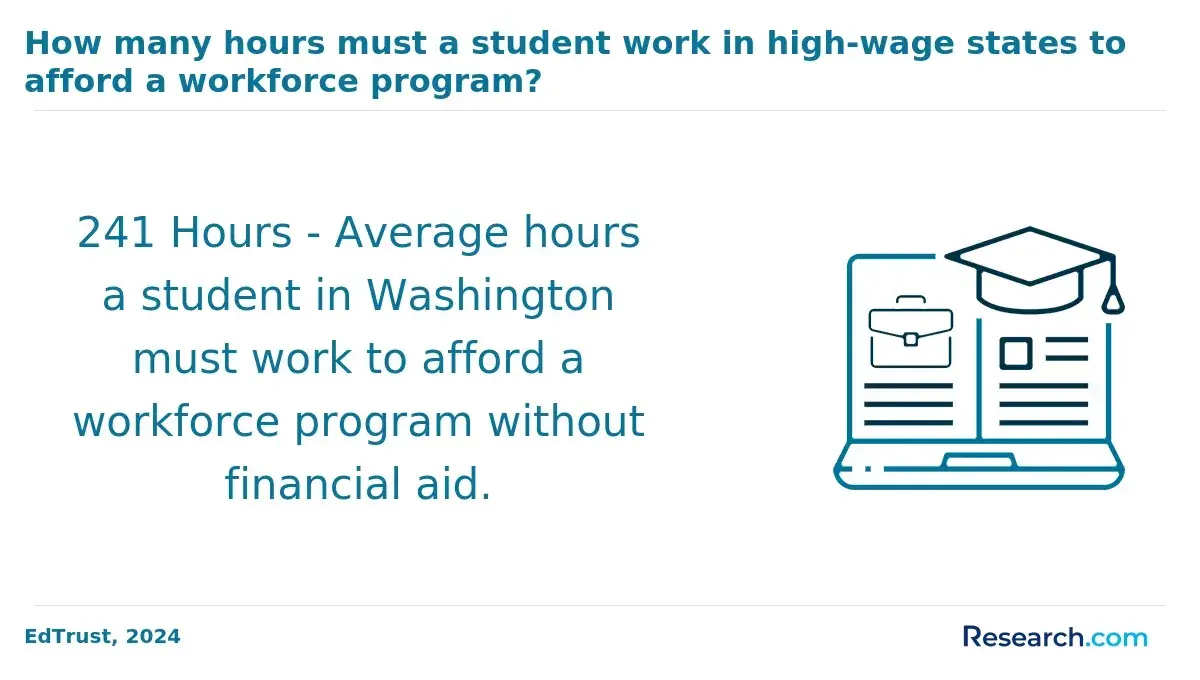
The cost of an online PharmD depends on tuition, fees, prerequisite coursework, campus immersion travel, clinical rotation expenses, equipment, books, exam preparation, licensure applications, and lost income if study reduces work hours. Published tuition is only one part of the real cost of attendance.
Federal borrowing costs also matter. For 2024-2025, the U.S. Department of Education set graduate Direct Unsubsidized Loans at 8.08% and Grad PLUS Loans at 9.08%. That means students should compare programs not only by sticker price but also by how much they may need to borrow and how quickly interest can accumulate.
Students should build a full budget before applying. The list below highlights common costs that are easy to miss when comparing online programs.
- Tuition charged per credit, term, semester, or professional year.
- University fees, technology fees, lab fees, assessment fees, and graduation fees.
- Travel, lodging, meals, parking, and time away from work for required campus immersions.
- Clinical rotation expenses, including transportation, background checks, drug screening, immunizations, uniforms, and site documentation.
- Licensure-related expenses such as exam registration, board applications, study materials, and fingerprinting.
- Interest on graduate loans, especially if borrowing continues for multiple professional years.
The table below shows major financial aid and funding options and how students should think about them. It is a planning overview, not a guarantee of eligibility.
| Funding option | How it may help | Important limitation |
| Federal Direct Unsubsidized Loans | Can help graduate and professional students borrow without demonstrating financial need | Interest accrues, and annual borrowing limits may not cover the full cost |
| Grad PLUS Loans | May cover remaining cost of attendance after other aid | Higher interest rate and credit-related approval requirements |
| Scholarships and grants | Reduce borrowing when available through schools, associations, employers, or foundations | Often competitive and may not renew automatically |
| Employer tuition assistance | Useful for pharmacy technicians or healthcare employees pursuing advancement | May require work commitments, grade minimums, or reimbursement after course completion |
| Military or public service benefits | May support eligible service members, veterans, or public service employees | Rules vary and should be confirmed before enrollment |
A practical return-on-investment review should include expected debt, licensure timeline, likelihood of needing residency training, local pharmacist wages, and your preferred practice setting. The least expensive program is not always the best value if it lacks placement support, licensure alignment, or strong student outcomes. At the same time, a higher-cost program should justify its price through accreditation, support services, transparent outcomes, and clinical access.
What pharmacist and non-pharmacist careers can a PharmD help you pursue?
A PharmD is primarily designed for pharmacist licensure, but the credential can support several patient care, operations, industry, policy, and leadership paths. Students who want healthcare leadership without prescribing or dispensing responsibilities may also compare online programs for healthcare administration, because those degrees usually focus more on finance, operations, compliance, and management than medication therapy.
Pharmacist roles vary widely by setting. Community pharmacists often focus on dispensing, counseling, immunizations, medication synchronization, and patient access. Hospital and clinical pharmacists may participate in rounds, monitor therapies, manage antimicrobial stewardship, and advise care teams. Managed care pharmacists may work on formularies, prior authorization, quality measures, and population-level medication use.
The table below compares common PharmD-linked career directions and what students should know before choosing electives, rotations, or postgraduate training.
| Career path | Typical responsibilities | Preparation that can help |
| Community pharmacist | Dispensing, counseling, immunization, medication therapy management, and patient education | Community rotations, communication skills, workflow management, and state immunization rules |
| Hospital or health-system pharmacist | Medication verification, clinical monitoring, sterile products oversight, and collaboration with care teams | Institutional rotations, residency interest, acute care electives, and strong pharmacotherapy skills |
| Ambulatory care pharmacist | Chronic disease management, medication optimization, adherence support, and clinic-based patient care | Ambulatory rotations, motivational interviewing, collaborative practice exposure, and residency training when preferred |
| Managed care pharmacist | Formulary management, utilization review, prior authorization, quality programs, and cost-effectiveness analysis | Managed care electives, pharmacoeconomics, population health, and data interpretation |
| Pharmaceutical industry role | Medical affairs, drug safety, regulatory affairs, clinical research, or medical information | Industry electives, fellowship interest, research experience, and scientific communication skills |
| Non-pharmacist healthcare role | Medication safety, informatics, public health, consulting, compliance, or healthcare operations | Additional training in data, administration, informatics, policy, or business may be useful |
Residency training is not legally required for every pharmacist job, but it can be important for competitive clinical, hospital, ambulatory care, academic, and specialty positions. Fellowships are more common for students aiming at pharmaceutical industry careers. Students should ask programs how they support residency applications, research experience, professional networking, and specialty electives.
Technology is changing pharmacy work. Automation can handle parts of dispensing and inventory, while pharmacists are increasingly expected to contribute to clinical decision-making, adherence improvement, chronic disease support, pharmacogenomics, medication safety, and data-informed care. Students who build communication, informatics, and patient assessment skills may be better positioned than those who view pharmacy only as prescription processing.
What salary ranges and job outlook can PharmD graduates expect in healthcare?
PharmD salary outcomes depend on licensure, setting, location, experience, hours, residency or fellowship training, and employer type. The BLS reported a May 2024 median annual wage of $137,480 for pharmacists. Readers should use that figure as a labor-market benchmark, not a promise of individual earnings.
The BLS occupational outlook published for 2023-2033 projected 5% employment growth for pharmacists, which is about as fast as the average for all occupations. This suggests steady demand, but not unlimited opportunity in every local market. Competition can be stronger for desirable clinical roles, while retail, hospital, rural, specialty, and managed care markets may differ significantly.
The table below summarizes salary and outlook context by career direction. It is intended to help students evaluate fit, not to predict a specific job offer.
| Path | Salary context | Outlook considerations |
| Licensed pharmacist roles | The national pharmacist median was $137,480 in May 2024 according to BLS data | Licensure is essential, and local demand varies by employer mix and region |
| Clinical or hospital pharmacy | Compensation can be competitive, but role access may depend on residency, experience, or specialization | Students should investigate residency match support and local health-system demand |
| Community pharmacy | Often offers broad entry access for licensed pharmacists, though schedules and workload can vary | Automation, staffing models, and expanded clinical services influence role design |
| Managed care or industry | Pay structures may differ from traditional pharmacist roles and can include corporate career ladders | Networking, fellowships, data skills, and relevant rotations may matter more than degree format |
| Non-pharmacist healthcare roles | Salary may align more closely with administration, informatics, policy, research, or consulting markets | Additional credentials or experience may be needed to compete outside licensed practice |
Students should also consider opportunity cost. A PharmD may involve several years of intensive study and clinical training, and some graduates pursue additional residency or fellowship years. The degree may be worth the investment for students committed to medication-related patient care or specialized pharmacy careers. It may be less efficient for students mainly interested in general healthcare management, where a management-focused graduate degree could be a more direct route.
How can students compare and choose a reputable online PharmD program?
Choosing a reputable online PharmD program requires more than comparing tuition and convenience. Students should evaluate accreditation, state authorization, licensure alignment, clinical placement support, student outcomes, technology expectations, and total cost. Those interested in leadership rather than pharmacist licensure may also compare a fast online master's in healthcare management as a shorter, management-centered alternative.
Start with non-negotiables first. If a program does not meet licensure requirements in your target state, it should not stay on your shortlist no matter how flexible or affordable it appears. After that, compare practical fit and outcomes.
- Verify ACPE accreditation for the PharmD program, not just institutional accreditation for the university.
- Confirm the school is authorized to enroll students from your state and that it discloses whether the program meets your state's pharmacist education requirements.
- Ask how labs, campus visits, and skills assessments are scheduled and whether attendance windows are flexible.
- Request details on clinical placement responsibility, approved sites, preceptor support, and what happens if a placement becomes unavailable.
- Compare total cost of attendance, including travel, fees, clinical compliance expenses, loan interest, and lost income.
- Review NAPLEX preparation support, on-time progression policies, remediation options, graduation outcomes, and residency or employment support.
- Speak with current students or recent graduates about workload, faculty access, placement quality, and online learning support.
The following comparison table can help you interpret what different program signals mean. Use it to separate meaningful quality indicators from marketing claims.
| What to compare | Strong signal | Red flag |
| Accreditation | Clear ACPE status and institutional accreditation information | Only vague claims such as "recognized" or "approved" without verifiable details |
| Licensure disclosure | State-by-state information and written guidance for your intended license state | Admissions staff say "it should be fine" without documentation |
| Clinical placements | Transparent placement process, site approval standards, and contingency planning | Students are expected to find sites with little school support |
| Online support | Faculty access, tutoring, advising, technology help, and structured cohort communication | Heavy self-study model with limited academic support |
| Cost transparency | Full cost of attendance estimate including fees and in-person requirements | Only per-credit tuition is advertised |
| Outcome transparency | Accessible information about board exam preparation, progression, rotations, and career services | No meaningful outcome data or unwillingness to discuss student challenges |
The best choice is the program that aligns with your state, schedule, learning style, clinical placement needs, and career goal. Avoid relying on rankings alone. A highly visible program may still be a poor fit if it cannot support rotations where you live, while a less advertised program may be stronger for your state, budget, or practice interests.
Other Things You Should Know About PharmD
Online PharmD students must complete supervised experiential training, including Introductory Pharmacy Practice Experiences and Advanced Pharmacy Practice Experiences. ACPE-accredited programs typically require about 1,440 hours of APPEs, usually in pharmacies, hospitals, and other patient-care settings, before graduation and licensure eligibility.
Math proficiency is crucial for online PharmD programs, as pharmacy coursework involves calculating dosages, understanding pharmacokinetics, and analyzing data. Strong math skills facilitate success in these areas, ensuring accurate medication management and patient safety.
Some students work part time during didactic coursework, but full-time work is difficult and may become unrealistic during labs, exams, and rotations. Ask each program about workload expectations before assuming employment will fit.
Students typically need a reliable computer, high-speed internet, webcam, microphone, secure testing tools, and access to required software. Programs may also require specific browser settings, simulation platforms, or electronic health record training tools.
References
- Pharmacy Doctorate (PharmD) Salary and Career Outlook https://teach.com/online-ed/healthcare-degrees/online-pharm-d-programs/pharmacy-doctorate-salary-career-outlook/
- What Goes into the Cost of Pharmacy School? - ELFI https://www.elfi.com/the-average-cost-of-pharmacy-school/
- Non-Traditional Jobs For Pharmacists - Some That Are Outside The Pharmaceutical Industry https://www.freece.com/blog/non-traditional-pharmd-jobs/
- Do All Pharmacy Programs Offer Experiential Education? https://www.belmont.edu/stories/articles/2024/pharmacy-program-experiential-education.html
- Best Online PharmD Programs https://pharmddegree.com/choosing/best-online-pharmd-programs
- Doctor of Pharmacy Admission https://www.pacific.edu/pharmacy/pharmd
- Earn Your PharmD with Flexibility: Explore the Hybrid Program at West Coast University | West Coast University https://westcoastuniversity.edu/blog/earn-your-pharmd-with-flexibility-explore-the-hybrid-program-at-west-coast-university
- Highest Paying Jobs After PharmD in India: Salary & Career Scope https://lloydpharmacy.edu.in/blog/highest-paying-jobs-after-pharmd-india.html
- Pharmacy School Costs in 2025 https://pharmacy.uworld.com/blog/how-much-does-pharmacy-school-cost/
- Start Your Future at the Only Online Pharmacy School in Ohio https://pharmdonline.findlay.edu/