2027 Best Online Legal Studies Degrees for Career Advancement

Co-Founder and Chief Data Scientist
Legal studies professionals often confront a pivotal challenge: advancing their careers while balancing demanding schedules and financial constraints. According to the National Center for Education Statistics, over 40% of graduate students in recent years have enrolled in online programs, reflecting a significant shift toward flexible education models crucial for working adults.
This trend matters because traditional, rigid campus schedules frequently exclude those seeking career mobility or reentry into the legal field. Choosing an online legal studies degree can bridge that gap, but not all programs offer the same outcome-driven structure or employer recognition. This article evaluates top online legal studies degrees that enable strategic career advancement through practical, accessible learning pathways.
Key Things You Should Know
- Accelerated online legal studies degrees reduce opportunity costs but often limit in-person internship access, impacting practical experience critical for employer evaluation according to the National Association for Law Placement 2024 data.
- Employers increasingly require evidence of applied legal tech proficiency embedded in curricula; programs excluding modern tools produce 18% lower hiring outcomes per the Bureau of Labor Statistics labor market report 2024.
- Rising tuition inflation outpaces median wage growth in paralegal roles by 6% annually; students must weigh upfront cost burdens against a 14% five-year projected job growth constrained to metropolitan hubs.
What is an online legal studies degree and how does it differ from a law degree?
The choice between an online legal studies degree vs law degree comparison hinges on distinct career outcomes and practical tradeoffs. Legal studies focuses on imparting applied legal knowledge suitable for paralegals, compliance officers, and other support roles, avoiding the deeper advocacy and case law expertise required for bar eligibility and attorney practice.
For example, a human resources manager might pursue an online legal studies degree to navigate employment law without the time and expense of a law degree, which typically demands three years of full-time study versus 1 to 2 years for legal studies. Employers differentiate sharply between legal studies graduates and JD holders.
Legal studies grads fill operational and procedural roles, while law degree holders take on advisory and courtroom responsibilities. This distinction reflects in the curriculum where legal studies emphasize legal research, ethics, and system navigation without extensive litigation preparation. Given these differences, students must align their choice with workforce realities and career goals. Practical considerations include program length, cost, and targeted job functions.
With over 170 online legal studies degrees available, those seeking efficient legal knowledge for support roles might also explore options at paralegal school online. In summary, understanding the differences between online legal studies programs and law degrees is essential for making a strategic education investment that matches role expectations and professional licensing requirements.
Are online legal studies degrees respected and properly accredited in the United States?
Employers evaluating legal studies degrees increasingly prioritize whether the institution holds recognized U.S. accreditation over delivery mode, reflecting stringent hiring standards. Online legal studies degrees accredited by regional or national bodies approved by the U.S. Department of Education ensure compliance with professional benchmarks that most employers require, making accreditation a critical factor in career trajectories. Without this, graduates may face limited eligibility for certifications or restricted bar admission, constraining long-term flexibility.
Consider a compliance analyst in financial services who relies on a legally grounded education to interpret rapidly evolving regulations. Their employer expects an accredited degree recognized by the American Bar Association (ABA) or equivalent regional agencies as assurance of the graduate's competence. Conversely, non-accredited online programs often lack the breadth to support such specialization and professional validation.
Practical realities demand programs align with state-specific legal frameworks and updated case law, while offering resources comparable to on-campus education such as virtual libraries and internships. Notably, students research financial commitments carefully; factors like the criminal justice degree online cost often inform decisions on program value tradeoffs.
In the United States, the recognition and respect of online legal studies degrees depend substantially on these institutional credentials, which underpin the degree's market credibility and influence employer trust in the qualification.
How do online legal studies programs compare to campus-based options in cost and flexibility?
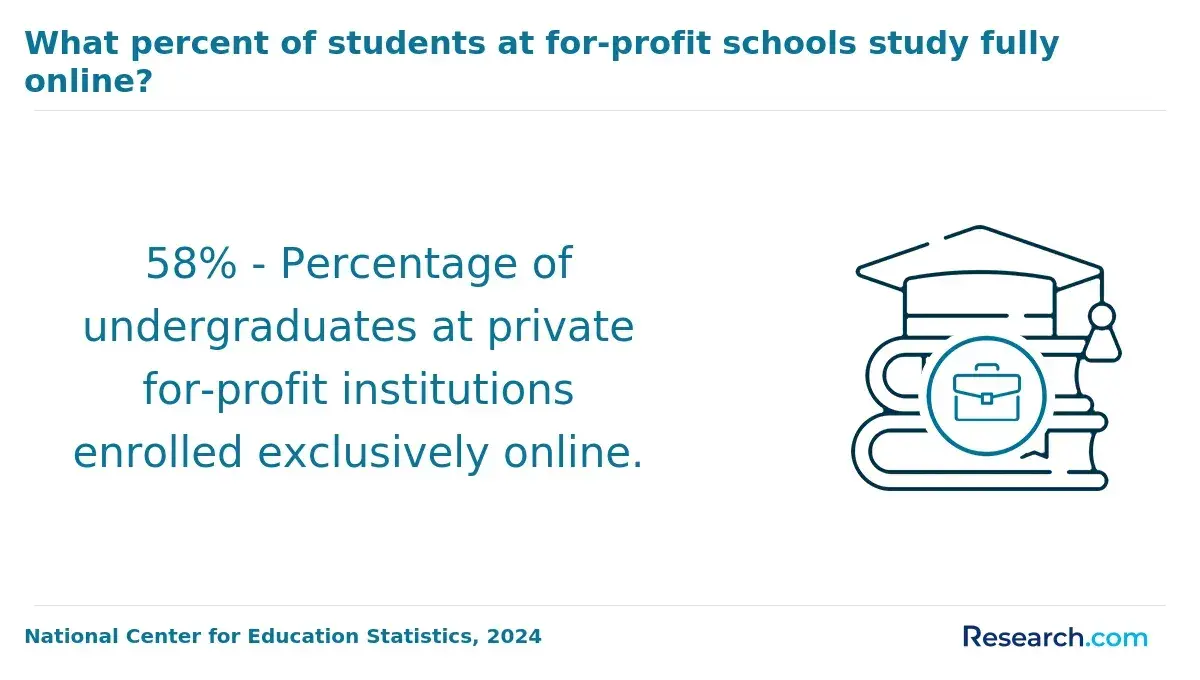
Choosing between online and campus-based Legal Studies programs requires weighing flexibility against tangible career advantages. Online legal studies degree cost comparison reveals savings typically ranging from 10% to 25% over traditional programs, largely due to waived commuting, housing, and campus fees. Yet, these financial benefits come with tradeoffs: campus programs often provide richer access to internships, networking, and direct faculty engagement, factors employers heavily favor in metropolitan legal markets.
A working professional juggling employment is more likely to enroll online, benefiting from asynchronous coursework that fits nontraditional schedules. Conversely, recent graduates aiming for competitive law firms might prioritize campus exposure despite higher costs exceeding $20,000 annually, while online options remain under $15,000. Public institutions sometimes offer in-state rates for online students, complicating cost comparisons further. The U.S. Bureau of Labor Statistics projects 4% employment growth for paralegals and legal assistants through 2032, with a median wage of $59,200.
This stability shifts emphasis onto quality training and employer recognition as key factors shaping long-term earnings potential. Realistically, students must decide if proactive networking can offset diminished face-to-face opportunities when selecting a flexible online legal studies program versus investing in the intangible benefits of campus presence. Resources for those evaluating a criminal justice major offer valuable context in cost and structure comparisons that parallel decisions in Legal Studies pathways.
What types of online legal studies degrees and specializations can students pursue?
Online legal studies degrees and specializations in the United States vary significantly, affecting both employability and practical career impact. Selecting between bachelor's, master's, or certificate programs requires careful alignment with workplace expectations, particularly for career-focused online legal studies programs for professionals. For instance, compliance and regulatory affairs tracks equip students to manage the nuanced federal guidelines prevalent in finance and healthcare, while criminal justice specializations prepare individuals for law enforcement roles by integrating legal frameworks with public safety concerns.
Employers increasingly value programs embedding internships or applied case studies that produce immediate skills over purely theoretical curricula. Those aiming for dispute resolution roles benefit from mediation-focused training to navigate workplace conflicts effectively. However, general legal studies degrees may limit job prospects without additional specialization or hands-on experience.
Financially, an online master's in legal studies typically costs around $19,127 in tuition and fees, with actual net prices averaging $17,478 after financial aid-a 9% decrease that influences return-on-investment considerations for mid-career learners balancing cost with salary potential.
Program flexibility, accreditation, and career outcomes data remain critical criteria in decision making. Prospective students should also consider parallel fields offering strategic value; for example, exploring online degrees in Spanish could complement legal studies by enhancing cross-cultural communication skills in multinational compliance roles.
What courses and skills are typically included in an online legal studies curriculum?
Online legal studies programs prioritize actionable skills closely aligned with employer expectations in legal support roles. Beyond foundational topics such as constitutional and contract law, curricula incorporate technology competencies like case management software and e-discovery tools to ensure graduates meet workplace demands for digital fluency.
Students must develop proficiency in document drafting and legal terminology tailored to distinct career tracks. For instance, a paralegal aiming to transition into corporate compliance needs specialized training in regulatory frameworks and investigation techniques, while those entering court administration benefit from a focus on procedural law and litigation support software. This practical integration of theory and applied skills directly influences operational accuracy and risk mitigation within legal environments.
Empirical data from the 2024 BestColleges Online Education Trends indicate that 73% of learners judge online legal studies programs as matching or surpassing onsite quality. This equivalence validates online delivery as a viable option for professionals seeking to upskill amid geographic or scheduling constraints, though students must adapt to challenges like disciplined case law study and securing remote database access.
Employers emphasize critical thinking and the ability to synthesize complex legal information across scenarios-capabilities strengthened by rigorous assignments and simulations commonly embedded in accredited online offerings. Practical readiness in these areas remains a key differentiator in workforce success.
What admission requirements do accredited online legal studies programs usually have?
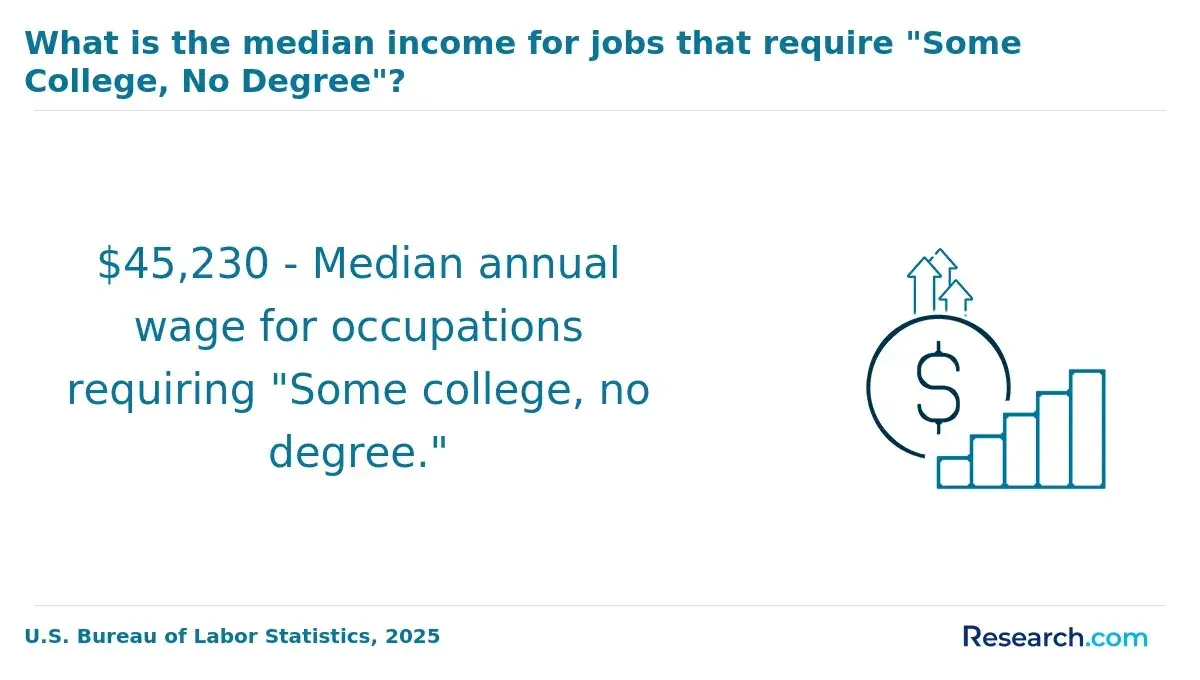
Admission requirements for accredited online legal studies programs often reflect a balance between academic baseline and practical readiness. Institutions commonly require a high school diploma or GED with a minimum GPA near 2.5, but competitive programs raise the bar by demanding official transcripts, standardized test scores, personal statements, and sometimes evidence of relevant work experience or internships. Such criteria distinguish applicants capable of thriving in rigorous legal environments.
Applicants targeting mid-level legal support roles may benefit from programs with streamlined documentation and lower tuition, which can range from approximately $11,617 annually at the University of Central Florida to $41,196 at the University of California, Berkeley. Meanwhile, those pursuing roles like paralegals or legal analysts often face stricter admissions aligned with stronger career placement metrics.
Additional factors include:
- Letters of recommendation and demonstration of critical thinking or legal exposure may be required for selective programs.
- Background checks are common in programs with practicum components linked to law enforcement or court settings.
- Transfer credit eligibility and accelerated paths demand careful alignment of prior education.
Strategically navigating these requirements involves evaluating how personal academic and professional backgrounds align with program expectations while considering cost and career outcomes. This operational approach mitigates enrollment delays and improves alignment with workforce demands.
How long does it take to complete an online legal studies degree, and can you accelerate it?
Completing an online legal studies degree involves navigating tradeoffs between accelerated timelines and practical workload management. Typically, programs require about 36 credits, with part-time students taking two to three years to finish, while full-time or accelerated students may complete coursework in 12 to 18 months by increasing credit loads and enrolling through summer terms.
However, compressing the schedule demands disciplined time management and employer support, especially for working professionals like paralegals seeking rapid promotion. Financially, the average tuition near $19,127 equates to approximately $531 per credit, making accelerated study more costly per term due to upfront credit payments. This can affect cash flow and eligibility for aid, prompting some students to incur additional debt.
Employers in compliance or contract analysis roles typically value measured progress that balances steady work performance with ongoing education. Fast-tracking risks burnout and reduced comprehension, which may undermine longer-term employability. Students who must juggle demanding jobs and personal commitments often find a paced approach more sustainable, enhancing real-time skill application.
Key considerations when deciding on program length include:
- Current workload and employer flexibility.
- Financial capacity for increased immediate expenses.
- Individual learning preferences and resilience.
Assessing these factors realistically ensures the degree's value translates into practical advantage rather than ephemeral credential speed.
What careers can you pursue with an online legal studies degree, and where do graduates work?
Legal studies degrees position graduates primarily for support roles that are essential yet distinct from practicing law. For example, paralegals or legal assistants in varied settings-from small firms to government agencies-must excel in research and case management without the authority to provide legal representation. This limitation directs many graduates toward compliance or regulatory positions, where detailed knowledge of industry-specific laws in finance, healthcare, or manufacturing becomes indispensable for risk mitigation and legal adherence.
Employer expectations emphasize practical competency over theoretical understanding, making skills in documentation and procedural compliance critical. Legal analysts and court clerks, often employed in courts or law enforcement agencies, illustrate how legal studies graduates streamline judicial workflows by managing case files and schedules accurately.
Work environments commonly include:
- Private law firms ranging from small practices to multinational firms.
- Corporate legal departments supporting contract management and litigation prep.
- Local, state, and federal government agencies including regulatory bodies and public defenders' offices.
- Nonprofits focusing on advocacy, legal aid, or social justice.
- Healthcare institutions handling compliance with health regulations.
Tuition rates reported as low as $179.19 per credit hour provide an economical alternative for working professionals seeking career shifts or expanded qualifications without incurring substantial debt. However, potential students should weigh the absence of courtroom practice eligibility against the broader access these degrees offer to multiple legal-adjacent roles.
What salary ranges and job outlook can legal studies graduates expect in today's market?
Salary outcomes for legal studies graduates depend heavily on sector focus and skill specialization rather than degree completion alone. Entry-level paralegals and legal assistants typically earn about $55,000, while roles like compliance officers or contract administrators can command median salaries near $80,000, particularly when combined with industry knowledge in finance or healthcare.
More advanced positions in corporate legal departments or government agencies may push salaries toward $90,000 or above, but these usually require additional certifications or practical experience beyond the degree. Job growth for legal-related roles is moderate, projected at roughly 5% through 2032, indicating stable but competitive labor market conditions.
Candidates who fail to develop expertise in specialized areas such as cybersecurity compliance or environmental law often face earnings plateaus due to skill commoditization. Graduates must therefore weigh the educational investment against practical skill acquisition and market demands. Since 2025, many online MLS programs-including those removing GRE or LSAT admissions barriers-have expanded applicant pools, intensifying competition.
This trend places a premium on internships, e-discovery skills, and technological proficiency to differentiate candidates for desirable roles. Ultimately, aligning legal studies education with targeted sectors and validated skills-rather than only broader legal knowledge-maximizes employability and long-term salary prospects in a diverse and evolving workforce landscape.
How can you evaluate and choose a reputable online legal studies program for career advancement?
Choosing an online legal studies program requires more than verifying accreditation; its curriculum must align tightly with contemporary legal workplace demands. Accreditation recognized by the U.S. Department of Education is a baseline for employer acceptance and federal aid eligibility, but graduates benefit most when programs deliver practical skills-legal research, writing, case analysis-that directly influence paralegal, compliance, or legal assistant employability.
Consider how internship availability and networking shape career trajectories in specialized fields. For example, a compliance professional should prioritize programs offering corporate legal exposure, while aspiring court administrators need judicial internship placements. These experiences often separate nominal qualifications from valuable, market-relevant credentials.
Employer outcomes data matters: online graduate programs report an 88% positive impact on career goals. Yet, this leaves a notable minority without tangible gains, reflecting the uneven quality across offerings. Students must weigh program cost against faculty expertise and industry connections since cheaper programs often sacrifice long-term advancement potential.
Reliable technology platforms combined with dedicated career services enhance completion and job placement rates, a critical factor when navigating virtual education. Ultimately, rigorous evaluation of curriculum relevance, hands-on experience options, and program support is essential to avoid costly career detours.
Other Things You Should Know About Legal Studies
Choosing between part-time and full-time depends on your current work and personal commitments, but full-time enrollment typically accelerates skill acquisition and job market entry. Employers value timely degree completion when tied to clear career progress. Part-time learners should prioritize programs with structured pacing and regular deadlines to maintain focus, as prolonged durations can dilute momentum and delay advancement opportunities.
Employers prioritize demonstrated competencies over the delivery format, but recognition of online degrees varies depending on program rigor and accreditation. Degrees from regionally accredited, well-established institutions with practical coursework carry more weight than obscure or unaccredited providers. Graduates should complement their degree with internships or certifications to validate skills and mitigate skepticism in competitive legal support job markets.
Yes, but certification usually requires more than the degree alone. For example, NALA’s Certified Paralegal exam requires a qualifying education path, and many employers also want coursework in legal research, ethics, and civil procedure. Some states or employers add a paralegal certificate or supervised experience requirement.
References
- Job Outlook for Lawyers in the Current Market https://nbi-sems.com/blogs/news/job-outlook-for-lawyers
- Related Law and Legal Degrees https://onlinemasteroflegalstudies.com/law-degrees/
- How Long Does It Take to Get a Law Degree Online? - St Francis School of Law https://stfrancislaw.com/blog/how-long-does-it-take-to-get-a-law-degree-online/
- How Long is Law School: A Guide for a Future Law Student https://mypaperhelp.com/blog/how-long-is-law-school
- Top 10 Skills You Gain from Online Law Courses - https://lexmatter.org/blog/
- Navigating the Legal Landscape: Online Legal Studies Programs for Every Ambition https://www.paralegalinst.com/online-legal-studies-program-complete-guide
- BA in Legal Studies https://www.umassglobal.edu/academic-programs/ba-legal-studies
- Online Bachelor's Degree: Legal Studies https://www.umgc.edu/online-degrees/bachelors/legal-studies
- Curriculum | Master of Legal Studies Online Missouri | UMKC https://onlinemls.law.umkc.edu/curriculum/
- Is Online Legal Education Recognized in the United States? https://lakewood.edu/online-legal-education-recognition/