2027 How to Choose an Online Healthcare Administration Degree for Healthcare Compliance Careers

Co-Founder and Chief Data Scientist
Choosing an online healthcare administration degree for compliance work means weighing accreditation, cost, curriculum, career fit, and risk-management training. The decision matters because healthcare organizations face heavier scrutiny after large-scale data and billing disruptions; the Change Healthcare breach was reported to federal regulators as affecting about 100 million people.
This guide is for prospective students, career changers, and healthcare workers who want a practical path into compliance. You will learn how to compare programs, avoid red flags, estimate costs, and connect degree choices to real healthcare compliance roles.
Key Things You Should Know
- For compliance careers, prioritize regionally accredited schools and healthcare-focused programs with coursework in healthcare law, HIPAA, ethics, reimbursement, risk management, quality improvement, and data governance.
- The U.S. Bureau of Labor Statistics reported a May 2024 median annual wage of $117,960 for medical and health services managers, but compliance-specific salaries vary by employer, experience, location, and certification.
- A bachelor's degree can support entry-level compliance roles, while an MHA, MBA in healthcare, or compliance-focused master's is usually stronger for manager, director, and policy leadership positions.
What is an online healthcare administration degree focused on healthcare compliance?
An online healthcare administration degree focused on healthcare compliance is a business, management, and policy program that prepares students to help healthcare organizations follow laws, regulations, accreditation standards, payer rules, privacy requirements, and internal ethics policies. It is not the same as a clinical degree. Instead of training you to diagnose or treat patients, it trains you to manage the systems that keep care delivery legal, ethical, financially sound, and safe.
In practice, a compliance-focused healthcare administration program usually blends leadership courses with specialized topics such as HIPAA privacy and security, fraud and abuse prevention, Medicare and Medicaid rules, healthcare reimbursement, quality assurance, auditing, and organizational risk. The best fit depends on whether you want to enter healthcare management broadly or specialize in compliance from the start.
The degree can make sense if you want to work at the intersection of operations, regulation, data, and ethics. It may be less ideal if your primary goal is clinical licensure, health informatics engineering, or legal practice as an attorney. In those cases, nursing, health informatics, cybersecurity, public health, or law school may be more direct routes.
Online programs are especially common among working adults because compliance roles often reward prior healthcare experience. A student who has worked in billing, coding, nursing, patient access, revenue cycle, quality improvement, or medical office administration may be able to connect coursework immediately to workplace problems.
How do healthcare administration and healthcare compliance careers intersect in practice?
Healthcare administration and compliance intersect because every major administrative decision in healthcare carries regulatory risk. A hospital cannot change billing workflows, contract with a vendor, launch a telehealth service, share patient data, or respond to a patient complaint without considering laws, payer rules, documentation standards, and privacy obligations.
Healthcare administrators focus on running departments, improving performance, managing budgets, supervising staff, and aligning services with organizational goals. Compliance professionals focus on preventing, detecting, and correcting violations. In smaller organizations, one person may handle both operational and compliance duties; in large health systems, compliance teams often partner with executives, legal counsel, privacy officers, revenue cycle leaders, and clinical department heads.
The table below shows how common healthcare administration responsibilities connect to compliance work. Use it to decide whether you prefer broad management, compliance specialization, or a hybrid path.
| Administrative area | Compliance connection | Typical work example |
| Revenue cycle | Billing accuracy, coding rules, payer audits, fraud prevention | Reviewing claim denial trends and identifying documentation risks |
| Patient privacy | HIPAA privacy and security, breach response, staff training | Investigating unauthorized access to electronic health records |
| Quality and safety | Accreditation standards, incident reporting, corrective action plans | Preparing documentation for a survey or quality review |
| Operations management | Policies, procedures, vendor oversight, internal controls | Updating workflows after a regulatory or payer policy change |
| Human resources | Training, credentialing, exclusion checks, ethics reporting | Ensuring staff complete required compliance education |
For students, the main takeaway is that compliance is not an isolated back-office function. It is part of everyday healthcare management. A strong degree program should therefore teach both the language of healthcare operations and the discipline of compliance oversight.
What accreditation should an online healthcare administration program have for compliance roles?
At minimum, choose an online healthcare administration program offered by an institution with recognized institutional accreditation, often called regional accreditation. This matters for federal financial aid eligibility, transfer credit, graduate admissions, and employer trust. Programmatic accreditation is not always required for compliance jobs, but it can be an important quality signal for healthcare management programs.
For graduate healthcare administration programs, the Commission on Accreditation of Healthcare Management Education, or CAHME, is the best-known programmatic accreditor in the field. CAHME accreditation is especially relevant if you want leadership roles in hospitals, health systems, consulting, or integrated delivery networks. Students comparing MHA online programs should check whether the program is currently accredited, whether the online format is included, and whether the curriculum offers compliance, quality, ethics, or health law electives.
Accreditation should not be treated as a substitute for program fit. A well-accredited program may still be too expensive, too general, or too light on compliance coursework for your goals. Before enrolling, review these checks carefully because they are common sources of avoidable problems.
- Confirm the institution's accreditation in the U.S. Department of Education or CHEA-recognized database rather than relying only on marketing pages.
- Ask whether online students receive the same transcript designation, faculty access, career services, and internship support as campus students.
- Review the catalog for specific compliance-related courses rather than assuming a healthcare administration title includes compliance depth.
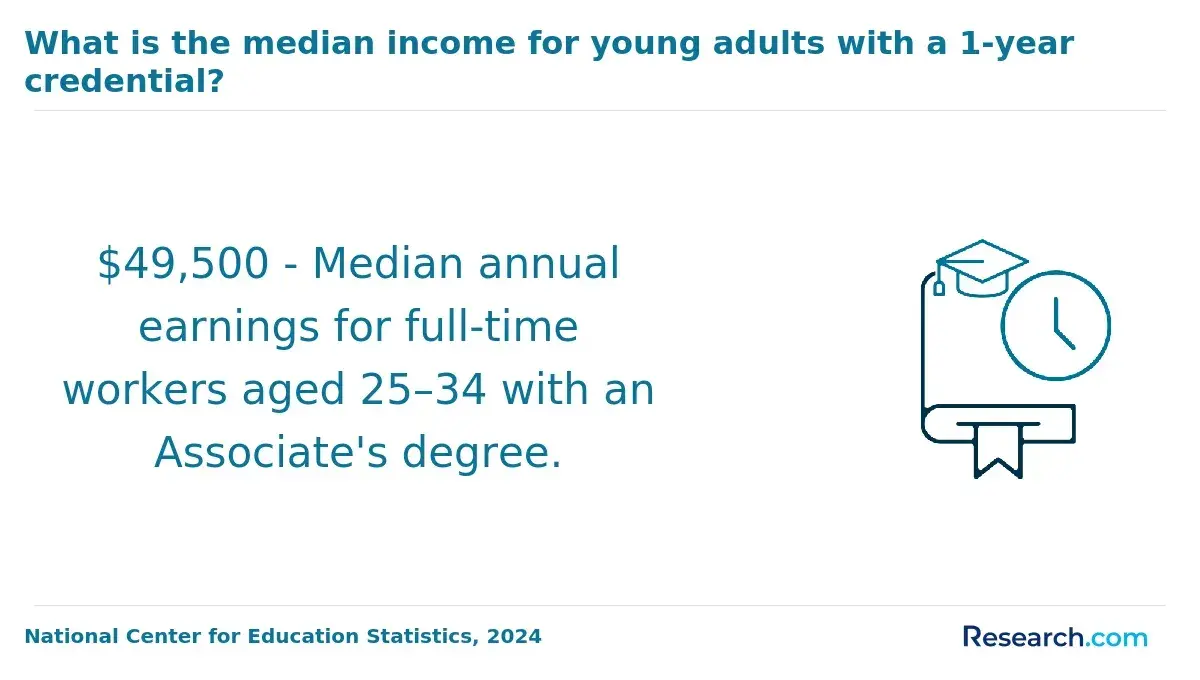
- Check whether credits can transfer into a future master's degree if you are starting with an associate or bachelor's program.
- Ask employers in your target setting whether they prefer CAHME-accredited graduate programs, RHIA-related training, compliance certification, or direct healthcare experience.
A major red flag is any school that cannot clearly explain its accreditation, total cost, credit-transfer policy, or student outcomes. Compliance careers depend on accuracy and documentation, so your program choice should meet the same standard.
What types of online healthcare administration degrees prepare you for compliance careers?
Several online degree levels can lead toward healthcare compliance, but they do not serve the same purpose. The right choice depends on your current education, healthcare experience, budget, timeline, and target role. A shorter credential may be enough for a coding, billing, or compliance assistant role, while leadership positions often expect a bachelor's or graduate degree.
The table below compares common degree options for compliance-minded students. It is most useful if you are trying to decide whether to start broad, specialize early, or move directly into graduate study.
| Degree type | Best fit | Compliance career value | Potential limitation |
| Associate degree in healthcare administration | Students seeking entry-level healthcare office, billing, or patient services roles | Builds foundation in medical terminology, healthcare systems, and office processes | May not be enough for analyst or manager roles without experience |
| Bachelor's in healthcare administration | Students pursuing compliance coordinator, operations, revenue cycle, or quality roles | Provides broader training in law, finance, management, ethics, and policy | Compliance depth depends heavily on electives and internships |
| Bachelor's in health information management | Students interested in records, privacy, coding, data quality, and documentation | Strong match for privacy, audit, coding compliance, and data governance work | May be less focused on executive administration than an HCA degree |
| Master of Healthcare Administration | Working professionals seeking management, director, or executive-track roles | Builds leadership, strategy, finance, quality, and regulatory decision-making skills | Requires larger time and cost commitment |
| MBA with healthcare concentration | Students who want business flexibility inside or outside healthcare | Useful for compliance operations, consulting, risk, and payer-facing roles | May include fewer healthcare law and policy courses than an MHA |
| Graduate certificate in healthcare compliance | Degree holders who need targeted compliance training | Can add focused knowledge without completing another full degree | May not replace degree requirements for management roles |
If your goal is compliance leadership in a hospital or health system, a graduate healthcare administration path is usually more aligned than a general business degree alone. For example, a masters in hospital administration can be a practical option for students who want advanced training in hospital operations, regulation, finance, and organizational leadership.
How does studying healthcare administration online compare to campus-based programs?
Online and campus-based healthcare administration programs can cover the same academic content, but the learning experience is different. Online study often works best for students who need flexibility, already work in healthcare, or live far from a campus. Campus programs may be stronger for students who want face-to-face networking, structured schedules, or local internship access.
According to federal distance education data released by the National Center for Education Statistics in 2024, more than half of U.S. postsecondary students took at least one distance education course in fall 2022. That matters because online learning is no longer unusual to employers, but program quality still varies widely.
The table below compares online and campus formats through the lens of a future compliance career. Focus less on which format sounds more convenient and more on which format gives you reliable access to practice-based learning.
| Factor | Online healthcare administration | Campus-based healthcare administration |
| Schedule flexibility | Usually stronger for working adults and caregivers | Usually more fixed and class-time dependent |
| Networking | Depends on virtual events, faculty access, alumni groups, and local placements | Often easier through in-person classmates, faculty, and campus events |
| Internships or fieldwork | May require students to find approved local sites | May have established local healthcare partnerships |
| Learning style | Best for self-directed students who can manage deadlines independently | Best for students who benefit from in-person structure |
| Employer perception | Strong when the school is accredited and reputable | Strong when the school has healthcare employer relationships |
To choose wisely, ask admissions advisors how online students complete projects, internships, capstones, simulations, and compliance case studies. A flexible program is not automatically better if it lacks applied assignments that help you talk about audits, policy reviews, privacy incidents, or corrective action plans in interviews.
What core courses and skills are essential for healthcare compliance specialization?
A compliance-focused healthcare administration curriculum should teach students how healthcare organizations operate and how legal, ethical, financial, and data rules shape those operations. Look for courses that require you to apply regulations to realistic scenarios instead of only memorizing terminology.
Strong programs usually include a mix of healthcare administration foundations and compliance-specific topics. These course areas are especially important because they map directly to workplace responsibilities.
- Healthcare law and ethics, including fraud and abuse, patient rights, conflicts of interest, and governance responsibilities.
- HIPAA privacy and security, including protected health information, breach response, access controls, and staff training.
- Healthcare finance and reimbursement, including Medicare, Medicaid, commercial payers, claims, coding, and audit exposure.
- Quality improvement and patient safety, including accreditation standards, root-cause analysis, incident reporting, and corrective action plans.
- Health information systems, including electronic health records, data integrity, reporting, cybersecurity basics, and vendor risk.
- Organizational leadership, including policy development, communication, change management, and conflict resolution.
Technical knowledge is only part of the job. Compliance professionals also need judgment, communication, and project execution skills because they often must persuade busy teams to change behavior. Students who want to strengthen implementation and cross-functional coordination may also find it useful to compare a project management bachelor degree online, especially if their long-term goal is operations leadership rather than compliance specialization alone.
AI and analytics are also changing compliance work. Healthcare organizations increasingly use automated claims reviews, access monitoring, anomaly detection, and documentation tools. A good program should help you understand both the benefits and risks of these tools, including bias, data privacy, auditability, and the need for human oversight.
What are typical admissions requirements for online healthcare administration compliance programs?
Admissions requirements vary by degree level, but most online healthcare administration programs look for evidence that students can handle business, writing, research, and healthcare policy coursework. Compliance-focused programs may also value prior healthcare, billing, coding, legal, quality, or administrative experience.
The table below summarizes common requirements by degree level. Use it as a planning checklist, but always verify the details with each school because GPA thresholds, test policies, and prerequisite rules differ.
| Program level | Common admissions requirements | What strengthens an application |
| Associate degree | High school diploma or GED, application, placement requirements | Healthcare volunteering, office experience, strong writing readiness |
| Bachelor's degree | High school diploma or transfer credits, transcripts, minimum GPA, application essay in some programs | Transferable general education credits, healthcare work experience, clear career goals |
| Master's degree | Accredited bachelor's degree, transcripts, resume, statement of purpose, recommendations, minimum GPA | Healthcare experience, leadership examples, compliance or quality exposure |
| Graduate certificate | Bachelor's degree or current graduate enrollment, transcripts, sometimes professional experience | Specific compliance goals and prior work in healthcare administration, coding, privacy, or risk |
Before applying, take a practical approach. The strongest application is not always the one with the most healthcare experience; it is the one that clearly connects the program to a realistic career plan.
- Collect transcripts early and ask whether unofficial copies are enough for initial review.
- Confirm whether transfer credits, military credits, prior learning, or professional credentials can reduce the number of required courses.
- Write a statement that explains why compliance fits your background, such as billing accuracy, patient privacy, quality improvement, or policy work.
- Ask whether the program requires statistics, accounting, business, or healthcare prerequisites before upper-level courses.
- Compare admissions selectivity with student support, because an easy application does not always mean the program is the best investment.
One common mistake is applying only to the fastest program without checking whether it includes enough compliance content. Another is assuming that healthcare experience automatically replaces academic requirements. Schools may value experience, but they still need documentation that you meet admissions and graduation standards.
How long do online healthcare administration degrees take, and what do they cost?
Program length depends on degree level, transfer credit, enrollment intensity, and whether courses are offered in traditional semesters or accelerated terms. Cost depends on tuition, fees, books, technology charges, residency requirements, and lost work time. For working adults, the cheapest listed tuition is not always the lowest total cost if the program is inflexible or does not accept transfer credits.
College Board's 2024 pricing data reported average published tuition and fees of $11,610 for in-state students at public four-year institutions and $43,350 at private nonprofit four-year institutions for the 2024-25 academic year. Online healthcare administration programs may price differently, but this benchmark helps you recognize whether a school's cost is unusually low, typical, or high.
The table below gives a general U.S. planning range by credential type without implying that every school follows the same model. Use it to estimate opportunity cost and compare programs on total value, not sticker price alone.
| Credential | Typical time to complete | Cost factors to compare | Best cost-control strategy |
| Associate degree | About 2 years full time | Community college tuition, online fees, books, transferability | Choose transferable credits that apply to a future bachelor's degree |
| Bachelor's degree | About 4 years full time, less with transfer credit | Per-credit tuition, general education credits, transfer limits, internship costs | Maximize accepted transfer credits before enrolling |
| Master's degree | About 1.5 to 3 years depending on pace | Graduate tuition, employer tuition assistance, residency requirements, capstone fees | Compare employer reimbursement and part-time formats |
| Graduate certificate | Often less than 1 year to about 18 months | Number of credits, whether credits stack into a master's, certification alignment | Choose a stackable certificate if you may pursue a graduate degree later |
To evaluate return on investment, compare the program's total cost with your target role, current salary, likely timeline, and employer expectations. A lower-cost bachelor's degree may be the smartest first step for a career changer, while a more expensive master's may make sense for a working healthcare professional seeking advancement into management.
Ask these questions before committing because they often reveal hidden costs or weak value.
- What is the total program cost after fees, books, technology charges, and required residencies?
- How many credits will transfer, and will transferred credits shorten both time and tuition?
- Do online students qualify for the same scholarships, federal aid processing, and employer reimbursement documentation?
- Are compliance electives offered regularly, or could limited scheduling delay graduation?
- Can the capstone, internship, or practicum be completed near your home or current workplace?
What healthcare compliance jobs, salaries, and advancement paths follow these degrees?
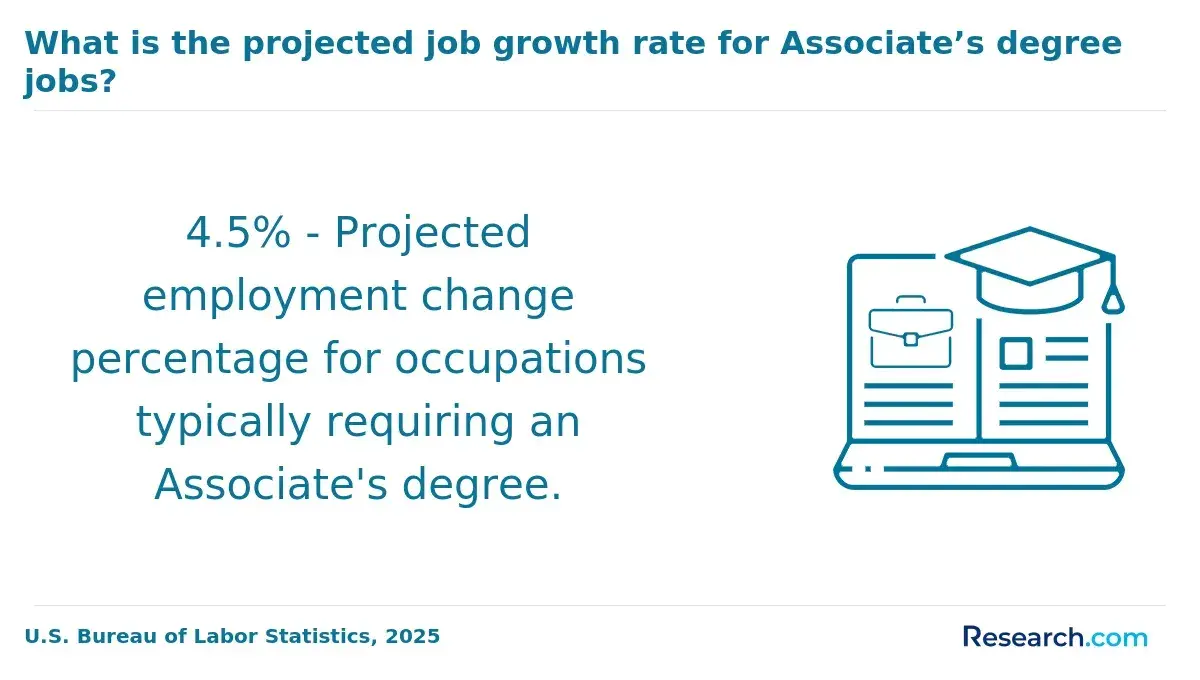
Healthcare compliance careers range from entry-level support roles to executive leadership. Degree level matters, but employers also weigh healthcare experience, regulatory knowledge, communication skills, audit exposure, and professional certifications. Many people enter compliance from billing, coding, nursing, health information management, quality improvement, privacy, or healthcare operations.
The U.S. Bureau of Labor Statistics reported a May 2024 median annual wage of $117,960 for medical and health services managers. This figure is useful for understanding the broader management market, but it should not be read as a compliance-specific salary promise. Compliance coordinator, analyst, privacy officer, and director roles can differ significantly by organization size, region, and responsibility level.
The table below outlines common roles connected to healthcare administration and compliance education. It focuses on responsibilities and advancement fit rather than promising a specific salary outcome.
| Role | Common responsibilities | Degree or experience fit | Advancement direction |
| Compliance assistant or coordinator | Track training, organize policies, support audits, document investigations | Associate or bachelor's degree plus healthcare office experience | Compliance analyst or specialist |
| Healthcare compliance analyst | Review data, identify risk patterns, support monitoring, prepare reports | Bachelor's degree with analytics, billing, privacy, or quality coursework | Senior analyst, compliance manager, auditor |
| Privacy officer or HIPAA specialist | Manage privacy policies, investigate incidents, coordinate breach response | Healthcare administration, health information management, or legal/privacy background | Director of privacy or information governance |
| Revenue cycle compliance specialist | Monitor coding, billing, payer rules, documentation, and claim accuracy | Healthcare administration plus billing, coding, or reimbursement experience | Revenue integrity manager or compliance manager |
| Compliance manager | Lead monitoring plans, staff training, risk assessments, and corrective actions | Bachelor's or master's degree with several years of healthcare experience | Director of compliance or chief compliance officer track |
| Director of compliance | Oversee compliance programs, reporting, governance, investigations, and board updates | Graduate degree, certification, leadership experience, deep regulatory knowledge | Chief compliance officer, risk executive, consultant |
Healthcare compliance can be a strong path for people who are detail-oriented but also comfortable with ambiguity. Regulations, payer guidance, and organizational risk change often, so the job requires continuous learning rather than one-time technical training.
A practical advancement path often looks like this: start in a healthcare operations or data-heavy role, build knowledge of privacy or billing rules, earn a relevant certification, move into analyst or coordinator work, and then pursue management responsibility. A degree can accelerate that path when it is paired with applied experience and credible credentials.
What certifications and professional standards matter for healthcare compliance careers?
Certifications are not always legally required for healthcare compliance jobs, but they can strengthen credibility, especially when you are moving from general healthcare administration into a specialized compliance role. Employers may prefer certifications for positions involving audits, privacy, investigations, coding compliance, or program leadership.
The most useful certification depends on the type of compliance work you want. The table below compares common U.S.-recognized credentials that healthcare compliance candidates often consider.
| Certification | Common focus | Best fit |
| CHC | Healthcare compliance programs, regulations, ethics, investigations, and monitoring | Compliance specialists, managers, and professionals seeking broad healthcare compliance credibility |
| CHPC | Healthcare privacy compliance, HIPAA, privacy investigations, and information practices | Privacy officers, HIPAA specialists, and health information professionals |
| RHIA | Health information management, records, privacy, data governance, and healthcare information systems | Students in CAHIIM-accredited health information management pathways |
| CPC or CCS | Medical coding, documentation, claims, and reimbursement accuracy | Revenue cycle, coding compliance, and audit-focused professionals |
| CPHQ | Healthcare quality, performance improvement, safety, and measurement | Quality improvement professionals whose compliance work overlaps with accreditation and patient safety |
Professional standards also matter beyond exams. Healthcare compliance work is built on documentation, independence, confidentiality, fairness, and timely escalation of risk. A degree program should reinforce those habits through case studies, policy writing, audit simulations, and ethics discussions.
Before choosing a certification, take these steps so you do not spend money on the wrong credential.
- Review job postings in your target region and note which certifications appear repeatedly.
- Match the certification to your desired specialty, such as privacy, billing, coding, quality, or broad compliance management.
- Check eligibility rules, exam content, continuing education requirements, and renewal costs.
- Ask whether your degree program includes coursework that prepares you for the certification topics.
- Consider timing carefully; some certifications are more valuable after you have direct healthcare compliance experience.
The smartest strategy is combining a degree, relevant experience, and targeted certification. While a degree teaches foundational systems and experience proves your workplace judgment, specialized certifications signal your mastery in a specific field.
Career fit comes down to personal strengths. If you thrive on managing schedules, budgets, quality metrics, and regulatory policies, healthcare compliance is an excellent match. However, if you prefer overseeing physical infrastructure and job sites, exploring construction management degrees online can guide you toward a different, yet equally compliance-heavy, career path.
Other Things You Should Know About Healthcare Administration
Yes. Many compliance professionals come from billing, coding, health information, administration, finance, quality, legal support, or operations. A clinical background can help in some roles, but it is not required for every healthcare compliance career.
When choosing between healthcare administration and health information management, consider your career goals. Healthcare administration focuses on management and policy implementation, while health information management deals with managing patient data and information systems. Both can lead to careers in healthcare compliance, but they emphasize different skill sets.
Some do, especially roles involving audits, policy review, data analysis, training, or privacy documentation. However, hospitals and health systems may still require onsite work for investigations, leadership meetings, or operational oversight.
References
- Build Knowledge With Healthcare Compliance Courses https://medtrainer.com/blog/healthcare-compliance-courses/
- Home https://www.husson.edu/online/blog/2024/11/types-of-healthcare-administration-careers
- Online Health Administration Degree Program | University of Phoenix https://www.phoenix.edu/online-healthcare-degrees/health-administration-bachelors-degree.html
- MS in Healthcare Management Compliance Admission Requirements | MSU Online https://www.michiganstateuniversityonline.com/programs/degrees/ms-healthcare-management-compliance/admissions-requirements/
- Healthcare Compliance Certification - Compliance Officer - CPCO https://www.aapc.com/certifications/cpco
- Healthcare Administration Certifications That Matter | Campus.edu https://campus.edu/blog/healthcare/healthcare-administration-certifications
- Top 7 Healthcare Compliance Courses to Take in 2026 https://studyacademy.co.uk/healthcare-compliance-courses/
- Healthcare Compliance Officer - Education, Certification & Jobs https://www.healthcaredegree.com/administration/healthcare-compliance-officer
- Online vs Hybrid vs Campus Learning in Healthcare: Which Is Right for You? https://www.edumed.org/articles/online-vs-hybrid-vs-campus/