2027 Online Creative Writing Degrees for Students Who Want Leadership Paths in Editorial and Content Teams

Co-Founder and Chief Data Scientist
Choosing an online creative writing degree is no longer only about becoming a novelist. Many students want to lead editorial calendars, brand storytelling, content operations, and digital publishing teams. The U.S. Bureau of Labor Statistics reported a May 2024 median wage of $70,300 for media and communication occupations, above the $49,500 median for all occupations.
This guide explains degree options, costs, admissions, skills, salaries, and career paths so you can decide whether an online creative writing program fits your leadership goals.
Key Things You Should Know
- Online creative writing degrees can support editorial leadership when they combine writing workshops with editing, digital publishing, content strategy, research, audience analysis, and project management.
- Cost varies widely: College Board's 2024 published tuition data lists average annual tuition and fees of $11,610 for in-state public four-year colleges and $43,350 for private nonprofit four-year colleges, before aid.
- BLS 2023-2033 projections show mixed demand: writers and authors are projected to grow 5%, while editors are projected to decline 2%, making digital, technical, marketing, and content strategy skills important for advancement.
What is an online creative writing degree and how does it support editorial leadership?
An online creative writing degree is an undergraduate or graduate program that teaches students to produce, revise, critique, and publish written work. While many programs include fiction, poetry, nonfiction, screenwriting, or genre writing, the degree can also build skills that matter in editorial and content leadership: voice development, structural editing, audience awareness, story judgment, collaboration, and deadline-driven revision.
For students aiming at leadership roles, the strongest programs go beyond workshop feedback. They help students understand how writing moves through an organization, from idea generation to editorial review, publication, performance analysis, and content governance. That matters because a senior editor or content director is rarely judged only on writing quality; they are also responsible for consistency, workflow, brand standards, team communication, and measurable audience outcomes.
The degree is most useful for students who want a writing-centered career but do not want to rely on creative publishing alone. It can fit aspiring editors, managing editors, content strategists, communications leads, publishing professionals, grant writers, UX writers, and brand content managers. Students who want a highly technical career in software engineering, accounting, or clinical healthcare may be better served by a more specialized degree and can use creative writing courses as electives or portfolio builders.
This table shows how the same degree can serve different editorial leadership goals. Use it to identify whether a program's curriculum matches the kind of team you eventually want to lead.
| Leadership goal | Relevant creative writing focus | Complementary skills to look for |
| Editorial management | Revision, copyediting, developmental editing, literary analysis | Editorial calendars, style guides, workflow management, team critique |
| Content strategy | Audience-centered nonfiction, brand voice, narrative structure | SEO basics, analytics interpretation, user research, content audits |
| Digital publishing | Magazine writing, publishing practicum, multimedia storytelling | CMS use, newsletter production, metadata, social distribution |
| Marketing content leadership | Persuasive writing, creative nonfiction, storytelling for organizations | Campaign planning, buyer personas, conversion writing, collaboration with design and sales |
| Technical or instructional content | Clarity, structure, explanatory writing, reader empathy | Documentation tools, subject-matter interviewing, information architecture |
How do online creative writing programs compare to campus-based options for content careers?
Online and campus-based creative writing programs can lead to similar credentials, but the learning experience differs. For content careers, the best format is the one that helps you produce strong portfolio samples, receive serious feedback, and build professional habits around deadlines, collaboration, and revision.
Online programs tend to work well for students who are employed, caregiving, transferring credits, or building a portfolio while freelancing. Campus-based programs may offer more in-person readings, student publications, writing centers, and informal networking. Neither format is automatically better for editorial leadership; the stronger choice depends on curriculum design, faculty access, internship options, and how well the program simulates real editorial work.
The comparison below highlights the trade-offs that matter most for students aiming at editorial and content team roles, not only traditional literary careers.
| Factor | Online creative writing degree | Campus-based creative writing degree |
| Schedule flexibility | Often stronger for working adults, especially with asynchronous courses | Often more fixed, with class meetings and campus activities at set times |
| Workshop interaction | Can be strong if courses require detailed peer critiques and live conferences | Often strong through in-person discussion and immediate feedback |
| Professional portfolio | Can support digital portfolios, blogs, newsletters, and remote collaboration | Can support campus publications, readings, and local internships |
| Networking | Depends heavily on virtual events, faculty responsiveness, and alumni access | May be easier through campus organizations and local publishing communities |
| Career fit for content roles | Strong when paired with digital publishing, editing, SEO, and analytics coursework | Strong when paired with internships, student media, and communications electives |
Students should be cautious about assuming that online means easier or less rigorous. A high-quality online writing program can require substantial reading, weekly critique, revision letters, discussion posts, synchronous workshops, and capstone projects. The real red flag is not the delivery format; it is a program that offers little faculty feedback, no portfolio development, unclear accreditation, or few opportunities to practice editing other writers' work.
What accredited online creative writing degrees prepare students for editorial and content roles?
Accreditation is the first filter. In the U.S., students should look for institutions accredited by agencies recognized by the U.S. Department of Education or the Council for Higher Education Accreditation. Institutional accreditation matters for federal financial aid, credit transfer, graduate school eligibility, and employer confidence. Programmatic accreditation is not usually required for creative writing in the way it may be for nursing, counseling, or education licensure.
Online creative writing options usually appear under English, writing, professional writing, communications, or liberal arts departments. Students who want broad editorial leadership preparation may also compare writing degrees with online interdisciplinary studies bachelor programs low cost, especially if they want to combine writing with business, media studies, psychology, digital design, or technology.
The table below summarizes common accredited degree types and the editorial or content roles they are most likely to support. It can help you avoid choosing a program that is excellent creatively but too narrow for your career target.
| Degree type | Typical level | Best fit | Leadership preparation value |
| Bachelor's in Creative Writing | Undergraduate | Students seeking entry-level editorial, communications, publishing, or content roles | Builds writing range, critique habits, portfolio samples, and literary or narrative judgment |
| Bachelor's in English with Creative Writing Concentration | Undergraduate | Students who want writing plus literature, rhetoric, research, and analysis | Useful for editors who need strong reading, interpretation, and style skills |
| Bachelor's in Professional Writing or Writing Studies | Undergraduate | Students interested in workplace writing, digital content, editing, and documentation | Often more directly aligned with content operations and organizational communication |
| Master of Fine Arts in Creative Writing | Graduate | Writers seeking advanced workshop training, teaching opportunities, or publication-focused development | Can support senior editorial credibility, especially when paired with editing or publishing experience |
| Master's in English, Writing, or Publishing | Graduate | Students aiming for advanced editorial, publishing, academic, or communications roles | May offer stronger research, theory, editing, and publishing management preparation than a studio-only MFA |
A bachelor's degree is usually the more practical starting point for students entering the field. A master's degree can help experienced writers deepen expertise, teach in certain settings, or qualify for advanced editorial roles, but it should be evaluated carefully against cost, portfolio value, and professional network.
What courses and skills do creative writing majors need for leadership in content teams?
Creative writing majors who want leadership paths should choose courses that build both craft and operational judgment. A beautiful essay or story shows voice and control, but editorial leaders also need to coach writers, make publication decisions, manage competing deadlines, and align content with business or audience goals.
The most useful curriculum usually combines creative workshops with applied writing and publishing courses. Students should look for opportunities to practice the following skill clusters because they appear repeatedly in editorial and content management jobs.
- Writing craft: narrative structure, scene development, dialogue, voice, pacing, argument, style, and revision.
- Editing and critique: copyediting, developmental editing, proofreading, line editing, editorial feedback, and style guide application.
- Digital publishing: content management systems, newsletters, metadata, web writing, accessibility basics, and multimedia storytelling.
- Audience and strategy: reader personas, search intent, content briefs, brand voice, analytics interpretation, and content performance review.
- Leadership habits: project planning, deadline management, stakeholder communication, conflict-sensitive feedback, and ethical decision-making.
AI is also changing content work. Students do not need to become machine learning engineers, but they should understand how generative AI tools affect drafting, editing, plagiarism concerns, fact-checking, prompt design, and content governance. Those who want a deeper technical direction may compare writing-focused programs with a bachelor applied artificial intelligence pathway to see whether their long-term goal is content leadership, AI product work, or a hybrid role.
Here is a practical way to think about course selection. Prioritize classes that produce evidence you can show an employer, not only courses that sound interesting on a transcript.
- Choose at least two workshop courses that require substantial revision, not only first-draft submissions.
- Add editing, publishing, rhetoric, or professional writing courses so your portfolio shows practical workplace range.
- Take one digital course that uses web publishing, newsletters, content management systems, or multimedia formats.
- Build a portfolio with before-and-after edits, content briefs, long-form writing, short-form copy, and a reflective note explaining your decisions.
- Use electives in business, marketing, communication, data literacy, or design if you want to manage content teams.
What are typical admission requirements for online creative writing bachelor's and master's programs?
Admission requirements vary by school and degree level, but creative writing programs often evaluate both academic readiness and writing potential. Online bachelor's programs usually focus on transcripts and transfer credits, while graduate programs may place heavier weight on the writing sample, statement of purpose, and fit with faculty strengths.
The table below outlines common requirements. Always verify details with each school because test policies, GPA thresholds, portfolio expectations, and transfer rules can change.
| Requirement | Online bachelor's programs | Online master's or MFA programs |
| Prior education | High school diploma, GED, or transfer credits | Accredited bachelor's degree, often in any major |
| Transcripts | High school and any college transcripts | All undergraduate and graduate transcripts |
| Writing sample | Sometimes required; often optional or course-placement related | Usually required and often central to admission |
| GPA expectations | Varies; transfer-friendly programs may review cumulative college work | Often a minimum GPA is listed, but portfolio strength may also matter |
| Letters of recommendation | Less common for standard bachelor's admission | Common, especially for MFA and selective master's programs |
| Statement of purpose | May be requested for some programs | Common; should explain goals, genre interests, and readiness for critique |
Applicants should avoid submitting only their most emotionally meaningful work if it is not their strongest or most polished writing. Admissions readers usually want to see control, revision, originality, and readiness for feedback. For content leadership goals, a strong portfolio can include creative work plus published articles, newsletters, editing samples, grant materials, scripts, or brand storytelling pieces when the program allows them.
Before applying, students can strengthen their chances with a short preparation sequence. These steps are especially useful for adults returning to school or applicants changing fields.
- Request unofficial transcripts early so you can estimate transfer credits and identify missing prerequisites.
- Revise your writing sample multiple times and ask for critique from someone who will focus on clarity, structure, and voice.
- Match your statement of purpose to the program's actual curriculum rather than writing a generic essay about loving books.
- Ask recommenders who can discuss your discipline, feedback habits, writing ability, or professional communication.
- Confirm whether the online program has residency, synchronous workshop, internship, or campus visit requirements.
How long do online creative writing degrees take and what do they cost?
Program length depends on degree level, transfer credits, course load, and whether the program uses traditional semesters or accelerated terms. A bachelor's degree typically requires about 120 credits, while master's and MFA programs often require fewer credits but more intensive writing, workshop, and thesis work.
The table below gives a realistic planning view. Use it to compare time commitment before focusing on tuition alone.
| Program type | Typical time to complete | What can shorten the timeline | What can extend the timeline |
| Online bachelor's in creative writing | About four years full time | Transfer credits, summer courses, prior learning credit, accelerated terms | Part-time enrollment, limited course availability, changing majors |
| Online bachelor's completion program | About one to three years after transfer | Large block of accepted credits and clear degree map | Low transfer acceptance or missing general education courses |
| Online master's in writing or English | About one to three years | Full-time enrollment and year-round course options | Thesis delays, part-time pacing, required residencies |
| Online MFA in creative writing | About two to three years | Low-residency structure with predictable thesis milestones | Extensive manuscript requirements or limited workshop sequencing |
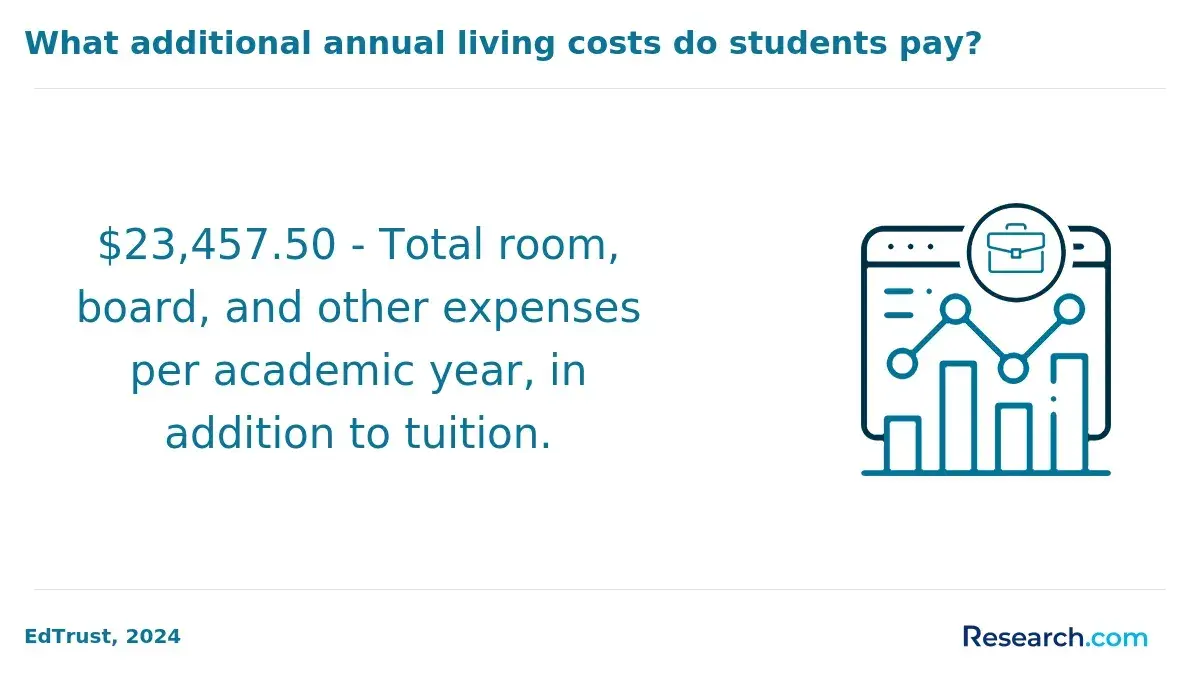
Cost should be evaluated as total cost of attendance, not only tuition per credit. College Board's 2024 data shows how wide the tuition range can be across U.S. four-year sectors:
- Average published in-state tuition and fees at public four-year colleges: $11,610 per year
- Average published out-of-state tuition and fees at public four-year colleges: $30,780 per year
- Average published tuition and fees at private nonprofit four-year colleges: $43,350 per year
Those figures are sticker prices, not the amount every student pays after grants, scholarships, employer tuition benefits, military benefits, or institutional aid. Online students should also check technology fees, graduation fees, book costs, residency travel, and whether tuition is charged at in-state, out-of-state, or flat online rates.
A common mistake is choosing the lowest tuition without checking credit transfer. A school with slightly higher tuition but generous transfer acceptance may cost less overall than a cheaper program that requires you to retake many credits. Ask for a written transfer evaluation before enrolling if you have prior college coursework.
What creative writing career paths lead to senior editorial and content management roles?
Creative writing graduates rarely step directly into senior editorial leadership. Most build experience through writing, editing, publishing, communications, marketing, or documentation roles, then move into positions that require managing people, processes, quality standards, and strategy. The degree can open the door, but advancement usually depends on portfolio quality, industry knowledge, collaboration, and measurable results.
Students who want to lead content teams should think in stages. The table below shows common pathways from early roles to leadership roles and the type of proof employers may look for.
| Career stage | Example roles | What the role proves | Next leadership move |
| Entry level | Editorial assistant, junior copywriter, content coordinator, communications assistant | Writing accuracy, deadline reliability, formatting, research, basic editing | Associate editor, content specialist, copy editor |
| Early career | Copy editor, staff writer, content specialist, grant writer, social content writer | Independent writing, revision judgment, audience awareness, collaboration | Senior writer, editor, managing editor |
| Midcareer | Editor, senior content strategist, UX writer, technical writer, publishing project lead | Planning, quality control, stakeholder management, content systems thinking | Lead editor, content manager, editorial operations manager |
| Leadership | Managing editor, content director, editorial director, head of content | Team leadership, editorial governance, budget awareness, performance accountability | Director-level communications, brand, publishing, or marketing leadership |
Students interested in content leadership inside companies rather than publishing houses may benefit from business coursework. A business administration degree online can be a useful comparison point for learners who are deciding between a writing-first degree and a management-first degree with writing electives.
To move from writer to leader, graduates should intentionally collect evidence of leadership readiness. These steps can help convert a creative writing background into management credibility.
- Volunteer to edit peers' work and document the before-and-after reasoning behind your edits.
- Learn one content management system and one project management tool well enough to discuss workflow.
- Build samples for different formats, such as long-form articles, newsletters, landing pages, scripts, and editorial calendars.
- Track outcomes when possible, such as publication acceptance, audience engagement, improved clarity, or faster production timelines.
- Seek roles where you can coordinate contributors, maintain style standards, or own a recurring publication schedule.
What salaries can graduates with creative writing degrees earn in editorial and content fields?
Salaries vary by role, industry, location, experience, portfolio strength, and whether the job sits in publishing, technology, education, marketing, government, healthcare, or nonprofit communications. A creative writing degree does not lock someone into one salary band; the job function and industry often matter more than the major name.
BLS May 2024 wage data provides useful national benchmarks for several roles connected to writing, editing, and content leadership. These are occupational medians, not guaranteed outcomes for degree holders.
| Occupation | May 2024 median annual wage | How it relates to creative writing graduates |
| Writers and authors | $72,270 | Relevant for professional writers, authors, content writers, and narrative specialists |
| Editors | $75,260 | Relevant for copy editors, assignment editors, managing editors, and publication editors |
| Technical writers | $91,670 | Relevant for graduates who combine writing skill with technical, product, scientific, or software knowledge |
| Public relations specialists | $69,780 | Relevant for communications, media relations, nonprofit storytelling, and brand messaging roles |
| Advertising, promotions, and marketing managers | $159,660 | Relevant for experienced professionals who move from content production into marketing leadership |
The salary pattern suggests an important strategy: students who want higher earning potential should pair writing strengths with a specialized domain. Technical writing, product content, healthcare communications, financial services content, and marketing leadership often reward writers who can translate complex information for specific audiences.
Students should also avoid reading median salaries as entry-level expectations. New graduates may begin below the median, especially in competitive publishing markets or nonprofit roles. Strong portfolios, internships, freelance work, domain knowledge, and leadership experience can influence mobility over time, but outcomes remain employer- and market-dependent.
How strong is the job outlook for creative writing graduates in digital media and publishing?
The job outlook is uneven. Traditional editing roles face pressure from shrinking print publications, smaller editorial teams, outsourcing, and automated production tools. At the same time, organizations across industries still need people who can plan, write, edit, fact-check, adapt, and govern content across websites, social platforms, newsletters, documentation systems, and internal communications.
BLS 2023-2033 projections show this split clearly: employment for writers and authors is projected to grow 5%, while employment for editors is projected to decline 2%. For students, the takeaway is not that editing is a poor path; it is that editorial careers increasingly require digital fluency, subject specialization, and the ability to connect content quality with audience or organizational goals.
Several trends are shaping the market for creative writing graduates:
- AI-assisted drafting and editing: Employers may expect writers and editors to use AI responsibly while protecting accuracy, originality, brand voice, and ethics.
- Content consolidation: Smaller teams often need hybrid professionals who can write, edit, publish, analyze, and coordinate freelancers.
- Demand for trustworthy information: Fact-checking, source evaluation, and clear explanatory writing are increasingly valuable in fields with complex or regulated information.
- Shift from print-first to digital-first publishing: Writers who understand search intent, newsletters, accessibility, metadata, and audience analytics may be more competitive.
- Portfolio-based hiring: Employers often want proof of published work, editing judgment, and workflow experience in addition to a degree.
The strongest candidates will be those who can show both creativity and control. A graduate who can draft compelling copy, edit another writer's work diplomatically, use a CMS, interpret basic performance data, and maintain editorial standards is better positioned than someone with only classroom workshop samples.
How can students evaluate and choose a reputable online creative writing program?
The right online creative writing program should fit your career target, budget, schedule, and learning style. Reputation matters, but it should not be reduced to rankings. For editorial and content leadership goals, the most important question is whether the program helps you produce strong work, receive meaningful feedback, build practical publishing skills, and graduate with manageable debt.
Start with accreditation and total cost, then look closely at curriculum. Students comparing affordability across writing, communications, and management-oriented options may also review the cheapest online business management degree options to understand trade-offs between creative preparation and management-focused training.
Use the following checklist when speaking with admissions advisors, faculty, or enrollment counselors. These questions help reveal whether the program is built for serious writing development or mainly for enrollment convenience.
- Confirm the institution's accreditation and whether the program is eligible for federal financial aid.
- Ask how online workshops work, including class size, critique expectations, live meetings, and faculty response time.
- Request a degree plan showing course sequence, electives, transfer credits, and any residency requirements.
- Review faculty backgrounds for publishing, editing, digital media, communications, or content strategy experience relevant to your goals.
- Ask whether students complete a portfolio, thesis, internship, practicum, literary magazine, publication project, or capstone.
- Compare total cost, including fees, books, software, travel, and the number of credits you must complete after transfer evaluation.
- Look for career support that goes beyond resume templates, such as portfolio review, internship advising, alumni panels, or employer connections.
Common red flags include unclear accreditation, aggressive enrollment pressure, vague faculty information, no meaningful workshop structure, little revision feedback, limited portfolio development, and promises of specific jobs or salaries. No reputable program can guarantee a publishing contract, editor title, or leadership role after graduation.
A smart final decision balances ambition with risk. Choose a creative writing degree if you want writing, editing, and storytelling at the center of your professional identity. Consider a different major, double major, minor, or certificate if your primary goal is business leadership, technical specialization, data analytics, or software-based content systems with writing as a supporting skill.
Other Things You Should Know About Creative Writing
Online creative writing programs in 2027 are typically flexible, allowing students to explore multiple genres. This approach helps equip students with diverse writing skills, essential for leadership roles in editorial and content teams, where versatility and adaptability are crucial.
Yes. Online students can build portfolios through class projects, personal websites, newsletters, internships, freelance assignments, literary journals, student-run digital magazines, and volunteer editing. The key is to show polished work and explain your revision or editorial decisions.
No. An MFA can provide advanced workshop training, mentorship, and time to develop a manuscript, but many writers and editors advance through experience, published work, internships, and strong portfolios. It is most worth considering when its cost and structure fit your goals.
Publishing during school can help, but quality matters more than quantity. Students should target appropriate journals, magazines, blogs, newsletters, or professional outlets and keep records of accepted work, editorial feedback, and revisions for future job or graduate applications.
References
- Careers and Jobs in Creative Writing | University of Phoenix https://www.phoenix.edu/articles/liberal-arts/careers-and-jobs-in-creative-writing.html
- What is a Creative Writer? - Career Insights | Teal https://www.tealhq.com/career-paths/creative-writer
- Creative Writing BA(Hons) (Online) https://www.falmouth.ac.uk/study/online/undergraduate/creative-writing
- 2025 Best Online Writing Degrees https://www.onlineu.com/degrees/writing
- Creative Writing in Your Career https://www.skillsyouneed.com/rhubarb/creative-writing-career.html
- Creative Writing Programs: Finding the Right Fit for Your Learning | Writers.com https://writers.com/creative-writing-programs
- 5 skills you’ll gain from a creative writing degree https://online.hull.ac.uk/blog/skills-youll-gain-from-a-creative-writing-degree
- Online Master’s in Creative Writing Degree Programs: MA vs MFA Programs https://www.mastersincommunications.com/related-degrees/masters-in-creative-writing
- Creative Writing Careers: Exploring Future Prospects for Aspiring Writers https://blog.writetheworld.org/creative-writing-careers-exploring-future-prospects-for-aspiring-writers
- The MFA Checklist: Keys to Choosing Graduate Writing Programs - Dronile Hiraldo https://dronilehiraldo.com/choosing-a-graduate-writing-program/