2027 Online Creative Writing Degrees for Students Who Want Content Storytelling Careers

Co-Founder and Chief Data Scientist
Choosing an online creative writing degree is really a career decision: will the program help you build a portfolio that employers, publishers, agencies, and brands take seriously? The U.S. Bureau of Labor Statistics reported a 2024 median pay of $72,270 for writers and authors, with demand shaped by digital publishing, content marketing, and AI-assisted workflows.
This guide is for students who want storytelling careers in content, media, publishing, or communications. You will learn how degrees compare, what they cost, what jobs they can support, and how to choose a program with better career fit.
Key Things You Should Know
- Online creative writing degrees are best for students who need flexibility, want portfolio-based training, and are targeting writing, editing, publishing, content strategy, communications, or narrative media roles.
- College Board's 2024 data shows average published tuition and fees of $11,610 for in-state public four-year colleges and $43,350 for private nonprofit four-year colleges, before aid.
- Salary outcomes depend heavily on role and industry; BLS 2024 data places writers and authors at a $72,270 median, technical writers at $91,670, and editors at $75,260.
What are online creative writing degrees for content storytelling careers?
An online creative writing degree is a college program that teaches students how to create, revise, analyze, and publish written work through a distance-learning format. For content storytelling careers, the degree is not only about writing poetry, fiction, or memoir. It can also train students to shape narratives for brands, nonprofits, media outlets, entertainment companies, educational organizations, and digital platforms.
The core idea is simple: creative writing develops voice, structure, audience awareness, revision skills, and narrative judgment. Content storytelling applies those skills to practical goals such as explaining a product, building a brand identity, crafting a campaign, developing a script, editing a publication, or turning complex information into a compelling story.
The table below compares common degree levels. Use it to match your current education level with the type of storytelling work you want to do.
| Credential | Best fit | Typical focus | Career use |
| Associate degree | Students starting college or planning to transfer | Introductory writing, literature, composition, and general education | Entry-level support roles, transfer to bachelor's programs, portfolio foundation |
| Bachelor's degree | Students seeking broad career access in writing and communications | Creative writing workshops, literature, digital writing, editing, rhetoric, electives | Content writer, copywriter, editor assistant, communications specialist, social media writer |
| Master's degree or MFA | Writers who want advanced craft, teaching options, or a publishable manuscript | Genre specialization, advanced workshops, thesis or manuscript, literary community | Author, adjunct instructor, senior editor, narrative designer, advanced content roles |
| Graduate certificate | Working professionals adding writing specialization without a full degree | Focused coursework in writing, publishing, editing, or digital content | Career pivot, portfolio upgrade, professional development |
This path makes the most sense if you are willing to produce a lot of work, accept feedback, revise deeply, and build a portfolio while studying. It may be a weaker fit if you mainly want a credential with a direct licensure outcome, because creative writing careers are usually portfolio- and experience-driven rather than license-driven.
How do online and campus creative writing programs compare?
Online and campus creative writing programs often cover similar academic material, but the learning experience can feel very different. The biggest differences involve workshop interaction, scheduling, networking, cost structure, and access to campus-based literary communities.
The comparison below shows the practical trade-offs students should consider before choosing a format.
| Factor | Online creative writing degree | Campus creative writing degree |
| Schedule | Usually better for working adults, caregivers, military students, and students outside commuting range | Better for students who want a fixed weekly rhythm and in-person accountability |
| Workshops | Often conducted through discussion boards, video meetings, peer annotations, and asynchronous critiques | Often conducted in live classroom discussions with immediate verbal feedback |
| Networking | Can be strong if the program offers virtual readings, mentor access, alumni events, and internship support | Can be stronger for students who benefit from campus readings, clubs, newspapers, and local arts scenes |
| Costs | May reduce commuting, relocation, housing, and schedule-related costs | May offer campus employment, local internships, and in-person resources that offset some costs |
| Best fit | Self-directed students who can manage deadlines and communicate well online | Students who thrive in face-to-face discussion and want daily campus immersion |
Online is not automatically easier. Strong online writing programs require frequent critique, reading, discussion, and revision. A good sign is that the program explains how workshops work online, how often students interact with faculty, and how feedback is delivered.
Campus programs may be better if your goal depends on local arts networks, in-person publishing internships, or a residential MFA community. Online programs may be better if you need to keep working while building a portfolio, especially if the school offers remote internships, virtual career services, and strong faculty mentorship.
Which creative writing degree should you choose for storytelling careers?
The best degree depends on your starting point, budget, time frame, and target role. Students aiming for content marketing or communications may need a different plan than students aiming for literary publication or college teaching.
If your storytelling goals include bilingual content, translation-adjacent publishing, travel writing, education media, or multicultural communications, comparing the cheapest online Spanish degree alongside creative writing options can be useful. A language degree paired with writing experience can support a more specialized content niche.
Use the following decision framework to narrow your options before speaking with admissions offices.
- Choose an associate degree if you need the lowest-risk starting point and plan to transfer later into a bachelor's program.
- Choose a bachelor's degree if you want the most versatile credential for content, editing, communications, publishing, marketing, and graduate school preparation.
- Choose an MFA or master's degree if you already have a bachelor's degree and want advanced mentorship, a thesis project, or teaching-adjacent opportunities.
- Choose a certificate if you already have a degree and mainly need portfolio development, genre training, or a career pivot into writing.
For most content storytelling careers, a bachelor's degree plus a strong portfolio is the most practical starting point. For literary authorship, publishing prestige, or teaching creative writing at the college level, a graduate degree may carry more weight, although teaching requirements vary by institution.
A common mistake is choosing the "most prestigious" writing program without checking whether its curriculum matches your actual career goal. A studio-heavy literary program can be excellent for fiction or poetry, but it may not provide enough training in SEO writing, analytics, brand voice, editing workflows, or digital publishing if your goal is content strategy.
Are creative writing programs accredited and reputable?
Accreditation is one of the first things to verify because it affects credit transfer, graduate school eligibility, employer perception, and access to federal financial aid. In the U.S., students should prioritize institutions accredited by agencies recognized by the U.S. Department of Education or the Council for Higher Education Accreditation.
Creative writing itself usually does not require programmatic accreditation the way nursing, counseling, or education licensure programs often do. That means institutional accreditation is the baseline. Reputation then depends on faculty experience, curriculum quality, student outcomes, publishing opportunities, alumni networks, and career support.
Before enrolling, check the following items directly rather than relying only on rankings or marketing language.
- Confirm the institution's accreditation status through the school's accreditor and federal databases.
- Ask whether online students receive the same diploma wording as campus students.
- Review faculty biographies for relevant publishing, editing, screenwriting, journalism, or content industry experience.
- Look for evidence of student publications, internships, literary journals, capstone projects, or employer-connected assignments.
- Ask how transfer credits are evaluated before you apply, especially if you have community college, military, or previous university credits.
Red flags include unclear accreditation language, pressure to enroll quickly, vague tuition pages, no sample course descriptions, no explanation of online workshops, or career claims that sound guaranteed. A reputable program should be willing to explain costs, outcomes, expectations, and limitations clearly.
What courses are in an online creative writing degree?
Online creative writing programs usually combine writing workshops, literature courses, craft study, editing, professional writing, and general education. The strongest programs help students move from expressive writing to audience-aware storytelling that can function in real publishing and content environments.
AI is also changing the field. Students do not need an online PhD in AI to pursue content storytelling, but they do need to understand how generative tools affect drafting, editing, research, originality, attribution, and employer expectations.
The table below summarizes common courses and what each one helps you build.
| Course area | What students usually study | Why it matters for storytelling careers |
| Fiction workshop | Character, plot, point of view, dialogue, scene, revision | Builds narrative control for fiction, scripts, branded stories, and long-form content |
| Poetry workshop | Image, rhythm, compression, metaphor, line, voice | Improves precision, sound, emotional impact, and concise language |
| Creative nonfiction | Memoir, essays, reportage, personal narrative, fact-based storytelling | Useful for essays, editorial content, profiles, newsletters, and narrative journalism |
| Professional and digital writing | Web writing, audience analysis, content formats, UX basics, brand voice | Connects creative skill to content marketing, communications, and digital publishing |
| Editing and publishing | Copyediting, developmental editing, submissions, production workflows | Prepares students for publishing, editorial, and content operations roles |
| Literature and genre studies | Close reading, literary history, contemporary genres, criticism | Helps writers understand conventions, audiences, and models of strong work |
| Capstone or thesis | Portfolio, manuscript, senior project, or publishable body of work | Provides a concrete sample package for employers, graduate programs, or submissions |
When comparing curricula, look for assignments that produce portfolio pieces, not just discussion posts. For content storytelling careers, useful portfolio artifacts can include feature articles, brand narratives, scripts, email campaigns, editorial calendars, short fiction, essays, multimedia storyboards, and revised manuscripts.
What admission requirements do creative writing programs usually ask for?
Admission requirements vary by degree level and selectivity. Undergraduate programs usually focus on academic readiness, while graduate creative writing programs often evaluate writing samples heavily because workshop success depends on craft, voice, and revision potential.
Military-connected students should also ask how schools evaluate Joint Services Transcript credit, deployment-related scheduling needs, and VA education benefits. Those comparing language-centered content paths may find it helpful to review best online Spanish degree programs for veterans when exploring bilingual storytelling or translation-adjacent options.
The table below outlines typical admissions materials. Always confirm details with the school because requirements can change by program and term.
| Program level | Common requirements | What matters most |
| Associate degree | High school diploma or GED, placement assessment, transcripts | College readiness and transfer planning |
| Bachelor's degree | High school transcript, application, possible essay, transfer transcripts if applicable | Academic record, writing interest, transfer credit fit |
| Graduate certificate | Bachelor's degree, transcript, statement of purpose, sometimes writing sample | Clear professional goal and readiness for advanced coursework |
| Master's degree or MFA | Bachelor's degree, creative writing sample, statement of purpose, recommendations, transcript | Strength of writing sample, fit with faculty, seriousness of artistic or professional goals |
For selective MFA programs, the writing sample is often more important than standardized tests. A strong sample should show control, originality, attention to language, and evidence that the writer can sustain a project. For career-oriented online bachelor's programs, admissions may be more accessible, but students should still enter with realistic expectations about reading volume, writing deadlines, and peer critique.
How long does an online creative writing degree take and cost?
Program length depends on credential level, transfer credits, enrollment intensity, and whether courses are offered in accelerated terms. Cost depends on tuition, fees, books, technology requirements, residency requirements, and how much financial aid or employer support you receive.
Students trying to control costs should compare creative writing programs with broader lists of cheap online degrees, especially if they are open to English, communications, professional writing, or interdisciplinary studies programs that still support storytelling careers.
College Board's 2024 pricing data provides a useful benchmark for planning, though individual online programs may charge different rates than campus programs. Published tuition is not the same as net price after grants, scholarships, transfer credits, and employer benefits.
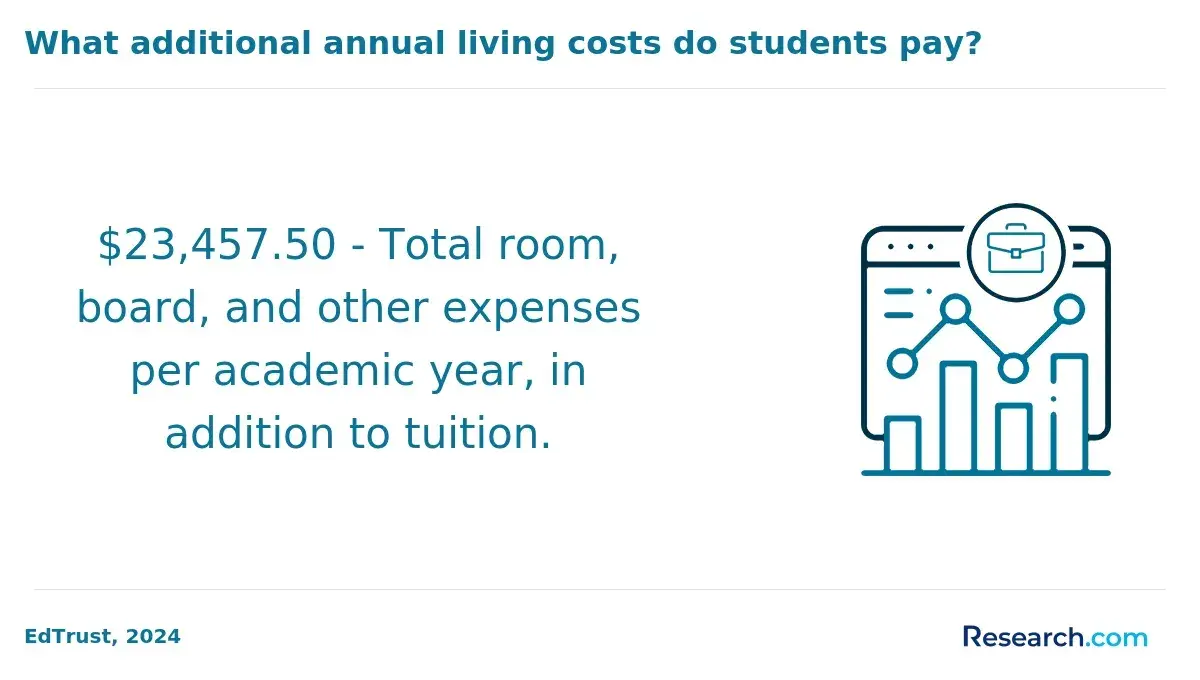
- Average published in-state tuition and fees at public four-year colleges: $11,610 for the 2024-25 academic year.
- Average published out-of-state tuition and fees at public four-year colleges: $30,780 for the 2024-25 academic year.
- Average published tuition and fees at private nonprofit four-year colleges: $43,350 for the 2024-25 academic year.
The table below shows typical completion timelines. Use it as a planning guide, not as a guarantee, because transfer credit and course availability can change the schedule.
| Credential | Typical full-time length | Typical part-time length | Ways to shorten the timeline |
| Associate degree | About 2 years | About 3 years or more | Transfer credit, summer courses, prior learning credit if accepted |
| Bachelor's degree | About 4 years | About 5 to 6 years or more | Community college transfer, CLEP or prior learning options, accelerated terms |
| Graduate certificate | About 6 months to 1 year | About 1 to 2 years | Focused course sequencing and continuous enrollment |
| Master's degree or MFA | About 2 to 3 years | About 3 to 4 years or more | Transferable graduate credits if allowed, low-residency formats, clear thesis planning |
To estimate total cost, ask for a full program cost sheet instead of looking only at per-credit tuition. Include application fees, technology fees, online course fees, books, required software, residency travel, graduation fees, and the cost of reducing work hours if you plan to study full time.
What jobs can you get with a creative writing degree?
A creative writing degree can support several storytelling-related roles, but the degree alone is rarely enough. Employers usually want samples, internships, publication credits, editing experience, content management familiarity, or proof that you can write for a specific audience and deadline.
The table below connects common roles with the kind of work they involve. This can help you decide what to build into your portfolio while you are still in school.
| Career path | Typical responsibilities | Portfolio pieces that help |
| Content writer | Write articles, guides, landing pages, newsletters, and educational content | SEO articles, explainers, interviews, editorial calendars, revised long-form samples |
| Copywriter | Create persuasive copy for ads, websites, emails, product pages, and campaigns | Ad concepts, email sequences, product copy, brand voice samples, campaign briefs |
| Editor or editorial assistant | Review manuscripts, articles, web copy, or publication materials for clarity and quality | Before-and-after edits, style sheets, annotated samples, publication work |
| Technical writer | Explain products, processes, software, policies, or technical concepts clearly | User guides, process documentation, knowledge base articles, sample tutorials |
| Social media content specialist | Plan and write platform-specific posts, captions, storylines, and campaign narratives | Content calendars, short-form copy, campaign recaps, analytics-informed revisions |
| Publishing assistant | Support acquisitions, editorial production, author communication, or marketing | Book reviews, editorial letters, manuscript evaluations, press materials |
| Narrative designer or game writer | Develop characters, dialogue, branching stories, lore, and interactive scripts | Dialogue samples, quest outlines, interactive fiction, worldbuilding documents |
Entry-level roles often include content assistant, editorial assistant, marketing assistant, communications coordinator, social media writer, or junior copywriter. Advancement usually comes from specializing, building measurable results, managing projects, learning analytics tools, or combining writing with another skill such as UX, video, subject-matter expertise, or bilingual communication.
Students who want the strongest career flexibility should graduate with more than classroom essays. Aim for a portfolio website, internship or freelance experience, at least three polished samples for your target role, and a clear explanation of your writing process.
How much do content storytelling careers pay?
Pay varies by role, region, industry, experience, and whether the job is full-time, freelance, contract, or agency-based. BLS wage data is useful because it provides national benchmarks, but it does not capture every creative or freelance income pattern.
The table below uses BLS May 2024 median annual wage data for U.S. roles that commonly connect to creative writing, content, editing, or storytelling work.
| Role | 2024 median annual wage | How to interpret the figure |
| Writers and authors | $72,270 | A broad category that includes many writing settings; income can vary widely for freelancers and authors. |
| Editors | $75,260 | Relevant for publishing, media, corporate content, and communications roles that require judgment and revision skill. |
| Technical writers | $91,670 | Often pays more because it combines writing skill with technical, software, engineering, scientific, or policy knowledge. |
| Public relations specialists | $69,780 | Useful benchmark for storytelling roles in reputation, campaigns, media relations, and organizational messaging. |
| Market research analysts | $76,950 | Relevant for students who combine storytelling with audience research, content strategy, and data-informed decisions. |
The strongest salary strategy is not simply "get a creative writing degree." It is to pair writing ability with a marketable context. Technical knowledge, healthcare, finance, software, education, nonprofit communications, UX writing, analytics, video production, or bilingual content can make a writer more competitive.
BLS also projected employment for writers and authors to grow 5% from 2024 to 2034. That suggests continued need, but not easy entry. AI-assisted drafting, lean media teams, and high competition mean applicants should show judgment, originality, fact-checking discipline, and the ability to revise beyond first-draft output.
What should you look for in a quality online creative writing program?
A quality online creative writing program should help you become a better writer and a more employable storyteller. That means the program should combine craft, critique, publishing awareness, career preparation, and practical portfolio development.
Use these steps to evaluate programs before applying or accepting an offer.
- Verify institutional accreditation and confirm that the program is eligible for the type of financial aid you plan to use.
- Read the curriculum closely and check whether it includes workshops, editing, publishing, digital writing, and a capstone or portfolio requirement.
- Ask how online workshops operate, including class size, faculty feedback frequency, peer critique expectations, and revision requirements.
- Compare total program cost, not only per-credit tuition, and request a net price estimate after transfer credits and aid.
- Review faculty backgrounds to see whether they match your interests in fiction, nonfiction, poetry, screenwriting, publishing, content strategy, or digital media.
- Ask career services about internships, portfolio coaching, alumni connections, remote opportunities, and employer partnerships.
- Check whether the program allows electives in communications, marketing, journalism, technical writing, digital media, UX, or another practical specialty.
Also watch for common mistakes. Do not choose a program only because it is fast, only because it is cheap, or only because it has a famous faculty member. Do not assume an MFA is required for every writing career. Do not ignore transfer policies. Do not enroll without understanding how much writing, reading, and critique the program requires.
The best choice is the program that fits your goal, schedule, budget, learning style, and portfolio needs. If two programs look similar, choose the one that gives you more feedback, more revised work samples, clearer costs, and stronger career support.
Other Things You Should Know About Creative Writing
Yes. Many writers build careers through portfolios, freelance work, publishing credits, journalism experience, marketing experience, or subject-matter expertise. A degree can help by adding structure, feedback, credentials, and networking, but it is not the only path.
No. If you want content storytelling work, include samples that match the job: articles, web copy, scripts, campaign concepts, editorial edits, newsletters, or multimedia story plans. Creative pieces can help, but employers need to see practical range.
Students can prepare by reading extensively across genres, practicing regular writing, and familiarizing themselves with storytelling fundamentals. Engaging in workshops, seeking feedback, and researching storytelling techniques can also help foster a strong foundation for their upcoming studies in 2027.
References
- 16 Best Online Courses for Writers (Free & Paid) https://kindlepreneur.com/best-online-writing-courses/
- 25 best creative writing courses and classes you can’t afford to miss – Creativindie https://www.creativindie.com/best-online-writing-courses-for-authors/
- 10 Considerations Before You Apply to a Creative Writing MFA Program — Set Your Muse on Fire! https://www.setyourmuseonfire.com/blog/10-considerations-before-you-apply-to-a-creative-writing-mfa-programnbspnbsp
- Remote Content Marketing Salary – updated June 2026 - DailyRemote https://dailyremote.com/salaries/content-marketing
- How to choose the best online creative writing course step-by-step https://nationalcentreforwriting.org.uk/writing-hub/best-online-creative-writing-courses/
- 2026 Marketing Career Outlook: AI’s Surprising Impact [Research] https://contentmarketinginstitute.com/career-salary-outlook/content-marketing-salary-outlook
- Creative Writing BA(Hons) (Online) https://www.falmouth.ac.uk/study/online/undergraduate/creative-writing
- How to Apply to the MFA in Creative Writing https://www.muw.edu/mfacreativewriting/how-to-apply/
- The Power of Storytelling: How a Degree in Creative Writing Can Transform Your Career https://www.creativewritingedu.org/blog/the-power-of-storytelling-how-a-degree-in-creative-writing-can-transform-your-career/
- Best online creative writing courses: 10 things to look for before applying – Jericho Writers https://jerichowriters.com/best-online-creative-writing-courses-10-things-to-look-for-before-applying/