2027 AI Bachelor's Degree Programs With Competitive Programming Opportunities

Co-Founder and Chief Data Scientist
Many students and professionals face the challenge of finding bachelor's degree programs that combine artificial intelligence studies with competitive programming experience. This gap often limits practical skills development required by employers in tech-driven industries. Traditional programs may focus heavily on theory without offering opportunities to hone algorithmic problem-solving under pressure. Bridging this divide is crucial for those aiming to enter the fast-evolving field of AI with a strong programming foundation.
This article examines programs offering an integrated curriculum that supports both artificial intelligence knowledge and competitive programming practice, guiding readers toward informed education choices.
Key Things You Should Know
- Many 2026 ai bachelor's degree programs integrate competitive programming to enhance algorithmic thinking, with over 60% of top schools offering dedicated coding contests and hackathons.
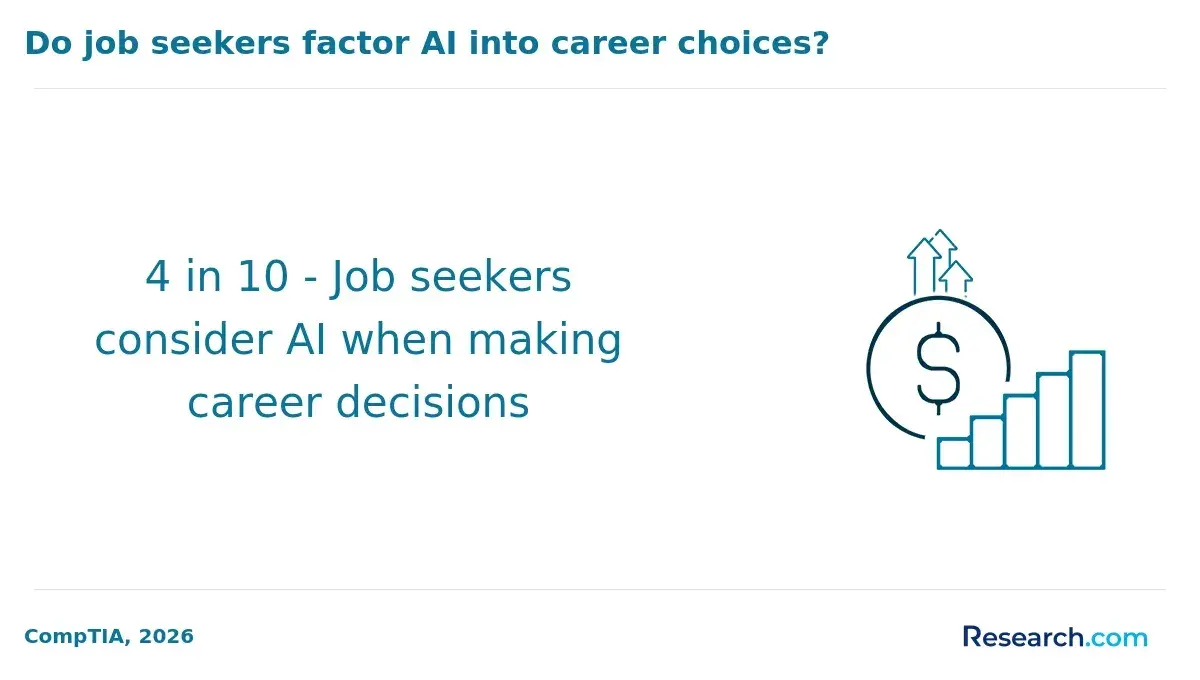
- Participation in competitive programming during ai studies correlates strongly with improved job placement rates, boosting employment prospects in tech roles by approximately 25%.
- Recent curriculum updates emphasize real-world applications, combining machine learning coursework with competitive programming challenges to prepare students for evolving industry demands.
What is an AI bachelor's degree with competitive programming opportunities?
An ai bachelor's degree programs with integrated competitive programming combine essential artificial intelligence coursework with hands-on coding challenges. Students engage in problem-solving sessions, algorithm design, and participate in coding competitions alongside studies in machine learning, natural language processing, and robotics. This blend develops practical skills directly applicable to technical roles in AI and software development.
Undergraduate artificial intelligence courses featuring coding competitions often involve contests like ACM ICPC, Google Kick Start, or local hackathons. These experiences help sharpen algorithmic thinking, improve coding efficiency, and boost debugging speed-crucial skills for AI development careers. The Stack Overflow Developer Survey notes that nearly half of software developers spend significant time coding, highlighting the benefit of such training.
Programs typically include options such as:
- Dedicated courses on data structures and algorithms
- Lab sessions focused on competitive coding problems
- Team-based coding competitions integrated into coursework
Students gain experience with timed, high-pressure challenges that mirror industry demands. Employers increasingly seek candidates with proven problem-solving abilities beyond theoretical knowledge. Graduates hold an advantage when applying for roles requiring rapid adaptation to coding tasks or complex AI implementations.
Prospective students should explore options like accelerated computer science programs that emphasize competitive programming components supported by active coding clubs or sponsored contests. This combination builds the technical depth and agility essential for careers in artificial intelligence and software engineering.
Which accredited U.S. colleges offer strong AI bachelor's programs and coding teams?
Several accredited U.S. colleges combine strong bachelor's degrees in artificial intelligence with active, competitive coding teams, creating unparalleled opportunities for skill development. These top American universities offering AI undergraduate programs with programming competitions stand out for their curriculum depth and extracurricular activities.
Leading institutions include:
- Massachusetts Institute of Technology (MIT) - known for its comprehensive AI curriculum and a competitive coding team that regularly qualifies for the ICPC North America Championship.
- Stanford University - offers interdisciplinary AI programs paired with a competitive programming club excelling in international contests.
- University of California, Berkeley - features a dedicated AI bachelor's track and a strong competitive programming team ranked regionally and nationally.
- University of Illinois Urbana-Champaign - recognized for its AI-focused computer science program and teams with recent ICPC qualifiers.
- University of Texas at Austin - provides an integrated AI degree with active participation in leagues like ICPC and robust campus support.
The ICPC North America Championship included 52 finalist teams, predominantly from U.S. universities, underscoring these colleges' role in fostering top-tier coding talent. Students should assess curriculum strength, hands-on AI projects, and the quality of programming teams when choosing programs.
Proficiency in algorithm design and problem-solving, reinforced by competitive programming, enhances AI applications. Choosing a university well-regarded in both disciplines offers strategic advantages in employment and graduate studies. Prospective students may also explore opportunities in fields like the mechanical engineering degree, which can complement AI skills in technology-driven careers.
How do online AI bachelor's programs compare with campus programs for competitions?
Online AI bachelor's degree programs versus campus programs for coding competitions differ notably in how they support competitive programming opportunities. Campus programs usually provide direct access to in-person hackathons, coding clubs, and team events that foster immediate collaboration and networking. Meanwhile, online AI programs increasingly focus on virtual competitions, remote coding challenges, and global tournaments, making participation feasible for students unable to attend campus events.
Student participation in remote education has surged, with many taking at least some distance courses. This shift underlines the importance of remote-friendly competition pathways, as seen in partnerships between online programs and platforms like CodeChef, LeetCode, and HackerRank. Such collaborations help online students remain engaged with competitive programming despite geographic constraints.
While campus degrees offer access to faculty-led teams, AI labs, and face-to-face mentorship, online degrees compensate through virtual mentorship sessions, remote workshops, and moderated forums. Prospective students comparing virtual and on-campus AI degrees for competitive programming should weigh their learning preferences and available resources carefully. Important program features to evaluate include:
- Integrated access to recognized online competitive platforms
- Virtual or in-person hackathons aligned with AI topics
- Faculty involvement or coaching in competitive programming
- Networking opportunities with AI-focused coding communities
For those seeking affordability alongside quality, exploring the cheapest engineering degree options online can be an effective strategy. Ultimately, students should investigate how their chosen program supports competitive programming to excel in AI career preparation.
What coursework prepares AI undergraduates for hackathons, ICPC, and Kaggle?
Coursework that prepares undergraduates in artificial intelligence for hackathons, ICPC, and Kaggle competitions focuses on programming skills, algorithmic thinking, and applied machine learning. Core programming classes emphasize Python, which over 90% of Kaggle participants used according to the Kaggle State of Data Science & Machine Learning survey. Courses integrating Python with ML libraries like NumPy, Pandas, and PyTorch build relevant skills for data manipulation and modeling challenges essential in ai bachelor programs with hackathon and Kaggle competition training.
Fundamental classes in algorithms and data structures cover efficient coding patterns and problem-solving techniques needed for contest success. Topics such as dynamic programming, graph algorithms, and complexity analysis help build a foundation for ICPC-style competitions. Machine learning courses blend theory with hands-on labs to teach predictive modeling, supervised and unsupervised learning, feature engineering, and model evaluation, simulating the challenges of real Kaggle contests.
Additional coursework includes database management, probability and statistics, and software engineering principles, aiding scalable and maintainable code during team hackathons. Many universities enhance student readiness through specialized workshops and elective modules featuring timed problem sets, pair programming, and leaderboard tracking.
Those exploring computer science and data analytics coursework for competitive programming should consider programs with embedded competitions and automated exercises to simulate contest environments. Prospective students can compare options among the most affordable online masters in data science programs by visiting data science degrees.
What admissions requirements and math prerequisites do AI bachelor's programs expect?
Admissions into AI bachelor's degree programs require solid mathematical preparation due to the field's technical demands. Typically, applicants must have completed high school courses equivalent to pre-calculus and calculus, often aligned with AP Calculus AB or BC. Many selective programs expect a minimum AP Calculus BC exam score of 3 or higher to demonstrate readiness.
Data from the College Board shows that roughly 43% of AP Calculus BC test takers meet this college-ready score, indicating the challenge math poses for prospective AI students. Strong math skills are essential to succeed in AI programs, with common prerequisites including:
- A firm grasp of algebra, geometry, and trigonometry.
- Completion of AP Calculus AB or BC or dual-enrollment equivalents.
- Experience in discrete math or linear algebra considered a plus.
- Some programs recommending basic courses in statistics and probability.
Standardized tests may also contribute to admissions decisions, varying by institution. Applicants should highlight problem-solving and logical reasoning skills through coursework or activities like competitive programming.
Those not meeting calculus proficiency are advised to take college-level math classes or prepare for placement exams often required in the first year to ensure adequate preparation for AI coursework.
How long do AI bachelor's programs take, and what do they cost?
Most AI bachelor's degree programs in the U.S. require around four years of full-time study, which typically involves completing 120 to 130 credits. These courses blend computer science fundamentals, mathematics, and specialized AI subjects. Some universities provide accelerated options that allow completion in three years, while part-time and cooperative education plans may extend the duration to five or more years, accommodating work schedules.
Tuition costs vary widely. For the 2024-25 academic year, in-state public four-year colleges averaged $11,260 per year, whereas private nonprofit four-year colleges charged about $41,540 annually (College Board, Trends in College Pricing 2024). These differences affect students' overall return on investment. Public institutions usually offer lower tuition but might have fewer AI research opportunities compared to private schools.
Additional expenses such as textbooks, software licenses, and living costs can add several thousand dollars each year. Financial aid, scholarships, and residency status often reduce the total cost substantially. Prospective students should also evaluate access to competitive programming clubs, AI research labs, and hands-on learning experiences when weighing programs.
What labs, research, and industry partnerships support AI competition experience?
Leading AI bachelor's degree programs offer robust research centers, labs, and industry partnerships that immerse students in competitive programming and practical machine learning challenges. Many university AI labs, supported partly by the U.S. National Science Foundation's $9.06 billion FY2024 budget, provide critical infrastructure and mentorship to help students excel in contests such as the ACM International Collegiate Programming Contest and Kaggle competitions.
Faculty-led research groups often embed competition tasks in their courses and club activities, giving students access to advanced datasets and computing resources. These environments foster skills in computer vision, natural language processing, and reinforcement learning, all integral to real-world AI problem-solving.
Partnerships with tech companies-ranging from startups to global firms-enhance opportunities through sponsored contests, internships, and workshops. Industry mentors frequently co-host hackathons and mentorship programs, linking academic learning with applied algorithm development and practical insights.
Students aiming for AI careers should prioritize programs with active research pipelines that publish in top conferences and bridge lab work with competitive forums. This integration sharpens problem-solving, coding efficiency, and experimental rigor, skills highly valued by employers.
What internships and portfolio projects best complement AI competitive programming?
Internships and portfolio projects closely aligned with AI competitive programming significantly boost practical skills and employability. Internships that focus on machine learning model development, data engineering, or natural language processing offer hands-on experience, allowing candidates to apply AI theory to real-world challenges.
Strong candidates often join tech companies or research labs, where they contribute to scalable AI solutions and advanced analytics pipelines while demonstrating coding proficiency and domain expertise.
Portfolio projects should highlight a variety of skills, such as designing adaptive algorithms, optimizing for efficiency, and deploying AI models. Common examples include building end-to-end systems like chatbots, recommendation engines, or computer vision applications.
Thorough documentation of challenges and solutions is essential. Projects incorporating datasets from Kaggle competitions or open AI platforms emphasize analytical capabilities relevant to competitive programming.
Engagement in open-source AI frameworks and participation in AI-focused hackathons further enhance a candidate's profile. Employers seek interns who combine theoretical knowledge with coding efficiency and teamwork, traits often demonstrated through competitive programming success.
The National Association of Colleges and Employers (NACE) 2024 Internship & Co-op Report shows an average intern-to-full-time hire conversion rate of 67%, highlighting internships as a strategic link between competition, portfolio work, and employment.
Applicants should prioritize internships emphasizing AI algorithm optimization, data structures, and real-time system implementation to ensure competitive programming skills translate effectively to industry roles.
What jobs can you get with an AI bachelor's degree, and what are typical salaries?
Graduates holding a bachelor's degree in artificial intelligence have access to diverse roles such as AI software developer, machine learning engineer, data scientist, AI research analyst, and robotics programmer. These jobs often focus on designing algorithms, developing intelligent systems, or analyzing data to enhance decision-making.
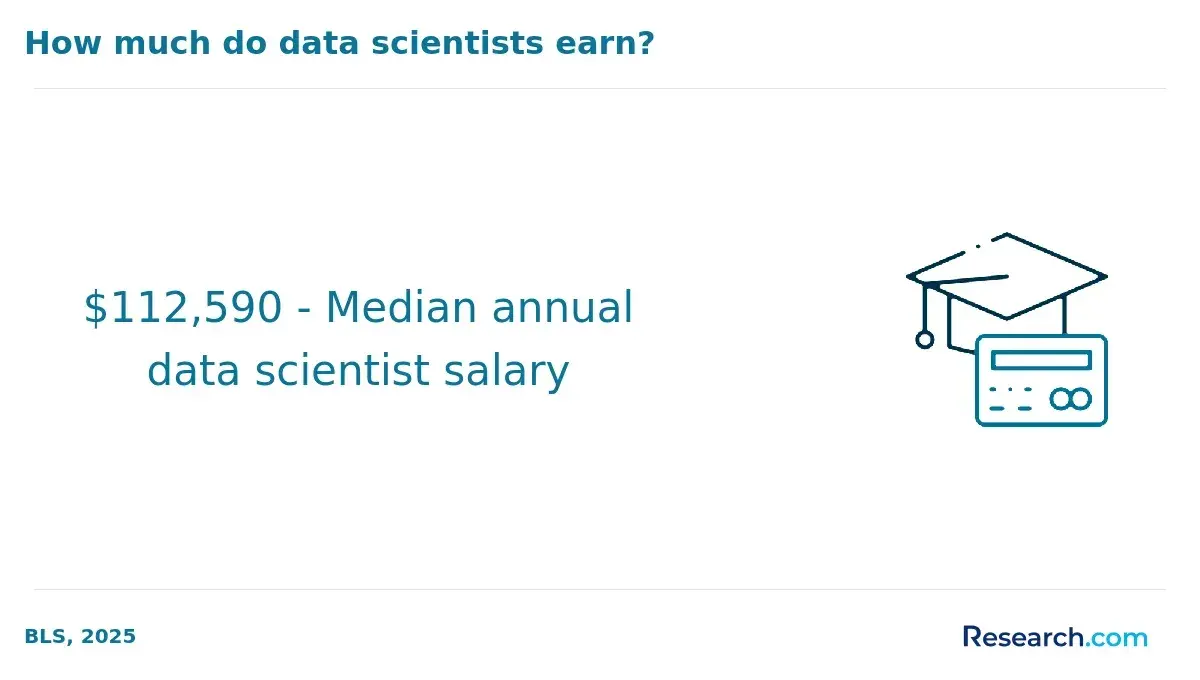
Salary ranges differ by role and location: software developers earn a median annual salary of $130,160, while machine learning engineers command between $120,000 and $160,000, reflecting the demand for expertise in neural networks, natural language processing, and computer vision.
Entry-level positions like AI research assistants and junior data analysts generally start between $70,000 and $90,000. Mid-career professionals with programming skills and project experience can surpass $110,000. Certifications and competitive programming experience often lead to higher employability and salaries.
Industries such as finance, healthcare, and autonomous vehicles heavily integrate artificial intelligence and typically offer premium pay for technical talent. Regional salary variations are significant; tech hubs like San Francisco and Seattle provide higher wages but with increased living costs. Graduates should align their career choices with their skill sets, experience, and location preferences to optimize job satisfaction and compensation.
Which certifications or graduate pathways boost AI careers after a bachelor's degree?
Graduate pathways and certifications notably improve career outcomes after earning a bachelor's degree in artificial intelligence. Advanced degrees such as a master's in AI, data science, machine learning, or computer science often lead to higher salaries and elevated career positions. The U.S. Bureau of Labor Statistics reports a median weekly earning of $1,737 for master's degree holders, compared to $1,493 for those with bachelor's degrees, reflecting a 16% wage premium.
Professional certifications, including the Certified Artificial Intelligence Practitioner (CAIP) and Google's Professional Machine Learning Engineer certificate, demonstrate specialized expertise in AI tools and frameworks. These credentials increase competitiveness for roles involving AI project management or research.
Graduate options include:
- Master's programs focusing on theoretical knowledge, research, AI development, and algorithm design.
- Professional certificates emphasizing applied skills such as neural networks, natural language processing, and AI ethics.
- PhD programs fostering innovation and leadership in AI research and development.
When choosing programs, students should prioritize curriculum relevance, faculty expertise, and career alignment. Opportunities for capstone projects or partnerships with AI companies provide valuable hands-on experience. Combining certifications with graduate degrees can further strengthen resumes for roles in AI strategy or interdisciplinary fields.
Other Things You Should Know About Artificial Intelligence
Yes, languages like Python, Java, and C++ are commonly emphasized in AI bachelor's programs, especially for competitive programming. Python is preferred for its AI libraries and rapid prototyping, while C++ and Java are popular in algorithm-intensive contests like ICPC due to their performance and versatility.
Most AI bachelor's programs include project-based learning, internships, and collaborations with industry partners that provide hands-on experience. These opportunities help students apply theoretical knowledge to real-world challenges, preparing them for careers or further research in AI.
Competitive programming hones problem-solving and algorithmic thinking, skills highly valued by employers in tech and AI fields. Graduates with such experience often stand out in job markets, especially for roles in software development, data science, and machine learning engineering.
Collaboration in AI bachelor's programs is essential for solving complex challenges. Students engage in team-based projects and hackathons to enhance problem-solving and communication skills. These experiences prepare students for advanced studies, like exploring an AI master’s for business majors, and foster innovation in tech industry environments.
References
- How to Join and Win Hackathons with AI | Towards Data Science https://towardsdatascience.com/how-to-join-and-win-hackathons-with-ai-ec055e2b5482/
- What Are the Top AI Degree Programs for Undergraduate Students? https://tetr.com/blog/what-are-the-top-ai-degree-programs-for-undergraduate-students
- Best Colleges for Artificial Intelligence (AI) Majors — Lantern College Counseling https://www.lanterncollegecounseling.com/insights/artificial-intelligence-ai-as-an-undergraduate-major-what-you-need-to-know
- What do you learn in a bachelor's in artificial intelligence? | edX https://www.edx.org/resources/what-do-you-learn-in-a-bachelors-in-artificial-intelligence
- Innovation Factory https://aiforgood.itu.int/about-us/innovation-factory/
- Best AI Certifications to Boost Your Career in 2026 – Dataquest https://www.dataquest.io/blog/best-ai-certifications/
- Research | Cohere Labs https://cohere.com/research
- Artificial Intelligence Course Eligibility: Requirements & Prerequisites https://www.mygreatlearning.com/artificial-intelligence/courses/eligibility
- Top AI Hackathons for High School Students in the USA https://www.bettermindlabs.org/post/top-ai-hackathons-for-high-school-students-in-the-usa