2027 University of Miami - Miami Herbert Business School Online Degree Costs Compared: Which Programs Are Most Affordable?

Co-Founder and Chief Data Scientist
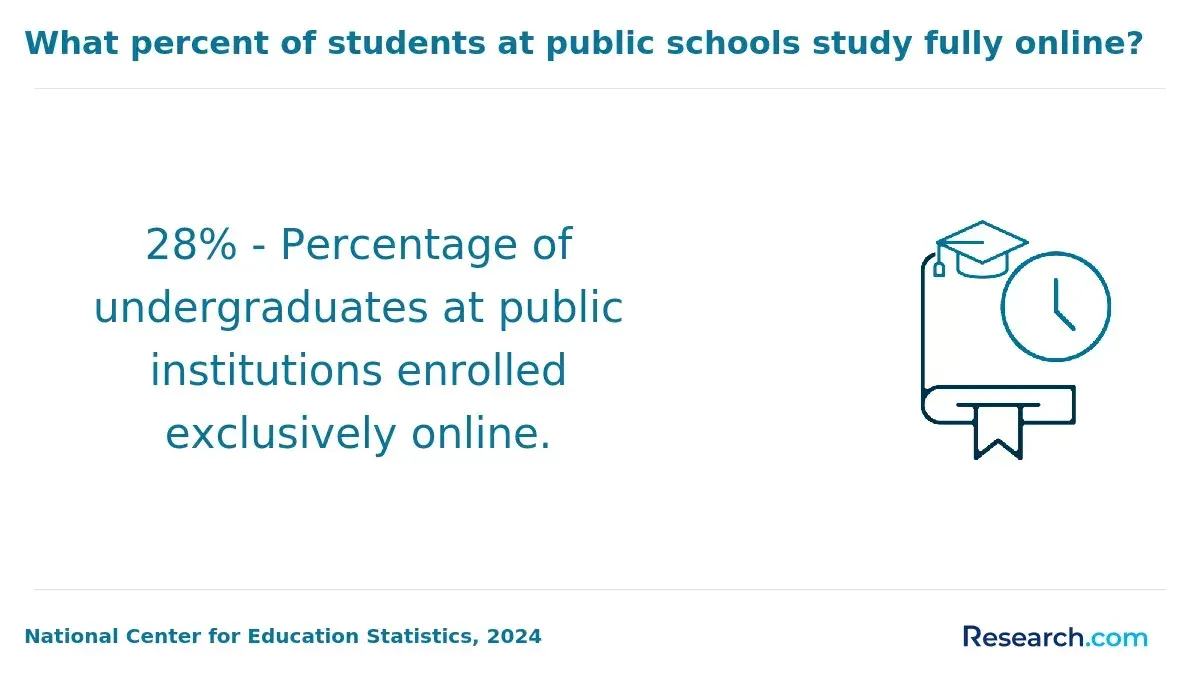
Deciding if University of Miami - Miami Herbert Business School's online degrees fit a budget can feel overwhelming. Tuition lists vary across programs, and hidden digital fees or extra charges cloud true costs. This complexity increases when comparing programs that differ widely in structure and duration. Meanwhile, changes in national trends show online education pricing is not always straightforward. Recent data from the National Center for Education Statistics reveals an average 3% yearly rise in institutional tuition and fees coupled with growing online enrollments, underlining the importance of assessing full program expenses beyond advertised rates.
These financial nuances matter because they affect long-term debt and return on investment, which employers increasingly weigh when hiring. This article breaks down and compares University of Miami - Miami Herbert Business School's online degree costs, clarifying which programs deliver the best affordability and value. The goal is to guide prospective students toward informed choices grounded in detailed cost analysis and realistic financial outcomes.
Key Points About University of Miami - Miami Herbert Business School Online Degree Costs and Affordability
- The total tuition cost of $93,584 for an online degree at University of Miami - Miami Herbert Business School exceeds the average $77,708 total cost of attendance, indicating significant fees and expenses beyond direct tuition must be budgeted.
- Tuition rates differ by program tier, with business degrees priced higher per credit compared to healthcare and liberal arts, reflecting varied resource demands that affect the long-term value and affordability of each discipline.
- Books and supplies add $1,326, a non-negligible cost often overlooked in financial planning, while residency and financial aid options can further influence net affordability but require careful individual analysis.
How Much Does an Online Degree Cost at University of Miami - Miami Herbert Business School?
Online degree costs at University of Miami - Miami Herbert Business School are notably higher than many public or fully online-focused institutions due to a per-credit tuition rate around $1,300. This makes the total expense for a typical 36-credit master's program approximately $46,800 before fees and aid, which is significant when compared to public universities offering lower in-state tuition or online nonprofits with streamlined fee structures.
A cost-conscious learner weighing options might consider a certificate or non-degree program at Miami Herbert for reduced credit requirements and lower upfront fees.
However, unlike some public or online-only competitors, University of Miami's model lacks residency discounts and includes additional technology and materials fees, which add several hundred dollars per term. Yet, its AACSB accreditation, employer relevance, and academic resource access may justify these costs if aligned with career goals.
National data show tuition inflation for online programs outpaces traditional on-campus rates by about 3% annually, underscoring rising financial pressures. For students valuing flexibility combined with recognized quality and solid outcomes, Miami Herbert's upfront expense can translate into practical return on investment.
Still, alternatives with more affordable net prices and transfer-credit options may better serve those prioritizing immediate affordability over brand prestige.
Which Online Degree Programs at University of Miami - Miami Herbert Business School Are the Most Affordable?
The most affordable online degrees at University of Miami - Miami Herbert Business School are found within specialized master's programs and the MBA, due to lower tuition rates per credit compared to undergraduate degrees. These graduate programs typically require around 30 to 36 credits, which limits total tuition costs relative to longer bachelor tracks.
Undergraduate online degrees often have higher tuition per credit and greater total credit requirements, increasing their overall expense. Unlike some schools, University of Miami does not offer associate degrees, which might otherwise provide budget-friendly entry points. Graduate-level financial aid options and scholarships help lessen costs but vary greatly by program, influencing net affordability.
Budget-conscious learners should weigh how hourly tuition discounts, such as up to 15% for digital learners reported by the UPCEA's 2024 Online Program Benchmarks, affect total cost. This discount trend partially matches Miami Herbert Business School's pricing practices and can tip the scale in favor of graduate programs when factoring both sticker price and credit load.
Affordability must be judged alongside program quality, career relevance, and support services. Some cheaper programs demand more credits or offer less flexibility, which can affect time to completion and opportunity costs. Prospective students must balance financial savings against career benefits and practical outcomes, considering real-world employment expectations and long-term value.
How Do Online Bachelor's, Master's, and Doctoral Program Costs Compare at University of Miami - Miami Herbert Business School?
Online degree costs at University of Miami - Miami Herbert Business School reveal distinct pricing tiers that shape affordability and influence long-term financial decisions. Bachelor's programs typically have lower tuition per credit compared to graduate-level degrees, making them a more accessible entry point. Conversely, master's and doctoral programs charge significantly higher rates per credit, reflecting their increased specialization and additional institutional requirements.
For example, bachelor's credits are approximately $1,156 each, while master's credits exceed $1,500. Doctoral programs incur even greater costs due to extra fees related to residency, exams, and research milestones. This overview summarizes key cost elements affecting prospective students' decisions.
The following bullet points highlight how different cost factors impact total investment and which student profiles might find these costs most relevant:
- Bachelor's Tuition Per Credit: Lower per-credit costs make bachelor's degrees more affordable upfront, benefiting students prioritizing immediate cost savings and broad accessibility without extensive prior experience.
- Master's Credit Pricing: Higher credit prices reflect advanced curriculum and faculty expertise, leading to greater total expenses but also potentially fast-tracked career benefits for specialized roles.
- Doctoral Program Expenses: Additional residency and research fees increase total costs substantially, posing challenges for candidates needing flexible scheduling or limited access to funding.
- Total Credit Requirements: Bachelor's degrees require about 120 credits, while master's programs typically range from 30 to 60 credits, balancing duration against cost and depth of study.
- Financial Aid and Fees: Aid availability is limited at the doctoral level compared to undergraduate and master's programs, and incidental expenses like travel for residency weigh more heavily on doctoral students' budgets.
A recent study shows graduate online tuition often runs 25% to 40% higher than undergraduate costs due to factors like smaller class sizes and program intensity. This trend aligns with University of Miami - Miami Herbert Business School's structure and underscores the value proposition behind higher upfront costs for advanced degrees.
Candidates should weigh this upfront expense against potential employment gains carefully. The accessibility of online bachelor's degrees, sometimes supported through online colleges with financial aid, contrasts with the higher barrier to entry presented by graduate-level and doctoral studies.
What Is the Cost Per Credit Hour for Online Programs at University of Miami - Miami Herbert Business School?
The cost per credit hour for online programs at University of Miami - Miami Herbert Business School reflects a premium tuition model that prioritizes program reputation over affordability. Graduate-level online courses are priced significantly higher than many peer institutions, demonstrating a clear divide between undergraduate and graduate tuition rates. Residency status does not influence rates, maintaining a uniform cost regardless of location.
This approach can challenge part-time students, who pay full per-credit fees without discounts, increasing the overall expense when spreading courses over multiple terms.
Considering that the national average per-credit tuition for online graduate business programs ranges roughly from $900 to $1,200, Miami Herbert's graduate tuition is notably above this benchmark, highlighting the importance of evaluating return on investment carefully.
Below are crucial cost elements prospective students should consider.
- Graduate Online Tuition: About $1,674 per credit hour with additional modest mandatory fees. This rate suits those who seek premium programs with strong alumni networks but demands significant upfront investment per course.
- Undergraduate Online Tuition: Lower than graduate rates but still above national averages, making it less competitive for budget-conscious students seeking flexible online study options.
- Residency Impact: Tuition is consistent regardless of in-state or out-of-state status, simplifying financial planning but removing typical residency discounts.
- Part-Time Enrollment: Charged per credit hour without discounts, leading to higher cumulative costs for students extending their studies over several years.
- Graduate Tuition Cap Policy: Some graduate online degrees feature a tuition cap after a certain number of credits, helping limit overall financial exposure for longer program completions.
Students must weigh these fees against their expected outcomes, considering options like competency-based education models that offer more flexible and affordable per-credit pricing.
For example, those interested in the easiest online bachelor's degree alternatives might find better upfront affordability outside Miami Herbert. Understanding the average net cost for University of Miami - Miami Herbert Business School students is essential for making strategic enrollment decisions that align with financial realities and career goals.
What Additional Fees and Expenses Should Online Students Expect at University of Miami - Miami Herbert Business School?
Online students at University of Miami - Miami Herbert Business School face a range of additional fees that substantially influence the true cost of earning a degree. These ancillary expenses, often overlooked in budgeting, can transform an otherwise affordable tuition price into a more challenging financial commitment. For instance, a student budgeting only for tuition might be surprised when technology fees, proctoring charges, and materials add hundreds or even thousands of dollars annually.
This financial reality requires prospective enrollees to assess not just sticker price but total out-of-pocket costs before committing. Below is a breakdown of common additional fees and expenses students should anticipate.
- Technology Fees: These mandatory charges fund digital learning platforms and infrastructure essential for online delivery. Typically the least costly non-tuition fees, they apply every term but rarely exceed a few hundred dollars. Planning for these allows smoother access without budget surprises.
- Graduation Fees: Assessed when students apply to graduate, these fees cover administrative processing and credential verification. Timing graduation applications strategically can help avoid paying for multiple semesters of these fees unnecessarily.
- Books and Supplies: At $1,326, this is a significant cost component. Digital textbooks offer cheaper alternatives in some courses but have seen annual price increases around 6%, according to recent studies. Students seeking affordability should explore library access or used materials when possible.
- Proctored Exam Fees: Many online programs pass proctoring costs to students, often several hundred dollars depending on exam frequency. This hidden expense can add up quickly, especially for students in multiple course programs requiring supervised testing.
- Residency and Travel Costs: While uncommon for fully online programs, certain degrees may require brief in-person residencies. These involve added travel and lodging expenses that must be factored into the total program budget if applicable.
Does University of Miami - Miami Herbert Business School Offer Financial Aid, Scholarships, and Tuition Discounts for Online Students?
University of Miami - Miami Herbert Business School provides significant financial aid options for online students, including FAFSA-based aid, institutional scholarships, military discounts, and employer tuition reimbursement. About 81% of undergraduates receive some form of aid, lowering direct expenses substantially, though availability varies by program type and residency status.
Federal Pell Grants remain crucial for low-income students, but recent data show a 15% increase in employer-sponsored tuition assistance among online learners, reflecting workforce trends prioritizing education. This shift allows employed students to reduce out-of-pocket costs beyond traditional grants and scholarships, especially those balancing full-time work with study.
Out-of-pocket costs differ widely depending on FAFSA completion, enrollment status, and timing of aid application. For example, a working parent using employer tuition assistance combined with institutional scholarships can halve their expense compared to a self-funded part-time student. The net price reflects these intersecting factors, underscoring the importance of strategic financial planning.
Applicants should verify deadlines, renewal criteria, and total net cost before committing. Missing annual FAFSA submission windows or ignoring renewal rules for military or employer aid can create unexpected funding gaps. Comparing institutional aid with federal and employer options enables a clearer understanding of the actual financial commitment.
Do In-State and Out-of-State Students Pay Different Online Tuition Rates at University of Miami - Miami Herbert Business School?
University of Miami - Miami Herbert Business School charges a uniform tuition rate of $93,584 for all its online degree programs, regardless of residency. This flat-rate tuition means in-state and out-of-state students pay the same amount, contrasting with many public universities where residency impacts online tuition fees. This simplifies budgeting but removes any cost advantage for Florida residents.
For local, nonresident, military, transfer, or working adults, this pricing structure can have mixed effects. Unlike some public institutions with lower in-state tuition, University of Miami's online learners face a consistent upfront expense. However, about 81% of online students receive financial aid, which can significantly reduce net costs.
Military benefits and transfer credits may also ease financial burdens but vary widely by program and individual circumstances. When compared to public options, Miami Herbert's model aligns more closely with private or nonprofit schools that often use flat online tuition.
A 2024 study on State Authorization Reciprocity Agreement (SARA) impacts found that institutions participating in SARA generally eliminate out-of-state tuition premiums for online programs. This national trend supports University of Miami - Miami Herbert Business School's flat-rate policy, making online education more accessible and compliant across states. This approach helps students focus on total cost and aid rather than residency rules.
Students considering University of Miami online tuition differences for Florida residents and non-residents should verify residency policies, hidden fees, and eligibility for financial aid before enrolling. Assessing total program costs alongside employer expectations and practical career outcomes is critical. For those exploring alternatives, quick certifications that pay well might offer cost-effective pathways aligned with workforce demand.
How Does University of Miami - Miami Herbert Business School Compare to Other Universities for Online Degree Affordability?
Comparing the overall online-degree value of University of Miami - Miami Herbert Business School against peer institutions reveals a complex balance between higher base tuition and significant financial aid accessibility. The school's tuition structure often exceeds that of public universities due to its private nonprofit status, yet 81% of online students receive aid that can markedly reduce net costs.
This tradeoff of list price for support services and career networks shapes affordability differently than at institutions with low sticker prices but limited aid. Understanding how these distinct factors influence total value is crucial for prospective students evaluating cost versus long-term return.
The following bullet points summarize key considerations in this comparison.
- Financial Aid Prevalence: With 81% of online students awarded some form of aid, Miami Herbert reduces effective costs significantly compared to many competitors. This lowers the upfront expense for transfer and working adult students balancing budgets.
- Private Nonprofit Tuition: Tuition tends to be higher than public counterparts, reflecting institutional mission and resource investments. Students must weigh upfront costs against stronger employer recognition often linked to private nonprofit degrees.
- No Residency Tuition Differential: Unlike many public options, Miami Herbert applies uniform tuition regardless of state residency. This simplifies planning for out-of-state learners but may diminish affordability advantages typically seen at regional public schools.
- Career Network Strength: Private nonprofit programs like Miami Herbert often provide more robust employer connections, potentially enhancing postgraduation job prospects. This benefit can offset higher initial costs through improved salary increases over time.
- Program Length Variability: Total costs fluctuate based on credit requirements and how effectively students leverage scholarships. Longer programs may increase expense, so comparing specific program designs is vital for budgeting.
- Military and Employer Discounts: Select discounts exist but vary widely versus competitors. Prospective students should verify eligibility to avoid surprises in net cost.
- National Cost Trends: A 2024 NCES report notes private nonprofit online programs average 25% more expensive than public offerings nationally, framing Miami Herbert's pricing within expected market norms and prompting consideration of value-added benefits.
Which Online Degrees at University of Miami - Miami Herbert Business School Offer the Best Value for Money?
Online degrees at University of Miami - Miami Herbert Business School that best balance affordability, program flexibility, academic rigor, and labor market outcomes typically fall within STEM and business disciplines. These fields combine moderate credit requirements with positive earnings-to-debt ratios, crucial for students aiming to manage upfront costs while maximizing long-term salary potential.
A practical scenario involves a working professional deciding between a Computer Science degree promising higher salary gains versus a more affordable Communication degree with weaker income prospects.
The following key attributes illustrate value drivers across programs.
- Computer Science Average Salary: With alumni earning around $67,514, this program remains attractive for those weighing total tuition against career salary, favoring students pursuing technical roles.
- Statistics Earnings-to-Debt Ratio: Returns averaging $65,603 support an excellent 4.30x earnings-to-debt metric, highlighting strong ROI for analytics-focused learners.
- Accounting and Finance Salaries: Salaries between $56,746 and $57,413 reflect stable business sector demand, balancing costs with consistent employer interest and career support.
- Communication and Media Affordability Tradeoff: Though cheaper, these fields yield lower salaries ($24,581 and $14,459), which may reduce value for students prioritizing financial efficiency.
- Program Length and Transfer Policies: Undergraduate options generally offer more transfer-credit flexibility but last longer, while graduate degrees charge more per credit yet often lead to higher salary premiums, emphasizing the need for students to assess personal time and financial constraints.
- STEM and Business Online Program Trends: According to a 2024 College Scorecard review, many fast-track programs deliver top earnings-to-debt results in these disciplines, confirming their alignment with practical financial and career goals for online learners.
- Workforce-Aligned Career Support: Fields like Business Administration provide robust employer networks and career services, critical for translating educational outcomes into tangible job opportunities.
For prospective students, considering these factors is essential. Those who value accelerated credentialing and targeted outcomes may also explore accelerated career programs to further enhance affordability and expedite returns on investment. Ultimately, aligning choice to personal circumstances and labor market realities ensures optimal value from University of Miami Miami Herbert Business School online degree affordability decisions.
What Is the Return on Investment of an Online Degree From University of Miami - Miami Herbert Business School?
The return on investment for University of Miami - Miami Herbert Business School online degrees hinges on balancing total costs, program length, and post-graduation income. Graduates report median earnings of $75,328, producing an earnings to debt ratio of 4.30x, showing they generally recoup educational expenses multiple times. This upfront expense is notably offset by accelerated career outcomes compared to traditional or less comprehensive digital learning models.
Specific high-yield majors within University of Miami - Miami Herbert Business School's online offerings often deliver superior wage premiums over peer programs, especially in fields with strong market demand. Transfer credits and financial aid further reduce the debt burden and program duration, improving overall ROI. These factors together create a distinct financial benefit of earning an online degree from University of Miami - Miami Herbert Business School versus alternative options.
Research from Georgetown University's Center on Education and the Workforce highlights that online graduate degrees deliver significant lifetime earnings advantages, particularly when time to completion and debt load are minimized. This underscores how University of Miami - Miami Herbert Business School's online programs grant competitive net present value gains amid rising employer expectations in many sectors.
For prospective students weighing options, factors like major selection and financing critically affect the final decision to invest in an online degree. Those prioritizing efficiency benefit most. For individuals seeking good jobs for introverts, this return framework offers relevant insights into practical financial tradeoffs when choosing University of Miami - Miami Herbert Business School online programs.
What Do Graduates Say About the Cost and Value of University of Miami - Miami Herbert Business School Online Degrees?
- Tyler: "When I was comparing online degree options at University of Miami - Miami Herbert Business School, I focused heavily on the full cost of attendance rather than just tuition per credit. While the advertised per-credit rate seemed competitive, mandatory fees and the program length ultimately influenced my total expenses more than I anticipated. The flexibility of part-time enrollment and the ability to transfer certain credits helped me manage costs, and after graduation, my degree's strong reputation really supported my move into a strategic marketing role."
- Derek: "Evaluating the affordability of University of Miami - Miami Herbert Business School's online programs was a practical exercise for me-I carefully reviewed the schedule, financial aid options, and residency rules. Although some programs appeared cheaper upfront, hidden costs like textbooks and sequencing restrictions added up. Choosing this program was more about finding a balance between cost and quality, and the academic support available to online students made a tangible difference once I started applying what I learned in my financial analyst position."
- Grant: "My decision came down to more than just tuition numbers when I reviewed various online offerings at University of Miami - Miami Herbert Business School. The challenge was understanding how transfer credits and the overall program length affected total cost. While some programs had lower per-credit rates, those savings were offset by fees and limitations on course availability. In the end, enrolling here proved worthwhile because the career services and the degree's accreditation significantly boosted my confidence as I transitioned into business consulting."
Other Things You Should Know About University of Miami - Miami Herbert Business School Degrees
The online programs at University of Miami - Miami Herbert Business School usually require the same credit load as on-campus equivalents, but the scheduling flexibility can influence costs indirectly. Students who can accelerate their studies potentially reduce living and opportunity costs, though part-time pacing options may extend their total financial commitment. Prospective students should weigh whether their personal work-life balance allows for faster completion to optimize affordability, as dragging the program duration may add to their cumulative expenses beyond just tuition.
Unlike some online programs that provide included textbooks or platforms, University of Miami - Miami Herbert Business School may require students to purchase specific software, books, or hardware not covered by tuition. These additional costs, while often less than on-campus living expenses, can add several hundred dollars per semester, impacting students with tight budgets. It is essential to factor these ancillary costs into total program affordability assessments rather than focusing solely on tuition fees.
Although degrees from University of Miami - Miami Herbert Business School carry solid brand recognition, some employers still prefer candidates from traditional, on-campus pathways for certain roles. Choosing the online route may offer affordability benefits, but students must consider potential employer biases in highly competitive industries. For those prioritizing cost savings, it is advisable to bolster their degree with relevant work experience or certifications to offset any perceived difference in program delivery method.
References
- University of Miami Online Master of Business Administration https://www.bschools.org/profiles/university-of-miami-online-mba
- 2026 Best Online MBA Programs | Rankings by The Princeton Review https://www.princetonreview.com/business-school-rankings
- Does College Pay Off? A Comprehensive Return On Investment Analysis - FREOPP https://freopp.org/whitepapers/does-college-pay-off-a-comprehensive-return-on-investment-analysis/
- The Most Popular Accredited Online Colleges https://www.onlineu.com/online-schools/most-popular
- University of Miami Merit-Based Scholarships: Amount, Deadlines & How to Apply? https://yocket.com/scholarships/meritbased-scholarships-879
- Miami University Scholarships | MIUniversity https://miuniversity.edu/en/admission/scholarships/
- MBA Tuition Costs & Financing Guide https://www.clearadmit.com/mba-program-costs-financing/
- University of Miami School of Business https://www.unipage.net/en/31232/university_of_miami_school_of_business
- Study Online Professional MBA in University of Miami: Miami Herbert Business School — Unimy https://www.unimy.com/school/university-of-miami-miami-herbert-business-school/blended-distance-online/2056
- Average In-State vs. Out-of-State Tuition [2025]: Cost Comparison https://educationdata.org/average-in-state-vs-out-of-state-tuition