2027 The Chicago School Online BA in Criminology - Criminology Generalist: Cost, Curriculum, Admissions, and Career Outcomes

Co-Founder and Chief Data Scientist
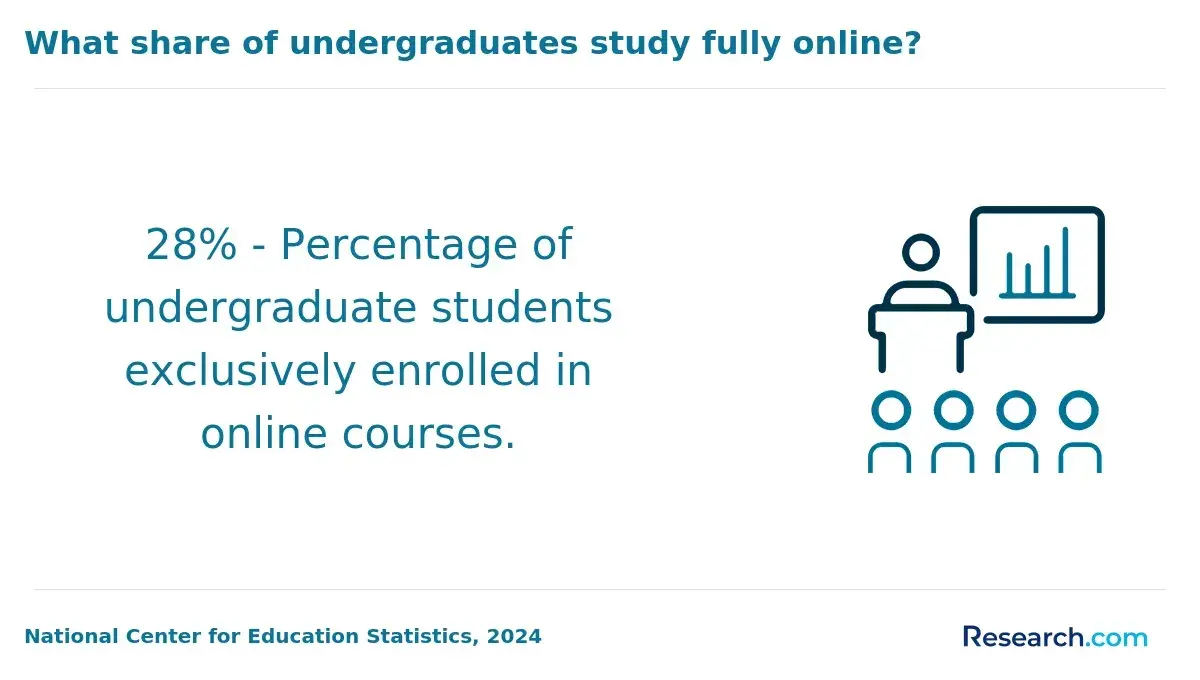
Choosing the right online program for a BA in Criminology - Criminology Generalist requires understanding how it fits both academic aspirations and career goals. With enrollment in fully online undergraduate programs growing over 20% in 2023 according to the National Center for Education Statistics, accessibility and flexibility are crucial factors. Prospective students often face a trade-off between program structure, practical training, and timely graduation.
This makes evaluating The Chicago School online BA in Criminology - Criminology Generalist essential for those balancing work, study, and future employability. This article examines cost, curriculum, admissions, and career outcomes to help readers make an informed decision about this program.
Key Points About The Chicago School's BA in Criminology - Criminology Generalist Program
- The Chicago School's BA in Criminology - Criminology Generalist requires a significant financial investment with a total tuition of $47,948, which may affect affordability and student loan considerations.
- The program admits about one-third of applicants, reflecting moderate selectivity that can influence admission strategies and applicant preparedness.
- Graduates find favorable employer recognition, suggesting the degree can support entry into criminology fields, though professional outcomes depend on additional experience and networking.
What can students expect from The Chicago School's online BA in Criminology - Criminology Generalist curriculum?
The Chicago School's online BA in Criminology - Criminology Generalist curriculum reflects a balance between foundational criminology education and the practical demands of criminal justice professions. Unlike some programs that focus heavily on theory or research alone, this curriculum integrates broad U.S. criminology degree standards with career-focused criminology courses at The Chicago School, helping students both understand systemic issues and develop actionable skills.
For example, a student aiming for a role in juvenile justice administration will find relevant coursework in juvenile justice alongside data analysis skills essential for policy evaluation. The following bullet points illustrate core elements of the program designed to ensure workforce readiness:
- Criminological Theory: Students engage deeply with competing criminological perspectives to analyze causes of crime and its societal impacts. This foundational knowledge supports critical thinking necessary for roles requiring policy assessment or community-based interventions.
- Statistical Analysis for Social Sciences: Coursework involves practical application of statistics and research methods, demanding students interpret data sets and outcomes. These skills are critical for evidence-based decision-making in careers such as criminology research or law enforcement strategy.
- Juvenile Justice and Corrections: This area exposes students to juvenile and adult correctional systems, emphasizing real-world challenges and reforms. Understanding these systems is vital for those pursuing roles in advocacy, rehabilitation, or public safety administration.
Students enrolled in this online criminology degree curriculum in Chicago can expect a rigorous and structured pathway that aligns with national criminology education standards while emphasizing practical application. The curriculum's flexible design aims to accommodate working professionals balancing multiple commitments.
Such a structure prepares graduates not only for entry-level positions in law enforcement or community services but also equips those considering advanced studies or policy analysis roles. It is also worth noting that students exploring the quickest online degrees will find this program's delivery format aligns well with accelerated learning timelines and workforce engagement strategies.
What are The Chicago School's admission requirements for online BA in Criminology - Criminology Generalist program?
Admission to The Chicago School's online BA in Criminology - Criminology Generalist requires more than just submitting an application, reflecting a selective process that evaluates academic readiness and relevant documentation. For a typical applicant, meeting these requirements means preparing official transcripts to verify academic history and potentially providing additional materials that support academic and personal qualifications.
For example, a transfer student aiming to continue their criminology education without losing credits must ensure their previous coursework aligns with the program's standards and be ready to discuss credit transferability. Below are key admission elements candidates should expect to fulfill.
- Official Transcripts: Applicants must submit transcripts from all previously attended institutions. These documents demonstrate academic performance and provide the admissions team with a basis to assess whether the student meets the program's standards.
- Academic Evaluation: The program does not have an open admission policy, meaning academic credentials are carefully reviewed. Although precise GPA or test score cutoffs are not publicly detailed, transcripts serve as a proxy for measuring academic readiness.
- Standardized Tests: There is no stated requirement for SAT, ACT, or GMAT scores. The absence of GMAT aligns with it being a graduate-level exam, while SAT/ACT expectations remain unspecified but are likely considered within holistic review.
- Additional Documentation: While no explicit demand for letters of recommendation, resumes, or personal statements is outlined, applicants should be prepared to provide typical supporting documents to strengthen their application if requested.
- Transfer Credit Assessment: Transfer applicants need to provide prior college transcripts to confirm credit applicability. Admission for transfers depends on coursework relevance and academic standing, necessitating direct communication with admissions to clarify details.
Is it difficult to get admitted to The Chicago School's online BA in Criminology - Criminology Generalist program?
Admission to a Bachelor's in Criminology program typically involves moderate competition, reflecting steady interest from students pursuing criminal justice careers. Compared to highly selective programs, many generalist offerings maintain accessibility to applicants with solid academic backgrounds but few standardized test requirements. This balance supports consistent enrollment without extreme bottlenecks, aligning with workforce demand for graduates prepared for entry-level roles that require foundational criminology knowledge and critical thinking skills.
The Chicago School's online BA in Criminology - Criminology Generalist embraces this middle ground with an acceptance rate of 33%, admitting 9 out of 27 applicants yearly. This selectivity signals a stable but not restrictive admission environment, shaped partly by the absence of SAT or ACT requirements. The program's enrollment strategy reflects a purposeful capacity to maintain consistent cohort sizes while enabling access for candidates demonstrating relevant academic preparation and contextual strengths beyond test scores.
One graduate shared that when applying online, the process felt manageable despite a brief hesitation about competition. "I wasn't sure if my background was exactly what they wanted, but not having to worry about standardized tests allowed me to focus on detailing my experience and interests," they recalled. The steady application volume meant there wasn't an intense race for spots, though submitting a thoughtful, well-documented application clearly mattered in crossing the threshold.
The online BA in Criminology - Criminology Generalist program at The Chicago School carries an annual tuition and mandatory fees cost of $20,844, forming the core expense before additional charges. The broader annual cost, factoring in living expenses, books, and fees, reaches nearly $48,000, which is a significant investment by most standards. Prospective students should note that the school does not offer in-state tuition rates for online learners, so geographic location does not reduce costs.
While the school does not clearly state online-specific technology fees, it remains critical for applicants to verify this, as such fees can alter total expenses substantially depending on program-specific requirements or updates.
Comparing the cost of the online BA in Criminology - Criminology Generalist at The Chicago School to similar programs nationally reveals that it stands above average tuition levels. Many institutions provide criminology degrees at lower base tuition rates, but these institutions may not bundle living and other expenses into their estimates as comprehensively. For working adults evaluating cost versus benefit, this difference highlights the need to consider not just tuition but the full cost of attendance, particularly for remote or flexible-study options where local cost of living differs.
Understanding the total tuition fees for The Chicago School Online Criminology Generalist program is essential given the disparities in pricing structures across institutions. Some programs may offer flat-rate tuition or financial aid targeted to online learners, factors absent here. This pricing reality affects those comparing options for criminology education by emphasizing transparency about where and how costs accrue in online formats versus traditional campus settings.
Given the high cost profile, students might also explore alternatives such as an online associates degree in related fields as a tactical entry point to criminology careers. This pathway can reduce initial educational expenses while still aligning with workforce requirements, particularly in support roles or as a stepping stone to advanced study. Weighing these options against employer expectations and practical career trajectories informs more sustainable decision-making around education investment.
Financial aid availability significantly affects the feasibility of pursuing an online BA in Criminology - Criminology Generalist at The Chicago School, especially for students balancing work or those from lower-income backgrounds. The blend of institutional and federal support reduces immediate financial barriers but requires navigating eligibility criteria and application procedures that can impact timely graduation and debt loads.
Understanding these options-and their limitations-helps prospective students plan realistically for how funding sources align with their career timelines and employer tuition benefits.
Key financial aid opportunities include:
- Institutional Scholarships: Awarded based on academic performance, leadership, or demographic factors specific to criminology students, these scholarships offer partial tuition coverage. Applicants typically need to maintain good academic standing and submit targeted applications annually.
- Federal Financial Aid: Availability depends on FAFSA completion and satisfactory academic progress. Eligible students access grants, subsidized loans, and work-study positions, with award amounts varying by demonstrated need, helping offset living and tuition costs.
- Veteran Benefits: Military veterans can utilize VA education benefits to cover tuition expenses, widening affordability for those with service backgrounds. These benefits often require certification of enrollment and military status documentation.
- Corporate Tuition Reimbursement: Employed students at companies offering education assistance can apply tuition reimbursements to reduce out-of-pocket costs. Participation often depends on employer policies, work tenure, and grade requirements.
- Flexible Payment Plans: The Chicago School may provide tailored payment schedules to fit individual financial situations, easing upfront payment demands but potentially extending the payment period with additional fees.
Access to targeted learning resources significantly impacts how students in the online BA in Criminology - Criminology Generalist program develop skills relevant to the demands of criminal justice careers. Those lacking reliable support often face delays mastering analytical tools or navigating the practical complexities of criminology work, hindering employability and professional integration.
Adequate learning resources bridge the gap between academic theory and workforce expectations, equipping students to engage confidently with agencies, legal contexts, or social service roles. The following resources particularly shape student capacity to meet these challenges:
- Technical Support: A specialized team addresses platform and access issues, ensuring students maintain continuous entry to course materials, virtual classrooms, and necessary software, which is critical for staying on schedule in a fully online environment.
- Academic Advising: Personalized guidance helps students tailor their coursework to career goals and manage program milestones efficiently, reducing attrition risks associated with unclear academic pathways.
- Tutoring Services: These focus on sharpening research and critical thinking skills, essential for effective analysis and report writing demanded by many criminology employer expectations.
- Library Access: Curated criminology resources and databases support evidence-based learning and prepare students for research-intensive tasks common in both graduate study and practitioner roles.
- Career Services: By facilitating internship placements, resume development, and networking within criminal justice sectors, this service enhances real-world readiness and helps navigate competitive job landscapes.
Many criminology programs integrate hands-on fieldwork through in-person clinicals or practicums, reflecting employer preferences for graduates with direct exposure to criminal justice environments. In these cases, practicums help students build applied skills and professional networks crucial for roles in law enforcement, courts, or community services. However, The Chicago School's online BA in Criminology - Criminology Generalist program diverges from this standard by not requiring any in-person clinical or practicum components, positioning itself as fully remote and theoretically focused.
Unlike many traditional programs, The Chicago School's approach prioritizes online coursework in theory, research methodologies, and policy analysis without mandating supervised field placements. This absence of in-person requirements caters to students who may be working professionals, caregivers, or individuals unable to relocate or commute for field experiences. For students seeking to supplement their academic learning with practical exposure, pursuing independent internships or volunteering is an available but optional path rather than a curriculum obligation. This flexibility may appeal depending on personal circumstances but can be a drawback when employers emphasize demonstrated field experience when hiring.
Students evaluating The Chicago School online BA in Criminology practicum requirements should weigh this tradeoff deliberately. While the program offers accessibility and convenience, the lack of integrated, supervised fieldwork means graduates might need to proactively secure experiential opportunities to remain competitive. In contrast, programs with embedded in-person clinical opportunities for Chicago School criminology students might better align with certain employer expectations for hands-on skills.
Prospective students can find further insight into related degree affordability and format comparisons through most affordable online masters resources.
The practical value of a BA in Criminology - Criminology Generalist from The Chicago School is best assessed by its alignment with realistic job markets. Graduates often fill essential entry-level roles that require both analytical skills and an understanding of criminal justice systems. However, the degree's generalist approach means those seeking advancement in specialized fields or leadership positions might need further education or certifications. For individuals considering career options in Chicago or similar urban settings, it's important to weigh the BA's versatility against the competitive nature of criminal justice jobs.
Career paths for graduates with this credential commonly address community safety, offender rehabilitation, and data-driven law enforcement strategies. The following highlights typical career opportunities with an online BA in Criminology from The Chicago School:
- Probation Officer: These professionals supervise offenders to ensure compliance with court mandates and promote societal reintegration, usually earning around $35,000 to $45,000 annually depending on jurisdiction.
- Correctional Treatment Specialist: Focused on assessing and rehabilitating incarcerated individuals, this role involves developing intervention plans aimed at reducing recidivism and improving inmate outcomes.
- Crime Analyst: Combining criminological theory with data analysis, crime analysts identify patterns to assist law enforcement agencies in targeting resources and preventing criminal activities.
- Victim Advocate: Providing support and resources, victim advocates help those affected by crime navigate legal processes and access social services.
For students weighing options, the online BA in Criminology - Criminology Generalist represents a stepping stone into public safety fields but typically requires strategic planning for specialization. Those interested in affordable educational pathways might consider institutions recognized as a cheapest self paced online college without compromising essential skills for criminal justice sectors.
The salary outlook for graduates of The Chicago School online BA in Criminology - Criminology Generalist reflects the practical value of specialized education over broader social science degrees. Graduates can expect a median alumni salary of $56,899, which positions them competitively in criminal justice and related sectors, particularly when contrasted with lower median earnings reported for general psychology degrees. This wage difference highlights the payoff for students focusing on criminology in terms of immediate earning potential and workforce integration.
For those pursuing salary expectations for graduates of The Chicago School online BA in Criminology Generalist, the degree's focus on policy development, crime analysis, and community safety provides relevant skill sets that align with employer priorities in law enforcement and justice administration. This specialization can serve as a strategic advantage for entry-level positions seeking candidates with targeted expertise rather than more generalized academic backgrounds.
Considering career earnings for online BA in Criminology Generalist graduates in Chicago, this salary advantage is meaningful but must be weighed against program costs and broader labor market factors. Students interested in navigating easy bachelor degrees pathways might compare these outcomes carefully to identify which programs balance accessibility with sustainable income growth in their chosen fields.
Choosing whether The Chicago School's online BA in Criminology - Criminology Generalist program fits your goals requires careful consideration of how its structure and outcomes match your personal and professional needs. Evaluating key factors ensures your time and resources align with realistic expectations in the criminology field. Consider these essential criteria when making your decision:
- Curriculum Relevance and Breadth: Assess whether the program's balance of theoretical foundation and practical justice applications equips you with the skills employers currently seek. A curriculum divorced from real-world justice challenges may limit your adaptability in diverse roles.
- Flexibility and Learning Format: Review how the asynchronous, fully online format aligns with your daily schedule and learning style. Flexibility supports work-life balance but demands self-motivation and effective time management to avoid falling behind.
- Faculty Interaction and Networking Opportunities: Consider the extent and quality of faculty and peer engagement available through virtual forums and office hours. Active interaction can enhance understanding and provide professional connections critical in a competitive job market.
- Commitment to Social Justice Culture: Reflect on whether a peer community focused on systemic inequality and reform aligns with your values and intended career path. Shared commitment can foster deeper engagement and purposeful networking.
One graduate shared their experience navigating these choices: "I was working full-time in a nonprofit and needed a program that respected my unpredictable schedule, so The Chicago School's asynchronous courses felt ideal. Still, I hesitated about missing in-person interaction, but the virtual discussions often sparked meaningful debates that helped me stay connected.
Knowing the school's focus on social justice matched my career ambitions, gave me confidence I wasn't just earning a generic degree but joining a community with shared goals." This perspective highlights the importance of weighing practical demands against the educational environment when deciding if this specific online BA suits your objectives.
What Graduates Say About The Chicago School's BA in Criminology - Criminology Generalist Program
- Paisley: "Studying the BA in Criminology - Criminology Generalist at The Chicago School gave me a strong foundation in theory, but what truly shaped my readiness was the practical internship opportunities the program emphasized. I found that employers in the field often look for candidates with hands-on experience and a well-developed portfolio rather than just academic credentials or licensure. The flexibility of the online format allowed me to work part-time and gradually transition into my role as a case manager in juvenile justice, which was crucial for navigating the competitive hiring landscape."
- Maribel: "I appreciated how The Chicago School's BA in Criminology - Criminology Generalist program offered a comprehensive look at the criminal justice system while encouraging critical thinking about social factors. After graduating, I discovered that earning certifications and gaining specialized experience were essential steps to advance beyond entry-level positions since the degree alone didn't open all doors. The program's emphasis on remote learning and adaptability helped me land a role in policy analysis, a career pivot I pursued after realizing the limited salary growth without further licensure."
- Liliana: "Going through the BA in Criminology - Criminology Generalist online at The Chicago School challenged me to develop self-discipline and manage complex coursework while working full-time. What stood out was the focus on research methods and data analysis, which has been invaluable as I grew in a forensic analyst position. I quickly learned that in this industry, having a strong grasp of evidence-based approaches and technical skills was more critical for career progression than the degree alone, but The Chicago School prepared me well to meet those demands."
Other Things You Should Know About Degrees
The program offers asynchronous online courses, which provides substantial flexibility for students balancing work and study. However, the academic calendar still enforces deadlines and term structures that limit how much you can accelerate progress. If you require an expedited graduation timeline, you should confirm how many credits can be taken simultaneously and plan accordingly, as overloading can affect performance in this demanding program.
Students can participate in internships, online workshops, or elective courses focusing on niche areas within criminology to enhance their specialization skills. Collaborating on research projects or seeking mentorship from professionals in specific criminology areas can also improve employability.
Because the program is fully online, on-campus networking opportunities and face-to-face mentoring with faculty and peers are limited. This absence may delay relationship-building with potential employers or alumni who could facilitate job leads. Consequently, proactive engagement through virtual career services and external professional networks becomes crucial for students seeking strong career connections post-graduation.
The Chicago School typically evaluates transfer credit on a course-by-course basis and may accept lower-division credits from regionally accredited colleges. A bachelor’s program usually requires at least 120 total semester hours, with upper-division major courses completed in residence or through approved transfer limits.
- Welcome to The Chicago School | Formerly The Chicago School of Professional Psychology https://www.thechicagoschool.edu/
- Clinical school of criminology - Brainly.in https://brainly.in/question/60589186
- Criminal Justice: BA vs. BS Degree Comparison https://www.warnerpacific.edu/blog/criminal-justice-ba-vs-bs-degree-comparison/
- Career Options and Salaries https://www.stonehill.edu/programs/criminology-major/career-options-and-salaries/
- Chicago Early Learning (CEL) https://www.chicago.gov/city/en/depts/fss/provdrs/child/svcs/chicago-early-learning-program-implementation-manual.html
- The Chicago School Library: Writing Resources: Writing Resources & Support https://library.thechicagoschool.edu/writing-resources
- Criminology Degree https://universitycompare.com/guides/subject/criminology-degree
- Financial Aid Tips for Criminal Justice Students https://www.criminaljusticeprograms.com/financial-aid/
- Bachelor of Arts in Criminology https://calendar.ualberta.ca/preview_program.php
- Quick Links https://www.alfabetaglobal.com/schools/depaul-university/programs/bachelor-of-arts-in-criminology-criminal-justice-administration-f9d31ecc-8d57-4995-bad5-9f6c5fd29244