2027 Northbridge University Pros and Cons for Online Students

Co-Founder and Chief Data Scientist
Choosing an online program at Northbridge University can be challenging when juggling work hours, family care, and financial limits. Many prospective students worry whether the flexibility offered will truly fit their busy lives without sacrificing quality education or career prospects. According to recent data, over 60% of online learners balance employment while studying, highlighting the need to weigh how program demands align with personal time and energy.
Assessing both the strengths and limitations of Northbridge University's online offerings is essential to making a grounded choice. The ideal fit depends on a student's professional goals, preferred learning style, and schedule constraints. This article analyzes key pros and cons to clarify what enrolling online at Northbridge University realistically entails and guide readers toward a decision suited to their unique situation.
Key Points About Northbridge University Pros and Cons for Online Students
- Northbridge University's online programs provide asynchronous classes and scheduling flexibility that suit working professionals and transfer students, though students may experience delayed responses from academic advisors affecting timely support.
- Technology platform issues and limited networking reduce engagement opportunities, while unexpected fees beyond the tuition of $28,700 create additional financial considerations for prospective students.
- Median graduate debt of $21,500 with alumni earning $49,200 yields an earnings-to-debt ratio near 2.3, suggesting moderate return beneficial for those prioritizing flexible study over swift income growth.
What are the biggest advantages of studying online at Northbridge University?
Advantages of online learning at Northbridge University depend greatly on individual priorities, such as scheduling flexibility, financial considerations, and career goals. For a working professional juggling job and family, the asynchronous course delivery can mean the difference between continuing education or putting it off indefinitely. The online format is not equally beneficial to every learner but suits those valuing self-paced study and expert instruction. Decision-makers should weigh these benefits against personal learning styles and career timelines.
Below are key advantages that illustrate how Northbridge meets diverse student needs.
- Flexible Scheduling with Asynchronous Classes: Students can access coursework anytime, allowing those with full-time jobs or fluctuating family commitments to engage without strict time constraints. This flexibility improves the likelihood of completion for busy adults balancing multiple responsibilities.
- Experienced Faculty Involved in Online Teaching: Same professors teach online and on-campus courses, providing continuity in academic quality. This benefits students seeking rigorous instruction from established experts rather than adjunct or less experienced online-only instructors.
- Accessible Admission with Moderate Selectivity: A 58% acceptance rate suggests admissions are competitive but not prohibitively selective, enabling motivated students to gain enrollment while maintaining academic standards. This balances accessibility with credibility in the degree earned.
- Meaningful Financial Aid Support: The average undergraduate aid award of $9,200, combined with 78% of online students receiving aid, offsets costs that often deter adult learners. This support is critical for students managing tuition alongside other financial obligations.
- Strong Career Outcome Indicators: With a median graduate earning of $44,700, students can expect reasonable return on investment. The alumni network and career services tailored for online learners increase opportunities for employment relevant to their fields.
- Above-Average Graduation Rates: Online students graduate at a 67% rate, reflecting success despite the challenges of remote learning. Persistence rates like this are vital for evaluating the program's ability to help students reach credential completion.
- High Satisfaction with Flexibility: According to the EDU Research Institute, 84% of online students report satisfaction with flexible learning environments. This statistic highlights how adaptability is a key factor in student contentment and retention, especially for those balancing multiple life dimensions.
What are the biggest drawbacks of Northbridge University's online programs?
Every online learning environment involves trade-offs, including cost, technical reliability, and social connectivity. Prospective students benefit from understanding these potential drawbacks before enrolling at Northbridge University. This awareness helps form realistic expectations about program value, support quality, and practical career outcomes. The choices made here influence both academic experience and future employability.
Below are some of the biggest challenges students face in Northbridge University's online programs.
- High Total Tuition Cost: Northbridge University's total tuition is $29,835, with median graduate debt of $23,560. This financial burden may outweigh potential entry-level salaries in some fields, especially for students seeking affordable online degrees. Careful budgeting and debt management are essential before committing.
- Hidden and Additional Fees: Students often encounter extra administrative and technology delivery fees not included in the sticker price. These hidden costs can cause the final expense to exceed initial expectations, affecting the overall affordability for cost-sensitive learners.
- Technical Problems and Downtime: Periodic outages and a clunky user interface disrupt course access and study continuity. Students relying on smooth digital platforms may find these tech issues frustrating and detrimental to learning momentum.
- Limited Digital Library Access: Compared to on-campus resources, the online library offering is restricted. This limitation impacts in-depth research and benefits students who require extensive academic material for their studies.
- Social Isolation and Limited Networking: Online learners experience isolation due to minimal peer interaction and scarce virtual collaboration tools. With constrained access to live recruiting events and career fairs, professional networking opportunities are reduced-an important consideration since 48% of online students report disengagement and less support according to the National Center for Education Statistics. This affects students who depend on campus connections and employer exposure.
- Out-of-State Tuition Premiums: Nonresident students face higher tuition rates, which introduce unpredictability into financial planning. This poses a challenge for those attending remotely from different states without in-state aid benefits.
- Reduced Practical Career Value: Structural, social, and financial challenges combine to may undermine long-term career benefits for some graduates. Students aiming for significant employer recognition or robust alumni networks should weigh these trade-offs carefully against program advantages.
Students seeking affordable online options may want to compare Northbridge to other options, such as those listed in affordable online PhD programs, to ensure the best fit for their goals and resources.
How flexible is Northbridge University for online students?
Flexibility is critical when selecting an online program because it goes beyond simply studying from home. It involves adapting to varied schedules and balancing multiple responsibilities such as work, family, or military service. For many students, the ability to control when and how they engage with coursework determines whether they can maintain steady progress toward a degree without sacrificing other obligations.
Northbridge University's online program flexibility centers on predominantly asynchronous courses. This allows students to access lectures and assignments at their convenience, which suits shifting daily routines. However, some courses include synchronous activities like live discussions, which can impose scheduling constraints. For example, a full-time employee juggling evening shifts might find most coursework manageable but still face occasional conflicts with real-time group projects. This blend supports a diverse student population but requires clear planning.
Both part-time and full-time enrollment options provide additional adaptability, letting students adjust their course loads as their availability changes. The university's policies mandate degree completion within fixed timeframes, usually six years for bachelor's degrees, which limits the possibility of extended breaks. Assignment deadlines and testing windows generally accommodate nontraditional hours through multi-day proctoring, yet these still demand disciplined time management. According to a 2024 National Education Trends report, such flexible structures with defined pacing and support lead to higher completion rates, highlighting the essential balance between freedom and accountability.
Prospective students assessing Northbridge University remote learning options for students should weigh their personal learning preferences and external commitments against this model. Those seeking mostly self-paced study may thrive, while individuals requiring full schedule autonomy might encounter limitations. Students considering shorter timelines, such as 1-year associate degree programs, should especially confirm alignment with Northbridge's pacing to ensure steady progress. Ultimately, its flexibility varies with program type and individual needs, making self-evaluation vital for success.
How strong is the online learning experience at Northbridge University?
The quality of an online learning experience goes beyond just course delivery. It depends heavily on factors like student engagement, instructor interaction, course design, academic support, and opportunities for meaningful learning. For example, a student juggling a busy work schedule will find timely feedback and active peer collaboration crucial for staying on track. National data shows 68.3% of online learners prioritize prompt instructor responses and peer interaction, underscoring these elements' importance as practical markers of educational quality.
Northbridge University's online environment offers accessible and reliable course materials, with generally current asynchronous content. This setup supports independent learners who thrive with minimal supervision. However, students needing frequent real-time engagement might find response times of 24 to 72 hours slower than preferable. Peer interaction and group projects exist but may lack depth, which could limit development of complex teamwork skills valued by employers, especially in collaborative fields.
Prospective students must assess whether Northbridge's mix of strengths and limitations fits their learning style and career objectives. Those comfortable with self-directed study might succeed here, while learners requiring more immediate instructor communication or robust peer engagement should consider these constraints carefully. Evaluating program-specific variation and asking about support services will provide practical insights for alignment with individual needs and professional timelines.
One Northbridge graduate shared that skepticism about the online format eased after encountering supportive instructors during urgent project questions. "I worried the delayed responses would hold me back, especially when I needed quick feedback on tight deadlines," they said, "but the course structure encouraged me to engage independently while still providing enough instructor support to keep me confident. It wasn't perfect, but I grew more self-reliant and appreciated that balance. It helped me transition smoothly into my current job role." This experience highlights the nuanced tradeoffs inherent in Northbridge's online learning setting.
Is Northbridge University affordable for online students?
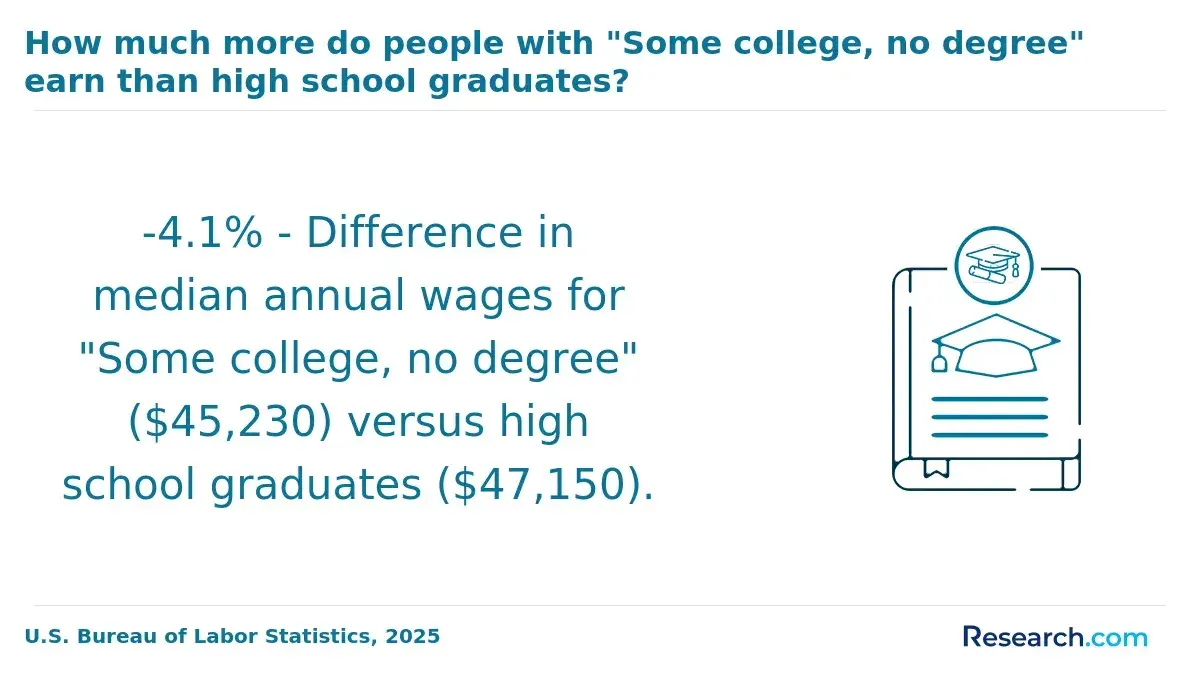
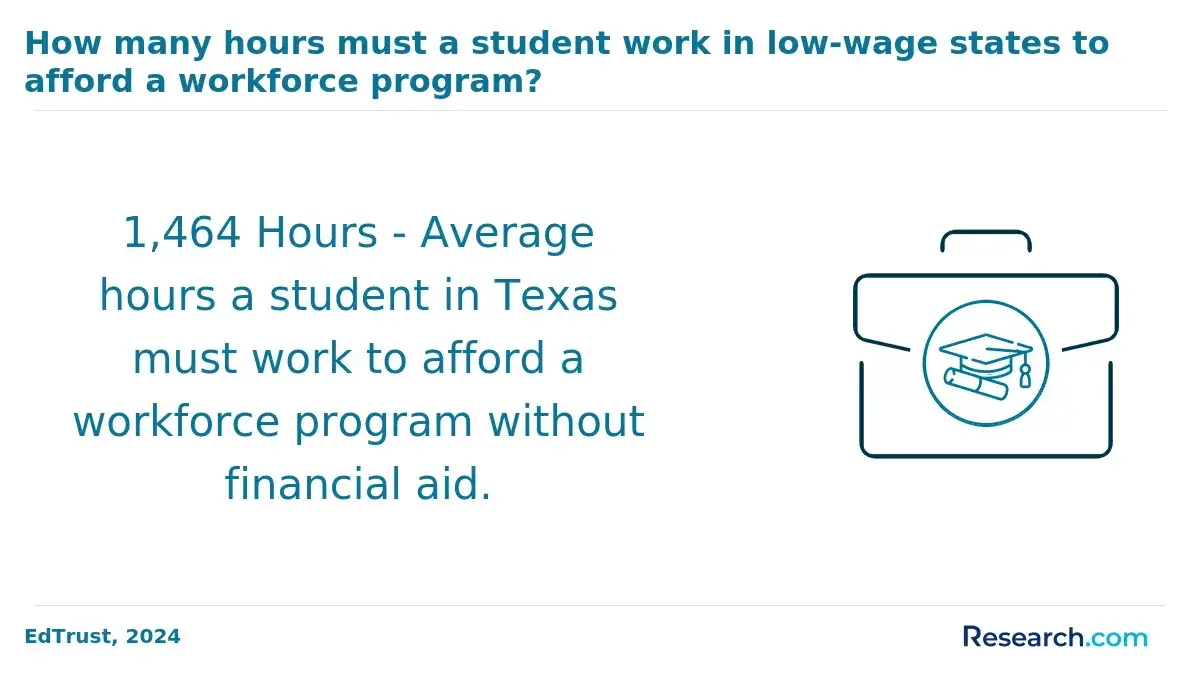
Affordability at Northbridge University extends beyond simple tuition price comparisons to include total costs and long-term educational value. While explicit online tuition data remains limited, distinguishing rates for in-state, out-of-state, and regional students affect initial expenses. Considering recent studies reflecting rising remote learning costs nationwide, the broader picture must include fees for technology and online proctoring, which add several hundred dollars annually. This comprehensive view helps assess whether the investment aligns with realistic professional outcomes. For example, a working adult weighing the financial tradeoffs may find value in the reduced commuting expenses paired with the ability to study flexibly, rather than focusing solely on tuition alone.
Affordability depends on factors like work status, financial planning, and educational goals, unique to each prospective student. Many online learners benefit from continuing employment, which offsets costs and supports living expenses, making programs like Northbridge's more accessible. The university's moderate earnings-to-debt ratio suggests that graduates generally manage repayment relative to income, an important consideration when evaluating affordable online degree programs at Northbridge University. However, individual circumstances vary widely, affecting affordability and the practical return on investment. Lower housing or commuting costs often represent significant savings that must be weighed alongside tuition and fees.
Determining if Northbridge University fits a student's financial and academic plan requires analyzing factors such as employment status, time to completion, financial aid availability, and career outlook. Students who assess these elements carefully can better manage debt and maximize value. Prospective enrollees should explore options like online college no application fee programs to reduce upfront costs. Ultimately, affordability is highly personal; a program's worth depends on balancing immediate costs with expected long-term benefits within the individual's unique context.
How do online programs at Northbridge University affect graduation time?
Graduation time is influenced by more than just whether a program is online or in-person. Key factors include enrollment pace, course availability, scheduling flexibility, and personal circumstances such as work or family obligations. These variables shape how quickly a student can complete their degree requirements. Online education's convenience alone does not guarantee faster completion; instead, progress depends on how these elements align with a student's individual situation and institutional policies.
Northbridge University's online format offers accelerated terms and an 8-week course structure, which could help some students finish sooner by taking advantage of continuous enrollment and shorter sessions. However, many learners balance part-time study with employment, caregiving, or military service, often slowing their academic progress. The limited offering of certain required capstone courses may also create delays. Thus, online study at Northbridge University does not inherently shorten or lengthen graduation timelines but serves different outcomes depending on a student's ability to maintain a consistent course load amid competing demands.
Prospective students should estimate their graduation timeline based on goals, realistic available study time, intended course loads, and external responsibilities. Maintaining steady academic progress is crucial to avoid bottlenecks. Reflecting on these factors alongside Northbridge's flexible scheduling can provide a clearer projection of completion dates. Since just 35% of online students nationally graduate within six years, according to the National Education Progress Report, 2024, careful planning is essential to minimize extended timelines that may affect career trajectories and earning potential.
One Northbridge University student initially expected to graduate in four years but quickly realized the challenges of balancing full-time night shifts with a full online course load. The student chose to reduce their course load to part-time and extended their timeline to six years. This adjustment came with hesitation, knowing it might delay career goals, but it also brought relief by creating a sustainable path. The flexibility allowed consistent progress without burnout, ultimately making the degree completion practical and aligned with both personal and professional demands.
Who is most likely to succeed in Northbridge University's online programs?
Success in an online program depends more on a student's capacity to manage independent learning than on age or prior background. Northbridge University's data underline that characteristics like discipline and digital literacy have more impact than traditional markers like prior education level. Students must actively structure their time, engage with online tools confidently, and maintain consistent communication to stay on track.
A recent 2024 study noted students with advanced time management skills are 35% more likely to finish online courses, highlighting behavioral traits over demographics. The following list identifies types of learners most likely to thrive at Northbridge University's online programs.
- Self-Disciplined Independent Learners: These students excel when left to their own devices and deadlines. Their ability to set and stick to goals helps them navigate Northbridge University's virtual environment, which requires little external enforcement. While discipline is cultivated over time, initial self-motivation lays a crucial foundation.
- Professionals with Work Experience: Learners who bring practical knowledge often find it easier to relate coursework to real-world contexts, enhancing engagement. Their experience also supports efficient problem-solving in asynchronous settings, where immediate help is limited. Such students should prepare to balance work demands with study rigor carefully.
- Technically Proficient Students: Those comfortable with digital platforms cope better with the technical aspects of Northbridge University's online systems. Their familiarity reduces frustration and wasted time troubleshooting issues. Developing digital literacy before enrollment or early in the program can mitigate common barriers to persistence.
- Adults Managing Multiple Responsibilities: Students balancing family, job, or other duties succeed by leveraging strong time-management and prioritization skills. They often develop robust strategies for carving out study windows and minimizing distractions. This adaptability helps meet Northbridge's flexibility demands but requires honest self-assessment to avoid overcommitment.
- Proactive Communicators: Learners who actively seek clarification, participate in forums, and reach out to instructors can compensate for limited face-to-face contact. Their initiative sustains engagement and reduces misunderstandings. Communication is a skill that grows with practice but is essential from the outset.
- Goal-Oriented Individuals: Students with clear educational and career objectives maintain motivation during inevitable setbacks. This focus supports perseverance amid Northbridge's moderate attrition environment. Revisiting and refining goals periodically can reinforce this beneficial mindset.
- Students Embracing Time Management Development: Even those initially lacking strong organization skills can improve through deliberate effort. The increased success rates linked to advanced time management emphasize its teachability and importance. Recognizing this offers encouragement but also warns against underestimating the program's demands.
How does Northbridge University compare with other online colleges?
Choosing between online colleges requires more than comparing rankings or reputation. Students must assess how well a school aligns with their educational needs, learning preferences, and career goals. Northbridge University online programs versus top national online colleges show notable differences across critical factors that impact outcomes. For instance, a prospective student pursuing a healthcare management career may prioritize institutions with higher graduation rates and stronger clinical partnerships. Understanding these nuances helps clarify whether Northbridge's offering fits individual priorities or whether alternatives with a proven track record offer better long-term value.
Below are key considerations when evaluating Northbridge University against other online colleges.
- Tuition Cost and Financial Value: Northbridge charges $28,560 total for online tuition, which positions it above the national average for public in-state programs but near private online pricing. Students sensitive to cost or carrying significant debt loads should weigh this against expected post-graduation earnings and their personal financial tolerance.
- Graduation Rate and Completion Success: With a 45% graduation rate, Northbridge trails many regional and national peers often exceeding 60%. This gap matters for students who need timely completion to reduce total costs and enter the workforce efficiently.
- Post-Graduation Earnings Versus Debt: Median earnings for Northbridge graduates are $49,832 against $34,200 in debt, yielding an earnings-to-debt ratio near 1.46. This moderate ratio suggests slower financial recovery compared to institutions routinely surpassing ratios of 2, influencing long-term economic viability for graduates.
- Career Support and Industry Connections: Northbridge lacks distinctive accreditations and exclusive partnerships that enhance employability. Programs with strong industry ties typically provide better career placement and networking, critical for students prioritizing robust career services.
- Program Structure and Learning Format: Some competitors offer competency-based models that allow credit for prior knowledge and self-paced progress. Understanding what is a competency-based master's degree can help students determine if Northbridge's more traditional pathway suits their learning style and scheduling needs.
- Accreditation and Academic Reputation: Accreditation status and institutional prestige influence credit transferability and employer recognition. Students comparing affordable accredited online degrees compared to Northbridge University should verify how accreditation affects their target industry or further education options.
- Student Support Services: The availability of tutoring, advising, technical support, and flexible scheduling can make a substantial difference for online learners balancing education with work or family. Evaluating Northbridge's support compared to other schools helps identify the best fit for student success.
What student support services are available for online learners at Northbridge University?
Strong student support services are essential for online learning success because they compensate for the lack of in-person interaction and provide vital guidance and resources. Without proactive support, remote learners can struggle with time management, technology issues, and academic challenges. Northbridge University's approach blends tailored advising and 24/7 technical assistance, addressing key areas that influence persistence and completion. While not all services are equally accessible at all hours, the infrastructure generally reflects the practical demands of online students.
Below are key categories of student support services available at Northbridge University, illustrating how these services address diverse learner needs and contribute to degree progress.
- Academic Advising Tailored for Remote Students: Advisors are available mostly during standard business hours to help students plan courses and navigate program requirements. This service benefits students needing structured guidance but may challenge those studying late evenings due to limited advising hours.
- 24/7 Technical Help Desk: Continuous access to IT troubleshooting supports all online learners, especially students using multiple devices or platforms. Reliable tech support reduces downtime and frustration, critical for maintaining steady progress.
- Virtual Career Advancement Services: These include resume workshops, online job fairs, and alumni mentoring, designed to prepare students for the workforce. While valuable for career preparation, students must actively engage to leverage these resources effectively, particularly those exploring introvert jobs.
- Remote Library and Tutoring Access: 24/7 databases, online tutoring, and writing labs help students overcome academic barriers common in remote settings, especially those needing flexible study times and additional skill development.
- Mental Health and Wellness Support: Remote counseling is offered with an emphasis on accessibility, which can support students managing stress or personal challenges. Effectiveness depends largely on proactive student participation.
Is Northbridge University the right choice for your career goals?
Selecting an online college should hinge on alignment with career goals rather than convenience, cost, or reputation alone. For example, a student aiming to enter healthcare administration needs strong industry connections and practical training, making program content and employer recognition crucial. Northbridge University's median alumni salary of $52,300 and a moderate graduation rate suggest a mixed outcome that varies significantly by field, highlighting that graduates must weigh program fit carefully against sector-specific career trajectories.
Northbridge University's online programs focus on business, IT, and healthcare, sectors with ongoing demand, but its regional accreditation offers moderate market recognition. The school's flexibility and niche networking options like virtual mentoring benefit students needing adaptable schedules, yet these supports may fall short for those seeking robust corporate partnerships or research-driven academic environments. Students with pragmatic goals or mid-level career pivots may find the balance of cost and relevance sufficient, while those targeting highly competitive or prestige-sensitive fields might face challenges.
Prospective students should evaluate Northbridge University by examining their desired career outcomes, current job context, and preferred learning style. Consider if flexibility is essential or if structured, closely connected programs better serve professional aims. The 64% shift in career goals reported by online learners nationally reveals the importance of adaptable programs that support evolving paths. Ultimately, success depends on matching Northbridge's offerings with personal circumstances rather than assuming it fits every learner's plan equally well.
What Graduates Say About Northbridge University Pros and Cons for Online Students
- Jasmine: "Studying online at Northbridge University allowed me to balance a full-time job and family responsibilities, which was vital for me. The flexibility to access lectures and complete assignments on my own schedule was the biggest advantage. However, I found staying motivated without regular in-person interaction challenging, and I had to develop strict routines to maintain focus and engagement throughout the program."
- Hafsa: "Northbridge University's online program provided a truly convenient way to further my education without relocating or sacrificing my career momentum. The interactive digital resources and prompt faculty feedback were particularly helpful. On the downside, I missed the spontaneous discussions and networking opportunities that come naturally in a campus environment, which meant I had to be more intentional about connecting with peers virtually to compensate."
- Saanvi: "From my experience, the online structure at Northbridge University suited my pragmatic approach to learning; I could immediately apply coursework concepts at work, enhancing both experiences. Flexibility was a core benefit, yet managing procrastination was a recurring hurdle, especially with fewer face-to-face check-ins. Over time, I cultivated better time management skills, which not only improved my academic outcomes but also boosted my confidence for future challenges."
Other Things You Should Know About Northbridge University Degrees
Northbridge University's online courses often require a similar total workload to their on-campus counterparts but are structured to demand more individual self-discipline. The asynchronous format means students must manage deadlines without regular in-person reminders, which can result in uneven pacing and occasional bursts of heavy work. Prospective students should consider whether they can maintain consistent study habits, as underestimating the workload risks falling behind without the usual campus-based scheduling supports.
Employers familiar with Northbridge University generally accept online degrees from the institution as equivalent to on-campus credentials, especially in fields where the university has a strong reputation. However, in more traditional industries or roles that emphasize hands-on experience, some employers may give preference to candidates with in-person education. Online students should weigh how program content and experiential components align with employer expectations in their target sector to avoid potential hiring obstacles.
Online students at Northbridge University have access to fewer structured networking opportunities compared to on-campus peers, which can affect career-building and mentorship prospects. While some virtual events and forums exist, they often require proactive engagement and do not fully replicate the spontaneous contacts and immediate feedback of in-person interactions. Because of this, online students should prioritize creating external professional connections independently to complement the more limited institutional networking options.
References
- Northbridge University https://miportal.edukgroup.com/
- myNorthbridge App - App Store https://apps.apple.com/us/app/mynorthbridge/id6749562332
- Flexible Distance Learning Courses That Boost Your Career https://www.stonebridge.uk.com/blog/distance-learning/distance-learning-courses-or/
- Student Well-Being Support - Stonebridge University https://stonebridge.university/student-wellbeing-support/
- Get Started - Northbridge AZ College Success Program https://northbridgeaz.org/getstarted/
- Pros and Cons of Getting a Bachelor's Degree Online https://www.dbu.edu/blog/pros-and-cons-getting-bachelors-degree-online.html
- Online Degree vs. Traditional | University of Arkansas Grantham https://www.uagrantham.edu/blog/pros-cons-online-degree-vs-traditional-university/
- Northbridge University Advances Career-Aligned Education with Strategic Growth and $100M Expansion Investment https://www.coloradoan.com/press-release/story/60885/northbridge-university-advances-career-aligned-education-with-strategic-growth-and-100m-expansion-investment/
- Home https://northbridge.ng/home/
- Flexibility versus structure for student learning - LearnSci Webcasts https://www.learnsci.com/post/the-balance-between-flexibility-and-structure-for-student-learning