2027 Johns Hopkins University Online MS in Environmental Sciences and Policy - Remediation, Compliance, and Assessment: Cost, Curriculum, Admissions, and Career Outcomes

Co-Founder and Chief Data Scientist
Navigating the complexities of environmental regulation and remediation requires specialized knowledge that adapts to evolving policies and technologies. Those considering the online MS in Environmental Sciences and Policy - Remediation, Compliance, and Assessment at Johns Hopkins University face critical decisions about program structure, flexibility, and alignment with career goals.
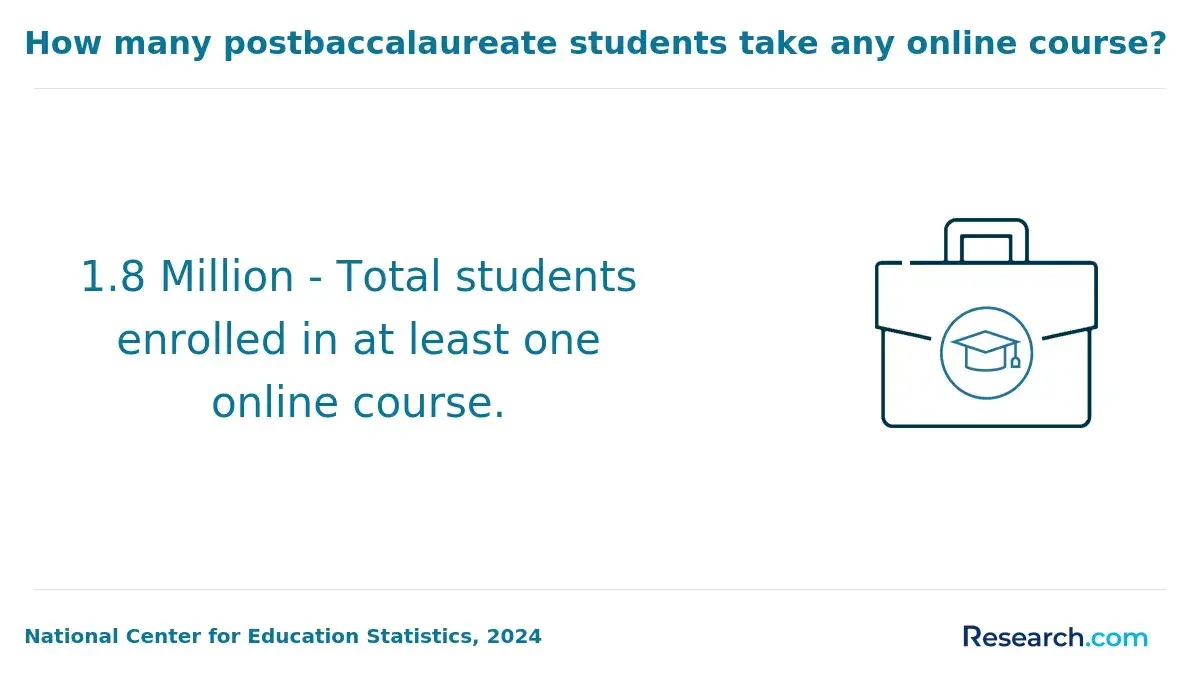
The increasing trend of online graduate enrollment, with a 15% climb in 2023 according to the National Center for Education Statistics, highlights the importance of accessibility and adaptability for adult learners balancing work and study.
The following analysis explores the program's curriculum, cost, admissions process, and career outcomes to clarify its practical fit for prospective students pursuing advancement in environmental fields.
Key Points About Johns Hopkins University's MS in Environmental Sciences and Policy - Remediation, Compliance, and Assessment Program
- The 8% acceptance rate signals intense competition and reflects the program's alignment with candidates who meet strict criteria, shaping a peer group with high academic and professional readiness.
- Alumni success in environmental policy roles highlights employer recognition of the program's focus on remediation, compliance, and assessment, reinforcing its practical value in specialized regulatory careers.
- The $80,778 tuition cost requires careful weighing of long-term career returns against upfront financial commitments, particularly for students balancing investment risk with expected advancement.
What can students expect from Johns Hopkins University's online MS in Environmental Sciences and Policy - Remediation, Compliance, and Assessment curriculum?
A crucial aspect of assessing the value of an online MS in Environmental Sciences and Policy - Remediation, Compliance, and Assessment at Johns Hopkins University lies in its rigorous integration of scientific and policy elements tailored to workforce demands.
For instance, a graduate tasked with developing remediation strategies for a contaminated industrial site must leverage knowledge from multiple disciplines, including risk assessment and environmental law, to navigate regulatory complexities effectively. The curriculum aligns closely with typical U.S. standards but stands out by emphasizing practical enforcement frameworks alongside scientific concepts.
Below are key coursework components reflecting this balance:
- Environmental Chemistry: Students delve into chemical processes affecting pollutants and ecosystems, requiring strong analytical skills to predict contaminant behaviors. Mastery here is indispensable for designing scientifically sound remediation methods that meet legal thresholds.
- Site Remediation Technologies: This course challenges students to evaluate and apply cutting-edge remediation techniques based on site-specific conditions. Practical exercises simulate decision-making scenarios, fostering readiness for real-world environmental consulting or regulatory roles.
- Environmental Compliance Frameworks: Focused on laws such as CERCLA and RCRA, this segment trains students to interpret and implement regulatory mandates, ensuring solutions align with complex compliance landscapes vital for enforcement and policy roles.
The curriculum's multidisciplinary nature supports proficiency in managing contamination sites and environmental risks while interpreting relevant regulations. Those exploring the best degree to get in this field will note that Johns Hopkins University's approach equips graduates to handle both technical challenges and policy-driven compliance, a combination increasingly demanded by employers.
Such comprehensive training is reflected in the coursework and learning outcomes for Johns Hopkins University MS in environmental sciences and policy remediation compliance and assessment, which balance depth and applicability for evolving workforce expectations.
What are Johns Hopkins University's admission requirements for online MS in Environmental Sciences and Policy - Remediation, Compliance, and Assessment program?
Admission to Johns Hopkins University's online MS in Environmental Sciences and Policy - Remediation, Compliance, and Assessment reflects a selective process that prioritizes academic preparedness and relevant competencies rather than simply accepting all applicants. For example, an applicant with strong secondary academic performance but limited exposure to formal environmental coursework might still qualify if they secure compelling recommendations and meet language requirements.
Below are the typical admission requirements candidates must navigate to gain consideration for this specialized program.
The key components Johns Hopkins University evaluates during admission include:
- Academic Records: A completed high school record or equivalent, such as a GED certificate, is required. The program mandates a secondary school GPA, which signals foundational academic ability, though not necessarily a college-preparatory curriculum.
- Letters of Recommendation: Applicants must submit letters supporting their academic and professional potential. These serve as essential external validation, helping admissions assess readiness for advanced study beyond transcripts.
- English Proficiency: For students whose previous instruction was not in English, demonstrating proficiency through the TOEFL is necessary. This requirement ensures candidates can effectively manage the rigorous coursework and communication demands in the program.
- Standardized Tests: There is no explicit requirement for SAT, ACT, or GMAT scores. This reflects a focus on holistic evaluation rather than standardized metrics which often overlook practical competencies.
- Credit Transfer and Equipment: While AP credits are accepted to satisfy undergraduate prerequisites, credit for life experiences or dual credits is excluded. The program does not require purchasing or leasing a computer but offers options for those without one.
Is it difficult to get admitted to Johns Hopkins University's online MS in Environmental Sciences and Policy - Remediation, Compliance, and Assessment program?
Securing a spot in a master's program focused on environmental sciences and policy with a specialization in remediation, compliance, and assessment is generally competitive, reflecting the field's growing importance in regulatory and sustainability efforts. Applicants often face the challenge of demonstrating both strong academic credentials and relevant practical experience, as employers increasingly seek graduates who can navigate complex environmental regulations and assessment protocols.
Johns Hopkins University's online MS program intensifies this competition, with an overall acceptance rate of just 8%, admitting roughly 2,943 candidates out of 38,926 applicants annually. This low acceptance rate highlights not only the university's selective nature but also the saturated applicant pool driven by heightened global environmental concerns.
Prospective students must typically present high standardized test scores and evidence of academic rigor alongside professional or research experience to stand out.
One graduate recalled debating whether to apply due to the program's competitiveness and the pressure of balancing full-time work with application demands. "Preparing a detailed application felt daunting, especially knowing so many others were qualified. But emphasizing my project work in environmental compliance made the difference," they shared.
Their experience underscores the need for targeted preparation to navigate Johns Hopkins' selective admissions, reflecting the broader realities faced by applicants in this specialized field.
What is the cost of attending an online MS in Environmental Sciences and Policy - Remediation, Compliance, and Assessment program at Johns Hopkins University?
The tuition cost for the online MS in Environmental Sciences and Policy - Remediation, Compliance, and Assessment program at Johns Hopkins University is $63,340 annually, excluding additional expenses like books, room, and board.
With total annual costs reaching around $80,778, prospective students must consider how these figures affect their financial planning, especially when factoring in indirect costs, since Johns Hopkins does not provide a separate technology fee or in-state tuition discounts for online learners. This absence of geographic differentiation shapes a uniform pricing structure regardless of residency.
Compared to other institutions offering similar MS programs in environmental sciences and policy, Johns Hopkins University stands at the higher end of the cost spectrum.
While many other programs maintain lower tuition fees, the investment here reflects the university's research intensity and prestige. However, the price premium should be weighed against potential career outcomes and employer expectations tied to this program's comprehensive curriculum and reputation in remediation, compliance, and assessment.
Students pursuing this degree should also anticipate additional expenses such as $1,367 annually for books and supplies, which can influence budgeting decisions. For professionals weighing the return on investment, it is crucial to balance upfront tuition costs with factors such as program value, networking opportunities, and alignment with workforce demands, particularly in environmental compliance roles where credentials can impact job placement and salary negotiations.
Given these considerations, candidates interested in environmental sciences credentials might benefit from comparing the Johns Hopkins program with other options, including exploring rankings of best online certificate programs that pay well. Such an approach can clarify how the program's cost aligns with realistic career pathways and employer preferences within the environmental sector.
Are there financial aid options for online MS in Environmental Sciences and Policy - Remediation, Compliance, and Assessment students at Johns Hopkins University?
Financial aid availability for students in the online MS in Environmental Sciences and Policy - Remediation, Compliance, and Assessment program at Johns Hopkins University reflects realistic constraints and institutional priorities.
While the program itself does not offer extensive exclusive scholarships, around two-thirds of enrollees secure some form of financial assistance, indicating moderate accessibility through broader university and external avenues. This distribution suggests that students often need to combine different funding strategies to manage costs, a common scenario for professionals balancing work and further education.
Navigating aid opportunities early is crucial for minimizing borrowing and maximizing resources.
Key financial aid options include:
- University Scholarships: Broadly available to qualified graduate students, these scholarships vary in amount and often require academic merit or demonstrated need. Application deadlines and criteria differ, so timely engagement with the financial aid office is essential.
- Employer Tuition Reimbursement: Many working professionals in environmental sectors may access partial or full tuition reimbursement through their employers. Eligibility and coverage depend on employer policies and may require maintaining certain grades or continuing employment for a set period.
- Veteran Benefits: Military-affiliated students can leverage benefits from the GI Bill® and other federal programs, which often cover substantial tuition portions. Certification through the university's veterans affairs office is typically required.
- Federal Aid: Pell Grants are less common for graduate students, but federal student loans and work-study remain primary sources. FAFSA submission is mandatory, with award amounts contingent on financial circumstances and enrollment status.
- Institutional Aid: Occasionally, need-based aid or fellowships may be granted to students demonstrating exceptional financial need or research alignment, though these are more limited than undergraduate options.
What learning resources are available to online MS in Environmental Sciences and Policy - Remediation, Compliance, and Assessment students at Johns Hopkins University?
Access to targeted learning resources directly influences the ability of students enrolled in the online Ms in Environmental Sciences and Policy - Remediation, Compliance, and Assessment to translate academic knowledge into effective professional practice. Given the program's technical and interdisciplinary nature, robust digital tools and academic support mitigate common challenges of remote learning, such as isolation and limited hands-on guidance.
For example, a student struggling to navigate evolving environmental regulations can leverage specific research databases and expert advising to align projects with current compliance standards-an asset that not only supports coursework but also responds to employer expectations for up-to-date regulatory knowledge. The following key resources illustrate how these supports underpin student success and practical readiness.
- Dedicated Online Platform: A centralized digital environment delivers seamless access to lectures, readings, interactive simulations, and collaborative forums, helping students manage complex materials and engage with peers despite geographic distance.
- Technical Support: Responsive assistance ensures that software issues, connectivity problems, or navigation difficulties do not interrupt learning continuity, which is critical for maintaining steady progress in graduate-level coursework.
- Academic Advising and Tutoring: Personalized guidance and coaching address specific challenges in understanding scientific and policy frameworks, improving critical thinking and problem-solving skills vital for environmental compliance roles.
- Research Databases and Digital Libraries: Remote access to extensive collections of environmental science journals and policy documents equips students with authoritative references necessary for rigorous research and evidence-based decision-making.
- Professional Development Services: Career counseling, resume workshops, and industry networking opportunities prepare students to meet employer criteria post-graduation, helping bridge academic learning with workforce expectations in environmental remediation and regulatory fields.
Does Johns Hopkins University's online MS in Environmental Sciences and Policy - Remediation, Compliance, and Assessment program have in-person clinicals or practicums?
In environmental sciences graduate programs, in-person practicums or clinicals often serve as key experiential components that allow students to develop hands-on skills in remediation, compliance, and assessment settings. Employers frequently expect candidates to have direct exposure to fieldwork, which can be pivotal for understanding regulatory frameworks and operational realities.
Compared to such industry standards, Johns Hopkins University's online MS in Environmental Sciences and Policy - Remediation, Compliance, and Assessment program does not require in-person clinicals or practicums, a significant structural difference that carries implications for skill acquisition and employer perceptions.
The absence of mandated in-person practicums means students must rely on case studies, virtual simulations, and project-based assignments to replicate practical experience. This format suits working professionals juggling career and personal commitments, particularly those unable to access campus-based or fieldwork opportunities.
However, the online program emphasizes theoretical rigor and applied policy evaluation over physical fieldwork exposure, which may necessitate additional self-driven local internships or workplace projects to meet some employer expectations for clinical and practical experience components in Johns Hopkins University environmental sciences online program graduates.
For prospective students weighing the tradeoffs, this model offers accessibility and flexibility but shifts responsibility for practical experience outside the formal curriculum. Those prioritizing direct remediation site work or regulatory compliance internships might need to seek external opportunities alongside their studies.
For understanding how this program fits into broader credentialing options, resources detailing the best certifications for jobs can offer further guidance for aligning education with workforce demands.
What careers can graduates of online MS in Environmental Sciences and Policy - Remediation, Compliance, and Assessment at Johns Hopkins University secure?
The career paths for graduates of the online MS in Environmental Sciences and Policy - Remediation, Compliance, and Assessment at Johns Hopkins University hinge on their ability to translate specialized skills into roles managing environmental risks and regulatory requirements. Market demand values professionals who understand complex environmental data and can operationalize compliance frameworks, a practical focus that determines long-term employability.
For instance, remediation project managers often navigate multidisciplinary teams and regulatory hurdles to restore contaminated sites, which demands both technical knowledge and project coordination. The program's outcomes directly influence job prospects for Johns Hopkins University MS in Environmental Sciences and Policy graduates seeking roles with measurable impact in environmental health and safety.
Typical positions include: 1. Remediation Project Manager 2. Compliance Officer 3. Environmental Consultant 4. Risk Assessment Specialist 5. Sustainability Manager 6. Regulatory Affairs Specialist 7. Environmental Policy Analyst 8. Environmental Scientist 9. Environmental Engineer 10. Environmental Health and Safety Manager
- Environmental Consultant: These specialists analyze environmental data and advise on pollution reduction strategies. They help public and private entities meet environmental regulations, often earning competitive salaries that reflect their technical expertise.
- Compliance Officer: Responsible for ensuring organizational adherence to laws like the Clean Water Act, compliance officers monitor and enforce environmental policies, preventing costly legal penalties and safeguarding operational licenses.
- Remediation Project Manager: Coordinating cleanup initiatives, these managers work with scientists and regulators to develop effective remediation plans, balancing technical challenges with stakeholder engagement and regulatory demands.
- Sustainability Program Manager: Focused on developing and implementing sustainable practices, these roles combine policy advising with environmental risk assessment to support long-term organizational responsibility.
Deciding on this degree involves weighing these career outcomes against program costs and curriculum to ensure alignment with professional goals. Those exploring environmental careers may also consider institutions among the recognized self-paced colleges that offer comparable flexibility and career-focused training.
What is the salary outlook for online MS in Environmental Sciences and Policy - Remediation, Compliance, and Assessment graduates?
The salary outlook for graduates of the online ms in Environmental Sciences and Policy - Remediation, Compliance, and Assessment reflects a balance between technical expertise and policy application. For example, a graduate employed in a regulatory agency or environmental consulting firm may find salaries competitive against broader university medians, but often lower than high-demand STEM disciplines that emphasize coding or engineering design.
The median alumni salary across various disciplines at Johns Hopkins University sits at $87,555, indicating a solid baseline for career earnings for Johns Hopkins University ms in Environmental Sciences and Policy graduates.
While exact salary data for this specific degree is limited, related fields such as Chemical Engineering and Mechanical Engineering report median salaries of $51,234 and $70,563, respectively. This suggests that environmental sciences and policy roles, particularly those with remediation and compliance skills, position graduates between technical and health-focused disciplines in financial terms.
Compared to fields like Public Health at $29,386 or Behavioral Sciences at $17,641, the environmental sciences and policy sector offers stronger earning potential, often tied to regulatory complexity and sustainability demands.
However, students should weigh these returns against higher-paying STEM options like Computer and Information Sciences, where median salaries reach $105,950. For those researching pathways in the environmental field, especially with diverse backgrounds, exploring resources such as the best degree for felons may also inform broader career planning.
How do you know if Johns Hopkins University's online MS in Environmental Sciences and Policy - Remediation, Compliance, and Assessment program is the right choice for you?
Choosing an MS in Environmental Sciences and Policy - Remediation, Compliance, and Assessment program requires careful evaluation of how its structure and focus align with your professional goals and lifestyle. This decision shapes not only your educational experience but also your capacity to meet employer expectations and advance in regulatory or remediation fields. Consider the following criteria to clarify program fit and potential tradeoffs.
- Curriculum Relevance to Career Goals:The program should emphasize applied policy and technical skills pertinent to your targeted sector. Evaluate course content for depth in remediation techniques, compliance regulations, and environmental assessment to ensure alignment with your intended job roles.
- Delivery Format and Flexibility: Assess whether the fully online asynchronous model suits your work-life balance needs and learning style. Flexibility is critical for professionals managing employment alongside study, but confirm that interactive and accountability elements are sufficient for your motivation and comprehension.
- Peer and Faculty Network: Analyze the program's community dynamics and opportunities for mentorship or collaboration. Strong connections can enhance practical learning and open doors in specialized environmental fields, which is vital for mid-career learners seeking expanded professional influence.
- Long-Term Employability Considerations: Review how employers in environmental remediation and regulatory compliance recognize the credential and whether it equips you for evolving industry demands or certification requirements.
Reflecting on these factors, one recent graduate shared that initially, the decision hinged on balancing a full-time environmental consulting job with academic rigor. She valued the program's emphasis on regulatory frameworks, which matched her daily responsibilities, but was hesitant about the online format.
Over time, the structured deadlines and faculty expertise provided the discipline and practical insights she needed. Her experience underscores the importance of aligning program features not just with career aspirations but also with realistic capacity for self-directed learning and engagement.
What Graduates Say About Johns Hopkins University's MS in Environmental Sciences and Policy - Remediation, Compliance, and Assessment Program
- Layla: "Studying at Johns Hopkins University gave me a deep, practical understanding of environmental regulations and remediation techniques that employers value more than simple licensure in our field. The program's emphasis on real-world case studies and policy analysis meant I could build a strong portfolio, which was crucial when competing against candidates with extensive onsite experience. While securing a remote role early on was a challenge, the flexibility of the program allowed me to pivot my career into compliance strategy effectively."
- June: "The MS in Environmental Sciences and Policy - Remediation, Compliance, and Assessment at Johns Hopkins University was demanding but rewarding, particularly through its focus on environmental risk assessment and multi-disciplinary problem solving. My professors encouraged internships that provided me with valuable industry contacts, which helped me land my first job despite a saturated job market. Even though salary growth is slower without certain certifications, the program's comprehensive curriculum gave me the confidence to navigate those trade-offs thoughtfully."
- Adeline: "Johns Hopkins University's program equipped me with a strong policy framework and technical knowledge that have been vital for success in my environmental consulting work. The balance between academic rigor and applied projects made the transition into the workforce smoother, especially since many employers prioritize demonstrated skills and project experience over mere credentials. In hindsight, the program's flexibility allowed me to complete my degree while working full-time, which was essential as I juggled professional and personal responsibilities."
Other Things You Should Know About Degrees
The program offers asynchronous coursework which can help working professionals fit studies into their schedules, but the overall workload is rigorous and requires consistent weekly commitment. Students juggling full-time jobs should prioritize time management early, as the technical nature of remediation and compliance topics demands focused study. Expect periods of higher intensity around project deadlines, making it critical to plan ahead if balancing professional responsibilities.
While online delivery limits face-to-face interaction, the program facilitates networking through virtual cohort groups, discussion forums, and occasional live seminars. However, these opportunities may not fully replace in-person connections, which can be crucial for environmental consulting career paths. Prospective students seeking strong industry networking should proactively engage in external professional organizations alongside the program.
The program expects foundational knowledge in science or related fields, so applicants lacking this background may struggle with advanced technical content. Those without prior experience might need to consider preparatory courses or alternative programs with more introductory material. For students with limited environmental science exposure, Johns Hopkins' program demands readiness to quickly adapt, which can impact initial academic performance and confidence.
References
- Environmental Sciences and Policy - MS https://www.cjbnetwork.com/program/johns-hopkins-university-environmental-sciences-and-policy-ms-886878342
- How to take advantage of Hopkins resources https://www.jhunewsletter.com/article/2020/08/how-to-take-advantage-of-hopkins-resources
- Master of Science in Environmental Sciences and Policy https://www.ceu.edu/academics/degrees/ms-environmental-sciences-policy