2027 Is Walden University's Online PhD in Industrial & Organizational Psychology - General Practice Worth It? What Students Should Know

Co-Founder and Chief Data Scientist
Choosing an online PhD in Industrial & Organizational Psychology - General Practice program requires weighing flexibility against academic rigor and career impact. With the U. S. Bureau of Labor Statistics projecting a 9% growth in organizational psychology roles, the demand for advanced expertise is clear, but not all programs equally facilitate career advancement. For students balancing work and study, especially in a virtual environment, program duration, faculty support, and research opportunities become critical factors. Assessing whether Walden University's program aligns with these needs involves understanding its structure and outcomes. This article explores those aspects to help prospective students make an informed decision about its worth.
Key Points About Walden University's Online PhD in Industrial & Organizational Psychology - General Practice Program
- Walden University's PhD in Industrial & Organizational Psychology - General Practice has an open admission policy, increasing access but potentially varying cohort preparedness and academic rigor.
- The total tuition of $34,458 contrasts with a median graduate salary of $42,810, yielding a 2.05x earnings to debt ratio, indicating moderate financial return over time.
- While faculty expertise and practical training support industry entry, the program is less recognized by top-tier employers, possibly limiting job opportunities in highly competitive environments.
What makes Walden University's online PhD in Industrial & Organizational Psychology - General Practice program stand out?
The value of Walden University's online PhD in Industrial & Organizational Psychology - General Practice lies largely in its scalability and adaptability to diverse student needs. For working professionals managing career and life responsibilities, the asynchronous format offers essential flexibility, enabling engagement with coursework at personalized times without sacrificing job performance. However, this flexibility requires significant self-discipline, especially given the rigor and depth expected of a doctoral program in this field.
The program's distinguishing feature is its integration of applied research with practice-focused training, which aligns with employer demand for candidates who can translate psychological theory into actionable organizational strategies. Access to a large faculty of 1,117 full-time and 2,306 part-time instructors across a student body of 44,223 creates opportunities for specialized mentorship and research collaboration, mimicking on-campus academic networks despite the virtual setting. This structure benefits those aiming for careers in consultancy, organizational development, or academic research, where evidence-based decision-making is pivotal.
Is it difficult to get admitted to Walden University's online PhD in Industrial & Organizational Psychology - General Practice program?
Admission to most PhD programs in Industrial & Organizational Psychology - General Practice tends to be highly competitive, reflecting the field's specialized skill requirements and limited doctoral slots nationwide. Candidates often face substantial barriers, including strict academic criteria and intense peer competition for few openings. This environment typically favors applicants with strong research experience, high academic achievement, and relevant professional backgrounds.
Walden University's approach contrasts sharply with this norm due to its open admission policy, making the program accessible without requiring SAT or ACT scores or other conventional admission hurdles. This policy implies a notably lower overall admission difficulty, which can be advantageous for professionals balancing work or personal obligations who might otherwise struggle with traditional PhD admissions. However, the tradeoff may include less selectivity in cohort quality and a need for students to self-motivate amid a broader range of peer preparedness.
While definitive acceptance rates are unavailable, the absence of competitive screening reflects a practical tradeoff: easier admission but potentially fewer curated academic resources and networking opportunities compared to more selective programs. For those prioritizing flexible access to doctoral credentials in Industrial & Organizational Psychology over elite program prestige, Walden's model removes significant gatekeeping.
One recent graduate recalled, "I hesitated at first because I wasn't sure about the open admissions-it felt like jumping into the unknown. The application process was straightforward, but I spent weeks weighing whether the lack of traditional barriers meant lower academic rigor. In the end, the flexibility allowed me to enroll while working full-time, which was crucial since waiting for a more competitive program's cycle would have delayed my plans by a year or more."
How does the curriculum of Walden University's online PhD in Industrial & Organizational Psychology - General Practice program stay aligned with current industry trends?
Aligning a doctoral curriculum with the shifting demands of industrial and organizational psychology requires a focus beyond theoretical knowledge, emphasizing actionable skills for evolving workplace contexts. Walden University's online PhD in Industrial & Organizational Psychology - General Practice addresses this by integrating competencies that mirror both academic rigor and practical industry relevance. Graduates equipped with these skills are better positioned to navigate environments where organizations seek not only analysis but also strategic interventions that influence culture and operational effectiveness.
Key curriculum features that demonstrate how Walden University's PhD in Industrial & Organizational Psychology - General Practice aligns with industry trends include:
- Applied Research Focus: The inclusion of advanced statistical techniques and research design ensures that candidates can conduct rigorous, data-driven analysis. This prepares graduates for roles requiring evidence-based decision-making, crucial in consulting and academic settings where empirical validation drives credibility and influence.
- Organizational Relevance: Emphasizing areas such as organizational development and human capital management equips students to engage directly with real-world workplace challenges. This practical orientation aids in bridging the gap between theory and implementation, a critical skill as firms increasingly expect doctoral-level input on employee engagement and productivity improvement.
- Industry Standard Alignment: By following the Society for Industrial and Organizational Psychology (SIOP) guidelines, the program maintains relevance to professional benchmarks. This alignment facilitates smoother transitions into roles that require adherence to ethical leadership and adaptability to technology-driven environments, reflecting current employer priorities.
Overall, Walden University's industrial organizational psychology curriculum adapts thoughtfully to industry expectations, offering a curriculum that cultivates analytical proficiency and practical application. Students evaluating their options should weigh this alignment against their career goals and recognize that the program's design supports roles demanding both strategic thinking and collaborative problem-solving. For those assessing whether this track matches their aspirations, reviewing good degrees to get can provide broader context on educational investments relevant to workforce outcomes.
The base tuition for walden university phd in industrial & organizational psychology tuition fees stands at $12,498 annually, which is competitively priced within the online education sector. However, the total annual cost including books, supplies, and estimated room and board reaches $34,458. For students studying fully online and remotely, room and board expenses may not apply, meaning the practical cost could be significantly lower. This distinction matters for those weighing their budget realistically against the program's structure and delivery.
Additional fees are limited, as walden does not impose a separate online technology fee typical of many programs. The flat-rate tuition policy for online learners eliminates residency-based variation, offering uniform pricing across states-a factor that simplifies financial planning for out-of-state students. This approach reflects how cost predictability can influence decisions, especially for professionals balancing work, location, and educational investment in a lengthy doctoral program.
Financial aid availability further affects net cost. While 90% of undergraduates receive aid averaging $3,353, prospective doctoral candidates should proactively inquire about targeted institutional scholarships and corporate tuition reimbursement options. These funding avenues can materially reduce out-of-pocket expenses and influence the feasibility of pursuing this degree, especially given the extended timeframe and opportunity costs involved in completing a PhD in Industrial & Organizational Psychology - General Practice at walden university.
Compared nationally, the base tuition places Walden in a reasonable range but the comprehensive total cost is higher than some competitors, largely due to living expenses factored in for on-campus students. Students focused on tuition and materials alone often find their expenses reduced if they study remotely. For those considering alternative pathways, reviewing programs like an accelerated online bachelor's degree or comparable PhD programs can clarify cost-to-value tradeoffs critically needed for long-term career planning.
The admissions process for Walden University's online PhD in Industrial & Organizational Psychology - General Practice prioritizes a flexible yet comprehensive review rather than rigid test score cutoffs, which affects how applicants prepare and present their credentials. Candidates should recognize that while standardized entrance exams like the SAT or ACT are not required, the selection hinges on a more nuanced assessment of documents that reflect professional readiness and scholarly potential. This balance caters well to experienced professionals, but also demands strategic application materials to meet employer expectations for rigor and relevant competence.
Key elements of this process include the following:
- Test Scores: The program does not require submission of SAT, ACT, or other standardized test scores, reducing barriers but placing greater emphasis on alternative indicators of academic and professional preparedness.
- Application Materials: Applicants must provide letters of recommendation, a professional resume, and a personal statement articulating research interests and career goals. These documents play a critical role in demonstrating fit beyond numerical metrics.
- Transfer Credits: Up to 30 quarter credits of relevant graduate-level work may be transferred, contingent on grade quality and alignment with program content-offering potential time and cost savings.
- Entrance Exams and Assessments: No entrance exams, portfolios, or practical tests are required, which simplifies entry but may leave gaps in hands-on skill verification sought in some workplaces.
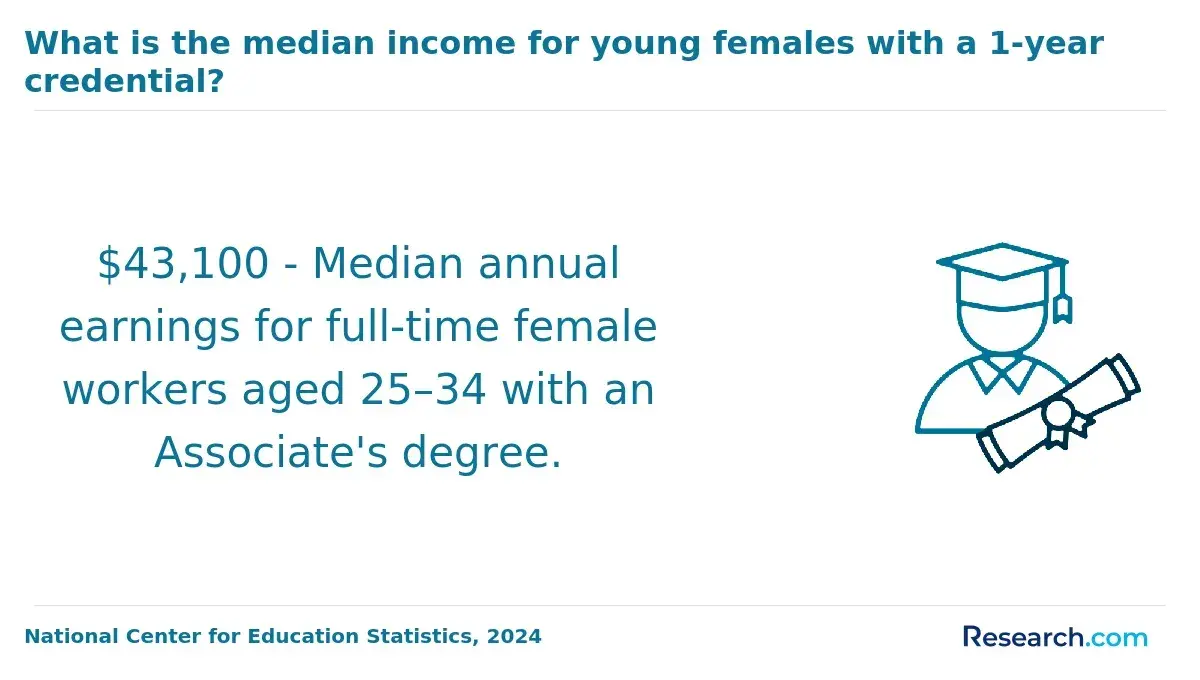
The financial return from pursuing a PhD in Industrial & Organizational Psychology - General Practice at Walden University hinges largely on balancing upfront costs with realistic income prospects and career trajectories in this field. The program's total annual cost of $34,458 is substantial, especially when compared to graduates' median starting salary of roughly $42,810. This indicates a cautious ROI initially, given that earnings only modestly exceed debt levels at graduation.
Graduates typically maintain stable salaries, with median earnings remaining near $42,810 even a decade post-completion, reflecting a slower pace of income growth than seen in some other doctoral fields. Yet, professionals who navigate into leadership or consulting roles after five to ten years often experience significant salary milestones. This dynamic underscores that ROI depends not just on baseline earnings but on career progression within highly specialized organizational sectors.
Those able to secure scholarships, assistantships, or external funding can substantially improve financial outcomes by reducing debt loads. Likewise, candidates with strong networks and targeted experience may better access higher-tier employers such as corporate consulting firms or government agencies where pay and influence are elevated. Without these advantages, the long-term ROI can be marginal, highlighting the importance of strategic financial planning and career positioning when considering this program.
Student satisfaction in Walden University's online PhD in Industrial & Organizational Psychology - General Practice program reflects a balance of clear strengths and common challenges inherent in online doctoral education. The robust faculty and staff presence, with over a thousand full-time employees, suggests ample institutional support, which is crucial for doctoral students managing complex research demands alongside external responsibilities. However, the lack of program-specific graduation and retention data adds uncertainty for candidates weighing the program's efficiency and long-term value.
The program's culture leans heavily on student-driven interaction, including mentorship and peer organizations designed to foster collaboration despite physical distance. These initiatives help mitigate isolation often reported by remote learners, though time management and connectivity hurdles persist. Many students appreciate the flexibility that enables them to juggle professional roles and family commitments, a critical factor given the rigorous nature of doctoral coursework and research in this field. This flexibility, however, can come at the expense of deeper engagement that on-campus programs often facilitate more naturally.
A graduate recalled deciding to enroll amid skepticism about balancing work and study, noting, "I hesitated because the pressure of maintaining my job and family life felt overwhelming. But the mentoring program and accessible faculty slowly shifted my doubts-I found support when I needed guidance the most." This experience underscores how satisfaction can hinge not only on institutional resources but also on individual resilience and the capacity to navigate the program's structure while maintaining life balance.
The role of institutional career support significantly influences the ability of online PhD in Industrial & Organizational Psychology - General Practice graduates from Walden University to secure relevant employment. Employers increasingly prioritize candidates who not only possess advanced credentials but also demonstrate practical readiness and industry connections. Data reflects that graduates actively leveraging their school's career services and alumni networks have a 35% higher chance of finding employment within six months of graduation, underscoring the tangible benefits of such engagement. This dynamic shapes job placement, especially in specialized disciplines where networking and field reputation matter. Below are key mechanisms Walden University provides to support students' transition to the workforce that contribute to these employment outcomes:
- Virtual Job Fairs: These events connect students with employers specifically recruiting industrial and organizational psychology professionals. Participating before or shortly after graduation enables candidates to interact directly with recruiters, gaining insights into employer expectations and upcoming openings.
- Resume Workshops: Structured online sessions focus on tailoring resumes for psychology-focused roles, refining how students present their skills and research experience to improve applicant competitiveness in niche job markets.
- Specialized Job Portals: Access to curated job listing platforms targets positions aligned with graduates' expertise. This focused exposure reduces the noise of broader job boards, enhancing the match quality between candidates and opportunities.
- Alumni Mentorship: Walden's active alumni association facilitates mentorship connections that provide practical career guidance and insider knowledge of evolving industry trends, strengthening professional networks essential for employment.
These features form a foundational part of Walden University career support for online PhD in Industrial & Organizational Psychology graduates navigating a competitive labor market. For students weighing an extended academic path, evaluating how effectively an institution integrates career readiness and networking resources into its program is essential. In some fields, such targeted interventions might offset the longer timelines often associated with doctoral training by accelerating job placement. Those considering such programs should also explore comparative options, including accelerated degrees cited in sources like the fastest masters degree listings, to measure the tradeoffs between depth of training and speed to employment.
Career outcomes are a critical factor when evaluating the value of a Walden University online PhD in Industrial & Organizational Psychology - General Practice because they reveal the degree's real-world applicability and impact on employability. Graduates typically step into roles that demand expertise in interpreting workplace behavior and driving organizational change, yet success hinges on navigating a competitive landscape where advanced credentials alone do not guarantee top-tier compensation or advancement. For example, professionals leveraging this degree in corporate leadership must balance between analytical skills and practical influence to justify their value. Considering these aspects illuminates the degree's practical relevance and potential pathways. Below are some typical career outcomes for graduates:
- Organizational Development Consultant: This role focuses on assessing and redesigning workplace systems to improve productivity and culture. Professionals often earn salaries reflecting their consulting impact, generally above general psychology averages but variable based on industry and location.
- Human Resources Director: Overseeing talent management and employee relations, HR directors utilize their doctoral insights to implement strategic workforce initiatives. Salary potential here aligns with mid-to-upper management earnings in business administration.
- Talent Management Specialist: Specialists concentrate on employee development programs and leadership pipelines, translating psychological principles into actionable HR practices.
- Research Analyst: Professionals in this position conduct applied organizational research to support evidence-based decisions, often bridging the gap between academic theory and business practice.
Notably, assessing job outlook and salary potential for Walden University online PhD industrial & organizational psychology graduates requires attention to sector variation and role demands. While average salaries reported by alumni in related psychology fields hover in the low-to-mid $30,000s, managerial roles may reach closer to $47,000 or more. The program's flexibility enables employment continuity during study, which can influence career trajectory positively by allowing ongoing professional engagement without disruption. Furthermore, career opportunities for graduates of Walden University phd in industrial & organizational psychology general practice often span corporate, nonprofit, and government sectors, underscoring diverse employment contexts.
Those considering this degree should weigh these career realities alongside program costs, bearing in mind that salaries and job demands will vary significantly depending on individual career paths and geographic markets. For broader context about educational options aligned with workforce goals, explore resources on online military friendly colleges.
Determining whether walden university's online phd in industrial & organizational psychology - general practice aligns with your career goals hinges on multiple nuanced factors that extend beyond credentials. For instance, a candidate aiming for a consultancy role in organizational leadership must prioritize practical research components and applied methodologies. Conversely, someone targeting higher education might emphasize faculty expertise and publication opportunities. These distinctions highlight why the question of how to determine if walden university phd in industrial & organizational psychology fits professional aspirations cannot be answered with a simple yes or no. Consider these critical evaluation points:
- Curriculum Relevance: Analyze if course offerings and research projects directly support your career trajectory. Look for programs that facilitate skillsets and knowledge applicable to your desired sector, whether academia, consulting, or corporate practice.
- Accreditation and Faculty: Ensure the program holds accreditation from recognized bodies, which validates academic rigor. Faculty active in research or industry can provide mentorship and networking essential for career advancement.
- Learning Format Compatibility: Assess whether the online delivery suits your learning style and schedule. Programs should offer a balance of synchronous and asynchronous options, along with access to peer and mentor support, especially given the challenges of remote study.
- Outcome Metrics: Review graduate outcomes like employment rates, licensure paths, and research publication records. These data points offer tangible evidence of whether the program effectively positions students for targeted roles.
Given the variability in professional demands, aligning your choice with these criteria increases the likelihood that the PhD will meaningfully impact your trajectory. For those evaluating several programs, it also helps to compare options that emphasize different strengths, particularly if you are exploring online degrees for remote jobs where flexibility meets rigorous training.
What Graduates Say About Walden University's Online PhD in Industrial & Organizational Psychology - General Practice Program
- Luke: "Studying for my PhD in Industrial & Organizational Psychology - General Practice at Walden University provided invaluable flexibility, allowing me to balance my full-time job while pursuing the degree. The program's strong emphasis on applied research helped me build a substantial portfolio, which played a critical role during my job search, especially since I found that many employers prioritized hands-on experience and demonstrated results over licensure in my field. Although I initially struggled to break into certain leadership roles due to industry expectations around certification, the network and skills I gained enabled me to secure a valuable position in organizational development with a remote-friendly company."
- Ramon: "Reflecting on my journey, the PhD in Industrial & Organizational Psychology - General Practice from Walden University was both challenging and deeply rewarding. The curriculum's focus on practical application meant I graduated with a strong foundation in conducting real-world interventions, which helped me pivot from an academic mindset to an industry-facing role quickly. However, I had to be realistic about salary growth; without additional licensure, advancement opportunities in consultancy were somewhat limited, pushing me to complement my degree with professional certifications. Overall, the program's flexible schedule allowed me to stay engaged with my workplace while making a strategic career move."
- Darius: "Walden University's doctoral program in Industrial & Organizational Psychology - General Practice prepared me for the nuanced realities of the workforce, particularly in understanding that success in the field isn't solely about academic credentials. During my search, I realized that employers often favored candidates with internships and relevant field experience over those with just a degree, so I made sure to leverage the program's resources to gain practical exposure. The flexibility to study remotely was crucial as I transitioned careers, and while the road was demanding, completing the program ultimately opened doors to roles emphasizing employee engagement and workforce analytics, even though licensure wasn't a focus for me."
Other Things You Should Know About Degrees
Walden University provides flexible scheduling options to accommodate working professionals. The online PhD program includes support services such as academic advising, peer support forums, and time management workshops, helping students effectively balance their academic commitments with their full-time jobs.
Although the program is fully online, it incorporates structured opportunities for faculty mentoring and peer collaboration, primarily through virtual discussions and one-on-one advisement. However, the experience is less immersive compared to in-person programs, which may affect networking and spontaneous learning. For those prioritizing close faculty engagement, it's advisable to proactively seek out mentorship and peer groups to supplement formal interactions.
Employers in Industrial & Organizational Psychology increasingly recognize online doctorates if they come from accredited institutions like Walden University. Still, some sectors, particularly academia and research-intensive organizations, may show a preference for traditional, campus-based PhDs. Candidates should consider the industry and geographic norms of their desired career path when evaluating the potential impact of an online degree on their employment prospects.
Students must complete the dissertation research sequence and defend an approved dissertation to earn the PhD. Walden’s doctoral path also requires a minimum of 53 quarter credits beyond the master’s level, with dissertation work completed under faculty supervision and university review before the degree is awarded.
- Top 10 Ph.D. in I-O Psychology 2020 https://www.organizationalpsychologydegrees.com/best/phd-io-psych/
- Careers in Industrial-Organizational Psychology | TUW https://www.tuw.edu/school-news/careers-in-industrial-organizational-psychology/
- Psychology, Industrial/Organizational Psychology Specialization, PhD https://catalog.ncu.edu/preview_program.php
- Grad School: Should I Get a Ph.D. or Master's in I/O Psychology? - NeoAcademic https://neoacademic.com/2011/06/14/grad-school-should-i-get-a-ph-d-or-masters-in-io-psychology/
- How To Become An Industrial Organizational Psychologist | Psychology.org https://www.psychology.org/careers/industrial-organizational-psychologist/
- Walden University Reviews https://www.gradreports.com/colleges/walden-university
- Reflections on my 6-Year Journey as a Walden Graduate AssistantWalden University Career Planning and Development Blog https://waldencareerservices.com/2024/01/19/reflections-on-my-6-year-journey-as-a-walden-graduate-assistant/