2027 Is Walden University's Online MSN to DNP - Adult Gerontology Primary Care Nurse Practitioner Worth It? What Students Should Know

Co-Founder and Chief Data Scientist
Selecting an online msn to dnp - adult gerontology primary care nurse practitioner program requires evaluating how well it aligns with a student's career aspirations and learning style. With the American Association of Colleges of Nursing reporting a 12% surge in demand for DNP-prepared nurse practitioners, prospective students face pressure to choose a program offering practical clinical training and flexible scheduling. Walden University's model blends asynchronous coursework with virtual simulations, but questions remain about balancing clinical hours and program length. This article dissects these factors to help potential students determine if this specific pathway meets their professional goals and lifestyle needs.
Key Points About Walden University's Online MSN to DNP - Adult Gerontology Primary Care Nurse Practitioner Program
- Walden University's open admission and total tuition of $34,458 enable broader access to the MSN to DNP - Adult Gerontology Primary Care Nurse Practitioner program, balancing affordability with advanced clinical education.
- An earnings to debt ratio of 2.05x with a median alumni salary of $42,810 indicates moderate financial benefits, prompting careful consideration of long-term career earnings versus education cost.
- Graduates' clinical success and respect from healthcare employers reflect the program's relevance, influencing workforce integration but requiring alignment with evolving clinical demands and employer expectations.
What makes Walden University's online MSN to DNP - Adult Gerontology Primary Care Nurse Practitioner program stand out?
The primary value in Walden University's online MSN to DNP - Adult Gerontology Primary Care Nurse Practitioner program lies in its alignment with the needs of working nurses who require flexibility without sacrificing academic rigor. For professionals balancing clinical roles, the fully online format and adaptable pacing offer a practical pathway to advanced credentials that support upward mobility in adult-gerontology care. However, students must weigh the tradeoff between remote learning and the limited in-person networking opportunities, which some employer settings still prioritize for clinical skills validation.
What distinguishes this program is its specialized focus on adult-gerontology, a sector seeing increasing demand due to population aging. The curriculum's integration of leadership, healthcare policy, and evidence-based practice prepares graduates for roles that extend beyond direct patient care into system-level influence and complex clinical decision-making. Walden's large institutional scale, with 44,223 students and a faculty body of 3,423 professionals, including 1,117 full-time members, provides extensive academic resources and faculty mentorship, an advantage for students seeking strong advisory support in a remote environment.
Is it difficult to get admitted to Walden University's online MSN to DNP - Adult Gerontology Primary Care Nurse Practitioner program?
Gaining admission to an MSN to DNP - Adult Gerontology Primary Care Nurse Practitioner program typically involves navigating competitive criteria reflecting the high demand for advanced nursing practitioners specializing in gerontology. Many institutions require strong academic records, substantial clinical experience, and often standardized test scores, making entry a significant hurdle. The demand in this specialization drives a rigorous admissions landscape, and selective programs often limit seats to maintain standards and ensure quality outcomes.
In contrast, Walden University's online program features an open admission policy, significantly lowering traditional barriers. With an acceptance rate designated as open admission and overall difficulty similarly categorized, applicants face fewer obstacles that usually accompany doctoral nursing programs. Importantly, Walden does not require SAT or ACT scores, which further streamlines the process for working nurses or adult learners whose experience outweighs standardized test performance. This model increases accessibility but may shift responsibility onto applicants to self-assess readiness for a demanding curriculum without the filtering effect of selective admissions.
This open approach can prove advantageous for professionals balancing careers and education, yet it also means the program likely serves a broader spectrum of academic preparedness. While Walden's structure demystifies entry, prospective students should weigh the potential tradeoff between ease of admission and the level of peer competition and academic rigor encountered post-admission.
One graduate recalled feeling uncertain about applying, as she juggled a full-time nursing role and had not taken standardized tests for years. "The open admission meant I didn't have to worry about a high-stakes entrance exam, which was a relief," she explained. Still, the waiting period for confirmation felt tense, compounded by her need to plan work schedules around study demands she was unsure she could meet. Ultimately, the accessibility was key, but it required her to approach readiness and time management with extra care.
How does the curriculum of Walden University's online MSN to DNP - Adult Gerontology Primary Care Nurse Practitioner program stay aligned with current industry trends?
The practical value of Walden University's online MSN to DNP - Adult Gerontology Primary Care Nurse Practitioner program lies in how well the curriculum equips graduates to meet evolving healthcare demands. Many employers prioritize nurse practitioners who not only master complex clinical skills but also adapt to advances like telehealth integration and policy advocacy. This program aligns with such employer expectations by embedding these competencies into its structure. The following factors illustrate why this program meets current standards in adult gerontology nurse practitioner education:
- Clinical Focus: The curriculum emphasizes managing chronic diseases prevalent in older adults through advanced courses in pathophysiology, pharmacology, and health assessment. This focus ensures graduates can handle the intricacies of aging populations, a consistent need in primary care settings.
- Technological Integration: Telehealth modalities are incorporated into hands-on learning experiences, reflecting the growing industry reliance on remote care delivery. This aspect prepares students to navigate practical challenges and opportunities in modern healthcare environments.
- Leadership and Policy: Coursework on healthcare policy and leadership aligns with the increasing role of nurse practitioners in system-level advocacy and administrative functions, a trend seen in progressive healthcare organizations.
For students weighing education options, the alignment with current trends is crucial. However, choosing this program should also involve considering individual goals around patient-centered care skills and leadership aspirations. There are tradeoffs, such as balancing deep clinical proficiency with broader policy understanding, which this curriculum attempts to address. This reflects broader shifts in adult gerontology nurse practitioner education and ties to labor market demands, a relevant perspective alongside reviewing best majors in college for career relevance.
How much does Walden University's online MSN to DNP - Adult Gerontology Primary Care Nurse Practitioner program cost?
The annual tuition for Walden University's online MSN to DNP - Adult Gerontology Primary Care Nurse Practitioner program is approximately $12,498, excluding additional costs such as books, fees, and housing. When adding expenses like books and supplies, which are around $900 per year, the total annual cost approaches $34,458. This pricing reflects a flat-rate tuition model that applies in-state rates universally, offering financial predictability especially for out-of-state students who might otherwise face higher fees. However, ancillary costs can significantly affect the overall financial burden, so candidates should carefully assess their personal circumstances and potential expenses beyond base tuition.
Financial aid availability can mitigate some costs, with about 90% of Walden undergraduates receiving aid averaging $3,353. This suggests that a similar support framework could be accessible to graduate learners, including institutional grants and corporate tuition reimbursement programs designed for working professionals. Prospective students must actively explore these options as the ability to reduce net cost plays a crucial role in the long-term return on investment when pursuing an advanced nursing degree in adult gerontology.
Compared with other MSN to DNP - Adult Gerontology Primary Care Nurse Practitioner programs nationwide, where tuition and fees often range between $20,000 and $45,000 annually, Walden's pricing is competitive. The flat-rate tuition combined with available financial aid can offer cost advantages relative to on-campus or state-differentiated online programs. Evaluating these financial tradeoffs alongside program format and professional outcomes is essential for nursing professionals prioritizing efficiency and value in their educational pathway.
Given the financial variability across programs and individual career goals, students should weigh cost against factors like program flexibility and employer recognition of online credentials. Those considering this program might also benefit from researching related online certificates that complement or enhance their clinical expertise and employability in adult gerontology primary care.
What are the admission requirements for Walden University's online MSN to DNP - Adult Gerontology Primary Care Nurse Practitioner program?
Walden University's admission approach for the online MSN to DNP - Adult Gerontology Primary Care Nurse Practitioner program reflects a balance between accessibility and professional rigor. Without requiring standardized tests like the SAT or ACT, the program lowers barriers for experienced nurses advancing their credentials. However, candidates must still provide evidence of readiness through professional and academic records, which is essential in a competitive healthcare job market that increasingly values proven advanced practice capabilities. Familiarity with these expectations can help applicants better prepare and avoid common pitfalls during the admission process. Key requirements include the following:
- No Standardized Tests: The program does not mandate SAT, ACT, or other entrance exams, making it more accessible for nurses bringing prior academic and clinical experience.
- Transfer Credits: Previously earned graduate credits may be accepted, subject to limits and minimum grade criteria, allowing some flexibility but requiring strong foundational knowledge.
- Professional Documentation: Applicants must supply letters of recommendation, a personal statement, and an updated resume to demonstrate clinical commitment and academic potential.
- Competency Evidence: Rather than a practical portfolio or entrance exam, candidates rely on prior education and work history to establish suitability for the specialized curriculum.
This structure accommodates transfer students and experienced practitioners but demands careful preparation of supporting materials, reflecting real-world expectations from employers assessing advanced nursing skills.
What is the ROI of attending Walden University's online MSN to DNP - Adult Gerontology Primary Care Nurse Practitioner program?
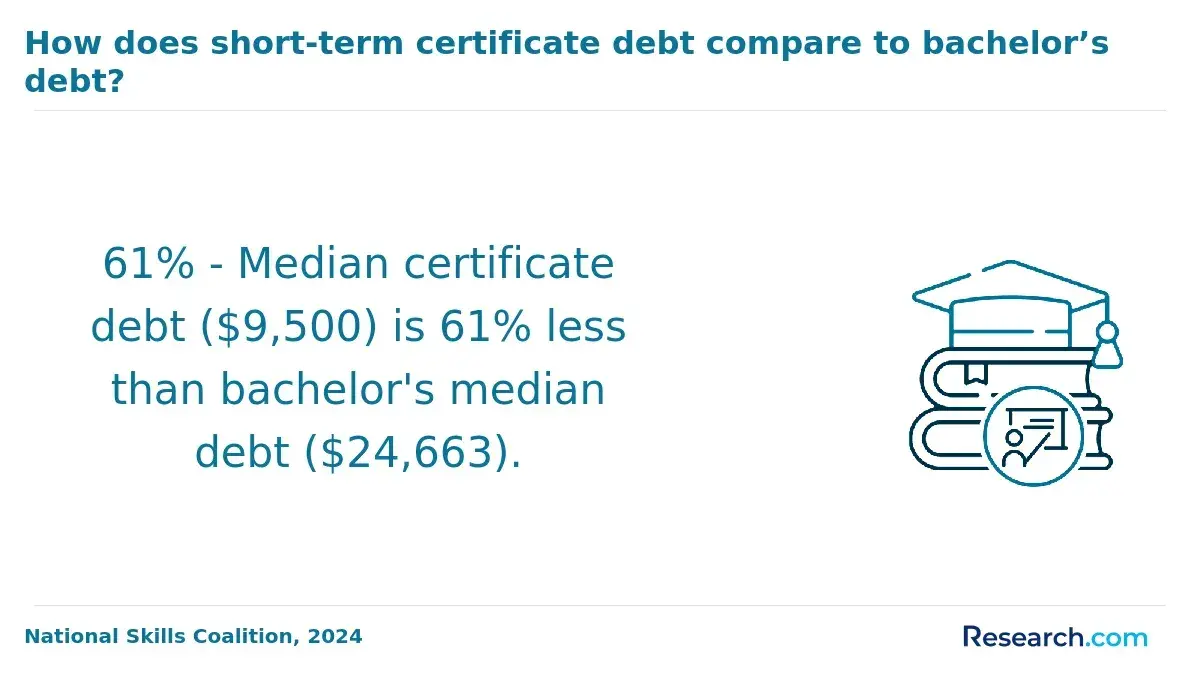
The return on investment for Walden University's online MSN to DNP - Adult Gerontology Primary Care Nurse Practitioner program hinges on balancing substantial upfront costs against long-term earning potential within a specialized nursing field. With an annual total cost of $34,458, encompassing tuition and living expenses, the debt load is significant yet remains moderate compared to typical graduate nursing programs. Graduates face a median student debt of $20,834, which is counterbalanced by a median starting salary near $42,810-an income level that aligns with early-career nurse practitioner roles but shows only moderate growth over the subsequent decade.
In practical terms, the program's ROI depends heavily on post-graduation employment settings. Employers in adult gerontology value advanced practice credentials, which can secure steady demand and salary milestones typically rising after five to ten years of experience. However, the scarcity of detailed employer networks linked to this program introduces variability in hiring outcomes. Financial aid like scholarships or grants can substantially improve an individual's net investment, while graduates who leverage clinical experience and geographic flexibility may access better-paying positions, improving salary-to-debt ratios. Prospective students should weigh these real-world financial tradeoffs alongside industry trends when considering this specialized DNP pathway.
Is there a high student satisfaction for Walden University's online MSN to DNP - Adult Gerontology Primary Care Nurse Practitioner program?
Student satisfaction with Walden University's online MSN to DNP - Adult Gerontology Primary Care Nurse Practitioner program is closely linked to its extensive institutional support, which can be a decisive factor for learners juggling demanding schedules. The sizable faculty roster and broad student services network offer resources that help mitigate common challenges of online advanced nursing education, such as limited direct interactions and the need for stringent time management. However, satisfaction often depends on how well students leverage peer mentoring and professional development opportunities designed specifically for adult learners in healthcare fields.
The program's rigor requires discipline, and while many appreciate the program's flexibility, balancing coursework with personal and professional obligations remains a persistent tradeoff. The availability of faculty, along with online student communities, plays a vital role in countering isolation, a frequent hurdle in remote graduate nursing studies. Ultimately, the experience is shaped by the individual's ability to engage with these structures, as standardized satisfaction data for this specific program are limited but suggest a generally positive environment for motivated students.
One graduate reflected on her experience by noting that "Initially, I hesitated because managing my full-time nursing role and family life seemed overwhelming. But the mentorship groups and accessible faculty helped me find a rhythm. It wasn't easy, but the tailored support made remote learning workable. I felt connected enough to stay motivated, which was crucial in completing the program while maintaining my job." This account illustrates how active engagement with available resources can significantly influence perceived satisfaction in this online pathway.
How does Walden University help online MSN to DNP - Adult Gerontology Primary Care Nurse Practitioner graduates secure employment?
Securing employment as an adult gerontology primary care nurse practitioner involves navigating a competitive healthcare market where employer expectations often extend beyond academic credentials to include professional networking and practical preparedness. Evidence shows that participation in institution-led employment initiatives increases job placement odds by nearly 30%, underscoring how schools influence employment outcomes through strategic resource allocation. Walden University's online MSN to DNP - Adult Gerontology Primary Care Nurse Practitioner program incorporates targeted career support designed to boost graduates' hiring prospects. These services reflect a necessary intersection of education and workforce realities. Key employment assistance features include:
- Virtual Job Fairs: These events offer direct dialogue between students and healthcare employers, allowing early access to job openings in adult-gerontology and primary care sectors, which shortens the time-to-hire for participants.
- Resume and Interview Workshops: Focused sessions help craft role-specific resumes and develop interview strategies, addressing common hiring hurdles for nurse practitioners moving into specialized fields.
- Dedicated Job Portal: Access to a curated online platform connects students with relevant job listings, reducing the scattergun approach to job searching and aligning opportunities with their specific clinical expertise.
- Active Alumni Network: Formal mentorship matches provided by a large pool of graduates facilitate knowledge transfer and insider networking that are critical for entering competitive job markets.
This system reflects an integrated approach aligned with the expectations of many employers across adult-gerontology practices. Graduates leveraging these resources report the significant advantage of institutional support in their hiring journeys. For prospective students weighing program value, examining such career infrastructure within well-regarded programs-such as those offered by prestigious online universities-can guide decisions about long-term employability and role readiness.
What are the career outcomes for recent graduates of Walden University's online MSN to DNP - Adult Gerontology Primary Care Nurse Practitioner?
Career outcomes weigh heavily when evaluating the value of an advanced nursing program, especially one focused on adult gerontology. Graduates of Walden University's online MSN to DNP - Adult Gerontology Primary Care Nurse Practitioner program often navigate a competitive labor market where specialized expertise can command salaries above average registered nurse pay. However, practical decision-making must consider whether the program's advanced scope aligns with employer demands and personal career goals amid evolving healthcare priorities. An understanding of specific roles and earnings grounds expectations and highlights professional avenues. Below are some career paths commonly pursued by alumni of this program along with their typical responsibilities and financial prospects.
- Adult Gerontology Primary Care Nurse Practitioner: These practitioners are primarily responsible for preventative and chronic care management for adult and elderly patients. Their focus on evidence-based interventions supports longevity and quality of life, with salaries reflecting their specialized clinical expertise, generally higher than standard nursing roles.
- Clinical Nurse Leader: This role blends direct patient care with team leadership and quality assurance in healthcare settings. Clinical nurse leaders use data to improve protocols and patient outcomes, positioning themselves as essential to operational efficiency and earning competitive compensation aligned with managerial duties.
- Nurse Educator: Graduates moving into education develop curricula and train nurses, impacting workforce quality at a systemic level. Positions often exist in academic or hospital environments and offer steady income streams parallel to their influence on future healthcare delivery.
- Healthcare Administration: Alumni may take on administrative duties that require integrating clinical knowledge with organizational leadership. These roles typically involve supervisory responsibilities and strategic planning with commensurate compensation reflecting broader oversight.
These careers illustrate the breadth of opportunity following the program, but realistic consideration of salary range and role expectations remains crucial. For those comparing affordability and outcomes, consulting resources such as what is the cheapest online college can provide additional context about cost-effectiveness relative to other programs offering similar credentials.
How do I know if Walden University's online MSN to DNP - Adult Gerontology Primary Care Nurse Practitioner program is the right fit for my goals?
Determining whether walden university online nursing program fit for adult gerontology goals requires weighing multiple criteria that reflect your specific academic and career ambitions. For instance, a nurse practitioner balancing a current clinical role against further education must consider how program structure affects both workload and skill development. These tradeoffs emphasize the need for a clear evaluation framework. Key considerations include the following:
- Curriculum Relevance: Assess if the courses adequately cover adult gerontology primary care topics aligning with your intended scope of practice. The availability of specialized clinical hours tailored to this population is critical for preparing to meet real-world patient needs.
- Program Flexibility: Since the MSN to DNP - Adult Gerontology Primary Care Nurse Practitioner is delivered online, evaluate the mix of asynchronous and synchronous sessions. This balance should support your learning style and allow integration with professional and personal responsibilities without sacrificing clinical skill mastery.
- Accreditation Status: Confirm the program is accredited by bodies recognized in nursing and healthcare education. This affects your licensure prospects and how employers weigh your credential in increasingly competitive markets.
- Faculty Expertise and Support: Prioritize programs led by instructors with demonstrable adult gerontology clinical experience and accessible advising, which can enhance both practical knowledge and professional networking.
- Career Outcomes and Networks: Investigate how well the program supports job placement, alumni success, and connections within primary care communities focused on aging populations. This often determines long-term employability and advancement.
In evaluating an online MSN to DNP - Adult Gerontology Primary Care Nurse Practitioner program, referencing career alignment factors remains essential. Those exploring alternative pathways might also find value in reviewing what is the best degree for a convicted felon, which provides relevant context on how education choices intersect with workforce reentry and opportunity.
What Graduates Say About Walden University's Online MSN to DNP - Adult Gerontology Primary Care Nurse Practitioner Program
- David: "Completing the msn to dnp - Adult Gerontology Primary Care Nurse Practitioner program at Walden University was a rigorous process that really prepared me for the realities of clinical practice. I found that while my DNP degree opened doors, many employers placed equal weight on my clinical portfolio and relevant certifications when hiring. The program's emphasis on evidence-based practice helped me build a strong foundation, but navigating job offers required a strategic focus on internships and direct patient care experience."
- Anika: "Studying at Walden University offered the flexibility I needed to balance work and family, which was crucial during my msn to dnp - Adult Gerontology Primary Care Nurse Practitioner journey. The remote learning format allowed me to enter the workforce faster than I expected, but I quickly realized that some employers prioritized hands-on experience over licensure alone. This pushed me to seek additional clinical practice opportunities outside of the program, ultimately shaping a career path that includes telehealth and geriatric case management roles."
- Adam: "My experience with Walden University's msn to dnp - Adult Gerontology Primary Care Nurse Practitioner program was pragmatic and eye-opening. While earning the degree did lead to salary growth, I noticed limitations in advancement without further licensure or specialization in certain healthcare systems. The program was thorough, but competing for senior roles meant I had to build a strong network and stay proactive about certifications. Reflecting back, it was a solid stepping stone but not an automatic ticket to leadership."
Other Things You Should Know About Degrees
Balancing the clinical practicum hours with a full-time job can be challenging in Walden University's MSN to DNP - Adult Gerontology Primary Care Nurse Practitioner program. Students must realistically assess their time availability since practicum sites are often arranged locally and require a significant time commitment in direct patient care. For working nurses, prioritizing flexible scheduling and early communication with clinical preceptors is essential to avoid burnout and ensure timely program completion.
The program's fully online delivery can limit spontaneous networking opportunities that in-person settings often provide. While Walden offers some virtual cohort activities and discussion boards, the depth of peer engagement varies depending on individual initiative. Prospective students who highly value robust professional networking during their studies may need to supplement with external conferences or local professional groups to build meaningful connections.
The specialized concentration in adult gerontology primary care offers targeted expertise that aligns well with a growing demographic need. However, this narrow focus may limit opportunities if a graduate decides to shift into other nurse practitioner specialties without additional certification. Candidates should consider whether a broader acute care or family nurse practitioner track better suits their long-term career plans, especially if they expect to work in settings requiring broader patient age ranges.
References
- Walden University Career Planning and Development Blog https://waldencareerservices.com/
- Adult-Gerontology Primary Care Nurse Practitioner DNP https://www.rushu.rush.edu/college-nursing/programs-admissions/adult-gerontology-primary-care-nurse-practitioner-dnp
- How to Become a Community Health Nurse https://www.allnursingschools.com/specialties/adult-gerontology-nurse-practitioner/
- Adult-Gerontology Primary Care Nurse Practitioner https://nursinglicensemap.com/advanced-practice-nursing/nurse-practitioner/adult-anp/
- Walden University ACNP Programs - Nurse Practitioner https://www.acnpprograms.com/acnp-programs/walden-university-acnp-programs/
- MSN to DNP - Adult Gerontology Primary Care Nurse Practitioner https://www.herzing.edu/nursing/dnp/msn-to-dnp/agpcnp
- Walden University Reviews https://www.gradreports.com/colleges/walden-university
- Top Online Adult-Gerontology NP Programs 2026: AGNP Rankings https://www.npschools.com/rankings/all-online-agnp-programs
- The Best Value DNP Degree Programs for 2025 https://www.doctorofnursingpracticednp.org/the-best-value-dnp-degree-programs/
- Adult Gerontology Primary Care Nurse Practitioner at Nursingeducation | Apply now! â StudySmarter â Talents https://talents.vaia.com/companies/nursingeducation/adult-gerontology-primary-care-nurse-practitioner-24760553/