2027 Is South College Good for Online Students? Programs, Flexibility, and Value

Co-Founder and Chief Data Scientist
Assessing whether South College provides a supportive environment for online learners requires more than reviewing course listings. With online education enrollment growing 7% annually according to the National Center for Education Statistics, prospective students demand flexibility that accommodates work and life responsibilities while ensuring program quality. The real question is whether South College's online offerings align with employer expectations and deliver tangible career benefits.
Evaluating program variety, scheduling adaptability, and available student support uncovers potential tradeoffs between convenience and academic rigor. This article examines South College's online programs, flexibility, costs, and resources to help students determine if it meets their educational and professional goals.
Key Points About Studying at South College as an Online Student
- Admission criteria for South College online programs are not publicly available, requiring direct contact to assess eligibility, which adds uncertainty to the application process and initial planning efforts.
- Total tuition reaches $40,534, demanding a thorough cost-benefit evaluation given the program's average graduation rate of 37%, signaling potential risk in return on investment.
- Online students have access to various educational resources, but student satisfaction varies notably, highlighting the need to scrutinize specific support and engagement factors before enrolling.
What online degree programs are available at South College?
South College's online degree offerings reflect a pragmatic response to the diverse needs of working adults balancing employment and education. This is evident in the delivery formats that blend synchronous and asynchronous methods, which enable both real-time interaction and flexible study schedules. For a nurse seeking advanced credentials while maintaining a full-time job, such hybrid structures allow continuing professional engagement without sacrificing educational progress. The range of programs aligns with labor market demands, offering accessible pathways in both technical and managerial fields. The following list highlights key online degree programs available at South College, showcasing the flexible online courses for South College students that support varied career trajectories.
- Bachelor of Science in Nursing Completion: Tailored for registered nurses, this program delivers advanced clinical and leadership training through a mix of live online sessions and self-paced coursework, minimizing work-study conflicts.
- Bachelor of Business Administration: Emphasizing leadership and management, this degree focuses on practical business skills applicable across industries, primarily delivered asynchronously to accommodate professional schedules.
- Associate Degree in Health Sciences: Offering foundational knowledge in health care, this program integrates interactive modules and flexible deadlines to support students entering allied health roles.
- Online Criminal Justice Bachelor's Degree: Designed for those pursuing careers in law enforcement or corrections, combining theory and field-relevant skills through engaging, flexible online instruction.
- Master of Health Informatics: Focused on the convergence of healthcare and IT systems, this graduate program balances rigorous academic content with practical applications, delivered through a primarily asynchronous model.
- Associate Degree in Information Technology: Concentrating on core IT competencies, this program includes project-based learning optimized for distance education, facilitating career shifts or upskilling.
Such variety and delivery flexibility address practical realities for many students, but potential enrollees should weigh program structure against specific career goals and employer expectations. South College also features similarly adaptable offerings if looking for affordable options among cheap online colleges that accept FAFSA. The institution's continual curriculum updates are designed to maintain alignment with evolving industry standards, which is critical in fields experiencing rapid technological or regulatory changes.
Are admissions for online degrees at South College difficult?
Admissions for online degrees at South College are not competitive compared to many traditional U.S. institutions because the school follows an open admission model. This means applicants generally aren't required to submit SAT or ACT scores, and the acceptance threshold is relatively low, focusing instead on basic eligibility criteria. For working adults balancing jobs and families, this reduces common enrollment barriers and supports quicker entry into degree programs.
Unlike more selective colleges that weigh GPA, standardized testing, and extracurriculars heavily, South College's admissions process prioritizes accessibility over competition. While exact acceptance rates and transfer admission details are not publicly available, the absence of standardized testing requirements aligns with growing trends to expand higher education inclusivity, particularly in online learning environments aimed at nontraditional students.
One recent online graduate shared that after hesitating to apply elsewhere due to test score demands, South College's straightforward application allowed immediate focus on coursework and career development. She explained, "I was relieved the process didn't require extra exams or complex applications, as I needed to enroll quickly while working full time." Such ease of entry can be critical when timing and flexibility outweigh selective admissions for many adult learners.
How flexible are the online degree programs are at South College?
South College's online degree programs are structured to offer flexibility primarily through a hybrid model that balances asynchronous coursework with scheduled synchronous sessions. This arrangement suits professionals who can manage independent study but still need real-time interactions for complex topics or collaborative projects. For example, a student working full-time can progress through lectures and assignments asynchronously while attending live discussions during agreed time slots, minimizing disruption to their work schedule. This flexible online degree option at South College acknowledges competing priorities typical of working adults.
Many programs, particularly in healthcare, include essential in-person components like clinicals or practicums, reflecting industry requirements that cannot be fully met remotely. These local arrangements attempt to reduce travel burdens but do impose scheduling constraints that reduce pure online flexibility. The academic calendar supports multiple start dates, enabling students to align their enrollment with personal timelines rather than rigid traditional semesters. This diversity in scheduling adds adaptability to the South College online programs with adaptable scheduling framework but may require careful planning.
While the blend of asynchronous and synchronous formats along with flexible start times supports diverse learning needs, the necessity for in-person experiences in some areas restricts full remote participation. As with many programs, this tradeoff targets maintain professional standards but may limit access for students unable to meet local attendance requirements. For prospective students weighing such factors, comparing outcomes related to the best bachelors degrees and evaluating how these modes align with personal and professional constraints is crucial.
Is it expensive to attend an online program at South College?
The annual tuition and fees for an online program at South College average around $17,935, but the full cost of attendance-including books, supplies, room, and board-can reach about $40,534. This total notably surpasses the national average for online programs, which often falls between $10,000 and $15,000. Students selecting programs with specific additional requirements should anticipate variability, as South College does not have a flat in-state online tuition rate, and no transparent, fixed technology fees are listed for online learners.
Such cost variability means prospective students must carefully assess how their choice of program impacts affordability, an important element in any cost comparison of South College online programs. For example, a working adult seeking a healthcare-related degree may face different expenses than one pursuing a business discipline, affecting net investment and return.
Financial aid plays a crucial role in offsetting these costs, with about 90% of undergraduates receiving aid that averages $8,863. This assistance can substantially reduce the financial burden, but students should realistically factor in the remaining balance and possible loan debt when determining value. The college's financial aid coverage significantly alters the practical cost threshold for many online learners.
Comparing South College to options offering a lowest cost online bachelor's degree highlights that this institution leans toward the higher end of pricing. The decision to invest here should align with the student's career trajectory and whether the flexible, career-focused programming justifies the premium.
What resources are included in the tuition cost at South College?
Access to comprehensive online learning resources is a critical factor in determining whether the tuition investment at South College translates into tangible academic progress and workforce readiness. For example, a working adult balancing shift work with coursework must rely heavily on uninterrupted access to digital tools and timely academic support to avoid falling behind. South College's structure aims to address these practical challenges by embedding multiple support mechanisms directly within tuition, which helps maintain continuity and responsiveness throughout the student journey. Below are key online resources included in the tuition that support student success:
- Dedicated Learning Platform:This provides seamless access to course materials, video lectures, and interactive assignments, enabling students to engage with content on their own schedule without delays or technical barriers.
- Technical Support Services:Available to quickly resolve platform-related issues, ensuring students encounter minimal disruption, which is especially important when tight deadlines coincide with work and family obligations.
- Academic Tutoring and Advising:Virtual tutoring and one-on-one academic advising allow for personalized guidance, helping students address specific learning gaps or program planning questions that arise during their studies.
- Online Student Portal:This centralized system enables schedule management, direct communication with instructors, and academic progress tracking, streamlining administrative tasks that might otherwise complicate the learning experience.
- Career Services Integration:Tuition includes access to resume workshops, interview coaching, and job placement assistance, which are designed to bridge the gap between education and employment outcomes, a critical consideration for online learners seeking measurable return on investment.
Are the online degrees at South College ideal for working professionals?
South College's online degrees offer tangible value for working professionals aiming to maintain employment while pursuing further education. For example, a registered nurse seeking advancement into healthcare management can leverage flexible course schedules that accommodate evening or weekend study without interrupting shifts. The online format's asynchronous elements let students control their pace, critical when juggling job responsibilities and family commitments. This adaptable model supports professional mobility by aligning academic progress with real-time career demands and employer expectations.
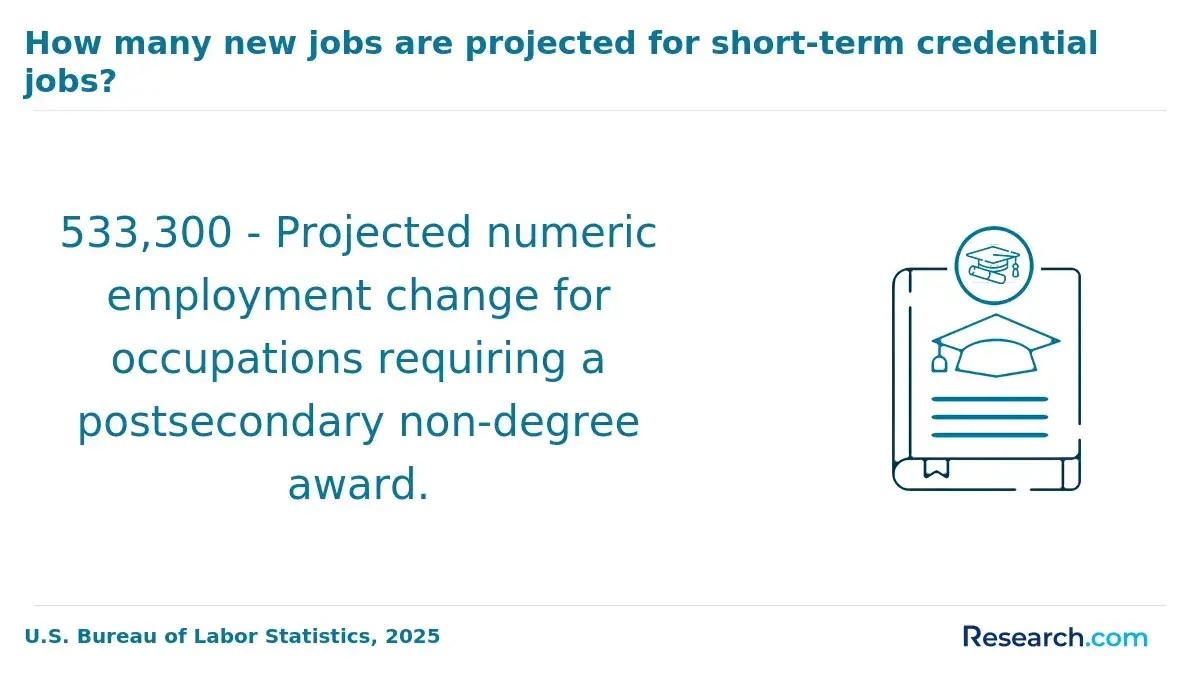
Furthermore, career-focused programs centered on fields such as healthcare, technology, and business provide curricula that emphasize current industry needs and practical skills, improving graduate employability. The integration of employer partnerships enhances this connection by facilitating tuition support and streamlined enrollment, making financial and administrative barriers less daunting. Below are key aspects that explain why the flexible South College programs for career advancement suit working adults:
- Flexible Scheduling Options: South College offers asynchronous courses alongside evening and weekend classes, allowing working students to fit studies around varied work hours and personal obligations.
- Career-Aligned Curriculum: Degree programs emphasize applied knowledge and skills relevant to sectors with growing demand, such as healthcare and business management.
- Employer Partnership Programs: Collaborations with employers enable tuition discounts and simplified enrollment processes, reducing cost and complexity for students pursuing education while employed.
- Supportive Academic Structure: Program design includes structured guidance and resources tailored to adult learners balancing multiple commitments, enhancing retention and completion rates.
- Professional Networking Opportunities: Interaction with faculty and peers often includes real-world case studies and industry connections, fostering career-relevant relationships.
- Focus on Return on Investment: By aligning tuition assistance with corporate objectives, South College helps students pursue advancement without financial strain.
- Pragmatic Learning Modalities: The online delivery model accommodates diverse learning styles, offering video lectures, interactive assignments, and accessible materials optimized for busy professionals.
For those assessing online degrees at South College for working adults, these features collectively create a framework suited for achieving educational goals within the constraints of active careers. Prospective students benefit from understanding how this blend of flexibility, employer engagement, and career focus might translate into meaningful job mobility and sustained employment stability. To see how South College compares with other institutions known for supporting adult learners, referring to non profit online colleges can provide additional context on online program reputation and alignment with workforce needs.
How big is the online student community at South College?
The size of the online student community at South College shapes much of the remote learning experience, providing both academic and social resources that influence student success. With a total enrollment of 8,234 students, a significant portion engages with online programs, creating a peer network that extends beyond isolated study. For example, a working professional balancing classes with job responsibilities can benefit from interactions in honor societies and special interest groups that encourage sustained academic focus and motivation.
South College's support framework includes official social media groups and student-run forums designed to foster collaboration and resource sharing. These virtual spaces act as practical tools for troubleshooting coursework challenges, exchanging study strategies, and receiving timely peer feedback. This infrastructure helps mitigate the common online education barrier of feeling disengaged or isolated.
Such connections between online learners enhance accessibility and flexibility, allowing students to fit schooling into varied schedules while maintaining community ties. However, the effectiveness of these platforms depends heavily on student initiative to participate actively, underscoring the importance of self-direction in online learning environments.
In summary, the digital community at South College offers meaningful peer interaction opportunities that, when leveraged, add tangible value to students' academic experience and long-term professional readiness.
Is there high online student satisfaction at South College?
Online student satisfaction at South College presents a mixed reality shaped by both institutional strengths and notable challenges. Students frequently commend the flexibility in course scheduling, which accommodates diverse work and family commitments-a crucial factor for those balancing multiple responsibilities. The curriculum's applied focus also earns positive remarks, aligning coursework with practical skills that employers actively seek, enhancing degree relevance despite broader retention issues.
However, hurdles remain that temper overall satisfaction. Some students report struggles with course pacing, feeling that the tempo either rushes through material or lacks consistent structure. Communication gaps between instructors and students can also create friction, complicating academic support and engagement. These challenges are particularly pertinent in the context of South College's relatively low graduation rate, signaling potential systemic barriers to completion.
Consider a working adult managing full-time employment and family care who values flexible coursework but may find unpredictable instructor interactions and pacing difficult to navigate. This scenario illustrates the trade-offs online learners often face at South College-accessible scheduling paired with operational inconsistencies. Such factors merit close consideration relative to individual learning styles and support needs.
Overall, while South College's online programs deliver genuine advantages in flexibility and practical content, satisfaction levels vary with administrative responsiveness and course delivery. Prospective students should weigh these operational realities carefully when deciding if the institution's online offerings suit their academic and professional goals.
What is the average salary for online degree graduates at South College?
The average salary for online degree graduates from South College sets a foundational benchmark at a median of $36,642 annually, framing initial expectations for income potential post-graduation. For instance, an online graduate entering entry-level healthcare administration might find this baseline informative when comparing similar roles outside the healthcare sector. Notably, the highest salary outcomes are concentrated among those in clinical and allied health fields, where median salaries can significantly exceed this baseline, reflecting the specialized skills and workforce demand within these areas.
Postgraduate earnings of South College online students illustrate how income potential varies markedly by program. Graduates involved in Allied Health Diagnostic, Intervention, and Treatment Professions report higher median salaries around $43,940, while those specializing in Registered Nursing, Nursing Administration, Nursing Research, and Clinical Nursing see median earnings rise above $48,800. This wage stratification emphasizes that the value of a credential from South College is closely tied to the chosen field's labor market dynamics, particularly in healthcare, where employer demand and credential specificity elevate earning power.
South College online graduates benefit from alignment with healthcare sector employer needs, often recruited by clinics, hospitals, and specialized health organizations prioritizing practical skills and hands-on experience. The rise in earnings within nursing and allied health professions signals a promising trajectory for those fields. Students weighing flexible online options might also consider other alternatives like one year degree programs for seniors that may better suit their timeline or career stage.
Does the ROI of an online degree from South College justify the cost?
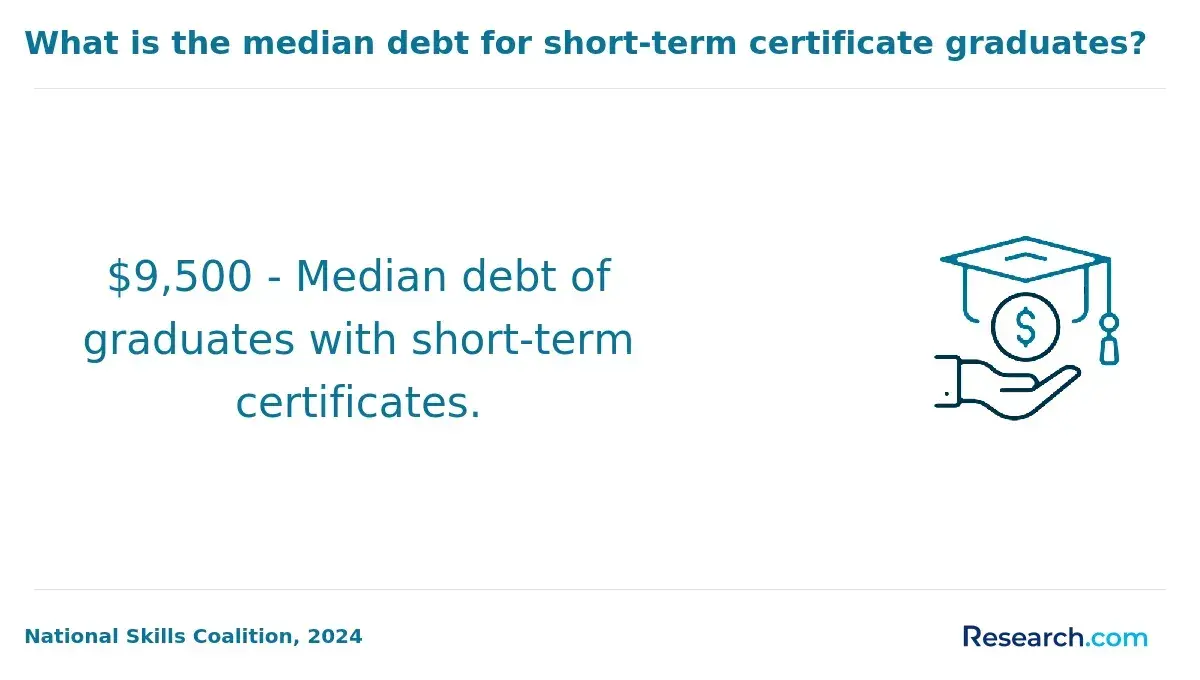
Investing in an online degree can represent a significant financial commitment, yet the practical return hinges on post-graduation earnings and manageable debt levels. Online graduates of South College typically hold median debt amounts under $19,000, considerably lower than the program's total tuition cost exceeding $40,000. This disparity indicates that many students are leveraging financial aid options, employer contributions, or structured payment plans to mitigate upfront borrowing.
With an average earnings-to-debt ratio close to 2:1, South College alumni generally earn nearly twice their debt annually after completing their online programs. This dynamic suggests that while the total tuition is substantial, graduates are often able to repay their loans within a reasonable timeframe, assuming stable employment. The school's low institutional loan default rate further underscores that former students are typically meeting repayment obligations, which reflects positively on the financial sustainability of the education they received.
For example, a working adult pursuing a healthcare-related online degree may initially shoulder a noticeable debt load but benefit from accelerated repayment through median salary gains and employer tuition reimbursement. South College's tuition guarantee policies in select areas also support this financial planning, providing cost predictability that reduces risk for students budgeting over multiple academic terms.
While the upfront price is undeniably notable, the combination of moderate average debt, positive income outcomes, and institutional support positions South College's online degrees as a defensible investment for individuals prioritizing both flexibility and financial prudence. Graduates can reasonably expect that the degree will offset its cost by enabling access to employment opportunities capable of sustaining loan repayment without undue strain.
One South College online graduate shared that balancing coursework with a full-time job was initially overwhelming, especially weighing the tuition against uncertain future earnings. "I hesitated, wondering if the debt would choke my finances," they said. However, after securing a position that paid significantly more post-graduation, they found that debt repayment became manageable within a few years. Reflecting back, the predictability of tuition costs and accessible student support made the experience less daunting than expected, confirming the degree's value despite early concerns.
What Graduates Say About South College's Online Degree Programs
- Luke: "Studying the online program at South College allowed me to balance work and family while earning my degree. Entering the workforce, I noticed some employers valued my practical experiences and portfolio more than just the credential itself, but having the degree definitely opened doors that were otherwise closed. The flexibility of the program let me accelerate my timeline and gain relevant skills quickly, which was a major advantage for my current role in project management."
- Ramon: "My experience with South College's online degree was pragmatic; it gave me foundational knowledge and credibility, but I quickly realized that career growth strongly depends on internships and certifications beyond the degree. While the degree helped me pivot into healthcare administration, I've found that some upper-level positions prefer candidates with licensure or more in-person clinical hours. Nonetheless, the ability to study remotely meant I could start working sooner, which helped financially and professionally."
- Darius: "Reflecting on my time completing an online degree at South College, I appreciate how the program's structure emphasized applicable skills that translated well in the workplace. In my experience, employers still weigh real-world experience heavily, so I supplemented my degree with freelance projects and remote internships to remain competitive. Although my salary growth has been somewhat capped without additional licenses, the degree provided a solid stepping stone to a remote career in IT support that I enjoy."
Other Things You Should Know About South College Degrees
South College's online courses primarily lean on asynchronous learning, allowing students to complete coursework on their own schedules. However, some programs incorporate scheduled live sessions, which can limit flexibility for students with unpredictable work hours or time zone differences. When deciding to enroll, prospective students should assess their ability to meet occasional live participation requirements, as missing these could impact course performance and interaction opportunities.
Networking opportunities tend to be more limited in South College's online environment compared to in-person programs. While virtual events and discussion boards exist, the lack of regular face-to-face interaction can make forming strong connections with faculty and peers more difficult. Students prioritizing robust professional networking should actively seek supplementary offline or local industry events to complement their online studies.
South College's online programs are designed to offer flexibility, allowing students to manage their schedules effectively. However, due to the intensive curriculum, students often need strong time management skills to balance coursework, assignments, and potential exams. Establishing a structured routine is vital for success.
While South College is accredited, some employers remain cautious about fully online degrees, especially in competitive fields. Graduates may need to demonstrate practical skills or certifications alongside their degree to enhance employability. Prospective students focused on career outcomes should consider supplementing their education with internships or hands-on experiences to mitigate potential employer skepticism.
References
- Southwestern College - Professional Studies https://ps.sckans.edu/news/view/108/what-to-look-for-when-choosing-an-online-degree/
- Tuition and Fees - South College https://www.south.edu/admissions/financial-aid/tuition-and-fees/
- Does College Pay Off? A Comprehensive Return On Investment Analysis - FREOPP https://freopp.org/whitepapers/does-college-pay-off-a-comprehensive-return-on-investment-analysis/
- South Texas College Online | South Texas College https://www.southtexascollege.edu/online/
- Online Degrees and Programs | South University https://www.southuniversity.edu/online
- South College Rankings, Campus Information and Tuition Costs | UniversityHQ https://universityhq.org/best-colleges/south-college/
- College ROI: How to Compare Costs, Outcomes and Fit Counselor Guide: Which Students Thrive in Small Colleges https://oglethorpe.edu/post/college-roi-costs-outcomes-fit/
- South College - Cost & Financial Aid https://www.meetyourclass.com/south/cost
- Tuition Rates | South Seattle College https://southseattle.edu/tuition-and-fees
- South College Online https://classesandcareers.com/online-colleges/south-college-online