2027 Is Arizona State University's Online BS in Ocean Futures - Coastal and Marine Science Worth It? What Students Should Know

Co-Founder and Chief Data Scientist
Choosing an online BS in Ocean Futures - Coastal and Marine Science program requires more than just curriculum review. With over a 12% projected growth in environmental science jobs according to the U. S. Bureau of Labor Statistics, students must assess if the program equips them with practical skills employers demand. The challenge lies in balancing academic depth, remote learning flexibility, and clear pathways to marine science careers. The structure and networking opportunities in a fully online format can significantly influence outcomes. This article will analyze how Arizona State University's program aligns with these critical factors, helping prospective students gauge its true value for their ambitions.
Key Points About Arizona State University's Online BS in Ocean Futures - Coastal and Marine Science Program
- Arizona State University's faculty expertise in marine and coastal sciences enhances employer recognition, increasing graduates' potential for relevant job opportunities in ocean-focused sectors.
- The program's 90% acceptance rate and $34,845 tuition balance accessibility with investment, though students should weigh cost against potential long-term career benefits.
- Graduates earn a median salary of $62,668 with an earnings to debt ratio of 3.21x, indicating a favorable return that supports financial viability after completing the degree.
What makes Arizona State University's online BS in Ocean Futures - Coastal and Marine Science program stand out?
Arizona State University's online BS in Ocean Futures - Coastal and Marine Science caters to students needing flexibility without sacrificing academic rigor, a crucial factor for those balancing work or family commitments. This model's asynchronous format allows self-paced study, but students should consider how this impacts networking opportunities and hands-on experience compared to traditional programs.
For career-focused individuals, the program's integration of scientific inquiry with policy and management aligns well with roles in environmental agencies or marine resource management, where interdisciplinary skills are increasingly valued.
What sets this program apart is its emphasis on real-world applications through partnerships and research initiatives on climate change and ocean conservation. With a large institutional framework supporting 14,448 staff members and nearly 80,000 students, Arizona State University offers extensive digital resources and expert faculty access that can enhance an online student's learning experience.
However, its 68% graduation rate reflects a moderate level of challenge, indicating that successful completion requires discipline and engagement, especially in a fully online setting addressing complex environmental issues.
Is it difficult to get admitted to Arizona State University's online BS in Ocean Futures - Coastal and Marine Science program?
Securing admission to a BS in Ocean Futures - Coastal and Marine Science program can be challenging due to the specialized curriculum and varying competitiveness across institutions. Many programs in this field maintain selective admissions to ensure applicants have strong foundational science skills, which reflects the technical and research-intensive nature demanded by employers in marine and environmental sectors.
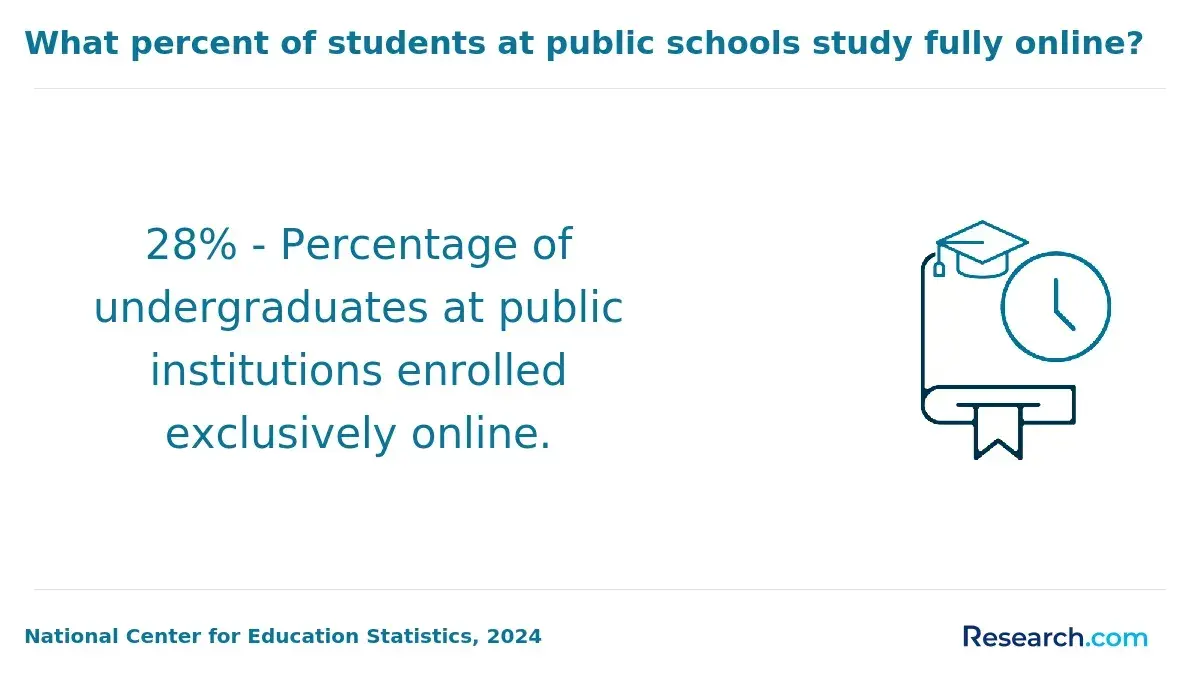
In contrast, Arizona State University's online program exhibits a notably high acceptance rate of 90%, admitting 62,084 students from 68,840 applicants annually. This level of openness reduces traditional screening barriers such as standardized test requirements, which ASU does not mandate.
The pragmatic consequence is a less competitive admissions environment, opening access for a broader range of candidates including those balancing work, family, or lacking test preparation resources, though it may also signal a need for self-motivation once enrolled to meet academic challenges without selective filtering.
For prospective students weighing this option, ASU's model may offer a more straightforward entry compared to other programs with tighter acceptance margins, but tradeoffs include the responsibility to independently navigate rigors of the discipline.
Employers in environmental sciences often value demonstrated practical skills and knowledge, so students may need to supplement this accessible pathway with internships or applied experiences to remain competitive.
How does the curriculum of Arizona State University's online BS in Ocean Futures - Coastal and Marine Science program stay aligned with current industry trends?
Effectively aligning an online BS in Ocean Futures - Coastal and Marine Science curriculum with industry standards requires balancing scientific fundamentals with practical skill acquisition that employers prioritize. Arizona State University's program integrates coursework and hands-on experiences that reflect shifting industry demands, yet prospective students should weigh the intensity of applied training against the limitations of a fully online format.
For example, roles in environmental consulting or governmental agencies increasingly expect proficiency in data analytics and policy impact analysis, which this program aims to address.
Key factors supporting ASU's alignment with industry trends include:
- Data and GIS Focus: The curriculum emphasizes analytic skills like geographic information systems (GIS) and data visualization, essential for coastal and marine science roles where spatial data interpretation and modeling are central.
- Hands-On Learning Simulations: Virtual labs and fieldwork simulations provide technical familiarity despite remote delivery, preparing graduates for scientific methods used in marine research and conservation fields that rely on precise data collection and environmental monitoring.
- Sustainability and Policy Integration: ASU includes courses on human impacts and resilience planning, reflecting growing industry emphasis on environmental stewardship and regulatory compliance to manage ecological challenges effectively.
While these curricular updates are responsive, students should consider that fully online formats might restrict direct field exposure compared to traditional programs, possibly affecting practical skill depth. Nonetheless, the program's continuous curriculum updates follow industry trends relevant to a broad range of marine science careers.
Students interested in intersecting marine science with interdisciplinary insights might also explore related options, including online PhD programs for working professionals, which build on foundational undergraduate training for more specialized expertise.
Overall, ASU's online BS in Ocean Futures - Coastal and Marine Science curriculum attempts to meet evolving workforce needs amidst tradeoffs inherent to remote education delivery.
How much does Arizona State University's online BS in Ocean Futures - Coastal and Marine Science program cost?
Arizona State University charges a base tuition and fees of $12,051 annually for its online BS in Ocean Futures - Coastal and Marine Science program, but total yearly costs reach approximately $34,845 when accounting for books, supplies, room, board, and other expenses. While the program's tuition is fixed regardless of student location, budgeting must consider around $1,320 per year for additional materials.
Financial aid can drastically alter the net cost: with about 93% of undergraduates receiving aid averaging $12,396, many students reduce their out-of-pocket expenses substantially, which can be critical for those balancing employment or family responsibilities in related environmental sectors.
Compared to the federal government's reported figure of $28,047 for in-state students living on campus, ASU's online option reflects different cost drivers-namely lower housing and commuting expenses for distance learners. This makes the program particularly attractive for students seeking flexibility to maintain full-time work or participate in internships that require geographic mobility.
The program's pricing transparency, including the absence of additional technology fees often applied in online education, means fewer surprises in final billing but also necessitates careful evaluation of indirect costs tied to coastal and marine science fieldwork or equipment.
For those weighing the cost of an online coastal and marine science degree at ASU against other institutions, the pricing aligns competitively with national averages for similar BS programs while factoring in wide variances by region and mode of delivery.
Employers in environmental and oceanographic fields prioritize demonstrable skills and practical experience, so prospective students should consider how financial aid options or work-study arrangements can create opportunities for paid fieldwork or certification pathways, which are available through various certificate programs online.
Ultimately, total cost considerations for Arizona State University's online BS in Ocean Futures - Coastal and Marine Science program extend beyond tuition and fees to factor in financial support and career-related investments. Understanding this dynamic can guide applicants toward more sustainable educational plans that weigh upfront expenses against longer-term employment prospects within ocean science industries.
What are the admission requirements for Arizona State University's online BS in Ocean Futures - Coastal and Marine Science program?
Navigating admission to Arizona State University's online BS in Ocean Futures - Coastal and Marine Science involves recognizing its balance between accessibility and academic standards. The selective aspect means applicants must be well-prepared, particularly in demonstrating foundational readiness beyond basic documentation. Prospective students benefit from understanding these criteria early, as they influence application strategy and readiness for the program's rigor.
Below is a concise overview of key requirements to consider.
- Academic Background: Applicants need a completed high school diploma or GED, supported by a secondary school record. This ensures a basic educational foundation but involves evaluation beyond mere completion.
- English Proficiency: For non-native speakers, submitting a TOEFL score is mandatory. This criterion safeguards engagement with course material and effective communication in an entirely online environment.
- Test Scores: SAT or ACT scores are not required. However, tests like Wonderlic or WISC-III are suggested but remain optional, allowing some flexibility based on applicant circumstances.
- Prior Credits: Transfer students have an average difficulty in entry and can apply various accepted credits, including AP, CLEP, DSST exams, and those endorsed by ACE, facilitating credit transfer though specific limits depend on broader university policies.
- Supporting Documents: Letters of recommendation and formal competency demonstrations are recommended but not mandatory, lowering barriers while still permitting applicants to strengthen their dossiers if desired.
What is the ROI of attending Arizona State University's online BS in Ocean Futures - Coastal and Marine Science program?
The return on investment (ROI) for attending Arizona State University's online BS in Ocean Futures - Coastal and Marine Science program hinges on balancing significant upfront costs with steady mid-career earnings. With total annual expenses approaching $34,845-including tuition and living costs-students face a notable financial commitment.
However, graduates enter the workforce with a median starting salary exceeding $62,000, which remains stable a decade after graduation, indicating durable income potential compared to many environmental science fields.
For students able to secure scholarships or minimize debt, this program's favorable earnings-to-debt ratio of 3.21x enhances its economic viability. Still, those relying heavily on loans must consider the median student debt of $19,500 and whether their post-graduation employment aligns with sectors offering moderate salary growth, such as government agencies or sustainable marine resource management firms.
Employment in research institutions or policy roles often demands continued specialization or credentials, which can influence long-term earning trajectories and affect ROI.
Ultimately, the program serves candidates seeking stable, specialized careers in ocean and coastal sciences, but its ROI varies significantly with personal financial planning and local job market conditions. Prospective students should weigh these operational realities against alternative pathways offering lower initial costs or faster salary growth to make informed decisions about their educational investment.
Is there a high student satisfaction for Arizona State University's online BS in Ocean Futures - Coastal and Marine Science program?
Student satisfaction within Arizona State University's online BS in ocean futures - coastal and marine science program hinges on balancing rigorous coursework with accessible support systems. While the program's complexity demands significant self-motivation, many learners find value in ASU's structured resources, including mentoring and active student groups, which help mitigate the isolation often felt in remote education.
Those able to leverage these supports typically report a stronger sense of community and academic engagement despite geographical separation.
This dynamic, however, introduces a tradeoff: students who require frequent direct interaction or thrive primarily in physical campus settings may find the online format challenging. The flexibility to juggle professional and personal commitments is a substantial benefit for many, yet it necessitates disciplined time management.
Employers in coastal and marine science fields increasingly recognize online credentials but remain attentive to candidates' demonstrable skills and project experience, which can be harder to showcase without in-person opportunities.
How does Arizona State University help online BS in Ocean Futures - Coastal and Marine Science graduates secure employment?
Employers in coastal and marine science increasingly prioritize candidates with industry-relevant experience and professional networks, making institutional support crucial for job outcomes. Arizona State University helps bridge this gap by providing focused career services that directly align with marine science employer expectations. Data indicates that students engaging with robust alumni and mentorship programs are 35% more likely to secure employment in their field within six months post-graduation.
This dynamic plays a meaningful role in how Arizona State University ocean futures career support and opportunities translate into tangible job prospects. Key elements of ASU's support ecosystem include:
- Virtual Career Fairs: These events connect students with employers specifically seeking graduates in coastal and marine fields, facilitating early job leads and networking tailored to remote and environmental science roles.
- Resume and Interview Workshops: Specialized sessions cater to marine science skill sets, helping students craft targeted applications that meet niche employer standards and improve interview readiness for competitive positions.
- Dedicated Job Portal: A focused platform lists opportunities in environmental and ocean sciences, streamlining the job search by concentrating on relevant roles and employers familiar with the BS in Ocean Futures program.
- Alumni Mentorship Programs: By linking students with over 600,000 global alumni, including working professionals in ocean futures, the program provides industry insights and often early alerts on unadvertised positions.
The structure and proactive engagement offered by asu's support services exemplify how a university's network and resources impact job market access. For those evaluating whether to enroll, considering such career integration is important, particularly in specialized fields where employer demand is specific and often regionally concentrated.
For comparison, students interested in affordability might also explore options such as what is the cheapest online master's degree program to weigh different pathways alongside career support strength.
What are the career outcomes for recent graduates of Arizona State University's online BS in Ocean Futures - Coastal and Marine Science?
Career outcomes for graduates of Arizona State University's online BS in Ocean Futures - Coastal and Marine Science reveal tradeoffs tied to the specialized and interdisciplinary nature of the program. While the program equips students with skills relevant to environmental and coastal challenges, the typical salary levels reflect positions within public and nonprofit sectors rather than high-wage industries.
This reality influences how prospective students weigh program value, especially when comparing it to alternatives with clearer paths to higher earnings. Understanding tangible job prospects is essential when assessing whether the degree meets one's professional and financial goals.
Below are common career trajectories for those pursuing job opportunities in coastal and marine science after the Arizona State University degree:
- Coastal Scientist: These professionals analyze shoreline and marine environments to support erosion control and habitat preservation. Salaries often start at entry to mid-level wages with potential growth linked to field experience and project responsibility.
- Marine Technician: Responsible for maintaining scientific equipment and assisting in data collection for marine research. Pay tends to be modest, reflecting technical roles that emphasize hands-on skills over advanced degrees.
- Environmental Analyst: Analysts evaluate ecological data to advise on regulatory compliance and conservation efforts, typically earning salaries in non-profit or government agencies focused on sustainability.
- Natural Resource Specialist: Specialists coordinate resource management programs, balancing conservation goals with public use, often requiring collaboration across sectors with compensation aligned to public service roles.
Data suggests that graduates with concentrations in Natural Resources Conservation and Research average around $35,617 in alumni earnings, a realistic baseline for entry-level positions. To improve economic outcomes, students might consider supplementing this degree by pursuing certifications or graduate studies that strengthen technical or policy expertise.
For those evaluating an online associate's degree as a preparatory step, it's important to recognize how the BS in Ocean Futures integrates science with policy and community-based sustainability initiatives, influencing employability across various environmental career paths.
How do I know if Arizona State University's online BS in Ocean Futures - Coastal and Marine Science program is the right fit for my goals?
Determining if Arizona State University's online BS in Ocean Futures - Coastal and Marine Science program fits your academic and career goals requires weighing multiple factors that reflect your specific ambitions and the realities of the marine science workforce. The decision is far from universal; what benefits one student may not suit another, especially considering the balance between scientific specialization and practical employability.
Key program attributes can signal alignment or mismatch, so weigh these elements carefully to ensure the degree supports your intended trajectory. Here are essential criteria to evaluate:
- Curriculum Relevance: Investigate whether the course offerings focus on areas that match your marine science interests, such as coastal ecosystem management or oceanographic research. Depth in specialized topics can make you more competitive for roles requiring technical expertise.
- Program Flexibility and Format: As a fully online option, consider if virtual labs, remote research collaborations, and self-directed study suit your learning style. Online delivery demands discipline and access to digital tools, which affects program worth based on your capacity to engage effectively.
- Career Resources and Networking: Access to internships, partnerships with marine organizations, and alumni networks often differentiates programs. These connections are crucial for practical experience and job placement in a field where professional relationships matter.
- Faculty Expertise: Faculty actively involved in current ocean and coastal research can provide mentorship and expose you to emerging topics in marine science, enhancing educational value beyond standard curricula.
- Accreditation and Recognition: Verify the program's accreditation status since it impacts credit transferability, employer recognition, and eligibility for certain certifications needed in the marine science sector.
For those comparing pathways, also consider exploring doctoral programs without dissertation that may complement your undergraduate foundation or accelerate research credentials. Evaluating fit for ASU online BS in Ocean Futures coastal and marine science degree should always align with your professional aims and readiness for online education demands.
What Graduates Say About Arizona State University's Online BS in Ocean Futures - Coastal and Marine Science Program
- Julian: "Studying at Arizona State University gave me the flexibility to balance work and education, which was crucial since I was freelancing while earning my BS in Ocean Futures - Coastal and Marine Science. The program's emphasis on hands-on projects and data analysis helped me build a portfolio that my employers valued more than traditional licensure, although I noticed advancing beyond certain roles still required additional certifications. Overall, it opened doors to remote work opportunities I wouldn't have found otherwise, which really shaped the trajectory of my career."
- Francisco: "I approached the BS in Ocean Futures - Coastal and Marine Science at Arizona State University with a clear goal to enter marine conservation but quickly learned that competing for positions was tougher than expected without field experience. The program's structure allowed me to secure internships that were essential for practical skills, but many employers prioritized those with specific certifications over degrees alone. Reflecting on my journey, I see the degree as a solid foundation, but I also realized a career pivot was necessary to align with marketplace realities and find a sustainable path forward."
- Ivan: "Arizona State University's BS in Ocean Futures - Coastal and Marine Science challenged me academically, especially with its interdisciplinary approach, but it prepared me well for the complexities of the marine science field. The curriculum helped me transition quickly into the workforce, though salary growth has been modest without pursuing licensure or graduate studies. Having a degree from ASU gave me credibility and access to professional networks, but success really depended on how I supplemented it with real-world experience and targeted certifications."
Other Things You Should Know About Degrees
Arizona State University's Online BS in Ocean Futures incorporates virtual labs and simulations to replicate field experiences. While it lacks traditional hands-on fieldwork, it aims to provide a comprehensive digital learning experience, allowing students to gain necessary skills for research and practical applications in ocean science.
While the curriculum covers broad ocean and coastal science principles, specialization options are somewhat limited compared to traditional on-campus programs. Students with very specific career ambitions in emerging subfields may need supplemental certifications or experience outside the program. Prioritizing this degree is advisable if you value a strong foundational knowledge over narrowly tailored expertise.
The program is designed for flexibility, but the heavy science coursework demands significant time for complex assignments and group projects. Full-time workers should anticipate a rigorous schedule, especially during lab and research phases, and proactively use academic advising and time-management resources provided by Arizona State University. Prioritizing this program requires firm commitment to intensive weekly study hours alongside professional responsibilities.
Employers generally recognize the reputation of Arizona State University and value the specific marine science training offered. However, some marine research or policy employers may prioritize candidates with traditional on-campus degrees or those with extensive in-person research experience. It's advisable for students to supplement the degree with internships or field experience to strengthen their competitiveness in highly specialized job markets.
References
- ASU launches online ocean futures undergraduate degrees https://www.prnewswire.com/news-releases/asu-launches-online-ocean-futures-undergraduate-degrees-302535139.html
- Studying the ocean from the desert - The Arizona State Press https://www.statepress.com/article/2025/11/ocean-futures-asu
- Top 10 Rankings of Arizona State University - Smart Edu Link https://www.smartedulink.com/blog-details/top-10-rankings-of-arizona-state-university/r/recS9FgQ3Hp1zDOWC
- ASU launches online ocean futures undergraduate degrees https://finance.yahoo.com/news/asu-launches-online-ocean-futures-120700615.html
- Study Marine Science - Experience, Job Opportunities, Salary + Survey https://jobtensor.com/uk/Studies/Marine-Science
- Career Profile: Marine Biology https://www.clinlabsolutionsgroup.com/career-profile-marine-biology
- Arizona State University (ASU) https://www.princetonreview.com/college/arizona-state-university-1023376