2027 Accredited Online Curriculum & Instruction Degree Programs for Working Adults: Flexible, Part-Time, and Self-Paced Options

Co-Founder and Chief Data Scientist
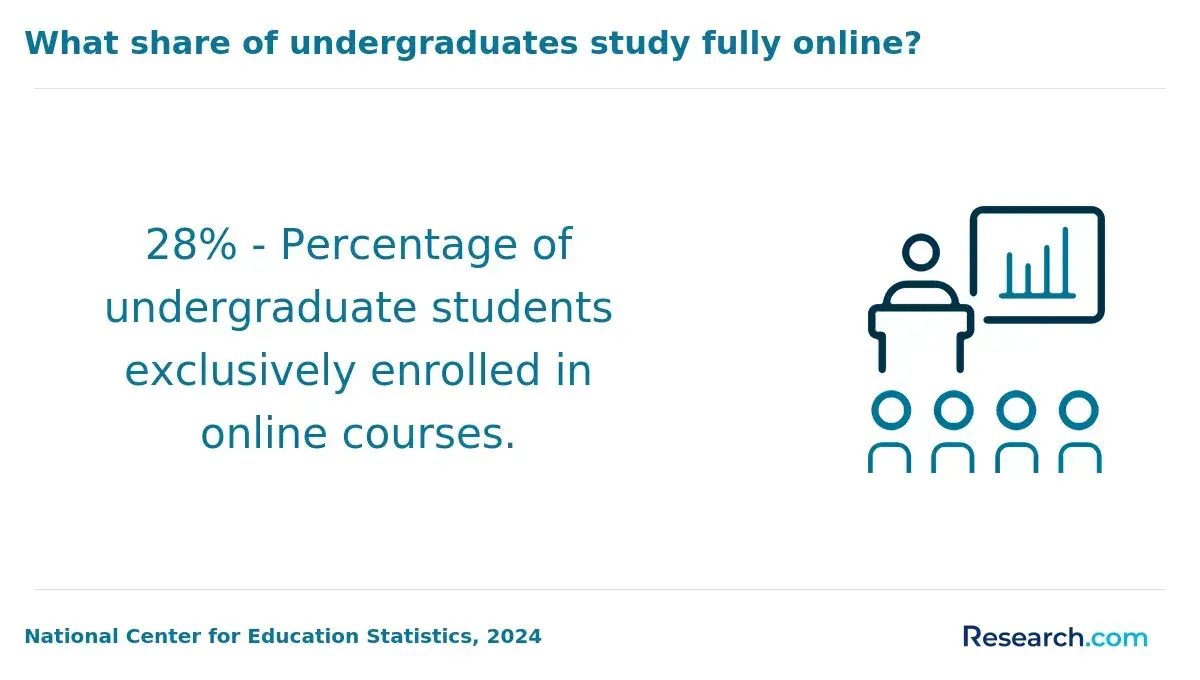
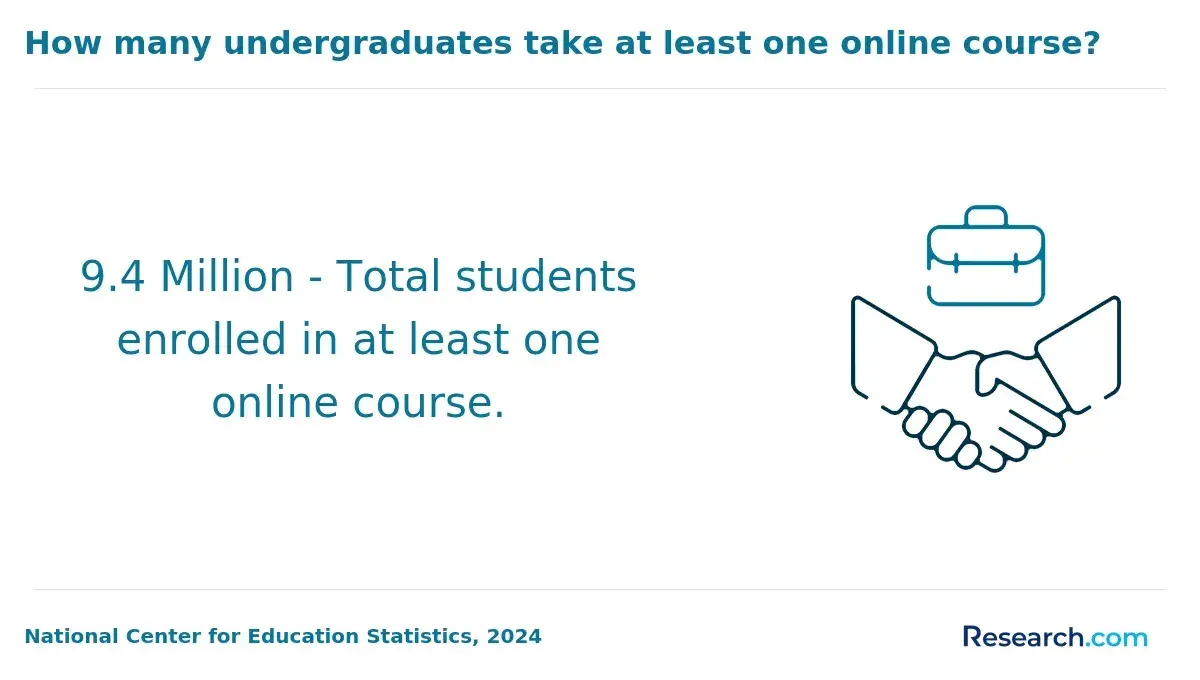
Choosing an accredited online Curriculum & Instruction degree is really a scheduling, cost, and career decision. The latest NCES distance education tables released in 2024 show that more than half of U.S. postsecondary students took at least one distance course, making online format quality more important than ever.
This guide is for teachers, trainers, and education professionals comparing flexible, part-time, and self-paced options. You will learn how accreditation, workload, tuition, transfer credits, and career goals affect which program fits your life.
Key Things You Should Know
- Accreditation is the first filter. Choose an institution recognized by a U.S. Department of Education-approved accreditor, then check whether the program supports your state licensure, endorsement, or district advancement requirements.
- Most online Curriculum & Instruction master's programs require about 30 to 36 credits; working adults often take 1 to 2 courses per term, with many courses requiring roughly 6 to 12 hours of weekly work each.
- Cost and speed depend heavily on format: a 30-credit program at $500 per credit equals $15,000 before fees, while transfer-friendly programs may allow roughly 6 to 12 graduate credits to reduce time and tuition if accepted.
What Is an Accredited Online Curriculum & Instruction Degree Program and Why Does Accreditation Matter?
An accredited online Curriculum & Instruction degree is a graduate or, less commonly, undergraduate program focused on how learning is designed, delivered, assessed, and improved. Most working adults who search for this degree are licensed teachers, instructional coaches, school leaders, corporate trainers, or education specialists who want to move into curriculum design, instructional leadership, assessment, teacher mentoring, or specialized content-area roles.
Accreditation matters because it is the basic quality-control mechanism used in U.S. higher education. For students, it affects federal financial aid eligibility, credit transfer, employer recognition, graduate school admission, and, in some cases, licensure or salary-lane movement. Institutional accreditation is the minimum requirement; programmatic accreditation or state approval may also matter if the degree is tied to teacher certification, reading specialist endorsement, principal preparation, or special education credentials.
The most important distinction is between a degree that is career-enhancing and one that is licensure-leading. A Master of Education in Curriculum & Instruction may help a current teacher qualify for instructional coaching or curriculum leadership, but it may not automatically lead to initial teacher licensure. State education agencies, not universities alone, determine whether a program meets certification or endorsement requirements.
This table summarizes the main accreditation and approval checks working adults should complete before applying. It is especially useful if you plan to use the degree for licensure, district pay advancement, or a future doctoral program.
| What to Check | Why It Matters | What It Usually Affects |
| Institutional accreditation | Confirms the college or university meets recognized quality standards | Federal aid, credit transfer, employer recognition, graduate admission |
| State approval | Shows whether the program aligns with state educator preparation rules | Licensure, endorsements, certification upgrades |
| Programmatic education accreditation | May indicate review by a specialized education accreditor when applicable | School district confidence, portability, quality assurance |
| Licensure disclosure | Explains whether the program meets requirements in your state | Eligibility for educator credentials outside the school's home state |
| Graduate credit transfer policy | Defines whether prior accredited coursework can reduce your degree plan | Cost, timeline, course load, graduation speed |
A good accredited online program should be transparent about all of these items. If a school cannot clearly explain its accreditation, state authorization, or licensure disclosures, treat that as a red flag rather than a small administrative detail.
Which Flexible Curriculum & Instruction Degree Formats Are Best for Working Adults: Part-Time, Full-Time, or Self-Paced?
The best format depends on your weekly availability, job calendar, family responsibilities, and tolerance for deadlines. "Online" does not automatically mean self-paced; many accredited programs use fixed 7-week, 8-week, 10-week, or 15-week terms with due dates, group projects, and scheduled discussion boards.
The table below compares common online Curriculum & Instruction formats from the perspective of a working adult. Use it to identify which structure fits your work rhythm before you compare tuition or rankings.
| Format | Best Fit | Typical Trade-Off |
| Part-time asynchronous | Teachers, trainers, and parents who need evening or weekend study time | More manageable workload, but a longer path to graduation |
| Full-time online | Adults with lighter work demands, summer availability, or employer support | Faster completion, but heavier weekly reading, projects, and fieldwork |
| Self-paced or competency-based | Experienced educators who can move quickly through familiar material | High flexibility, but requires strong self-management and may have term limits |
| Synchronous online | Students who value live discussion, peer interaction, and faculty access | More structure, but less schedule freedom |
| Cohort-based online | Adults who want a predictable sequence and strong peer network | Clear path, but fewer options to pause, accelerate, or customize |
Part-time study is usually the safest option for adults working full time because it limits academic overload. It makes sense if you teach during the day, coach after school, care for children, or need predictable tuition payments. The main downside is time: taking one course at a time can turn a 12-month plan into a two- or three-year commitment.
Full-time online study can work if your workload drops during summers, your employer offers release time, or you can temporarily reduce other commitments. It is less realistic if your job includes evening events, grading, travel, or unpredictable family obligations. If speed is your primary goal, compare Curriculum & Instruction programs with other accelerated graduate options, including a 1-year master's degree, to understand how compressed calendars affect workload.
Self-paced learning is attractive, but it is not always easier. It works best for adults with strong content knowledge, consistent study blocks, and the motivation to submit work without weekly reminders. It is risky for students who need peer accountability, faculty pacing, or fixed deadlines to stay on track.
Before choosing a format, ask yourself these scheduling questions. They help reveal whether a program's advertised flexibility matches your actual life.
- Can I protect at least two to four study blocks each week without relying on ideal circumstances?
- Do I learn better with weekly deadlines, or can I make progress independently without external structure?
- Will my busiest work seasons overlap with practicum, capstone, or research-heavy courses?
- Can I take a lighter course load without losing financial aid eligibility, employer tuition benefits, or cohort status?
- Does the program allow stop-outs, term breaks, or re-entry if work or family responsibilities change?
What Are the Admission Requirements for Accredited Online Curriculum & Instruction Degree Programs?
Admission requirements vary by school and degree level, but most online Curriculum & Instruction programs are designed for applicants with prior college coursework and professional experience in education or training. Master's programs often expect a bachelor's degree from an accredited institution, transcripts, a minimum GPA, a statement of purpose, recommendation letters, and, for some tracks, a teaching license.
Many programs have moved away from standardized test requirements, especially for experienced educators. This reflects a broader graduate-admissions trend in online education; for example, working professionals comparing other flexible graduate pathways may also find top MBA programs that don't require GMAT or GRE. Even when no test is required, admissions committees still evaluate academic readiness, professional goals, writing ability, and fit with the program's curriculum.
Admission requirements become more important when a program is tied to licensure or endorsement. A non-licensure Curriculum & Instruction master's may admit corporate trainers, instructional designers, or education nonprofit professionals. A reading specialist, ESL, special education, or leadership pathway may require a valid teaching certificate, classroom experience, background checks, or state-specific documentation.
Working adults should prepare these materials early because transcript delays and recommendation letters can slow enrollment. The following list covers the items most likely to affect your admission timeline and program fit.
- Official transcripts from every college attended, including transfer institutions and graduate coursework.
- Proof of bachelor's degree completion from an accredited U.S. institution or an evaluated international equivalent.
- Minimum GPA documentation, often with possible conditional admission if your GPA is below the standard threshold.
- Current teaching license or educator credential if the concentration requires classroom practice or state approval.
- Professional resume showing teaching, training, curriculum development, leadership, or education-related experience.
- Statement of purpose explaining your goals, target learners, preferred specialization, and reason for choosing online study.
- Recommendation letters from supervisors, principals, faculty, or professional colleagues who can speak to your readiness.
- Technology readiness requirements, such as reliable internet, webcam access, learning management system familiarity, and document-sharing tools.
Avoid applying only to the easiest program to enter. The better question is whether the program admits students like you, supports your career goal, and offers the schedule you can realistically sustain.
How Much Does an Online Curriculum & Instruction Degree Cost, and What Financial Aid Options Are Available?
The cost of an online Curriculum & Instruction degree depends on tuition per credit, required credits, residency status, fees, textbooks, technology, fieldwork expenses, and how many credits you can transfer. A low tuition rate can still become expensive if the program requires more credits, charges high online fees, or does not accept prior graduate coursework.
Use total program cost, not tuition per credit alone. The examples below show how quickly the final price changes when credit requirements and per-credit rates differ.
- 30 credits at $400 per credit: $12,000 before fees and materials.
- 30 credits at $700 per credit: $21,000 before fees and materials.
- 36 credits at $700 per credit: $25,200 before fees and materials.
- 36 credits at $1,000 per credit: $36,000 before fees and materials.
Financial aid can reduce upfront pressure, but it does not make a program automatically affordable. For federal loans first disbursed in the 2025-26 award year, graduate Direct Unsubsidized Loans carry a 7.94% fixed interest rate, while Grad PLUS Loans carry an 8.94% fixed rate. That means borrowing decisions should be tied to realistic career plans, employer reimbursement, and monthly repayment capacity.
Common funding options include federal student aid, employer tuition assistance, teacher grants, school district reimbursement, military or veteran benefits, scholarships, payment plans, and tax-advantaged education benefits when eligible. If you are comparing affordability across fields, resources on the cheapest online business management degree can also help you think about tuition transparency, fee comparisons, and total-cost evaluation.
Before you enroll, ask the financial aid office and admissions advisor for a written cost breakdown. Focus on the expenses that affect working adults most directly.
- Total tuition for the full degree based on the published program plan, not just the first term.
- Online learning fees, graduation fees, portfolio fees, assessment fees, and technology fees.
- Textbooks, digital courseware, background checks, testing fees, and required software.
- Whether tuition differs for in-state, out-of-state, military, district partner, or fully online students.
- Minimum enrollment requirements for federal aid, employer reimbursement, scholarships, or tuition discounts.
- Refund deadlines and course withdrawal rules if your work schedule changes unexpectedly.
The most affordable program is not always the best value. A slightly more expensive degree may be worth considering if it has stronger advising, better licensure alignment, generous transfer policies, or a format that prevents stop-outs.
How Long Does It Take to Complete an Online Curriculum & Instruction Degree, and Can Transfer Credits Help You Graduate Faster?
Most online Curriculum & Instruction master's programs take about one to three years, depending on credit load, term length, and whether the student studies year-round. A full-time student may finish in about 12 to 18 months, while a part-time student taking one course per term may need two years or longer.
This table gives a practical view of how course load affects time and weekly workload. It is not a promise from any specific school, but it can help you decide whether an advertised timeline fits a full-time job.
| Enrollment Pace | Common Course Load | Approximate Completion Pattern | Working Adult Fit |
| One course at a time | 3 credits per term | Often 24 to 36 months for a 30- to 36-credit program | Best for full-time employees with family or coaching duties |
| Two courses per term | 6 credits per term | Often 15 to 24 months, depending on term structure | Possible with strong time management and predictable work hours |
| Year-round accelerated | 6 or more credits in short terms | Often 12 to 18 months | Best for adults with lighter outside obligations or employer support |
| Self-paced competency model | Variable | Can be faster or slower depending on submitted work and term limits | Best for independent learners with prior expertise |
Transfer credits can shorten the timeline, but policies vary widely. Some graduate programs accept no transfer credit, while others may allow a limited number of relevant, recent, accredited graduate credits. Common restrictions include minimum grades, time limits, course equivalency, faculty review, and a cap on the number of credits that can apply to the degree.
If acceleration is important, do not assume every fast online degree uses the same model. For comparison, programs marketed as the fastest psychology degree may rely on different term lengths, credit loads, or admissions structures than Curriculum & Instruction programs. The key is to compare workload, not just months to completion.
To evaluate transfer-credit potential, follow a step-by-step process before you commit to a school. This prevents surprises after enrollment.
- Request the official graduate transfer-credit policy, including maximum credits accepted and expiration limits.
- Send unofficial transcripts to admissions for a preliminary review before paying a deposit.
- Ask whether transferred courses can replace core requirements or only electives.
- Confirm whether transfer credits affect financial aid, course sequencing, or cohort placement.
- Get the final transfer evaluation in writing before building your graduation timeline around it.
Transfer credit is most valuable when it replaces required coursework and preserves your schedule. If accepted credits only reduce electives but do not change course sequencing, the time savings may be smaller than expected.
What Should You Look for When Comparing Accredited Online Curriculum & Instruction Degree Programs?
When comparing accredited online Curriculum & Instruction programs, look beyond rankings and marketing phrases. The strongest option is the one that aligns with your state requirements, career target, schedule, budget, and preferred learning style.
The table below summarizes the criteria that matter most for working adults. Use it as a comparison framework when reviewing program pages or talking with admissions advisors.
| Comparison Factor | What Strong Programs Make Clear | Red Flag |
| Accreditation and authorization | Institutional accreditation, state authorization, and licensure disclosures are easy to find | Vague claims such as "nationally recognized" without accreditor details |
| Format | Course length, live session requirements, deadlines, and attendance rules are explained | "Flexible" is used without defining weekly expectations |
| Curriculum | Courses match your goal, such as instructional coaching, assessment, literacy, STEM, or online learning | Generic education courses with little connection to curriculum design or leadership |
| Faculty experience | Faculty have relevant education leadership, research, classroom, or instructional design expertise | No faculty profiles or limited information about teaching experience |
| Student support | Online advising, library access, career help, tutoring, and technical support are available remotely | Support services are only available during standard business hours |
| Cost transparency | Total program tuition, fees, and aid options are explained clearly | Only per-credit tuition is shown, with fees hidden in separate pages |
| Outcomes | The school explains typical roles, licensure limits, and alumni pathways without promising jobs | Marketing language implies guaranteed promotion or salary increases |
Common mistakes can cost working adults time and money. Review these before you shortlist schools.
- Enrolling without verifying institutional accreditation and state authorization for your location.
- Assuming an online degree automatically meets teacher licensure, endorsement, or salary-lane requirements.
- Choosing the fastest option without checking weekly workload, capstone requirements, or course availability.
- Focusing only on tuition while ignoring fees, books, background checks, software, and graduation costs.
- Overlooking transfer-credit limits until after admission.
- Selecting a self-paced program without checking maximum completion windows, grading timelines, and faculty feedback speed.
- Underestimating discussion boards, group projects, practicum tasks, and research assignments while working full time.
The best comparison strategy is to build a simple shortlist of three to five accredited programs, then request the same information from each school: total cost, degree plan, transfer review, weekly workload, live class expectations, fieldwork requirements, and licensure disclosures.
What Career Opportunities and Salary Potential Can You Expect With a Curriculum & Instruction Degree?
A Curriculum & Instruction degree can support careers in schools, districts, education companies, nonprofit learning organizations, government training programs, and corporate learning teams. It is most valuable for professionals who want to design better learning experiences, lead curriculum improvement, analyze assessment data, support teachers, or build instructional materials for diverse learners.
The U.S. Bureau of Labor Statistics reported a May 2024 median annual wage of $74,720 for instructional coordinators. Use that figure as a labor-market reference point, not a guaranteed outcome; actual pay depends on state, district pay scale, years of experience, union agreements, employer type, and whether the role is school-based or corporate.
The table below outlines common career paths connected to Curriculum & Instruction. It focuses on responsibilities because job titles vary significantly by district, state, and employer.
| Role | Typical Responsibilities | Degree Value |
| Instructional coordinator | Evaluate curricula, support teachers, review assessment data, recommend instructional improvements | Directly aligned with curriculum design, assessment, and instructional leadership coursework |
| Instructional coach | Mentor teachers, model lessons, lead professional development, support classroom implementation | Helpful when paired with teaching experience and strong communication skills |
| Curriculum specialist | Develop or revise course materials, align standards, select resources, support adoption cycles | Strong fit for educators interested in standards, equity, and learning design |
| Teacher leader or department chair | Coordinate grade-level or subject-area planning, analyze data, lead collaborative teams | May support leadership roles without leaving classroom teaching entirely |
| Educational consultant | Advise schools, publishers, nonprofits, or edtech organizations on learning materials and instruction | Most useful when combined with a strong portfolio and specialized expertise |
| Corporate instructional designer | Create training modules, e-learning content, assessments, and learner support materials | Relevant if the program includes learning technology, adult learning, and design tools |
The degree may be worth it if it helps you qualify for a specific role, salary lane, endorsement, or leadership pathway. It may be less useful if you are unsure whether you want to stay in education, if your district does not reward graduate credits, or if your target role requires a different credential such as principal licensure, special education certification, or advanced research training.
Some professionals use Curriculum & Instruction as a bridge toward doctoral study, education administration, or organizational learning leadership. If your long-term goal is executive-level learning strategy outside K-12 education, comparing options such as an online PhD organizational leadership can help you understand how doctoral study differs from a practice-focused master's degree.
Current trends also affect career value. AI-assisted lesson planning, learning analytics, adaptive platforms, and digital assessment tools are changing what curriculum leaders need to know. Programs that include instructional technology, data-informed decision-making, accessibility, and ethical AI use may be more useful than programs focused only on traditional curriculum theory.
How Can Working Adults Balance a Curriculum & Instruction Degree With Full-Time Work and Family Responsibilities?
Balancing a Curriculum & Instruction degree with full-time work is possible, but it requires a realistic workload plan. The most successful working adults treat school like a recurring professional commitment rather than something to fit into leftover time.
A practical weekly plan should account for reading, discussion posts, lesson or curriculum analysis, research papers, group collaboration, and field-based assignments. If you are teaching full time, your busiest school periods such as grading windows, parent conferences, testing season, and curriculum adoption cycles should influence how many courses you take.
Use the following strategies before the first term begins. They are designed to reduce overload rather than simply encourage better motivation.
- Map your work calendar against the academic calendar and identify the weeks when taking two courses would be unrealistic.
- Start with one course if you have not studied recently, then increase your load only after you understand the program's pace.
- Create two fixed study blocks on weekdays and one longer block on the weekend to avoid relying on late-night catch-up sessions.
- Tell your supervisor early if fieldwork, interviews, classroom observations, or curriculum projects may intersect with your job.
- Choose course projects that overlap with your professional responsibilities when allowed, such as analyzing your school's curriculum or designing materials for your learners.
- Build a backup plan for illness, family emergencies, school events, or technology problems before deadlines arrive.
Part-time enrollment is often a smart decision, not a sign of slow progress. A program that takes longer but allows you to stay employed, avoid unnecessary borrowing, and maintain family stability may provide a better return than an accelerated schedule that causes burnout or withdrawal.
Self-paced students need a different kind of structure. Instead of waiting for weekly deadlines, set personal milestones for readings, submissions, assessment attempts, and faculty feedback. If you are not submitting work at least every one to two weeks, the flexibility that attracted you to the program can quickly become a delay.
What Student Support Services and Online Learning Resources Should You Expect From a Curriculum & Instruction Degree Program?
Online student support can make the difference between steady progress and stop-out risk. Working adults should expect services that are available remotely, easy to access outside standard school hours, and tailored to online learners rather than copied from a campus-based model.
At minimum, compare support in the areas that affect academic progress, technology access, and career planning. These services are especially important if you have been out of school for several years or are returning while working full time.
- Dedicated academic advising that helps plan course sequencing around work schedules and licensure requirements.
- Online library access with education databases, research guides, citation support, and librarian consultations.
- Writing support for research papers, literature reviews, curriculum projects, and capstone assignments.
- Technical support available during evenings or weekends, not only during weekday business hours.
- Faculty office hours through video, phone, messaging, or learning management system tools.
- Career services for resume updates, instructional design portfolios, interview preparation, and role transitions.
- Accessibility services for documented disabilities, assistive technology, captioning, and testing accommodations.
- Peer interaction through discussion boards, cohort groups, professional learning communities, or virtual study sessions.
Ask how quickly faculty typically respond to questions and how online students receive feedback on major assignments. In curriculum-focused programs, detailed feedback matters because your projects may become portfolio samples for instructional coaching, curriculum specialist, or training design roles.
Do Online Curriculum & Instruction Degree Programs Include Internships, Practicums, or Other Hands-On Learning Requirements?
Many online Curriculum & Instruction programs include hands-on learning, but the format varies. Some require a capstone, action research project, curriculum design portfolio, practicum, classroom-based assignment, or supervised field experience. Others are fully coursework-based, especially when they are not tied to licensure or endorsement.
Hands-on requirements are not necessarily a disadvantage for working adults. If designed well, they allow you to apply coursework directly to your school, district, training team, or learning organization. The challenge is scheduling: observations, data collection, interviews, and implementation projects may require permission from your employer or access to learners.
Common applied learning requirements include the following. Check each one because it can affect your weekly schedule and your ability to use your workplace as a learning site.
- Capstone project focused on curriculum evaluation, instructional improvement, assessment design, or professional learning.
- Action research project that asks you to study a real instructional problem and propose evidence-informed changes.
- Portfolio of curriculum units, assessment tools, learning materials, reflections, and standards-alignment documents.
- Practicum or field experience in a school, district, or approved educational setting.
- Clinical or supervised hours for endorsement pathways such as reading, ESL, special education, or leadership-related tracks.
- Collaborative projects with peers, faculty, school partners, or professional learning communities.
Before enrolling, ask whether fieldwork can be completed at your current workplace. Also ask who secures the placement, whether background checks are required, whether out-of-state students can complete local placements, and whether the program has different requirements for licensed teachers and non-licensed education professionals.
If you work outside K-12 education, confirm that the program accepts corporate, nonprofit, adult learning, higher education, or training environments for applied projects. A program built only around classroom teaching may not fit your goals if you want to move into instructional design, workforce training, or educational consulting.
Other Things You Should Know About Curriculum & Instruction
Sometimes. Non-licensure tracks may accept instructional designers, trainers, nonprofit educators, or higher education staff. Licensure or endorsement tracks may require an active teaching certificate, so verify the specific concentration before applying.
In many accredited universities, the diploma does not distinguish online from campus study, but policies vary by institution. Ask the registrar for the exact diploma and transcript wording before enrollment if this matters to your employer.
No. Curriculum & Instruction focuses on learning design, teaching quality, assessment, and curriculum improvement. Educational Leadership usually focuses more on school administration, supervision, policy, budgeting, and principal or administrator preparation.
Not always, but many programs expect access to a learning environment for projects, observations, or applied assignments. If you are not currently teaching, ask whether alternative settings such as training departments, nonprofits, tutoring programs, or adult learning environments are accepted.
References
- Best Online Degrees for Working Adults in 2026 https://www.straighterline.com/blog/degreecompletion-best-online-degrees-for-working-adults-in-2026
- Most Affordable Online Master’s in Education for 2025 https://www.onlinemastersdegrees.org/most-affordable/education-programs/
- How Curriculum and Instruction Differ in an Online Environment - Graduate Programs for Educators https://www.graduateprogram.org/blog/how-curriculum-and-instruction-differ-in-an-online-environment/
- Flexible online colleges https://www.gatewayunj.org/student-stories/flexible-college-programs-making-it-possible-to-earn-your-degree-on-your-schedule
- Best Online Colleges For Adult Education - OnlineDegree.com https://www.onlinedegree.com/article/best-online-colleges-for-adult-education/
- Study Online While Working: Your Complete Guide https://www.careerfaqs.com.au/careers/blog/study-tips/how-to-study-online-while-working-full-time
- Types of Financial Aid for Online Colleges https://www.umassglobal.edu/blog-news/types-financial-aid-online-colleges
- The Best Online Degrees for Working Adults [Complete Guide] https://beal.edu/best-online-degrees-for-working-adults/
- Best Online Degree Programs for Working Adults https://www.scholaro.com/db/News/best-online-degree-programs-256