2027 How Much Does It Cost to Study Online at The Chicago School?

Co-Founder and Chief Data Scientist
Students aiming to earn an online degree at The Chicago School often face uncertainty about the financial commitment required. With online education costs rising nationally, a recent survey found that average tuition for online graduate programs increased by over 6%, highlighting affordability as a growing concern. For prospective students balancing work, family, and study, understanding tuition rates and program options is critical before making a decision.
Admissions processes and student culture in an online environment can differ significantly from traditional settings, influencing the overall experience and post-graduation outcomes. This article breaks down the types of online programs available at The Chicago School, examines associated costs, reviews admission factors, and explores what students can expect from the virtual campus environment to help you make an informed choice.
Key Points About the Cost of Studying Online at The Chicago School
- The total tuition cost for completing an online degree at The Chicago School is approximately $47,948, requiring candidates to assess this financial commitment against comparable psychology programs and projected returns on specialized credentials.
- Additional expenses like fees, supplies, and living costs add layers to affordability evaluations, impacting the total cost of attendance beyond tuition and shaping realistic budgeting strategies for distant learners.
- Students should critically evaluate whether niche psychology specializations and associated employment prospects justify the investment, as this cost structure demands alignment with targeted career outcomes to ensure economic viability.
What is the total cost of earning an online degree at The Chicago School?
Paying $47,948 in tuition alone to earn an online degree at The Chicago School requires consideration of additional costs that can push the total expense higher. For example, a student pursuing a 75-credit program with a per-credit tuition rate impacts the overall outlay, as mandatory fees for digital resources and proctoring add several hundred dollars annually. These extra charges, often overlooked, affect budgeting significantly, especially for those balancing work and study without scholarships or employer assistance.
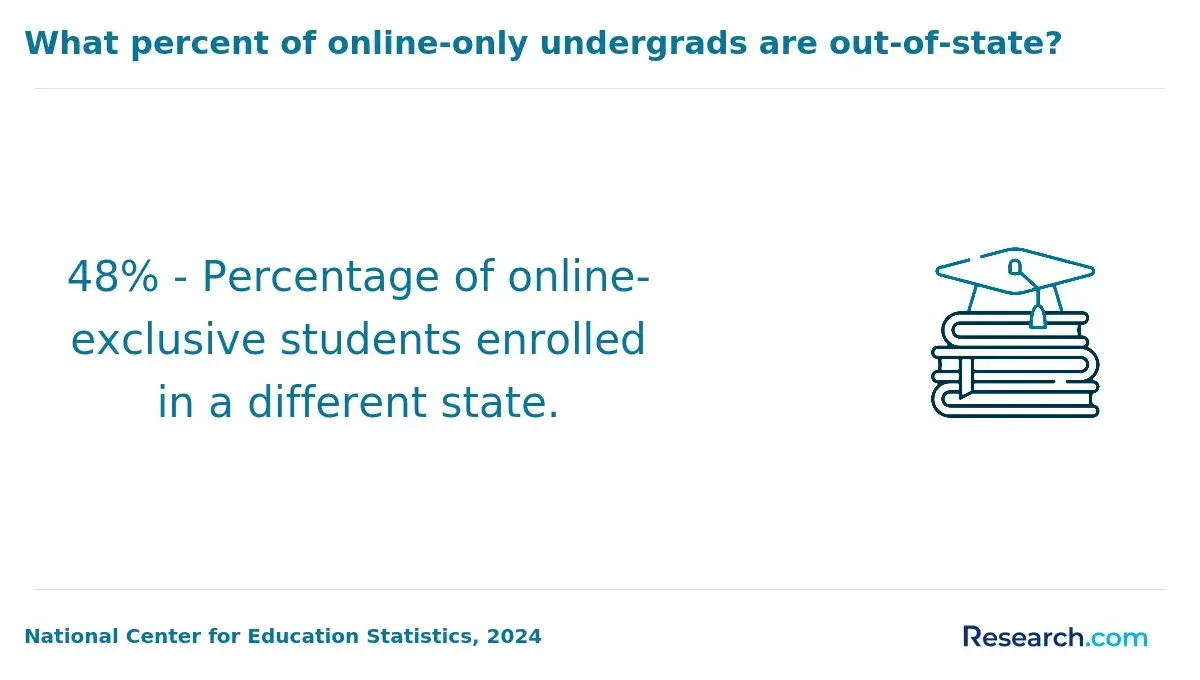
Students evaluating affordability must also factor in recent trends showing that average tuition per credit hour for online programs has risen by about 3.5% over two years, according to the National Center for Education Statistics. This increase matters because it raises long-term costs beyond published tuition figures. A prospective student comparing options should assess these financial dynamics alongside career outcomes, ensuring the investment aligns with their expected return in salary and job opportunities.
Financial aid options remain limited, meaning learners must plan for upfront payments or loans covering not only tuition but technology fees and required materials. Given credit requirements usually range between 60 and 90, even small per-credit increases significantly affect total debt. Those prioritizing cost-effectiveness must weigh these realities against program benefits, considering whether the professional advantages justify the cumulative expenses involved.
How do tuition rates vary across online programs at The Chicago School?
Tuition rates at The Chicago School vary notably across online programs, with the highest costs typically associated with clinical-focused degrees. These programs often require more credits and practical, faculty-intensive components, which increase the total tuition relative to more general counseling or psychology tracks that demand fewer resources. This distinction exemplifies tuition cost differences for online programs at The Chicago School, directly tied to program specialization and delivery intensity.
Program length and credit requirements also influence pricing. Online degrees with 24 to 30 credits fall within a mid-tier per-credit cost estimated between $700 and $800, according to a 2024 study on online tuition pricing. This range suggests The Chicago School maintains competitive pricing aligned with market standards while reflecting the investment necessary for comprehensive skill development. Longer programs with more credits naturally lead to elevated tuition expenses but may provide deeper professional preparation.
Instructional format impacts tuition variation as well. Programs integrating extensive practicum or applied elements tend to cost more per credit due to faculty time and resource demands. This contrasts with primarily lecture-based tracks, where per-credit costs skew lower. Evaluating these instructional differences is key when considering online degree pricing variations in Chicago for The Chicago School, particularly regarding the balance between cost and career relevance.
Prospective students should compare tuition rates by analyzing credit totals, program type, and associated fee structures to select the best financial and academic fit. Those seeking affordable options should consult resources listing the cheapest online doctoral programs and assess whether shorter, less specialized programs meet their goals without excessive cost.
What additional fees increase the cost of studying online at The Chicago School?
Additional fees beyond tuition substantially increase the cost of studying online at The Chicago School and influence the true affordability of the program. For instance, a student juggling work and family might underestimate these recurring or one-time expenses when budgeting, leading to unexpected financial strain.
Below is a list of key additional fees that prospective students should consider as part of their total cost analysis.
- Books and Supplies: This includes textbooks, software licenses, and essential course materials necessary for class completion. These costs are typically billed annually and average around $1,100 per year, impacting the overall budget significantly.
- Technology Requirements: Reliable computers and high-speed internet are mandatory for accessing coursework and submitting assignments. Students should account for upfront equipment purchases and ongoing internet service fees, which can fluctuate over the duration of the program.
- Administrative and Enrollment Fees: Charged each semester, these fees cover registration, digital platform maintenance, and student support services. Although commonly amounting to a few hundred dollars, they accumulate with successive semesters and add to long-term expenses.
- Virtual Proctoring Costs: Online exams often require secure proctoring services costing between $25 and $50 per test. Frequent assessments thus generate significant extra fees not encountered in traditional on-campus settings.
- Specialized Software and Online Labs: Certain programs, especially psychology or counseling, mandate access to licensed tools or virtual labs. These specialized fees can total several hundred dollars depending on the curriculum.
- Hidden or Miscellaneous Expenses: These include printing, supplemental study material, and potential technology upgrades during the program. Notably, non-tuition costs like technology and platform fees have grown by 12% recently, reflecting a rising trend in online education expenses as noted by the Independent Higher Ed Finance Review, 2024.
Such additional fees present an important aspect when assessing the practical cost of online study and career planning. For those exploring easy degrees to get online, understanding these hidden and routine expenses at The Chicago School is essential to avoiding financial surprises and aligning educational investment with realistic professional outcomes.
Are online programs at The Chicago School more affordable than campus-based programs?
The Chicago School's online tuition is approximately $950 per credit hour, closely aligned with the in-state campus rate, whereas out-of-state campus tuition exceeds $1,200 per credit hour. Online learners avoid mandatory campus fees such as housing, meal plans, and parking, which can add over $12,000 annually to on-campus attendance costs. This cost structure positions online study as a more affordable option for those who can independently manage their learning environment without the need for physical campus services.
Costs can vary within online programs depending on their structure and delivery format. Programs requiring intensive practicum placements or specialized equipment may incur additional fees, reducing some affordability benefits. However, many courses adhere to standard tuition per credit hour and utilize digital resources, which keeps expenses predictable. Students should assess the academic demands and technology requirements in relation to their budget and learning style, especially for affordable online degree programs at The Chicago School.
Comparing modalities, a 2024 report from the National Center for Education Statistics indicates online programs have approximately 15% lower total cost of attendance than campus programs after factoring in auxiliary expenses. The report also confirms financial aid eligibility remains virtually equivalent across formats, making monetary support accessible to online learners. Importantly, program duration is generally consistent, which means online students are unlikely to face extended tuition payments due to slower progression.
Choosing between online and on-campus study involves weighing cost savings against experiential factors. Online programs minimize financial burdens related to living and campus fees, favoring students focused on efficient credential completion. Conversely, those requiring on-site academic resources and networking should consider the full cost impact. Exploring options like 6 week courses may offer additional affordability and accelerated pathways to degree completion within The Chicago School's offerings.
How do financial aid and scholarships affect the cost of an online degree at The Chicago School?
Financial aid and scholarships significantly lower the net cost of an online degree at The Chicago School, but they rarely eliminate financial barriers entirely. About 53% of undergraduates receive aid, reducing the sticker price with an average award of $7,237. Yet, many students still face a median debt of $20,000 upon graduation, indicating that aid softens but does not remove fiscal strain. For instance, an online psychology student balancing full-time work might tap into merit scholarships and employer tuition assistance to lessen upfront costs. Without those supports, the out-of-pocket expenses could delay degree completion or increase reliance on loans.
In practice, aid availability depends heavily on program choice, with some scholarships restricted to specific departments. Nationally, about 45% of online students report receiving employer tuition support, a factor especially relevant to adult learners at The Chicago School managing work-study demands.
This layered funding environment requires careful consideration of eligibility rules and potential debt relative to expected earnings in the chosen field.
Financial aid and scholarship options at The Chicago School include:
- Merit-Based Scholarships: Awarded to online students who demonstrate academic excellence or professional achievements, these scholarships reduce tuition substantially and require an application with transcripts or resumes.
- Departmental Grants: Targeted grants vary by program and aim to support students in high-demand or specialized fields, typically requiring enrollment in the qualifying program with limited availability.
- Federal Grants and Loans: Federal aid offers foundational funding through Pell Grants and subsidized loans. Eligibility depends on financial need and FAFSA completion, helping to cover tuition gaps and living costs.
- Employer Tuition Assistance: Many students coordinate with employers to secure tuition reimbursements, which can significantly offset expenses. Approval often hinges on job relevance and continued employment.
- Institutional Scholarships for Veterans: Special scholarships support veterans and active military members enrolled online, recognizing service with financial benefits that lower tuition obligations.
- Graduate Assistantships (Limited for Online): Some programs offer assistantships that provide stipends or tuition credits, but these are less common for online students and require competitive application.
- Emergency Financial Aid: Available to students experiencing unexpected hardship, these funds offer temporary relief to prevent disruption in studies but are not a long-term funding solution.
One graduate shared how financial aid shaped her online degree experience: "At first, I hesitated to enroll because I worried about debt and whether I'd qualify for help. After contacting the financial aid office, I learned I could combine a merit scholarship with my employer's tuition assistance. That made everything manageable. I juggled work and study without taking on excessive loans, which gave me peace of mind throughout the program." This experience reflects how strategic use of aid can directly influence affordability and persistence for online learners at The Chicago School.
How does enrollment status affect online degree costs at The Chicago School?
Enrollment status at The Chicago School creates distinct cost outcomes for online degree seekers. Full-time students pay a flat tuition of $20,844 per semester, providing cost predictability but requiring a heavier course load. Part-time enrollees incur charges per credit, which may seem more affordable upfront but often result in higher total tuition and extended time to graduation. Accelerated options, where available, might balance faster completion with concentrated tuition costs, but students must weigh workload intensity against financial capacity and career priorities.
Financial aid availability also varies by enrollment status. A 2024 report by Education Finance Analytics shows about 53% of enrollees receive some aid, yet part-time students often face challenges securing scholarships or employer tuition assistance as funding may favor full-time status. This dynamic further influences the effective cost of study, making strategic enrollment decisions critical for students managing limited resources or relying on external support.
Student fees complicate cost calculations as well. Technology and administrative fees are generally assessed per semester for full-time students but calculated proportionally for part-time learners, increasing the per-credit expense. Those pursuing part-time study should consider how the slower pace might delay entry into the workforce, triggering indirect costs beyond tuition that impact total affordability. These factors make the part-time versus full-time online degree costs at The Chicago School a complex evaluation beyond sticker price alone.
Prospective online students must critically assess how enrollment status aligns with their financial situation, academic goals, and career timeline. Comparing tuition expenses alongside funding opportunities and time-to-degree outcomes supports a well-rounded decision. Exploring resources such as the online college no application fee list can also reduce upfront costs. Balancing these elements helps maximize value and long-term investment return in an evolving online education landscape.
How much student debt do online graduates from The Chicago School typically accumulate?
Online graduates from The Chicago School typically accumulate a median student debt of around $20,000, a moderate financial burden compared to many similar institutions. This level of debt reflects a balance between borrowing necessary for completion and manageable repayment expectations. The earnings to debt ratio of 2.84 suggests that graduates, on average, earn nearly three dollars for every dollar borrowed, which is a meaningful indication that loan repayment remains feasible when graduates secure relevant employment after graduation. This ratio gives practical insight into how debt weighs against actual income potential in the real world.
Borrowing levels vary significantly due to factors such as access to scholarships, employer tuition assistance, and personal financial strategies. A notable share of online students finish with no debt at all, easing long-term financial pressure and increasing career flexibility. Research from 2024 highlights that online degree holders often experience quicker workforce entry or advancement due to the flexible study model, enhancing their ability to manage debt sooner compared to traditional graduates. Prospective students should weigh these variables carefully, especially when considering if the debt burden aligns with expected salary and job stability in their chosen fields.
Choosing an online program at The Chicago School involves evaluating student debt within the context of career outcomes and repayment timelines, rather than simply the upfront cost. Most alumni avoid prolonged default and benefit from employment rates strong enough to support consistent loan repayment. This makes it essential for students to assess how their borrowing fits into a longer-term financial plan tailored to their career prospects and personal circumstances.
One graduate who completed an online counseling degree recalled, "I hesitated before borrowing because I wasn't sure if my new role would cover loan payments quickly. But the flexible schedule allowed me to increase hours at work sooner than expected, and I finished with about $22,000 in debt. It felt like a manageable risk once I started earning, though those first few months after graduation definitely required careful budgeting."
Which online programs at The Chicago School offer the strongest return on investment?
The strongest return on investment among online programs at The Chicago School is evident in select disciplines where employment demand and salary outcomes align closely with tuition costs. Graduates face varying career prospects and salary growth depending on the program's regional relevance and industry demand. For example, an online psychology degree graduate earning an average alumni salary of $35,500 achieves an earnings to debt ratio of 2.84x, suggesting moderate financial viability but requiring local network access and possible additional certifications to improve employment outcomes.
Prospective students exploring best online degree programs at The Chicago School for career advancement should consider these program-specific tradeoffs carefully. Below are some of the highest ROI online graduate programs at The Chicago School in Illinois:
- Psychology (General): Offers steady demand in mental health roles with average salaries around $35,500. ROI depends on supplemental credentials and local employer ties due to regional variability in jobs.
- Clinical Mental Health Counseling: Aligns closely with growing demand in healthcare for licensed counselors. Graduates often benefit from higher starting salaries and increased placement rates in urban centers.
- Marriage and Family Therapy: Provides niche specialization with competitive employer demand. Strong ROI relates to licensure eligibility and focused client populations requiring specialized skills.
- Applied Behavior Analysis: Supports roles in education and healthcare sectors with rising employer demand and scholarships improving affordability. Certification pathways further boost career earnings.
- Industrial-Organizational Psychology: Tested path for those seeking corporate careers. Higher salary potentials relative to tuition and practical training in organizational settings enhance ROI.
- School Psychology: Growing need in public and private educational institutions creates solid job placement. Online graduates face competition but benefit from credential recognition.
Labor market trends show increasing demand across healthcare systems for mental health professionals, underscoring the need for practical credentials beyond degrees alone. Given these factors, students should evaluate how programs fit their career goals and region-specific employer demand. Alternative pathways such as online degrees for felons may also intersect with these offerings for those needing flexible, career-forward educational options.
How do career outcomes influence the cost-benefit equation of an online degree at The Chicago School?
Online graduates from The Chicago School often accumulate student debt that needs to be balanced against median earnings near $56,899 and employment rates between 70% and 80% within a year after graduation. Tuition and associated costs are weighed against these outcomes to assess financial feasibility. For example, a student entering a counseling program must consider whether post-graduation job placement rates and starting salaries justify the debt incurred compared to regional market conditions.
Debt burdens tend to vary by program due to differences in skill acquisition and alignment with industry demand. Programs that focus on flexible, remote-compatible competencies respond to emerging labor market needs but may not always correlate with steeper salary growth. Graduates from certain disciplines face slightly less aggressive salary progression, which affects return on investment over the mid-career period and influences long-term debt repayment strategies.
The decision to take on debt for an online degree is often measured against alternative pathways such as certificates, apprenticeships, or traditional campus programs. Prospective students assess whether the convenience and scope of The Chicago School's online offerings provide enough career benefit to offset costs. When long-term employment outcomes do not clearly surpass those of less costly options, students may hesitate to accumulate significant debt without assuring practical career advancement aligned with their goals.
Ultimately, the relevance of the chosen field and quality of practical experience weigh heavily on whether borrowed funds translate into value. Employers increasingly prioritize specialized skills and proven competencies beyond credentials alone. Graduates must critically gauge if their student debt from an online degree at The Chicago School is matched by marketable expertise that sustains employability and income growth over time.
How can students reduce the cost of an online degree at The Chicago School without sacrificing quality?
Online graduates from The Chicago School often face varied student debt amounts, which can be mitigated significantly with intentional financial planning and program choices. One common scenario involves a part-time working student who maximizes transfer credits and employer tuition reimbursement, reducing their direct borrowing by nearly 30%. This demonstrates that strategic financial decisions align closely with managing debt without compromising educational rigor.
Below are key strategies students can use to reduce the cost of earning an online degree at The Chicago School while maintaining strong learning outcomes.
- Maximize Transfer Credits: Research indicates students can save an average of 25% on tuition by transferring eligible credits from prior coursework. This shortens degree duration and reduces overall costs without sacrificing curriculum standards since core competencies remain intact.
- Apply for Institutional Scholarships: The Chicago School offers specific scholarships targeted at online learners that directly lower tuition expenses. Leveraging these awards reduces loan reliance while maintaining full access to faculty and academic resources.
- Utilize Employer Tuition Reimbursement: Nearly 60% of employers provide partial or full tuition reimbursement. Accessing these programs requires aligning course schedules and maintaining acceptable academic progress, which encourages timely completion and professional relevance.
- Adopt Digital and Rental Learning Materials: Digital textbooks and rental programs sharply reduce material costs that accumulate throughout a program. These options do not diminish content quality and often provide updated resources matching course requirements.
- Enroll Part-Time Strategically: Spreading coursework over a longer timeframe enables income generation alongside study. While it may extend graduation timelines slightly, this approach improves cash flow and lowers immediate debt accumulation without diluting academic performance.
- Engage in Accelerated or Competency-Based Courses: Programs designed for mastery rather than seat time allow students with prior knowledge to advance more quickly. This reduces tuition outlay and time-to-degree, benefiting students aiming for efficient credential completion while preserving educational standards.
- Seek Financial Counseling and Planning: Proactive financial advising helps students identify the best combination of aid, payment plans, and spending controls. This guidance supports debt management strategies aligned with individual career goals and cash flow realities.
What Graduates Say About the Cost of Studying Online at The Chicago School
- Isabella: "When I weighed the cost of tuition and fees at The Chicago School's online program, I found the price point justified by the flexibility it offered. I relied heavily on financial aid and employer tuition reimbursement, which made the decision to enroll much more feasible without plunging into significant debt. Completing the degree online allowed me to transition smoothly into a counseling role, where the degree's reputation proved valuable in securing a competitive salary."
- Ethan: "My evaluation of The Chicago School's online degree was pragmatic: the tuition was on the higher side, but I appreciated that there were transparent fees and options for scholarships. I was cautious about the financial commitment, so I took time to plan how this investment would correlate with my career advancement. Ultimately, finishing the program while working helped me avoid lost income, and having that credential opened doors in the mental health field sooner than I expected."
- Morgan: "The affordability of The Chicago School's online program was a constant factor in my enrollment decision. I recognized that while tuition and fees were considerable, the availability of targeted financial aid and the convenience of studying remotely made it manageable. The online format meant I could maintain my job, keeping income steady and minimizing debt, which influenced how quickly I could move into clinical practice with confidence in my financial footing."
Other Things You Should Know About The Chicago School Degrees
In 2027, the annual tuition cost for online programs at The Chicago School varies based on the program. Tuition typically ranges between $11,000 to $25,000 per year, depending on the specific program and credit requirements. Always verify with the institution for the most current rates. **Question** Are employer tuition assistance programs likely to cover the full cost of online study at The Chicago School? **Answer** Employer tuition assistance programs often vary in their coverage, and few will fully cover the costs of online study at The Chicago School. Students should consult with their employer's HR department and compare program prices to determine potential out-of-pocket expenses.
Many online programs at The Chicago School include mandatory practical components, which can add hidden costs such as travel, placement fees, or unpaid time commitments. These requirements also affect workload and scheduling flexibility, potentially extending the duration of study if students must balance practicum hours with other responsibilities. Candidates who cannot afford these extra expenses or time should consider programs with fewer or more flexible experiential learning elements.
Employer tuition assistance can lower the out-of-pocket cost but often comes with stipulations, such as course approval or employment continuance. Partial coverage means students need a clear budget plan for remaining expenses, especially since The Chicago School's tuition is charged per term, not per course. Those relying on employer support should clarify coverage limits early to avoid unplanned financial shortfalls during their studies.
Yes, because many employers in psychology and related fields value accredited degrees with strong clinical components, influencing how they view online credentials. The Chicago School's online degrees keep career relevance by incorporating applied learning, but students should prioritize programs aligned with their target job market to ensure cost investments translate to employability. Choosing a program without employer recognition risks higher education costs with limited career payoff.
References
- The Chicago School of Professional Psychology | College Degrees, Courses & Education Online https://www.academicinfo.net/online-schools/the-chicago-school-of-professional-psychology/
- Online Learning in Higher Education: How to Lower Costs https://cipcourses.com/blog/how-colleges-can-lower-the-cost-of-online-learning/
- The Chicago School of Professional Psychology https://www.unipage.net/en/11863/the_chicago_school_of_professional_psychology
- CSBG Scholarship Program https://www.chicago.gov/fss/scholarship
- TCSPP Salaries - Chicago Wages https://www.academicjobs.com/employers/the-chicago-school-of-professional-psychology/5317/salaries
- Stop Cutting Programs: A Smarter Approach to Cost Reduction in Higher Education https://www.graydi.us/blog/gray-insights/stop-cutting-programs-a-smarter-approach-to-cost-reduction-in-higher-education
- Why the move to online instruction won’t reduce college costs | Brookings https://www.brookings.edu/articles/why-the-move-to-online-instruction-wont-reduce-college-costs/
- Individualized Tuition - Chicago Friends School https://chicagofriendsschool.org/admissions/individualized-tuition/
- Return on Investment For an Online Psychology Degree https://www.onlinepsychologydegrees.com/articles/return-on-investment-for-an-online-psychology-degree/
- 7 Overlooked Strategies That Cut College Costs https://www.cuofco.org/resources/7-overlooked-strategies-cut-college-costs