2027 How Much Does It Cost to Study Online at George Mason University?

Co-Founder and Chief Data Scientist
Students exploring online degree options at George Mason University often face uncertainty about how program costs align with actual value. Tuition varies widely by discipline, and understanding these differences is crucial for balancing educational investment with career goals. A recent analysis found that 42% of online learners prioritize affordability alongside program flexibility, highlighting the need for clear cost transparency before committing.
Additionally, navigating admissions and student culture remotely can affect engagement and completion rates. This article breaks down the cost structure of George Mason University's online programs and provides insight into admissions requirements and the student experience. It aims to equip prospective students with a practical framework for evaluating whether these programs meet their financial and professional needs.
Key Points About the Cost of Studying Online at George Mason University
- The total cost of attendance for online study at George Mason University is $26,972, covering tuition, fees, and additional expenses. This figure frames the financial commitment students must prepare for beyond just course costs.
- Tuition alone can reach $40,260, indicating a high direct academic expense that influences budget planning and eligibility for financial aid or employer sponsorship.
- Students must critically assess these costs against expected employer valuation and career outcomes, as the substantial investment does not guarantee proportional returns in job placement or salary advancement.
What is the total cost of earning an online degree at George Mason University?
Students pursuing an online degree at George Mason University should anticipate total costs that extend well beyond tuition alone. With tuition totaling $40,260 for programs generally requiring 120 to 130 credits, the per-credit cost is a fundamental driver of overall expense. When adding $1,290 for books and supplies plus various technology and distance learning fees, the final amount can vary significantly depending on specific program requirements and fee structures.
Consider a working adult budgeting for this program. While the $40,260 tuition sticker may seem steep, the Federal Scorecard notes an average cost of attendance at $26,972, reflecting financial aid availability or lower program fees for some students. This variance highlights the importance of factoring in potential aid and the practical value of saving on commuting and housing costs compared to traditional in-person programs, given that recent data show online tuition often includes higher mandatory fees.
Evaluating affordability involves more than comparing tuition alone. Prospective students must assess how their long-term earnings potential offsets upfront costs and how flexible scheduling may reduce other expenses such as transportation and missed work. In this light, George Mason University's online degree may be a financially sensible option for those balancing work and study, provided they critically review all cost components and aid opportunities before enrolling.
How do tuition rates vary across online programs at George Mason University?
Tuition rates across online programs at George Mason University vary significantly, largely influenced by program complexity and specialization. Graduate programs in technical or specialized fields tend to have the highest tuition per credit due to increased faculty expertise and resource demands. In contrast, generalized undergraduate pathways usually have lower costs, making them more affordable for students seeking foundational knowledge.
A 2024 report from the National Center for Education Statistics shows that tuition per credit at George Mason can fluctuate by up to 15% depending on the discipline. STEM and professional programs typically incur higher fees, reflecting industry demands and employer expectations. Additionally, programs with larger total credit requirements result in higher overall tuition even if per-credit prices are comparable, illustrating that program length directly affects final cost.
Understanding tuition differences in online programs at George Mason University requires close attention to program type, credit load, and instructional format. For example, a longer program with standard per-credit tuition may cost more than a shorter, expensive per-credit specialist degree. Analyzing these variables helps prospective students anticipate total expenditure, avoiding surprises related to hidden cost drivers.
Students comparing cost options should weigh tuition rates alongside program outcomes. Employers increasingly prioritize practical skills and rigorous credentials. Balancing upfront tuition with long-term career value is essential. For those interested in affordable advanced degrees, researching the cheapest doctoral programs may provide additional guidance within this cost landscape.
What additional fees increase the cost of studying online at George Mason University?
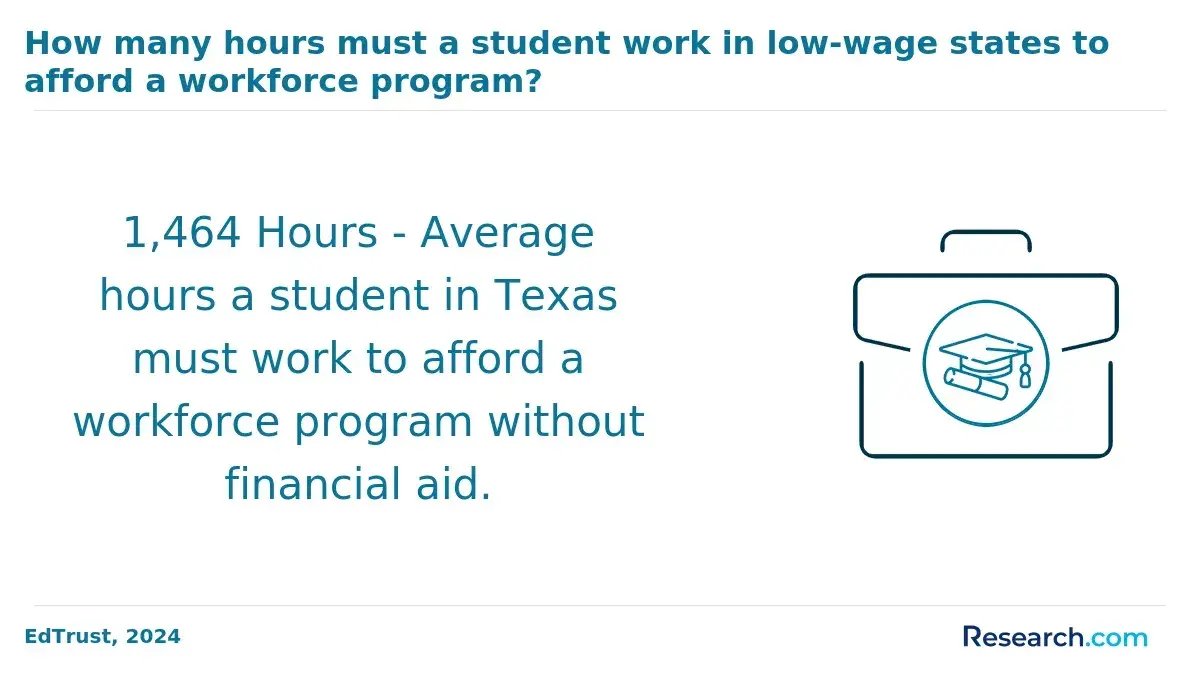
Studying online at George Mason University involves more than just tuition, with several additional fees substantially increasing the total cost. For example, a student in a STEM field may budget carefully for tuition only to face unexpected charges for software licenses or specialized lab access required by their program. These extra costs can affect affordability and impact financial planning for many distance learners in Virginia.
Below is a breakdown of common additional fees that increase the cost of studying online at George Mason University.
- Books and Supplies: Students often underestimate the $1,290 average cost of digital textbooks and specialized learning materials. These expenses are essential for course completion and frequently rise due to updated editions or required software.
- Technology and Platform Fees: These fees support online learning environments and virtual resources maintenance. Charged per semester, they can add several hundred dollars and fluctuate based on the program's needs and digital infrastructure demands.
- Proctoring and Assessment Fees: For courses emphasizing certification or secure exams, fees generally range from $30 to $100 per exam. This can add up for students requiring multiple assessments throughout their program.
- Program-Specific Lab or Software Charges: Technical and STEM programs often require licenses for specialized software or access to virtual labs. Students may incur several hundred dollars in these fees per term, increasing overall expenses significantly.
- Administrative and Enrollment Fees: These cover registration, transcript requests, and processing services. Although sometimes overlooked, they represent a necessary part of managing student records and official documentation.
- Internet and Device Costs: Reliable high-speed internet and periodic device upgrades are indirect but critical expenses. As 2024 trends show a nearly 10% rise in technology-related fees at George Mason University due to increased digital resource demands, students must consider these ongoing costs.
Planning for these additional online program fees at George Mason University is vital when assessing the true financial commitment. Prospective students should weigh these costs alongside tuition to evaluate whether their investment aligns with career goals and resources. For those seeking a accelerated online bachelor's degree, understanding these fees helps in making informed, realistic decisions about affordability and long-term outcomes.
Are online programs at George Mason University more affordable than campus-based programs?
Online programs at George Mason University generally offer a significant upfront cost advantage. Tuition for distance learners is about $675 per credit hour, substantially below the in-state campus rate of $1,092 and the out-of-state rate of $1,820 per credit hour. These lower rates translate to reduced total cost of attendance, particularly since online students avoid mandatory fees like housing, meal plans, and parking permits, which cumulatively add thousands of dollars to campus-based expenses each year.
Costs can vary depending on program structure, delivery format, and academic requirements. Some online programs may require occasional in-person sessions or specific technology investments that add indirect costs. Additionally, program length can differ. A recent study by the National Center for Education Statistics found that online programs often extend duration by approximately 20%, potentially increasing expenses from prolonged enrollment and delayed workforce entry. These factors should be carefully weighed beyond tuition alone.
Comparing online to on-campus costs reveals key trade-offs. While on-campus students pay higher per-credit tuition plus mandatory fees, they may benefit from more direct access to scholarships and work-study programs often tied to campus participation. Online learners typically receive similar financial aid eligibility but might have limited access to these additional funding resources. Realistically, an off-campus student working part-time might save on living expenses but face increased program duration costs.
A practical scenario illustrates this: a student pursuing a nursing degree online saves thousands upfront but faces 20% longer completion times. Meanwhile, a local campus student invests more initially but may graduate faster and tap into on-campus resources. Weighing these dimensions alongside employer perceptions of online credentials is essential. For those evaluating the best associate degrees or other programs, considering total costs, completion time, and financial support availability is crucial for informed decisions.
How do financial aid and scholarships affect the cost of an online degree at George Mason University?
Financial aid and scholarships substantially lower the net cost of earning an online degree at George Mason University but do not completely offset expenses. About 80% of undergraduates benefit from financial aid, receiving an average award of $10,176, which significantly reduces sticker prices. However, the median graduate debt remains $19,500, indicating that many still rely on loans to bridge the affordability gap.
Students must weigh these aid packages carefully against their expected income after graduation to avoid unsustainable debt loads. Online learners face a competitive environment for available institutional and departmental funding, as George Mason integrates remote students into broader aid pools rather than reserving dedicated scholarships specifically for online programs.
This structure can limit the options for distance students compared to campus-based financial aid offerings. Furthermore, with employer tuition assistance growing in popularity, some students may offset costs through workplace reimbursement, but this depends heavily on individual job situations and eligibility.
Key funding opportunities available to online students include:
- Institutional Scholarships: Merit- and need-based awards open to eligible undergraduates and graduates, requiring maintained academic standing and full-time enrollment to retain the scholarship. These are the most common scholarships reducing tuition for a broad student base.
- Departmental Grants: Targeted funding offered by specific academic departments to support students pursuing degrees aligned with those fields. Applicants typically need demonstrated interest or prior coursework relevant to the discipline.
- Merit-Based Awards: Scholarships awarded based on academic performance, leadership, or extracurricular achievements. These require competitive applications and often necessitate maintaining a high GPA during enrollment.
- Federal and State Aid: Pell Grants and state-specific grants assist eligible residents with demonstrated financial need, supplementing institutional aid and reducing out-of-pocket expenses substantially for qualifying students.
- Employer Tuition Assistance: Programs offered by some employers to subsidize employee education costs. Eligibility varies widely by employer policy, job position, and length of employment, but can significantly lower total student debt.
- Online Student Scholarships: Though less common, these are sometimes available to students enrolled exclusively in online programs and can include competitive awards focused on remote learners.
- Loan Programs: Federal and private loans remain a default financial resource for many students. While they aid immediate affordability, they increase debt burden post-graduation and should be managed cautiously.
A George Mason University online master's graduate recounted the challenge of balancing work and study while applying for financial aid. She explained, "The scholarship I received cut my tuition almost in half, which was a relief. But since it required a minimum GPA, I had to focus intensely on coursework despite a full-time job."
"Without that aid, I likely wouldn't have been able to afford the program, but I also knew I had to plan carefully for loan repayments afterward." This experience illustrates how financial aid reduces upfront costs but demands strategic academic and financial planning to maximize its benefit.
How does enrollment status affect online degree costs at George Mason University?
Enrollment status at George Mason University significantly impacts online degree costs by altering tuition structures, fees, and time to completion. Full-time students benefit from a flat-rate tuition model, which often lowers per-credit costs when taking a heavier course load. Part-time students, conversely, pay tuition per credit-$13,815 for the entire program-which can extend degree completion times and increase overall expenses.
Accelerated enrollment options may cut costs by shortening time in school but require a more intensive credit load, demanding careful balance of affordability and academic capacity. Enrollment status also affects fees. Mason's technology fees are charged per semester rather than per credit, which benefits full-time students as these fixed costs spread across more credits.
Part-time students face higher per-credit fees, raising their total tuition expenditure. This dynamic means that selecting part-time vs full-time online degree costs at George Mason University goes beyond tuition to include ancillary fees that influence long-term affordability and budgeting.
Financial aid eligibility and employer tuition assistance often vary with enrollment status. About 80% of George Mason's 39,527 online students receive aid, but part-time students may have limited access to some scholarships or loan options tied to full-time status. Understanding these distinctions allows students to weigh the tradeoffs between spreading costs over time and maximizing financial support, especially when pursuing programs like online associate degree programs.
Students must evaluate enrollment paths by considering financial impact alongside academic progress and career timelines. Prolonged part-time study can delay workforce entry and reduce return on investment, while full-time or accelerated tracks demand time commitment that may not fit all lifestyles. Balancing these factors with individual circumstances enables informed decisions aligned with both cost constraints and long-term educational goals.
How much student debt do online graduates from George Mason University typically accumulate?
Online graduates from George Mason University typically carry a median student debt of $19,500, which positions their loan burden within a manageable range compared to national figures. This debt level reflects combined federal and private loans accumulated during study. Crucially, these graduates tend to maintain an earnings-to-debt ratio of about 3.92 times their debt annually, indicating that the income generated post-graduation often supports timely repayment without excessive financial strain.
For prospective students, this ratio suggests that borrowing at this level can be reasonable if aligned with realistic salary expectations in their chosen field. Borrowing amounts vary depending on factors such as program length, discipline, and prior financial aid eligibility. National trends show that approximately 30% to 40% of students may finish their programs debt-free, though exact percentages for George Mason University's online cohort are less clear.
Employment rates and starting salaries heavily influence the practical implications of this debt; a 2024 study highlighted that online degree holders with competitive wages relative to their student loans are significantly less likely to default. These data underscore the importance of evaluating not just costs but anticipated income and job stability when considering an online program's value and fiscal feasibility.
Jenna, who graduated from George Mason University's online public policy program, recalls hesitating over her loan decisions. "I weighed taking on that $20,000 debt against the potential salary boost I'd receive," she explained. "It wasn't easy borrowing that much, but knowing my field's starting pay was strong gave me confidence. Paying off loans in the first three years felt urgent, but manageable once I landed a full-time role." Her experience highlights how informed debt management can bridge education costs and career realities.
Which online programs at George Mason University offer the strongest return on investment?
The online programs at George Mason University that offer the strongest return on investment align closely with fields commanding high employer demand and salary outcomes. Graduates in engineering and computer science fields secure notably higher earnings, reflecting the premium employers place on these skills in technology and defense sectors.
For example, a graduate pursuing a Systems Engineering degree may find opportunities with defense contractors in Northern Virginia, where the average salary significantly exceeds regional norms. Below are the programs that consistently deliver the best balance of cost, completion time, and post-graduation income.
- Computer Engineering: Graduates earn an average salary of $80,254. Strong regional employer networks and growing demand in tech industries foster steady employment and salary growth.
- Systems Engineering: With average earnings of $71,876, this program benefits from the defense sector's sustained need for specialized engineers, boosting ROI.
- Computer Science: Graduates earn around $71,514. The broad applicability of skills in software development and cybersecurity supports faster job placement.
- Accounting: Business graduates in Accounting average $56,805, reflecting stable demand and clear pathways to financial roles, although market saturation requires local job market awareness.
- Management Sciences: With $57,420 average salaries, this program combines practical business skills with strong employer networks, aiding quicker employment.
STEM and business online programs at George Mason University also tend to have shorter times to degree completion and consistent employment growth, important factors for students prioritizing long-term economic value. Those considering less remunerative majors should evaluate the tradeoff between lower average salaries and program costs carefully.
For a detailed overview of degrees that facilitate flexible employment paths, consult the degrees for work from home jobs analysis.
How do career outcomes influence the cost-benefit equation of an online degree at George Mason University?
Online graduates from George Mason University typically weigh tuition and total program expenses against expected career outcomes when assessing student debt. With median starting salaries near $76,343, many find the debt manageable if employment occurs within 6 to 12 months after graduation, as most online students secure jobs in this timeframe. This timely employment reduces the debt burden's impact by enabling earlier repayment and less accrued interest.
Differences in career fields and skill acquisition substantially influence long-term earnings and debt repayment capacity. For example, technology and public administration graduates tend to enter sectors with steady demand, improving job stability and salary growth prospects. However, online credentials sometimes face skepticism, potentially delaying salary increases compared to traditional students. This dynamic can extend the timeline for debt payoff, emphasizing the need for program-industry alignment when evaluating financial outcomes.
Students often evaluate the worth of incurred debt by comparing career earnings trajectories between George Mason University's online programs and other pathways. Those targeting rapid salary growth or leadership roles in credential-heavy industries might find the traditional campus route more cost-effective despite higher initial expenses.
Conversely, professionals seeking flexible upskilling opportunities with immediate application often accept modest debt as a worthwhile investment in their career advancement within growing job markets. Ultimately, the decision to incur student debt hinges on personal career goals, industry demands, and time to employment.
Balancing a median graduate salary with the pace of job placement and field-specific opportunities is crucial. This practical approach helps prospective students judge whether the debt aligns with realistic earning potential and alternative educational routes' costs and benefits.
How can students reduce the cost of an online degree at George Mason University without sacrificing quality?
Online graduates from George Mason University typically accumulate moderate student debt compared to national averages, yet this outcome is highly contingent on their use of available cost-reduction strategies without compromising academic quality. For example, a working professional enrolled part-time who combines employer tuition reimbursement with transfer credits can complete their degree faster and with significantly less out-of-pocket expense than a full-time student relying solely on loans.
Strategic financial planning that incorporates multiple funding sources plays a critical role in limiting debt while maintaining the rigor and relevance of the degree. Below are effective approaches that reduce the total investment in an online degree at George Mason University.
- Institutional and Departmental Scholarships: Many online learners receive scholarships averaging several thousand dollars per year that directly offset tuition costs. These awards do not impact curriculum or grading standards but reduce financial strain and dependency on loans.
- Transfer Credit Leveraging: Applying previous college credits or excelling in standardized exams can lower tuition by up to 25%, according to a National Student Clearinghouse report. This shortens time-to-degree completion without sacrificing learning outcomes or program integrity.
- Utilizing Open Educational Resources: Online students often adopt free or low-cost educational materials to decrease textbook expenses by as much as 60%. This approach preserves academic content quality while easing budget pressures.
- Employer Tuition Reimbursement Programs: Many employers cover around 60% of education costs when employees pursue relevant degrees. Accessing these benefits lowers personal debt and aligns study intensity with professional commitments.
- Part-Time Enrollment with Accelerated Options: Combining part-time course loads with accelerated classes can manage cash flow and reduce loan dependence while maintaining steady academic progress. This balances affordability and timely degree completion.
- Early Degree Planning and Advising: Proactive engagement with academic advisors focuses course selection on necessary requirements only, avoiding extraneous credits. This targeted approach reduces overall costs and supports efficient pathway completion.
- Competency-Based Learning Models: Programs that assess mastery rather than seat time allow students to progress at their own pace, potentially shortening degree duration and expense without lowering academic standards.
What Graduates Say About the Cost of Studying Online at George Mason University
- Gabriel: "When I explored online degree options, George Mason University's tuition was higher than some alternatives, but the availability of scholarships and employer tuition assistance made the total cost manageable. I appreciated that the fees were transparent, which helped me budget effectively without surprises. The flexibility of the program allowed me to continue working full time, and the degree's reputation definitely gave me a competitive edge when I transitioned into a higher-paying role shortly after graduation."
- Colby: "Choosing to study online at George Mason University involved weighing the relatively steep tuition and associated fees against the benefits of flexibility and program quality. I was initially hesitant due to potential debt, but financial aid options softened that concern and helped me avoid excessive student loans. Graduating from this program allowed me to enter the workforce more quickly than I expected, which I view as a reasonable trade-off considering the initial investment."
- Brody: "I needed a program that balanced cost with convenience, and George Mason University's online degree fit that criteria despite slightly higher fees compared to public in-state options. The financial aid I received was essential in making enrollment feasible, and while I was cautious about accumulating debt, the ability to study part-time helped me manage expenses. After earning my degree, I found employers respected the credential, and I felt the investment was justified by the smoother career advancement opportunities it enabled."
Other Things You Should Know About George Mason University Degrees
The accelerated nature of many online courses at George Mason University can increase semester course loads, leading to higher short-term tuition costs. However, completing credits faster may reduce indirect costs like lost income from extended study periods. Prospective students should weigh whether a quicker, more intensive study plan fits their lifestyle and financial situation, as the upfront expense might be higher but the total time enrolled-and thus total cost-could be lower.
Online learning at George Mason University requires reliable technology, software, and sometimes specialized materials that are not included in tuition fees. These expenses can add several hundred dollars per semester depending on the program, which can significantly affect tight budgets. Students should realistically budget for these tools, as inadequate access can stall progress and indirectly increase overall educational costs.
Choosing a program with fewer required credits can lower total tuition payable even if per-credit rates are comparable. This is especially important when credits exceed what can be accelerated through transfer or prior learning assessments. Prioritizing shorter programs may also accelerate workforce re-entry, improving return on investment. However, this should be balanced against the program's depth and how well it matches career goals.
In 2027, the tuition cost for online programs at George Mason University varies by program and residency status. For Virginia residents, the cost is approximately $450 per credit hour, while out-of-state students may pay around $1,360 per credit hour. Non-tuition fees may also apply.
References
- George Mason University Scholarships and Financial Aid: Funding Your Education - Hellouni Blogs https://www.hellouni.org/blogs/usa-university/george-mason-university-scholarships-and-financial-aid-funding-your-education/
- Mason Proposes $300 Tuition Increase and 3% Fee Increase for the https://gmu.campusesp.com/posts/830
- George Mason University Computer Science Major | 90% Acceptance Rate, ROI 72/100 https://www.gradgpt.com/george-mason-university/bachelors/computer-science
- George Mason University: Rankings, Courses, Fees https://www.studies-overseas.com/universities/usa/george-mason-university
- George Mason University http://www.free-4u.com/Colleges/George-Mason-University.html