2027 How Hard Is It to Get Into Northbridge University Online Programs?

Co-Founder and Chief Data Scientist
Applicants to Northbridge University's online programs face a notable challenge: acceptance rates have tightened as demand for flexible, high-quality digital education surges. Recent trends reveal that online program applications nationwide increased by over 20%, which directly impacts selectivity at institutions like Northbridge University. This shift means meeting baseline requirements is no longer sufficient; competitive applications must demonstrate clear alignment with program goals and practical readiness to engage with rigorous online coursework.
Understanding how admissions committees weigh factors such as prior academic performance, relevant experience, and motivation is essential for realistic assessment. This article analyzes the level of difficulty in gaining admission to Northbridge University's online offerings and outlines actionable strategies that applicants can use to strengthen their chances beyond meeting minimum criteria.
Key Points About Admission Difficulty at Northbridge University Online Programs
- Northbridge University's 42% acceptance rate signals moderate competitiveness, requiring applicants to present competitive credentials rather than relying on open admission. This balance affects applicants' strategic preparation and program choice.
- Applicants face moderate entry barriers, necessitating clear documentation of academic and professional qualifications. Meeting these standards influences realistic admission expectations and resource allocation during the application process.
- With about 4,500 applicants competing for limited spots, selection factors beyond grades, such as relevant experience and alignment with program goals, critically shape admission outcomes and long-term study feasibility.
How competitive is admission to Northbridge University's online programs?
Admission to Northbridge University's online programs is moderately selective, with a 38.7% acceptance rate out of 12,450 applicants. This rate falls below the national average of roughly 45% for online program admissions, according to recent data from the National Center for Education Statistics. Such selectivity implies applicants must present strong academic records and relevant professional experience to compete effectively. For example, a working professional seeking to switch careers might need to showcase both prior success and a clear fit with the program's skill requirements to gain admission.
The institution's standards reflect program-specific prerequisites that emphasize preparedness and alignment with industry expectations. This selectivity suggests employers may value the credibility and rigor behind Northbridge University's online credentials. Consequently, students often assess their qualifications critically and invest time in enhancing application materials, such as tailored personal statements or updated certifications, to increase their chances.
Prospective students typically balance the moderate admission competitiveness against their career ambitions and the online program's practical outcomes. Strong preparation becomes essential, especially given the admission rate signals a meaningful but not prohibitive barrier. Assessing one's readiness and the program's relevance helps avoid application pitfalls tied to misaligned goals or insufficient credentials.
What academic credentials do successful applicants typically have?
Admission to Northbridge University's online programs requires applicants to meet a balance of accessibility and academic rigor. For example, an applicant with strong quantitative skills but a moderate GPA might still gain admission by highlighting relevant professional experience and foundational coursework. This reflects the program's holistic review process, where multiple facets of academic readiness matter. The following key credentials illustrate typical qualifications successful applicants hold, helping prospective students gauge their competitiveness and prepare accordingly.
- SAT/ACT Scores: For undergraduate applicants, Northbridge recommends SAT scores between 1100 and 1300 or ACT scores from 23 to 29. While the university employs a test-optional policy, submitting scores within these ranges can strengthen an application by demonstrating standardized academic ability.
- Minimum GPA: Admitted students generally maintain at least a 3.0 GPA, indicating consistent academic performance. A GPA below this can limit competitiveness, particularly in programs with higher demand, emphasizing the importance of steady coursework results.
- GMAT Scores for Graduate Business: A minimum GMAT score of 550 is expected for graduate business programs, though waivers based on professional experience may be available. This score threshold ensures readiness for quantitative and analytical challenges in advanced study.
- Relevant Foundational Coursework: Candidates often complete prerequisite courses in quantitative methods and communication skills. These provide the necessary knowledge base to succeed in a self-directed online learning environment and indicate preparedness to admissions committees.
- Holistic Application Review: Northbridge evaluates applicants beyond scores, considering experience and potential. This allows those with practical skills or unique backgrounds to compensate for weaker academic metrics.
- Academic Rigor and Accessibility: The university balances moderate selectivity with openness, aiming to attract students capable of sustained online engagement while remaining accessible to a broad applicant pool.
- Alignment with Career Goals: Applicants who align their academic preparation with desired fields of study, including choosing best degrees to get relevant to workforce demand, tend to present stronger candidacies.
What admissions requirements matter most beyond GPA?
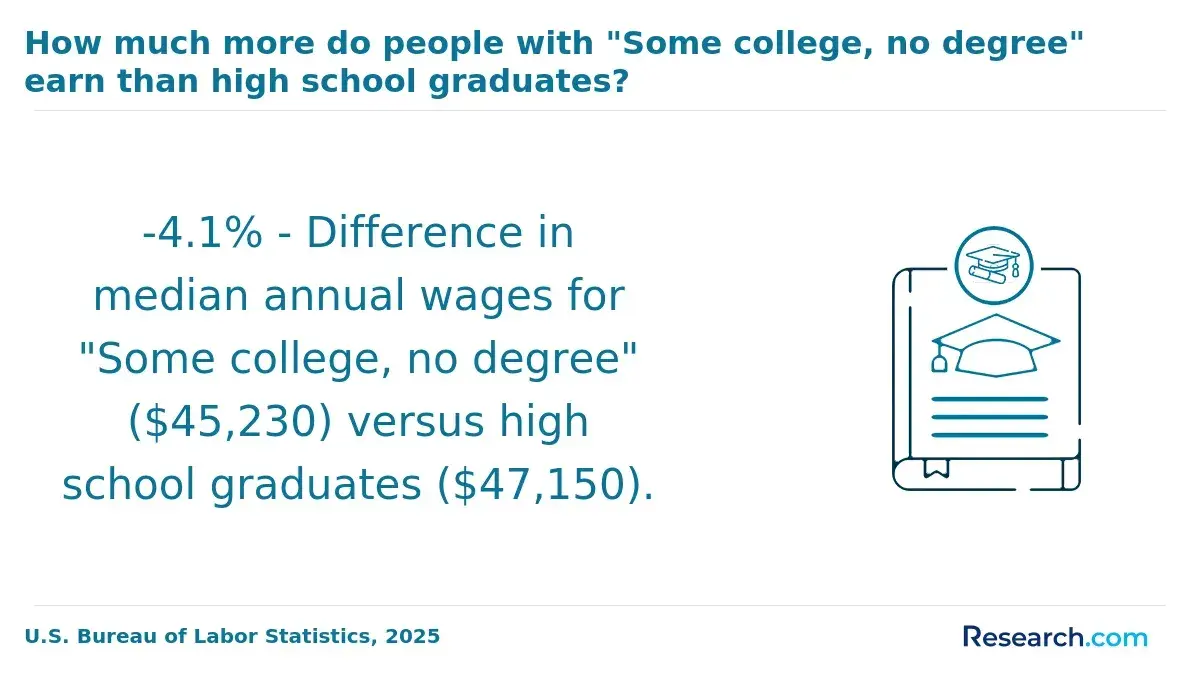
Admission to Northbridge University online programs demands more than just a strong GPA. The process weighs various qualitative factors that reflect an applicant's readiness for independent online study and real-world application in their field. For instance, a candidate with a moderate GPA but substantial professional experience often stands a better chance than one with higher grades but less practical background. Such an approach recognizes the nontraditional student profile common in online education environments, where employment history and career clarity strongly predict persistence and success. Below are critical non-GPA elements that impact admissions decisions at Northbridge University online.
- Professional Experience: This is a core criterion, particularly in graduate and continuing education programs. Applicants demonstrate their ability to apply academic concepts in workplace settings, showing career progression and relevant skills. Strong professional experience can sometimes compensate for a modest GPA by proving practical competence.
- Personal Statements: These essays reveal candidates' goals and motivation for enrolling. Admissions officers assess clarity of purpose and the applicant's capacity for self-directed learning, essential in an online format where discipline is critical.
- Letters of Recommendation: Endorsements from employers or academic mentors provide insight into the applicant's work ethic, teamwork, and character. These contextualize achievements beyond numeric scores.
- Relevant Certifications or Portfolio Work: Demonstrated expertise through certifications or evidence of prior projects shows preparedness and commitment. Such proofs can differentiate applicants by showcasing tangible skills aligned with program expectations.
- Alignment with Career Objectives: Admissions evaluate how well the program fits the applicant's professional trajectory and long-term plans. Clear alignment often correlates with higher motivation and program completion rates.
A 2024 landmark study by the National Association for Online Education found that 68% of institutions with competitive online admissions prioritize work experience and personal motivation over standardized test scores or GPA. This trend reinforces the weight of these qualitative factors in Northbridge University online admission requirements beyond GPA. Candidates benefit from carefully articulating their practical experience and career context alongside academic records.
Applicants considering Northbridge University should also explore program options thoroughly, possibly including shorter commitments like the associate degree in 6 months online, which may better match their current circumstances. Overall, those seeking acceptance must balance their academic credentials with a compelling narrative of professional growth, motivation, and relevant qualifications.
Are online Northbridge University programs easier to get into than campus-based programs?
Acceptance rates at Northbridge University's online programs hover around 37.4%, just slightly above the 35.9% for campus-based admissions, indicating similar selectivity. Both pathways require applicants to meet identical academic standards and submit comparable documentation, including transcripts and professional references. This parity means neither route offers a significantly easier admission process based on the raw metrics.
Some variance appears across specific programs, where professional experience may weigh more heavily for online applicants, particularly in fields attracting working adults. For example, a candidate applying to an online business analytics master's might find their substantial industry background more influential than a recent undergraduate applicant to a campus-based humanities program. This reflects Northbridge's holistic approach but does not dilute the rigor.
The consistent use of the same admissions committee and criteria highlights Northbridge's commitment to equal quality between modalities. Prospective students must assess their own profiles realistically, recognizing that the online option attracts a more diverse applicant pool, including career changers and nontraditional students, which slightly elevates acceptance rates. However, employer perceptions align with this selectivity, viewing credentials from either format equivalently.
One online student recounted hesitating between applying to the campus program or the online version while managing a full-time job and family care. They found the admissions application itself did not feel easier online; the requirement to demonstrate both academic proficiency and professional value was just as demanding. The slightly higher acceptance rate gave relief but did not reduce the preparation needed to be competitive, reinforcing the need for thorough readiness regardless of the chosen format.
How do admissions standards vary across different Northbridge University online programs?
Admissions standards at Northbridge University online programs differ because not all disciplines and degree levels attract the same volume or type of applicants. Factors like the academic rigor of the field, professional licensure mandates, and workforce demand shape selectivity. Programs designed for adult learners returning to school tend to offer more flexible requirements. Meanwhile, highly specialized degrees with research components or licensing expectations impose stricter criteria. Understanding these variations helps applicants predict admissions challenges and identify where their qualifications fit best.
Below are examples illustrating how admissions standards vary across specific Northbridge University online programs.
- Undergraduate Degree Completion: Admissions prioritize previous college credits or an associate degree over test scores. This approach accommodates working adults who seek to transfer credits and resume education with fewer barriers. The emphasis on flexibility reflects the program's goal to support career changers or those re-entering education after time away.
- Online Master of Business Administration (MBA): Candidates usually must provide a bachelor's degree with a minimum 3.0 GPA and professional experience. Letters of recommendation and a personal statement are critical to compete in this selective pool, where acceptance rates hover around 47% according to EduTrends Analytics. Such standards ensure admitted students demonstrate both academic readiness and managerial potential demanded by employers.
- Master of Science in Nursing (MSN): This program requires valid nursing licensure and documented clinical hours to meet state and certification standards. Prerequisites include a bachelor's degree in nursing with strong academic performance. The professional license requirement narrows the applicant pool significantly compared to other master's online programs.
- Online Doctorate in Educational Leadership: Prospective students must show prior research experience or publications alongside a relevant master's credential. Applicants also need to align closely with faculty research interests, as this program selects candidates capable of advancing scholarship. The acceptance rate at about 23.5% reflects the program's exclusivity and limited enrollment capacity.
- Master's in Computer Science: Admission favors applicants with a strong quantitative background and undergraduate coursework in programming or algorithms. The program balances technical readiness with innovation potential. Higher demand in this growth field drives selective admission beyond the base GPA and transcript review.
- Graduate Certificate in Cybersecurity: Entry requires prior relevant computing experience or degree, with an emphasis on practical skills over purely academic metrics. This program targets working professionals seeking skill upgrades, so it values applicable work history and certifications alongside academic records.
- Online Bachelor of Social Work Completion: Focuses on candidates with prior social work study and often requires field experience verification. This program's admissions ensure students are poised for direct service roles, which demand practical exposure and readiness beyond general academic metrics.
Applicants aiming for Northbridge University online programs should assess admissions demands carefully against their background. Those interested in affordable online education options at Northbridge University must weigh these admission variances alongside tuition implications. For example, moving through an undergraduate completion program may offer a smoother transition to a master's degree, such as a 6 months masters degree online, which is timed for rapid workforce reentry and aligned with higher admission standards. Understanding these nuances allows more strategic application choices and realistic expectations.
How do transfer credits and prior experience affect admission chances?
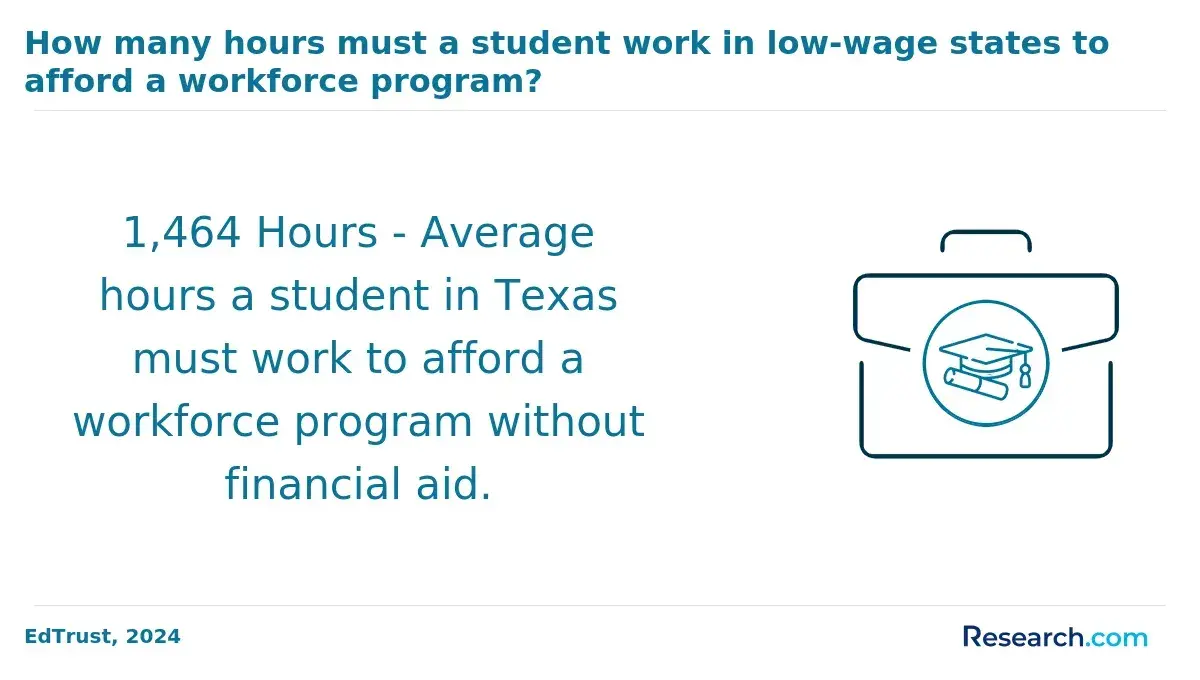
Transfer credits and prior experience at Northbridge University's online programs shape admission chances with significant complexity. The university accepts up to 60 semester hours from regionally accredited schools but requires credits to fit curriculum standards. This gatekeeping narrows transfer flexibility, especially for applicants with diverse or nontraditional backgrounds. A 2024 study notes nearly 35% of online degree programs have enhanced recognition of experiential learning, yet many remain cautious, reflecting a cautious balance between credit acceptance and academic rigor. This tension plays out directly in admissions, where clear documentation and alignment with program requirements often outweigh the volume of prior learning.
Evaluating different types of transfer and prior credentials reveals practical levers applicants can use to strengthen their cases. Here are key categories that influence admission evaluation at Northbridge University:
- Articulated College Credits: Credits earned from regionally accredited institutions form the core of transfer evaluation. Proper official transcripts and course outlines help Northbridge assess equivalency and applicability to specific online programs, directly boosting admission chances by demonstrating academic preparedness.
- Aligned Program Coursework: Transfer credits closely matching Northbridge's online curriculum carry more weight. A course with similar content and credit hours is more likely to be accepted, reducing redundancy and improving progression speed, which admission committees favor.
- Professional Certifications: Although Northbridge does not grant direct credit for certifications, submitting detailed documentation can support the applicant's academic narrative, especially if these certifications complement submitted coursework or reflect relevant skill acquisition.
- Military Training and Experience: Military experience is typically evaluated conservatively unless accompanied by formal transcripts or assessed via standardized frameworks. Applicants should compile comprehensive military education records to enhance consideration within the academic credit system.
- Noncredit or Continuing Education: Coursera, workshops, or employer training tend to carry little admittance value unless translated into credit-bearing coursework through formal assessment, reflecting Northbridge's caution toward nontraditional learning evidence.
- Standardized Prior Learning Assessments: As 35% of programs expand recognition of prior experience with standardized tests, Northbridge applicants who can validate learning through recognized exams may improve admission odds by quantifying competencies across disciplines.
- Detailed Transcript Annotations: Providing course descriptions and syllabi alongside transcripts assists Northbridge's evaluators in understanding content equivalency beyond mere titles or credit numbers, often clarifying borderline cases.
For example, a prospective student with 45 credits from a community college faced uncertainty transferring to Northbridge's online business administration program. By submitting full course syllabi and demonstrating alignment with Northbridge's curriculum, the student secured acceptance of 40 credits. This reduced the time and cost to degree and strengthened admission chances against more conventional applicants lacking such detailed documentation.
One Northbridge University online graduate recalled the transfer process as "initially stressful because I wasn't sure how my mix of credits from different schools would be accepted." The graduate noted that submitting syllabi and official paperwork gave the admissions team enough clarity to accept most credits, "which felt like a huge relief, especially after years working full-time and juggling family." This detailed preparation was crucial, as "without that, I might have had to retake courses and extend my timeline." Such experience underscores the practical impact of precise credit documentation on admission outcomes and degree progress.
What common application mistakes lead to rejection?
Admissions decisions at Northbridge University's online programs hinge not only on academic qualifications but also on the precision and completeness of the application itself. A 2024 review found that incomplete or disorganized submissions caused nearly 38.7% of application rejections in similar online institutions, highlighting the impact of presentation on admission outcomes. This statistic reflects the reality that applicants often underestimate the operational rigor expected in a fully remote selection process. Prospective students should treat their application as a professional dossier that must pass scrutiny beyond grades and test scores. The following list outlines the most common application mistakes that frequently lead to rejection.
- Incomplete transcript uploads: Submitting transcripts in improper formats or omitting key documents delays processing and signals inattentiveness. Applicants should verify file types and completeness before submission.
- Missing standardized test scores: Some programs require test scores, and failure to provide them results in automatic disqualification. Clarify testing requirements early and plan accordingly.
- Weak personal statements: Vague or generic essays fail to demonstrate a candidate's alignment with program goals or career aims. Tailored statements that illustrate clear objectives enhance candidacy.
- Lack of prerequisite verification: Omitting proof of prerequisite courses or certifications suggests a lack of understanding of program demands. Applicants must carefully document all required credentials.
- Poor document organization: Disorganized or scattered files hinder reviewers and create a perception of poor planning. Use a logical, accessible structure and naming conventions.
- Neglecting follow-up instructions: Ignoring supplementary requests or deadlines may result in immediate dismissal. Respond promptly to all communication from admissions.
- Ignoring program-specific details: Treating all applications the same instead of adapting to Northbridge University's unique criteria undermines competitiveness. Research program nuances thoroughly.
Applicants aiming to minimize rejection risk and improve employability outcomes linked to admission should carefully avoid these pitfalls. Attention to process signals professionalism valued by both academic institutions and employers. For candidates interested in flexible options, exploring self paced colleges may provide alternative pathways that still require similar attention to application detail.
How can applicants improve their chances of acceptance?
Applicants looking to enhance their chances at Northbridge University's online programs must show clear evidence of academic preparedness paired with practical career focus. Emphasizing relevant work experience helps applicants stand out, as 68.4% of admitted students had industry experience closely related to their field, demonstrating how employers value applied knowledge alongside academic skills. Northbridge University online application tips for better acceptance rates include submitting compelling personal statements that connect previous achievements to future goals. Many programs prefer candidates who completed prerequisite courses or certifications as proof of readiness for academic rigor. A real-world scenario involves a candidate in healthcare who gained volunteer experience in clinical settings before applying, illustrating direct relevance and initiative that admissions prefer. Engagement with faculty and advisors during application demonstrates motivation, especially important in online settings where self-direction is critical. Prospective students seeking flexibility may consider exploring online colleges that start soon to align preparatory efforts with convenient enrollment options.
Strategies to strengthen applications for Northbridge University online programs include the following:
- Highlight Relevant Industry Experience: Demonstrating work or volunteer activities in the target field proves practical skills and commitment, which admissions committees increasingly prioritize along with academic records.
- Develop a Strong Personal Statement: Clearly link past accomplishments to professional ambitions to convey clarity of purpose and fit for the program, improving how candidates present themselves beyond grades and test scores.
- Complete Prerequisite Certifications: Securing required coursework or certifications signals readiness for rigorous study and reduces uncertainty about a candidate's ability to keep pace in demanding online environments.
- Engage Actively with Faculty Advisors: Proactive communication during the application process shows initiative and adaptability, traits important for success in remote learning contexts where students must navigate independently.
Does admission selectivity affect student success and career outcomes?
Admission selectivity at Northbridge University online programs appears designed to identify students with a realistic chance of persistence and graduation, reflected in its 68% graduation rate. This moderate selectivity filters for applicants with sufficient academic readiness, which contributes to consistent completion but does not guarantee premium postgraduation earnings. Research from 2024 suggests admission standards correlate with academic success primarily by screening for baseline aptitude rather than serving as a direct predictor of long-term career outcomes.
The career payoff for Northbridge graduates, with median alumni earnings near $56,300, indicates that factors beyond selectivity govern economic returns. Employer demand increasingly favors practical skills, adaptability, and relevant experience over institutional prestige or rigid admissions thresholds. For example, a graduate admitted with average credentials but highly engaged in applying skills through internships or work projects may outperform a more selectively admitted peer who lacks such practical involvement.
Admissions competitiveness alone cannot compensate for program misalignment or lack of real-world preparation. Northbridge's outcomes suggest that student success hinges on the ability to translate education into marketable competencies and networking opportunities. Students prioritizing clear career pathways and skill acquisition stand a better chance of positive debt-to-earnings ratios regardless of selectivity barriers.
In practical terms, applicants should assess Northbridge's admissions standards as a mechanism to ensure academic fit rather than a gatekeeper of future value. Considering how the program's offerings map onto evolving labor market needs allows applicants to make informed decisions that balance selectivity, costs, and expected return on investment in ways that admissions data alone cannot reveal.
What should students consider before applying to a Northbridge University online program?
Admission to Northbridge University's online programs should be weighed alongside practical academic, financial, and career considerations. Gaining entry is only one part of the challenge; students must also evaluate whether they can maintain the discipline necessary for rigorous online study and withstand the financial and time demands. Career alignment is crucial, since the credential's value depends heavily on employer recognition and graduate outcomes. For instance, a graduate employment rate of 63.5% within six months signals moderate labor market impact but also suggests the need for realistic expectations. Below are key factors prospective students should critically assess before applying.
- Financial Commitment and Hidden Costs: Tuition and fees are just part of the total cost. Technology upgrades, reliable internet, and potential lost income during study periods can add significant financial strain. Assessing your budget beyond sticker price helps prevent unexpected burdens that can affect persistence and completion.
- Self-Discipline and Time Management Skills: Success in online learning demands consistent self-motivation and structured time management. Evaluating past experiences with autonomous work and using Northbridge's readiness checklist can reveal whether you have the habits to keep pace without in-person accountability.
- Program-Career Fit and Employment Outcomes: Research graduate employment metrics and employer recognition specific to your field of interest. The fact that only 63.5% of graduates secured relevant employment within six months means you should consider your career's market dynamics and not rely solely on the degree's reputation.
- Technology Proficiency and Access: Online programs require dependable hardware, software, and connectivity. Candidates must verify they have or can secure these resources consistently, as technical issues can disrupt learning and exacerbate stress, making persistence harder.
- Academic Readiness for Online Formats: Prior academic success in self-directed or virtual environments can predict performance. If you have struggled with independent study or digital coursework before, consider seeking preparatory resources or alternate program formats to close readiness gaps.
- Support Services and Networking Opportunities: Evaluate the availability of academic advising, career services, and industry connections for online students. Limited access may reduce your ability to overcome challenges and leverage the program toward tangible career benefits.
- Long-Term Career Implications of Credential Choice: Reflect on the credential's recognition within your target industry. Some fields may demand in-person experience or specialized certifications beyond the online degree, so confirm that Northbridge's credential aligns realistically with employer expectations and career pathways.
What Students Say About Getting Into Northbridge University Online Programs
- Jasmine: "When I first looked at Northbridge University's online programs, I was hesitant about how competitive the admissions would be. Their GPA expectations and prerequisite coursework seemed rigorous compared to other options, so I devoted extra time to refining my application materials and highlighting my relevant work experience. Studying online allowed me to balance full-time employment while gaining credentials that directly improved my prospects in a highly competitive job market."
- Hafsa: "I chose Northbridge University because I found their online application process transparent but demanding, especially regarding recommendation letters and a detailed statement of purpose. Admittedly, I was uncertain about my chances given my non-traditional background, but the selection criteria pushed me to present a compelling narrative focused on my career goals. The knowledge and credentials I earned through their program significantly boosted my confidence and opened doors to leadership roles I hadn't anticipated."
- Saanvi: "Evaluating Northbridge University's online degree options, I weighed their selective admissions against other more accessible programs. I decided to apply here because the prerequisite requirements aligned well with my previous studies, and I felt the competitive admissions hinted at stronger industry recognition. Navigating the admission hurdles prepared me for the program's academic rigor and positioned me favorably when I entered the workforce, where employers often asked about the program's reputation."
Other Things You Should Know About Northbridge University Degrees
The pacing in Northbridge University's online programs often requires strong time management skills, as courses move quickly and expect regular engagement. Applicants should understand that acceptance is only part of the challenge; succeeding means keeping up with a fast workload that mirrors professional environments. This intensity means those who struggle to balance responsibilities might find the programs difficult despite being admitted, so prioritizing readiness for a rigorous schedule is critical when applying.
In 2027, gaining admission to Northbridge University online programs requires meeting specific entry requirements, including prior academic achievements, relevant work experience, and personal statements. While the admission process is competitive, it is designed to ensure that successful applicants are well-prepared for the challenges of online higher education.
The admissions difficulty reflects a moderately high barrier partly because the coursework demands active participation and critical thinking, not just passive learning. However, applicants must consider if they can engage in a learning environment that relies heavily on self-discipline and remote interaction. If a student prioritizes a structured, interactive experience over flexible access, they should critically assess whether gaining admission here meets their educational needs or if other programs might offer better-aligned learning approaches.
Applicants should prioritize based on whether the program's rigor and outcomes align with their career timing and personal capacity, not just admission ease. Northbridge University does not offer shortcuts in workload, so acceptance means committing to sustained effort that mirrors full-time employment. For those balancing work or family, prioritizing programs with similar reputations but lighter demands might yield better long-term benefits if admission here could lead to burnout or diminished performance.
References
- Northbridge Class of 2024 receive record number of university and college offers https://www.nordangliaeducation.com/nisc-cambodia/news/2024/02/07/northbridge-class-of-2024-receive-record-number-of-university-and-college-offers
- Northbridge University https://miportal.edukgroup.com/
- Transfer Credit Search https://www.ualberta.ca/en/admissions/transfer-credit-search.html
- Student Success Case Study Compendium | EAB https://eab.com/why-eab/partner-stories/student-success-compendium/
- Online Students https://lansbridge.ca/
- Explore UM | University of Manitoba - Transfer credit information https://umanitoba.ca/explore/undergraduate-admissions/requirements/transfer-credit-information
- 6 Common Reasons College Applications Get Rejected https://colband.net.br/internacional/6-common-reasons-college-applications-get-rejected/
- Get Started - Northbridge AZ College Success Program https://northbridgeaz.org/getstarted/
- Factors in the Admission Decision - National Association for College Admission Counseling (NACAC) https://www.nacacnet.org/factors-in-the-admission-decision/
- Application Portal https://www.northbridge.ng/portal/