2027 National University Online MFT in Child and Adolescent Family Therapy: Cost, Curriculum, Admissions, and Career Outcomes

Co-Founder and Chief Data Scientist
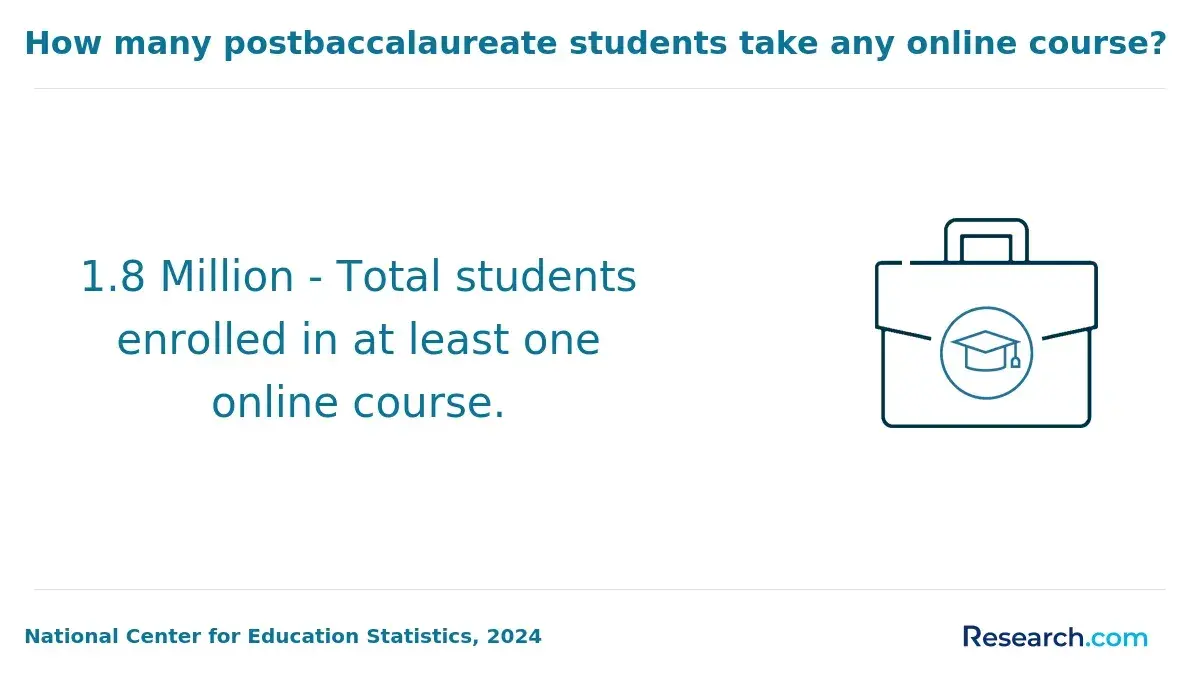
Deciding whether to pursue the online MFT in Child and Adolescent Family Therapy at National University raises crucial questions about aligning program flexibility, academic rigor, and career outcomes with personal and professional goals. With online graduate enrollment growing by over 7% annually according to the National Center for Education Statistics, many learners prioritize programs that accommodate complex schedules while maintaining strong clinical training.
Prospective students must consider how National University's format, curriculum depth, and admission criteria reflect workforce demands for licensed family therapists specializing in youth. This article evaluates these factors, providing clarity on costs, curriculum structure, admission pathways, and career prospects to guide informed decisions.
Key Points About National University's MFT in Child and Adolescent Family Therapy Program
- The program's open admission policy lowers barriers but requires students to proactively manage academic demands, which affects retention and timely graduation prospects.
- Graduates generally find employer recognition within mental health fields, indicating tangible career advancement, especially in child and family therapy roles.
- The total tuition cost of $38,943 positions the program as a moderately priced option, necessitating careful financial planning given the credential's specific professional scope.
What can students expect from National University's online MFT in Child and Adolescent Family Therapy curriculum?
National University's online MFT in Child and Adolescent Family Therapy curriculum prepares students for the workforce by blending foundational theory with practical application aligned closely to U.S. accreditation standards. Students are not only expected to master complex family systems and developmental psychology but also to apply these concepts in clinical settings that simulate real-world challenges.
For instance, diagnosing and managing adolescent behavioral health requires nuanced understanding of both cultural factors and evidence-based interventions. The following key coursework outlines the core structure students will engage with as part of the National University online mft curriculum overview:
- Human Development Across the Lifespan: This course demands a rigorous study of emotional, cognitive, and social development stages. Students learn how developmental milestones influence therapeutic approaches with children and adolescents, which is essential for tailoring interventions effectively.
- Psychotherapeutic Models for Youth: Emphasizing diagnosis and treatment, this class trains students to implement various evidence-based therapies such as CBT and family systems approaches. Mastery here is critical for addressing common disorders like anxiety and depression in a clinical context.
- Clinical Practicum and Internship: Practical training within family settings requires hands-on assessment and intervention skills. Students must integrate ethical considerations and adapt to diverse family dynamics, ensuring workforce readiness in complex mental health environments.
This child and adolescent family therapy online program content embeds ethical mental health care frameworks and culturally responsive practice, addressing a growing demand for therapists trained to work with diverse youth populations. Applicants should weigh how the program's clinical intensity and curricular rigor match their professional goals, especially given licensing requirements.
For a broader perspective on expedited doctoral options with applied clinical value, interested students might consider exploring the best 1-year PhD programs online.
What are National University's admission requirements for online MFT in Child and Adolescent Family Therapy program?
Admission to National University's online MFT in Child and Adolescent Family Therapy program prioritizes flexibility over rigid academic thresholds, reflecting its open admission policy. This approach can benefit applicants whose educational paths may not fit traditional molds but who have relevant life or professional experience.
For example, a prospective student with an undergraduate degree in psychology but gaps in formal coursework may still gain entry by leveraging prior learning credits. Below is an overview of key admission requirements applicants should anticipate.
- Educational Background: Applicants must have completed high school or possess a General Educational Development (GED) credential. While the program is graduate-level and generally assumes relevant undergraduate preparation, no minimum GPA or specific degree field is formally mandated, which may affect preparedness for advanced coursework.
- Standardized Tests: National University does not require scores from tests such as the SAT, ACT, or GMAT, removing these common barriers but also placing more emphasis on a candidate's educational and experiential context.
- Technology Requirement: Enrollment demands access to a computer since coursework and communication occur online. The university does not offer computer purchase or lease plans, meaning students must arrange this independently.
- Credit for Experience: The program accepts credits for life experience and Advanced Placement (AP), allowing applicants with relevant prior work or training to potentially reduce time to degree. This policy enhances access but requires careful evaluation to understand how past experiences translate academically.
- Documentation: Although not explicitly detailed, typical graduate program materials like official transcripts and letters of recommendation are likely needed. Applicants should proactively confirm required documents with admissions to avoid delays.
Is it difficult to get admitted to National University's online MFT in Child and Adolescent Family Therapy program?
Admission to most MFT in Child and Adolescent Family Therapy programs tends to be competitive, reflecting both limited enrollment and selective criteria like GPA thresholds, interviews, or pre-requisite coursework. This selectivity aligns with workforce demand management and ensures incoming students are prepared for rigorous graduate training and licensure requirements.
In contrast, National University's approach is notably less restrictive, employing an open admission policy that does not require SAT or ACT scores and accepts all applicants, leading to a noncompetitive admission environment. This open enrollment model reduces barriers that often deter otherwise qualified candidates, especially those balancing work, family, or other responsibilities.
However, the tradeoff may include less pre-admission filtering, which can impact cohort preparedness and require more self-directed initiative once enrolled. For students prioritizing entry access over traditional selectivity, National University's program offers a straightforward starting point, though prospective applicants should assess their capacity to manage the academic demands independently.
One graduate recalls applying late after a career pivot and feeling relieved by the lack of standardized test requirements, which alleviated pressure amidst a busy schedule. She noted, "I didn't have to worry about perfect grades or test scores, which let me focus on getting enrolled quickly. But once classes started, I realized that the real challenge was keeping up with the content-and the program expected me to drive that myself." This experience highlights how the open admission policy facilitates access but shifts responsibility for academic readiness onto the student.
What is the cost of attending an online MFT in Child and Adolescent Family Therapy program at National University?
Tuition for the online MFT in Child and Adolescent Family Therapy at National University is set at $13,320 annually, excluding books and living expenses. The total annual cost including fees, supplies, room, and board rises to about $38,943. This cost structure may impact students who must budget for additional expenses like books, which are estimated around $936 per year, a necessary consideration given the program's clinical focus and required materials.
National University's lack of an online technology fee and flat-rate tuition regardless of residency can simplify financial planning, especially for out-of-state students, reducing common geographic disparities in educational expenses. When comparing tuition fees for National University online MFT in Child and Adolescent Family Therapy with other programs nationwide, this pricing is relatively competitive.
Many online MFT programs charge higher tuition rates, particularly for out-of-state candidates, which often increases the overall financial burden. This financial accessibility may attract candidates balancing cost constraints against the professional rigor needed to meet licensing and employment standards in family therapy roles.
Decision-making around enrolling in this program should weigh tuition and additional costs against potential career outcomes and workforce demands. For example, therapists working in community health settings or private practice often face tight reimbursement structures. Prospective students should also consider the program's online delivery without state residency penalties as a tradeoff for more flexible access but possibly fewer local networking opportunities.
The online MFT program at National University aligns with a growing portfolio of flexible, cost-conscious graduate options. For those researching viable alternatives, examining how this compares to other easy degrees to get online can clarify financial and professional positioning. More detailed insights on ease and affordability across programs can be found at easy degrees to get online.
Are there financial aid options for online MFT in Child and Adolescent Family Therapy students at National University?
Financial aid availability for students in the online MFT in Child and Adolescent Family Therapy at National University relies heavily on broadly accessible institutional resources rather than program-specific scholarships. This setup means many students must navigate a blend of federal, institutional, and employer-based funding sources to make the cost manageable.
For instance, a working professional might leverage corporate tuition reimbursement alongside veteran benefits if applicable, balancing these with federal loans where necessary. Such an approach requires careful planning, especially given that dedicated scholarships for this program are limited.
Below are key financial aid pathways students can consider:
- Institutional Grants and Scholarships: Available to graduate students across disciplines, these funds can reduce tuition but often require maintaining academic merit and timely application within university deadlines.
- Corporate Tuition Reimbursement: Employees at participating companies may receive partial or full coverage for course fees, typically contingent on continued employment and completion of coursework.
- Veteran Benefits: Those eligible for GI Bill benefits can use these to offset costs substantially, which is crucial for veterans balancing education with life transitions.
- Federal Student Loans: Subsidized and unsubsidized loans provide flexible borrowing options based on federal eligibility, yet they contribute to long-term debt, making them a tradeoff for immediate affordability.
- FAFSA Completion: Filing the Free Application for Federal Student Aid is a necessary step for accessing federal aid and institutional packages, and delaying it can reduce available funding options.
What learning resources are available to online MFT in Child and Adolescent Family Therapy students at National University?
Access to specialized learning resources is crucial for students enrolled in online MFT in Child and Adolescent Family Therapy programs, as it directly affects their ability to manage rigorous academic requirements while preparing for a clinical career. Without reliable digital infrastructure and program-specific academic support, students may struggle to meet the practical competencies expected by employers or licensing boards.
For instance, timely technical assistance can prevent disruptions in completing practicum assignments critical for state licensure. Below is an overview of the primary resources designed to support students in navigating both coursework and the complex fieldwork integral to child and adolescent therapy.
- Online Learning Platform: A centralized digital hub providing seamless access to lectures, readings, and assignments. This platform accommodates diverse schedules and learning styles, which is essential for students balancing clinical placements and personal responsibilities.
- Technical Support: Responsive assistance available for resolving connectivity or software issues. Prompt help minimizes downtime, ensuring students can meet deadlines and participate in synchronous sessions without interruption.
- Academic Advising: Personalized guidance from advisors with expertise in mental health disciplines. These advisors help interpret curriculum requirements and strategize career pathways, which is valuable when aligning education with state licensure regulations and employment trends.
- Faculty Mentorship: Direct access to instructors who provide critical feedback on research and practical assignments. Faculty input enhances clinical reasoning skills and helps tailor student experiences to meet real-world practice demands.
- Professional Placement Coordination: Partnerships with external clinics and organizations that facilitate supervised practicum placements. These opportunities expose students to varied therapeutic environments and client populations, a key factor in building employability post-graduation.
Does National University's online MFT in Child and Adolescent Family Therapy program have in-person clinicals or practicums?
In-person clinical practicum requirements remain a critical benchmark for assessing family therapy programs' readiness to meet licensure and employer standards. National University's online MFT in Child and Adolescent Family Therapy aligns with this expectation by mandating direct client contact hours, reflecting broader industry consensus that hands-on therapeutic experience cannot be replicated through online study alone.
For prospective students, this tradeoff between remote coursework flexibility and compulsory onsite clinicals shapes both time commitments and logistical planning. Specifically, the National University online MFT child adolescent clinical practicum includes a minimum of 500 direct client contact hours. Unlike programs that may incorporate campus-based clinical settings, this program requires students to independently arrange in-person clinical placements at approved community agencies or mental health centers.
This structure aims to expose candidates to diverse populations and scenarios crucial for developing effective family therapy skills, but it increases responsibility on students to secure and manage these practicum opportunities. The approach impacts student decision-making around the feasibility of the program when balancing professional or personal obligations.
Understanding in-person clinical requirements for National University MFT program candidates is essential, as these hands-on experiences directly influence post-graduation eligibility for licensure and practical competence. Further insight into program quality and outcomes can be found by consulting rankings and evaluations of best online schools.
What careers can graduates of online MFT in Child and Adolescent Family Therapy at National University secure?
The practical value of the online MFT in Child and Adolescent Family Therapy at National University is reflected in its alignment with workforce demands and the pathway it creates to roles that require specialized skills in engaging younger populations. Graduates are positioned to meet employer expectations in various mental health settings by combining assessment, individualized treatment, and collaborative care management.
The program's strength lies in how its credential translates into concrete career pathways rather than serving as a generic counseling qualification. Understanding these career prospects is essential for evaluating the tradeoffs involved in pursuing this degree versus other mental health or social work credentials.
Below are typical roles secured by graduates, illustrating how job opportunities correspond to the program's focus and the broader therapeutic landscape.
- Licensed Marriage and Family Therapist: Professionals in this role provide therapy focused on family dynamics and relational challenges, often working in clinics or private practice. Salaries vary but are generally competitive within mental health professions, reflecting the level of licensure and experience.
- Child and Adolescent Counselor: These counselors specialize in addressing emotional and behavioral issues in younger clients, frequently employed in schools or community centers where developmental understanding is crucial.
- Behavioral Health Specialist: Focused on implementing evidence-based interventions, this career often involves multidisciplinary collaboration in healthcare or social service agencies, contributing to holistic client care.
For individuals weighing career opportunities for graduates of National University online MFT in Child and Adolescent Family Therapy, this credential aligns well with roles that require both clinical skill and a nuanced understanding of family systems. Job prospects with National University MFT in Child and Adolescent Family Therapy degree holders benefit from projected workforce growth in the field, positioning graduates to serve diverse therapeutic settings.
Those evaluating pathways should consider how this program compares to or complements other fast-track degree programs in terms of duration, scope, and eventual employability.
What is the salary outlook for online MFT in Child and Adolescent Family Therapy graduates?
The salary outlook for graduates of the online MFT in Child and Adolescent Family Therapy program at National University reflects a nuanced position within the broader landscape of social science and health-related fields. The median alumni salary of $67,548 positions these graduates competitively, especially when compared with psychology graduates earning around $36,571 and allied health professionals at $94,452.
This suggests most National University MFT graduates in Child and Adolescent Family Therapy can expect earnings that are either aligned with or exceed typical psychology roles, but may fall below some allied health salaries, highlighting a tradeoff between specialization and potential pay ceilings.
Workforce trends indicate growing demand for therapists skilled in family dynamics and youth mental health, which can drive incremental salary increases as professionals gain experience and licensure credentials. However, immediate financial returns post-graduation likely mirror median alumni salary figures, emphasizing steady but moderate income growth tied closely to clinical expertise and geographic factors.
For students weighing the career earnings outlook for National University MFT in Child and Adolescent Family Therapy graduates, balancing costs with realistic salary potential is crucial. Those seeking to know what degrees allow you to work from home may find this program offers relevant clinical credentials paired with opportunities for remote counseling roles, although salary expectations should be aligned accordingly with entry-level clinical norms and local economic conditions.
How do you know if National University's online MFT in Child and Adolescent Family Therapy program is the right choice for you?
Choosing a program like National University's online MFT in Childhood and Adolescent Family Therapy requires a careful match between the program's structure and your personal circumstances and goals. This decision affects not only your educational experience but also your ability to meet licensure requirements and enter the workforce effectively.
Consider these critical factors to determine alignment:
- Program Format and Flexibility: Assess whether fully online coursework fits your current lifestyle, especially if balancing work or family. Flexibility can enhance completion rates but may reduce face-to-face networking opportunities important in clinical training.
- Cultural Competency and Curriculum Depth: Review how the curriculum incorporates diverse populations and applies developmental psychology relevant to children and adolescents. This ensures your training addresses the complexities encountered in practice with varied client backgrounds.
- Clinical Experience Opportunities: Determine the accessibility and quality of practicum placements coordinated by the program. Practical, supervised clinical hours are crucial for skill application and meeting state licensing standards.
- Support Services and Community Engagement: Evaluate the level of academic advising, peer interaction, and faculty support offered remotely. A robust support system facilitates learning retention and professional growth, particularly in online settings.
- Alignment With Career Objectives: Reflect on how well the program's focus fits your intended post-graduation role-whether in private practice, school settings, or healthcare-to ensure the curriculum and practicum prepare you for that environment.
One graduate recalled initially doubting if an online format could deliver the hands-on training needed but found that the program's adaptable schedule allowed her to maintain a full-time job and care for her young children. She noted, "I hesitated because I worried about missing in-person connections, yet the structured clinical placements provided real-world experience that felt just as valuable."
Her experience highlights that verifying clinical placement support and considering personal time constraints are vital steps in choosing a program that won't just fit your schedule but also prepare you for the practical demands of child and adolescent therapy.
What Graduates Say About National University's MFT in Child and Adolescent Family Therapy Program
- Grace: "Studying the MFT in Child and Adolescent Family Therapy program at National University gave me a thorough understanding of family dynamics from both theoretical and practical perspectives. What stood out was the emphasis on real-world internships, which helped me build a portfolio that employers valued more than just licensure early on. While licensure is essential for advancing, the experience I gained through those hands-on opportunities was critical for landing my first role and navigating competitive job markets."
- Mckenna: "The flexibility of National University's online MFT in Child and Adolescent Family Therapy program allowed me to continue working while completing my degree, which was pivotal given my personal commitments. The coursework focused heavily on evidence-based practices and remote counseling techniques, which really prepped me for the increasing demand in telehealth services. Post-graduation, I found that employers were keen on my practical experience with virtual client sessions, which accelerated my entry into a stable clinical role despite the competitive landscape."
- Ruby: "From a reflective standpoint, National University's program offered a solid foundation, but I realized quickly that in this field, having licensure still doesn't guarantee a seamless career advancement. The MFT in Child and Adolescent Family Therapy curriculum taught me to balance clinical skills with administrative realities, helping me pivot towards a mix of clinical and program coordination roles. This adaptability has been essential since salary growth can be limited without licensure, and some employers prioritize certifications and previous work experience as much as academic degrees."
Other Things You Should Know About Degrees
National University's regional accreditation supports eligibility for licensure in most states, but prospective students must verify specific state board requirements because marriage and family therapy licensure can vary. The program's curriculum aligns with California Board of Behavioral Sciences standards, which benefits those intending to practice there; however, out-of-state applicants should assess if additional coursework or supervised hours are needed. Prioritizing programs with clear licensure pathways according to your intended practice location is advisable.
The predominantly online format limits spontaneous in-person networking but includes structured virtual interactions and faculty accessibility through video and email communications. For students aiming to build strong professional networks, this requires proactive engagement in online forums and seeking local internship sites for face-to-face mentorship. Prioritizing active communication and external networking efforts is important since online delivery may reduce organic peer and mentor connections compared to on-campus programs.
While coursework incorporates theory and practical skills with case studies, the online format can limit real-time peer support and immediate supervisor feedback during challenging clinical experiences. Students should anticipate a degree of self-reliance for emotional resilience and seek supplementary resources such as local support groups or professional counseling. Those prioritizing comprehensive emotional support during training may need to balance the convenience of online study with intentional external support mechanisms.
References
- Master of Arts in Marriage and Family Therapy, MA https://catalog.ncu.edu/preview_program.php
- NU ATA | Teaching and Learning Resources https://www.atalearning.org/
- Marriage and Family Therapy (MS Degree) https://www.iona.edu/academics/explore-majors-programs/marriage-and-family-therapy-ms-degree
- Is an MFT Degree Worth It? https://onlinecounselingprograms.com/online-counseling-degrees/online-mft-masters-programs/mft-degree-worth-it/
- 12 Affordable Online MFT Programs for 2025 - College Educated https://collegeeducated.com/online-degrees/mft-degree/affordable-online-mft-programs/
- LPCC vs. MFT | Understanding the Difference | TUW https://www.tuw.edu/school-news/lpcc-vs-mft-understanding-the-difference/
- Free, high-quality education resources from the National Science Digital Library https://opensource.com/education/16/4/national-science-digital-library
- Growing Diversity in the Field of Marriage and Family Therapy https://plus.aamft.org/growing-diversity-in-the-field-of-marriage-and-family-therapy/
- Textbooks https://nu.concerncenter.com/resource/7240