2027 Grand Canyon University Online BSN to MSN - Health Informatics: Cost, Curriculum, Admissions, and Career Outcomes

Co-Founder and Chief Data Scientist
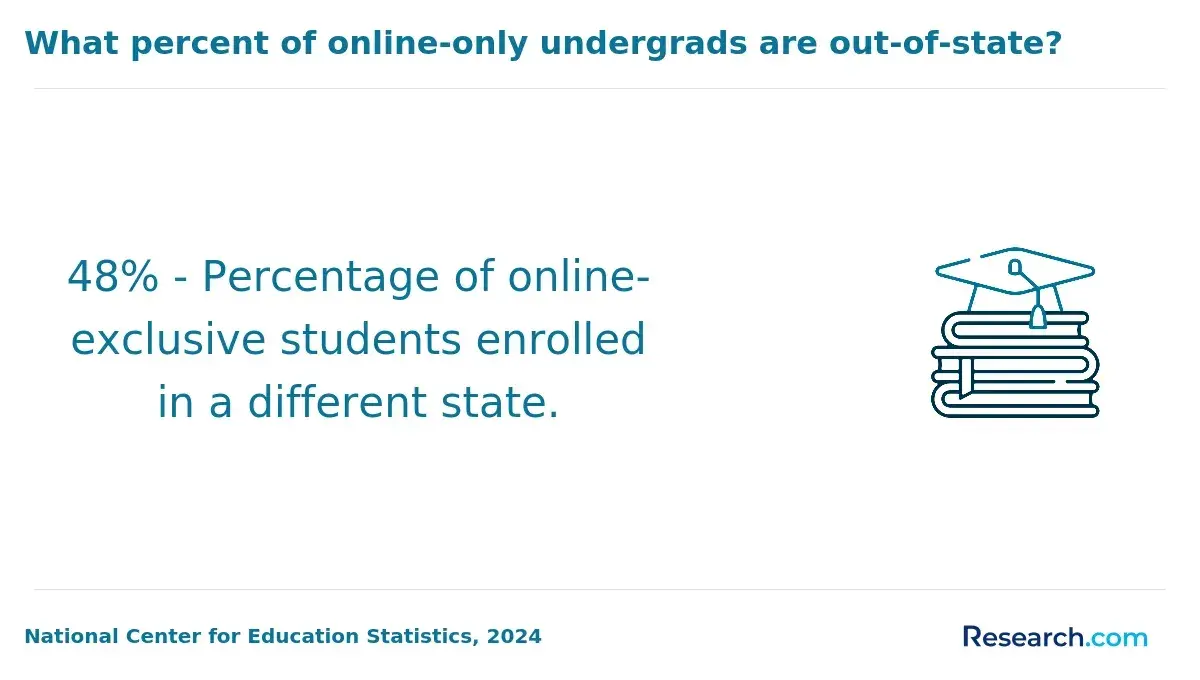
Healthcare professionals aiming to advance from a BSN to MSN in health informatics often face challenges evaluating program compatibility with their schedules and career goals. As online education enrollment grew by over 20% in 2024, according to the National Center for Education Statistics, flexibility has become a critical factor. This shift reveals how adult learners prioritize accessible, career-relevant programs that align with evolving workforce demands.
Understanding whether the Grand Canyon University online BSN to MSN - Health Informatics provides practical skills, manageable pacing, and admission pathways suited to working nurses is essential for informed decisions. This article examines cost, curriculum, admissions, and career outcomes to guide prospective students effectively.
Key Points About Grand Canyon University's BSN to MSN - Health Informatics Program
- The 60% acceptance rate for the BSN to MSN - Health Informatics program suggests moderately selective admissions, requiring candidates to balance competitiveness and access when planning their nursing education trajectory.
- With a total tuition of $37,212, students must weigh long-term career gains against significant upfront financial investment amid evolving employer requirements in health informatics roles.
- The program's regional accreditation and faculty expertise contribute to employer recognition, which correlates with alumni success but demands ongoing skill adaptation to remain relevant in healthcare data environments.
What can students expect from Grand Canyon University's online BSN to MSN - Health Informatics curriculum?
The curriculum for Grand Canyon University's online BSN to MSN - Health Informatics program is structured to meet national standards while emphasizing practical application in healthcare settings. This alignment ensures students are prepared to tackle real-world challenges, such as integrating health information systems within diverse clinical environments. For example, a nurse transitioning into an informatics role might apply analytics to improve patient scheduling efficiency or data accuracy in electronic health records.
The coursework balances clinical nursing knowledge and technical competencies, reflecting typical demands in health informatics positions. Below are key course areas that illustrate how students are primed to become workforce-ready.
- Healthcare Data Analytics: This course requires students to develop skills in analyzing complex healthcare datasets. Emphasis is placed on interpreting trends and generating actionable insights that inform evidence-based clinical and administrative decisions.
- Nursing Informatics: Focused on the intersection of nursing practice and technology, this coursework challenges students to apply informatics principles to improve clinical workflows, patient safety, and care coordination.
- Strategic Healthcare Management: Students study organizational dynamics and leadership strategies relevant to healthcare IT implementation. This includes managing projects and navigating the legal and ethical aspects of health data governance.
The program's structure is particularly relevant to working nurses who need flexibility without sacrificing rigor in either nursing or informatics disciplines. Integrating graduate-level nursing courses with specialized informatics content reflects evolving employer expectations for candidates who can bridge clinical expertise and technological fluency.
Prospective students might compare this pathway with other accelerated formats like 1 year master's programs online to evaluate how well the curriculum fits their professional timeline and skill-building needs in the healthcare technology workforce.
What are Grand Canyon University's admission requirements for online BSN to MSN - Health Informatics program?
Admission to Grand Canyon University's online BSN to MSN - Health Informatics program requires more than just meeting basic criteria; it demands a profile that evidences both academic readiness and practical competencies. For example, a working nurse aiming to transition into informatics must demonstrate foundational knowledge as well as the ability to manage advanced graduate coursework.
The requirements balance formal academic records with flexibility for practical experience and English proficiency. Key elements for applicants typically include the following:
- Academic Transcript: Applicants must submit transcripts showing completion of high school or an equivalent credential like the GED, with a demonstrated strong secondary school GPA. This requirement ensures foundational academic skills necessary for graduate-level study.
- Standardized Tests: While SAT or ACT scores are not mandated, submitting these may bolster an application by providing additional evidence of readiness. This optionality reflects a selective but not overly rigid admissions stance.
- English Proficiency: For non-native English speakers, TOEFL scores are required to confirm sufficient communication skills for online learning, critical for navigating technical and clinical informatics content.
- Recommendations: Letters from educators or professionals are encouraged though not required. They offer qualitative insights into an applicant's capabilities and professional aptitude beyond grades and test scores.
- Credit Considerations: Life experience and AP credits may be credited, allowing those with relevant background to potentially shorten their time in the program. However, dual credit is not accepted, and transfer policies vary, so prospective students should consult advisors to clarify how prior coursework applies.
Is it difficult to get admitted to Grand Canyon University's online BSN to MSN - Health Informatics program?
Admission to BSN to MSN - Health Informatics programs typically requires a balance of academic credentials and practical healthcare experience, making the process moderately competitive. Employers in health informatics increasingly value foundational nursing knowledge paired with data and informatics skills, so programs focusing on this niche often expect applicants to demonstrate both competence and commitment.
Grand Canyon University's online BSN to MSN - Health Informatics program reflects this middle ground in selectivity. With an acceptance rate of 60%, the university admits 28,960 students annually out of nearly 48,000 applicants. This indicates a reasonable chance for qualified candidates, though applicants must meet academic standards such as SAT verbal scores between 540 and 620 and math scores from 518 to 555. ACT scores considered range from 19 to 130, demonstrating some flexibility in standardized testing but underscoring the importance of solid academic preparation.
The moderate competition aligns with the growing demand for health informatics professionals, meaning the admissions process filters for candidates serious about integrating nursing practice with health technology. This balance can prevent overwhelmed programs while maintaining quality standards relevant to workforce needs.
One graduate recalled applying while juggling full-time nursing shifts and family commitments: "I hesitated because of my schedule and test scores, but knowing the 60% acceptance rate made me push through the required tests and documents. The process wasn't effortless, but it wasn't disheartening either. I appreciated that the program looked at my experience, not just test numbers, which gave me confidence to keep going."
What is the cost of attending an online BSN to MSN - Health Informatics program at Grand Canyon University?
The tuition for the online BSN to MSN - Health Informatics program at Grand Canyon University is set at $17,450 annually, excluding books and living expenses. The total estimated cost of attendance, including fees, supplies, room, and board, reaches around $37,212. This flat-rate tuition model eliminates supplementary online learning fees, which simplifies financial planning for students regardless of their location.
Such a pricing approach can be advantageous when compared to other institutions where additional fees and variable living expenses often add unpredictability to total costs. Many BSN to MSN - Health Informatics programs nationally exceed this tuition, especially when factoring in higher ancillary expenses. Though estimates like those from the Federal Scorecard report a somewhat lower cost ($31,493) for in-state, on-campus students, this figure does not directly reflect the online format's pricing structure.
Prospective students assessing the Grand Canyon University BSN to MSN health informatics program cost and fees should consider how this tuition framework impacts return on investment. Employers increasingly value practical skills and credentials aligned with healthcare technology demands, so understanding the comprehensive cost against employability outcomes is critical. Notably, this program's transparent tuition structure may reduce financial barriers but does not inherently guarantee comparative advantage in hiring markets.
Comparing costs across programs while reviewing career trajectories aligned with the best bachelor degrees to get can clarify if this program offers distinct value. The balance of tuition predictability and the evolving requirements of healthcare informatics roles requires a nuanced evaluation of both cost and workforce skill alignment.
Are there financial aid options for online BSN to MSN - Health Informatics students at Grand Canyon University?
Access to financial aid at Grand Canyon University for online BSN to MSN - Health Informatics students can significantly offset the program's cost, which is a critical factor given the competing demands on working nurses' time and resources. Students must weigh the administrative burden of various funding sources against their potential to reduce out-of-pocket expenses and impact long-term debt. For those balancing employment, veteran status, or employer support, understanding aid options can dictate whether the program fits practical financial constraints.
Financial aid options at Grand Canyon University for this program include:
- Federal Aid: Eligible students can apply for Pell Grants, Direct Subsidized and Unsubsidized Loans, and PLUS Loans, helping to cover tuition with the requirement of half-time enrollment and satisfactory academic progress.
- Institutional Scholarships: While not explicitly detailed for the BSN to MSN - Health Informatics track, merit-based awards through the university's portal often provide targeted support, prioritizing academic achievement and specific student profiles.
- Veteran Benefits: Military-affiliated students may utilize GI Bill funding or related veteran aid, which can substantially offset costs without increasing debt, subject to eligibility verification.
- Employer Tuition Reimbursement: Some students secure partial or full sponsorship through workplace programs aimed at workforce development, though this requires coordination with employers and may involve service commitments.
- Institutional Payment Plans: Designed to ease immediate financial pressure, these flexible arrangements allow students to spread tuition costs, balancing education funding with current income streams.
What learning resources are available to online BSN to MSN - Health Informatics students at Grand Canyon University?
Access to effective learning resources is critical for students navigating an online BSN to MSN - Health Informatics program, where the theoretical and technical demands require continuous support beyond standard lectures. Without strong academic and technical infrastructure, students risk falling behind in mastering complex informatics tools and data analysis skills essential for real-world healthcare environments.
For instance, a student balancing a demanding healthcare job will depend heavily on asynchronous access to tutoring and research materials to maintain pace and relevance.
Below is an outline of key learning resources designed to address these challenges at Grand Canyon University.
- Technical Support: Comprehensive assistance is available to ensure students can smoothly access course materials, participate in virtual classrooms, and resolve connectivity or software issues, minimizing downtime in their studies.
- Academic Tutoring: Targeted help in nursing content and informatics applications supports skill mastery, providing opportunities to clarify complex concepts and adapt learning strategies to individual needs.
- Faculty Expertise: Instructors with dual backgrounds in nursing and informatics offer professional insights that connect academic theories to practical healthcare system implementations, enriching the learning experience.
- Online Libraries and Databases: Access to extensive research repositories enables students to retrieve up-to-date scholarly articles and data critical for evidence-based projects and assignments.
- Career Services: Beyond academic support, students have resources for internship placements, résumé development, and interview preparation, essential for transitioning from student to healthcare informatics professional.
Does Grand Canyon University's online BSN to MSN - Health Informatics program have in-person clinicals or practicums?
The balance between online coursework and in-person practical experience significantly influences graduate readiness in health informatics roles. Many programs in this field often require extensive clinical rotations due to the necessity of hands-on patient care exposure. However, Grand Canyon University's online BSN to MSN health informatics clinical requirements emphasize a more targeted approach, focusing mainly on practicums rather than traditional clinical hours.
This structure reflects the sector's increasing recognition that informatics specialists require applied technical and data management skills over direct patient interaction.
Students pursuing the Grand Canyon University online BSN to MSN practicum and in-person clinicals details reveal that clinical practicums are mandated but are purposefully designed to be flexible and localized. Unlike nursing tracks demanding lengthy clinical rotations, the health informatics program requires students to complete practicums with healthcare organizations in their communities, often involving supervised engagement with electronic health records, workflow evaluations, and health data systems management. This arrangement mitigates relocation or travel burdens, aligning with the remote nature of much of the coursework.
For prospective students weighing this path, it's important to consider how the practicum's applied learning shapes employability. The in-person component ensures exposure to current health information technologies, which employers increasingly view as essential. This focused, community-based practicum serves as a critical bridge between theory and workforce expectations, different from standards seen in more traditional clinical degrees.
Those interested in accelerated master's options might compare these requirements with other offerings such as a 6 month masters degree.
What careers can graduates of online BSN to MSN - Health Informatics at Grand Canyon University secure?
The employability of graduates from the online BSN to MSN - Health Informatics program at Grand Canyon University hinges largely on how well they can integrate clinical knowledge with technology to meet employer needs. A significant practical consideration is that these roles demand not only technical proficiency but also the ability to collaborate with clinical teams, manage data integrity, and navigate regulatory compliance.
This makes the program relevant for those seeking to fill specialized positions where informatics drives patient care improvements. Assessing career outcomes is essential because the versatility of these graduates can shape organizational efficiency and healthcare quality.
Below are some key career options aligned with these competencies.
- Health Informatics Specialist: Implements and optimizes healthcare IT systems such as EHRs to improve patient outcomes, often working within multidisciplinary teams to ensure seamless data flow and usability. Salaries typically reflect the technical and collaborative complexity of the role.
- Nursing Informatics Specialist: Bridges clinical nursing expertise and IT by managing data systems that support nursing workflows and training staff on new technologies. Their work improves operational efficiency and regulatory compliance in clinical settings.
- Clinical Informaticist: Leverages health data analytics to support research, quality improvement, and policy development efforts. This role is vital in data-driven healthcare institutions aiming for evidence-based decisions.
Within Arizona's evolving healthcare landscape, job prospects for BSN to MSN health informatics alumni reflect increasing demand for professionals who can navigate both nursing and informatics domains. Candidates who understand this dynamic can better position themselves for long-term roles in hospitals, insurance companies, or government agencies. Identifying non profit schools that deliver relevant skills aligned with employer expectations can further influence career trajectory in this specialized field.
What is the salary outlook for online BSN to MSN - Health Informatics graduates?
The salary outlook for graduates of the online BSN to MSN - Health Informatics program at Grand Canyon University reflects a meaningful upward shift compared to general alumni earnings, but it's critical to weigh this against the realities of healthcare labor markets. While the median salary for related nursing roles such as Registered Nursing and Nursing Administration hovers near $78,940, this does not guarantee uniform salary gains across all health informatics graduates.
Employers often prioritize clinical experience combined with informatics skills, so those entering purely administrative or technical roles may see variable income outcomes depending on local demand and institutional budgets.
For students analyzing the online BSN to MSN health informatics graduate salary in Arizona, data suggests compensation surpasses the general alumni median, which stands at about $42,186. Health and Medical Administrative Services graduates report a median annual salary near $39,965, indicating some tradeoffs in transitioning toward informatics administration versus direct patient care or clinical research roles. Allied health diagnostics and laboratory positions, with median salaries around $57,101, provide a benchmark for related but more specialized sectors within healthcare technology.
Given these figures, the career salary outlook for GCU online BSN to MSN health informatics alumni involves a balance between technical proficiency and clinical background. Pursuing this degree can position graduates for higher earnings relative to the university's average, but prospective students should consider workforce alignment carefully.
For those seeking pathways that integrate healthcare and IT, exploring options through a list of competency-based colleges may also provide flexible alternatives to match individual career goals and salary expectations.
How do you know if Grand Canyon University's online BSN to MSN - Health Informatics program is the right choice for you?
Choosing a BSN to MSN - Health Informatics program requires assessing how well it fits your unique career goals, learning preferences, and life circumstances. This decision influences not only your academic experience but also your employability and job satisfaction in a field increasingly shaped by healthcare technology.
Consider these factors carefully to determine if Grand Canyon University's offering aligns with your needs.
- Curriculum Relevance: Examine whether the program's content emphasizes practical skills in healthcare IT applications and data management that are valued by employers. Verify that courses match your interests and future role expectations to avoid training gaps that could hinder your competitiveness.
- Flexible Learning Options: Evaluate the delivery method's ability to accommodate your work schedule and personal obligations. Programs allowing asynchronous participation help maintain income and avoid burnout, which is critical for working nurses advancing their education.
- Student Support Services: Assess the availability and responsiveness of academic advising, technical support, and peer engagement platforms. Robust support can significantly affect retention and success, especially for adult learners balancing multiple responsibilities.
- Career Outcome Alignment: Research the program's track record on job placement and career advancement specific to informatics roles. Understanding employer recognition of the credential helps anticipate whether the degree will translate into meaningful opportunities.
One graduate recalled feeling uncertain about committing given her full-time nursing job and family demands. What ultimately tipped the scale was the program's promise of flexible, predominantly online coursework paired with personalized advising-features she hadn't found elsewhere.
She noted, "Balancing work and school was daunting at first, but knowing I could access faculty and peers regularly made a tangible difference." Her experience underscores the importance of matching program structure with real-world constraints rather than solely focusing on reputation or curriculum alone.
What Graduates Say About Grand Canyon University's BSN to MSN - Health Informatics Program
- Victoria: "Studying the BSN to MSN - Health Informatics program at Grand Canyon University gave me a solid understanding of how data analytics can improve patient care outcomes. The coursework was rigorous, particularly the data management modules, which prepared me to handle real-world challenges in healthcare IT. While I found that some employers emphasized hands-on portfolios and certifications alongside the degree, completing this program definitely made me more competitive for specialized analyst roles in hospital systems."
- Reagan: "The flexibility of Grand Canyon University's BSN to MSN - Health Informatics program was crucial for me as I balanced full-time work with school. The practicum experience and the ability to study remotely helped me pivot into a telehealth informatics role quickly after graduating. Though salary growth can sometimes plateau without certain licensure tracks, the program gave me the technical skills to pursue remote opportunities that fit my lifestyle, which I value highly."
- Sadie: "Reflecting on my time in the BSN to MSN - Health Informatics program at Grand Canyon University, I appreciate how practical the curriculum was in setting realistic career expectations. I learned that competing for senior-level positions often requires building certifications and demonstrating leadership experience beyond the degree itself. This program provided a strong foundation, but I also recognized the need to supplement it with additional training to progress in a fast-evolving field like health informatics."
Other Things You Should Know About Degrees
The BSN to MSN - Health Informatics program at Grand Canyon University is structured for working nurses, but the workload is substantial due to graduate-level expectations and accelerated course pacing. Students should anticipate managing multiple assignments, discussion posts, and project deadlines simultaneously, with many courses running in 7-week sessions. Prioritizing time management and having reliable technology access are crucial; underestimating this intensity may lead to stress or delayed graduation.
Although the program is entirely online, it integrates interactive components like discussion boards and group projects, but these cannot fully replicate in-person networking dynamics. The asynchronous format limits spontaneous interactions, which may hinder relationship-building essential for future collaboration or job referrals. Students who place a high priority on direct mentorship or peer connections might consider supplementing their experience with virtual professional groups or regional nursing informatics meetups.
Graduates with a BSN to MSN in Health Informatics from Grand Canyon University can enter various settings, but some employers may regard the degree as primarily nursing-focused rather than purely informatics-centered. This means non-nursing health IT roles, such as those in software vendors or IT departments, might prefer candidates with a more technical informatics background. For students targeting interdisciplinary or purely technical informatics careers, gaining supplementary certifications or technical skills could be necessary to enhance competitiveness.
In 2027, the cost for Grand Canyon University's Online BSN to MSN - Health Informatics program is approximately $11,500 per semester, excluding additional fees and materials. Financial aid and scholarships are available to help manage these expenses.
References
- ANIA Meaningful Use Forum https://community.ania.org/communities/community-home/digestviewer/viewthread
- GCU Online Nursing Programs: Informatics, Community Health and Leadership Skills Explained https://studyglade.com/blog/gcu-online-nursing-programs-informatics-community-health-and-leadership-skills-explained
- Higher Education Services https://www.gce.com/
- BSN to MSN Programs for Registered Nurses https://betternurse.org/bsn-to-msn-programs-for-registered-nurses/
- GCU K12 Resources | Canyon PD https://www.canyonpd.com/gcu-k12-education-resources/
- Nursing Informatics, Innovation & Technology, M.S.N. https://georgian.edu/academics/graduate-programs/msn-nursing-informatics/
- 19 Best Value Online RN to MSN Nursing Informatics Degrees - BestMedicalDegrees.com https://www.bestmedicaldegrees.com/best-value-online-rn-to-msn-nursing-informatics-degrees/
- GCU Online MSN & Dual Degree MBA/MSN Programs https://www.mhaonline.com/school-profiles/gcu-online-msn-dual-msn-mba
- How to Become an Informatics Nurse Specialist https://nursinglicensemap.com/nursing-specialties/registered-nurse/informatics-nurse/