2027 Cheapest Online Degrees at Arkansas State University

Co-Founder and Chief Data Scientist
Finding affordable online degree programs has become more challenging as tuition costs vary widely across institutions and remote enrollment continues to rise, now exceeding 40% nationally according to recent education reports. This volatility matters because students balancing budgets and career goals need clear insights into where their investment yields meaningful credentials without excessive debt burdens.
Arkansas State University offers a range of online programs with comparatively lower tuition and fees, making it a point of interest for cost-conscious learners. Evaluating its programs requires looking beyond sticker prices to consider how well the degrees align with labor market demands and long-term earning potential. This article examines Arkansas State University's online offerings, tuition structure, and program outcomes to help prospective students determine if it fits their educational and financial objectives.
Key Points About the Cheapest Online Degrees at Arkansas State University
- The total tuition cost for an online degree at Arkansas State University is $32,599, making it a moderately priced option within public institutions and enabling cost comparisons against peers without compromising program availability.
- Arkansas State offers online programs in fields such as business administration, education, and nursing, combining affordability with curriculum diversity to support varied student career intentions without excessive debt accumulation.
- Graduates have an earnings to debt ratio of 2.08x, suggesting a financially viable return on investment relative to incurred debt and reinforcing the economic practicality of completing an online degree here.
Why is Arkansas State University emerging as a top choice for cost-effective online education?
Arkansas State University emerges as a top choice for cost-effective online education by delivering measurable financial returns relative to student debt and adapting to the evolving demands of career-focused learners. With online enrollment saturation nationwide exceeding 40%, students must choose institutions that demonstrate clear economic value and practical flexibility. Arkansas State University's graduates exhibit an earnings to debt ratio of 2.08x, suggesting they typically earn more than twice their student loan balances within a reasonable timeframe.
This metric signals strong fiscal outcomes for budget-conscious students aiming for degrees that improve earnings without excessive borrowing. Consider a working adult seeking affordable online credentials while managing family expenses. Arkansas State University's combination of flexible scheduling and robust financial aid creates an environment where such a student can maintain employment and minimize debt accumulation.
The school's programs also reflect employer expectations in competitive fields, helping graduates leverage their degrees for upward mobility despite economic volatility. The following points underline why Arkansas State University stands out for affordable online education:
- High Financial Aid Accessibility: Approximately 96% of students receive financial assistance, with an average award of $8,829. This level of aid significantly reduces out-of-pocket costs for online learners who often juggle work and education simultaneously.
- Return on Investment Clarity: The earnings to debt ratio of 2.08x highlights that graduates generally recoup their education costs effectively. It reflects the institution's focus on programs aligned with labor market realities, essential for students balancing costs and future earning potential.
- Flexible Online Formats: Class schedules and program structures accommodate working adults. This flexibility prevents income loss from reduced work hours and supports degree completion timelines critical for minimizing debt exposure.
- Diverse Program Offerings: The variety of online degrees meets various career goals, allowing students to select affordable paths with distinct practical value instead of one-size-fits-all options often found at other institutions.
What is the current base cost of online programs at Arkansas State University?
The current online tuition rates at Arkansas State University generally range from $300 to $400 per undergraduate credit hour. Graduate-level courses can cost around $500 per credit. This pricing is competitively moderate compared to many other institutions, offering a balanced option for students seeking affordable total cost for Arkansas State University online degrees.
Online students should also anticipate additional fees, such as technology and course fees, which typically add $50 to $100 per credit. These fees can affect the overall cost, particularly for part-time or extended programs. Arkansas State's recent tuition freezes have helped limit sudden increases, a rare measure amid broad academic cost inflation nationally.
The reported total annual expenses, including tuition, fees, books, room, and board, can reach $32,599, but this figure varies. In-state students living on campus have a Federal Scorecard cost of attendance listed at $22,823, illustrating discrepancies driven by living arrangements and data reporting differences. These variations necessitate evaluating both direct tuition and ancillary expenses for realistic budgeting.
A 2024 study on US higher education costs emphasizes how digital infrastructure investments have created disparities in distance education pricing. This dynamic influences how employers might value credentials from online programs, underscoring the importance of weighing long-term value. For those comparing institutions, Arkansas State stands as a credible choice among the cheapest online college options accepting FAFSA.
Does Arkansas State University offer flat-rate tuition for out-of-state distance learners?
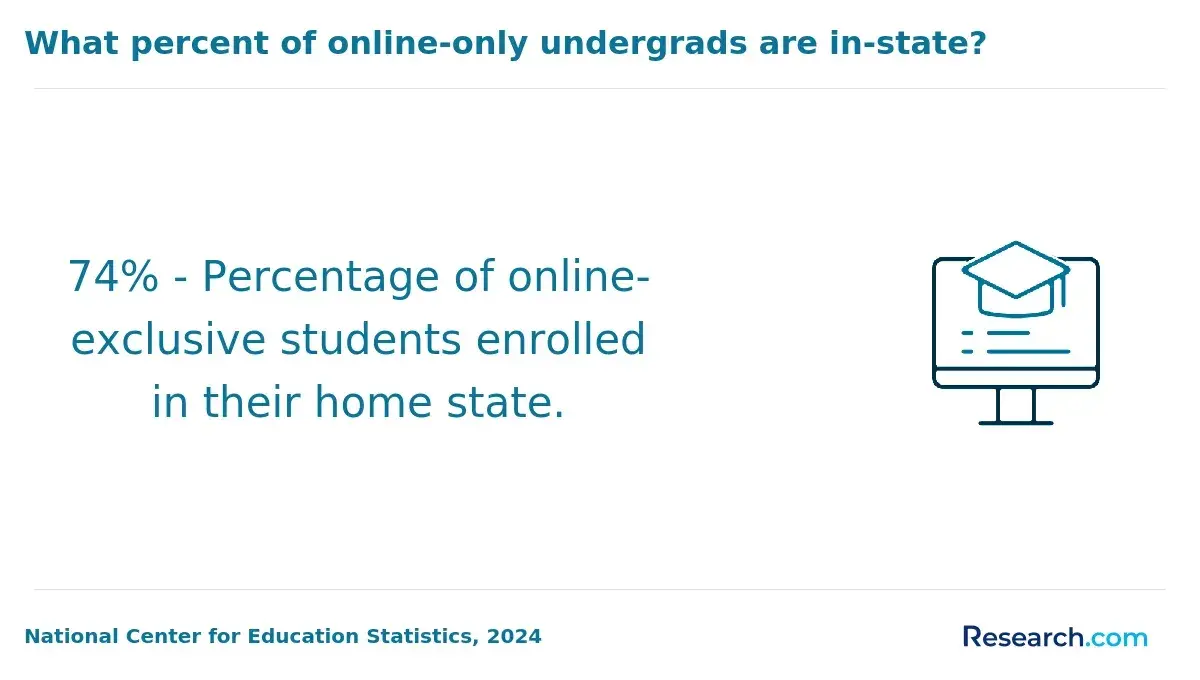
The average out-of-state tuition at Arkansas State University is notably higher than in-state rates, with total attendance costs for non-resident distance learners often exceeding $15,000 annually. This steep price differential can deter prospective students living outside Arkansas from pursuing online degrees there.
Unlike some institutions that participate in regional reciprocity agreements or digital waivers, Arkansas State University does not offer these cost-mitigating options. This means out-of-state students lack access to flat-rate tuition or discounted fees, increasing financial uncertainty depending on their residence.
Nationally, about 25% of public universities now apply out-of-state digital tuition waivers to broaden access and affordability, which Arkansas State University currently does not. For example, a student in a neighboring state might face a 30% or higher premium for identical online coursework compared to in-state peers.
Such price disparities underscore practical challenges for those balancing education costs against long-term career ROI. Without waivers, out-of-state learners at Arkansas State University must weigh the elevated expenses against the program's regional reputation and employment outcomes before committing.
Which online bachelor's degrees at Arkansas State University offer the lowest total tuition?
Arkansas State University offers some of the most affordable online bachelor's degrees by strategically combining low tuition rates with effective cost-saving measures like open educational resources. Students aiming to minimize their total expenses should focus on programs priced at $245 per credit hour, translating to roughly $29,400 in tuition for a standard 120-credit degree.
Below is a breakdown of several bachelor's degree tracks that provide tangible tuition savings, practical curricula, and competitive outcomes. Each program is designed to keep additional costs low, supporting students who prioritize budget without sacrificing quality.
- Business Administration: This program leverages a comprehensive curriculum delivered fully online with integrated open educational resources, cutting costs on textbooks. Its relevance in regional job markets ensures graduates face manageable debt-to-income ratios compared to national averages across disciplines. This makes it a financially prudent choice for students evaluating the cheapest online bachelor's degrees at Arkansas State University.
- Agriculture: Known for steady employment demand, the agriculture degree's online format includes digital materials that reduce supplementary fees by up to 30%. Students experience a blend of theoretical knowledge and practical skills relevant to local and regional economies, enhancing return on investment while maintaining affordability.
- Psychology: Delivered remotely with extensive use of open-source content, this program lowers overall expenses for non-traditional learners. However, students should consider national trends indicating higher debt-to-income ratios in humanities-related fields, emphasizing the importance of matching costs with long-term economic benefits.
- Criminal Justice: The curriculum is structured for online accessibility and cost efficiency, featuring low tuition and limited material fees. Practical skill training paired with digital resources makes it a strong option for students focused on workforce-relevant outcomes and managing out-of-pocket education costs.
- Elementary Education: This track incorporates affordable digital textbooks and a fully online format, making it easier for remote students to enter teaching careers without burdening themselves with excessive debt. The program's design suits those seeking to balance cost with career readiness in education.
With remote enrollment exceeding 45% nationally, affordability in online degrees now reflects both initial tuition and future financial sustainability. Arkansas State University's cost-conscious programs provide a clear example of controlling expenses across multiple fields. Prospective students should also consider alternative accelerated options such as the associate degree in 6 months online to reduce time and costs further while planning their educational pathways.
What are the most affordable online master's degree programs at Arkansas State University?
Arkansas State University offers some of the most affordable online master's degree programs, making it a viable option for students balancing cost with career growth. With tuition rates near $396 per credit hour and minimal residency demands, the university reduces the total financial burden for remote learners. Compared to other institutions, such pricing and program structures can provide strategic advantages especially for professionals seeking to avoid large upfront debt while maintaining earnings.
The following list highlights several degree programs that exemplify these cost-efficiency and delivery strengths.
- Master of Science in Education (MS Ed): This program charges approximately $396 per credit, integrating fees into tuition with virtually no additional online course costs. Delivered fully online, it avoids campus residency requirements, thus saving time and travel expenses for educators aiming to boost their salary potential with limited debt accumulation.
- Master of Accountancy: Tailored for working accountants, this degree similarly uses a pay-per-credit model and excludes mandatory campus visits, offering a flexible online format. This structure helps students optimize professional income growth while minimizing financial strain during completion.
- Master of Science in Nursing (MSN): With coursework designed for full online access and no consistent on-campus residency, this program is ideal for healthcare providers looking to enhance credentials affordably. The clear fee policy supports budget-conscious students pursuing higher earning roles within nursing leadership or specialties.
- Master of Arts in Applied Communication: Cost-effective and delivered online, this degree suits communications professionals needing advanced skills without disrupting their careers. Residents and non-residents benefit equally due to the minimal additional fees and lack of on-campus attendance mandates.
- Master of Science in Applied Engineering: Combining technical coursework with flexible online delivery, this program prevents lost income from time off work. Keeping costs under $400 per credit hour aligns with long-term professional salary velocity without excessive educational debt.
Graduate degree holders earn on average 25% more than those with only undergraduate credentials, yet recent data shows student debt typically remains manageable with a ratio of 1.1 to income within a decade post-graduation. This statistic reflects the growing importance of continuing education in adapting to evolving job markets and justifies weighing degree affordability against expected return on investment carefully.
Students should remain aware that program reputation and direct career relevance weigh heavily on employer perception beyond just cost and delivery format. In evaluating whether Arkansas State University's offerings qualify as some of the best value online graduate degrees at Arkansas State University, prospective students are advised to consider these practical career and financial implications.
Arkansas State University's transparent cost model contrasts favorably with many competitors who impose additional technology or resource fees, making it easier for students to budget accurately. However, confirming individual program residency or synchronous attendance policies remains prudent as occasional exceptions may affect overall accessibility. Those seeking comprehensive information on accredited options should review online universities that are accredited, ensuring their choice aligns with professional goals and financial expectations beyond initial sticker price.
Are digital course materials at Arkansas State University expensive?
Online students must account for more than just tuition when budgeting for Arkansas State University programs. Digital course materials and supplies form a significant additional expense that can impact affordability and access. The average annual cost for books and supplies at Arkansas State University is around $1,250, which aligns with the typical national range of $1,200 to $1,400 for both physical and digital materials.
Awareness of specific resource costs is essential for practical financial planning. Below are key digital materials frequently required by students and their typical implications.
- Access Codes: These codes unlock online homework and testing platforms like Pearson MyLab and Cengage MindTap, essential for many courses. They usually cost between $50 and $150, depending on the program, adding a recurring but necessary cost.
- E-Textbooks: Provided via platforms such as VitalSource, e-textbooks offer interactive features but come with prices that can range from $100 to several hundred dollars. They reduce physical storage needs but do not eliminate material expenses.
- Software Licenses: Specialized tools like SPSS or MATLAB required for data analysis are commonly mandated in STEM and social science courses. Licenses can exceed $200, presenting a substantial one-time or subscription fee.
- Subscription Services: Services like LinkedIn Learning support skill development and supplement coursework but incur monthly or annual charges typically around $100. They represent ongoing investments beyond one-time purchases.
- Proctoring Tools: Platforms such as ProctorU enhance exam integrity through remote monitoring technology. Fees vary but often add to the cost burden for students who must take proctored tests online.
A 2024 study shows textbook prices have increased nearly 30% over the last decade, shifting many toward digital and rental models. This trend highlights that while digital formats offer convenience, they do not substantially reduce the financial load on Arkansas State University students, influencing their total cost of attendance and the real affordability of online education.
Does Arkansas State University offer accelerated term options for online students?
The typical pathway to graduation at Arkansas State University spans a traditional 16-week semester model. However, the university offers accelerated term options via 8-week sessions for online students, allowing faster course completion. This setup suits motivated individuals aiming to reduce their time in school without extending financial obligations.
Tuition at Arkansas State University is charged per credit hour, so accelerating coursework usually does not increase the cost per credit. Yet, students may avoid some auxiliary semester fees by compacting courses into fewer terms. The overall tuition expense might vary, depending on how efficiently a student leverages these condensed sessions while balancing course load intensity.
Compared to other institutions, Arkansas State University does not provide a subscription-based or unlimited course access model that some competitors offer. A recent 15% increase in US colleges adopting accelerated academic calendars highlights a national trend to shorten term lengths to improve retention and completion. Arkansas State's model emphasizes steady progress rather than unlimited pacing.
In practical terms, students should weigh the faster timeline against the demands of compressed coursework. Employers generally prioritize demonstrated mastery and credential attainment over speed. For many, the accelerated option at Arkansas State University offers a useful balance of reduced duration without compromising quality, but the choice depends on individual circumstances and career timing.
Can online students Arkansas State University transfer credits to reduce tuition costs?
Online students at Arkansas State University can typically transfer up to 60 credit hours, almost half the credits needed for a bachelor's degree. This acceptance of transfer credits can cut tuition costs from the total $32,599 substantially, easing both financial burden and time to degree completion. However, the actual savings depend on credit applicability.
Tuition reductions vary significantly because articulation agreements exist mainly with regional institutions and differ widely. Credits from non-accredited schools or unrelated subjects may not transfer, limiting savings. Prior Learning Assessments, CLEP tests, and military training evaluations offer alternative paths but require careful validation to ensure eligibility and cost benefits.
Accreditation remains crucial to transfer success. Employers and graduate programs often scrutinize the source of transferred credits, making it essential for students to prioritize institutions with recognized accreditation to preserve employability value. A recent national study found almost 40% of transfer credits fail to count toward degrees, underscoring the need for strategic planning.
For example, a student moving from a regionally accredited community college to Arkansas State University saved thousands but had to retake some courses due to gaps in program alignment, demonstrating how articulation specifics impact true cost reduction.
What financial aid options are available to online students at Arkansas State University?
Financial aid at Arkansas State University for online students plays a crucial role in offsetting costs amid escalating national education expenses. Nearly 70% of U.S. college students depend on financial assistance, yet many graduate with substantial debt, emphasizing the need to evaluate aid against long-term career benefits and total debt load.
For instance, a military veteran pursuing an online degree might leverage targeted grants while assessing program outcomes to minimize debt relative to future earning potential. The university's financial aid options include several specialized programs designed to support diverse student needs. Below is an overview of key financial aid opportunities available to online students at Arkansas State University.
- Chancellor's Distinction Scholarship: Awarded to high-achieving students, this scholarship covers full tuition costs, providing significant relief for those demonstrating exceptional academic performance.
- Online Learning Scholarship: Offers up to $3,000 for students enrolled in distance education programs, aimed at supporting the additional expenses linked with online study.
- Military Service Grant: Designed for veterans and active-duty personnel, this grant covers partial tuition, recognizing the unique challenges faced by service members balancing education and duty.
- Arkansas State Merit Grant: Provides up to $2,500 based on strong academic records, helping online students maintain affordability through consistent performance.
- Need-Based Grants: Allocated using FAFSA data, these grants address financial barriers for students with demonstrated economic need, reducing reliance on loans.
Prospective students should incorporate these financial aid options when considering Arkansas State University online student scholarships and grants to evaluate the true cost of their education. Choosing programs with clear career trajectories is vital for managing debt and securing meaningful employment outcomes. For military-affiliated learners especially, Arkansas State is recognized among good online colleges for military.
How do you know if the affordable online programs at Arkansas State University are worth it?
The value of affordable online degree programs at Arkansas State University depends on concrete outcomes like graduate salaries, completion rates, and career alignment rather than just tuition costs. For example, an individual pursuing a degree in Electrical, Electronics and Communications Engineering can expect median earnings of $62,426, which illustrates strong market demand and potential return.
However, graduates in other areas such as English Language and Literature face median salaries near $20,547, highlighting how field choice. A realistic appraisal must factor in a 55% graduation rate, as non-completion significantly harms return on investment for any student. The following points summarize key criteria that prospective students should analyze to judge whether Arkansas State University's programs offer long-term worth.
- Graduation Rate: With a 55% completion rate, students must consider their risk of dropping out and its impact on ROI. Arkansas State University's rate suggests persistence is crucial to benefit financially from degrees.
- Median Alumni Salaries: Salary outcomes vary widely by major, with technical fields like Registered Nursing ($57,156) outperforming lower-paying liberal arts sectors. Assess your chosen program's salary expectations carefully.
- Program Relevance: Degrees aligned with labor market demands shorten time-to-employment. A 2024 study shows graduates quickly entering jobs with market-valued credentials maintain healthier financial profiles.
- Accreditation and Employer Recognition: Prioritize programs recognized by employers and accrediting bodies to ensure skills gained translate to real-world opportunities.
- Cost vs. Benefit Analysis: Low tuition alone does not guarantee value. Factor in potential earnings and completion probability to evaluate total investment.
- Field-Specific Economic Trends: Emerging demand in healthcare and technical fields at Arkansas State University highlights where long-term workforce integration is realistic.
- Program Delivery for Working Students: Flexible options matter for adult learners balancing work and study. Consider Arkansas State University's online format within degree programs for working adults.
What Graduates Say About the Cheapest Online Degrees at Arkansas State University
- Brandon: "Studying an online program at Arkansas State University allowed me to balance my full-time job while gradually completing my degree without the hefty costs of relocating or commuting. Although the tuition was attractively low compared to other schools, I did find some unexpected fees related to digital course materials and online tech support that made me reassess the "cheap" label early on. Still, the flexibility helped me enter the workforce faster with a recognized credential, and overall, the financial trade-off favored my career progress more than I initially anticipated."
- Shawn: "Choosing Arkansas State University's online degree was a conscious decision driven by budget constraints and my need for schedule adaptability due to family commitments. The upfront savings over more expensive institutions were tangible, but I remained cautious about potential hidden charges especially for technical access and proctored exams, which did add to the total cost. From a pragmatic viewpoint, the ability to avoid campus housing expenses significantly relieved my financial pressure, and though salary growth post-graduation was moderate, the degree gave me a meaningful boost to transition into a stable position in my field."
- Chase: "The experience with Arkansas State University's online program was somewhat mixed but predominantly positive in terms of cost-benefit once I factored in all the ancillary expenses that are often overlooked in sticker price comparisons. The convenience of learning from home was invaluable, eliminating housing and commuting costs, which for me made the choice clear despite some dated technology platforms causing occasional slowdowns. Career-wise, the degree helped me break into the workforce without delay, though I remain reflective about whether a more expensive but tech-forward competitor might have offered quicker advancement-still, Arkansas State's affordability truly enabled me to keep my education financially sustainable."
Other Things You Should Know About Arkansas State University Degrees
While Arkansas State University offers competitive pricing for affordable online degrees, students should be aware of potential additional costs such as technology fees, textbooks, and graduation fees. It's important to review individual program details to fully understand the financial requirements.
Employers often recognize Arkansas State University degrees, but the reputation of a lower-cost online program may vary depending on the industry and role. Fields with strong emphasis on practical skills, such as business or education, may value these degrees more if supplemented with relevant experience. For career advancement, students should consider pairing the affordable degree with certifications or internships to improve employability and offset any perception of limited program rigor.
Students in Arkansas State University's lower-cost online degrees have access to standard academic advising and tutoring, but may face limitations in personalized support compared to more expensive programs. Less frequent one-on-one interaction can impact students who need extra guidance or motivation. It's advisable for prospective students to proactively seek out study groups or additional external resources to mitigate these gaps and maintain steady academic progress.
While the lowest-cost online degrees at Arkansas State University are financially appealing, students unfamiliar with online learning should weigh the challenge of adapting to the format without extensive orientation or support. Beginners might be better served starting with programs that offer more comprehensive onboarding and technical assistance, even if they cost more, to build foundational skills that improve long-term success before transitioning to cheaper options.
References
- Books and Course Materials https://asumh.edu/student-orientation-dashboard/page/26/books-and-course-materials
- Arkansas State University (A-State) https://www.princetonreview.com/college/arkansas-state-university-1023936
- Mulerider Materials | Southern Arkansas University https://web.saumag.edu/mulerider-materials/
- Arkansas State University Expands 100 Percent Online Bachelor's Offerings -- Spaces4Learning https://spaces4learning.com/articles/2015/08/11/arkansas-state-university-online.aspx
- Arkansas State University Transfer Credit https://www.straighterline.com/colleges/arkansas-state-university/
- 8 Most Popular Online Colleges in Arkansas | UoPeople https://www.uopeople.edu/blog/8-most-popular-online-colleges-in-arkansas/
- Arkansas State University - Top Ten Online Colleges https://www.top10onlinecolleges.org/school-profiles/arkansas-state-university/
- Arkansas State University Degree Programs, Online Courses and Admissions Information https://www.collegeatlas.org/arksanas-university.html
- Client Challenge https://www.asutr.edu/page/transfer-information
- Accelerate ASU: a flexible, affordable and commitment-free head start to a US bachelor’s degree https://thepienews.com/accelerate-asu-a-flexible-affordable-and-commitment-free-head-start-to-a-us-bachelors-degree/