2027 Best Online Degrees at Pepperdine University: Programs, Tuition, and Admissions

Co-Founder and Chief Data Scientist
Pepperdine University's online degree offerings in 2026 appeal to students seeking a values-driven education with a strong emphasis on personalized student support and ethical leadership development.
Serving a diverse population that includes working adults, transfer students, and career changers, Pepperdine integrates flexible course schedules with rigorous programs primarily in business, education, and psychology, supporting learners who balance professional and personal commitments. According to recent IPEDS data, over 80% of Pepperdine's students receive some form of financial aid, reflecting the institution's commitment to accessibility despite its private status.
Choosing an online degree at Pepperdine requires careful consideration of program formats, progression timelines, and total costs within the broader context of career objectives and admissions standards. Prospective students should evaluate how well online curricula align with occupational licensing requirements or certification paths, and how transfer credits might shorten degree completion.
In our review of Pepperdine and peer institutions, the availability of student services, such as dedicated advising and tech support, can significantly influence persistence and graduation rates. This overview helps frame the complex balance prospective students navigate between educational quality, financial investment, and post-degree outcomes when selecting an online program at Pepperdine.
Quick Facts About Pepperdine University Online Degrees
- Average total cost at Pepperdine University is approximately $95,012, indicating a significant financial investment that prospective students should weigh against potential career outcomes and available financial aid options.
- With a transfer credit acceptance rate of 50%, Pepperdine offers moderate flexibility for transfer students, supported by policies accepting CLEP, DSST, and ACE recommendations; this can reduce time to degree and overall costs but requires careful prior evaluation of eligible credits.
- About 85% of Pepperdine's online programs emphasize career alignment, particularly in business and healthcare fields, many of which lead directly to professional certifications and licensure opportunities, enhancing employability and practical workforce readiness.
Is Pepperdine University a Good School for Online Degrees?
In evaluating whether Pepperdine University is a good school for online degrees in 2026, it is important to understand its focus on serving working professionals through graduate-level programs in business, education, and psychology.
Our research shows that Pepperdine's smaller enrollment of around 7,000 to 8,000 students supports more personalized faculty interaction, a valuable asset for those prioritizing academic engagement and mentorship. However, this modest scale limits program diversity compared to large public universities, which affects options for students seeking a wider range of online disciplines.
Tuition costs tend to be higher, reflecting Pepperdine's private status and associated mission-driven education rooted in Christian values, a factor that may influence affordability and cultural fit.
Institutional Focus and Student Experience
Pepperdine's mission-informed education shapes an intimate learning environment with close-knit peer networks, especially appealing to adult learners desiring connection and values-based engagement. This contrasts with vast public university platforms that aim for scale but may lack faculty accessibility or community cohesion.
Program and Ranking Context
Based on institutional analysis and rankings from research.com, Pepperdine maintains solid standings within private universities but does not dominate national online education volume.
Its niche strength lies in targeted professional programs rather than mass-market offerings, aligning with the preferences of students seeking focused and faith-informed online degrees. Prospective students interested in quick degrees that pay well may find Pepperdine's selection comparatively specialized but reputable.
One Pepperdine graduate recalled balancing a demanding work schedule while pursuing their online MBA, appreciating the smaller class sizes and faculty responsiveness.
They noted, "The personalized attention felt genuine, which motivated me to engage deeply even from a distance." However, they also mentioned choosing Pepperdine meant fewer electives and specialization options than some larger universities offer, a tradeoff they weighed carefully against the value of a faith-aligned learning environment.
What Online Degree Programs Does Pepperdine University Offer?
Prospective students evaluating Pepperdine University's online offerings will find a targeted suite of degrees designed primarily for career advancement in business, psychology, and education fields.
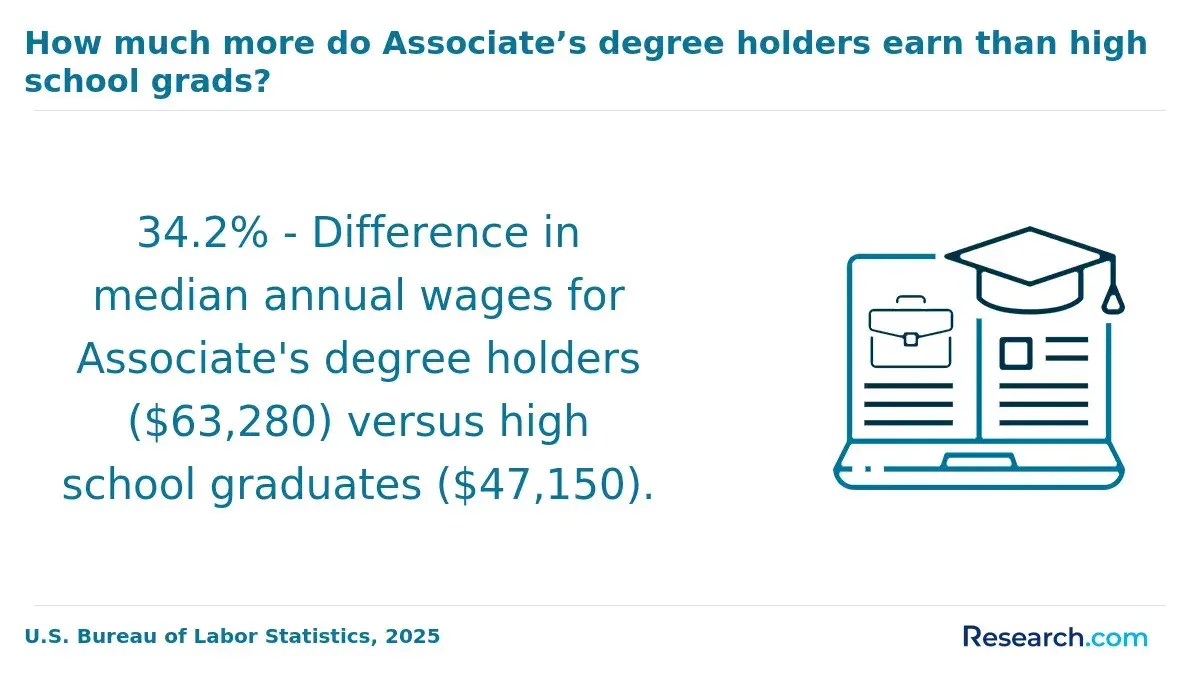
Notably, Pepperdine does not provide online associate degrees, instead emphasizing bachelor's and graduate-level programs that cater to adult learners ready to build on prior credits or professional experience.
Among bachelor's options, the available programs focus on Psychology (BA) and Business Administration (BS), reflecting a practical rather than expansive approach to undergraduate education that excludes broader STEM or liberal arts tracks.
At the graduate level, Pepperdine's online master's programs present a wider variety and depth. Our research highlights the MBA's customizable concentrations, such as Finance, Marketing, and Entrepreneurship, as a flagship pathway aligned with current market demands.
Complementary offerings include master's degrees in Public Policy, Education, Psychology (with clinical and applied emphases), Nursing, and Legal Studies, signaling a deliberate blend of professional specialization and scholarly rigor.
The Doctor of Psychology (PsyD) stands out as Pepperdine's primary online doctoral option, although it requires some in-person attendance, underscoring the complexity of fully remote clinical training. Certificate programs in areas like project management and digital marketing further support working professionals seeking focused skill upgrades.
Based on the cost data in comparable fields, such as Psychology at $32,424 and Business Administration at $53,559, Pepperdine's offerings underscore targeted investment in disciplines with stable workforce demand, though the lack of STEM or data science degrees may limit options for students pursuing technology-centered careers.
How Do Online Classes Work at Pepperdine University?
How do online classes work at Pepperdine University depends largely on balancing flexibility with structured engagement. The university's online courses blend asynchronous, synchronous, and hybrid formats to accommodate different learning needs, with many programs emphasizing asynchronous work that lets students control access to lectures and assignments.
However, synchronous sessions, often held evenings or weekends via platforms like Zoom, are required in some courses and are graded, presenting challenges for students with unpredictable work or caregiving demands.
Our research indicates that students should expect to dedicate between 12 to 15 hours weekly per course, reflecting a significant time commitment that requires strong self-discipline and planning. Part-time and full-time enrollment options add adaptability, while accelerated programs with condensed 8-12-week terms intensify workloads and demand focused time.
Pepperdine supports transfer credits from CLEP, DSST, and ACE recommendations, facilitating credit mobility. Yet, some programs include in-person internships or residencies, which merits advance logistical planning for distance learners.
Ultimately, students must assess how Pepperdine's hybrid delivery, time requirements, and occasional on-site expectations intersect with their personal and professional realities.
How Long Does It Take to Complete an Online Degree at Pepperdine University, and Can Transfer Credits Speed It Up?
Online degree completion timelines at Pepperdine University vary notably by degree level, transfer credits, and enrollment status, directly affecting how quickly students can graduate. Fully online associate degrees are unavailable, but transfer credit policies allow community college credits to accelerate bachelor's degree completion.
Online bachelor's programs typically take 2 to 4 years, with full-time students completing within two years if they transfer 45 to 60 credits, while part-time enrollment extends this to 3 to 4 years. The university's flexible scheduling through multiple start dates and compressed eight-week courses supports personalized pacing and faster progress.
Master's programs range from one to three years depending on program rigor and credit requirements, with some designed for one-year completion through accelerated formats. Transfer credit limits, often up to 90 credits for undergraduates, can significantly reduce time to degree, though acceptance depends on course equivalency and grade standards.
These factors combined provide working adults and transfer students calibrated options for faster degree completion based on prior learning and scheduling choices according to Pepperdine's published policies.
Transfer Credits and Flexible Enrollment
Incorporating transfer credit strategically can sharply reduce the time needed to complete an online degree at Pepperdine University. Full-time online undergraduates taking 12 to 15 credits per semester with substantial transferable credits often finish within two years.
Part-time students taking 6 to 9 credits per term face lengthier timelines but benefit from year-round course availability, mitigating some delays. Master's students encounter both accelerated and traditional pacing, influenced by program design and credit transfer allowances.
Accelerated and Compressed Terms
The availability of eight-week accelerated terms and multiple annual start dates facilitates continuous enrollment and quicker course completion. While cohort-based graduate programs may limit acceleration, seizing modular or rolling admissions options can further shorten a student's pathway, especially for those balancing work and education. This structure aligns with Pepperdine's evolving approach to flexible graduation timelines for online students.
One Pepperdine online master's graduate recalled weighing options after transferring credits from previous study.
"I initially planned for a three-year program, but by maximizing my transferable credits and enrolling full-time in the eight-week courses, I finished in just under two years. It demanded balancing work and study intensely, yet the flexibility with start dates and pace helped me adapt each semester," she shared.
This experience illustrates how transfer credits combined with Pepperdine's scheduling can meaningfully accelerate timelines for career-focused adults.
How Much Does an Online Degree at Pepperdine University Cost?
Online degrees at Pepperdine University carry a significant tuition cost driven by credit requirements and consistent per-credit pricing across modalities.
Our analysis shows that master's programs, such as those in the Graziadio Business School, can total between approximately $73,700 and $98,300 in tuition, based on credit-hour charges near $2,048. Bachelor's degree tuition, while less publicly emphasized for online learners, would likely exceed $210,000 using equivalent per-credit rates to the on-campus average of nearly $1,870 per credit.
These figures do not include additional mandatory fees, which can add $1,000 or more annually, covering technology, student services, and graduation processing. Moreover, textbooks and specialized program materials drive further costs, with undergraduates potentially spending about $1,200 yearly and graduate students incurring software subscriptions or lab fees.
Our research indicates the real total investment for online Pepperdine degrees often reaches beyond $85,000, emphasizing the importance of budgeting comprehensively for both tuition and ancillary expenses derived from institutional fee structures and program-specific requirements.
Does Pepperdine University Offer Financial Aid for Online Students?
The average net tuition after aid aligns with national trends for private university online programs, emphasizing the importance of combining multiple funding avenues. Employer tuition reimbursement and military education benefits further reduce direct costs, though students must carefully coordinate to optimize resources without jeopardizing eligibility.
Payment plans offer manageable installments but do not decrease total charges. Prospective students should explore a strategic mix of aid sources to finance their Pepperdine online education effectively.
According to our review of financial aid options for Pepperdine online students, the commitments these programs demand require early FAFSA filing and ongoing compliance with eligibility criteria to sustain support.
One Pepperdine graduate, a working mother returning to complete her bachelor's online, described the financial balancing act as "a full puzzle." She applied early for FAFSA and qualified for both Pell and an institutional adult learner scholarship, which "cut my tuition nearly in half." Her employer's tuition reimbursement covered the rest, but coordinating deadlines and paperwork was "a constant challenge."
She appreciated Pepperdine's military benefits office support, even though she wasn't eligible herself, noting it helped friends on the GI Bill. She stressed that financial aid made her degree possible but cautioned prospective students to anticipate rigorous documentation and to start funding conversations well before enrollment.
What Are the Admissions Requirements for Pepperdine University Online Programs?
Admissions to Pepperdine University's online programs combine academic standards with flexibility to serve a diverse student body, including working adults and transfer students. The university uses a holistic review focusing on GPA, test scores (when submitted), essays, recommendations, and professional experience, especially for graduate applicants.
Our research shows Pepperdine's overall acceptance rate sits near 46%, signaling moderate selectivity that balances accessibility with academic rigor.
Undergraduate online applicants generally need a minimum GPA around 3.0, whereas graduate programs expect higher thresholds of 3.0 to 3.3, with some departments like business and psychology imposing stricter requirements.
Pepperdine follows a test-optional policy for undergraduates, allowing SAT/ACT scores as optional supplements, while graduate programs have variable policies on GRE/GMAT tests based on prior experience and program focus.
Transfer students can bring in up to 90 credits from regionally accredited institutions, typically requiring grades of C or better for undergraduates and B- or higher for graduate-level equivalencies.
Multiple annual start dates with rolling admissions accommodate adult learners' schedules, while application materials range from transcripts and essays for undergraduates to detailed resumes, letters of recommendation, and portfolios for graduate candidates. Based on our analysis, this admissions framework reflects Pepperdine's aim to uphold standards without unduly restricting access for qualified, motivated applicants.
Is Pepperdine University Accredited and Respected by Employers?
Does Pepperdine University command respect among employers, especially for its online degrees? Its regional accreditation by WASC Senior College and University Commission ensures academic rigor and broad transferability, which remains crucial for career mobility and graduate study eligibility.
Specialized accreditations, like the AACSB for the Graziadio Business School and state approvals for education and psychology programs, further strengthen licensure pathways and employer recognition in regulated fields. These accreditations mitigate common employer concerns about online education quality.
Employers increasingly prioritize institutional legitimacy over delivery format; a 2024 survey by the National Association of Colleges and Employers noted that over 75% of employers value accredited online degrees from reputable universities as equivalent to on-campus credentials.
Meanwhile, research.com ranks Pepperdine among the top 600 global universities, highlighting strengths in business and psychology, which align with its programmatic accreditation and help reinforce employer confidence.
Transferability and Graduate Admissions
WSCUC accreditation facilitates credit transfer between institutions, supporting students' flexibility in continuing education. Graduate admissions committees also rely on Pepperdine's institutional and programmatic accreditations as a baseline for candidate evaluation, indicating that its online degrees meet established academic standards.
Licensing and Geographic Considerations
Licensure eligibility depends heavily on programmatic accreditation and state approval. While Pepperdine's education and psychology programs satisfy California's standards, prospective students should verify their target state's requirements, as some impose additional restrictions on out-of-state or online credentials. This aspect is vital for applicants in regulated professions planning geographic career moves.
What Support Services Does Pepperdine University Offer Online Students?
Effective student support at Pepperdine University reflects its commitment to tailored services essential for online learner success, particularly for adult learners and transfer students balancing multiple commitments.
The university's centralized support system integrates proactive academic advising, flexible tutoring, and career services equivalent to on-campus offerings, enabling students to navigate course planning, degree requirements, and career readiness efficiently.
Online students benefit from digital tools like DegreeWorks and virtual appointments, which accommodate diverse schedules and reduce barriers linked to remote study.
Technical assistance is robust yet not 24/7, requiring students to develop proactive troubleshooting skills. Meanwhile, expansive library and research support through a fully online portal enhances academic rigor and resource accessibility.
Pepperdine's Counseling Center addresses mental health challenges with virtual teletherapy and wellness resources, acknowledging emotional resilience as a key factor in retention. Community engagement via virtual clubs and networking fosters social capital crucial for persistence.
Our research shows Pepperdine's moderate enrollment of around 7,800 students supports a personalized model blending breadth and individual attention, which is vital for retention compared to larger or smaller institutions.
For prospective students seeking California-based online student resources at Pepperdine, these integrated services make balancing academics with external responsibilities more manageable. Those interested in finding more flexible options may also explore online universities with no application fee.
One Pepperdine graduate recalls juggling full-time work and family while completing her online degree. She specifically valued the timely virtual advising sessions that clarified transfer credit evaluations and degree progression, preventing costly delays.
"The ability to talk through course sequencing over Zoom after hours made all the difference," she noted. Access to the Writing Center's flexible workshops also gave her confidence to improve assignments despite a hectic schedule.
While technical hiccups occasionally delayed logins, the responsive helpdesk minimized impact, and wellness resources provided essential support during stressful periods. Her experience illustrates how Pepperdine's integrated support ecosystem practically underpins degree completion for working adults.
Is an Online Degree From Pepperdine University Worth It?
Investing in an online degree from Pepperdine University presents a balanced opportunity where median alumni earnings align with reasonable debt levels, producing a strong earnings-to-debt ratio near 3.5x. Our research shows graduates average $82,939 in mid-career salary while carrying median debt of about $23,510, suggesting manageable financial risk relative to income.
This ratio implies that, over time, Pepperdine's online degrees offer value through steady salary growth and moderate borrowing, particularly for business-related fields. However, the return varies by discipline, and fields with lower starting salaries may face tighter financial margins.
Prospective students should weigh these factors carefully to assess the benefits of earning an online degree from Pepperdine within their targeted career paths and financial situations, considering the broader evidence on employment prospects and salary trajectories reported through research.com.
The balanced debt and salary outcomes reflect the value of Pepperdine University online degrees within a competitive market, offering practical career advancement possibilities while maintaining moderate financial exposure.
For more insight on program relevance and career fit, see degrees for felons.
What Graduates of Pepperdine University Online Programs Say
- Christopher: "Balancing a full-time job and family commitments made it impossible for me to attend traditional classes, so the flexibility of Pepperdine's online program was a decisive factor. I specifically chose their business analytics track to pivot my career without pausing my income. While the coursework was intense and time-consuming, the practical skills I gained helped me land a data analyst role; however, I noticed employers still value hands-on project portfolios more than just the online credential alone."
- Fatima: "I was hesitant about investing in another degree because of budget constraints, but Pepperdine's online format offered several payment plans that made it manageable. Entering the marketing field through their digital media program, I had to contend with companies prioritizing internships and real-world experience over solely academic qualifications. Despite not having a traditional internship, the coursework's real-world assignments allowed me to build a solid portfolio, which eased my job search and led to a remote social media coordinator position."
- Patrick: "After a decade in sales, I needed a career change but was cautious due to the workload and time commitment online study would require alongside my job. Choosing Pepperdine's online counseling program was a strategic decision to gain new credentials while working. Although licensure processes delayed my ability to advance in therapy roles, I found the program's practical framework valuable for entering support roles sooner and transitioning gradually, even if salary growth remains a longer-term goal."
Other Things You Should Know About Pepperdine University Degrees
In 2027, some of the most popular online degree programs at Pepperdine University include the Master of Business Administration (MBA), Master of Arts in Psychology, and Master of Science in Management and Leadership. These programs are valued for their comprehensive curriculum and flexible formats, catering to a wide range of professional goals.
Nontraditional enrollment routes can include part-time study, late starts, or specialized program entry points, offering options for busy professionals. The tradeoff often lies in the potential for less peer synchronization and fewer networking opportunities compared to traditional semester-based cohorts. Prioritizing these pathways means weighing flexibility against the possibility of feeling less integrated in program culture or missing out on collaborative learning dynamics.
The rigor of Pepperdine's online courses tends to mirror traditional programs, requiring consistent time management and substantial weekly study hours. Balancing these demands alongside a full-time job may necessitate reducing work hours or sacrificing personal time. Prospective students should realistically evaluate their capacity to maintain professional responsibilities without compromising academic performance or well-being.
While the Pepperdine name carries weight, the varying enrollment options can sometimes raise questions about program cohesion and student experience among employers unfamiliar with flexible formats. Candidates should be prepared to explain how their adaptable enrollment did not impact the depth or rigor of their learning. In some fields, especially those valuing stable cohort progression, highlighting consistent academic milestones can be essential for mitigating skepticism.
References
- Pepperdine University - London Ranking | Top Universities https://www.academicjobs.com/employers/pepperdine-university-london/16653/employer-ranking
- Pepperdine University Tuition and Fees | SoFi https://www.sofi.com/pepperdine-university-tuition-and-fees/
- Who receives financial aid and why? - Pepperdine Graphic https://pepperdine-graphic.com/who-receives-financial-aid-and-why/
- Pepperdine University - Student Services | The Org https://theorg.com/org/pepperdine-university/teams/student-services
- Pepperdine University (PU) https://www.princetonreview.com/college/pepperdine-university-1023227
- Pepperdine University - Online Master of Arts (MA) in Psychology https://www.onlineeducation.com/psychology/schools/pepperdine-university-ma-in-psychology
- Online Courses from Pepperdine University https://www.edx.org/school/pepperdine
- Pepperdine University Admission Requirements - Club Z! Tutoring http://clubztutoring.com/blog/pepperdine-university-admission-requirements/
- Pepperdine University Overview | CollegeData https://www.collegedata.com/college-search/Pepperdine-University
- Pepperdine Requirements for Admission https://www.prepscholar.com/sat/s/colleges/Pepperdine-admission-requirements