2027 Walden University Pros and Cons for Online Students

Co-Founder and Chief Data Scientist
A prospective student juggling work, family, and financial responsibilities may face tough choices when considering Walden University's online programs. Balancing these demands often requires flexible scheduling and affordable options, but the quality of education and support services also matter. With about 58% of online students nationally reporting that balancing their commitments is the top factor in their decision-making, understanding how Walden accommodates these needs becomes crucial.
Evaluating the pros and cons of Walden University's online offerings helps clarify whether this path aligns with individual goals and learning styles. Every online program has trade-offs related to engagement, pacing, and career relevance. This article analyzes those factors to guide readers in making a well-informed choice about enrolling at Walden University.
Key Points About Walden University Pros and Cons for Online Students
- Walden University's online programs provide asynchronous courses with accessible faculty support, catering especially to working professionals and transfer students needing scheduling flexibility to balance education with existing commitments.
- Students frequently encounter technology issues, limited opportunities for peer networking, occasional advisor response delays, and undisclosed fees, which can hinder academic progress and complicate administrative processes.
- The total tuition cost of $34,458, paired with median graduate debt of $20,834 and median earnings of $42,810, results in an earnings-to-debt ratio of 2.05x, indicating a modest financial return that requires careful career outcome consideration before enrollment.
What are the biggest advantages of studying online at Walden University?
Advantages of studying online at Walden University vary depending on how students prioritize flexibility, financial considerations, and support systems. Adult learners balancing work and family can benefit differently than those seeking affordable credentials or consistent academic quality. Understanding these distinct benefits helps determine whether Walden's offerings match personal and professional goals. For example, a working parent might find Walden's asynchronous courses provide crucial scheduling freedom while maintaining access to experienced faculty. Below are key advantages that outline how the university supports varied online learners.
- Flexible Asynchronous Learning: Courses are designed to fit around busy schedules, enabling students to study when convenient rather than adhering to fixed class times. This setup is especially valuable for working adults and caregivers needing control over their study hours without compromising academic rigor.
- Experienced Faculty Engagement: Faculty teaching online are the same instructors who teach on campus, ensuring academic consistency and quality. Learners seeking reputable instruction with accessible professors can expect a level of engagement that supports deeper understanding and professional preparation.
- High Financial Aid Availability: Approximately 90% of students receive financial assistance at Walden, with undergraduates averaging $3,353 in aid. This lowers financial barriers for those prioritizing affordability or managing education costs alongside other expenses.
- Support Services for Online Students: Career resources and networking opportunities are available remotely, reflecting a national trend where 78% of online learners report satisfaction with academic support availability. This makes Walden suitable for students needing guidance beyond coursework to improve employability.
- Open Admission Policy: Walden's admissions approach reduces entry obstacles, enabling access for a broad range of applicants including nontraditional students. Those re-entering education or switching fields may find this inclusive policy aligns well with their educational trajectory.
- Practical Career Alignment: While the median alumni salary is $42,810, this figure encourages realistic assessment of local job markets and personal goals. Students should weigh expected returns based on discipline and employment conditions, allowing informed decisions about program investment.
What are the biggest drawbacks of Walden University's online programs?
Online learning environments always involve trade-offs that affect convenience, cost, and educational depth. Understanding potential drawbacks before enrolling allows students to make better-informed decisions aligned with their needs. This is especially true for Walden University's online programs, where students face specific challenges that impact affordability, engagement, and academic experience. Being aware of these issues helps prospective students assess whether the program fits their learning style and career goals. The most significant drawbacks are summarized below.
- High Total Cost and Debt Burden: The overall tuition fee of $34,458 and median graduate debt of $20,834 create substantial financial pressure, particularly for those balancing work and family. Unexpected fees, such as administrative and technology charges, often raise costs beyond initial estimates. Students exploring online schools that accept FAFSA should compare these hidden expenses carefully.
- Unreliable Learning Management System: Frequent downtime and a complicated user interface disrupt course access and workflow. Learners who rely on consistent access for busy schedules may find this technical instability frustrating and stressful, reducing study efficiency.
- Limited Digital Library Resources: Research capabilities are hampered by a narrow range of online academic materials. Students needing extensive source access for rigorous projects or dissertations will face limitations, affecting the quality and depth of their work.
- Social and Professional Isolation: Without campus interaction or career fairs, students have fewer networking opportunities. This isolation particularly affects learners who benefit from peer engagement and real-world professional connections, slowing their career growth.
- Out-of-State Tuition Premiums: Nonresident students often pay higher rates, complicating budgeting and affordability for those living far from university bases. This disparity demands careful financial planning.
- Reduced Engagement Leading to Slower Outcomes: Research shows 43% of online learners feel disconnected, which correlates with lower engagement. This phenomenon can delay degree completion and weaken career advancement prospects for less self-directed students.
How flexible is Walden University for online students?
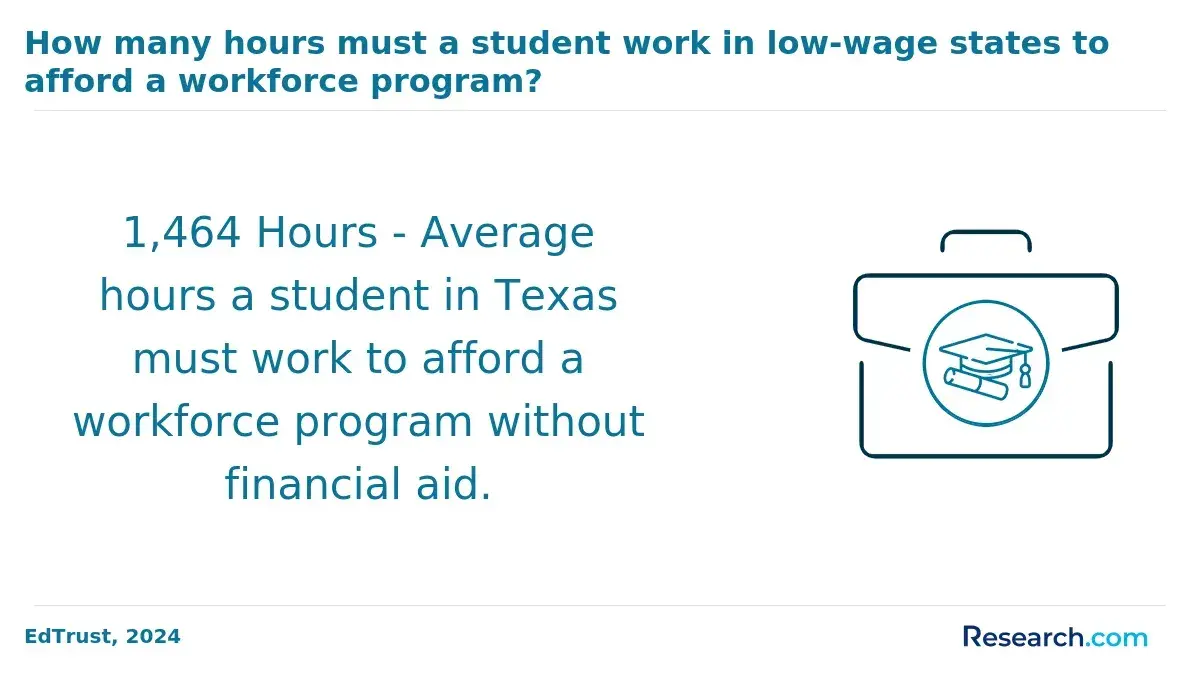
Flexibility is a critical factor for many online students, especially those balancing work, family, or military service. It goes beyond simply studying from home and involves accommodating varied schedules, unexpected demands, and different learning styles. A 2024 study in the Journal of Online Learning Trends found that 62% of adult online learners prioritize flexible deadlines and pacing options, highlighting how adjustable scheduling impacts completion and satisfaction rates.
Walden University online program flexibility primarily stems from its asynchronous course format. Most students can access lectures and materials on their own time, which suits individuals with shifting responsibilities. However, some programs feature synchronous sessions that require occasional real-time participation, creating a hybrid model. This approach can benefit those who prefer occasional live interaction without sacrificing most of their schedule's autonomy, but it requires careful time management.
Enrollment at Walden offers part-time and full-time options. Students can change their course load each semester, although significant adjustments or leaves require formal approvals and must align with fixed degree completion timeframes. Assignment deadlines and exam windows are generally strict, which may pose challenges for those with irregular work hours or unpredictable personal commitments. This reveals a practical tradeoff between maintaining academic rigor and offering broad scheduling flexibility.
Prospective students considering flexible online learning options at Walden University should assess their own scheduling needs, learning preferences, and external responsibilities. Those who value asynchronous learning and can plan around limited real-time sessions may find a good fit. Others needing fully open-ended assessments or maximum deadline leniency might explore alternatives. For students seeking faster graduation paths, considering accelerated degree programs online alongside Walden's framework may offer additional options.
How strong is the online learning experience at Walden University?
Evaluating the quality of Walden University's online learning experience requires more than judging course delivery. Prospective students must consider how student engagement, instructor interaction, academic support, and course design shape meaningful learning. National data from the EdTech Research Group shows that 68.4% of students rank prompt instructor feedback and peer interaction as key to online course quality, highlighting the need to weigh these factors carefully. A course might offer robust content, but limited communication or delayed responses can undermine timely academic progress and skill development.
Walden's online environment suits self-directed learners who prioritize flexible access and steady content quality. Its stable learning management system and regularly updated materials provide a solid foundation. Yet the experience varies by program and instructor: some students encounter slow faculty response times or uneven peer engagement that can challenge those needing immediate clarification or rich collaborative interaction. Learners requiring frequent, real-time support might find this environment less responsive, while those comfortable with asynchronous study will likely adapt more easily.
Prospective students should reflect on their own learning style and communication needs before choosing Walden. Those who thrive on independent study with periodic guidance may find alignment here. However, individuals expecting high-touch, rapid feedback or dynamic peer communities should consider whether Walden's typical interaction levels meet their expectations. Assessing program feedback cycles and opportunities for meaningful collaboration is crucial to matching educational goals with practical realities in online formats.
One Walden graduate recalls feeling hesitant initially, uncertain if the online setting could match traditional classroom rigor. Facing a demanding job and family obligations, the flexibility won her over. Over time, delayed professor responses tested her patience, but eventually, consistent mentorship during virtual office hours and timely feedback on key assignments helped build her confidence. This balance of challenge and support enabled her to advance within her organization, reinforcing that while Walden's model is not perfect, it can yield solid career outcomes for those prepared to navigate its pacing and interaction style.
Is Walden University affordable for online students?
Evaluating affordability at Walden University requires looking beyond tuition costs to the total expense and long-term value of earning an online degree. The total tuition of $34,458 paired with a median graduate debt of $20,834 suggests partial financing through aid is common. From a practical viewpoint, the earnings-to-debt ratio of 2.05x highlights modest financial returns, which matters most to students balancing debt repayment with income growth. For example, a student working full-time while enrolled may find the degree affordable if career outcomes offset the debt within a few years.
Key factors shaping affordability for Walden University online students include the ability to maintain employment during study, saving on commuting and housing, and variable financial aid packages. Around 90% of students receive some aid, with undergraduates averaging $3,353 in federal aid, helping reduce out-of-pocket costs. However, additional fees for technology and proctoring add to the total expense. Notably, Walden's tuition remains above average for similar programs, reflecting the value of comprehensive support, yet affordability remains highly individual based on a student's specific financial planning and employment situation. Many prospective students also compare institutions, including those listed among colleges with no application fee.
Prospective students should assess Walden University's affordability by factoring in their current job, financial resources, education goals, and expected graduation timeline. For those balancing work and study, online delivery offers fewer disruptions but requires careful budgeting for hidden costs and debt impact. The decision involves weighing short-term affordability against long-term career objectives and earnings potential, recognizing the degree's return varies widely by field and individual. This analytical approach ensures realistic expectations on whether Walden's online programs fit a student's financial and professional strategy.
How do online programs at Walden University affect graduation time?
Graduation time for online programs depends on more than just the mode of delivery. Factors such as whether a student enrolls full- or part-time, the availability of required courses, and scheduling flexibility shape how quickly degrees are completed. Personal circumstances like work demands, family care, or military service also heavily influence pacing. Evaluating graduation timelines requires understanding these intertwined elements rather than assuming all online students progress uniformly.
Walden University's structure offers accelerated eight-week courses and year-round enrollment to help some students move efficiently toward their degrees. However, many students balance competing priorities that slow progress. Limited slots for critical practicum or capstone courses can cause bottlenecks. Therefore, online learning at Walden does not inherently shorten or lengthen time to graduation but creates an environment where individual circumstances determine outcomes.
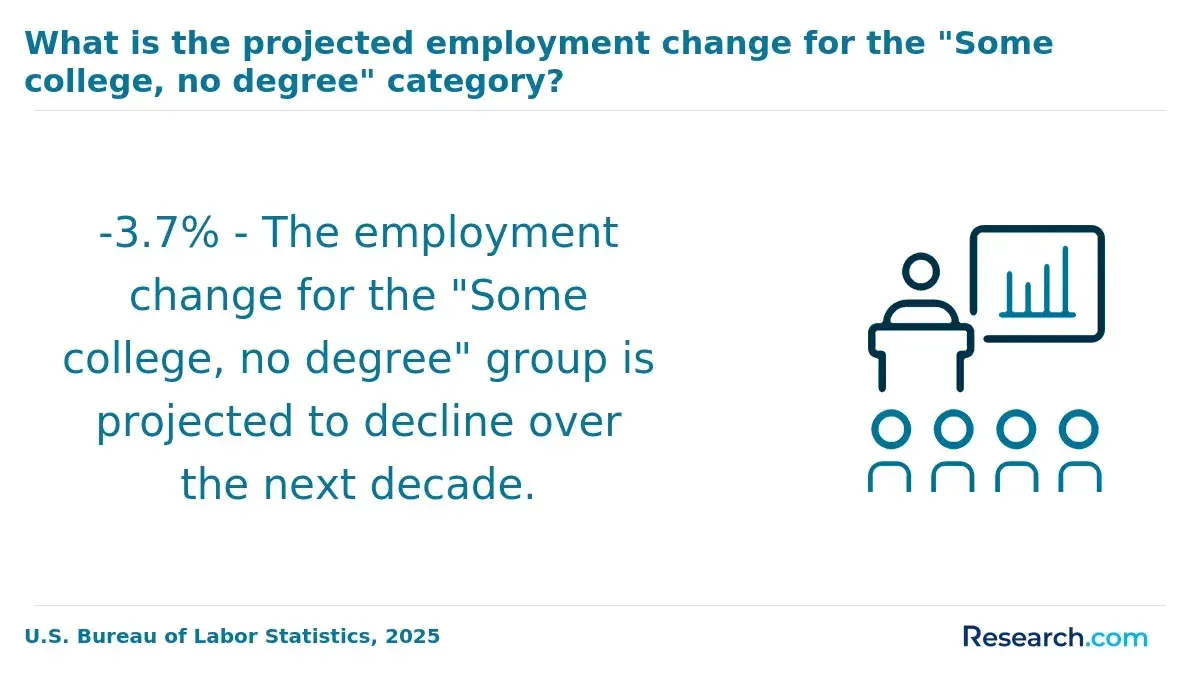
Prospective students can better estimate their own timeline by considering how many courses they realistically can handle each term alongside outside obligations. Maintaining steady academic progress is crucial for avoiding delays common in online study. A 2024 study on distance learners found only about 28% finish within six years, underscoring the variability in graduation rates. This data highlights why practical planning tailored to personal goals and resources is essential when projecting time to degree completion at Walden.
One Walden student initially aimed to graduate in four years while working full time and caring for two children. After facing limited practicum availability and unexpected work demands, she chose to extend her timeline. She said, "Adjusting my graduation plan was frustrating at first, but it allowed me to manage family and work without burning out. I finally found a pace that fits and keeps me moving forward, even if it takes a bit longer than I wanted." This flexibility provided a more realistic and sustainable path to finishing her degree and advancing her career.
Who is most likely to succeed in Walden University's online programs?
Success in an online program depends less on age or background and more on how well students manage the demands of independent learning. The ability to stay organized, motivated, and connected often makes a greater difference than prior academic experience. For example, a mid-career professional balancing work and study may outperform a younger student who struggles with time management. A 2024 study found that students using structured weekly planning and maintaining peer or mentor contact boost completion rates by over 30%. Below are types of learners most likely to thrive in Walden University's online programs.
- Self-Disciplined Independent Learners: These students excel because they can maintain consistent study schedules without direct supervision. Their ability to resist distractions and manage deadlines is crucial for navigating Walden University's asynchronous coursework and limited faculty interaction.
- Professionals Integrating Work and Study: Those with substantial career experience often succeed by applying coursework directly to workplace challenges. This boosts engagement and skill transfer but requires balancing work responsibilities with academic demands carefully.
- Students Comfortable with Digital Platforms: Proficiency in navigating online learning tools reduces frustrations and technical delays. Familiarity with these environments allows learners to focus on content rather than troubleshooting, which supports steady progress.
- Organized Planners with Support Networks: Individuals who structure their weeks intentionally and maintain connections to peers or mentors tend to have higher persistence. Social accountability and guided planning reduce feelings of isolation common in virtual formats.
- Motivated Goal-Oriented Learners: Clear ambitions provide the drive needed to overcome the isolation and ambiguity of online study. These students are proactive in seeking resources and clarifications, ensuring they meet both academic and professional standards.
- Adaptable Learners Developing Soft Skills: While not fixed traits, skills like time management and proactive communication can be cultivated. Students willing to evolve these habits often improve their success potential over time despite initial challenges.
- Realistic Evaluators of Personal Circumstances: Those who honestly assess their capacity to juggle study, work, and life demands set themselves up for success. Recognizing potential obstacles early allows for better planning or alternative educational choices.
How does Walden University compare with other online colleges?
Choosing an online college involves more than comparing rankings or reputation. Students must assess whether an institution meets their educational needs, learning styles, and career ambitions. Factors like cost, graduation rates, and alumni outcomes directly influence the value a program delivers. For example, a working adult balancing family responsibilities might prioritize flexible scheduling and strong career services over prestige. This tradeoff becomes especially clear when evaluating Walden University online programs versus other online colleges. Consider these crucial aspects when comparing Walden to other institutions.
- Tuition Cost and Financial Investment: Walden's total tuition of $34,458 exceeds average public in-state online rates but aligns with many private online colleges, which often charge more. Students should evaluate if the higher tuition corresponds with their expected returns in salary and debt burden.
- Graduation and Retention Rates: Walden's graduation rates are lower than many regional and national online competitors. Prospective students should consider how this might reflect program support structures and their own likelihood of timely completion.
- Alumni Earnings Relative to Debt: With a median alumni salary of $42,810 and debt of $20,834, Walden yields an earnings-to-debt ratio of 2.05x. This moderate return on investment is important for those comparing long-term financial outcomes among online programs.
- Programmatic Accreditations and Specializations: Walden offers niche accreditations that could benefit students targeting specific careers. However, it lacks extensive industry partnerships that some other online colleges provide, which may affect networking and job placement.
- Student Support and Career Services: Comparing Walden University student support with top online universities reveals differences in resources available for career transition. Robust career placement networks can significantly impact job search success post-graduation.
- Flexibility and Scheduling Options: For students requiring adaptable start dates and weekly enrollment options, investigating options such as those featured in the best online colleges with weekly start dates may reveal alternatives better suited to their timelines.
- Post-Graduation Employment Outcomes: Salary outcomes remain a top decision factor, with 68% of online students prioritizing this in recent surveys. Understanding how Walden's employment results stack up against peer institutions can guide students to programs matching their career expectations.
What student support services are available for online learners at Walden University?
Student support services are critical to online learning success because they compensate for the absence of face-to-face interaction and help mitigate challenges unique to remote education. Responsive academic advising and technical assistance reduce confusion and frustration, which can otherwise lead to student dropouts. For example, a working parent balancing family and coursework will rely heavily on personalized support to stay on track.
A 2024 survey by EduTrack highlights that online students prioritize mental health services and staff responsiveness most, linking these directly to higher engagement and retention rates. Walden University's support system integrates these insights, providing a multi-dimensional framework that addresses the complex needs of online learners. Below are key categories of student support available at Walden University for its online students.
- Dedicated Online Academic Advisors: Advisors help students navigate course selections and degree requirements efficiently. This support benefits learners unfamiliar with academic planning or those balancing studies with work, ensuring they meet milestones and avoid costly missteps.
- 24/7 Technical Support Help Desk: Constant access to technical assistance is vital for students who rely entirely on digital platforms. Immediate issue resolution prevents disruption in learning, especially for students in different time zones or with variable schedules.
- Virtual Career Services and Workforce Integration: Services like resume workshops, job fairs, and alumni mentoring prepare students for labor market demands. This holistic approach helps especially those pursuing career changes or reentry, including those researching college degrees for felons.
- Digital Academic Resources Access: Remote library databases, online tutoring, and writing labs foster independent study skills. These resources are key for students who require flexible, self-directed learning support throughout their programs.
- Mental Health and Wellness Supports: Tailored to suit non-traditional and remote learners, these services address barriers that affect persistence. Counseling and wellness initiatives improve coping strategies, critical in maintaining academic progress amid personal challenges.
- Accessibility Services: Ensuring education is available to students with disabilities, these services remove obstacles and provide necessary accommodations. This fosters equitable opportunities and enhances retention for diverse learner populations.
The mix and intensity of utilized supports vary by individual needs and stages of study. Students targeting practical career outcomes may lean more on career services, while first-year learners often depend heavily on academic advising and technical support. Walden University online student assistance programs thus represent an essential strategic investment in learner success and persistence.
Is Walden University the right choice for your career goals?
Choosing an online college requires prioritizing career fit over convenience, cost, or institutional reputation alone. A program that aligns poorly with career goals can undermine long-term employability regardless of price or name recognition. For example, a student aiming for a health administration role should favor curricula with practical application and industry alignment rather than generic online degrees that offer less direct relevance. Recent surveys show 38% of online learners adjust career goals after enrollment to better match credible, skills-based pathways, highlighting the importance of selecting programs that clearly support post-graduation outcomes.
Walden University's online environment offers flexibility suited to working adults and those balancing multiple commitments, with access to digital networking and mentoring. Its academic approach emphasizes applied learning in fields like healthcare and business, although some specialized tech and trades disciplines are limited. The institution's moderate alumni earnings and debt-to-earnings ratio reflect a cautious return on investment that should be weighted against individual career targets and market demand within sectors and regions.
Prospective students should assess Walden University by defining their career objectives, current job responsibilities, and preferred learning formats. Those requiring extensive flexibility and digital support may find its programs fitting, but candidates seeking strong employer brand recognition and broad networking might face challenges. Evaluating the alignment of Walden's outcomes with specific professional milestones and long-term advancement opportunities is crucial, as career success ultimately depends on how well the educational experience integrates with personal ambition and labor market realities.
What Graduates Say About Walden University Pros and Cons for Online Students
- James: "Studying at Walden University's online program allowed me to maintain a full-time job while pursuing my degree, which was invaluable for managing my financial obligations. The greatest strength was clearly the flexibility-I could access lectures and assignments anytime, which suited my unpredictable work schedule perfectly. However, I did find it challenging at times to stay motivated without in-person interaction, and adapting to the self-discipline required for the asynchronous coursework took some trial and error."
- Nia: "My experience as an online learner at Walden University was largely positive because the program allowed me to integrate my studies around family responsibilities. The convenience of learning from home meant I didn't have to compromise quality family time, which is rare in graduate education. On the flip side, I missed the immediacy of face-to-face discussions and networking opportunities, which occasionally made certain concepts harder to grasp or delayed collaborative momentum."
- Aaron: "Choosing Walden University's online degree was a strategic decision to advance my career without relocating or leaving my job. The platform's structure encouraged me to develop strong time management skills and find creative ways to engage deeply with course materials, which ultimately contributed to my professional confidence. The downside was that some courses seemed less interactive than I expected, requiring extra effort to reach out for feedback or peer connection, which sometimes felt isolating."
Other Things You Should Know About Walden University Degrees
Walden University offers self-paced coursework, but this flexibility can lead to slower progress for students without firm scheduling discipline. Online students who lack structured deadlines may find their studies extend longer than anticipated, potentially increasing financial and personal strain. For working professionals, setting strict personal milestones is crucial, as the university's structure leans heavily on individual time management skills rather than enforced pacing.
Employers in some fields may view Walden University degrees with mixed opinions due to its for-profit background and less traditional format. While some organizations respect Walden's focus on applied knowledge, others prioritize degrees from regionally accredited or more widely recognized institutions. Prospective students should assess industry norms and networking opportunities, as Walden's credentials might require additional effort to demonstrate practical competence and seriousness in certain competitive job markets.
In 2027, Walden University's emphasis on research projects can increase workload and stress for online students. These projects require significant time management and dedication, often adding pressure to already busy schedules. Students should consider their personal capacity for research to balance academic commitments efficiently while pursuing their degrees.
Walden University's programs tend to be specialized and focus narrowly on career-oriented outcomes rather than broad interdisciplinary education. Students aiming for diverse academic exploration or shifting career tracks may find the curriculum limited in flexibility and scope. Prioritizing programs with clear professional objectives at Walden can be beneficial, but those seeking a wider academic foundation might need to consider alternatives that offer broader multidisciplinary exposure.
References
- LibApps Login @ Walden University https://waldenu.libapps.com/libapps/login.php
- Walden University Reviews https://www.gradreports.com/colleges/walden-university
- Walden University Online BSN Program Review https://betternurse.org/walden-university-bsn/
- Welcome to Walden Winter Commencement 2026 https://book.passkey.com/event/51132955/owner/6893/home