2027 Arizona State University Online Master of Architecture (MArch): Cost, Curriculum, Admissions, and Career Outcomes

Co-Founder and Chief Data Scientist
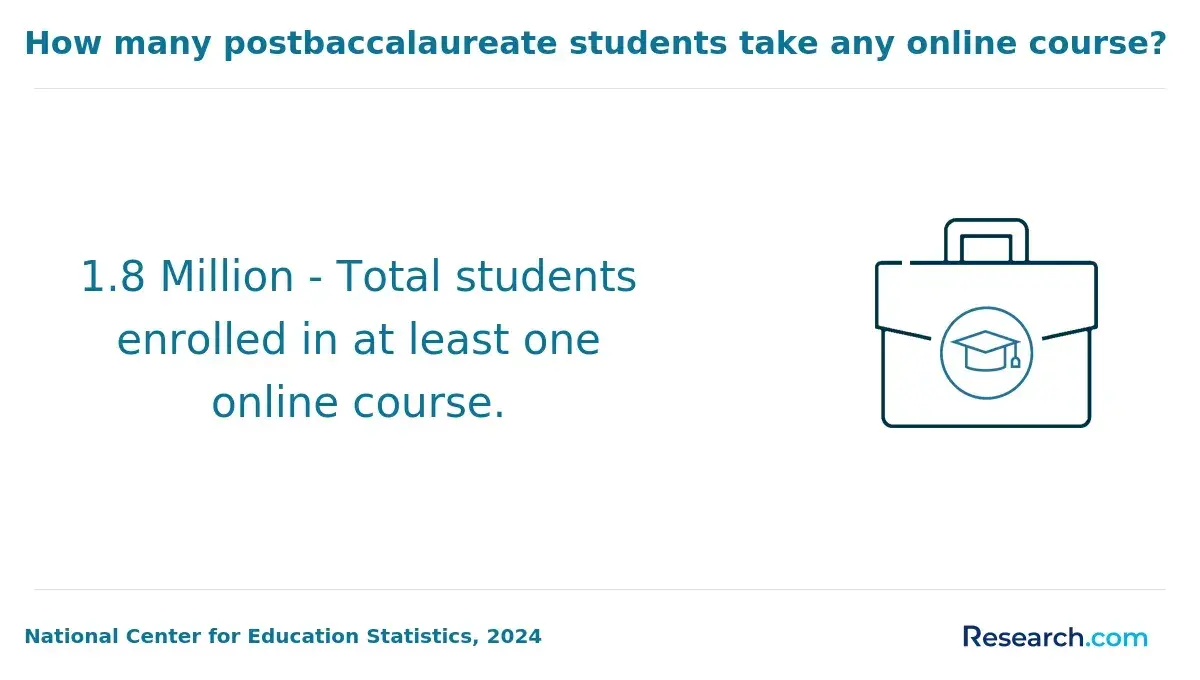
Determining whether arizona state university's online master of architecture (MArch) fits a student's professional trajectory and learning preferences requires clarity on program flexibility, curriculum depth, and career alignment. With a 24% rise in online graduate enrollments reported by the National Center for Education Statistics in 2023, adult learners increasingly prioritize programs that balance rigorous training with accessibility. Students must weigh how the program's structure supports licensure goals, design skills development, and networking opportunities remotely. This article examines the program's cost, curriculum, admissions, and career outcomes to help prospective students assess its alignment with their academic ambitions and workforce prospects.
Key Points About Arizona State University's Master of Architecture (MArch) Program
- A 90% acceptance rate at Arizona State University's online Master of Architecture (MArch) lowers admission barriers but may impact peer competitiveness and networking advantages in an increasingly selective field.
- Employers recognize graduates from this accredited MArch program, with a strong alumni network supporting diverse career trajectories, signaling practical workforce alignment despite varying regional market demands.
- The total tuition of $34,845 reflects a moderate investment for remote architectural education, requiring candidates to weigh cost against potential return via employability and career advancement opportunities.
What can students expect from Arizona State University's online Master of Architecture (MArch) curriculum?
The online Master of Architecture (MArch) curriculum at Arizona State University reflects a careful alignment with national licensure standards while accommodating the realities of remote learning. Its structure mirrors traditional U.S.-based programs, emphasizing design studios, technical competencies, and professional knowledge, which is crucial for graduates seeking licensure and employment in a competitive architectural job market. For example, a student balancing part-time work and study will find the program's virtual studio environments and asynchronous technical courses flexible but still demanding in terms of collaboration, deadlines, and software proficiency. Below are three core curricular components illustrating the program's workforce-centered focus:
- Design Studios:These form the heart of the curriculum, requiring students to develop creative problem-solving skills through complex architectural projects. They simulate real-world practice by integrating design thinking, client needs, and regulatory constraints, making students ready for professional challenges.
- Building Technology:This coursework addresses structural systems, environmental controls, and materials science, equipping students with the technical knowledge essential for translating design concepts into feasible, code-compliant buildings. Mastery here differentiates candidates in firms focused on sustainable and innovative construction methods.
- Professional Practice:Focused on legal frameworks, business acumen, and ethical responsibilities, this component prepares students to navigate the architectural profession's regulatory landscape, including licensure requirements and client interactions-an area often underemphasized yet vital for career longevity.
ASU's career-focused online MArch courses reflect the evolving nature of architecture as a multidisciplinary field. Students gain advanced skills in industry-standard software alongside critical analysis of environmental and societal impacts, balancing conceptual and practical demands. While online delivery demands a high degree of self-discipline, the curriculum is designed to produce graduates who have met national academic benchmarks and are positioned for success across varied architectural career paths. Prospective students should weigh how these program features align with their professional goals and personal circumstances, especially if considering options such as PhD programs online.
What are Arizona State University's admission requirements for online Master of Architecture (MArch) program?
Arizona State University applies a selective admission process for its online Master of Architecture (MArch) program, which means candidates must provide evidence of foundational academic preparation rather than relying on open admissions. Prospective students face practical considerations such as demonstrating English proficiency for non-native speakers and providing documents that affirm their academic readiness. Below are key admission requirements, each reflecting critical checkpoints that help assess an applicant's fit and potential success in this advanced professional degree.
The following outlines primary admission expectations for students applying to the MArch program:
- Academic Credentials: Applicants must hold a high school completion certificate, with a GED accepted as equivalent. Official secondary school transcripts are required to verify academic history and ensure readiness for graduate study.
- Standardized Testing: Submission of SAT, ACT, or GMAT scores is recommended but not required. While these scores can strengthen an application, their absence does not preclude admission, reflecting a focus on portfolio and competency evidence over tests.
- English Proficiency: International students or those whose primary language is not English must submit TOEFL scores. This ensures applicants can engage with rigorous coursework and communicate effectively in the program's primarily English-language environment.
- Supporting Materials: Portfolios and letters of recommendation are advised to demonstrate skills, architectural experience, and potential. These are not mandatory but carry weight in evaluating design aptitude and professional readiness.
- Technology Access: Reliable computer access is required due to the program's online delivery format. Arizona State University supports students through computer purchase or lease plans, addressing a common barrier in digital learning environments.
A student without official secondary transcripts or reliable technology access would face significant hurdles in this process, illustrating why these requirements move beyond formality to practical gatekeeping. For working professionals balancing education with career demands, the absence of mandatory standardized tests may be a strategic advantage, allowing a focus on portfolio strength and demonstrated competencies rather than test performance.
Is it difficult to get admitted to Arizona State University's online Master of Architecture (MArch) program?
Admission to a typical Master of Architecture (MArch) program is often competitive, reflecting a field where portfolio quality, academic rigor, and practical experience heavily influence acceptance. Many programs require standardized test scores and maintain lower acceptance rates to manage limited, high-demand cohorts. For applicants, this can mean extensive preparation and focused application strategies to stand out.
Arizona State University's online MArch program presents a different scenario with a 90% acceptance rate, positioning it among more accessible programs when compared to traditional, highly competitive architecture schools. With roughly 68,840 university-wide applicants each year and 62,084 admitted, the overall admission environment at ASU is less restrictive. Notably, the absence of SAT or ACT requirements simplifies entry barriers, especially for candidates prioritizing experience and academic records over standardized testing.
This lower threshold may signal more flexibility but also raises the importance of how students demonstrate readiness beyond test scores. Employers might still weigh the program's outcomes against those from more selective institutions, factoring in experience and practical skill development in hiring decisions.
A graduate recounted initial uncertainty about applying online due to concerns over program rigor but found the process surprisingly straightforward. "I didn't have to stress over test scores, which gave me time to polish my portfolio and emphasize my professional background," they shared. The ease of admission allowed them to focus on aligning their previous work with the program's demands, alleviating anxiety but also prompting reflection on the need to self-motivate without the pressure of a competitive selection environment.
What is the cost of attending an online Master of Architecture (MArch) program at Arizona State University?
The tuition for the online Master of Architecture (MArch) program at Arizona State University is $12,051 annually, excluding additional costs such as books and supplies, which average $1,320 per year. This relatively modest tuition rate applies uniformly regardless of the student's location, as the university does not impose extra online-specific fees. For students balancing family or professional responsibilities, this predictable cost structure can reduce financial uncertainty while pursuing a specialized graduate credential.
When comparing the cost of the online MArch program at Arizona State University with other programs nationwide, the tuition places it at the lower to mid-range end of the spectrum. Many Master of Architecture programs command annual tuitions between $20,000 and $40,000, often with separate fees for out-of-state learners or on-campus amenities. Students must weigh these cost differences against factors like program reputation, flexibility, and potential networking opportunities in their local job markets.
The total cost of attendance, including living expenses, is estimated at around $34,845, which highlights a common challenge for working students: managing both tuition and indirect costs. While the program's affordability is advantageous, practical costs such as housing and materials remain significant and should factor into long-term budgeting decisions for prospective architecture graduates.
Choosing the online MArch program at ASU requires assessing the economic tradeoffs of this option against other pathways and considering emerging trends in online degrees. Affordability combined with the program's structure aligns with current workforce demands where flexibility and cost efficiency influence enrollment decisions among architecture professionals seeking advanced credentials.
Are there financial aid options for online Master of Architecture (MArch) students at Arizona State University?
Financial aid options for students in the online master of architecture (MArch) program at Arizona State University can materially influence affordability but require strategic navigation. While specific scholarships targeting the online MArch are limited, applicants who leverage broader institutional aid and external benefits may reduce their out-of-pocket costs meaningfully. Students employed by organizations with tuition reimbursement programs, for example, may find that these benefits considerably ease financial burdens, especially when paired with federal aid. However, prospective students should weigh the variable availability and eligibility criteria of these resources rather than assume uniform access.
The landscape of financial support for ASU's online MArch students includes several distinct avenues:
- Institutional Scholarships: These scholarships are merit- or need-based and available to MArch students submitting strong academic records or portfolios; award amounts vary and typically require regular renewal applications.
- Corporate Tuition Reimbursement: Employed students whose companies offer educational benefits can often apply these to reduce tuition costs, though coverage depends on employer policies and may require pre-approval.
- Veteran Benefits: Eligible veterans or active-duty military personnel may access federal and state education benefits applicable to graduate programs, helping offset tuition expenses contingent on service qualification.
- Federal Financial Aid: FAFSA is essential to access subsidized and unsubsidized federal loans and grants, with eligibility tied to academic progress and accredited enrollment; repayment options for graduate loans tend to be more flexible but still represent long-term obligations.
What learning resources are available to online Master of Architecture (MArch) students at Arizona State University?
Effective learning resources critically shape the outcomes of an online master of architecture (MArch) program by mitigating the disconnect often experienced in remote education, particularly in design-intensive fields where hands-on interaction is traditionally valued. Students navigating the architectural profession's technological and collaborative demands rely heavily on digital tools and academic support to maintain competitiveness. For instance, difficulties in mastering CAD or BIM software without direct in-person coaching can delay project completion and weaken portfolio quality, underscoring the importance of access to specialized technical help. Below is a summary of the primary resources available to online MArch students at Arizona State University to help address these challenges.
- Technical Support: Dedicated assistance for architecture-specific software including CAD and BIM is available to help students troubleshoot and master complex tools essential to their coursework, preventing technological setbacks that can impede learning progress.
- Digital Infrastructure: The program provides seamless remote access to course materials, virtual studios, and collaborative platforms, enabling students to engage in design workshops and peer critiques that mirror on-campus experiences.
- Academic Advising and Tutoring: Personalized services offer targeted academic guidance, including writing center resources, helping students enhance the rigor and clarity of their work while managing the demands of graduate-level study remotely.
- Faculty Interaction: Virtual office hours and discussion forums facilitate regular faculty engagement, allowing for critical feedback and mentorship that support students' professional development and project refinement.
- Career Networking: Students tap into virtual career fairs, internship placements, and alumni events that connect them with practicing architects and firms, vital for building relationships and gaining real-world opportunities in an increasingly competitive job market.
Does Arizona State University's online Master of Architecture (MArch) program have in-person clinicals or practicums?
Architectural licensure and many employer expectations often hinge on demonstrable practical experience, traditionally gained through in-person clinicals or practicums. These internships or residencies provide crucial exposure to real-world project management, client interaction, and site supervision-elements that hybrid or remote formats may struggle to replicate fully. For students navigating licensure pathways, the absence of mandated on-site practicum components necessitates proactive engagement with external work environments to ensure competitive readiness in architectural practice.
When examining whether Arizona State University's online Master of Architecture (MArch) program requires in-person clinicals or practicums in Arizona, it becomes clear that it does not mandate traditional onsite residencies. Unlike many programs that include formal internships as a graduation criterion, ASU integrates practical experience through virtual studios and collaborative project work. This approach aligns with the program's design to develop hands-on skills remotely while leveraging digital platforms, reflecting evolving pedagogical models in architectural education. However, students are encouraged to gain supplemental external internships or professional experience to satisfy licensing bodies' expectations and enhance employability.
The absence of formal on-campus practicum or residency requirements in Arizona State University online MArch hands-on practicum and residency requirements means that students must balance their academic commitments with independently secured practical opportunities if they aim to meet certain state licensing prerequisites or employer preferences. This model offers flexibility but shifts responsibility onto students to create meaningful professional experiences beyond coursework. Prospective students weighing the tradeoffs should consider how well this format fits their self-directed learning style and career timeline, especially when compared to programs with integrated mandatory internships. Interested candidates may also explore the cheapest masters online options available to align financial planning with their educational objectives.
What careers can graduates of online Master of Architecture (MArch) at Arizona State University secure?
The professional marketability of graduates from the online Master of Architecture (MArch) at Arizona State University hinges on how effectively the program translates academic learning into sustainable career paths. Choosing this degree implies tradeoffs around licensure timelines and interdisciplinary skill integration, which can distinctly influence employability in sectors like architectural design and urban planning. Graduates face a competitive field where technical proficiency, regulatory knowledge, and project oversight capabilities shape long-term prospects. The program's focus on practical expertise aligns with roles requiring adaptability across commercial, residential, and institutional projects. Below are some typical career directions for holders of this degree.
- Licensed Architect: Professionals who concentrate on designing compliant, safe structures while meeting client specifications. This role generally requires passing licensure exams and offers salaries that reflect responsibility for project legality and safety.
- Architectural Designer: These individuals support the creative phase of building conception, often working alongside licensed architects to develop innovative layouts, with earnings varying based on firm size and project complexity.
- Project Manager in Architecture: This position oversees project timelines, budgets, and coordination among stakeholders, demanding both technical knowledge and leadership skills, with remuneration tied to project scale and success.
- Urban Planner: Utilizing architectural expertise for community development and land use, this role often intersects with policy considerations, influencing how sustainable architecture concepts are applied in broader contexts in Arizona.
- BIM Manager: Specialists in Building Information Modeling who implement digital tools to optimize design and construction processes, a role increasingly vital as technology reshapes architectural workflows.
Graduates looking into employment opportunities in sustainable architecture in Arizona for master's in architecture holders will find their skills relevant in evolving markets. Considering the practical outcomes of this degree, some may also explore ancillary credentials such as easy certifications to get online that complement architectural expertise and expand career flexibility.
What is the salary outlook for online Master of Architecture (MArch) graduates?
The salary outlook for graduates of the online master of architecture (MArch) at Arizona State University highlights a measured entry point into architecture-related careers, with practical implications for those weighing time and financial investment. The median alumni salary across all degrees is $62,668, while architecture-specific graduates report a median starting salary of $41,663. This gap reflects the field's typical early-career salary compression compared to broader disciplines, suggesting graduates may initially face more modest earnings despite demanding qualifications.
For many prospective students, the financial tradeoff lies in recognizing that early income may not immediately compensate for program costs but can improve with licensure, project leadership, and specialization over time. Related fields such as landscape architecture and construction management offer median salaries of $46,569 and $70,195, respectively, illustrating divergent pathways where MArch graduates must strategically gain experience to align earnings with or surpass these comparators. This context positions the program's salary prospects within a realistic labor market lens rather than inflated expectations.
Those exploring Arizona State University online master of architecture salary prospects should also consider the broader value of skills in design and sustainable construction that afford gradual upward mobility. The degree's applicability in various sectors aligns with observed trends where architectural expertise supports interdisciplinary roles. For students balancing professional work and education, this program complements other accelerated online bachelor degree programs accredited by institutions adapting to flexible career pathways.
How do you know if Arizona State University's online Master of Architecture (MArch) program is the right choice for you?
Choosing an online master of architecture (MArch) program requires a thorough assessment of how well it meets your specific educational needs and career plans, rather than relying solely on general program reputation. This alignment affects not just your learning experience but also how effectively the degree supports professional licensure and integration into industry practices. Consider these critical factors as part of your decision process:
- Accreditation and Licensure Pathways: Confirm the program holds National Architectural Accrediting Board (NAAB) accreditation, as this standard is essential for eligibility in many state licensing jurisdictions and signals curricular quality aligned with industry norms.
- Instructional Format and Flexibility: Evaluate how live versus recorded learning sessions balance with your work schedule and study habits. Since architecture education involves substantial design studio work, the delivery method's effectiveness in fostering engagement and peer collaboration is crucial.
- Curricular Relevance and Technology Integration: Identify whether the curriculum combines theoretical knowledge with practical skills, particularly the use of current architectural software and emerging digital tools, which employers increasingly expect.
- Career Support and Professional Networking: Consider the program's connections to professionals and firms, as these networks influence internship opportunities and job placements post-graduation.
- Self-Motivation and Time Management Demand: Online programs require disciplined independent study; assess your readiness for a learning environment where structured guidance is balanced with significant autonomy.
One graduate recounted wrestling with the choice between in-person options near their home and the fully online program at Arizona State University. Working full time while supporting a family left little room for campus visits or rigid schedules. They felt uncertain about online studios translating into a quality experience but ultimately found the mix of live critiques and on-demand content manageable and, importantly, that the NAAB accreditation assured them the degree met licensure benchmarks. The sense of being part of a diverse, collaborative cohort online was initially surprising but quickly became a key part of their motivation. Reflecting back, they said, "Knowing I could balance work, family, and a rigorous curriculum without sacrificing professional standards was what made ASU's online MArch the right fit for me."
What Graduates Say About Arizona State University's Master of Architecture (MArch) Program
- David: "Completing my online master of architecture at Arizona State University provided a rigorous curriculum that made me rethink how I approach design challenges in real-world projects. What stood out was the emphasis on developing a strong portfolio, which turned out to be a critical asset when I was applying for internships and eventually full-time roles. Although licensure still remains a complex process, the program's flexibility allowed me to gain relevant work experience alongside my studies, which gave me a leg up in today's competitive hiring environment."
- Anika: "My experience at Arizona State University's master of architecture program was eye-opening in terms of balancing academic theory with practical applications. I learned a lot about sustainable design and digital modeling tools that my current employer values highly. However, I found that many firms prioritize certifications and demonstrable skills over just holding a degree, so I had to supplement my education with internships. The online format gave me the freedom to take on freelance projects, which helped me build a diverse portfolio and gave me insights into the realities of practicing architecture remotely."
- Adam: "Studying the master of architecture online at Arizona State University taught me the importance of navigating career pivots strategically. Initially, I aimed for licensure right after graduation, but quickly realized that employers often place more weight on hands-on experience and project management skills. The coursework was challenging, especially coordinating group projects virtually, but it prepared me well for those practical hurdles. In the end, the program accelerated my entry into architecture firms with flexible, remote roles, although I'm aware that salary advancements may require additional certifications down the line."
Other Things You Should Know About Degrees
In 2027, the cost of attending Arizona State University's online Master of Architecture (MArch) program is approximately $25,000 per year for tuition and related fees. This may vary depending on the specific course load and additional expenses.
While the program meets the national architectural accreditation standards necessary for the Architectural Experience Program (AXP), some states have additional licensure requirements or prefer degrees with certain in-person studio components. Applicants should research state-specific licensing boards early on, especially if planning to practice outside Arizona. Prioritizing states aligned with ASU's program structure can reduce complexity in the licensure process and streamline career entry.
Networking in the ASU online MArch involves virtual events, online discussions, and access to faculty and peers, but lacks the spontaneous interactions typical in campus settings. This can limit informal mentorships and connections that often lead to job referrals. Students should proactively engage in professional organizations and local architecture communities to compensate for the reduced face-to-face networking, making intentional outreach a priority to enhance career chances.
The emphasis on sustainability and digital design tools equips graduates with skills highly sought by innovative and environmentally focused architecture firms. This specialization positions alumni favorably for roles involving green building design, urban planning, and advanced modeling, but may be less advantageous for firms prioritizing traditional construction methods. Prospective students should weigh their career goals and consider if an ASU MArch with this focus aligns with the market niche they wish to enter.
References
- Scholarships & Opportunities - Study Architecture | Architecture Schools and Student Information https://studyarchitecture.com/blog/architecture-news/scholarships-opportunities/
- Master of Architecture at Arizona State University- TEMPE: Tuition: $25,200.00 USD/year (Scholarship Available) https://www.riteapply.com/products/master-of-architecture-at-arizona-state-university-tuition-25-200-00-usd-year-scholarship-available
- Architecture BS/BA/BArch for B+ student interested in traditional architecture? https://talk.collegeconfidential.com/t/architecture-bs-ba-barch-for-b-student-interested-in-traditional-architecture/3691422
- M.Arch from UO , UIC or ASU ? | Forum | Archinect https://archinect.com/forum/thread/149976581/m-arch-from-uo-uic-or-asu
- Arizona State University Campus Immersion Architecture | 90% Acceptance Rate, ROI 70/100 https://www.gradgpt.com/arizona-state-university-campus-immersion/masters/architecture