2027 Best Online Degrees at Vanderbilt University: Programs, Tuition, and Admissions

Co-Founder and Chief Data Scientist
Choosing Vanderbilt University for online degrees in 2026 challenges the myth that elite, research-intensive institutions lack flexible options for nontraditional students.
Vanderbilt's programs prioritize rigorous interdisciplinary learning tailored to working adults and transfer students, supported by its commitment to combining academic excellence with accessibility. With approximately 68% of enrolled students engaged in part-time or online study according to the latest NCES data, the university reflects a growing trend to serve diverse learners who need adaptable scheduling alongside high-caliber instruction.
Prospective students navigating online degree choices must evaluate more than just program availability; factors like pacing options, credit transfer policies, tuition transparency, and the robustness of career services significantly affect outcomes.
Admissions criteria at Vanderbilt demand careful preparation, and financial aid complexity can influence affordability. By examining these elements systematically, alongside measurable learning support and career mobility, this article aims to equip readers with a nuanced understanding of the practical tradeoffs they face enrolling in Vanderbilt's online offerings.
Quick Facts About Vanderbilt University Online Degrees
- Vanderbilt University's average annual cost of attendance is approximately $67,342, which ranks it among higher-tier private institutions; prospective online students should weigh this against potential financial aid and compare return on investment, especially since nonresident tuition and fees often drive such figures higher.
- The school offers strong career-focused programs in fields such as nursing, business, and healthcare, with many online options aligning closely to licensure and professional certification requirements, providing direct pathways to career advancement and making these degrees especially relevant for working adults seeking to upskill or change careers.
- Vanderbilt maintains a moderately selective transfer policy with about 6% of the student body entering via transfer pathways and supports Fall transfers with prior-learning credit evaluations, which is beneficial for transfer and adult learners aiming to accelerate degree completion while ensuring prior credits apply efficiently.
Is Vanderbilt University a Good School for Online Degrees?
Contrary to assumptions that larger online providers offer the best fit for adult learners, Vanderbilt University's relatively focused online portfolio reflects a deliberate emphasis on quality and faculty engagement rather than scale.
In our research, Vanderbilt's private, research-intensive environment supports an academically rigorous online experience but offers fewer program options and smaller cohorts than broad-access institutions. This niche approach suits professionals seeking personalized mentoring and courses embedded with active research contexts, particularly in fields like education and business.
Yet, prospective students should recognize the tradeoff: its premium tuition and limited fully asynchronous offerings may hinder flexibility and affordability. Vanderbilt's institutional status allows it to craft innovative, high-standard programs but also means selective admissions and less expansive online enrollment.
For those weighing Vanderbilt University online degree programs 2026, this implies prioritizing intimate academic engagement over extensive online breadth.
Focused Academic Environment
Vanderbilt's smaller online cohorts foster close faculty interaction, which benefits learners who value tailored support and direct mentorship. This intimate environment is less common among large-scale online schools and may enhance academic rigor and networking within specialized professional fields.
Limitations in Program Scale and Flexibility
The university's boutique online offerings limit options primarily to graduate and professional levels, contrasting with institutions offering wide-ranging undergraduate online degrees. This narrower scope may reduce peer networking diversity and limit entry points for students seeking highly flexible, fully asynchronous scheduling. Additionally, the cost structure driven by Vanderbilt's private status can be a deciding factor for some applicants.
One recent graduate shared that choosing Vanderbilt's online program was motivated by the prospect of small class sizes and direct faculty access, crucial for balancing her full-time job with study.
She noted, "The personal attention made the difference when juggling work and coursework, though I sometimes wished there were more course options or more flexible scheduling."
Her experience underscores how Vanderbilt's online degrees suit motivated professionals prioritizing quality and mentorship over program variety or expansive flexibility.
What Online Degree Programs Does Vanderbilt University Offer?
Vanderbilt University's online degree offerings prioritize advanced graduate education, explicitly excluding associate and bachelor's degrees. This focus channels resources into graduate programs that cater to professionals and career changers seeking specialization or leadership roles.
The absence of undergraduate online programs underscores Vanderbilt's strategic choice to concentrate on depth rather than broad-based accessibility for early-career learners.
Master's degrees constitute the core of Vanderbilt's online academic portfolio, with key programs in public health, education, business, and engineering. For example, the Online Master of Public Health integrates applied skills in epidemiology and health policy, targeting industry and public sector leadership positions.
Similarly, the Master of Education program offers specialized tracks like curriculum instruction and educational leadership, relevant for active educators pursuing advancement. The inclusion of Master of Accountancy and engineering degrees with civil and environmental focuses reflects alignment with workforce demands in business and infrastructure sectors.
Doctoral options are limited but distinctive, chiefly the Doctor of Education in Leadership and Learning designed for mid-career professionals aiming for organizational impact rather than pure academic research.
Online microcredentials and certificates complement these degrees, offering stackable credentials in healthcare, business, and music disciplines to support targeted professional development.
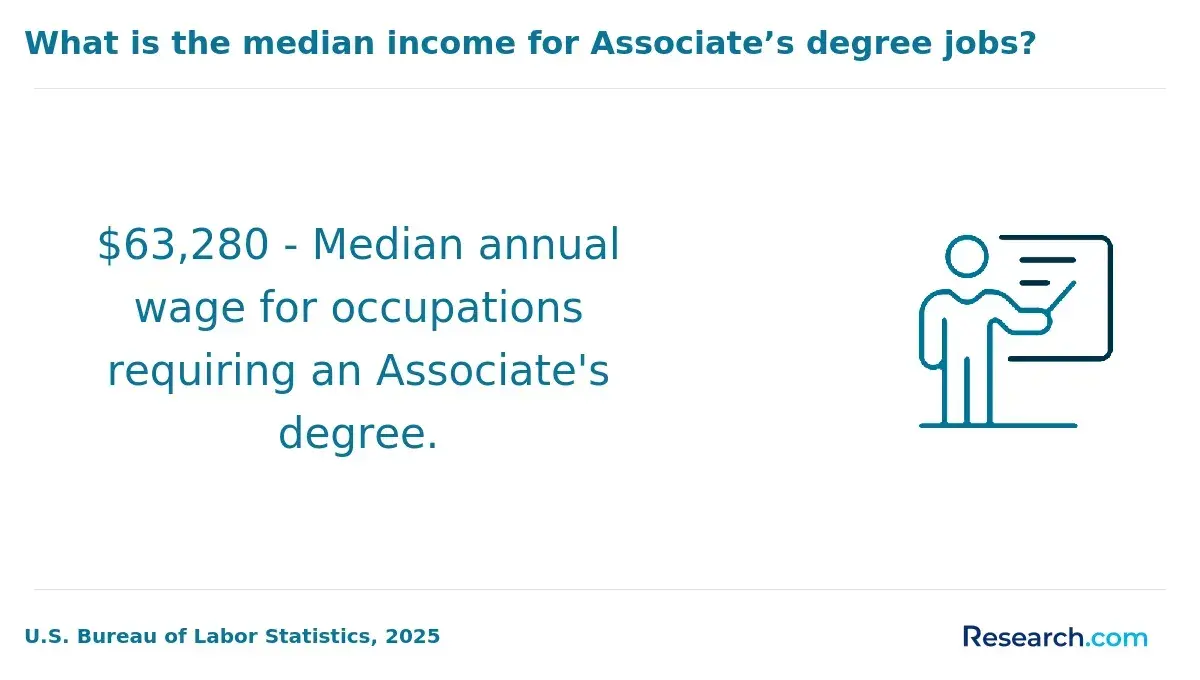
Check out our list of some of the good degrees to get in the US for your reference.
How Do Online Classes Work at Vanderbilt University?
How do online classes work at Vanderbilt University? Our research shows that Vanderbilt's online programs primarily use asynchronous formats, offering maximum scheduling flexibility that supports self-paced study around work and family commitments. This approach requires strong time management, as students must meet firm deadlines without real-time lectures.
Hybrid models mix asynchronous content with scheduled synchronous sessions, typically held in evenings or occasionally midday, providing live interaction that benefits comprehension but may pose challenges for those with inflexible schedules or caregiving duties.
Vanderbilt offers both part-time and full-time enrollment, though many adults select part-time to balance workload, typically one to two courses per term-with the option for accelerated courses spanning 5 to 7 weeks that demand intensified focus and pacing.
These condensed terms can speed completion but require careful planning around personal and professional responsibilities. Brightspace LMS and integrated tools support mobile access and efficient communication.
However, some programs include mandatory in-person components like internships or labs, which students should factor into their scheduling and geographic considerations.
How Long Does It Take to Complete an Online Degree at Vanderbilt University, and Can Transfer Credits Speed It Up?
It is a common misconception that fully online degree completion at Vanderbilt University follows a traditional four-year or standard timeline. Based on our research, Vanderbilt's online bachelor's degrees function primarily as degree-completion programs requiring 120 to 130 credit hours, and full-time transfer students with 60 or more credits can finish in about two to three years.
Part-time students taking fewer credits per term often take 3 to 5 years, reflecting a key tradeoff between pacing and life commitments. For master's degrees, timelines vary by program: the Master of Science in Nursing takes 18 to 24 months for full-time students, while education master's can complete in one to two years.
Transfer credits heavily influence degree duration; undergraduates may transfer up to 64 credits, which can significantly accelerate graduation. However, graduate transfer credits are limited, typically allowing only 6-12 hours, so students often complete most coursework at Vanderbilt.
This nuanced landscape means transfer credits and enrollment status directly affect the time to complete an online degree at Vanderbilt University.
Influence of Enrollment Status and Transfer Credits
Full-time enrollment-usually defined as 12 or more undergraduate credits per term-facilitates faster degree completion but demands balancing academic load with other responsibilities. Part-time status extends time to degree yet provides necessary flexibility for many nontraditional students.
Vanderbilt's approach emphasizes steady progress through multiple annual start dates rather than aggressive acceleration, creating practical scheduling options but limiting rapid completion.
Transfer credits can shorten this timeline substantially; however, acceptance involves rigorous evaluation to ensure curricular alignment, so transfer students should plan accordingly. This balance reflects the real-world challenge of timing a degree under varied personal and academic conditions.
Year-Round Enrollment and Program Structures
Vanderbilt's multiple start dates and year-round course availability support accelerated progression when students maximize terms without breaks. However, unlike some institutions, Vanderbilt does not broadly offer compressed terms or accelerated online undergraduate tracks, prioritizing structured cohort pacing.
Graduate programs like the Executive MBA present accelerated hybrid options, but these are exceptions rather than the rule. In our analysis, this structured pacing aligns with institutional goals of academic rigor and student success but may limit highly expedited degree paths.
One recent Vanderbilt online graduate recalls navigating the transfer credit process carefully. After transferring 60 credits from community college, she managed full-time enrollment while working part time, enabling her to finish her bachelor's in three years instead of the usual four.
She noted, "The transfer process was thorough; I had to submit detailed syllabi and transcripts for each course. Once approved, it felt like gaining a head start," adding that Vanderbilt's multiple enrollment periods helped her stay on track without taking overloads.
Balancing work and study wasn't easy, but the flexible pacing "allowed me to keep my job while steadily advancing toward graduation." This experience underscores how practical planning around transfer credits and enrollment intensity shapes time to degree completion at Vanderbilt University.
How Much Does an Online Degree at Vanderbilt University Cost?
Contrary to common assumptions about tuition variability by residency, Vanderbilt University charges uniform rates for online students, reflecting its private institution model. Our research shows that graduate-level online courses, such as the Master of Engineering, are billed around $1,995 per credit hour, aligning with on-campus pricing.
Undergraduate online offerings, mainly the RN-to-BSN program, cost between $1,000 and $1,200 per credit, leading to estimated total tuition around $30,000 to $48,000 for a bachelor's degree.
For master's degrees requiring roughly 30 credits, total tuition ranges approximately from $60,000 to $72,000, depending on the program. Additional mandatory fees, including technology and student services, add several hundred dollars per term, which can increase total costs beyond base tuition.
Our analysis incorporating broader tuition data suggests that while Vanderbilt's online program costs are higher than many public alternatives, the consistency in tuition and the absence of residency distinctions simplify financial planning for prospective online students, particularly working adults or transfer candidates seeking transparent cost structures.
Does Vanderbilt University Offer Financial Aid for Online Students?
Vanderbilt University offers several financial aid options for online students, but access often depends on enrollment status and program eligibility. Federal aid through FAFSA applies similarly to online and on-campus learners, though part-time or non-degree students may face restrictions. Pell Grants are available primarily for at least half-time enrollees, limiting some online students' eligibility.
State aid varies widely since Vanderbilt is a private Tennessee institution, and many state scholarships require residency or enrollment in public institutions, narrowing options for out-of-state online learners. Institutional scholarships exist but usually favor full-time enrollment and have competitive renewal standards.
Employer tuition reimbursement is a viable resource for working students, though funds typically arrive only after upfront payments. Military and veteran benefits, including the GI Bill® and Yellow Ribbon Program, are well supported for online degree candidates.
These layers of aid necessitate thorough planning to optimize available support and manage expenses realistically for those seeking financial assistance for online degrees at Vanderbilt.
In our analysis, the average online tuition at Vanderbilt being about $53,335 underscores the importance of leveraging a combination of federal, state, institutional, and external funding sources to control costs effectively. For many, employer reimbursement or military benefits can significantly reduce out-of-pocket expenses.
Prospective students must confirm program-specific aid eligibility and prepare for potential limitations linked to part-time status or online delivery.
Consider the experience of a recent online graduate who balanced full-time work with Vanderbilt's online program. Initially unsure how to finance the education, she applied for FAFSA aid, qualifying for federal loans and a Pell Grant by maintaining half-time enrollment.
Employer tuition reimbursement covered a substantial portion after she demonstrated satisfactory grades, yet she managed cash flow carefully through Vanderbilt's payment plan options. Though no exclusive online scholarships applied to her situation, she benefited from transfer student awards based on prior academics.
She reflects, "Being proactive with the financial aid office and understanding each aid source's timing was key. It wasn't simple, but having multiple aid streams made completing my degree feasible without overwhelming debt." This underscores the layered, often complex approach required for financing online education at Vanderbilt University.
What Are the Admissions Requirements for Vanderbilt University Online Programs?
The admissions requirements for Vanderbilt University's online programs reflect a selective process that balances academic rigor with flexibility for diverse applicants.
While Vanderbilt's undergraduate online acceptance remains highly competitive-mirroring the roughly 8-9% acceptance rate of its on-campus programs-graduate online admissions typically have broader acceptance margins ranging from 30% to 50%, supporting access for working professionals.
Our research shows undergraduate applicants generally need a minimum GPA of 3.0, but competitive candidates often present averages above 3.7, indicating strong academic preparation is critical.
Graduate admissions vary more by program, often requiring at least a 3.0 GPA from undergrad work, with some programs favoring higher standards or emphasizing prior graduate-level achievement.
Standardized testing is optional for most undergraduate online applicants, aligning with national trends to reduce barriers, though select graduate programs still require GRE or GMAT scores depending on discipline.
Transfer credit policies follow traditional criteria, accepting regionally accredited coursework with minimum grades of C for undergraduates and B for graduate credits, though caps and restrictions apply, especially for professional programs.
A holistic review is standard, weighing transcripts, recommendations, professional experience, and fit. Multiple start dates and rolling admissions offer flexibility but require attentiveness to varying deadlines and materials.
Is Vanderbilt University Accredited and Respected by Employers?
Employer respect for Vanderbilt University hinges largely on its regional accreditation by the Southern Association of Colleges and Schools Commission on Colleges (SACSCOC), recognized as the gold standard for academic legitimacy in the U.S.
This foundational accreditation guarantees rigorous quality and strengthens employers' confidence in degrees earned, whether online or on-campus.
Additionally, Vanderbilt's specialized program accreditations, including AACSB for business, CCNE for nursing, and CAEP for education, directly impact licensure and employment eligibility in regulated professions, reducing barriers in competitive job markets.
Academic Credibility and Transferability
Degrees from Vanderbilt enjoy broad credit transfer acceptance and priority consideration in graduate admissions, owing to its dual institutional and programmatic accreditation. Employers routinely verify such credentials and seldom question Vanderbilt's due to its firm accreditation base and robust academic standards.
Institutional Reputation and Employer Perception of Online Degrees
Ranked consistently in the top 20 nationally across disciplines in the research.com database, Vanderbilt's research stature bolsters employer trust, extending prestige to its online degrees. Employers increasingly value institutional reputation and accreditation over delivery mode, with Vanderbilt's online programs mirroring on-campus rigor in faculty and curriculum, further mitigating doubts about online degree validity.
What Support Services Does Vanderbilt University Offer Online Students?
Contrary to the assumption that online education primarily relies on self-study, Vanderbilt University's online student support framework integrates robust, personalized services to address the diverse needs of remote learners.
Based on our research, this multifaceted system enhances persistence by providing comprehensive academic advising tailored to virtual students, including transfer credit evaluations that significantly reduce administrative hurdles for credit transfer candidates.
The university deploys academic coaching and tutoring via synchronous and asynchronous methods, accommodating working adults balancing complex schedules, although demand can occasionally limit immediate availability in peak times.
Career services parallel on-campus offerings and include virtual fairs and individualized coaching, supported by counselors experienced with remote engagement-though networking depth may be affected by the virtual format.
Technical support with extended hours ensures access beyond typical working times but requires a degree of self-sufficiency in navigating resources. Vanderbilt's extensive online library and research assistance reflect its research-oriented mission, critically supporting scholarly rigor for remote students.
Mental health resources provide necessary emotional support through telehealth, yet sporadic counselor wait times indicate capacity challenges as enrollment grows.
Prospective students considering Vanderbilt's online academic resources for Vanderbilt students should weigh these strengths with operational nuances, particularly regarding scheduling and real-time support limitations.
Vanderbilt's comprehensive online services illustrate an intentional alignment with non-traditional student realities and diverse learner needs, a factor crucial to academic success across virtual environments.
One Vanderbilt graduate shared how the academically tailored advising and writing center support transformed her remote learning experience while balancing childcare and a full-time job.
"My advisor knew exactly how to navigate transfer credits, which saved me months. The writing center was a lifeline-I could submit drafts anytime and get detailed feedback that fit my hectic schedule." She noted that while career fairs and counseling were invaluable, she had to be proactive to overcome the less spontaneous nature of online networking, reflecting a realistic online student's balancing act.
Is an Online Degree From Vanderbilt University Worth It?
The perception that online degrees lack return on investment is challenged by Vanderbilt's data, which shows early-career median salaries near $64,000 and mid-career pay reaching about $112,000, indicating sustained earnings growth.
Based on our research, Vanderbilt's online MBA graduates report median salaries around $98,000, reflecting strong market alignment in business fields. With median graduate debt approximately $40,000, the earnings-to-debt ratio of about 1.6:1 suggests a manageable financial commitment when compared to typical borrowing risks.
Employment placement exceeds 90% within six months for major programs, enhancing practical career benefits of Vanderbilt online programs through robust industry connections.
For students evaluating online degree value at Vanderbilt University, balancing debt load against clear salary trajectories and job prospects is essential. Additional guidance on degree options can be found through degrees felons can get.
What Graduates of Vanderbilt University Online Programs Say
- Scarlett: "Balancing a full-time job and family made attending a traditional campus program impossible, so I opted for Vanderbilt's online degree to fit studies into my hectic schedule. Though I initially worried about missing out on networking events, the flexibility allowed me to complete the coursework while building a portfolio that ended up being more relevant during job interviews than formal licensure. I'm now working remotely in a role that values practical skills over credentials, though I recognize that advancing beyond mid-level might require additional certifications down the road."
- Cassidy: "After deciding to pivot from marketing to data analytics, I faced the challenge of limited savings and the urgency to enter the workforce quickly. Vanderbilt's online program struck the right balance, enabling me to gain solid analytical skills without accruing heavy debt. While the absence of an internship component meant I had to hustle extra for hands-on experience, the capstone project I completed became a key talking point in interviews. I landed an entry-level analyst position, but I'm mindful that continuous upskilling will be essential in such a rapidly changing field."
- Serenity: "Returning to school later in life with a demanding workload meant I had to weigh flexible study options carefully. Vanderbilt's online format allowed me to tailor my learning pace, which was crucial since my employer expected immediate application of new skills. Though I noticed some peers struggled to secure roles requiring licensure, my focus on leadership and project management tracks led me to a promotion within my current company. It was a trade-off: faster career growth internally, but a more limited pool of external employers looking for my exact credentials."
Other Things You Should Know About Vanderbilt University Degrees
Vanderbilt's extended admission windows provide more leeway to apply outside traditional cycles, which is helpful if your schedule is irregular. However, this flexibility can also mean fluctuating cohort sizes and course availability, potentially limiting your ability to start exactly when preferred. Prioritize early application within these windows to maximize course options and secure your spot before enrollment caps are reached.
In 2027, Vanderbilt University offers several online degree programs, including a Master of Education (M.Ed.) and Master of Science in Nursing (MSN). These programs cater to diverse professional fields, providing flexibility and high-quality education to students who prefer or require online learning.
While Vanderbilt's name carries weight, some employers in conservative sectors may still prioritize traditional, on-campus degrees over online credentials. If your target industry is known for this bias, proactively demonstrating your competencies through internships, certifications, or networking may be essential. Alternatively, prioritize programs where alumni outcomes clearly align with your career goals to mitigate potential skepticism.
The academic rigor and pace typical of Vanderbilt's online programs require strong time management; unlike some other schools, compressed schedules or high credit loads can intensify pressures. Working professionals should realistically assess their availability to avoid burnout, possibly opting for reduced course loads or longer program durations. Prioritize programs that accommodate your actual time commitments rather than relying solely on nominal flexibility.
References
- Peabody College introduces new online Master of Education programs https://vanderbilthustler.com/2026/03/05/peabody-college-introduces-new-online-master-of-education-programs/
- Online Student Services: 3 Tips for Supporting Student Needs - Kognito https://kognito.com/blog/online-student-services-3-tips-for-supporting-student-needs/
- 10 Fun Facts about Vanderbilt University | AdmitSee https://www.admitsee.com/blog/10-fun-facts-about-vanderbilt-university
- Vanderbilt University Online Degree Program Partnership https://2u.com/partners/vanderbilt-university/
- Student Services https://vucommodores.com/student-services/
- Vanderbilt University Announces Expansion of Its No-Loan Financial Aid | Association of American Universities (AAU) https://www.aau.edu/vanderbilt-university-announces-expansion-its-no-loan-financial-aid
- Spotlight: Vanderbilt University | HelloCollege https://sayhellocollege.com/blog/spotlight-vanderbilt-university/
- How to Get Into Vanderbilt? | Ivy Coach https://www.ivycoach.com/the-ivy-coach-blog/college-admissions/how-to-get-into-vanderbilt-university/