2027 Accelerated Online Programs at Sacred Heart University

Co-Founder and Chief Data Scientist
When considering a return to school, a prospective student might weigh the benefit of an accelerated online program against the challenge of managing a busy schedule. For many adult learners, speed is crucial; recent data shows over 60% of online students prioritize faster degree completion, which reflects broad demand for programs that accommodate work and family obligations. This statistic highlights the importance of understanding what accelerated formats entail, as the compressed timelines require readiness for significant workload intensity and self-discipline. Misjudging these factors can lead to burnout or delayed graduation despite the program's promise of efficiency.
Evaluating accelerated online options at Sacred Heart University means looking beyond the surface appeal of quicker completion. It is essential to consider program availability, admissions criteria, anticipated workloads, and realistic graduation pathways. Cost implications and fit with specific academic or career targets should also guide decision-making. This article will explore these dimensions to help prospective students assess if an accelerated online program aligns with their goals and constraints, offering a clear path forward in resolving their enrollment dilemma.
Key Points About Accelerated Online Programs at Sacred Heart University
- Admission requires GED or high school diploma, GPA benchmarks, recommendations, and English proficiency. Prior learning credits and AP courses can reduce time, but pacing remains demanding to finish within the accelerated schedule.
- Completion rates average 74%, reflecting the program's rigorous online format and academic intensity that may challenge students balancing external commitments.
- Median alumni salary of $75,059 signals competitive outcomes, but candidates should assess workload and timeline pressures versus career objectives before enrolling.
What accelerated online programs does Sacred Heart University offer?
Choosing which accelerated online programs are available at Sacred Heart University is critical for students aiming to fast-track graduation without sacrificing essential preparation. Not every field or degree level offers accelerated options, so identifying relevant programs early helps avoid misaligned expectations. For example, a working adult with some college credits will find targeted bachelor's completion paths more suitable than starting a traditional full-length curriculum.
Sacred Heart University offers accelerated formats primarily in business, nursing, education, and social sciences. Options include bachelor's completion tracks and master's degrees in focused areas such as nursing leadership, forensic psychology, and organizational leadership. The accelerated nursing leadership master's program's 15% higher completion rate compared to traditional pacing, noted by the Online Learning Consortium, reflects how these formats better align with mature students' schedules and professional aspirations.
These accelerated programs condense traditional timelines but may demand greater time management, particularly in disciplines requiring clinical hours or internships. Selectivity in availability indicates that some technical or professional fields resist acceleration due to depth and hands-on requirements. Employers expect competence regardless of pacing, so prospective students must assess if accelerated study will provide enough mastery of skills for their intended roles.
To determine fit, students should evaluate their prior academic credits, ability to balance intensive coursework with personal commitments, and how an accelerated format aligns with their long-term goals. Practical considerations, such as clinical placements or employer expectations, should weigh heavily in the decision to avoid tradeoffs that could impact employability or skill acquisition.
How do accelerated online programs work at Sacred Heart University?
Choosing an accelerated online degree program at Sacred Heart University requires recognizing the demands of a compressed timeline. These programs typically run 7 to 8 weeks instead of a traditional 15-week semester, which means students face intensive coursework and a fast-moving schedule. According to recent data, accelerated learners often dedicate 15 to 20 hours weekly, roughly 25% more than students in standard terms, highlighting the need for strong time management and focus.
Accelerated online courses at Sacred Heart University operate on a sequential, compressed schedule requiring students to maintain steady academic progress throughout each term. This setup limits flexibility, leaving little room for breaks or slowing down. For example, a working professional balancing a full-time job may find the constant, heavy weekly workload challenging, risking burnout or lower performance without adequate preparation.
Prospective students must critically assess their academic readiness and available time before committing. Those with prior coursework knowledge or disciplined study habits might succeed, while others could struggle to absorb material deeply. The intensity also means less time for reflection, which can impact long-term retention or exploration of complex topics.
Before enrolling, evaluating whether the accelerated structure aligns with one's educational goals and lifestyle is crucial. Consider how this pace fits with career plans and personal responsibilities, particularly if aiming for majors featured among the top 10 best majors for the future. Choosing accelerated programs at Sacred Heart University involves weighing faster completion against practical tradeoffs in depth, workload, and overall student experience.
Who should consider an accelerated online program at Sacred Heart University?
Accelerated online programs appeal due to shorter graduation times but do not suit every student. These programs demand strong time management, consistent self-discipline, and the ability to handle a fast academic rhythm. Students juggling significant commitments or who prefer paced learning may struggle with these programs' intensity. At Sacred Heart University, the selective nature of the accelerated format ensures students have the readiness needed for the workload, but this still requires a serious evaluation of personal circumstances.
Below are profiles of those who are most likely to succeed in such environments.
- Working Professionals Seeking Promotion: These students benefit by fast-tracking credentials that open new career opportunities or salary increases. Sacred Heart's asynchronous structure lets them integrate studies with work demands, although they must assess if the time crunch is sustainable alongside job responsibilities.
- Career Changers With Clear Goals: Individuals motivated to pivot industries find accelerated programs efficient in minimizing workforce absence. They gain practical knowledge quickly, but must be confident in managing stress and rapid learning to avoid burnout.
- Highly Self-Motivated Students: Learners with strong internal drive excel as they do not require extensive external support. The compressed deadlines suit them and maintain engagement, but they should confirm they can withstand the high weekly workload.
- Adult Learners Balancing Multiple Roles: Busy adults in Connecticut and the Northeast often seek flexible options. Sacred Heart's format supports this by offering autonomy in scheduling, although these students should realistically evaluate their available time commitment.
- Goal-Oriented Mid-Career Students: A recent report shows nearly 58% of enrollees nationwide in similar accelerated tracks use these programs to advance quickly within industries. Such students benefit from the practical appeal of time-efficient education but must ensure accelerated pacing aligns with their professional transition timelines.
- Students With Previous Academic Success: Those with foundational skills and prior experience in rigorous coursework can better keep pace with the program's demands. They should assess if the program's challenges are appropriate relative to their academic and learning preferences.
- Independent Learners Seeking Flexibility: Students who value the freedom to organize study time around personal schedules gain from asynchronous coursework. However, they must maintain resilience to prevent falling behind in the demanding accelerated format.
Accelerated online programs at Sacred Heart University are an excellent choice for working adults in Connecticut seeking to fast-track their education without compromising quality. Additionally, busy professionals in the Northeast looking for flexible degree options can greatly benefit from these accelerated online formats. Those considering this path should compare options like online degrees carefully to find programs matching their needs and capacities.
How can students finish faster in an accelerated online program at Sacred Heart University?
Graduating sooner in an accelerated online program depends on more than just selecting a fast track. It requires informed academic choices combined with steady progress and realistic self-management. Sacred Heart University's transfer credit policies and multiple session options enable efficient pacing, but students must actively plan to leverage these advantages.
Completion rates are 35% higher for accelerated students compared to traditional paths, underscoring that strategic decisions directly influence outcomes. Below are key strategies students can apply to finish their program efficiently.
- Maximize Transfer Credit Acceptance: Take advantage of Sacred Heart University's flexible credit transfer policies, including CLEP, DSST/DANTES, and ACE recommendations. This reduces repeated coursework and shortens your path toward degree requirements, especially useful if you have prior college experience or relevant certifications.
- Enroll in Minimesters and Heavy Course Loads: Use winter and summer terms along with taking more courses per term if possible. Compressing study periods accelerates progress while maintaining academic rigor, but requires careful balancing to avoid burnout in this demanding format.
- Utilize Credit for Life Experience and Placement Exams: Apply for credit based on professional experience or advanced placement testing to bypass prerequisite courses. This cuts unnecessary classes that do not add value, helping maintain momentum in a fast-paced environment.
- Plan Courses Strategically by Term: Sequence courses to meet prerequisites early and reduce scheduling conflicts. Planning ahead prevents delays caused by unavailable classes or unmet requirements, critical in compressed schedules with fewer opportunities to retake or postpone courses.
- Maintain Consistent Enrollment and Progress: Continuous enrollment without breaks avoids extending your timeline. Staying on track each term ensures cumulative credit accumulation that reflects the university's accelerated completion success rates.
- Prepare Realistically for Academic Demands: Recognize the program's intensity and align your study habits and external commitments accordingly. Strong self-discipline combined with realistic scheduling improves chances of timely graduation, especially when skipping standardized tests is possible but coursework remains rigorous.
- Leverage Advising Resources Early and Often: Engage academic advisors to clarify transfer nuances, course sequencing, and exam options. Proactive advising helps tailor your pathway, minimizing guesswork and course repetition in a compressed timeframe.
One Sacred Heart University graduate shared her experience: "I initially hesitated to push for heavier course loads because I worried about burnout. But after transferring in credits from my prior coursework and discussing options with an advisor, I chose to enroll in every available summer and winter minimester. It was intense, especially juggling work and family, but the ability to graduate six months early made the extra effort worth it. Skipping prerequisite courses through placement exams saved me time, though balancing everything demanded constant focus. Near the end, the relief of finishing on schedule, despite the pressure, was immense."
What is the workload like in accelerated online programs at Sacred Heart University?
Choosing an accelerated online program at Sacred Heart University requires a clear understanding of the rigorous workload involved. These programs demand significantly more weekly commitment than traditional courses. Without realistic expectations, students risk falling behind due to compressed timelines and heavier responsibilities. For example, a working professional pursuing an accelerated degree must balance roughly 18 hours of weekly study alongside job duties and family care.
Below are key workload factors prospective students should consider before enrolling.
- Weekly Study Time Commitment: Accelerated courses require about 15-20 hours of study per week per course, exceeding the typical 10-12 hours in standard formats. This load demands disciplined time management and prioritization to stay on track.
- Compressed Assignment Deadlines: Assignments and projects occur more frequently with shorter turnaround times, urging students to plan well in advance and avoid last-minute work.
- Balancing Multiple Responsibilities: Many students juggle work, family, and studies simultaneously. Success hinges on setting clear boundaries and maintaining a structured daily routine.
- Faculty Access and Support: Sacred Heart's faculty-to-student ratio is favorable, with a mix of full-time and part-time instructors providing personalized feedback critical for navigating accelerated coursework.
- Synchronous vs. Asynchronous Learning: While live sessions are limited to key discussions, most learning happens asynchronously, requiring high self-motivation to complete studies independently.
- Effective Time Management Skills: Given the dense curriculum, students must develop strong organizational skills to allocate consistent study blocks amid other commitments.
- Alignment with Career Goals: Accelerated degrees are suitable for those needing timely progress toward credentials, especially in competitive fields often recognized as most in demand master's degrees. Understanding workload tradeoffs helps ensure the program matches personal and professional priorities.
How much do accelerated online programs cost at Sacred Heart University?
Evaluating the total cost of an accelerated online program at Sacred Heart University requires looking beyond tuition alone. Additional fees, technology requirements, and supplies can push the overall expense higher than base tuition figures suggest. Unlike traditional timelines, the compressed pace changes financial dynamics by amplifying upfront costs while potentially reducing living expenses and income disruption.
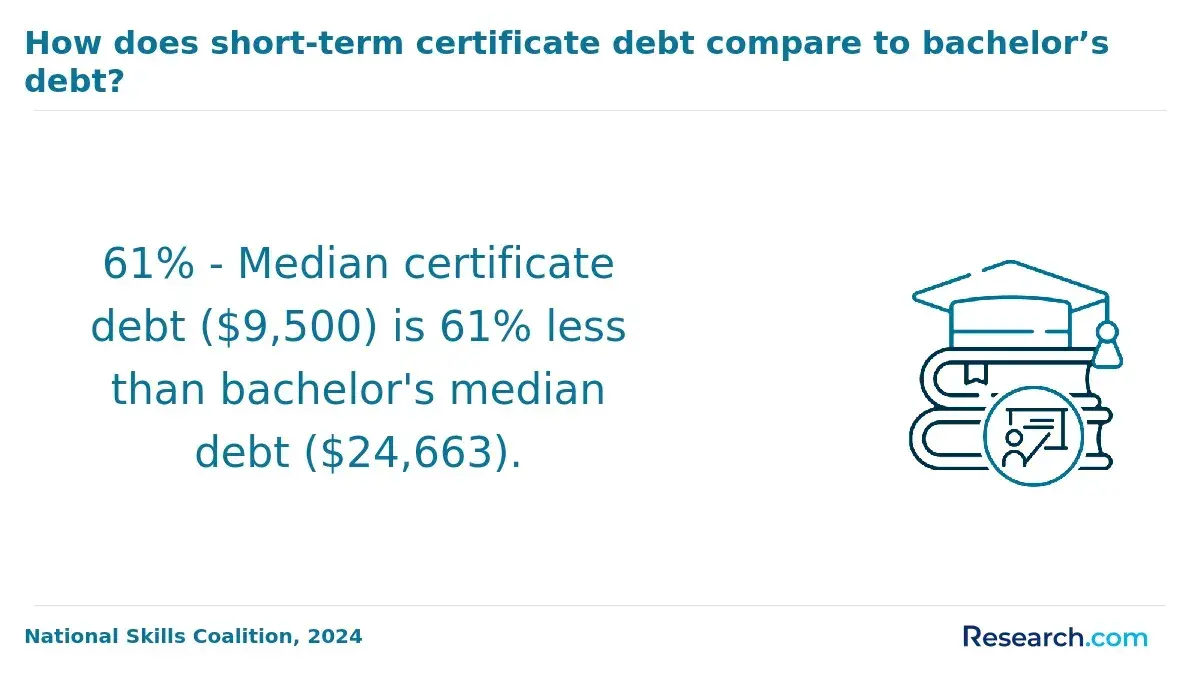
A 2024 national study shows students who accelerate their degree can cut overall education expenses by up to 15% through faster completion despite similar per-credit tuition rates. The following cost considerations illustrate key factors students must weigh to assess true affordability and practical value.
- Tuition And Fees: The total tuition cost for accelerated online programs at Sacred Heart University is $68,290, slightly exceeding the federal scorecard's $66,669 total cost of attendance. This includes charges often omitted elsewhere such as proctored exam fees and online graduation expenses. Understanding this broader fee structure is essential before comparing with other programs.
- Technology Expenses: Accelerated online students often face extra technology costs like specialized software licenses or hardware suited for intense coursework schedules. These one-time or recurring expenses can be underestimated but materially affect total program cost and readiness to engage fully.
- Books And Supplies: Budgeting approximately $1,300 for books and supplies is prudent as digital textbooks and niche resources support the accelerated curriculum. These items may be mandatory and sometimes more costly due to licensing for online access versus physical copies.
- Opportunity Cost Savings: Completing a degree faster can reduce income loss from time away from work or part-time status. Sacred Heart's accelerated format lets students reenter the workforce sooner, a critical factor for those balancing career advancement with educational investment.
- Shortened Timeframe Implications: A compressed schedule demands upfront financial liquidity since tuition and fees accrue in a shorter period. While this intensifies immediate out-of-pocket costs, it eliminates extended living expenses, which can offset initial expenditures overall.
- Indirect Costs Reduction: Shorter program duration limits additional expenses such as housing, transportation, and meals compared to traditional, longer courses. Prospective students should realistically calculate how their personal living costs shrink in relation to accelerated timelines.
- Financial Aid Availability: Options like scholarships and loans apply differently when programs are accelerated. Faster terms may affect eligibility periods and payment schedules, impacting how much aid students can receive and when it applies.
One Sacred Heart University graduate described her decision-making process: "I hesitated at first because the $68,000 price tag felt steep. But after I factored in the extra fees, books, and tech costs, I realized the main challenge was cash flow, since I had to pay more upfront. Still, finishing in less than two years meant I returned to full-time work much sooner than my friends in traditional programs. When I compared lost income during that extra year, I felt the accelerated option saved me money in the long run, even if it was harder to manage the payments initially."
What technology and support services are available for accelerated online students at Sacred Heart University?
Accelerated online students depend heavily on reliable technology and readily accessible support to manage compressed course timelines effectively. A fast-paced schedule leaves little room for technical disruptions or delayed assistance. Continuous access to course materials and timely academic help can directly impact a student's ability to keep up with demanding deadlines. For example, a student juggling full-time work and family responsibilities benefits substantially when helpdesks are available around the clock to resolve login or platform issues immediately.
The following list highlights key technology tools and support services that enable this pace at Sacred Heart University.
- Canvas Learning Management System: This platform supports accelerated students by providing seamless 24/7 access to course content, assignments, and communication tools. Its user-friendly interface reduces the time needed to locate materials and submit work, critical for managing compressed terms. Students can navigate pacing demands more reliably by staying consistently connected with instructors and classmates.
- 24/7 Technical Support Helpdesk: Available at all hours, this service addresses urgent IT problems that might otherwise delay coursework completion. Immediate troubleshooting reduces downtime-an important factor since even brief tech issues can derail progress in accelerated formats. Students balancing atypical study hours gain direct benefit from this always-on resource.
- Integrated Online Tutoring Services: Accessible directly through the LMS, tutoring offers targeted, just-in-time academic assistance tailored to rapid course progress. This mitigates the risk of falling behind during condensed learning periods by clarifying challenging topics quickly. Accelerated students can use these sessions to maintain consistent mastery of content rather than compensating after deadlines have passed.
- Robust Digital Library Access: Comprehensive online research resources support coursework without requiring physical visits to campus libraries. Speed of information retrieval is critical to meet accelerated reading and writing demands. Students can efficiently gather credible sources for assignments, streamlining research workflows within tight schedules.
- Specialized Academic Advising: Advisors experienced in accelerated program structures provide informed guidance on course sequencing and time management strategies. This reduces uncertainty in decision-making and helps students optimize their academic paths to graduate on schedule. Advising that recognizes the intensity of compressed terms improves retention by anticipating potential bottlenecks.
- Mental Health Counseling Services Online: Accessible counseling addresses stress and burnout risks associated with fast-track programs. Emotional resilience is crucial for sustaining performance when academic pressure intensifies. Providing these services virtually ensures support is available without interrupting study routines or travel.
- Student Community Engagement Tools: Online forums and networking platforms foster peer interaction, reducing isolation often experienced by distance learners. Collaborative support networks promote motivation and resource sharing, which can bolster persistence through accelerated coursework. These tools help students maintain a sense of belonging and academic accountability despite physical separation.
How do accelerated online programs at Sacred Heart University compare with traditional online programs?
Choosing between accelerated and traditional online programs at Sacred Heart University requires looking beyond just graduation speed. The faster pace of accelerated online degree programs in Connecticut offers the advantage of earlier degree completion but demands a heavier weekly workload. Students must weigh these demands against their personal circumstances, such as work and family responsibilities.
For example, a working parent might find the intensity challenging, while a recent college graduate seeking to enter the workforce quickly may prefer accelerated learning. Sacramento Heart's data shows a steady 74% graduation rate overall, but accelerated tracks see more fluctuation due to the increased pressure.
Below are key factors prospective students should consider regarding the comparison of Sacred Heart University accelerated versus traditional online degrees.
- Course Pace: Accelerated programs shorten terms, allowing faster degree completion but intensify workloads. Traditional programs spread courses over longer periods with a steadier rhythm, easing time management.
- Weekly Workload: Accelerated formats require more hours weekly per course. This can benefit highly disciplined students but may overwhelm those balancing multiple commitments.
- Graduation Outcomes: Accelerated paths can lead to earlier graduation, yet increased dropout risk exists if students cannot maintain pace. Traditional programs typically offer a more stable progression.
- Cost Structure: Total tuition is similar, about $68,290, but accelerated programs may reduce ancillary fees due to shorter enrollment, possibly lowering overall cost. However, hidden costs like extra support services might arise.
- Long-Term Impact: Studies find accelerated learning shortens time-to-degree by 25% yet shows no clear advantage in long-term employment, underlining the need to align pace with career goals realistically.
- Schedule Flexibility: Traditional online programs often provide more flexibility with course start times and pacing. Accelerated courses have condensed schedules requiring firm weekly commitments.
- Support Resources: Accelerated students may need additional time management and academic support to cope, which is less critical in traditional formats.
Prospective students can explore options among online colleges that start soon to find programs matching their readiness and scheduling needs at Sacred Heart University or elsewhere.
How do Sacred Heart University's accelerated online programs compare with other universities?
Accelerated online programs differ significantly in structure, cost, and outcomes across institutions. Prospective students cannot assume uniformity in course pacing, support services, or return on investment. These differences shape how well a program fits an individual's background and long-term goals. For example, a working adult aiming to quickly enter mid-level management might prioritize graduation rates and employment outcomes over tuition cost alone.
Comparing accelerated online programs at Sacred Heart University vs other Northeast universities reveals crucial considerations beyond surface-level similarity. Below are key factors to evaluate.
- Tuition Cost Comparison: Sacred Heart University's total tuition of $68,290 is higher than many regional public universities that often have lower cost per credit hour rates. This matters for students balancing upfront expenses against potential future earnings.
- Graduation Rate Efficiency: The university posts a 74% graduation rate for accelerated students, slightly above the national online average near 70%. Higher completion rates suggest more effective student support under compressed timelines.
- Post-Graduation Salary Outcomes: Median alumni salary at $75,059 is competitive but not exceptional compared to peer programs ranging from $65,000 to $80,000. Students targeting high-growth sectors may find more wage premium at top-tier institutions.
- Program Pacing and Structure: Accelerated offerings require condensed terms that challenge time management. The impact varies by institution, making it critical to assess how Sacred Heart University's pacing matches personal learning style and schedule.
- Career Value vs. Cost Tradeoff: A 2024 study from the National Education Policy Center finds programs with above 70% graduation and median salary returns offer solid value but highlight the need to weigh higher tuition payments carefully.
- Student Support Services Availability: Sacred Heart's slightly above average completion rate implies viable support systems, but the robustness compared to other online universities for military spouses and adult learners should be examined.
- Relevance to Professional Goals: Prospective students should consider how Sacred Heart University accelerated online degrees align with their industry requirements and career trajectory.
Finding the right accelerated online program calls for nuanced comparison based on these factors rather than surface assumptions. For specialized populations like military spouses, online universities for military spouses offer tailored support not always found in generalized accelerated programs. Assessing fit against these realities ensures decisions grounded in personal and professional priorities.
Are accelerated online programs at Sacred Heart University worth it for your career goals?
Measuring the value of an accelerated online program at Sacred Heart University requires focusing on how it advances a student's specific career goals rather than merely how quickly the degree is completed. Speed can reduce time-to-degree but may compress learning opportunities and challenge retention. The decision hinges on whether an accelerated pace aligns with the individual's professional timeline and capacity to absorb material without sacrificing depth or long-term skill development.
Accelerated formats often offer distinct benefits when learners need rapid credentialing to meet employer requirements, pivot careers, or qualify for graduate programs with tight admission timelines. For example, a healthcare manager aiming to move into a senior administrative role amid fast-changing industry demands may find accelerated scheduling advantageous. Conversely, traditional pacing may better suit students seeking comprehensive mastery or balancing heavy professional and personal commitments that limit consistent study hours.
A pragmatic evaluation balances immediate career needs with sustained employability. The 2024 National Center for Education Statistics report revealing Sacred Heart accelerated graduates' median salary growth exceeds national averages by 8% within three years suggests these programs can support upward mobility when matched with appropriate career goals. However, graduates must weigh the intensity and attrition risk, as a 74% graduation rate indicates that the accelerated format may not fit all learning styles or life circumstances.
Prospective students should assess their current career stage, timeline urgency, workload handling ability, and financial situation to determine fit. If quick advancement or timely entry into a new field is critical, and self-discipline is strong, Sacred Heart's accelerated online option could be a strategic investment. If the goal is deeper academic exploration, slower progression with more flexibility often yields better retention and less burnout, thus better long-term outcomes.
What Graduates Say About Accelerated Online Programs at Sacred Heart University
- Jackson: "Choosing Sacred Heart University's accelerated online program was initially daunting, but I carefully evaluated my ability to commit to the fast pace given my full-time job and family obligations. The compressed course schedules demanded strict time management, so I developed a weekly planner that helped me allocate focused study sessions and prevent falling behind. Graduating sooner than a traditional timeline boosted my career prospects by enabling me to take on leadership roles earlier, reaffirming that the intensity was a worthwhile challenge."
- Cesar: "My experience with Sacred Heart University's accelerated online program was both rigorous and rewarding. Balancing my professional workload with the demanding coursework meant I had to prioritize and sometimes compromise on leisure time, but the structure of the program pushed me to become more organized and efficient. The accelerated path shortened my journey to graduation while enhancing my skills, which made a tangible impact on my job promotion just months after finishing the degree."
- Andre: "Before enrolling, I was cautious about the heavier workload of Sacred Heart University's accelerated online program, especially given my responsibilities at home and work. However, the program's design allowed me to maintain steady progress by forcing me to develop strong discipline and realistic goals each term. While the pace added stress, graduating earlier than I expected gave me the flexibility to explore new career opportunities sooner, making the trade-off between workload and timeline ultimately beneficial."
Other Things You Should Know About Sacred Heart University Degrees
The fast-paced nature of Sacred Heart University's accelerated online programs in 2027 requires students to quickly assimilate knowledge, which may challenge in-depth skill mastery. However, the program focuses on applied learning, integrating practical exercises to reinforce skills efficiently.
Employer perceptions vary widely, but some remain cautious about accelerated online degrees, associating them with less rigorous coursework. However, Sacred Heart University's reputation and regional recognition can mitigate such doubts, especially in fields where practical competence outweighs program format. It is important for students to proactively showcase relevant skills and internships, as accelerated credentials sometimes require additional proof of ability to stand out in competitive job markets.
The intensity of Sacred Heart University's accelerated schedule demands consistent weekly effort and tight time management, which can create significant stress for those juggling employment or caregiving. Students need realistic planning, as even small delays can cascade into falling behind. Prioritizing time for coursework and setting clear boundaries around work and personal life are critical strategies for those considering accelerated paths alongside major responsibilities.
Choosing between accelerated and traditional online programs depends on immediate goals and learning preferences. If finishing quickly to enter the workforce is the priority, Sacred Heart University's accelerated option offers a clear advantage. However, for students valuing comprehensive understanding and longer engagement with material, a traditional schedule may provide better work-life balance and richer academic experience. Prioritize the format that aligns with both career urgency and capacity to absorb knowledge effectively.
References
- All Master courses at Sacred Heart University, https://www.hotcoursesabroad.com/study/all-degrees/us-usa/all-courses-at-sacred-heart-university/2719/programs.html
- Accelerated Bachelor of Science in Nursing Program https://www.shuspectrum.com/archives/news/accelerated-bachelor-of-science-in-nursing-program/
- Online Programs FAQ https://explore.shms.edu/online-programs-faq