0973-6883
Published by: Elsevier
https://www.journals.elsevier.com/journal-of-clinical-and-experimental-hepatology
| Discipline name | Position | Best Scientists | Publications | D-Index |
|---|---|---|---|---|
| Medicine | 1677 | 72 | 141 | 15 |
Journal of clinical and experimental hepatology was organized to reinforce research efforts on Internal medicine, Gastroenterology, Cirrhosis, Surgery and In patient. Internal medicine studies presented include Liver disease, Chronic liver disease, Hepatocellular carcinoma, Hepatic encephalopathy and Liver transplantation. The research on Gastroenterology tackled can also make contributions to studies in the areas of Liver biopsy and Fatty liver, Nonalcoholic fatty liver disease, Disease, Pathology.
The main emphasis of it is the subject of Fatty liver, focusing on Non alcoholic. The journal focuses on Cirrhosis research which is adjacent to topics in Ascites.
The published articles facilitate discussions on Internal medicine, Cirrhosis, Gastroenterology, Immunology and Liver disease. While Internal medicine is the key highlight in the journal articles, thet also covered some subjects on Endocrinology and Benign Recurrent Intrahepatic Cholestasis. In addition to Cirrhosis research, the most cited papers aim to explore topics under Hepatocellular carcinoma and Ascites.
The foci of Journal of clinical and experimental hepatology are Internal medicine, Gastroenterology, Liver transplantation, Cirrhosis and Liver disease. Journal of clinical and experimental hepatology tackles research works in Internal medicine as well as In patient. Fibrosis, Gold standard (test) and Liver biopsy are some topics wherein Gastroenterology research discussed in Journal of clinical and experimental hepatology have an impact.
It addresses concerns in Liver transplantation which are intertwined with other disciplines, such as Immunosuppression and Coronavirus disease 2019 (COVID-19). Journal of clinical and experimental hepatology focuses on Cirrhosis but the discussions also offer insight into other areas such as Diabetes mellitus, Decompensation, Sarcopenia and Cohort. The journal dives deep in exploring the relationship between the study of Hepatocellular carcinoma and Viral hepatitis.
A key indicator for each journal is its effectiveness in reaching other researchers with the papers published at that venue.
The chart below presents the interquartile range (first quartile 25%, median 50% and third quartile 75%) of the number of citations of articles over time.
The top authors publishing in Journal of clinical and experimental hepatology (based on the number of publications) are:
The overall trend for top authors publishing in this journal is outlined below. The chart shows the number of publications at each edition of the journal for top authors.
Only papers with recognized affiliations are considered
The top affiliations publishing in Journal of clinical and experimental hepatology (based on the number of publications) are:
The overall trend for top affiliations publishing in this journal is outlined below. The chart shows the number of publications at each edition of the journal for top affiliations.
The publication chance index shows the ratio of articles published by the best research institutions in the journal edition to all articles published within that journal. The best research institutions were selected based on the largest number of articles published during all editions of the journal.
The chart below presents the percentage ratio of articles from top institutions (based on their ranking of total papers).Top affiliations were grouped by their rank into the following tiers: top 1-10, top 11-20, top 21-50, and top 51+. Only articles with a recognized affiliation are considered.
During the most recent 2021 edition, 32.82% of publications had an unrecognized affiliation. Out of the publications with recognized affiliations, 48.85% were posted by at least one author from the top 10 institutions publishing in the journal. Another 8.40% included authors affiliated with research institutions from the top 11-20 affiliations. Institutions from the 21-50 range included 21.37% of all publications and 21.37% were from other institutions.
A very common phenomenon observed among researchers publishing scientific articles is the intentional selection of journals they have already attended in the past. In particular, it is worth analyzing the case when the authors participate in the same journal from year to year.
The Returning Authors Index presented below illustrates the ratio of authors who participated in both a given as well as the previous edition of the journal in relation to all participants in a given year.
The graph below shows the Returning Institution Index, illustrating the ratio of institutions that participated in both a given and the previous edition of the conference in relation to all affiliations present in a given year.
Our experience to innovation index was created to show a cross-section of the experience level of authors publishing in a journal. The index includes the authors publishing at the last edition of a journal, grouped by total number of publications throughout their academic career (P) and the total number of citations of these publications ever received (C).
The group intervals were selected empirically to best show the diversity of the authors' experiences, their labels were selected as a convenience, not as judgment. The authors were divided into the following groups:
The chart below illustrates experience levels of first authors in cases of publications with multiple authors.
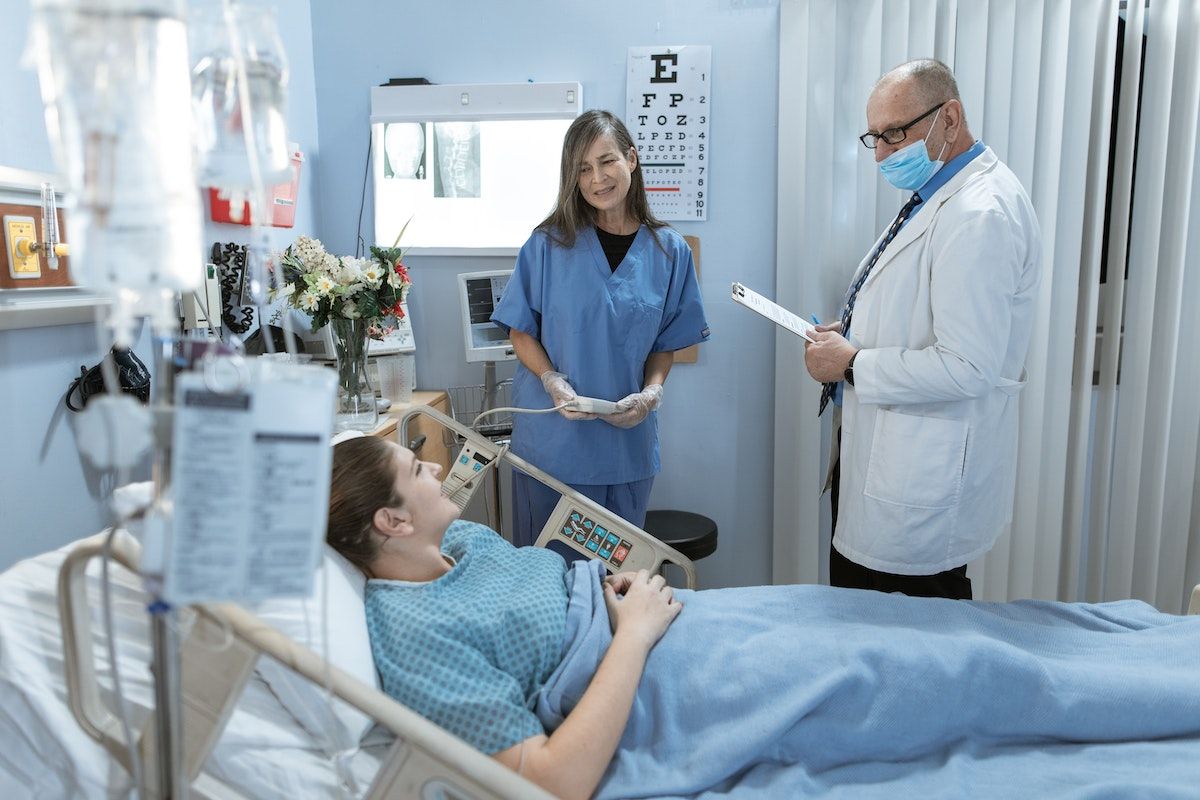
While this article focuses heavily on research topics and trends, it's also valuable to consider career possibilities in the field related to these research topics. As scientific discoveries are made, job opportunities in the fields of clinical and experimental hepatology grow correspondingly. For instance, many individuals with a background in hepatology can find rewarding careers as nurse practitioners specializing in gastroenterology and liver disease management.
Nurse practitioners in this specialty work closely with patients suffering from conditions related to the liver and digestive system. They are often involved in diagnosing and managing conditions such as cirrhosis, fatty liver disease, and hepatocellular carcinoma, topics heavily featured in the Journal of Clinical and Experimental Hepatology. A career as a nurse practitioner in hepatology requires extensive education and training, but the commitment is rewarded by a challenging and fulfilling career.
If you're interested in this field, learn about the detailed steps and requirements needed on how to be a nurse practitioner in Colorado. Understanding these career paths and the prerequisites needed for success can help inform your participation in research projects and enhance your career potential in the fields of clinical and experimental hepatology.
Harshad Devarbhavi;Tarun Joseph;Nanjegowda Sunil Kumar;Chetan Rathi
(2020)Pankaj Puri;Radha K. Dhiman;Sunil Taneja;Puneeta Tandon
(2021)Ankur Jindal;Apurva Pandey;Manoj K. Sharma;Amar Mukund
(2020)Santhosh E. Kumar;Ashish Goel;Uday Zachariah;Sukesh C. Nair
(2021)Exploring alternative routes in healthcare can complement a traditional medical education. For those interested in nursing, identifying the cheapest way to become a nurse is a practical starting point. Affordable online programs make it accessible for many to enter this essential field without excessive financial burden.
Advancing nursing credentials is also possible through specialized degrees like the Doctor of Nursing Practice. Many look into online dnp fnp programs to become Family Nurse Practitioners while benefiting from flexible learning schedules and lower tuition rates compared to on-campus studies.
For registered nurses aiming to boost their qualifications, understanding the cost of rn to bsn programs online helps make informed decisions about continuing education and career growth.
Additionally, some students prefer nursing schools with less stringent entry requirements. Finding a nursing program that doesn't require teas or HESI exams offers a smoother admission process and helps reduce barriers to entering the nursing profession.