2027 Women's Health Nurse Practitioner Degree Outlook Through 2030: Enrollment, Salary, and Hiring Projections

Co-Founder and Chief Data Scientist
Deciding whether to pursue or continue a women's health nurse practitioner degree involves weighing more than just projected job growth or salary trends. Although data from 2024 shows enrollment in related advanced practice nursing programs rising steadily, increased graduate numbers risk saturating some regional markets. Meanwhile, employer demand varies widely by specialty and geographic location, with some areas shifting toward broader family nurse practitioner roles rather than women's health-specific credentials.
Salary increases may not keep pace with expanding graduate supply, potentially compressing earning potential. This article analyzes women's health nurse practitioner enrollment, salary patterns, hiring projections, industry demand, geographic opportunity, and emerging workforce changes through 2030 to guide more informed education and career decisions.
Key Things to Know About the Women's Health Nurse Practitioner Degree Outlook Through 2030
- Enrollment in women's health nurse practitioner programs has plateaued since 2023, reflecting capacity constraints; this suggests that prospective students face higher competition and potential delays accessing training slots.
- The projected 12% workforce growth through 2030 signals steady employer demand, yet geographic disparities concentrate openings in urban centers, affecting hiring strategies and regional salary negotiation climates.
- Automation risks in routine diagnostics push employers to value advanced clinical judgment, disadvantaging less experienced graduates and encouraging investments in specialization as a hedge against future job market volatility.
- Key Things to Know About the Women's Health Nurse Practitioner Degree Outlook Through 2030 Key Things to Know About the Women's Health Nurse Practitioner Degree Outlook Through 2030
- How is Women's Health Nurse Practitioner Degree Enrollment Expected to Change Through 2030? Enrollment Trends Through 2030
- How Many Women's Health Nurse Practitioner Graduates Will Enter the Workforce by 2030? Graduate Workforce Entry Projections
- What Are the Hiring Projections for Women's Health Nurse Practitioner Graduates Through 2030? Hiring Projections Through 2030
- Which Women's Health Nurse Practitioner Careers Will Experience the Most Job Growth? Fastest-Growing Career Paths
- What Is the Salary Outlook for Women's Health Nurse Practitioner Graduates Through 2030? Salary Outlook Through 2030
- Which Industries Will Hire the Most Women's Health Nurse Practitioner Graduates by 2030? Top Hiring Industries
- Where Will Demand for Women's Health Nurse Practitioner Graduates Be Strongest? Strongest Geographic Demand
- Which Women's Health Nurse Practitioner Specializations Will Be Most in Demand by 2030? Which Women's Health Nurse Practitioner Specializations Will Be Most in Demand by 2030?
- How Will AI and Technology Affect Women's Health Nurse Practitioner Careers Through 2030? How Will AI and Technology Affect Women's Health Nurse Practitioner Careers Through 2030?
- Is a Women's Health Nurse Practitioner Degree Worth Pursuing Based on 2030 Projections? Degree Value Through 2030
How is Women's Health Nurse Practitioner Degree Enrollment Expected to Change Through 2030?
Projected enrollment trends for women's health nurse practitioner programs indicate a steady yet measured rise through 2030, shaped by a mix of labor market demands and institutional constraints. Growing patient needs related to specialized reproductive and chronic women's health issues push healthcare employers to favor graduates from BCBA accredited programs with strong clinical training, resulting in sustained interest despite limited program capacity and rigorous admission criteria.
For example, programs offering flexible delivery formats, notably online nursing programs for working adults, increasingly attract practicing nurses balancing career and education, but this shift also introduces competition as programs must ensure quality clinical placements within tightening faculty and facility resources. The women's health nurse practitioner degree enrollment growth forecast reflects demographic shifts including diversification of the student population and increased male and minority participation.
Nonetheless, even with moderate annual increases of 3% to 5% reported by the National Student Clearinghouse, the balance between expanding class sizes and preserving clinical training quality remains delicate. This dynamic influences program availability, specialization options, and ultimately the supply of graduates, raising concerns about potential oversaturation in some markets juxtaposed against persistent regional shortages, which institutions and prospective students must weigh carefully when planning educational pathways.
How Many Women's Health Nurse Practitioner Graduates Will Enter the Workforce by 2030?
The number of women's health nurse practitioner graduates projecting into the workforce by 2030 does not directly translate into available employment opportunities. Enrollment growth and degree completions may suggest an expanding candidate pool, but regional healthcare infrastructures, scope-of-practice regulations, and employer demand significantly filter this pipeline.
For example, a graduate in a state with restrictive practice laws or limited women's health clinics might face fewer openings than national graduation rates imply, requiring strategic geographic and credentialing decisions. This highlights a critical tradeoff: pursuing additional certifications or relocating can be necessary to convert graduation into workforce entry, rather than relying solely on degree completion figures.
Current projections anticipate an annual increase of 4% to 6% in women's health nurse practitioner program graduates through 2030, with estimates reaching around 8,000 to 10,000 new entrants per year according to recent Bureau of Labor Statistics data. Yet, workforce entry is moderated by variables such as some graduates continuing into doctoral programs, others migrating into different nursing specializations, and a share delaying full-time practice due to clinical training demands.
Additionally, online program enrollment and expanded academic capacity contribute to increased completions but may also present variance in graduate preparedness and local market competitiveness. Consequently, interpreting graduation trends requires attention to individual career paths and local industry constraints rather than assuming a uniform surge in practitioner availability.
A recent graduate navigating this competitive environment described weighing offers from two states: one with more supportive advanced practice laws but saturated hiring, the other with fewer certified women's health providers yet slower program growth. They recounted cautious optimism mixed with uncertainty, noting that expanding graduate numbers caused some employers to increase experience expectations, prompting them to consider additional residencies despite the appeal of immediate entry-level roles.
What Are the Hiring Projections for Women's Health Nurse Practitioner Graduates Through 2030?
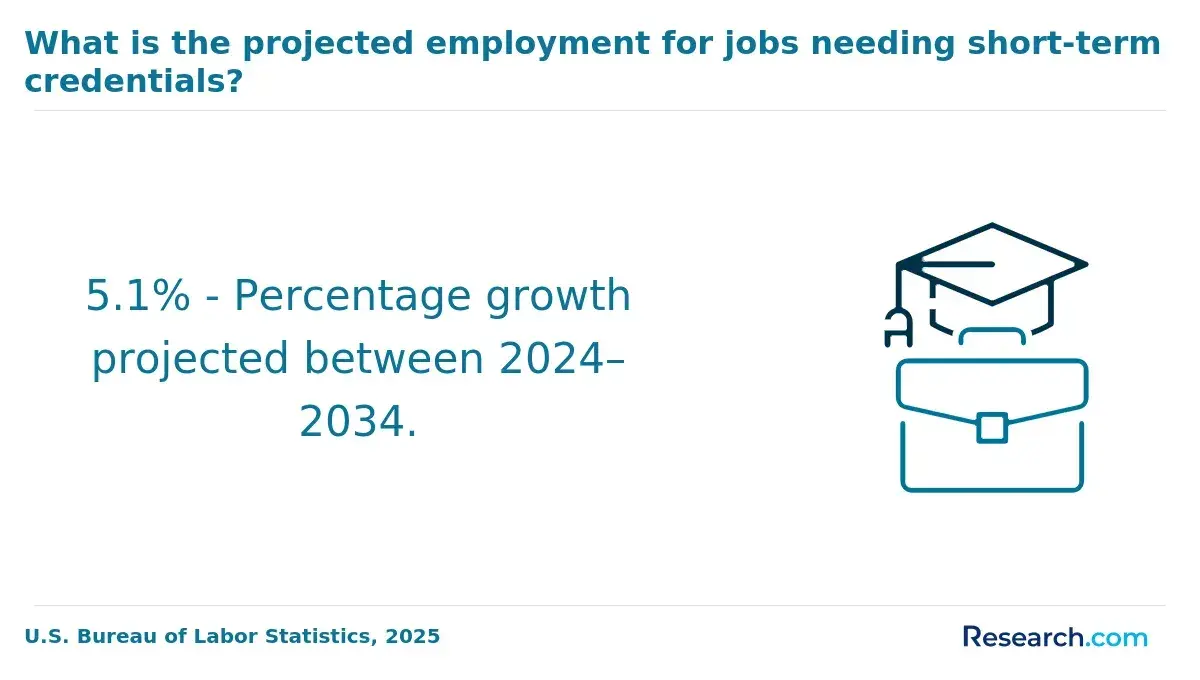
Demand for women's health nurse practitioner graduates through 2030 is projected to remain strong but unevenly distributed, influenced by regional healthcare needs and evolving scopes of practice. The U.S. Bureau of Labor Statistics estimates nearly 40% growth in nurse practitioner roles overall through 2030, though specialty-specific opportunities like women's health may be concentrated in rural and underserved areas where reproductive and preventive services are less accessible.
This geographic variation means candidates focusing solely on saturated urban markets could face stiffer competition despite robust national growth trends. Employers increasingly seek women's health nurse practitioners with clinical expertise complemented by skills in patient education and chronic disease management, reflecting a shift toward preventive care models and cost containment in healthcare delivery.
While rising openings stem from physician shortages and telehealth expansion, job growth does not guarantee immediate entry-level availability, particularly in private practices with varying credentialing requirements. Graduates should factor in local labor market nuances and regulatory differences, as states vary in nurse practitioner autonomy, directly impacting job roles and career progression.
Salary trajectories remain competitive but must be balanced against program costs and geographic demand fluctuations. For example, a graduate considering an area with limited advanced practice roles may experience slower career advancement despite strong national projections. Data from 2024 labor market analyses underline the importance of aligning educational choices with specific workforce gaps and employer expectations rather than relying on broad occupational growth forecasts alone.
Which Women's Health Nurse Practitioner Careers Will Experience the Most Job Growth?
Job growth projections for women's health nurse practitioner careers through 2030 show the greatest demand in roles combining women's health expertise with broader family planning and chronic care management. Areas such as prenatal and postpartum care in underserved communities face heightened pressure from maternity provider shortages, reflecting not just growth percentage but substantial openings with practical implications for professionals willing to work in rural or resource-limited settings.
In comparison, specializations like gynecologic oncology and hormonal health management are expanding due to increased incidence of hormone-related conditions and advances in non-surgical treatments, though these typically require more specialized training and may involve narrower patient populations. WHNP-related careers focused solely on acute or episodic care for younger women are projected to grow more modestly, influenced by evolving insurance reimbursement models and a shift toward preventive care at the primary care level.
These trends underscore significant regional variability in the highest demand women's health nurse practitioner careers by region, often shaped by state regulations and healthcare infrastructure. For prospective students evaluating educational pathways, weighing such factors against the realities of location flexibility and scope of practice is critical. Those exploring online options may also consider affordable RN to BSN online programs as a strategic step toward entering the women's health nurse practitioner field while balancing cost and accessibility.
What Is the Salary Outlook for Women's Health Nurse Practitioner Graduates Through 2030?
Salary projections for women's health nurse practitioner graduates through 2030 must be contextualized by inflation rates, evolving healthcare labor demand, credential expectations, and shifts in clinical practices. Raw growth figures from sources like the U.S. Bureau of Labor Statistics, which show a median wage near $120,680 in 2024 with an expected labor expansion of about 6% by 2030, do not guarantee uniform increases for all practitioners.
Instead, compensation outcomes will vary according to specialization choices, geographic mobility, and the ability to acquire advanced certifications or leadership roles. Below are key factors expected to influence earning potential in this field.
- Regional Salary Variation: Metropolitan areas and regions with higher costs of living tend to offer starting wages closer to $110,000, while rural or underserved communities may start lower. Candidates willing to work in targeted regions often benefit from premium pay designed to address shortages.
- Advanced Certification Impact: Credentials focusing on women's health subspecialties or expanded scope practices can raise salary prospects substantially by qualifying graduates for niche roles in specialty clinics or academic settings.
- Experience and Career Longevity: Data suggests mid-career annual wage increases of 3% to 5%, emphasizing the cumulative effect of tenure, skill refinement, and expanded responsibilities on compensation growth.
- Employer Sector Differences: Positions in healthcare administration, research, or academia generally offer different salary ranges than frontline clinical roles, with administrative tracks potentially providing higher or more stable income over time.
- Scope of Practice Expansion: States or employers that enable broader practice authority for women's health nurse practitioners can drive demand and compensation upward through increased clinical autonomy.
- Market Demand Dynamics: Fluctuations in local reproductive health policies, funding, and demographic shifts will influence hiring volume and salaries regionally, requiring strategic career planning.
- Soft Skills and Adaptability: Employers increasingly value communication and policy navigation skills, which can translate into differential salary offers, especially within multidisciplinary teams and evolving healthcare environments.
A recent graduate entering a metropolitan women's health clinic found initial offers at the lower end of the $90,000-to-$110,000 range despite clinical excellence, reflecting caution from employers amidst local policy uncertainty. During negotiations, she prioritized securing a position with supportive mentorship over immediate salary maximization, banking on certification upgrades and internal advancement to boost earnings over five to ten years.
Which Industries Will Hire the Most Women's Health Nurse Practitioner Graduates by 2030?
Projected hiring for women's health nurse practitioner graduates through 2030 will reflect broad shifts in healthcare delivery models, demographic needs, and regulatory changes affecting women's health services. Industry growth will not only stem from workforce replacement but also from expansions in outpatient care and ambulatory settings that prioritize specialized, cost-effective interventions.
Technology adoption and interdisciplinary practice innovations will shape employers' expectations, favoring candidates who demonstrate flexible clinical skills and competencies in chronic condition management. Realistically, candidates entering smaller physician offices may encounter variable protocols and evolving role definitions, affecting both workload and professional development.
Key sectors expected to drive the strongest demand are outlined below, showing varied operational scopes and skill requirements consistent with observed women's health nurse practitioner job demand in healthcare industries.
- Outpatient Care Centers: These centers will lead hiring due to investments in comprehensive reproductive and gynecological programs. Graduates with expertise in collaborative care and chronic condition management will find roles focused on maximizing patient outcomes within cost constraints.
- Physician Offices: Smaller, specialized practices will expand staffing to accommodate growing patient loads. Success here requires adaptability to diverse clinical approaches and patient demographics, with a premium on soft skills and interdisciplinary communication.
- Hospitals and Health Systems: Demand persists in specialized departments such as obstetrics and maternal-fetal medicine, emphasizing acute care skills and the ability to navigate both inpatient and outpatient responsibilities.
- Community Health Organizations: Growth is tied to preventive care initiatives targeting underserved populations, where graduates must balance clinical expertise with public health education and outreach capabilities.
- Government Agencies: Roles in these settings often involve policy-driven programs focusing on access and equity, requiring familiarity with regulatory frameworks and often accepting lower salaries in exchange for broader societal impact.
For those evaluating educational pathways, aligning curriculum with these hiring sectors-and thus the practical realities and skill sets they demand-is crucial. Those interested in understanding realistic supply-demand dynamics and workforce pathways might also consider exploring related fields, such as the best kinesiology programs, to complement their clinical training and broaden employment prospects within women's health-related industries.
Where Will Demand for Women's Health Nurse Practitioner Graduates Be Strongest?
Concentration of employment opportunities for women's health nurse practitioner graduates will vary markedly across states and care settings, reflecting how demographic shifts and healthcare infrastructure intersect. For example, Texas, Florida, and Arizona not only show rapid population growth but also have aging populations with complex chronic health needs, intensifying demand in metropolitan outpatient and specialty clinics.
However, these growth markets often come with tradeoffs such as higher housing costs and increased competition among applicants, which can moderate net advantages despite larger job volumes. In contrast, rural and underserved areas, though offering fewer openings, may provide less crowded hiring landscapes and heightened need for providers able to deliver comprehensive care under resource constraints.
Industry concentration further influences practical employment prospects. Outpatient care centers and physician offices focusing on women's health dominate hiring, driven by cost-containment efforts that favor ambulatory over inpatient care, but these employers increasingly expect advanced clinical and telehealth competencies. The rise of telehealth expands access and creates niche roles, particularly in fertility and prenatal care, yet successful integration requires adaptability to technology-enabled service delivery.
Graduates targeting these specialized sectors should anticipate credentialing complexities and potential regional credential differences that affect portability and reimbursement rates. National projections can obscure these nuanced realities; while the U.S. Bureau of Labor Statistics highlights robust overall growth, local variations demand careful geographic and sectoral consideration.
For instance, metropolitan areas may offer higher salaries aligned with cost of living but also have credential verification processes that extend onboarding times. Prospective practitioners weighing location choices must balance volume-driven opportunities against factors like provider shortages, licensing regulations, and employer preferences for multisector experience to optimize long-term career stability and advancement potential.
Which Women's Health Nurse Practitioner Specializations Will Be Most in Demand by 2030?
Labor market projections to 2030 indicate that select women's health nurse practitioner specializations will face notably higher employer demand due to evolving clinical complexities and demographic shifts. Nurse practitioners with a focus on reproductive endocrinology, adolescent gynecologic health, and high-risk prenatal care are positioned to leverage strong hiring growth tied to expanding specialty service availability and chronic condition management.
However, this anticipated demand depends on advanced clinical competencies, often requiring additional certification and interdisciplinary coordination skills. For example, a student weighing specialization options may choose adolescent gynecologic health for broader long-term applicability versus menopausal health, which shows steadier but more limited growth, aligning better with regional demographic factors.
Data from the U.S. Bureau of Labor Statistics underscores a projected above-average increase for nurse practitioners in these targeted fields, reflecting nationwide healthcare priorities emphasizing personalized and preventative women's care. Key specializations with promising employability through 2030 include:
- Reproductive Endocrinology: Increasing focus on infertility and hormonal disorders drives demand. Skills in assisted reproductive technologies and patient counseling are critical, with roles spanning fertility clinics and specialized outpatient care.
- High-Risk Prenatal Care: Growing comorbidity prevalence during pregnancy fuels demand for expertise in diabetes and hypertension management. Integration with obstetric providers and complex case care coordination enhance employer interest.
- Adolescent Gynecologic Health: Expanding adolescent reproductive health services require competency in sensitive counseling and preventative measures. Positions often bridge primary care and specialty clinics, demanding flexibility and strong communication skills.
- Menopausal and Geriatric Women's Health: While growth is moderate, aging population trends sustain steady hiring. Emphasis on chronic disease management and collaboration with primary care optimizes patient outcomes in this specialization.
- Chronic Condition Counseling Within Women's Health: Focused on managing long-term illnesses such as diabetes and hypertension, this niche supports preventative care models increasingly adopted across healthcare systems.
- Perinatal Mental Health: Emerging recognition of mental health in perinatal care expands demand for practitioners skilled in psychological assessment and interdisciplinary referral pathways.
How Will AI and Technology Affect Women's Health Nurse Practitioner Careers Through 2030?
Artificial intelligence and automation are poised to augment rather than fully automate the responsibilities of women's health nurse practitioners through 2030. Routine clinical tasks such as data entry and preliminary screening are increasingly handled by AI tools, freeing practitioners to focus on complex decision-making, patient counseling, and ethical oversight-areas where human judgment remains irreplaceable.
However, failure to adapt by not acquiring skills in AI data interpretation, telehealth integration, and digital health platforms may limit employability and slow career progression amid shifting employer expectations. The impact of healthcare technology on women's health nurse practitioner employment also emphasizes a growing preference for hybrid skill sets combining clinical expertise with technological fluency.
Employers will favor candidates proficient in electronic health record optimization and AI tool management, creating demand for ongoing education that includes health informatics, data literacy, and ethical AI use. Students and current professionals should critically evaluate coursework and certifications for their relevance to these emerging competencies, considering programs such as the fastest FNP program online for accelerated entry that balances clinical and digital training components.
Technology-driven hiring trends highlight real-world tradeoffs for women's health nurse practitioners balancing digital fluency with patient-centered communication skills that AI cannot replicate. Those adapting to telehealth models and demonstrating proficiency in AI oversight will find expanded opportunities, but sustained upskilling is critical in a rapidly evolving landscape. The long-term career outlook suggests nuanced shifts in role specialization and productivity expectations rather than uniform increases or declines in job availability across all settings.
Is a Women's Health Nurse Practitioner Degree Worth Pursuing Based on 2030 Projections?
Projected job growth for women's health nurse practitioners through 2030 remains robust, with the U.S. Bureau of Labor Statistics indicating a 40% increase that outpaces many healthcare occupations. However, candidates must consider that rising enrollment in specialized programs creates pockets of market saturation, especially in urban areas, which could moderate salary growth and complicate job placement.
A prospective student balancing tuition and certification costs against expected salary must weigh geographic mobility and employer demand carefully, as compensation typically ranges from $95,000 to $120,000 but varies by location and clinical setting. The women's health nurse practitioner salary and job growth outlook suggest stable opportunities for those who can navigate competitive markets and align with evolving patient care models emphasizing specialized expertise.
Long-term workforce conditions indicate that advanced qualifications and clinical experience will command better positioning, though the risk of underemployment exists where graduate supply exceeds demand. Prospective students should also evaluate program length, credential expectations, and the strength of entry pathways before committing, ensuring an investment aligned with their professional goals and financial readiness.
Those weighing educational options may additionally explore alternatives, including APA-accredited PsyD programs as part of broader healthcare or mental health specialization strategies. Understanding the operational tradeoffs and market dynamics through 2030 is critical for making informed decisions about whether a women's health nurse practitioner degree fits within a sustainable career path.
References
- AI Integration in Women’s Health Communication: Trends, Ethical Concerns, and Future Directions https://acr-journal.com/article/ai-integration-in-women-s-health-communication-trends-ethical-concerns-and-future-directions-1642/
- 7 Standout Women's Health Nurse Practitioner Programs | ThriveAP https://provider.thriveap.com/blog/7-standout-womens-health-nurse-practitioner-programs
- Nursing Workforce Fact Sheet https://www.aacnnursing.org/news-data/fact-sheets/nursing-workforce-fact-sheet
- How to Become a Women’s Health Nurse Practitioner | Brookline College https://www.brooklinecollege.edu/blog/how-to-become-a-womens-health-nurse-practitioner/
- Women's Health Nurse Practitioner (NP) Programs - Nurse Practitioner Degrees https://npdegrees.org/degrees/np-masters-degrees/womens-health-np-programs/
- How AI is Transforming Women’s Healthcare https://www.mpmmedicalsupply.com/blogs/news/how-ai-is-transforming-womens-healthcare
- How to Become a Women’s Health Nurse Practitioner https://www.allnursingschools.com/specialties/womens-health-nurse/
- Nurses Shape the Future of Healthcare AI - Women in Tech® Global https://women-in-tech.org/nurses-shape-the-future-of-healthcare-ai/
- 10+ Types of Nurse Practitioners: Guide to NP Specialties https://credenzahealth.com/career-advice/10-types-of-nurse-practitioners
- Health Workforce Projections | Bureau of Health Workforce https://bhw.hrsa.gov/data-research/projecting-health-workforce-supply-demand
Other Things You Should Know About Women's Health Nurse Practitioner
Clinical placements vary widely in quality, and this difference critically impacts competency and employability. Programs with strong clinical networks in diverse women's health settings provide exposure to complex cases and interdisciplinary collaboration, which employers prioritize. Prospective students should prioritize programs with established, reputable clinical partnerships over those offering general or limited site options, as real-world training influences readiness and job performance more than classroom content alone.
Part-time enrollment offers flexibility but can extend time to graduation and delay entry into higher-paying roles. Full-time programs may facilitate quicker workforce entry but demand intensive time management, often limiting work opportunities during study. Candidates balancing family or financial constraints must weigh slower career progression against lifestyle needs, bearing in mind that extended enrollment can reduce momentum and access to up-to-date clinical experiences.
Higher salary projections often align with specialties in high-demand, complex care settings but may also require longer training or additional certifications. Specializing narrowly can boost earnings but risks reduced job flexibility if market shifts occur. Those prioritizing stable income and varied employment should consider broader women's health roles, while those targeting niche areas must evaluate if the required investment aligns with their career timeline and financial goals.
Hiring projections indicate that urban and suburban areas generally offer more positions but also more competition, whereas rural regions show higher demand but may limit professional development and salary growth. Prospective students should assess geographic preferences against these realities; prioritizing flexibility in location can improve job prospects, but candidates focused on specific regions must balance opportunity volume with lifestyle and resource availability challenges.