2027 Women's Health Nurse Practitioner Degree Oversupply or Undersupply? Student Volume vs Employer Demand

Co-Founder and Chief Data Scientist
Choosing to pursue a women's health nurse practitioner degree now means navigating an uncertain balance between graduate output and actual job openings. In 2024, enrollment in women's health nurse practitioner programs rose by 12%, yet the Bureau of Labor Statistics projects a 5% growth in specialized women's health NP roles over the next decade, highlighting potential oversupply in certain regions. This gap risks increased competition, credential inflation, and underemployment for graduates, especially where employers seek candidates with broader clinical experience or dual certifications.
Understanding how student numbers compare to sector demand, geographic hiring trends, and evolving skill requirements is critical to making informed career or academic decisions. This article analyzes women's health nurse practitioner student volume against employer demand, job growth, industry needs, regional variation, and skills gaps to clarify whether the field offers sustainable opportunities or intensifying competition.
Key Things to Know About Women's Health Nurse Practitioner Graduate Supply and Employer Demand
- In 2024, the annual completion rate of women's health nurse practitioner programs rose by 12%, surpassing entry-level job openings, which grew only 5%, indicating a growing candidate surplus in urban hospital centers.
- Employers prioritize clinical specialization in reproductive endocrinology, creating segmented demand that leaves graduates without niche skills facing higher competition and longer job searches.
- Rural regions report persistent practitioner scarcity, but limited program access and higher education costs delay supply-side adjustments, forcing some graduates to accept less ideal geographic placements.
- Key Things to Know About Women's Health Nurse Practitioner Graduate Supply and Employer Demand Key Things to Know About Women's Health Nurse Practitioner Graduate Supply and Employer Demand
- Is There an Oversupply or Undersupply of Women's Health Nurse Practitioner Graduates? Graduate Oversupply or Shortage
- How is Women's Health Nurse Practitioner Degree Enrollment Changing? Degree Enrollment Trends
- How Many Women's Health Nurse Practitioner Graduates Enter the Workforce Each Year? Annual Graduate Workforce Entry
- Does Job Growth Support the Rising Supply of Women's Health Nurse Practitioner Graduates? Job Growth Versus Supply
- How Competitive is the Entry-Level Market for Women's Health Nurse Practitioner Graduates? Entry-Level Market Competition
- Which Industries Have the Greatest Demand for Women's Health Nurse Practitioner Graduates? Top Hiring Industries
- Where are Women's Health Nurse Practitioner Graduates Most in Demand? Top Geographic Demand
- Which Women's Health Nurse Practitioner Specializations and Degree Levels Face the Strongest Demand? Which Women's Health Nurse Practitioner Specializations and Degree Levels Face the Strongest Demand?
- Are Employer Skill Gaps Affecting Demand for Women's Health Nurse Practitioner Graduates? Are Employer Skill Gaps Affecting Demand for Women's Health Nurse Practitioner Graduates?
- What is the Future Supply-and-Demand Outlook for Women's Health Nurse Practitioner Graduates? Future Supply-Demand Outlook
Is There an Oversupply or Undersupply of Women's Health Nurse Practitioner Graduates?
Conversely, rural areas may experience shortages driven less by graduate volume and more by geographic recruitment challenges, suggesting that the apparent alignment at the national level does not guarantee local availability or easy access to roles specialized in women's health. This dynamic requires students and current professionals to evaluate workforce conditions in their targeted locations and to consider how clinical affiliations and networks influence job placement success within a competitive landscape.
Industry-specific demand further complicates the picture since facilities focused on reproductive, prenatal, and gynecologic care tend to demand WHNPs at a rate that sometimes exceeds the output of qualified graduates, especially those with post-master's clinical experience. Meanwhile, WHNP roles embedded within broader family practice settings may experience milder supply constraints, reflecting a difference in specialization depth and employer expectations.
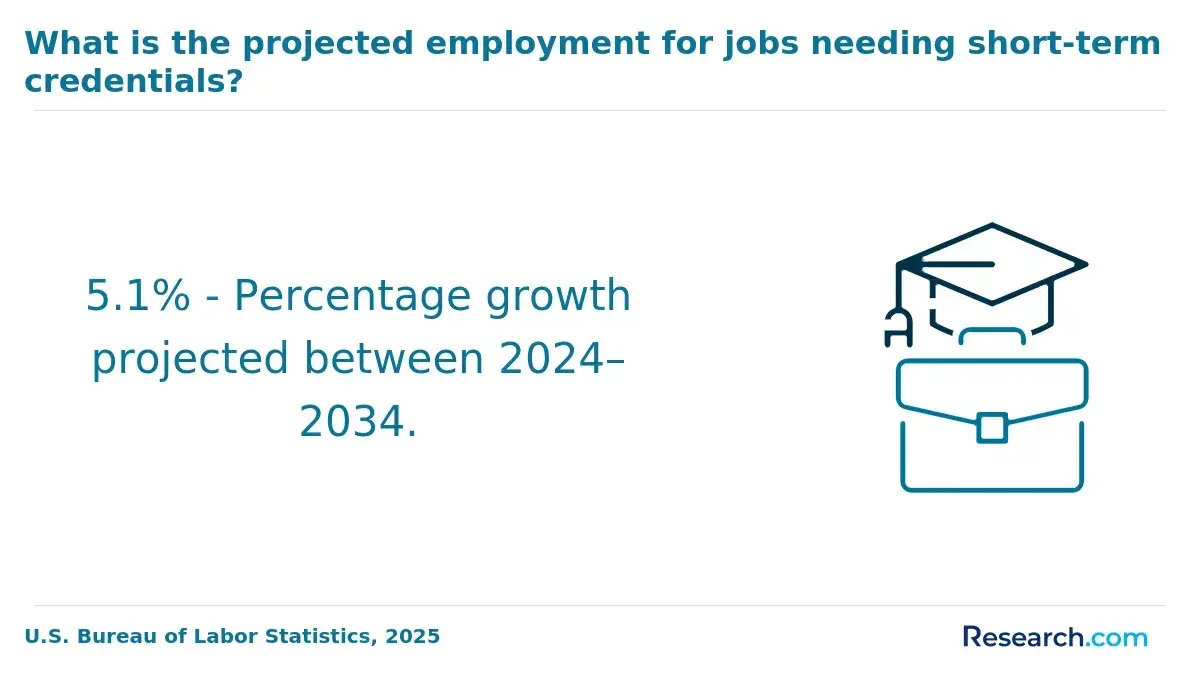
Additionally, the steady 20% growth projection for nurse practitioner roles by the Bureau of Labor Statistics includes WHNPs but does not uniformly translate to openings for all graduates, as employers increasingly prefer candidates who combine advanced credentials with strong clinical backgrounds. Prospective students should weigh these factors carefully rather than assuming a simple one-to-one relationship between graduate numbers and job availability and may explore options like a medical assistant degree online 6 weeks to better understand entry points and workforce pathways within healthcare supporting roles.
How is Women's Health Nurse Practitioner Degree Enrollment Changing?
Enrollment trends in women's health nurse practitioner degree programs are shifting in ways that suggest neither a straightforward oversupply nor a clear undersupply. Growth in these specialized tracks lags behind broader nurse practitioner programs, partly because many employers prioritize generalist roles with wider scopes of practice. The expansion of online and hybrid program formats has improved accessibility, yet this has not translated into proportional increases in graduation rates or new enrollments, indicating a potential mismatch between availability and student follow-through.
According to the National Center for Education Statistics, enrollment growth for women's health nurse practitioner programs remains modest and uneven across regions, complicating workforce planning and signaling that localized demands should not rely solely on national enrollment data as an indicator of opportunity or competition.
Shifts toward doctoral-level preparation, particularly the Doctor of Nursing Practice degree, further complicate supply-side dynamics by extending program length and cost, which may reduce the speed of new entrants despite increasing the qualification level of graduates. Demographics also play a role; most students are registered nurses seeking mid-career specialization rather than traditional direct-entry students, limiting rapid scaling of workforce supply.
This scenario creates a more measured supply adjustment that may prevent rapid oversaturation in specialized markets but also poses challenges for regions urgently needing women's health expertise. Misinterpreting these enrollment patterns as simple indicators of workforce glut or shortage risks poor career and institutional decisions, underscoring the importance of interpreting data through nuanced labor market and educational trends.
A current women's health nurse practitioner student described how her program had recently expanded online course offerings, resulting in larger, more diverse cohorts than in previous years. She observed that while the increased access felt promising, classmates often voiced uncertainty about whether this growth implied stronger job prospects or heightened future competition. The shift from smaller, more selective cohorts to larger, flexible online groups has introduced questions about how employer demand will absorb these graduates, reflecting a broader tension in the field between expanding educational opportunities and maintaining sustainable job market outcomes.
How Many Women's Health Nurse Practitioner Graduates Enter the Workforce Each Year?
Determining whether the supply of women's health nurse practitioner graduates meets employer demand requires more than counting degree completions. Data from sources like the National Center for Education Statistics and the Integrated Postsecondary Education Data System show that approximately 1,200 to 1,500 individuals earn women's health nurse practitioner credentials annually, including both master's and DNP graduates. However, these figures do not directly translate to immediate entry into women's health-specific roles due to factors like delayed workforce entry, additional certification requirements, and role overlap with broader advanced practice positions such as family nurse practitioners.
Employment patterns vary significantly by region, with some states demonstrating robust absorption of new graduates and others facing limited opportunities due to market saturation or constrained employer budgets. Many graduates transition into related fields or take administrative roles when clinical positions are limited. Approximately 85% to 90% of graduates secure women's health-focused jobs within a year, indicating that raw graduation numbers alone risk overestimating the effective workforce size. Misinterpreting these statistics without considering labor market dynamics and employer expectations may lead educators and policymakers to either inflate forecasted shortages or overlook bottlenecks in practical employment pathways.
The nuanced relationship between program output and demand underscores the need for alignment among educational institutions, credentialing bodies, and healthcare employers. While roughly 1,000 to 1,350 women's health nurse practitioners appear actively employed in relevant clinical roles each year, workforce planning must also account for regional variability, role competition, and non-clinical career trajectories. Overemphasizing student volume without understanding these operational realities can distort hiring strategies, licensure resource allocation, and students' career planning decisions in this specialized nursing sector.
Does Job Growth Support the Rising Supply of Women's Health Nurse Practitioner Graduates?
Despite projections showing approximately 40% growth in nurse practitioner roles over the next decade, this increase does not necessarily translate into sufficient openings for all women's health nurse practitioner graduates. The rising number of program completions has outpaced the creation of new positions, especially in highly competitive urban markets where employers often prioritize candidates with specialized certifications or relevant experience. For example, a recent graduate focusing solely on general women's health may find entry-level roles scarce without additional prenatal or oncology credentials, underscoring the importance of targeted specialization to navigate employer demand effectively. Geographic factors also critically influence access to roles, with rural and underserved areas facing shortages that contrast with saturation in metropolitan hubs.
Many employers emphasize replacement demand due to an aging workforce, yet these openings alone struggle to absorb the expanding graduate supply. States with broader Medicaid expansions tend to exhibit stronger hiring trends for women's health nurse practitioners, presenting better employment prospects despite regional disparities. Prospective students must balance program costs and location decisions strategically, as failing to align with high-demand areas may increase underemployment risk. Awareness of these dynamics is essential, given that rapid program growth without corresponding market absorption can lead to credential inflation or delayed workforce entry. Evaluating women's health nurse practitioner job growth trends in the US requires a nuanced understanding of specialization, licensure barriers, and regional variances rather than relying solely on headline figures.
For those considering career planning in this field, it remains prudent to analyze practical employment conditions alongside educational commitments; tools illustrating compensation variations such as the medical coding salary resource reveal how market realities affect income potential, emphasizing informed decision-making beyond program selection alone.
How Competitive is the Entry-Level Market for Women's Health Nurse Practitioner Graduates?
Entry-level women's health nurse practitioner (WHNP) graduates face a labor market shaped by uneven employer demand and high competition in certain areas and institutions. While overall nurse practitioner employment continues to grow, WHNP-specific openings are often clustered regionally and within specialized clinics, creating pockets of intense applicant saturation.
Data from the U.S. Bureau of Labor Statistics and Lightcast reveal multiple qualified candidates vying per opening, particularly in urban hubs. Employers increasingly expect candidates to have clinical experience beyond academic credentials, limiting truly entry-level roles and extending job searches. The mismatch between graduate supply and available positions reflects a nuanced dynamic influenced by geography, skill expectations, and specialty demand rather than a simple oversupply across the board.
The key factors shaping competition include:
- Geographic Concentration: Employer demand varies significantly by region, with urban areas and specialized clinics showing higher hiring rates. Graduates in saturated locations may face 5 to 12 applicants per role, heightening competition.
- Experience Expectations: Clinical experience, internships, or nurse residency participation frequently serve as unofficial prerequisites, creating a barrier for fresh graduates without such a background.
- Applicant Volume: Despite steady hiring, many job postings attract numerous candidates, which prolongs job search duration and raises the chance of underemployment, reported between 10% and 15%.
- Specialty Requirements: Employers prefer candidates with relevant certifications or demonstrated women's health competencies, elevating the value of focused training and related skills.
- Industry Variation: Demand is stronger in women's health-focused practices versus general primary care, influencing where graduates might find more accessible opportunities.
- Market Saturation Impact: High applicant pools and stringent criteria can push new graduates to consider less congested markets or ancillary roles initially to gain requisite experience.
- Long-Term Skill Development: Early acquisition of specialty certifications and clinical expertise plays a critical role in moving beyond initial employment hurdles and securing sustainable advancement.
A recent WHNP graduate experienced this challenging market firsthand. Applying primarily in a major metropolitan area with numerous WHNP programs, she encountered large applicant pools and repeated requests for experience she hadn't yet gained. Despite multiple interviews, she often lost positions to candidates with nurse residency backgrounds or advanced certifications. After expanding her search to suburban clinics and partnering with a preceptor for additional women's health clinical hours, she gradually received job offers. This experience illustrates the importance of strategic flexibility and targeted skill acquisition in navigating the entry-level landscape rather than relying solely on academic credentials or metropolitan opportunities.
Which Industries Have the Greatest Demand for Women's Health Nurse Practitioner Graduates?
Employer demand for women's health nurse practitioner graduates is largely concentrated in clinical care sectors with significant regional variation. This focus reflects economic pressures favoring outpatient and preventative services alongside aging populations and specialized women's health needs. Job seekers face a tradeoff between volume and competition: hospitals offer higher patient acuity and advanced resources but tend to have more competitive entry and require specialized credentials. Conversely, ambulatory and outpatient care settings provide broader access but often require practitioners capable of managing diverse patient populations with limited resources.
Below is an assessment of the leading industries driving women's health nurse practitioner job growth by industry and regional demand for women's health nurse practitioner specialties:
- Ambulatory Healthcare Services: This sector includes women's health centers and specialized outpatient clinics where demand is fueled by cost containment and patient preference for preventive care. Employers prioritize practitioners skilled in reproductive health management and capable of independent patient assessment, with positions ranging from entry-level provider roles to program leadership in rural and underserved communities.
- Hospitals: Larger regional and urban hospitals maintain steady demand due to integrated care models requiring women's health nurse practitioners in complex gynecological, obstetric, and high-acuity cases. Candidates with advanced degrees and certifications are preferred, and competition is intense as hospitals offer advanced technology and multidisciplinary collaboration.
- Public Health Agencies: Roles here are more niche, focusing on maternal and child health, sexual health education, and chronic disease management. Hiring volume is lower but aligns with public sector initiatives targeting underserved populations, demanding practitioners with strong community engagement and policy awareness.
- Community-Based Organizations: These employers supplement public health efforts and often need nurse practitioners with adaptability and experience in health education, outreach, and culturally competent care, ideal for candidates interested in direct social impact rather than clinical intensity.
- Pharmaceutical and Health Insurance: Demand is emerging for clinical advisory and care management roles, requiring expanded skill sets beyond direct practice, including knowledge of healthcare systems, patient education, and policy analysis. These positions are selective and generally favor candidates with interdisciplinary expertise.
Graduates weighing these options should consider how differing job volumes, skill requirements, and advancement potential align with their qualifications and career goals. Prospective students may explore post masters FNP certification programs to expand credentials favored in competitive sectors. Understanding these dynamics provides context for aligning education choices with realistic employment opportunities in the women's health nurse practitioner job growth by industry.
Where are Women's Health Nurse Practitioner Graduates Most in Demand?
National demand statistics for women's health nurse practitioner graduates often mask significant regional disparities driven by local healthcare infrastructure, patient demographics, and policy environments. For instance, while states like California and Texas report high volumes of job openings due to their dense urban centers and diverse populations, these same markets can pose intense competition because of large graduate cohorts and high living costs. A graduate relocating to a saturated metro area like Los Angeles may face considerable pressure balancing cost-of-living expenses against employer expectations for telehealth proficiency and multidisciplinary skills, which are increasingly prioritized in outpatient and women's health clinics.
Conversely, smaller metropolitan or underserved areas may offer fewer total positions but present lower competition and potentially greater opportunity for specialization, particularly within federally qualified health centers or OB-GYN practices focused on preventive care models. However, candidates must also weigh the availability of remote work and local scope-of-practice regulations, which can profoundly influence job flexibility and career progression. Data from recent labor-market analyses highlight that although hospitals maintain consistent demand, their expectations for practitioners to float across specialties can dilute opportunities strictly focused on women's health, affecting graduates' ability to concentrate their expertise in targeted clinical domains.
Prospective students and current degree holders should critically assess not just the number of openings but the operational complexities of each region's healthcare market, including workforce saturation and local licensing nuances. Prioritizing a role in a high-demand state without regard to applicant density or cost pressures may reduce the practical value of a seemingly strong job market. A nuanced, location-specific approach anchored in labor data and real employer requirements will better inform decisions about where to train, practice, and invest long-term in a women's health nurse practitioner career.
Which Women's Health Nurse Practitioner Specializations and Degree Levels Face the Strongest Demand?
Demand for women's health nurse practitioners (WHNP) is concentrated in specific specializations and degree levels rather than evenly spread across the profession. Employers show a clear preference for practitioners who can fill critical gaps in primary reproductive care and perinatal services, especially in underserved and rural areas where obstetrics-gynecology shortages persist.
For example, a WHNP with a master's degree specializing in prenatal and postpartum care may find more job opportunities and higher demand compared to a certificate-level WHNP focusing on general women's health, who faces tighter competition and limited entry-level roles. According to 2024 data from the National Center for Education Statistics and workforce agencies, advanced degrees like the Doctor of Nursing Practice increasingly enhance employability and leadership prospects in multidisciplinary health settings.
The key demand drivers are summarized below:
- Primary Care Focus: WHNPs specializing in reproductive-age primary care fulfill rising needs for preventive and chronic condition management, sought after by family planning clinics and community health centers.
- Prenatal and Postpartum Care: Demand remains strong for WHNPs expert in maternal health due to workforce shortages in obstetrics, particularly in less urbanized regions requiring continuity of care.
- Master's Degree Baseline: Employers largely require a master's degree as the minimum qualification for WHNP roles, influencing hiring standards and credential expectations.
- DNP Credential Advantage: WHNPs with Doctor of Nursing Practice degrees increasingly gain preference for positions involving clinical leadership and evidence-based practice integration in hospital systems and health networks.
- Certificate-Level Constraints: Those holding only certificate or post-master's WHNP credentials encounter more competitive entry-level markets, limited by employers' preference for higher degree qualifications.
- Licensure and Regulation Impact: Variations in state licensure and scope of practice laws affect geographic demand, making region-specific credentials and experience important factors for hiring strength.
Are Employer Skill Gaps Affecting Demand for Women's Health Nurse Practitioner Graduates?
The demand for women's health nurse practitioner graduates is less about an oversupply or undersupply of candidates and more about the specific competencies employers require. Employers increasingly prioritize candidates with applied clinical experience, certification alignment, and familiarity with emerging digital health tools, such as telehealth platforms and electronic health records. For instance, rural providers facing acute shortages may still leave roles unfilled if candidates lack specialized skills in hormonal therapy management or culturally competent care, reflecting regional variations in the workforce. This mismatch between skill sets and employer expectations can distort the apparent supply-demand balance, creating pockets of unmet need despite stable or slightly increasing student volume.
Employer skill gaps impacting women's health nurse practitioner graduates thus influence hiring dynamics significantly. Employers often prefer candidates whose training includes interdisciplinary collaboration and practical exposure to reproductive health intricacies without requiring extensive on-the-job training. Candidates who invest in targeted professional development-such as internships or projects emphasizing these competencies-enhance their competitiveness amid rising competition from graduates who combine women's health expertise with primary care experience. Even wage offers and job openings may fluctuate based on perceived skill readiness, which is critical for professionals navigating diverse healthcare settings.
Prospective students and current degree holders should consider program content that addresses these evolving demands, with clear insight into real-world workflow and credential requirements. Understanding the tradeoffs between broad clinical preparation and specialization can inform both educational choices and career strategies. A practical example within healthcare coding and billing also illustrates the importance of certifications; those interested might explore roles commonly linked to credentials like CPC, which parallel the emphasis on verified competencies in women's health nursing. Aligning education with employer needs requires attention to regional workforce reports and awareness of the ongoing regional demand for women's health nurse practitioner skills mismatch.
What is the Future Supply-and-Demand Outlook for Women's Health Nurse Practitioner Graduates?
Targeted job searches typically yield better outcomes for women's health nurse practitioner graduates than broad, high-volume applications that overlook employer specifics. Graduates who identify precise entry-level job titles aligned with their qualifications and prioritize industries and geographic areas exhibiting stronger demand significantly improve employment prospects. For example, a recent graduate focusing only on urban centers with known healthcare infrastructure is more likely to secure interviews than one applying indiscriminately across less active markets. Tailoring resumes to mirror employer language and demonstrating relevant clinical or telehealth experience through concrete projects helps convert applications into interviews, avoiding the common pitfall of generic submissions that fail to stand out.
Understanding the regional employment outlook for women's health nurse practitioners is critical to efficient job search strategies. Employers often prefer candidates showcasing diverse clinical backgrounds and readiness for emerging specialties such as reproductive endocrinology or geriatric women's care. Application timing, informed by labor-market research, and strategic networking within priority locations can boost job-readiness credibility without relying on sheer application volume. Graduates prioritizing roles where their qualifications closely match employer requirements typically see higher return on effort, while those ignoring supply-demand nuances risk prolonged job searches and underemployment.
Increasing enrollment in nursing programs has raised concerns about oversupply in certain regions, making data-driven job selection essential. Prospective students assessing which nurse practitioner program is easiest or most strategic should consider alignment with evolving healthcare delivery models and regional demand trends. A growing share of positions incorporate telehealth and interdisciplinary collaboration, changing traditional expectations. Accurately calibrating supply and demand signals enables informed decisions that move beyond basic credential accumulation toward sustainable workforce integration in women's health practice.
References
- Career Spotlight: Women's Health Nurse Practitioner https://credenzahealth.com/career-advice/career-spotlight-womens-health-nurse-practitioner
- NP Specialties: What Each Pays, Where the Demand Is, and How It Affects Your Coverage https://www.cmfgroup.com/blog/nurse-practitioners/np-specialties-salary-demand-insurance/
- 7 Standout Women's Health Nurse Practitioner Programs | ThriveAP https://provider.thriveap.com/blog/7-standout-womens-health-nurse-practitioner-programs
- Women's Health Nurse Practitioner (NP) Programs - Nurse Practitioner Degrees https://npdegrees.org/degrees/np-masters-degrees/womens-health-np-programs/
- Nursing Workforce Fact Sheet https://www.aacnnursing.org/news-data/fact-sheets/nursing-workforce-fact-sheet
- How nurse practitioners can affect women’s health in rural America https://npwomenshealthcare.com/how-nurse-practitioners-can-affect-womens-health-in-rural-america/
- How To Become a Women’s Health Nurse Practitioner (WHNP) https://betternurse.org/womens-health-nurse-practitioner/
- Women's Health Nurse Practitioner Program (MS) https://www.downstate.edu/education-training/college-of-nursing/admissions/womens-health-np/index.html
- Are You Considering a Career as a Women’s Health Nurse Practitioner? https://www.aanp.org/news-feed/are-you-considering-a-career-as-a-womens-health-nurse-practitioner
- How to Become a Women’s Health Nurse Practitioner https://www.allnursingschools.com/specialties/womens-health-nurse/
Other Things You Should Know About Women's Health Nurse Practitioner
Many programs vary widely in clinical placement quality and specialty exposure, affecting graduates' immediate employability. Choosing a program with strong, diverse clinical rotations aligned with employer needs significantly improves readiness. Applicants must balance program prestige with practical training opportunities, as highly theoretical programs may delay workforce adaptability despite rigorous academics.
Employers increasingly seek women's health nurse practitioners who demonstrate proficiency beyond clinical care, including patient education, data management, and collaboration with specialists. Graduates lacking interdisciplinary skills often face competitive disadvantages despite solid clinical expertise. Prioritizing programs that integrate these competencies can ease transition to multifaceted workplace demands and improve long-term career prospects.
Supplementary certifications, such as in reproductive endocrinology or lactation consulting, provide a practical edge in saturated markets by broadening service capabilities. However, these add time and financial investment and should be weighed against actual employer demand and career goals. For many, targeted certifications aligned with geographic workforce shortages yield better returns than generic credential stacking.
Demand for women's health nurse practitioners varies significantly by region, with urban centers often offering more positions but potentially higher competition, while rural areas may have underserved populations but fewer specialized roles. Graduates willing to relocate or accept diverse responsibilities may find greater opportunities. Strategic geographic flexibility combined with adaptable clinical skills enhances employment stability and long-term career growth.