2027 Top Industries Hiring Women's Health Nurse Practitioner Graduates: Demand, Pay, and Growth Trends

Co-Founder and Chief Data Scientist
Analyzing where women's health nurse practitioner graduates are employed, how salaries shift across sectors, and which fields grow fastest offers insight into the profession's evolving landscape. This article explores the industries employing the most graduates, highlights the highest-paying sectors, examines areas with strong job growth, reviews changing employer requirements, and advises on aligning skills with promising opportunities.
Key Things to Know About the Top Industries Hiring Women's Health Nurse Practitioner Graduates
- Approximately 60% of women's health nurse practitioner graduates enter outpatient specialty clinics, a concentration that limits hospital-based options but leverages ambulatory care's expanding reimbursement models.
- The highest salary growth correlates with employment in reproductive endocrinology and fertility centers, suggesting focused specialization better aligns with evolving patient demand and increases lifetime earnings potential.
- Industry data from 2024 reports a 15% annual increase in telehealth roles for women's health NPs, reflecting employer adaptation to remote care preferences and driving new geographic hiring patterns.
- Key Things to Know About the Top Industries Hiring Women's Health Nurse Practitioner Graduates Key Things to Know About the Top Industries Hiring Women's Health Nurse Practitioner Graduates
- Which Industries Hire the Most Women's Health Nurse Practitioner Graduates? Top Industries
- Which Industries Offer the Highest Salaries for Women's Health Nurse Practitioner Graduates? Highest Salaries
- Which Industries Have the Fastest Growth for Women's Health Nurse Practitioner Careers? Growth Trends
- Which Employers Commonly Recruit Women's Health Nurse Practitioner Graduates? Top Employers
- Which Skills Are Most In Demand Across Women's Health Nurse Practitioner Industries? In-Demand Skills
- How Do Career Paths Differ Across Industries for Women's Health Nurse Practitioner Graduates? Career Paths
- How Do Industry Trends Affect Future Opportunities for Women's Health Nurse Practitioner Graduates? Industry Trends
- How Can Students Prepare for High-Demand Women's Health Nurse Practitioner Industries? Career Preparation
- How Do Different Women's Health Nurse Practitioner Degree Programs Prepare Students for Industry Careers? How Do Different Women's Health Nurse Practitioner Degree Programs Prepare Students for Industry Careers?
- Which Industry Is the Best Fit for Your Women's Health Nurse Practitioner Career Goals? Which Industry Is the Best Fit for Your Women's Health Nurse Practitioner Career Goals?
Which Industries Hire the Most Women's Health Nurse Practitioner Graduates?
Employment trends for women's health nurse practitioner graduates indicate a stable demand concentrated in specific healthcare sectors as of 2024. According to data from the U.S. Bureau of Labor Statistics, outpatient care centers, hospitals, and private physician offices account for the majority of job placements. These sectors benefit from ongoing shifts toward preventive care and personalized health services, influencing hiring patterns. Understanding which industries consistently seek women's health nurse practitioners clarifies where opportunities are most abundant and what roles graduates are likely to fill. Below are the top industries hiring women's health nurse practitioner graduates.
- Outpatient Care Centers: These facilities lead in employing graduates due to their focus on ambulatory and preventive services tailored to women's health. They provide a broad scope of care including screenings, routine gynecological exams, and chronic condition management, appealing to practitioners who prefer a less acute setting than hospitals.
- Hospitals and Specialized Departments: Hospitals remain essential employers, especially in units like obstetrics, gynecology, and reproductive health. They offer exposure to complex cases and diverse patient populations, attracting graduates interested in acute care and multidisciplinary collaboration.
- Private Physician Offices: These offices, often specializing in obstetrics and gynecology, provide a steady patient volume and continuity of care, which appeals to nurse practitioners seeking long-term patient relationships within a personalized care environment.
- Community and Public Health Organizations: With growing initiatives aimed at reproductive education and preventive outreach, these organizations employ women's health nurse practitioners to lead programs supporting underserved populations. This sector is expanding as health equity gains focus nationwide.
- Telehealth Services: Reflecting broader healthcare digitization, telehealth has created new roles for nurse practitioners, enhancing access for rural and remote patients. This industry's flexibility and potential for work-life balance attract graduates looking for innovative care delivery models.
According to recent workforce research reports, outpatient care centers employ roughly 35% of women's health nurse practitioners, with hospitals and private offices comprising another 50% combined. Geographic location, economic factors, and specialization influence hiring trends, so graduates should consider these dynamics alongside core industry demand. For example, a graduate based in a rural area might benefit from telehealth opportunities that urban-centered peers do not encounter. Additionally, those exploring accelerated programs may find focused training advantageous for entering these diverse sectors effectively, highlighting the importance of well-suited educational pathways like accelerated programs that align with this employment landscape.
Which Industries Offer the Highest Salaries for Women's Health Nurse Practitioner Graduates?
Salary differences for women's health nurse practitioner graduates arise from the unique demands, responsibilities, and work environments prevalent in various healthcare sectors. Factors such as the complexity of patient cases, institutional resources, and the degree of specialization heavily influence pay scales. Geographic location and organizational priorities also contribute to these disparities, affecting not only immediate wages but long-term earning trajectories. Candidates who weigh these elements carefully can align their career choices with their financial and professional goals. The industries below typically offer the highest paying opportunities for women's health nurse practitioners.
- Specialty Hospitals: These facilities, especially those focused on gynecology, obstetrics, or reproductive health, tend to provide the most lucrative salaries, with median annual wages exceeding $115,000. The need for advanced clinical skills and interdisciplinary collaboration in managing complex cases justifies higher compensation. Graduates in this sector often find roles that demand cutting-edge expertise and offer strong institutional support.
- Outpatient Care Centers: Rapid growth in outpatient services has boosted wages here, with median salaries around $105,000. High patient volumes and efficiency goals drive demand for skilled practitioners who can deliver quality care in fast-paced environments. These roles offer diverse clinical experiences but may require adaptability to variable scheduling and productivity expectations.
- Private Physician Offices: Offering median wages ranging from $95,000 to $100,000, this industry appeals to practitioners valuing autonomy and continuity of care. The personalized practice style allows for building long-term patient relationships, though these roles might come with fewer institutional incentives and administrative resources compared to larger facilities.
Understanding where the highest paying industries for women's health nurse practitioners overlap with personal career priorities helps graduates chart paths that balance compensation, work environment, and professional fulfillment. For insights on broader career options, consider reviewing 20 careers in biology which provide valuable context around healthcare job trends beyond clinical nursing roles.
Which Industries Have the Fastest Growth for Women's Health Nurse Practitioner Careers?
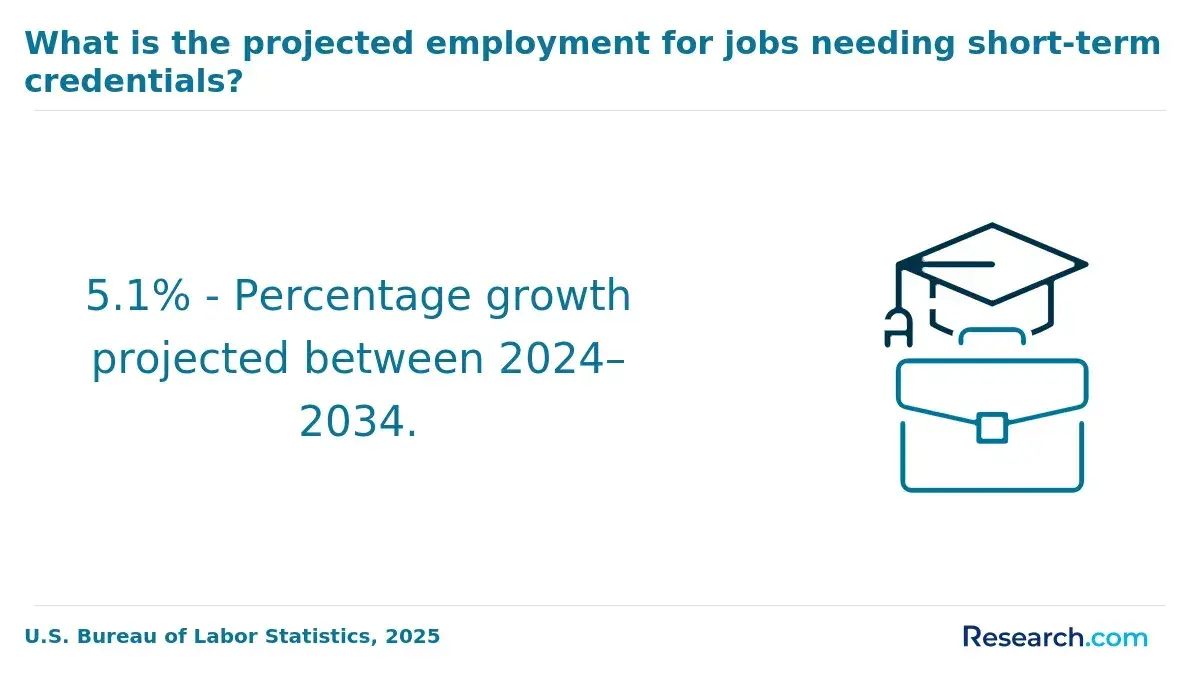
Industry growth patterns strongly influence long-term career prospects by signaling where demand and earning potential will concentrate for Women's Health Nurse Practitioners. Understanding which sectors are expanding helps professionals anticipate job stability and advancement opportunities amid shifting healthcare delivery models and policies. Not all growth sectors are equally accessible, however-varying requirements for certifications, work environments, and patient populations mean that strategic choices are crucial. The following outlines industries projected to offer the most robust opportunities based on government labor data from 2024.
- Outpatient Care Centers: Rising preference for outpatient care catalyzes growth in facilities offering reproductive and gynecological services outside hospitals. This sector benefits from technological advances that make less invasive procedures possible and a patient demand for convenience, expanding roles for nurse practitioners focused on preventive and wellness care.
- Ambulatory Healthcare Services: With an aging population and rising incidence of chronic conditions affecting women, such as osteoporosis, ambulatory services are rapidly growing. Nurse practitioners here perform long-term management and counseling, supported by policy shifts expanding reimbursement for non-physician providers in community settings.
- Specialized Women's Health Clinics: Fertility and maternal health clinics exhibit accelerated growth driven by heightened focus on women-specific health disparities and innovations in reproductive technology. While this expansion offers specialized clinical opportunities, it also requires commitment to ongoing certification and education.
A recent graduate described her decision to accept a position in an outpatient care center after weighing several offers. She noted that while specialized clinics initially seemed appealing, the outpatient role promised more consistent patient interactions and a schedule aligned better with her family commitments. "The flexibility in workflows was challenging at first," she explained, "but the growth trajectory in this sector feels more secure, and I'm already seeing opportunities to develop skills that are in demand." This nuanced choice illustrates the importance of balancing personal circumstances with industry trends when navigating Women's Health Nurse Practitioner career paths.
Which Employers Commonly Recruit Women's Health Nurse Practitioner Graduates?
Recognizing the typical employers that hire women's health nurse practitioner graduates is crucial for aligning education, clinical experiences, and job-search strategies with viable career paths. Hiring preferences fluctuate depending on the specific clinical specialization, geographic region, and current healthcare demands, so familiarity with dominant employer types can guide students in making informed decisions. This clarity also helps prioritize internships and networking efforts toward sectors with stable or growing demand. The following list highlights key employer groups that regularly recruit professionals trained in this specialty, reflecting current labor market data.
- Hospital Systems: Hospitals remain a primary employer for women's health nurse practitioners, especially within maternity wards and specialized women's health units. These institutions require advanced practitioners to manage complex reproductive health cases and oversee comprehensive prenatal and postnatal care. According to the 2024 Health Workforce Report, hospital-based jobs represent the largest share-nearly 40%-of employment opportunities in this field, driven by consistent patient volume and the need for multidisciplinary teams.
- Outpatient and Specialty Clinics: Facilities dedicated to outpatient services and women's health clinics focus on preventive care, chronic condition management, and reproductive health counseling. These clinics offer environments emphasizing continuity of care and patient education. Expansion in this sector is creating increasing demand, as these providers help to relieve pressure on hospitals by handling routine and chronic cases in a community setting.
- Primary Care and Community Clinics: Federally Qualified Health Centers and other community-based providers are actively recruiting women's health nurse practitioners to improve access in underserved and rural areas. These roles often require autonomous practice capabilities, enabling these clinicians to reduce physician burden and address health disparities. The 2024 U.S. Bureau of Labor Statistics highlights this sector's steady growth in employing nurse practitioners to meet public health initiatives.
- Academic and Research Institutions: Universities and clinical research organizations hire women's health nurse practitioners to contribute to teaching, curriculum development, and clinical trials. These roles suit graduates interested in advancing the field through evidence-based practice and innovation rather than direct patient care, though such positions are comparatively fewer and often highly competitive.
- Telehealth Providers: Virtual care platforms have rapidly increased recruitment of women's health nurse practitioners to extend specialty care to remote and underserved populations. This sector offers flexible work models and growing patient engagement, though practitioners must adapt to technology-driven workflows and potentially less hands-on patient interaction.
Which Skills Are Most In Demand Across Women's Health Nurse Practitioner Industries?
The skills most valuable to women's health nurse practitioner graduates consistently transcend industry boundaries because they represent core competencies essential to diverse healthcare settings. Whether working in hospitals, outpatient clinics, academic centers, or community health organizations, graduates who cultivate a blend of technical expertise and transferable skills position themselves favorably for sustained employment. As healthcare evolves with technological advancements and policy shifts, these skills enable practitioners to adapt and maintain relevance. Below is a focused list of the most in-demand skills across women's health nurse practitioner industries based on recent data from the U.S. Bureau of Labor Statistics and other authoritative sources.
- Reproductive Health Expertise: Mastery of prenatal, postpartum, and gynecologic care is foundational. This skill is intensive but cultivated actively through clinical rotations and focused coursework, making graduates indispensable in diverse clinical environments.
- Electronic Health Record (EHR) Proficiency: Competency with systems like Epic and Cerner is increasingly non-negotiable. Practical exposure during training ensures readiness to contribute immediately, meeting the growing institutional emphasis on digitized, accurate patient data management.
- Diagnostic Procedure Competence: Skill in performing pelvic ultrasounds, biopsies, and other diagnostic tests allows independent, comprehensive care delivery. Such autonomy is highly prized, enhancing career flexibility across inpatient and outpatient settings.
- Communication and Patient Education: Effective counseling on contraception, sexual health, and chronic condition management builds patient trust and improves outcomes. These interpersonal skills are best honed through direct patient interaction and simulated scenarios emphasizing cultural sensitivity.
- Leadership and Collaboration: Coordination within multidisciplinary care teams requires organizational, decision-making, and conflict-resolution abilities. These skills extend career opportunities beyond clinical duties into administrative and policy-influencing roles.
- Adaptability to Policy and Evidence-Based Practice: Navigating evolving healthcare regulations and integrating the latest research into practice demonstrate professionalism and commitment. This skill sustains long-term employability as treatment protocols and healthcare landscapes change.
- Commitment to Continuous Learning: Given the rapid advancements in women's health, ongoing education-potentially augmented by fields like nutrition-strengthens clinical acumen. For example, pursuing an online nutrition degree can complement clinical expertise and broaden employment options.
How Do Career Paths Differ Across Industries for Women's Health Nurse Practitioner Graduates?
Choosing an industry after earning a women's health nurse practitioner degree can shape a career as decisively as the degree itself. Different sectors emphasize varied skills and reward distinct types of experience, meaning that career trajectory and growth opportunities are highly context-dependent. For instance, professionals entering hospital environments might engage with acute and complex cases but encounter more structured, hierarchical advancement patterns. Meanwhile, those working in outpatient settings or public health fields may experience greater autonomy or cross-sector influence, which aligns differently with career ambitions. Exploring these contrasts can help graduates match their professional goals with the industry that supports their desired development.
Below are key ways that career paths diverge across industries for women's health nurse practitioners.
- Career Mobility Constraints: Hospital roles often provide limited upward mobility due to fixed departmental structures and established chains of command, which can slow diversification into administrative or educational functions. By contrast, outpatient clinics and private practices generally offer more flexibility, promoting entrepreneurial opportunities and leadership in patient management.
- Leadership Opportunities: Public health careers center around program management, health education, and policy influence, gradually building interdisciplinary leadership skills. This path suits those focused on systemic changes rather than clinical specialization.
- Compensation Variability: Private specialty clinics report median annual salaries roughly 15% higher than public health organizations, reflecting direct market demand. However, hospitals may compensate with more comprehensive benefits and perks including retirement plans and continuing education support.
- Workplace Autonomy: Outpatient and private practice settings typically grant greater control over daily clinical decisions and scheduling, which appeals to practitioners prioritizing independence over rigid oversight common in hospitals.
- Skill Diversification: Hospital environments expose practitioners to a wider range of complex cases and multidisciplinary teams, fostering diverse clinical skills that can open doors to academic or specialized certifications.
- Job Stability and Demand: Public and government-affiliated roles often offer higher job security and growth tied to expanding preventive care programs, while private practices may face more market fluctuations but enable rapid professional growth.
- Long-Term Impact Potential: Those seeking to influence health policy or community health improvements may find public health pathways more rewarding, contrasted with clinical leadership opportunities available in outpatient specialties.
How Do Industry Trends Affect Future Opportunities for Women's Health Nurse Practitioner Graduates?
Industry trends play a pivotal role in defining the career landscape for women's health nurse practitioner graduates by shaping which sectors grow and the skills they demand. Changes in healthcare policy, technology adoption, and demographic shifts don't impact all employers equally, meaning graduates must strategically choose where to apply their expertise to maximize their job prospects. The next decade will see shifts in care delivery models and settings, which can create both novel roles and challenges within the profession.
Key industry trends influencing future opportunities include:
- Population Aging and Preventive Care:The aging population combined with increased focus on preventive women's health creates a sustained demand for practitioners who can manage chronic conditions and wellness programs. Graduates prepared to work in holistic and continuity-of-care settings are likely to find more stable roles.
- Telehealth Expansion:Advances in telehealth, accelerated by consumer preference and technology, are broadening access to women's health services beyond traditional clinics. Proficiency in virtual care platforms and remote patient monitoring will become critical skills for reaching underserved or rural populations.
- Specialty Practice Growth:Reproductive health, fertility clinics, and maternal-fetal medicine are expanding due to increased patient volume and complexity. Graduates with specialized training or certifications tailored to these niches can secure higher-paying, more focused positions.
- Policy and Advocacy Roles:As women's health gains more recognition, roles involving health policy, research, and educational leadership are growing. These positions often require additional qualifications but provide avenues to influence systemic change and improve outcomes.
According to the American Association of Nurse Practitioners in 2024, demand for nurse practitioners specializing in women's health is projected to grow by 40% over the next ten years, far outpacing the average across all healthcare roles.
One women's health nurse practitioner graduate recently shared how these trends influenced her career choices. Initially aiming to work in a busy urban hospital, she hesitated as she observed the rise of telehealth services and remote care models, especially in rural communities. Recognizing this, she completed additional training in telemedicine technologies and patient engagement strategies. Within a year of graduation, she accepted a role that combines virtual consultations with onsite visits at a regional outpatient clinic, offering more flexibility and broader impact than she had originally imagined. Her experience underlines the importance of staying adaptable and aligned with evolving industry shifts to find rewarding, sustainable career paths.
How Can Students Prepare for High-Demand Women's Health Nurse Practitioner Industries?
Students targeting strong employment in women's health nurse practitioner industries must go beyond academic credentials to stand out in competitive job markets. Recent labor statistics underline that clinical experience, especially in varied women's health environments, is the single most influential factor raising employability by over 30%. For example, a student who completes rotations in obstetrics, gynecology, and community clinics gains hands-on skills highly prized by hospitals and private practices alike. Combining strategic clinical exposure with certification and ongoing professional development is essential. Below are key strategies to guide students preparing for the best educational pathways for women's health nurse practitioner careers.
- Targeted clinical experience: Seek internships and rotations across diverse settings such as reproductive health centers, OB-GYN offices, and community clinics to develop versatile expertise. This firsthand exposure builds competence in managing patient needs from adolescence through menopause, a demand trend in many high-growth industries.
- Specialized certification: Earning credentials like the National Certification Corporation's Women's Health Nurse Practitioner certification enhances credibility and opens doors to higher-paying roles in hospitals and specialty practices where certification is often mandatory.
- Continual education: Stay updated on telehealth innovations, cultural competence, and emerging treatment protocols through workshops and accredited courses. This adaptability is critical as women's health sectors rapidly evolve in response to technology and patient demographics.
- Communication skills development: Practicing patient-centered communication and education techniques prepares students for holistic care models valued in long-term wellness programs and outpatient settings.
- Networking and mentorship: Engage actively with organizations like the National Association of Nurse Practitioners in Women's Health to access mentorship, job leads, and professional development resources that enhance career prospects.
- Health informatics proficiency: Build familiarity with electronic health records and data management systems to meet the digitization requirements common in hospitals and large healthcare networks.
- Flexible academic pathways: Consider accelerated programs such as the RN to BSN in 6 months to quickly advance foundational nursing education, supporting timely entry into clinical training and specialist preparation.
How Do Different Women's Health Nurse Practitioner Degree Programs Prepare Students for Industry Careers?
Different women's health nurse practitioner degree programs shape graduate readiness in distinct ways depending on their curriculum design and clinical emphasis. The 2024 National Nursing Workforce Survey indicates that programs integrating diverse clinical practicums increase graduates' versatility across hospital, outpatient, and specialty settings by enhancing critical hands-on skills. However, no single program fits all industries; students must weigh their own career goals and preferred learning environments carefully. Below are key factors to compare that clarify how programs may prepare students differently for industry careers.
- Clinical Practicum Diversity: Programs vary in the range and types of clinical settings offered. Breadth in practicum experiences across hospitals, private clinics, and community organizations contributes to adaptability, while narrow clinical exposures might better suit those targeting specialized roles.
- Interprofessional Education: Incorporating formal training alongside other health professionals fosters collaboration skills crucial in integrated care models found in telehealth and outpatient surgery centers. Graduates from programs with such components generally access higher-paying roles faster, according to U.S. Bureau of Labor Statistics data from 2024.
- Evidence-Based Practice Emphasis: Curricula stressing current research and policy equip nurses to address evolving challenges in women's health-including reproductive and chronic disease management-across both urban and rural industry settings.
- Leadership and Advocacy Training: Programs that integrate leadership development better prepare graduates for roles that influence healthcare delivery and policy, enhancing long-term industry impact.
- Certification Preparation: Structured support for national certification and specialty exams improves employability, especially in competitive markets.
- Research Competency: Inclusion of research methodology modules encourages analytical skills, enabling graduates to contribute to clinical innovations and evidence-based improvements.
- Community-Based Internships: Offering internships with public health or community health organizations aligns academic learning with real-world population health needs-a growing focus in women's health nurse practitioner degree specialization.
For prospective students, comparing these factors in light of their targeted industry can clarify which programs provide the most strategic preparation. For example, a student aiming for telehealth may prioritize interprofessional education and technology integration, while one seeking practice in rural community clinics might value broad clinical placements and community internships. Exploring resources like best military friendly online speech pathology degrees can also reveal parallels in program evaluation approaches applicable across health disciplines.
Which Industry Is the Best Fit for Your Women's Health Nurse Practitioner Career Goals?
The best industry fit for a women's health nurse practitioner depends primarily on individual priorities rather than a fixed ranking. Factors such as preferred work environment, specialization interests, earning targets, and lifestyle preferences shape this decision. For instance, one graduate may prioritize a work-life balance and patient continuity, making community health centers ideal, while another seeks research involvement and policy impact, steering them toward academia despite lower pay. These contrasting choices reflect how the same degree can lead to distinct career paths based on personal goals and desired impact.
Prospective students should conduct thorough research on employer expectations, projected industry growth, and required competencies to align their strengths with viable opportunities. Exploring internship options and long-term pathways helps gauge realistic advancement and job satisfaction. According to recent findings from the American Association of Nurse Practitioners, new graduates often prioritize mentorship, career growth, and benefits like loan repayment, underscoring the importance of fit beyond salary alone. Ultimately, strong career outcomes emerge from matching individual aspirations with industry realities, rather than simply targeting the highest-paying or fastest-growing sectors.
References
- How to Become a Women’s Health Nurse Practitioner https://www.allnursingschools.com/specialties/womens-health-nurse/
- What Are the Highest Paying NP Specialties? | SMNP Reviews https://blog.npreviews.com/what-are-the-highest-paying-np-specialties/
- Women’s Health Nurse Practitioner WHNP Salary and Careers https://teach.com/online-ed/healthcare-degrees/online-womens-health-nurse-practitioner-programs/salary-and-career-outlook/
- Women's Health Nurse Practitioner (WHNP) Jobs | Programs and Salary Information https://www.graduatenursingedu.org/womens-health-nurse-practitioner/
- Advanced Practitioner Career Opportunities - Axia Women's Health https://axiawh.com/join-our-network/advanced-practitioner-career-opportunities/
- Womens Health Nurse Practitioner Jobs https://www.doccafe.com/nurse-practitioner-jobs/specialty/womens-health
- What does a Women's Health Care Nurse Practitioner do? Career Overview, Roles, Jobs | Sigma https://jobs.sigmanursing.org/career/womens-health-care-nurse-practitioner
- 7 Standout Women's Health Nurse Practitioner Programs | ThriveAP https://provider.thriveap.com/blog/7-standout-womens-health-nurse-practitioner-programs
- 10 different career options for NPs https://comphealth.com/resources/career-options-nps
- How To Become a Women’s Health Nurse Practitioner (WHNP) https://betternurse.org/womens-health-nurse-practitioner/
Other Things You Should Know About Women's Health Nurse Practitioner
While some industries may offer higher pay for women's health nurse practitioner graduates, these roles often come with increased workloads, longer hours, or less scheduling flexibility. For recent graduates prioritizing work-life balance, prioritizing employers in outpatient clinics or community health settings might be wiser despite somewhat lower salaries. Understanding that higher income may come at the cost of burnout or reduced personal time can guide graduates in selecting industries aligned with their long-term well-being and career sustainability.
Graduates entering industries where women's health populations are smaller, such as certain general hospital departments, may initially face a steep learning curve and slower patient autonomy. Employers may require additional certifications or mentorship, which can delay full independence and affect job satisfaction. Graduates should evaluate if their chosen industry provides structured onboarding or continuing education that supports tangible upskilling rather than expecting immediate solo practice.
Besides growth rates, graduates should carefully consider employer expectations regarding scope of practice, interdisciplinary collaboration, and patient population diversity. For example, industries with complex cases demand advanced clinical decision-making but may offer richer learning experiences. Those emphasizing routine follow-ups could provide steadier hours but fewer clinical challenges. Aligning industry demands with individual aptitude and professional goals is crucial for sustained career engagement.
Positions within industries tied to academic medical centers often integrate research, teaching, and cutting-edge practice, which can accelerate skill development and offer diverse career pathways. However, they may require balancing clinical duties with academic responsibilities and more stringent credentialing. In contrast, purely clinical settings might allow focused patient care with less administrative burden but limited exposure to new protocols. Graduates aiming for academic progression or specialized practice should prioritize academic-affiliated industries despite potential workload complexities.