2027 Web Development Student Debt Report: Borrowing, Monthly Payments, and Repayment Risk

Co-Founder and Chief Data Scientist
Borrowing behavior among web development students reflects the field's intensive, skill-focused programs that demand access to updated technology and practical experience rather than lengthy academic pathways. Unlike traditional disciplines, web development education often features accelerated curricula combined with high employer expectations for up-to-date coding proficiency and project portfolios.
This dynamic shapes both the size and timing of student loans, as many learners prioritize short-term financing to quickly enter a highly competitive labor market. Recent data from the National Center for Education Statistics shows rising enrollment among older, career-switching students, highlighting shifting workforce demands and the evolving accessibility of web development training.
Key Things to Know About Web Development Student Debt
- Average monthly debt payments for web development grads rose by 12% in 2024, pressuring early-career cash flow and forcing tradeoffs between living costs and skill-building investments like certifications.
- Studies indicate employers increasingly prefer demonstrable project portfolios over degree completion alone, shifting repayment risk toward graduates lacking alternative credentials or work experience.
- Longer enrollment durations correlate with escalating total debt, meaning extended web development programs may limit timely repayment and access to flexible financing options post-graduation.
- Key Things to Know About Web Development Student Debt Key Things to Know About Web Development Student Debt
- How Much Student Loan Debt Do Web Development Graduates Typically Have at Graduation? Average Studen Loan Debt
- What Factors Have the Biggest Impact on Web Development Student Loan Debt? Student Debt Key Factors
- What Is the Average Monthly Student Loan Payment for Web Development Graduates? Average Monthly Payment
- How Do Repayment Rates Compare Between Public and Private Institutions? Public vs. Private Institution Repayment Rates
- Do Online Web Development Graduates Have Different Repayment Outcomes Than Campus-Based Students? Online vs. On-Campus Student Loan Repayment
- Which Industries Provide the Best Financial Return Relative to Borrowing Costs? Which Industries Provide the Best Financial Return Relative to Borrowing Costs?
- Does Student Debt Affect Which Jobs Web Development Graduates Accept? Does Student Debt Affect Which Jobs Web Development Graduates Accept?
- What Factors Increase Student Loan Repayment Risk for Web Development Graduates? Loan Repayment Risk Factors
- How Can Web Development Students Reduce Student Loan Debt While Earning Their Degree? Tips to Reduce Student Debt
- How Should Prospective Students Evaluate Borrowing Risk Before Enrolling? Evaluating Student Debt Risk
How Much Student Loan Debt Do Web Development Graduates Typically Have at Graduation?
Recent analyses of 2024 data from credible higher education sources indicate that the average student loan debt for web development graduates typically ranges between $15,000 and $30,000 at graduation for those attending public institutions. Students at private or for-profit schools often face higher borrowing burdens, with averages sometimes surpassing $40,000, reflecting varied tuition models and institutional funding structures.
These figures, however, represent central tendencies influenced by factors such as credential type-certificates, associate degrees, or longer technical programs-and do not account for shifts in part-time enrollments or shorter-term, non-degree credentials that can alter cost exposure. Understanding average student loan debt for web development graduates requires recognizing how these diverse educational pathways align with different financial commitments and debt levels upon completion.
The variation in total borrowing stems from several key drivers. Public institutions generally offer lower tuition rates for in-state students, while out-of-state learners and those at private colleges encounter steeper cost barriers, which escalate total debt loads. Financial aid access, including grants and scholarships, further differentiates individual student borrowing, although these supports are often limited for shorter, non-traditional web development programs that attract working adults enrolled part-time.
Additionally, program length influences cumulative debt; shorter certifications may reduce loan dependence but sometimes lack comprehensive financial aid or carry reduced employer recognition. These dynamics are shaped by enrollment patterns and institutional types, leading to wide disparities in student debt even within the web development field.
Such debt variability directly impacts repayment stress and financial stability after graduation, especially since starting salaries in web development vary broadly by region and market demand. Graduates with moderate debt aligned with realistic income expectations tend to sustain manageable repayment through options like income-driven plans, while those carrying disproportionate debt face heightened risk of default or extended repayment terms.
These financial pressures can affect career choices and mobility, underscoring the importance of weighing borrowing needs against local employment conditions and program affordability. Prospective students aiming to control debt exposure may benefit from exploring FAFSA approved online colleges and alternative credentials that balance education cost with practical workforce skills.
What Factors Have the Biggest Impact on Web Development Student Loan Debt?
Student loan debt levels incurred by students pursuing web development degrees are shaped by multiple interconnected factors rather than any single cause. Debt formation reflects not only the institutional pricing systems in place but also individual financial circumstances and enrollment decisions. This complexity means that students at different types of institutions, in varying program formats, and across diverse geographic areas often face widely divergent borrowing outcomes. Understanding these drivers is essential to grasp why web development student loan debt varies so significantly among borrowers.
- Institution Type and Tuition Pricing: Students attending private or for-profit colleges typically accumulate higher web development student loan debt due to substantially steeper tuition and fees compared to public community colleges and state universities. The National Center for Education Statistics reports that private institution costs exceed public ones by nearly 80%, a disparity that strongly influences borrowing behavior and amplifies debt levels, especially when limited institutional aid is available.
- Program Length and Format: Longer traditional bachelor's degree programs in web development generally lead to larger loan balances relative to accelerated bootcamps or associate degrees. While shorter programs like associate's degree options, reduce overall tuition exposure, their limited access to federal financial aid means many students rely on private loans or alternative financing options, which can carry higher interest rates and less favorable repayment terms, affecting total debt burden.
- Geographic Cost Variations: Tuition combined with living expenses in metropolitan areas often results in significantly higher borrowing. Students in urban regions face elevated housing and daily costs, which increase total program costs and therefore borrowing. The U.S. Department of Education's College Scorecard data shows that urban-based students graduate with approximately 15-20% more debt than their peers in rural areas, reflecting this geographic inflation effect.
- Financial Behavior and Literacy: A student's understanding of loan terms, repayment options, and budgeting strategies critically shapes borrowing levels. Those with better financial literacy tend to borrow more strategically, mitigating excessive debt accumulation. Transparent counseling and realistic budgeting before enrollment are key factors helping students avoid unsustainable debt while pursuing web development credentials.
- Employment Outcomes and Salary Expectations: Anticipated entry-level wages and career trajectories influence borrowing decisions. Web development graduates often benefit from competitive starting salaries, justifying certain loan amounts, but variability in early career earnings can deter high borrowing for those aiming at smaller companies or freelance work. This consideration interacts with other factors, guiding how much debt is considered manageable relative to projected income growth.
What Is the Average Monthly Student Loan Payment for Web Development Graduates?
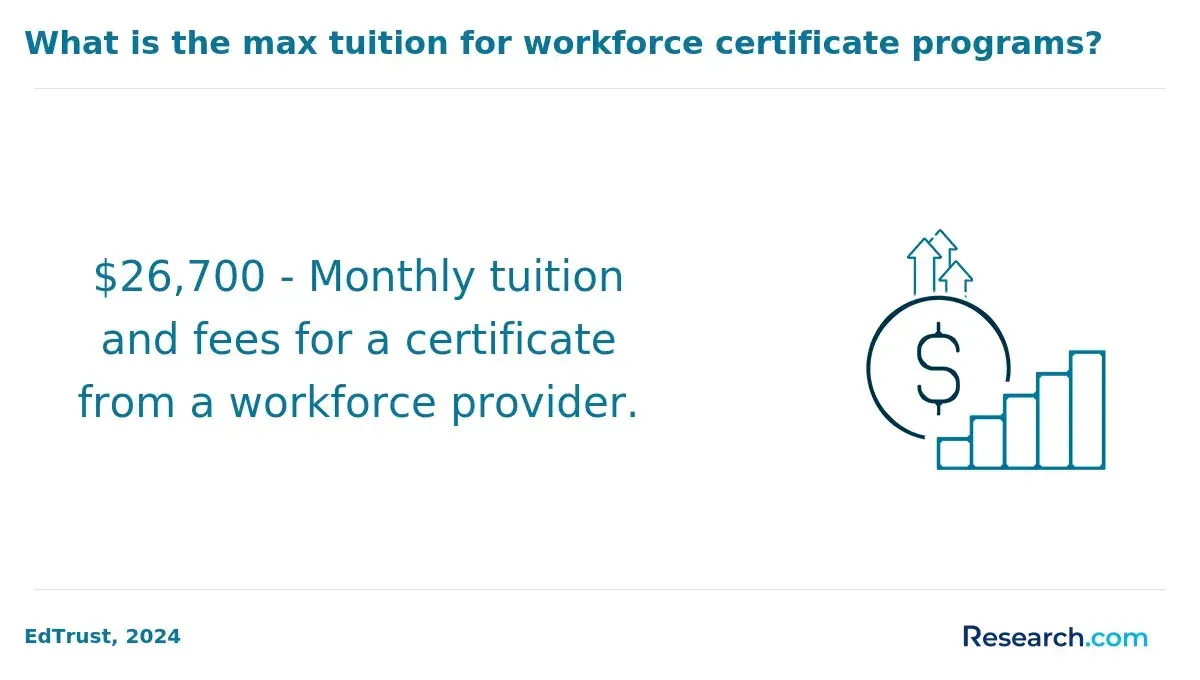
Recent data from the U.S. Department of Education and Federal Reserve reports indicate that typical monthly student loan payments for web development graduates generally fall between $200 and $400, with $300 approximating the median. These figures reflect borrower populations primarily holding federal loans and highlight how repayment obligations align with the debt incurred through various educational pathways-from traditional degree programs to accelerated coding bootcamps. While the monthly amounts appear manageable relative to entry-level tech salaries, regional cost-of-living variations and total loan balances contribute to notable disparities across graduates.
The variability in monthly payments largely stems from factors such as the initial loan principal, repayment plan choice, and interest accumulation rates. Graduates with higher debt loads, often from longer or costlier programs, face larger fixed payments under standard plans, whereas income-driven repayment options adjust monthly dues based on earnings but can prolong debt tenure and increase total interest paid. Additionally, starting salaries in web development fluctuate significantly by geography and employer sector, affecting borrowers' capacity to manage payments alongside living expenses. Understanding these financial dynamics is crucial for informed decision-making around loan management and long-term fiscal planning after graduation.
One graduate recounted applying to a web development program during a rolling admissions period, feeling ambivalent about submitting materials early due to uncertain timing and readiness. Balancing work and personal commitments, they hesitated before finally deciding to apply, which delayed their start date. This experience underscored for them the strategic nature of enrollment decisions-not just in educational choices but also in how quickly and confidently one moves through application and funding stages, all of which can influence debt timing and repayment schedules down the line.
How Do Repayment Rates Compare Between Public and Private Institutions?
Data from the 2024 College Scorecard reveals that graduates of private nonprofit institutions offering web development programs generally exhibit higher loan repayment rates within three years of repayment entry compared to their public institution counterparts. Approximately 65% of these private college borrowers maintain timely payments, whereas public college graduates average around 58%.
This disparity highlights the complexity of repayment beyond enrollment type, as private schools often command higher tuition and correspondingly greater average debt but may offset this through stronger employment outcomes and networking advantages that facilitate loan servicing.
Several intertwined factors shape these repayment outcomes. Tuition differentials contribute to varied borrowing levels, typically higher at private institutions, yet graduates frequently experience better post-graduation salaries which improve debt-to-income ratios. Public institution borrowers tend to rely more heavily on federal loans with income-driven repayment plans, extending repayment terms but possibly reducing short-term defaults.
Moreover, the demographic and financial diversity within public schools results in a broader spectrum of economic challenges influencing repayment consistency. Institutional reputation and career services also play crucial roles in graduate earnings and, ultimately, repayment stability, underscoring the nuanced tradeoffs between upfront costs and long-term financial resilience in loan management.
Do Online Web Development Graduates Have Different Repayment Outcomes Than Campus-Based Students?
Data from the U.S. Department of Education in 2024 reveals noticeable differences in student loan repayment rates between graduates of public and private institutions offering web development programs. Public university graduates generally demonstrate higher three-year cohort repayment rates, with 56% actively reducing principal balances versus 48% among private nonprofit borrowers.
These figures reflect more than just institutional type; they encapsulate complex interactions between financial structures, borrowing behaviors, and repayment capacity. Such disparities highlight critical dynamics within online web development graduate repayment differences and warrant deeper examination beyond the surface-level statistics.
The elevated repayment rates among public institution graduates often stem from lower average tuition costs and subsequently reduced borrowing requirements, resulting in more manageable debt-to-income ratios post-graduation. Private institutions frequently involve higher tuition and fees, which push students toward larger loan amounts that can strain repayment ability despite similar employment fields.
Institutional prestige and the breadth of career services also shape graduate earnings and job placement, influencing repayment outcomes. These factors collectively shape how campus versus online web development student loan repayment experiences diverge, especially when private school borrowers face heavier financial stress tied to elevated debt levels.
This repayment gap carries broader implications for borrower financial health and institutional accountability, as sustained repayment challenges can hinder long-term financial mobility for graduates. The linkage between repayment performance and perceived program value underscores the importance of prudent borrowing decisions aligned with realistic earning prospects.
Prospective students should weigh these considerations when selecting programs, keeping in mind employer demand for practical skills regardless of delivery mode, alongside financial risk. For those evaluating options, exploring resources like the most affordable online MBA programs no GMAT can provide comparative insights into cost-effective degree pathways within the evolving education landscape.
Which Industries Provide the Best Financial Return Relative to Borrowing Costs?
Financial return from a web development degree varies considerably by industry, influenced not only by salary but also by borrowing levels, job stability, and progression speed. Return on investment should be viewed as the equilibrium between earnings growth and debt repayment capacity rather than isolated income figures. Evaluating industry-specific hiring demand, typical starting wages, and long-term income trajectories helps clarify which sectors most effectively mitigate student loan burdens.
- Technology Services: This sector tends to deliver the strongest financial returns due to robust entry salaries around $70,000 and continuous demand for skilled developers. The balance between common debt loads of $30,000-$40,000 and starting pay supports manageable monthly loan payments and rapid debt reduction, making the tech industry a frequent top choice for ROI-conscious graduates.
- Financial Services: Fintech and related fields offer slightly higher starting compensation, averaging near $75,000, which enhances debt-to-income ratios and minimizes default risk. Despite comparable borrowing levels to tech, financial services' often structured advancement paths and benefits packages further improve repayment prospects over time.
- Healthcare IT: Growing digitization in health care creates stable opportunities with median starting salaries around $65,000. While initial wages are below tech and finance, steady sector expansion and demand for specialized skills can reduce long-term repayment vulnerability, especially for graduates who manage moderate student debt loads.
- Education and Nonprofit: These sectors typically begin with salaries near $50,000 or less, which often fail to offset typical borrowing levels adequately. Slower income growth and limited advancement speed in these areas magnify repayment challenges, increasing financial stress for graduates carrying average student loans.
A 2024 report from the U.S. Bureau of Labor Statistics combined with the National Center for Education Statistics confirms significant variation between these industries in starting salaries and debt-to-income ratios, underscoring the importance of aligning educational borrowing decisions with realistic employment outcomes. Graduates prioritizing sectors with proven wage progression and stable hiring demand are better positioned to manage and repay student loans successfully.
Does Student Debt Affect Which Jobs Web Development Graduates Accept?
Student debt levels significantly affect the job acceptance decisions of web development graduates because repayment obligations create immediate financial constraints that reshape priorities. Graduates with larger loan balances are more likely to favor roles offering higher starting salaries or guaranteed bonuses, even when these positions may not align ideally with their skills or long-term goals.
The pressure to maintain consistent monthly payments often discourages taking gigs or startup roles with uncertain income, pushing graduates toward established companies or urban markets with competitive pay. According to a 2024 report from the National Center for Education Statistics, nearly 57% of tech degree holders with loans prioritize salary considerations above career fit when choosing their first position, illustrating how debt service drives employment outcomes early in a graduate's trajectory.
The impact of student debt on employment decisions extends beyond salary alone, influencing mobility and industry choices differently across debt strata. Graduates with lower or no debt generally have more latitude to explore niche or less traditional roles, whereas those with substantial debt face geographic and sectoral constraints dictated by cost of living and income predictability.
This dynamic can foster risk aversion among heavily indebted individuals, reducing their willingness to experiment with internships or contract work that pay less upfront but may boost skills long term. Over time, this debt-induced conservatism can limit upward mobility and specialization opportunities, anchoring many graduates in financial stability-driven career paths rather than ones optimized for skill development or future earnings growth.
Shortly after graduating, one web development alum navigated the rolling admissions process for a specialized bootcamp while awaiting loan approval. Despite a strong application, delays in financial aid confirmation forced a difficult decision between enrolling immediately in a lower-paying contract role or waiting to join the bootcamp, which promised better prospects but deferred income. Hesitant about accruing more debt amid such uncertainty, the graduate ultimately accepted the contract position to ensure stable monthly cash flow, later reflecting that the timing and interplay of debt obligations markedly shaped their early career steps.
What Factors Increase Student Loan Repayment Risk for Web Development Graduates?
Student loan repayment risk for web development graduates depends on a complex mix of borrowing levels, post-graduation income stability, and labor market realities rather than a single factor. Repayment vulnerabilities increase when debt obligations exceed graduates' earning capacity or when employment outcomes fail to provide consistent cash flow. Understanding these financial, academic, and occupational interactions is critical for assessing long-term repayment prospects for those entering web development fields.
- Variability in Entry-Level Salaries: Entry wages for web development roles fluctuate widely by geography, employer size, and skill specialization, affecting borrowers unevenly. Graduates with higher debt entering lower-paying positions face a greater risk of repayment strain when monthly loan payments consume a disproportionate share of take-home pay.
- Program Type and Credential Recognition: Many web development students complete short-term certificates or bootcamps instead of traditional degrees. These credentials, often less recognized by employers, correlate with elevated default rates. According to the U.S. Department of Education's 2024 report, about 27% of coding bootcamp borrowers were behind on payments three years post-completion, nearly double the 14% default rate for traditional computer science degree holders, highlighting how program choice impacts repayment risk.
- Rapid Technology Evolution and Skill Obsolescence: Continuous skill upgrading is essential in web development, but graduates who fail to adapt to new frameworks and tools may experience stagnation in hireability and earnings. This dynamic lengthens repayment horizons and raises default probability due to constrained income growth.
- Economic Instability and Employment Structure: The gig economy's prevalence among web developers introduces income unpredictability and job insecurity, complicating consistent loan repayment. Broader economic downturns and labor market shifts further exacerbate income volatility and financial stress.
Additional factors influencing repayment outcomes include limited financial literacy among borrowers and unexpected personal financial burdens. Prospective students should weigh these risks carefully when evaluating borrowing for web development education, especially given the interaction between program type and demographics on web development loan repayment. For those exploring related educational pathways, available MLIS programs may offer an alternative perspective on financing and career stability.
How Can Web Development Students Reduce Student Loan Debt While Earning Their Degree?
Reducing student loan debt while earning a web development degree demands proactive planning, financial awareness, and strategic use of institutional resources. Borrowing levels often exceed $25,000, making it critical for students to optimize academic pathways and explore cost-saving measures. Effective debt minimization hinges on balancing education quality, timely program completion, and employment-related opportunities that can offset expenses.
- Start at Community Colleges or Accredited Online Programs-Beginning with foundational courses at lower-cost institutions can nearly halve tuition expenses without sacrificing key skills employers require. This approach enhances affordability while enabling strategic credit transfers to four-year colleges.
- Leverage Part-Time Employment and Internships-Engaging in paid internships, freelance work, or entry-level tech roles related to web development reduces living costs and loan dependence. The Bureau of Labor Statistics highlights that paid internships significantly increase job placement rates, aiding in quicker loan repayment.
- Apply for Targeted Scholarships and Grants-Actively pursuing awards designated for STEM and tech students can decrease borrowing by up to 20%, according to recent Department of Education analyses. This requires timely research and application management aligned with student profiles and program focus.
- Choose Programs Integrating Industry Certifications-Programs embedding recognized certifications within the curriculum improve employability and salary prospects immediately after graduation, offering a higher return on investment and reducing long-term debt risk.
- Plan Academic Progress Efficiently-Completing courses on schedule prevents excess semesters that increase tuition costs and living expenses. Efficient progression often requires careful course selection and academic advising to target credentials valued in the job market.
- Utilize Institutional Aid and Work-Study-Maximizing campus-based financial aid, including work-study opportunities, helps finance education with lower reliance on unsubsidized loans.
- Evaluate Credential and Program Outcomes-Prioritize programs with transparent graduate success data and labor market alignment. Short-term cost savings from boot camps may lead to higher repayment challenges if certifications lack employer recognition.
Considering these strategies forms the basis for effective strategies to minimize web development student loan debt and represents some of the best ways to manage web development education costs meaningfully. Students should also explore options such as military friendly online cybersecurity degree programs when applicable to expand affordable pathways and support systems tailored for diverse learner needs.
How Should Prospective Students Evaluate Borrowing Risk Before Enrolling?
Evaluating borrowing risk before enrolling in a web development degree is crucial for grasping the long-term financial impacts of educational debt. Borrowing risk essentially balances total anticipated debt against expected earnings after graduation. Understanding this dynamic equips prospective students to make informed decisions about whether the debt they incur aligns with realistic repayment capacities and sustained financial stability.
- Total Cost of Attendance: Assess not only tuition but also fees, living expenses, and ancillary costs. Comprehensive cost estimates clarify the full borrowing amount needed, which directly influences debt load and repayment pressure.
- Projected Post-Graduation Earnings: Analyze local job market salaries and placement rates for graduates. Given that nearly 40% of technology program borrowers face repayment challenges within five years, realistic income expectations help gauge manageable debt levels.
- Program Completion and Job Placement Rates: Transparent data on graduation and employment outcomes indicate institutional effectiveness, affecting the likelihood of attaining earnings necessary to repay loans.
- Loan Terms and Repayment Options: Evaluate interest rates, deferment possibilities, and repayment schedules to understand the total borrowing cost and flexibility, which influence long-term debt sustainability.
- Alternative Educational Pathways: Consider certificates, apprenticeships, or part-time learning that may reduce borrowing needs and exposure to debt risk while still building employable skills.
- Debt-to-Income Ratio Planning: Use projected monthly payments relative to take-home pay to ensure loan obligations ideally stay below 10-15%, reducing default risk and financial strain.
- Industry Demand Stability: Research the ongoing need for web development skills within the regional economy to avoid investing in transient or oversaturated fields that could undermine job prospects.
References
- Student loans: a guide to terms and conditions 2025 to 2026 https://www.gov.uk/government/publications/student-loans-a-guide-to-terms-and-conditions/student-loans-a-guide-to-terms-and-conditions-2025-to-2026
- How to choose between Online and On-Campus Study https://www.falmouth.ac.uk/study/choose-between-online-campus-study
- Effects of Student Loan Debt on Economy [2026]: Data Analysis https://educationdata.org/student-loan-debt-economic-impact
- WhatsApp Web https://web.whatsapp.com/
- Private Financing Increases Funding Stake - European Students' Union https://esu-online.org/private-financing-increases-funding-stake/
- In Debt: Student Loan Burdens Among Teachers https://learningpolicyinstitute.org/product/student-loans-among-teachers-brief
- Private Vs. Federal Student Loans: Which Is Better In 2025? | Bankrate https://www.bankrate.com/loans/student-loans/federal-vs-private-student-loans/
- Common Challenges in Web Development and How to Overcome Them https://www.icertglobal.com/blog/web-development-challenges-to-overcome-debt-and-scale
- Understanding the student loan landscape | Brookings https://www.brookings.edu/collection/understanding-the-student-loan-landscape/
- how-to-reduce-your-student-loan-debt https://bankofbaroda.bank.in/banking-mantra/loans-borrowings/articles/how-to-reduce-your-student-loan-debt
Other Things You Should Know About Web Development
The intensity and cost structure of coding bootcamps often lead to higher monthly payments over a shorter repayment timeline, raising immediate risk if job placement isn't swift. Traditional degree programs usually spread borrowing over a longer period, resulting in smaller monthly payments but potentially more accrued interest. Prospective students should prioritize programs with strong employer networks and clear career placement support to minimize repayment risk, as the rapid income expectation from bootcamps demands cautious evaluation of job market readiness.
Employers increasingly value portfolios and practical experience over formal credentials, which means high borrowing for extended theoretical programs may not always yield proportional returns. Students should consider whether their chosen program offers real-world projects, internships, or reputable industry connections that improve employment prospects. Borrowing should align with programs that deliver measurable skill outcomes valued in hiring, reducing the risk of overextending debt without corresponding salary growth.
Highly intensive programs may limit students' ability to work part-time, forcing greater reliance on borrowing and increasing monthly payments post-graduation. Conversely, programs with lighter coursework might allow students to earn while learning, reducing overall debt but potentially extending time to completion. Candidates should weigh their financial tolerance against program demands, opting for paths that balance sustainable income generation with comprehensive skills acquisition to avoid crippling post-graduation payment burdens.
Graduates who face periods of underemployment or gig work after finishing web development education encounter heightened repayment risk, especially if monthly payments are fixed and aggressive. In such cases, selecting income-driven repayment plans or setting aside emergency savings is prudent. Understanding that initial job fit may take time encourages more conservative borrowing and stresses the importance of flexible repayment options rather than immediate full payment commitment.