2027 Top Industries Hiring Education Graduates: Demand, Pay, and Growth Trends

Co-Founder and Chief Data Scientist
A prospective education graduate weighs options beyond traditional teaching roles while evaluating career paths. Understanding where education graduates are hired and how various industries value their skills can clarify potential outcomes. Different sectors offer distinct challenges and rewards, so grasping industry-specific demand and pay scales is crucial for informed decision-making.
Labor market trends also reveal which fields are expanding and adapting to evolving educational needs. Salary differences across industries reflect varying expectations and resources, influencing long-term career prospects. This article examines the leading industries employing education graduates, highlights where compensation is strongest, explores job growth dynamics, discusses shifting employer requirements, and suggests ways students can align skills with promising opportunities.
- Key Things to Know About the Top Industries Hiring Education Graduates Key Things to Know About the Top Industries Hiring Education Graduates
- Which Industries Hire the Most Education Graduates? Top Industries
- Which Industries Offer the Highest Salaries for Education Graduates? Highest Salaries
- Which Industries Have the Fastest Growth for Education Careers? Growth Trends
- Which Employers Commonly Recruit Education Graduates? Top Employers
- Which Skills Are Most In Demand Across Education Industries? In-Demand Skills
- How Do Career Paths Differ Across Industries for Education Graduates? Career Paths
- How Do Industry Trends Affect Future Opportunities for Education Graduates? Industry Trends
- How Can Students Prepare for High-Demand Education Industries? Career Preparation
- How Do Different Education Degree Programs Prepare Students for Industry Careers? How Do Different Education Degree Programs Prepare Students for Industry Careers?
- Which Industry Is the Best Fit for Your Education Career Goals? Which Industry Is the Best Fit for Your Education Career Goals?
Key Things to Know About the Top Industries Hiring Education Graduates
- Public K-12 schools remain the largest employers of education graduates, accounting for over 60% of job placements in 2024, indicating sustained demand despite funding fluctuations that impact job security.
- Corporate training and EdTech sectors offer salaries 15-25% above average teacher pay, reflecting employers' prioritization of specialized digital and adult education skills for scalable workforce development.
- Employer demand is shifting toward hybrid and competency-based roles; a 2024 National Workforce study shows 40% growth in education-related jobs requiring technology integration expertise, signaling evolving skill requirements.
Which Industries Hire the Most Education Graduates?
Employment opportunities for education graduates are concentrated in several key industries, each offering distinct roles and growth prospects. Labor market data from the U.S. Bureau of Labor Statistics and the National Center for Education Statistics show that over 60% of education-related jobs are based within traditional K-12 school systems. However, the demand for education professionals extends beyond classroom teaching, involving administrative, counseling, and instructional design positions across diverse sectors. Understanding these industry patterns can guide graduates in targeting employers aligned with their skillsets and career goals. Below are the top industries hiring education graduates, along with insights into their employment demand and the nature of job opportunities.
- K-12 Education: Public and private elementary and secondary schools employ the majority of education graduates, offering roles ranging from classroom teachers to support staff and school administrators. This sector consistently recruits due to steady student populations and mandated education services, making it a dominant source of employment. The predictability of funding and unionized environments add to its attractiveness despite regional variations in job availability and compensation.
- Higher Education: Colleges and universities hire education professionals as faculty members, academic advisors, and program coordinators. With about 15% of jobs for education graduates, this industry appeals to those seeking specialized fields, research opportunities, and often higher salaries. However, competition for tenure-track positions can be intense, and these roles often require advanced degrees and demonstrated expertise.
- Corporate Training: Increasing investments in workforce development generate demand for education graduates skilled in instructional design, e-learning platforms, and professional development. Making up approximately 10% of employment, this sector benefits from trends such as remote work and digital upskilling, offering dynamic roles that blend education with technology and business strategy.
- Non-Profit and Government Agencies: These organizations employ education graduates to lead community education programs, literacy initiatives, and policy development. Though accounting for a smaller portion of jobs, about 8%, these roles emphasize social impact and advocacy, often attracting those motivated by service to underserved populations and systemic change.
For education graduates evaluating career paths, it is crucial to weigh not just the size of employment pools but also long-term trends in funding, technological integration, and sector stability. For example, a graduate interested in flexible, innovation-driven roles might consider corporate training, whereas those prioritizing direct teaching impact may lean toward K-12 schools. For those curious about how specialized credentials might influence opportunities, reviewing a list of DNP programs can provide insights into related advanced education paths that could enhance employability in complex educational roles.
Which Industries Offer the Highest Salaries for Education Graduates?
Salary differences for education graduates across industries reflect more than just varying pay scales; they reveal how sector-specific demands, organizational priorities, and required skill sets influence earnings. For instance, industries investing heavily in workforce development and specialized knowledge transfer tend to offer premium salaries to attract talent capable of designing and delivering effective training. By contrast, public school systems often adhere to standardized pay grids shaped by budget limitations rather than market competition. Understanding these nuances is crucial for education graduates navigating career paths with the highest earning potential.
The following list identifies key industries offering the strongest salary prospects for education professionals, illustrating how sectoral context shapes compensation.
- Private Corporate Training: Companies in corporate training and human resources development pay education graduates well, often 20% to 40% more than traditional K-12 salaries. Roles typically include instructional design, e-learning development, and employee development specialists. The rising demand for continuous workforce learning, driven by technological change, pushes median wages in this sector to $70,000-$90,000 annually, according to recent data from the U.S. Bureau of Labor Statistics.
- Postsecondary Education: Colleges and universities employ education graduates as instructors, administrators, and program coordinators, with median salaries nearing $80,000. Specialized areas such as healthcare education and STEM-focused programs command higher wages due to their technical nature and sector competition. These positions often require advanced degrees or certifications, trading longer educational investment for greater long-term payoffs.
- Specialized Educational Services: This niche includes private education providers focused on specialized training, certification programs, and alternative credentialing. Education professionals here develop curriculum and training strategies aligned with market or industry needs, benefiting from flexible pay models tied to program success and demand. These roles typically exceed public sector earnings but require adaptability and sector-specific expertise.
- Online Education Platforms: With rising adoption of digital learning, education graduates who design and manage remote learning experiences see growing salary trends. Companies offering scalable education solutions invest in instructional designers and content developers, often offering competitive compensation, especially when platforms focus on niche professional or technical training. Graduates exploring online education roles gain access to expanding opportunities beyond traditional institutions, as seen in numerous accredited options including online colleges no application fee.
Which Industries Have the Fastest Growth for Education Careers?
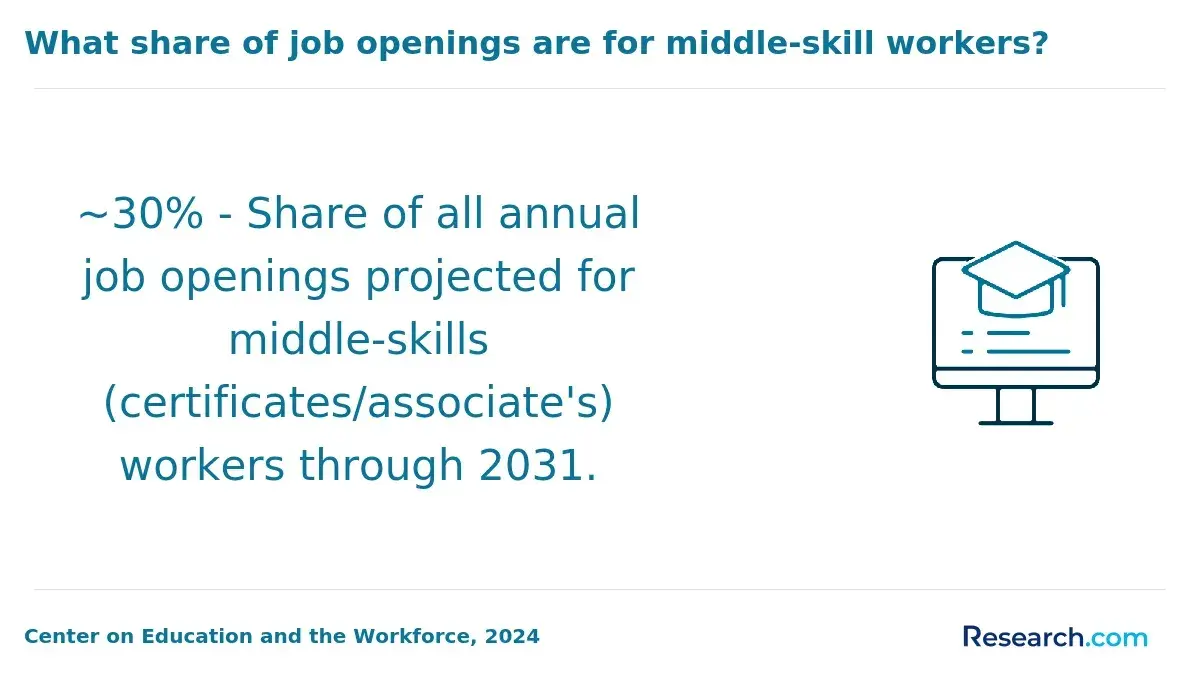
Evaluating industry growth is essential for Education graduates aiming to secure stable, well-compensated careers over the long term. Rapidly expanding sectors typically offer more job openings, increased investment in professional development, and higher wage potentials compared to saturated or shrinking markets. Industry demand is influenced by factors like demographic shifts, technological innovation, and evolving policy landscapes, which can reshape where Education expertise is most valued. Recognizing these dynamics helps graduates target opportunities that align with both their skills and market realities. The following list highlights industries projected to offer the fastest growth for Education professionals.
- Educational Technology: This sector is expanding swiftly as schools and organizations integrate digital tools and online platforms. Growth around 11% is forecast by the U.S. Bureau of Labor Statistics due to greater reliance on remote and blended learning models. Education graduates with skills in instructional design, edtech management, or digital content development will find opportunities to innovate learning experiences and support technology-driven education systems.
- Adult and Continuing Education: Driven by an aging workforce and ongoing reskilling needs, roles in corporate training, healthcare education, and community programs are growing at over 9% according to recent data from the National Center for Education Statistics. This industry values expertise in adult learning theories and program development, offering avenues for educators to diversify beyond traditional K-12 roles.
- Special Education Services: Persistent demand, fueled by legislative mandates for inclusive education, is pushing growth near 8%. Qualified special education teachers and support professionals remain critical, especially in regions expanding special needs services. These positions often provide deeper job security and specialization compared to general education roles.
- Vocational and Workforce Training: Economic shifts and technological advances require new vocational programs focused on trades and emerging industries. Growth is tied to workforce development initiatives and public-private partnerships that seek educators capable of designing career-focused curricula aligned with local labor market demands.
After completing a degree in education, one graduate initially sought a traditional teaching role but hesitated upon seeing limited openings in local school districts. An informational interview with a workforce development coordinator introduced her to adult education in healthcare, an area experiencing rising demand due to ongoing certification requirements and staff turnover. The transition yielded both immediate employment and a clearer path for professional growth, illustrating how adapting to sector growth trends can mitigate uncertainty and extend career options.
Which Employers Commonly Recruit Education Graduates?
Recognizing which organizations typically employ education graduates can significantly shape how students and recent graduates direct their studies, internships, and job searches toward viable career paths. Hiring trends differ by specialization-for instance, early childhood versus special education-plus geographic location and shifting industry demands. With education roles evolving due to technology integration and policy shifts, targeted awareness helps candidates anticipate where demand and salary potential intersect. Below are employer types that consistently seek professionals with education degrees based on the latest 2024 data from the U.S. Bureau of Labor Statistics and National Center for Education Statistics.
- K-12 School Districts: These remain the predominant source of employment for education graduates, accounting for the largest volume of job openings. Districts need teachers, administrators, counselors, and support staff to address enrollment growth and implement updated curricular standards. Their steady, local demand creates reliable pathways, though pay scales and resource availability can vary widely by state and district funding.
- Higher Education Institutions: Colleges and universities recruit education graduates for faculty positions, student affairs, and educational program management. Expertise in curriculum design and educational technology is increasingly valued as these institutions expand online and hybrid learning models. Roles here often require advanced degrees but offer the potential for professional development and research opportunities.
- Early Childhood and Special Education Centers: Growth in early childhood education and intervention programs-buoyed by expanded federal funding-has led to rising demand for specialists in pre-K through early intervention services. These settings offer meaningful roles focused on foundational development, often blending teaching and therapeutic support, but may present varied compensation and resource levels compared to K-12 settings.
- EdTech Companies and Nonprofits: The rise of digital learning tools has increased recruitment of education graduates to design, assess, and deliver instructional content and training programs. Nonprofits focused on literacy or workforce development similarly hire graduates for program coordination and outreach. These employers may offer innovative environments but typically have less stability and fewer traditional benefits than public institutions.
- Government Agencies: Departments of education and public health employ graduates for policy development, curriculum standards, and community education initiatives. These roles often blend educational expertise with administrative and analytical skills. Government positions can offer competitive salaries and benefits but sometimes require navigating complex bureaucracies and political changes.
Which Skills Are Most In Demand Across Education Industries?
Across industries hiring graduates with education degrees, certain career skills remain consistently valuable because they enable adaptability in diverse roles and evolving work environments. These skills provide a foundation that allows professionals to navigate changes in technology, policy, and learner populations. While individual industries may prioritize different competencies, top-performing candidates often share a hybrid blend of technical knowledge and transferable abilities. For instance, educators working in educational technology firms must merge digital proficiency with communication skills to tailor solutions effectively. Below are key skills that reflect the education industry skills in high demand and help graduates stay relevant across multiple sectors.
- Digital Literacy: Mastery of digital tools and platforms is essential as schools and related industries integrate technology-driven instruction. Students can build this skill through hands-on experience with learning management systems and data software, supporting roles in edtech companies and beyond.
- Data Analysis: The ability to interpret student performance metrics and use data to tailor instructional content is increasingly crucial. Training in statistical methods during coursework enhances long-term career flexibility in roles ranging from classroom teaching to policy analysis.
- Inclusive Instructional Design: Designing educational experiences that address diverse learning needs has broad appeal across public schools and nonprofit organizations. This competency equips graduates to foster equity and engagement effectively.
- Communication Skills: Clear, empathetic interaction with students, colleagues, and stakeholders remains a cornerstone of success. Education programs that emphasize collaborative projects and interdisciplinary teamwork help students refine this transferable skill.
- Adaptability: Dynamic learning environments demand professionals who can adjust quickly to new methods and challenges. Practicing problem-solving and emotional intelligence, as highlighted by the World Economic Forum's Future of Jobs Report, strengthens this capacity.
- Project Management: Expertise in organizing programs and aligning them with regulations is crucial in governmental and nonprofit sectors focused on educational initiatives. Practical internships and policy coursework serve as avenues for developing this skill.
- Cybersecurity Awareness: Growing remote learning adoption has spiked employer demand for digital privacy expertise, as noted by the Consortium for School Networking. Acquiring foundational knowledge in this area positions graduates competitively in technology-driven environments.
For prospective education students exploring their options, acquiring such a hybrid skill set not only addresses top skills employers seek in education graduates but also opens doors across traditional and emerging fields. Those interested in expanding their practical expertise may consider specialized online programs like the online ASN, which illustrates how blending technical and interpersonal competencies enhances employability and career mobility.
How Do Career Paths Differ Across Industries for Education Graduates?
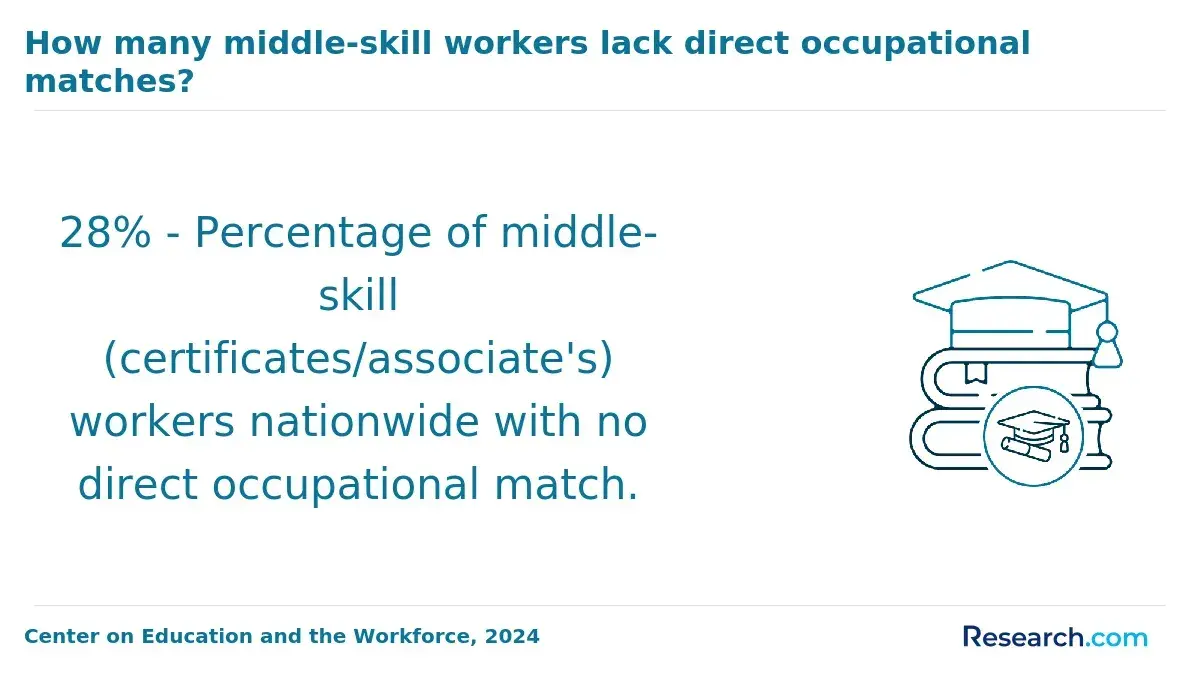
Choosing an industry after earning a degree in education can shape career trajectories as much as the degree itself. Different sectors value varied skills, experiences, and career objectives, resulting in distinct advancement patterns and daily responsibilities. Graduates should recognize that sectors like K-12 schools, corporate training, higher education, and educational technology reward different strengths and lead to different long-term outcomes. Aligning industry choice with personal interests and professional goals is essential. The following points highlight key distinctions in career paths across industries for education graduates.
- Advancement Structure: Public and private K-12 schools typically offer clear, incremental promotion tracks, progressing from teaching to administrative roles such as principals or curriculum directors, often over a decade or more. In contrast, corporate training and edtech environments emphasize skill acquisition and networking, with less formalized ladders but potential for rapid salary increases.
- Salary Trajectories: Entry-level teachers in K-12 settings generally start with median salaries around $60,000, growing steadily with experience. Conversely, corporate training professionals often begin near $70,000 and can see faster wage growth, especially when specializing in digital learning or organizational development.
- Credential Dependencies: Advancement in higher education hinges heavily on academic qualifications and publication records, with tenure-track and senior administrative roles typically requiring advanced degrees. Other sectors may prioritize practical skills or certifications over formal academic achievements.
- Work Responsibilities: K-12 educators focus primarily on classroom instruction and school leadership duties, whereas higher education roles blend teaching, research, and administration. Corporate training specialists often work on program design, skill development, and organizational strategy, reflecting diverse daily tasks.
- Occupational Mobility: Movement between sectors varies; public school graduates may face barriers entering private or corporate fields without additional credentials, while edtech companies increasingly recruit those with hybrid expertise in education and technology, enhancing crossover opportunities.
- Job Security and Stability: Traditional education sectors generally provide higher job security and structured benefits, appealing to those valuing stability. Corporate and nonprofit sectors might offer less stability but greater flexibility and innovation-driven roles.
- Long-Term Professional Growth: Graduates must weigh salary potential against factors like job satisfaction and growth opportunities. For example, a teacher aiming to become a school principal benefits from structured promotion in K-12, while a professional passionate about technology-driven learning might find faster upward mobility in edtech firms.
According to the U.S. Bureau of Labor Statistics in 2024, median salaries for education graduates in leadership roles within K-12 can exceed $90,000 after 10-15 years, whereas those in corporate training can surpass these figures more rapidly but with less formal promotion frameworks.
How Do Industry Trends Affect Future Opportunities for Education Graduates?
Shifts in industry demands significantly shape career paths for education graduates, influencing where job openings arise, what skills become essential, and how compensation evolves. These trends can vary widely across sectors, meaning graduates must strategically assess how various fields align with their interests and expertise. For instance, an education professional focusing solely on traditional classroom teaching may find growing opportunities in digital learning environments or specialized support roles. Understanding these dynamics helps graduates target their preparation toward roles with sustained growth potential and competitive wages.
Key industry trends shaping future opportunities for education graduates include:
- Technology Integration: Increasing reliance on digital tools and hybrid learning models creates demand for education professionals adept at blending technology with pedagogy. Employers seek candidates who can develop and support e-learning platforms, making skills in educational technology essential for staying competitive.
- Specialized Roles in Health and Counseling: Rising focus on mental health awareness and inclusive education has expanded roles for educators in counseling, special education, and adult learning within health and social assistance sectors. These positions often offer salaries comparable to or exceeding traditional teaching roles, reflecting elevated societal priorities.
- Corporate Training Growth: Organizations across industries invest in upskilling employees to meet regulatory and technological changes, fueling demand for education graduates skilled in curriculum design and adult education methodologies. This sector's projected 7-9% annual growth presents alternative career paths beyond traditional schools.
- Community and Government Programs: Nonprofits and public agencies emphasize literacy, workforce development, and civic education, offering stable roles with benefits focused on social impact. Geographic factors influence opportunities here, with urban centers providing more openings and rural areas presenting unique community engagement challenges.
A 2024 report from the U.S. Bureau of Labor Statistics underscores sustained growth in K-12 teaching positions alongside rising demand for digital education experts, highlighting the need for flexibility and ongoing skill development.
One education graduate initially concentrated on becoming a K-12 classroom teacher but faced hiring freezes in her rural district. Recognizing the growth of digital learning, she pivoted, enrolling in courses on educational technology. This shift led to a hybrid teaching role in an urban district, combining classroom instruction with remote learning support. While the transition was daunting, her adaptability expanded her employment options and improved job stability, illustrating how awareness of industry trends can directly influence career trajectories.
How Can Students Prepare for High-Demand Education Industries?
Success in high-demand education industries hinges on strategic, hands-on preparation that reflects current employer priorities and sector growth. Data from the U.S. Department of Education and the National Center for Education Statistics (NCES) show that practical experience, such as internships and student teaching, directly correlates with improved employability. However, students must also balance this with technological skills and relevant credentials to navigate the evolving education landscape. The following strategies are tailored to help education students cultivate the best skills for education graduates and position themselves competitively.
- Practical Experience: Engaging in internships, practicum placements, or student teaching allows students to demonstrate critical classroom management and adaptive learning skills. This real-world exposure is often cited as the single most important factor in securing entry-level roles across K-12 and higher education.
- Technological Proficiency: Developing expertise with educational technology, virtual instruction, and data analytics equips students for sectors expanding in remote and digital learning. Schools increasingly prioritize candidates comfortable navigating these tools.
- Targeted Credentialing: Obtaining certifications like TESOL or special education endorsements can unlock specialized opportunities. Students pursuing roles in policy or administration benefit from advanced degrees paired with leadership training, amplifying their career options.
- Soft Skills Development: Communication, collaboration, and cultural competency significantly enhance employability, especially in diverse learning environments. Proactively cultivating these skills alongside academic work helps graduates meet employer expectations.
- Professional Networking: Membership in education associations and continuous development supports industry awareness and salary growth. Keeping pace with trends in STEM education, early childhood programs, and adult education sectors is essential for long-term success.
- Balanced Academic Planning: Integrating coursework with internships and skills training ensures preparedness across multiple dimensions of the education workforce, tailoring readiness to specific career paths.
- Research-Based Program Selection: Choosing programs recognized for quality and alignment with industry demands, such as those listed among bacb accredited schools, helps ensure education aligns with market needs and credentialing requirements.
How Do Different Education Degree Programs Prepare Students for Industry Careers?
Education degree programs vary widely in how well they prepare students for diverse industry career pathways for education graduates. According to the 2024 National Center for Education Statistics, programs integrating curriculum design, educational technology, and special education correlate with stronger career readiness across K-12 schools, corporate training, and nonprofit sectors. Practical experiences like internships and student teaching are key drivers of these outcomes, underscoring the importance of hands-on learning. Graduates equipped with interdisciplinary skills often have broader employment options and can command higher starting salaries, as noted by the American Educational Research Association. Below are crucial factors to consider when evaluating how different education degree programs prepare students for industry careers.
- Theoretical Foundations: Programs differ in how deeply they embed pedagogical theories and research methodologies. A strong theoretical base enables graduates to adapt to evolving industry standards and new educational roles beyond traditional teaching.
- Practical Experience: Opportunities for supervised internships, student teaching, or project-based work enhance job readiness. Students should compare how programs facilitate real-world exposure, as this directly impacts employability and skill application.
- Technology Integration: Programs that emphasize educational technology prepare graduates for roles in EdTech firms and digital learning development. Familiarity with current tools and digital literacy is increasingly critical in many education-related industries.
- Leadership Training: Focus on instructional leadership and policy analysis readies graduates for administrative or consultancy positions. Not all programs include leadership components, so prospective students should assess this based on their career goals.
- Interdisciplinary Coursework: Integration of communication, psychology, and data analysis enhances graduates' versatility. Programs offering these cross-disciplinary skills enable graduates to access a wider range of industry career pathways for education graduates.
- Sector-Specific Alignment: Some programs specialize in preparing students for K-12 education, while others gear toward corporate training or nonprofit work. Aligning program focus with intended industry sectors ensures more targeted skill development.
- Career Support Services: Access to career counseling, networking opportunities, and job placement support varies significantly. Students should consider how each program's resources complement academic learning to facilitate successful transitions into the workforce.
A real-world example: A graduate pursuing a role in corporate training might choose a program with extensive technology integration and internships in business environments. Conversely, an aspiring special education teacher would prioritize programs with strong practical teaching components and specialized curriculum.
For those exploring specialized counseling within education sectors, reviewing offerings like the best online substance abuse counseling degree programs can also broaden career prospects, integrating critical support services valued in nonprofit and healthcare-related education roles. Overall, no one-size-fits-all exists; selecting the right program depends heavily on individual career goals and preferred learning styles.
Which Industry Is the Best Fit for Your Education Career Goals?
The "best" industry for education graduates varies significantly based on individual priorities such as preferred work environment, specialization interests, earning goals, lifestyle preferences, and the desire to create a specific type of impact. For example, one student focused on job security and working directly with youth might pursue roles in public K-12 schools, appreciating growth in special education. Another with a strong interest in technology integration and higher earning potential might choose corporate training or the EdTech sector, attracted by rapid wage growth and innovation opportunities reported in recent 2024 workforce studies. These divergent paths highlight that the right industry aligns with one's unique career aspirations rather than a universal ranking.
Making an informed decision requires researching employer expectations, industry growth projections, skill requirements, internship availability, and long-term career pathways within each sector. Reflecting on personal strengths and interests is essential, as successful careers emerge from a match between individual goals and market realities. According to the U.S. Bureau of Labor Statistics and analysis from the World Economic Forum, priority factors for graduates include not just salary and growth, but also job satisfaction and meaningful impact. Thus, the strongest choices balance personal values with viable opportunities across public education, corporate training, EdTech, government, or nonprofit organizations.
References
- 5 Best Industries for College Graduates https://bhsg.com/resources/5-best-industries-for-college-graduates
- Careers in Education https://www.highspeedtraining.co.uk/hub/careers-in-education/
- Career Readiness Strategies for Schoolwide Transformation: A Guide for Administrators - Participate Learning https://www.participatelearning.com/blog/career-readiness-strategies/
- EdAssist | 7 Industries and job roles with high projected growth https://www.brighthorizons.com/resources/blog/edassist/7-industries-and-job-roles-with-high-projected-growth
- Educational Services Industry https://collegegrad.com/industries/educational-services
- What are the fastest-growing industries to consider for a career change? - MSU Denver https://www.msudenver.edu/innovative-lifelong-learning/blog/what-are-the-fastest-growing-industries-to-consider-for-a-career-change/
- 6 Different Master’s in Education Degrees Teachers Can Pursue https://www.pointloma.edu/resources/education/6-different-masters-education-degrees-teachers-can-pursue
- These are the 4 skills you’ll need in the workplace of the future https://www.weforum.org/stories/2023/01/skills-jobs-future-workplace/
- 10 Reasons Why Education Helps to Advance Your Career - Insight Training https://insight.edu.au/blog/career-advancement-through-education/
- 7 Unique Career Paths for Education Graduates | MANCOSA https://www.mancosa.co.za/blog/7-unusual-career-paths-for-education-graduates/
Other Things You Should Know About Education
Industries like public school systems typically offer more job stability but come with heavier administrative duties and less schedule flexibility, which can impact work-life balance. Conversely, non-profits or community education roles might allow for more flexible hours but often face funding uncertainties and contract-based positions. Graduates must prioritize which tradeoff matters more to them: consistent employment with predictable hours or potentially more meaningful but less secure roles.
Higher-paying sectors such as educational technology or corporate training sometimes have less structured career ladders compared to traditional K-12 or higher education institutions. While initial compensation can be attractive, these industries may require proactive skill development and networking to advance, demanding more initiative from graduates. Those valuing rapid promotion and mentorship might find more traditional institutions better, even if starting pay is lower.
Emerging fields often expect education graduates to combine pedagogy with tech fluency and data analysis, which traditional programs may not fully teach. This divergence can disadvantage graduates without cross-disciplinary training, delaying their integration or progression. Prioritizing internships or certifications in these skills while studying can improve readiness and competitiveness.
Yes, because demand and salary potential for education roles vary dramatically by region, especially between urban and rural areas or different states. Some high-demand industries cluster in specific locations with corresponding higher costs of living. Graduates should weigh the net financial benefit against lifestyle preferences and relocation costs to avoid unintended disadvantages.