2027 Education ROI by Institution Type: Public vs Private vs Nonprofit Online Programs

Co-Founder and Chief Data Scientist
Consider a prospective Education student evaluating three seemingly comparable online graduate programs: one public, one private, and one nonprofit. Tuition varies widely, yet an April 2024 study from the National Postsecondary Education Cooperative reveals that programs with lower sticker prices sometimes yield higher debt-to-earning ratios upon graduation, especially in private institutions where graduation rates tend to lag.
This disparity signals not just affordability concerns but also differences in institutional support and career outcomes. Choosing without understanding these nuances can lead to extended debt and limited career mobility. This article will dissect Education ROI by institution type to clarify cost, completion, and long-term value for prospective students.
Key Things to Know About Education ROI by Institution Type
- Public institutions typically offer lower total costs but often have longer completion times, impacting ROI as delayed entry into the workforce can reduce long-term earnings potential despite affordability.
- Private online programs frequently provide stronger employer recognition and networking opportunities, yet their higher tuition correlates with increased debt exposure, demanding careful weighing of career advancement gains against borrowing risks.
- Nonprofit online Education's flexible scheduling aids working adults, enhancing access but variable graduation rates highlight the importance of assessing learner support quality to ensure timely credential attainment and ROI realization.
- Key Things to Know About Education ROI by Institution Type Key Things to Know About Education ROI by Institution Type
- What Does ROI Mean for an Education Program and How Is It Measured? Understanding Education Program ROI
- How Do Public, Private, and Nonprofit Online Education Programs Differ in Overall Value? Value by Institution Type
- How Do Tuition Costs Affect the ROI of an Education Program Across Institution Types? Tuition Costs and ROI
- How Do Graduation Rates Influence Education Program ROI? Graduation Rates Impact ROI
- What Role Do Career Outcomes Play in the ROI of an Education Degree? Career Outcomes and ROI
- How Does Student Debt Impact the Long-Term ROI of an Education Program? Debt vs. Long-Term ROI
- How Do Flexibility and Adult Learner Support Affect Education Program Value? Flexibility and Program Value
- How Do Accreditation and Institutional Reputation Influence Education ROI? How Do Accreditation and Institutional Reputation Influence Education ROI?
- How Does Time-to-Degree Affect the ROI of Public, Private, and Nonprofit Education Programs? How Does Time-to-Degree Affect the ROI of Public, Private, and Nonprofit Education Programs?
- How Can You Choose the Best Education Program Based on Your ROI Goals? Choosing Programs by ROI
What Does ROI Mean for an Education Program and How Is It Measured?
Return on investment for online education programs is best understood as a complex balance of costs, time, and outcomes rather than a simple tuition-to-salary ratio. For example, a public online program may offer lower tuition and higher graduation rates than many private options, reducing the total debt load and accelerating workforce entry, which can improve net ROI even if initial credentials are less prestigious.
Measuring education program ROI requires weighing direct expenses like tuition and fees against indirect costs such as lost income during study, while also considering how program completion speed and institutional support services contribute to timely graduation and career readiness.
The decision-making process shifts substantially when factoring in individual goals and circumstances. A working professional aiming for quick credentialing might find greater value in accelerated certified medical assistant programs that reduce time-to-degree and minimize opportunity costs, despite potentially higher upfront fees. Conversely, a student prioritizing long-term career alignment and employer recognition may accept higher costs from nonprofit programs if enhanced career services and industry partnerships improve job placement.
Ultimately, how to measure education program ROI depends on nuanced tradeoffs among costs, debt burden, completion rates, and expected career benefits, underscoring the need for cost-conscious adult learners to assess affordability alongside program quality and relevance.
How Do Public, Private, and Nonprofit Online Education Programs Differ in Overall Value?
Public, private, and nonprofit online education pathways vary notably in how they balance cost, academic quality, and career prospects, with choices carrying distinct implications for debt levels and return on investment. Public programs generally provide the lowest tuition and lead to significantly less student debt-around 35% less compared to private nonprofit institutions according to the 2024 Federal Reserve financial well-being survey-making them appealing to students focused on affordability.
However, private nonprofits often offer stronger regional accreditation, smaller classes, and enhanced student services, which can support better employment networks and may justify their higher costs for those seeking greater career flexibility or professional advancement. Nonprofit online degrees, typically connected to traditional universities, tend to deliver outcomes that fall between public and private options, combining moderate cost with higher graduation and job placement rates, which benefits those weighing upfront expenses against longer-term career readiness.
The decision between these program types hinges on individual circumstances and priorities: working adults balancing schedules may value the personalized support and flexible pacing in private nonprofit programs despite added expense, while budget-focused learners might prefer public offerings that minimize debt yet still require due diligence in accreditation and employer recognition.
Employers increasingly prioritize practical skills and verified credentials over institution type alone, but graduates from institutions with recognized accreditation and strong career services may experience smoother transitions into target fields. These differences highlight the importance of assessing financial aid availability, debt tolerance, institutional support, and alignment with career goals when comparing online program options.
One prospective student faced uncertainty when choosing between a public online university with very affordable tuition and a private nonprofit program boasting smaller cohorts and dedicated career counseling. Concerned about taking on excessive debt, they initially leaned toward the public option but hesitated over potential employer perceptions and networking opportunities. After closely evaluating graduation rates, accreditation details, and available financial aid, the student opted for a nonprofit program that struck a balance: it offered manageable costs with robust support services, aligning best with their goal to minimize debt while enhancing job market competitiveness. This thoughtful comparison helped avoid common pitfalls of focusing solely on sticker price or brand reputation.
How Do Tuition Costs Affect the ROI of an Education Program Across Institution Types?
Tuition cost differences among public, private, and nonprofit online Education programs significantly influence return on investment (ROI), but the relationship is complex and context-dependent. Lower tuition at public institutions often reduces immediate financial strain and the burden of student debt, which can ease repayment pressure post-graduation.
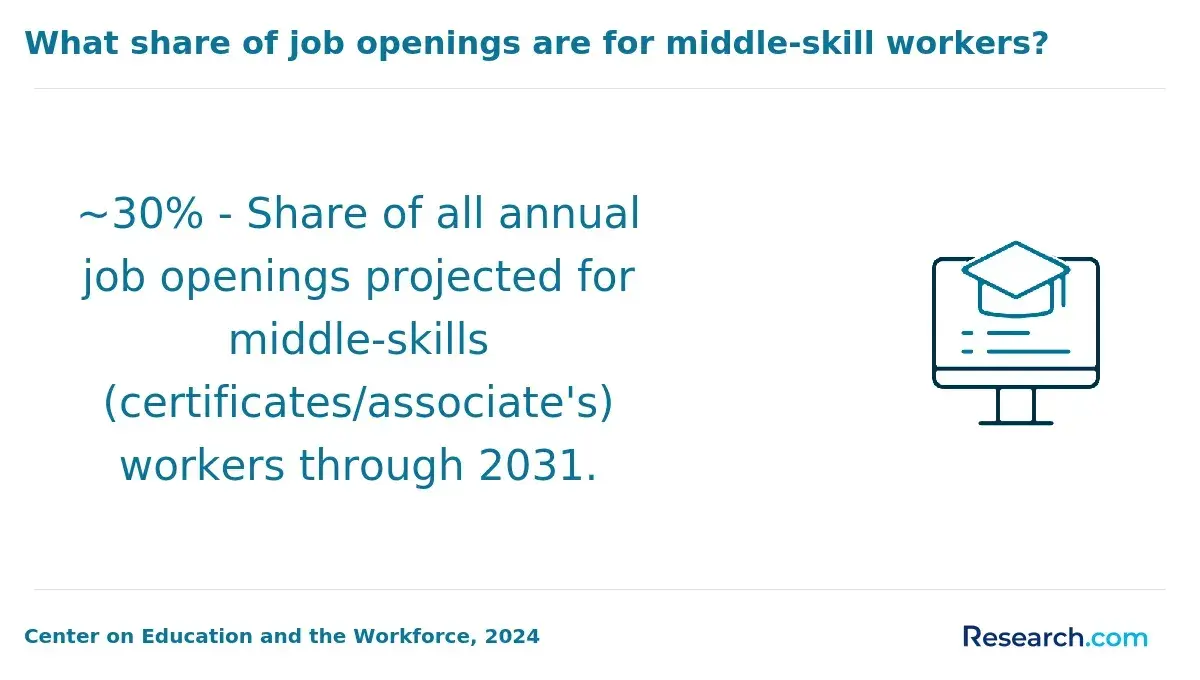
However, programs with higher tuition-typically private nonprofits-may offer enhanced academic support, career services, and employer connections, potentially increasing graduation rates and facilitating higher post-degree earnings. For example, data from the Georgetown University Center on Education and the Workforce indicates that graduates of private nonprofit online programs earn roughly 15% more five years after graduation compared to their public counterparts, partially offsetting their greater upfront costs.
When evaluating ROI, students must also consider program flexibility and time-to-degree, especially adult learners balancing work and study. Public online programs frequently provide more adaptable scheduling and lower total costs, minimizing opportunity costs and allowing learners to maintain income while studying. Yet, these advantages can be counterbalanced by lower completion rates and diminished long-term salary growth if career services are limited.
Additionally, borrowing patterns vary by institution type; the Federal Reserve Bank reports that private nonprofit students generally accumulate more debt, heightening financial risk if salary improvements do not adequately exceed loan repayments. This nuance means that while lower tuition is generally beneficial for risk-averse students, higher-cost programs might offer better ROI for those prioritizing long-term earnings and professional networks.
How Do Graduation Rates Influence Education Program ROI?
Graduation rates are a pivotal metric influencing the return on investment in online education programs, but their impact varies notably between public, private, and nonprofit institutions. Public online programs often have lower graduation rates due to a higher proportion of adult learners juggling education alongside work or family, which can extend time-to-degree.
Although these programs may present a slower path to completion, their typically lower tuition reduces debt and financial strain, which significantly shapes long-term ROI. In contrast, private and nonprofit institutions usually show higher graduation rates, benefiting from more robust academic support and smaller class sizes, which help learners finish faster and enhance the perceived value of their credentials, though this advantage can be offset by higher tuition costs and resultant debt burdens.
Graduation success affects return on investment in online programs by signaling institutional effectiveness and student persistence but does not tell the full story. Factors such as part-time enrollment, transfer credits, and student demographics complicate direct comparisons; for example, adult learners balancing multiple responsibilities may depress completion statistics without necessarily reducing economic benefits.
According to a 2024 report by the National Student Clearinghouse Research Center, graduates realize an average salary premium of 30% compared to non-completers, highlighting degree completion's wage impact. Evaluating programs also means considering affordability, support services, and debt management, as seen when researching options like the LPN program no TEAS required, which may offer less traditional entry barriers for working adults, affecting both persistence and ROI.
What Role Do Career Outcomes Play in the ROI of an Education Degree?
Career outcomes fundamentally shape the return on investment of education degrees by influencing how effectively graduates translate their credentials into sustainable employment and professional standing. Data from the National Center for Education Statistics in 2024 shows a 78% employment rate within two years for public online education graduates, surpassing nonprofit and private counterparts, reflecting the stronger employer connections and state-backed resources often present in public institutions.
This advantage highlights a critical tradeoff: while private programs may offer niche, accelerated tracks suited to career changers, they often lack the broader employer recognition and networking infrastructure that support long-term career mobility in nonprofit and public sectors. Evaluating ROI thus requires balancing initial tuition costs and debt against such practical outcomes, since programs with more robust job placement services and industry alignment can yield sustained value beyond immediate salary gains.
Beyond raw employment figures, the perceived value of a degree to employers and the capacity to leverage alumni networks are essential for career progression, especially in fields where hands-on skills and adaptability are in demand. Graduates pursuing part-time or flexible programs must weigh these factors against time-to-degree and financial constraints, as a degree with limited market recognition may hinder upward mobility despite lower costs. Ultimately, ROI analyses grounded in career outcomes must consider both how a degree positions students in existing labor markets and the evolving employer expectations that determine whether educational investments translate into meaningful professional durability.
One graduate of a nonprofit online education program recalled initially questioning whether the credential would justify the tuition and missed work hours, uncertain if it would open doors at their current employer. Over time, however, the degree's emphasis on practical skills and the institution's network enabled a lateral move into a specialized role with increased responsibilities. This shift underscored that the ROI was less about immediate financial returns and more about expanded professional opportunities and employer validation within a competitive sector, illustrating the nuanced ways career outcomes influence educational investment decisions.
How Does Student Debt Impact the Long-Term ROI of an Education Program?
Borrowing decisions in education programs are pivotal to long-term financial outcomes, especially when comparing public, private, and nonprofit online institutions. For example, students who accumulate high debt at private online schools-often 30-50% more than public counterparts-face repayment obligations that can delay key milestones like buying a home or saving for retirement. The real cost of debt becomes apparent when graduates with similar degrees enter the workforce but shoulder vastly different loan burdens, affecting their disposable income and career choices. This nuance in student debt effects on education program ROI emphasizes that higher borrowing does not necessarily translate into better career opportunities or financial stability.
Public online programs generally offer lower tuition and broader access to federal aid, which can reduce debt levels without sacrificing quality. However, long-term value hinges critically on graduation and placement rates, since repayment success strongly correlates with degree completion-a factor underscored by Brookings Institution research. Nonprofit institutions often serve as a middle ground, balancing cost with mission-driven education, but students must carefully assess whether debt levels are manageable relative to likely earnings. Adult learners and working professionals evaluating exercise science degree online options, for instance, must weigh these aspects within the broader context of educational quality, career advancement potential, and debt repayment capacity.
Understanding the long-term financial impact of education-related debt requires dissecting how borrowing aligns with institutional type, program completion, and labor market relevance. Low debt alone offers no guarantee of a positive ROI if employment outcomes or program rigor are weak. Conversely, some higher-cost programs may justify debt through specialized training or stronger employer networks but carry inherent risks if earnings growth does not match repayment demands. This dynamic underlines the importance of strategic planning for cost-conscious students who must balance affordability, educational value, and realistic career expectations.
How Do Flexibility and Adult Learner Support Affect Education Program Value?
Programs that offer asynchronous schedules and targeted support services significantly improve persistence and time-to-degree for adult learners juggling work and family responsibilities. A 2024 report from the National Center for Education Statistics finds that students with access to flexible coursework paired with structured academic advising are nearly 30% more likely to graduate within six years.
Unlike many public institutions that emphasize lower tuition but limit flexible and personalized support, nonprofit and private online programs often provide comprehensive career counseling, faculty accessibility beyond standard hours, and veteran-specific resources, which reduce barriers that typically extend education timelines and inflate opportunity costs.
Choosing a program primarily on sticker price may obscure hidden costs related to slower degree completion or limited credit transfer policies common in less flexible settings. For example, a working parent in a private nonprofit program may benefit from efficient credit articulation and proactive advising that shortens enrollment duration and accelerates workforce reentry-outcomes that can outweigh higher upfront tuition.
Employers favor candidates who complete degrees promptly while gaining relevant experience, so programs that integrate adult-learner accommodations and robust support align better with evolving labor market demands. Adult learners evaluating return on investment should therefore weigh these structural features over the simplistic view of tuition cost, as they more directly influence educational value and long-term career prospects.
How Do Accreditation and Institutional Reputation Influence Education ROI?
Accreditation and institutional reputation shape education ROI by directly affecting a graduate's eligibility for licensure, credit transfer, and employer recognition-factors that influence both immediate job prospects and long-term career flexibility. For example, a working professional choosing between a regionally accredited public online program and a higher-tuition private institution must weigh the likelihood that employers and graduate schools will recognize their degree credentials.
Research from the Council for Higher Education Accreditation shows accredited programs consistently yield higher employment rates and salary premiums, while a 2024 National Association of Colleges and Employers report found that 62% of employers consider institutional reputation when evaluating online degree candidates, especially in licensure-dependent fields like education.
However, the practical ROI of attending a highly reputed private institution can be moderated by significantly higher tuition costs and potential debt, which may offset initial salary gains. Conversely, public and nonprofit online programs often provide competitive academic standards and robust student support at lower prices, reducing financial strain and improving net ROI despite sometimes lower brand prestige.
Students should also consider graduation and retention rates, transfer credit policies, and access to postgraduate opportunities, as these elements influence program completion times and future advancement, making accreditation and reputation part of a broader, nuanced calculus rather than standalone indicators of value.
How Does Time-to-Degree Affect the ROI of Public, Private, and Nonprofit Education Programs?
Time-to-degree differences among public, private, and nonprofit online education programs critically shape the real value students derive from their investment, as extended timelines increase tuition exposure and opportunity costs while potentially delaying career advancement. Public institutions often offer flexible enrollment and transfer credits that accommodate part-time students, allowing many to spread out costs but lengthening degree completion.
In contrast, private programs typically emphasize accelerated pathways with structured timelines aimed to finish in four years or less, which, despite higher tuition, may speed workforce reentry and earnings growth. Nonprofit programs usually balance these approaches, providing some cohort-based models alongside part-time options, with graduation rates generally higher than for-profit but below traditional public institutions.
For cost-conscious adult learners and working professionals, the interplay between time-to-degree and ROI extends beyond simple tuition math. Students juggling work and family, for example, might select slower-paced public or nonprofit programs that minimize debt accumulation even though this delays income potential. Conversely, accelerated private programs demand significant student commitment but may reduce opportunity costs, a tradeoff that not all adults can realistically manage.
Completion rates also matter; programs with low persistence can compound financial strain through repeated enrollment periods. Evaluating how program length influences return on investment for online education institutions requires attention to these operational realities and how they align with personal circumstances and long-term career goals.
This decision framework aligns with current labor market expectations, where faster degree completion can facilitate quicker role transitions and earnings gains, as supported by various data sets, including those from the National Center for Education Statistics and industry reports. Prospective students may also explore specialized pathways such as the BSN to MSN online options that offer defined timelines and clear ROI implications, helping to navigate the complex tradeoffs of time, cost, and career progression.
How Can You Choose the Best Education Program Based on Your ROI Goals?
The best return on investment in education programs hinges more on individual priorities than institution type alone. Public online programs often present lower tuition costs and reduced debt burdens, appealing to those balancing employment and family commitments. Yet, this affordability can mean longer time-to-degree or fewer learner support services, which may slow workforce re-entry or advancement. Conversely, nonprofit programs typically invest in robust career services and networking, potentially increasing graduation rates and employer recognition, which is vital for those targeting competitive fields or rapid career shifts.
Financial aid structures further complicate ROI calculations, with public institutions more likely to offer state aid, while private nonprofits may provide targeted scholarships or employer partnerships. Accreditation and institutional reputation also impact credit transferability and long-term career mobility, especially important for transfer students or those seeking credentials that employers value across sectors. Working professionals must weigh program flexibility, including asynchronous or accelerated formats, since opportunity costs accumulate during extended study periods, which directly influence ROI assessments for those balancing existing job responsibilities.
Students exploring the best online education programs for career advancement should consider metrics beyond sticker price, such as graduation rates exceeding 60% reported in some nonprofit online programs, as highlighted by federal data. For practical guidance on degree selection, particularly in high-demand fields like nursing, reviewing resources such as what is the easiest NP program can shed light on balancing educational effort and return amid evolving workforce needs.
References
- The Impact of Student Debt on the Low-Wage Workforce https://workrisenetwork.org/working-knowledge/impact-student-debt-low-wage-workforce
- Understanding an Institution’s Return on Investment: Measuring the Price-to-Earnings Premium https://www.higheredtoday.org/2023/10/30/understanding-an-institutions-return-on-investment-measuring-the-price-to-earnings-premium/
- Insights Into Adult Education: A Need for Flexibility and Innovation https://www.wested.org/blog/insights-impact/insights-into-adult-education-a-need-for-flexibility-and-innovation/
- Measuring the ROI of Your Training Initiatives https://www.shrm.org/labs/resources/measuring-the-roi-of-your-training-initiatives
- ROI of Higher Education - Signal49 Research https://www.signal49.ca/focus-areas/roi-of-higher-education/
- Check the Return on Investment (ROI) for Colleges and Academic Majors - The College Solution https://thecollegesolution.com/roi-for-colleges-and-college-majors/
- Choosing their path: Why teens need to think ROI post-high school | Money Path https://moneypath.securefutures.org/blog/roi-post-high-school/
- Is College Worth It? A Comprehensive Return on Investment Analysis - FREOPP https://freopp.org/whitepapers/is-college-worth-it-a-comprehensive-return-on-investment-analysis/
- Public colleges offer highest chance of positive ROI to students, report finds https://www.highereddive.com/news/public-colleges-offer-highest-chance-of-positive-roi-to-students-report-fi/618531/
- How to Calculate the ROI of Your College Degree - The College Funding Coach https://www.thecollegefundingcoach.org/how-to-calculate-the-roi-of-your-college-degree/
Other Things You Should Know About Education
Instructional support quality often differs by institution type, influencing both learning outcomes and career readiness. Private and nonprofit programs may offer more personalized faculty interaction and mentorship, which can accelerate skill development critical for education careers. Public online programs sometimes rely on larger class sizes and adjunct instructors, which can limit individual support but might offer broader curriculum choices. For ROI, prioritize programs where instructional engagement aligns tightly with your career goals, as a lack of tailored guidance could slow progress and reduce long-term employability.
Employer recognition heavily shapes ROI, as hiring managers often favor candidates from institutions with established education departments and proven practical training. Public universities generally hold strong brand recognition, which can ease job placement and salary negotiation. Nonprofit programs vary, so researching employer perception in your region is critical. Private online institutions may have less name recognition but can still deliver strong practical skills if they partner with education organizations. Consider prioritizing programs known for outcomes and networks in your specific education field over solely institutional prestige.
Yes, workload and rigor differ and impact how quickly working adults complete education credentials and apply learning on the job. Private online programs may demand more intensive coursework and faster pacing, which can boost knowledge retention but challenge work-life balance. Public programs often offer more flexible, self-paced options but sometimes risk reduced academic challenge, potentially limiting skill depth. Nonprofit programs frequently aim for a middle ground. When ROI matters most, balance the workload intensity with your capacity to sustain career and personal commitments without risking burnout or delayed graduation.
Curriculum relevance is paramount, as education roles increasingly require updated pedagogical strategies and technology proficiency. Private and nonprofit online programs may update courses faster to meet emerging trends, which can enhance immediate employability and ROI. Public programs sometimes lag behind due to bureaucratic processes, potentially leaving graduates less prepared for cutting-edge education challenges. Opting for a program with demonstrated employer-aligned curriculum ensures that time and money translate into marketable skills rather than outdated theory, markedly influencing long-term career growth and ROI.