2027 Education Tuition Inflation Report: How Fast Are Program Costs Rising?

Co-Founder and Chief Data Scientist
Tuition inflation within the education discipline reflects complex structural and operational dynamics unique to the field. Increased demand for specialized faculty with advanced certifications, expanded clinical and field-based training requirements, and growing investments in digital learning platforms drive program costs upward.
According to the National Center for Education Statistics, enrollment in education programs declined by 4% in 2023, intensifying competition among institutions to maintain quality while managing fixed expenses. These factors amplify cost pressures differently than in other academic areas. This article examines how these intertwined forces have influenced tuition growth and what age trends among education students suggest about future workforce readiness and accessibility.
Key Things to Know About Education Tuition Inflation
- Education tuition inflation outpaces general inflation by over 3%, raising total program costs sharply and forcing students to consider longer debt repayment periods or delayed career entry.
- Employers increasingly expect candidates to hold advanced credentials despite rising costs, intensifying the pressure to invest heavily in education programs that may not guarantee proportional wage growth.
- Rising tuition creates timing challenges, narrowing access windows for prospective students and compelling many to prioritize shorter, less costly certifications over traditional degrees with broader long-term prospects.
- Key Things to Know About Education Tuition Inflation Key Things to Know About Education Tuition Inflation
- How Much Has Education Tuition Increased Over the Past Decade? Education Tuition Increased
- How Does Education Tuition Inflation Compare to Overall Inflation? Tuition Inflation
- Which Types of Schools Have Experienced the Fastest Education Tuition Growth? Tuition Growth by School Type
- What Factors Are Driving Rising Costs in Education Degree Programs? Tuition Cost Drivers
- How Does Education Tuition Growth Vary by State and Region? Tuition Growth by State
- Are Online Education Programs Becoming More Affordable Than Campus-Based Programs? Online Program Affordability
- How Have Financial Aid and Scholarships Changed as Education Tuition Has Increased? Impact on Financial Aid and Scholarships
- How Does Rising Education Tuition Affect Student Debt After Graduation? Impact on Student Debt
- Do Higher-Cost Education Programs Deliver Better Career Outcomes or Earnings? Impact on Career Outcomes
- What Do Current Tuition Trends Suggest About the Future Cost of a Education Degree? Tuition Trends
How Much Has Education Tuition Increased Over the Past Decade?
Tuition for education degree programs in the United States has risen sharply over the past decade, with data from the National Center for Education Statistics highlighting increases of about 30% at public institutions, adjusted for inflation, and even more pronounced hikes-up to 40%-at private schools. This decade-long tuition growth rates for education degree programs notably exceed general inflation trends, reflecting a widening gap between overall consumer costs and specialized higher education expenses. Such escalations demand scrutiny, especially as prospective students evaluate the financial commitment required for education degrees amidst evolving workforce and salary realities.
Several factors drive these rising costs beyond inflation alone. Declines in state funding have pushed public institutions to offset budget shortfalls through tuition hikes, while private colleges have increased expenditures on technology enhancements, program diversification, and specialized credential offerings to meet market demand. Additionally, administrative overhead and infrastructure investments contribute to higher sticker prices. These dynamics intersect with shifting enrollment patterns and the growing prioritization of career-focused skills within education, explaining why tuition outpaces broader economic indicators and prompting students to weigh cost against tangible program benefits.
Rising tuition levels have significant implications for affordability and return on investment. Greater debt burdens may hinder graduates' financial flexibility, particularly since compensation in education fields often lags behind other professions. This disconnect influences decisions about program selection, encouraging some to explore alternatives such as the cheapest online healthcare administration degree or other related pathways offering more favorable cost-benefit profiles. Careful consideration of program outcomes relative to tuition growth is essential for students aiming to balance educational aspirations with practical financial constraints in a challenging economics landscape.
How Does Education Tuition Inflation Compare to Overall Inflation?
Education tuition inflation rates versus overall inflation reveal a persistent divergence where tuition costs rise considerably faster than the general Consumer Price Index (CPI). Recent data from the U.S. Bureau of Labor Statistics indicates a CPI inflation rate of roughly 3.4% in 2023, yet tuition expenses in education programs have increased closer to 5% to 6%, according to reports from the National Center for Education Statistics and the College Board. This gap reflects not only year-to-year price shifts but a broader trend where education-related expenses consistently escalate beyond core economic inflation. Understanding this dynamic requires a look beyond headline inflation figures to the specific cost structures and funding mechanisms governing educational institutions.
The structural drivers behind tuition inflation outpacing overall inflation are multifaceted. Reduced state funding for public institutions forces many programs to rely more heavily on tuition revenue, pressuring prices upward despite stagnant or modest enrollment growth. Simultaneously, administrative costs continue to climb as institutions expand compliance, student support services, and investments in technology and facilities. These operational expenses grow at rates distinct from consumer goods inflation, influenced by sector-specific demands and long-term capital needs. Regional trends in education program cost increases also reflect variability in state-level policies and institutional priorities, compounding affordability challenges for students seeking quality instruction balanced with financial sustainability.
This sustained inflation gap affects students' decisions around program affordability and value, often necessitating increased borrowing or prioritization of more cost-effective options. For those weighing the return on investment, especially amid tighter wage growth, careful consideration of program reputation, job market alignment, and practical experience becomes essential. Alternative pathways such as part-time study or degrees in fields with growing economic demand, like masters healthcare administration, emerge as strategic responses to these pressures. Ultimately, the rising cost trajectory signals evolving challenges in maintaining accessibility without compromising educational outcomes over time.
Which Types of Schools Have Experienced the Fastest Education Tuition Growth?
Tuition growth in education degree programs varies markedly based on institutional type, funding mechanisms, and delivery formats. Public funding, enrollment demand shifts, and resource allocation models shape how schools set tuition, leading to divergent cost trajectories. Understanding these structural forces clarifies why some institutions raise tuition faster than others and helps prospective students evaluate affordability against program value.
According to the 2024 National Center for Education Statistics report, for-profit institutions have experienced the fastest tuition increases, underscoring the importance of institutional context in pricing trends.
- Public Universities: Often reliant on state appropriations, these institutions face budget constraints that slow tuition growth compared to private counterparts. Though tuition rises steadily, typically around 3-4% annually, public universities balance affordability with expanding program offerings and regulatory compliance, which tempers sudden spikes in education program costs.
- Private Nonprofit Universities: With diverse revenue streams including endowments and donations, these schools actively invest in faculty, research, and specialized education tracks. Tuition increases reflect both quality enhancements and market positioning, resulting in moderate yet consistent upward pricing pressures.
- For-Profit Institutions: Frequently dependent on tuition revenue without substantial public funding, these schools leverage flexible, accelerated program models attractive to working adults. However, aggressive growth strategies and higher operational costs associated with marketing and course delivery contribute to tuition increases averaging 8% annually, significantly outpacing other sectors.
- Research-Intensive Universities: These institutions incur greater expenses tied to faculty research commitments, technology, and infrastructure. Education programs here often include specialized components, elevating resource demands that drive higher tuition growth relative to less research-focused schools.
- Regional Colleges: Focused on serving local populations with less competitive enrollment markets, regional colleges show relatively stable tuition growth. Their constrained funding and limited program diversification result in more modest cost increases over time.
- Online Universities: While offering potentially lower physical infrastructure costs, online programs invest heavily in technology platforms and digital pedagogy. As demand for flexible education grows, tuition trends reflect both these investments and the premium pricing for on-demand accessibility.
What Factors Are Driving Rising Costs in Education Degree Programs?
Rising costs in education degree programs stem from a network of institutional and economic dynamics rather than a single cause. These programs operate within complex financial ecosystems where funding shifts, labor markets, regulatory demands, and technological expectations interact, driving persistent price escalations. Tuition increases cannot be isolated from broader structural pressures such as changing public investment patterns, institutional responses to labor markets, and the resource intensity required to maintain competitive curricular offerings. Data from the National Center for Education Statistics in 2024 highlights that graduate-level tuition and fees in education have climbed by an average of 4.2% annually over the past five years, exceeding overall inflation and reflecting these compounding factors.
Key drivers include diminished state appropriations for public institutions, which increasingly rely on tuition revenue to offset budget gaps. Concurrently, faculty compensation has risen partly due to competitive demand for advanced credentials and retention efforts, affecting core instructional costs. Expanded administrative departments, driven by compliance, accreditation, and student success initiatives, add to operational overhead, as reported with a 3.8% annual growth in administration labor expenses by the Bureau of Labor Statistics in 2024. Investments in digital platforms and hybrid learning infrastructure also amplify costs as institutions seek to meet market expectations for flexible, technology-enhanced education. Together, these forces create a multifaceted cost environment that steadily inflates tuition prices in education degree programs across institution types.
One graduate recounted the challenge of navigating the rolling admissions timeline during their application process. They hesitated to submit early, unsure whether waiting might yield better financial aid offers, but delaying caused stress once tuition rates increased mid-cycle. Ultimately, the candidate realized that uncertainty around timing and funding magnified the practical burden of rising costs, as administrative processing delays compounded the difficulty of securing a clear financial picture. This experience underscored how structural price trends intersect with admissions pacing to shape real-world affordability decisions for prospective education students.
How Does Education Tuition Growth Vary by State and Region?
Education tuition growth varies significantly across states and regions, reflecting differences in public funding priorities, institutional types, and regional economic conditions. States with large public university systems often face fluctuating state appropriations that compel institutions to adjust tuition to cover operational gaps. Meanwhile, private and research-intensive universities tend to follow distinct pricing strategies based on endowment size and market positioning. These factors contribute to uneven patterns of education tuition increases, complicating affordability evaluations for prospective students navigating the state-by-state education tuition increases landscape.
Key drivers of this variation include state funding levels, regional labor market demands, cost of living, and the density of research universities or private institutions within a state. For example, southern states frequently experience tuition growth between 4% and 6%, partly due to declining state higher education appropriations and rapid population growth that intensifies workforce pipeline pressures. Conversely, Northeastern states often manage slower increases of 2% to 3% annually, supported by relatively stable or rising state support and regulatory efforts to moderate tuition inflation.
Regional cost-of-living disparities also influence institutional pricing, with more expensive areas capable of sustaining higher tuition despite slower percentage growth. Institutions adjust their tuition strategies to balance economic realities with workforce demand, often creating divergent tuition trajectories that reflect broader macroeconomic and policy environments impacting education program costs. These regional tuition growth differences affect student mobility, affordability, and program selection, particularly for education degree seekers balancing immediate costs against long-term career returns.
Rising tuition in high-demand states may increase debt burdens and extend time to degree completion, disproportionately impacting lower-income and non-traditional students. Moreover, persistent disparities in cost growth shape workforce supply pipelines by influencing where prospective educators choose to train. Understanding these structural influences is essential for evaluating returns on educational investment, especially given growing enrollment competition and regional labor market pressures. For those exploring specialized pathways, such as an FNP post master's certificate, recognizing these dynamics becomes crucial for aligning educational affordability with career outcomes across diverse regional contexts.
Are Online Education Programs Becoming More Affordable Than Campus-Based Programs?
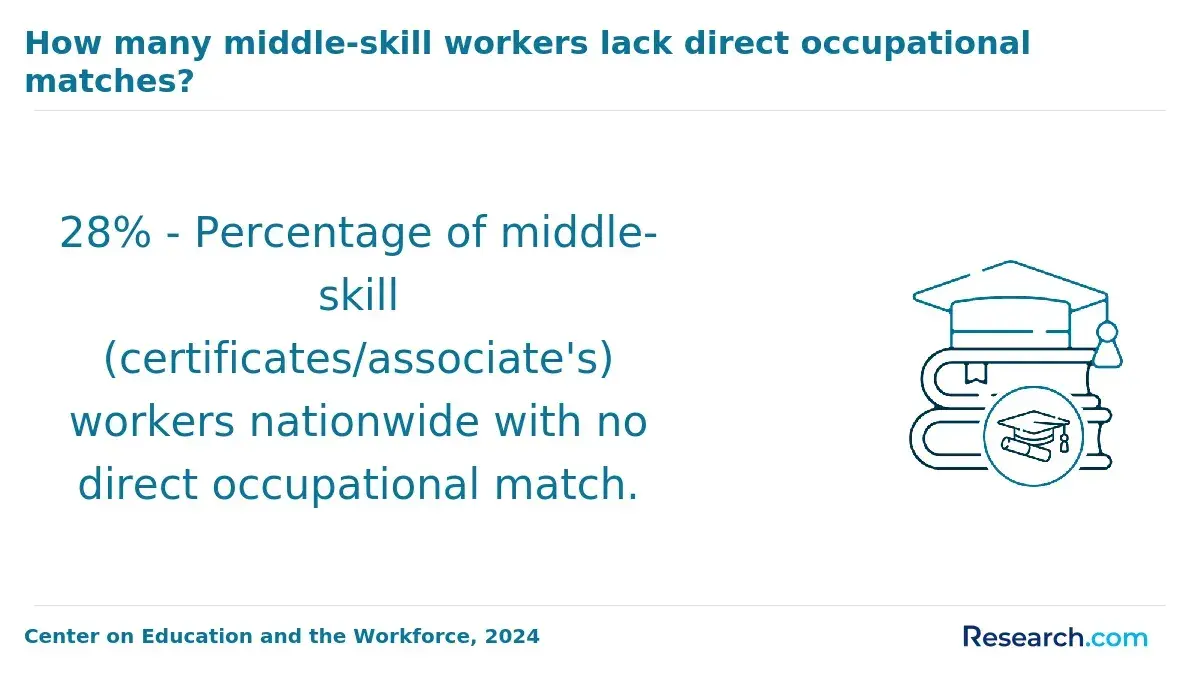
The relative affordability of online education programs compared to traditional campus-based options continues to evolve as institutional pricing strategies adapt to shifts in delivery models. Recent data from the National Center for Education Statistics and Georgetown University's Center on Education and the Workforce indicate that, as of 2024, fully online programs generally maintain a 15-25% lower average tuition than comparable on-campus programs. Yet, this margin is narrowing due to accelerating tuition increases in online settings, reflecting complex economic forces rather than straightforward cost advantages. Online pricing often reflects scalable course delivery but must also balance the need for specialized technology and digital infrastructure, distinguishing it from the fixed costs embedded in brick-and-mortar campuses.
The financial dynamics underlying these differences stem from both reduced and increased expenditures unique to each modality. Online programs eliminate many physical infrastructure expenses such as campus maintenance, dormitories, and classroom utilities, which typically constitute substantial cost centers for traditional institutions. However, these savings are offset partly by significant investments in instructional design aimed at translating curriculum into effective digital formats, ongoing platform licensing, and robust virtual student support services essential for retention and success. Faculty models can also differ, with online programs often requiring additional training or shifts toward adjunct instructors skilled in remote engagement. These operational expenses contribute to the comparatively faster tuition growth observed in online education, indicating that affordability advantages are not solely structural but influenced by evolving institutional strategies and market demands.
A graduate who pursued an online education degree recalled navigating the admissions timeline with some uncertainty. The rolling admissions process meant application feedback and financial aid options arrived at varied intervals, complicating enrollment decisions. Initially hesitant to commit without clear estimates of overall costs, the student weighed the appeal of lower posted tuition against potential technology fees and proctored exam charges disclosed late in the process. This delay prompted a careful reconsideration before finalizing enrollment, illustrating how perceived affordability in online education programs can be influenced not only by sticker price but also by the timing and transparency of ancillary cost communication during admissions.
How Have Financial Aid and Scholarships Changed as Education Tuition Has Increased?
As tuition for education degree programs has risen noticeably faster than inflation and median incomes, financial aid and scholarship models have adapted but often not in ways that fully offset these cost increases. Institutional financial aid budgets have shifted toward more performance- and retention-based awards, aiming to incentivize student progress and degree completion, yet this can limit accessibility for those balancing external responsibilities. Meanwhile, federal and state aid programs have increased nominally but have largely fallen behind tuition growth, with the maximum Pell Grant and other key supports lagging in real terms. Consequently, many students face higher net prices despite expanded aid offerings, as merit-based scholarships grow in prominence but tend to favor top-performing or strategically targeted applicants rather than broadly addressing affordability.
These changes have been driven by multiple factors. The heightened competition among institutions for quality education students compels greater reliance on merit awards to attract strong candidates and maintain enrollment, especially amid tightening public funding. State and federal financial aid policies often prioritize family income metrics without fully incorporating rising program costs, which has amplified reliance on loans. Tuition discounting strategies, while expanding aid access for some, often mask increased baseline prices, contributing to more complicated net price calculations. Additionally, private scholarships have become more prevalent but remain unevenly accessible, failing to consistently bridge affordability gaps for lower-income candidates.
As a result, net price stability remains tenuous for many education students, even with nominal increases in aid, leading to sustained or growing student debt burdens within the field. These financial aid trends influence program selection as students weigh potential debt against expected career outcomes, sometimes prompting shifts toward shorter or alternative credential pathways. Access disparities persist, with aid distribution dynamics disproportionately benefiting certain demographics and achievement levels. Stakeholders evaluating education degree investments must therefore scrutinize not only gross tuition but the evolving landscape of aid, debt, and long-term return on investment shaped by these layered institutional and policy responses.
How Does Rising Education Tuition Affect Student Debt After Graduation?
Rising tuition in education degree programs significantly drives students to increase their borrowing, intensifying reliance on both federal and private loans. As tuition inflation outpaces average family income growth, students face larger financing gaps that financial aid packages often fail to bridge. This dynamic compels many to borrow higher amounts, escalating principal loan balances before even entering repayment. With average graduate debt in education surpassing $30,000 according to recent 2024 analyses, the interplay of tuition hikes and borrowing behavior strongly shapes initial debt loads for education graduates.
Several factors underlie these increases, including widening disparities between tuition costs and available aid, especially across public versus private institutions where sticker prices vary considerably. Interest accumulation during study periods further amplifies total debt for those enrolled in longer, part-time, or extended programs, a common path for adult learners balancing work and family. Post-graduation income levels for education professionals, which traditionally remain moderate and grow slowly, contrast with escalating debt, compounding repayment challenges. Such financial pressures highlight the nuanced relationship among rising education tuition impact on student loan debt in the United States, borrowing strategies, and eventual loan burden.
These debt realities influence borrower behavior and workforce decisions, driving some toward income-driven repayment plans or federal forgiveness programs, while others may limit advanced credential pursuits due to cost concerns. Repayment stress linked to higher debt burdens can affect job retention and career progression in education fields. Prospective students increasingly evaluate program affordability alongside potential income trajectories, factoring in financial strain when selecting among degree pathways or alternative credentials like the cheapest PMHNP certificate programs that may offer different risk-return profiles.
Do Higher-Cost Education Programs Deliver Better Career Outcomes or Earnings?
Higher-cost education programs are often assumed to deliver superior career outcomes and earnings, but tuition price alone is not a reliable indicator of success in the workforce. Data from the U.S. Department of Education's College Scorecard (2024) suggests graduates from costlier programs may see starting salaries 20% to 30% higher than those from less expensive schools. However, this premium varies significantly depending on the field of study, regional tuition price impact on education career outcomes, and student demographics. The relationship between cost and long-term earnings is nuanced, requiring deeper analysis beyond surface-level cost comparisons.
Institutional factors such as prestige, employer networks, and program resources heavily influence graduate outcomes. Programs with strong internship pipelines, extensive alumni connections, and specialization options in high-demand areas tend to create more tangible career leverage irrespective of sticker price. Geographic location also plays a role, as regional labor markets and industry connections shape employment possibilities. For example, technical and healthcare-focused programs in certain regions achieve comparable or even superior results compared to expensive programs elsewhere, demonstrating that program outcomes must be evaluated through multidimensional lenses rather than tuition alone.
Students weighing program costs against career returns should focus on expected return-on-investment metrics, including debt burden, salary projections, and alignment with labor market demand. Practical decision-making benefits from considering non-tuition expenses and access to career services. Individuals exploring fields like counseling might investigate options among accredited online colleges for drug and alcohol counseling to identify affordable pathways with strong employment prospects. Ultimately, evaluating education program cost versus career earnings involves assessing institutional effectiveness, regional market realities, and skill requirements to optimize both financial sustainability and long-term career viability.
What Do Current Tuition Trends Suggest About the Future Cost of a Education Degree?
Current tuition trends indicate that the cost of an education degree will continue to rise at a pace exceeding general inflation. According to the National Center for Education Statistics 2024 report, public four-year institutions saw a 3.5% increase in average annual tuition and fees compared to the previous year-a pattern that has persisted over several years. When adjusted for inflation, this trend reflects a structural escalation largely driven by changing institutional funding models and shifting priorities in program offerings. Rather than a transient spike, these rises suggest a sustained upward trajectory in education degree expenses, influenced by both historical growth and evolving economic pressures.
Key drivers of future tuition increases include reduced state appropriations, heightened demand for specialized educational skills, and the expansion of online and hybrid delivery models that require significant technological investment. Institutions are allocating more resources to digital infrastructure and student support services, which, while enhancing program quality, contribute to higher operational costs. Simultaneously, enrollment demand for education degrees fluctuates with regional workforce needs, adding complexity to pricing as institutions balance affordability pressures against the need to maintain competitive offerings.
These dynamics carry significant implications for affordability and student decision-making. Rising tuition may intensify reliance on borrowing, increasing financial risk for students particularly if wage growth in education-related careers remains stagnant. Prospective students should interpret tuition forecasts with regard to institutional behavior and economic forces rather than simple inflation assumptions, recognizing that cost increases reflect broader systemic factors rather than momentary conditions. This understanding is crucial when evaluating program value, financing options, and long-term employability within an increasingly cost-conscious landscape.
References:
- Surprising Trends in College Costs and Student Debt https://www.higheredtoday.org/2024/09/09/surprising-trends-in-college-costs-and-student-debt/
- College Tuition Inflation [2025]: Rate Increase Statistics https://educationdata.org/college-tuition-inflation-rate
- The cost vs. value paradox: what Americans really think about college https://www.luminafoundation.org/news-and-views/the-cost-vs-value-paradox-what-americans-really-think-about-college/
- Success at Scale: The growth of large-scale online programs | UNBOUND https://unbound.upcea.edu/leadership-strategy/credentialing/success-at-scale-the-growth-of-large-scale-online-programs/
- Inflation and Its Impact on Education Loans in 2026 https://www.wemakescholars.com/blog/how-inflation-impacts-education-loan
- Tracking College Tuition Growth https://www.richmondfed.org/publications/research/economic_brief/2024/eb_24-23
- EducationPlanner.org https://www.educationplanner.org/students/career-planning/explore-salary-pay/tuition-costs-earning-power
- Does a university education help you earn more? https://substack.nomoremarking.com/p/does-a-university-education-help
- Perpetual Growth | HESA https://higheredstrategy.com/perpetual-growth/
- Why is the cost of college rising so fast? https://ssti.org/blog/why-cost-college-rising-so-fast
Other Things You Should Know About Education
Rising tuition often coincides with longer or more intensive programs, but higher costs do not always equate to better preparation or job readiness. Students should evaluate whether extended coursework or additional practicum hours meaningfully enhance their skills and credentials for target careers. Prioritizing programs with efficient credit requirements and focused curricula can mitigate tuition inflation impact while maintaining employability.
Prestige can influence hiring decisions in some education sectors, but it often comes with a tuition premium that may not proportionally improve practical teaching skills or outcomes. Choosing less costly programs with strong local networks or specialized training may offer better return on investment. Students should weigh how much employer preferences and local demand value the brand versus hands-on experience.
Increasing tuition pressure may force students to extend degree completion timelines when balancing jobs, potentially increasing total costs and delaying career advancement. Programs with flexible scheduling, part-time options, or employer partnerships should be prioritized to keep workloads manageable without sacrificing learning quality. Awareness of overall financial strain helps in selecting programs that align with personal and professional commitments.
While tuition inflation is a vital consideration, focusing primarily on cost trends can obscure outcomes like certification pass rates, job placement, and career progression. Greater emphasis on how well a program equips graduates for the realities of education careers ensures financial sacrifices translate into tangible benefits. A balanced approach that integrates cost awareness with robust outcome indicators is the best strategy.